Bookshelf Speakers
Emotiva XB1 Review: Compact Bookshelf Clarity for Desks and Small Rooms
The Emotiva XB1 pairs a 4-inch woven cone woofer with an air motion folded ribbon tweeter. A close look at its clarity, its real limits, and the amplifier and subwoofer pairing that gets the most from it.
Introduction
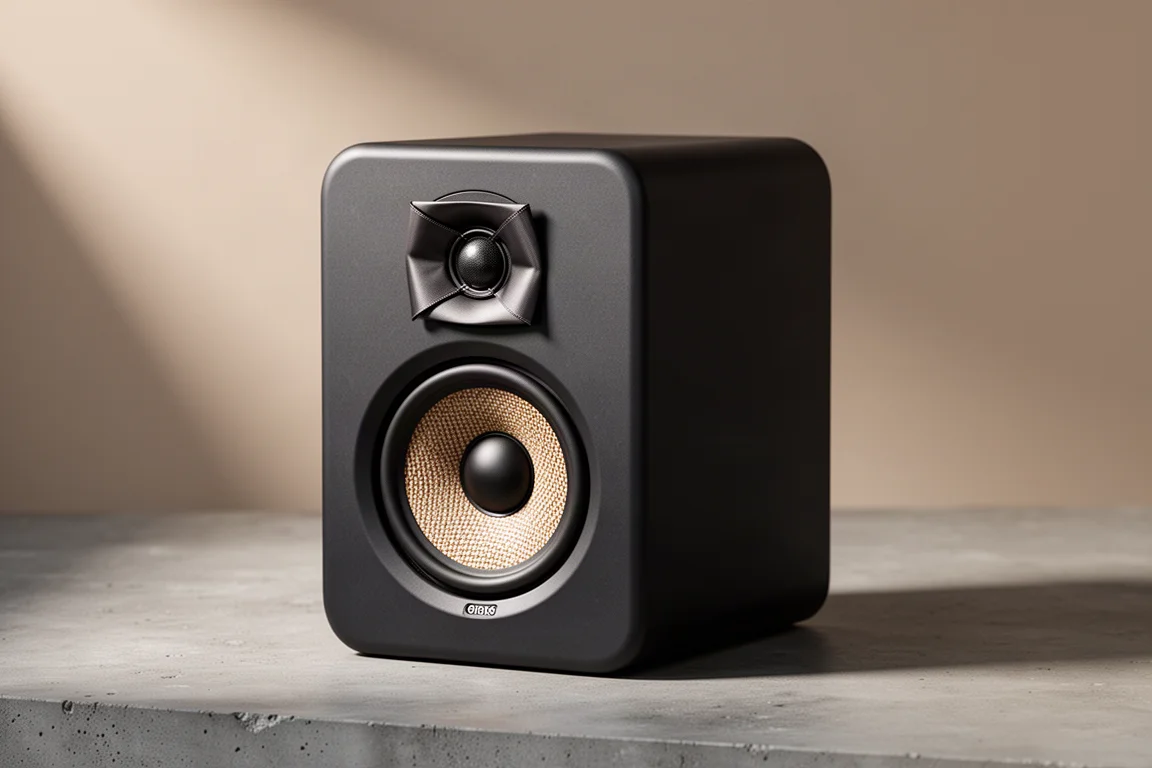
The Emotiva XB1 is the company’s smallest bookshelf speaker, a compact two-way design that carries the same air motion folded ribbon tweeter used across the Emotiva range. It lists at an MSRP of $369, which puts it in a busy field of small speakers where buyers have plenty of alternatives at similar or lower prices.
What makes the XB1 interesting is the set of trade-offs baked into its design. It uses a 4-inch woven cone woofer in a cabinet that weighs around 8.5 lb, and it asks for a genuinely low 82 dB sensitivity in return for the clarity Emotiva is known for. That combination shapes how the speaker should be powered, positioned, and used, and it is worth understanding before you commit.
Who This Speaker Is For
The XB1 measures just over 10 inches tall, about 6 1/4 inches wide, and just shy of 8 inches deep. That footprint makes it a natural fit on a desk, on a shelf, or in a smaller room where a larger standmount would crowd the space. Emotiva quotes a frequency response of 65 Hz to 27,000 Hz within a plus or minus 3 dB window, with the drivers crossing over at 2,600 Hz. Nominal impedance is 4 ohms, and the manufacturer states the speaker is safe with amplifiers rated at 8 ohms.
The 82 dB sensitivity figure is the number to weigh carefully. Sensitivity describes how loud a speaker plays at one meter with one watt of input, and 82 dB is low for a bookshelf design. In practice it means the XB1 needs more amplifier power to reach a given volume than a more sensitive speaker would. That is rarely a problem for nearfield listening, where levels of 70 to 80 dB are typical, but it does mean a low-powered amplifier will run out of headroom sooner if you like to play loud.
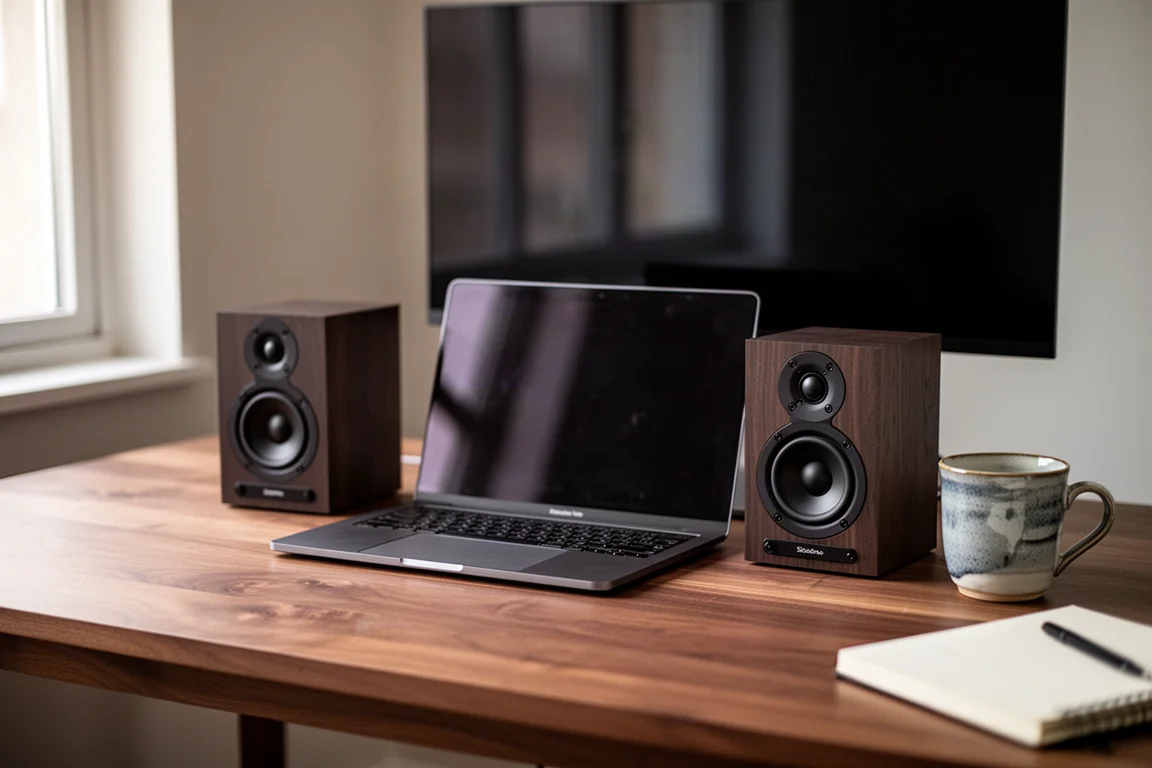
This speaker makes the most sense in a desktop system or a small room, ideally paired with a subwoofer. Crossing the XB1 over at around 70 Hz hands the lowest octaves to a dedicated driver and covers the region where a 4-inch woofer naturally runs out of excursion.
Main Strengths
The XB1’s strengths come from a specific pairing: a ribbon tweeter that resolves fine detail, and a small woofer that behaves with more punch and speed than its size suggests. Both matter, but they matter in different ways depending on what you listen to.
Clarity and Top-End Detail
The 22 mm by 25 mm air motion folded ribbon tweeter is the centerpiece here. It produces a clean, detailed top end rather than a bright or forward one, and it resolves fine high-frequency texture, hi-hats, cymbal decay, snare transients, breath sounds, and room detail, with a sense of realism and air that small dome tweeters at this price rarely match.
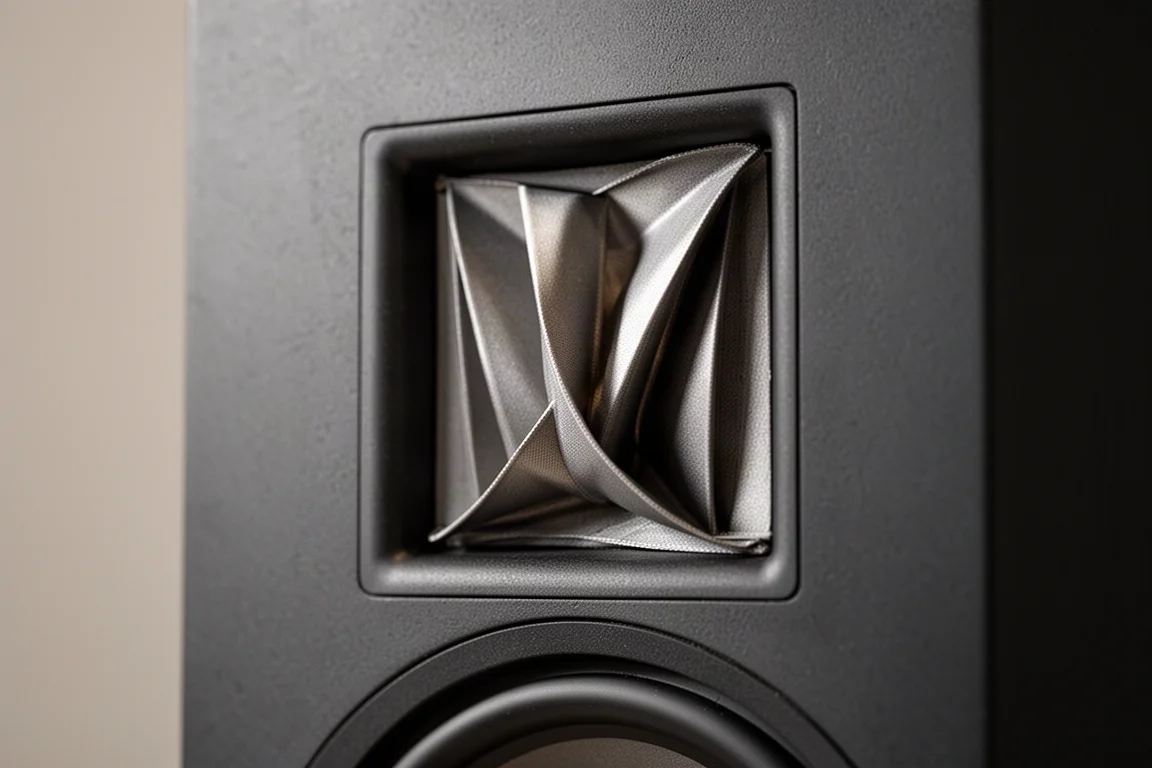
Because that clarity comes from the driver itself rather than an elevated treble shelf, the XB1 stays easy to listen to over long sessions at moderate volume. That distinction matters if the speaker will sit on a desk and play for hours at a time rather than for short, loud listening sessions.
Bass, Midrange, and Punch
There is no replacement for displacement, and a 4-inch woofer has limits. Even so, the bass the XB1 does produce is clean, fast, and surprisingly punchy and full for the cabinet size. Acoustic bass and string textures come across with detail, and the low end stays controlled rather than bloated.
Realism is the key word. Tracks with a heavy, repeating bass hit in the 80 to 100 Hz region can overwhelm a woofer this size if you push the volume, so the XB1 is happiest when listening levels stay in the 70s dB. Paired with a subwoofer crossed near 70 Hz, the low end stops feeling like a compromise at all.
The midrange character is where the XB1 differs from earlier Emotiva designs. The lower mids are warmer and richer than the previous generation, with more natural timbre but slightly less of the cool, ultra-clean midrange clarity that earlier models delivered. Some listeners will prefer the added weight. Around 400 to 500 Hz there can also be a touch more emphasis than ideal, particularly when watching television, and trimming roughly 1 to 1.5 dB in that region restores a cleaner balance. On a speaker this small, trading a little midrange clarity for midrange weight is usually the better call, especially if there is no subwoofer in the system.
Power and Amplifier Pairing
With 82 dB sensitivity and a 4-ohm nominal impedance, the XB1 rewards an amplifier with real current delivery and ideally some tone control. The good news is that modern class D amplification handles it well without spending a fortune. Compact class D amplifiers built around the 3255 chipset, even with a stock 32 volt power supply, drive the XB1 competently. A 50 watt per channel amplifier, which delivers roughly 100 watts into 4 ohms, is a sensible baseline, and that class of amplifier kept the speaker sounding controlled and open.
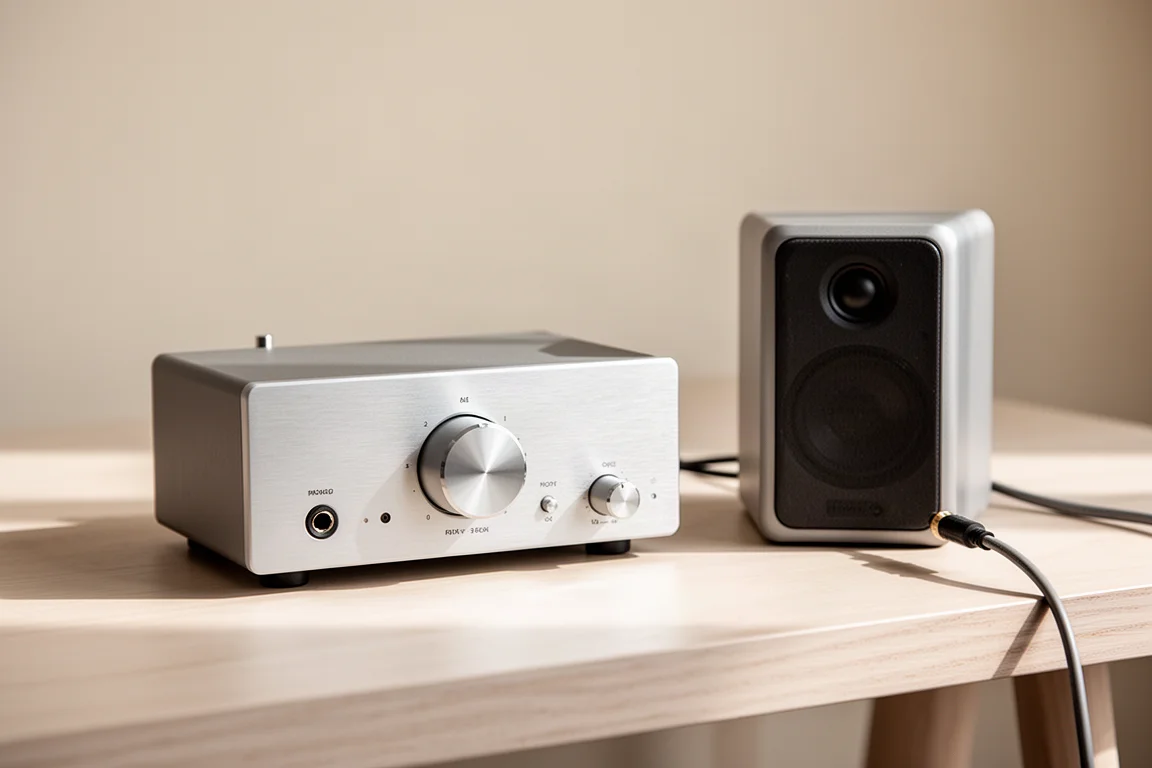
Higher-end amplification also works, and the speaker scales with it, but the returns diminish quickly for desktop use. An amplifier or preamp with EQ is arguably more valuable than extra wattage, since a small adjustment in the lower midrange is the single most effective way to tune the XB1 to your room and taste.
Things to Consider Before Buying
Four points are worth weighing before you buy.
First, low-end extension is inherently limited. A 4-inch woofer cannot deliver the weight of a larger driver, and tracks with dense bass content around 80 to 100 Hz will expose that. If deep bass matters to you, budget for a subwoofer as part of the purchase rather than as a later upgrade.
Second, the 82 dB sensitivity means the speaker needs more power than its size suggests. It is not a difficult load, and the stated 4-ohm nominal impedance is safe with amplifiers rated at 8 ohms, but a very low-powered amplifier is the wrong partner.
Third, the cabinet is just shy of 8 inches deep, which is worth checking against the depth of your desk or shelf before ordering.
Fourth, the tonal balance has moved toward warmth in the lower midrange. Listeners who prize the coolest, cleanest possible mids may prefer a more neutral alternative, and the small emphasis around 400 to 500 Hz is worth knowing about if television and dialogue are a large part of your listening.
Buying Advice
At the $369 MSRP, the XB1 sits in a competitive bracket. A 10 percent discount for veterans and active duty military brings the price to roughly $335. A 20 percent sitewide promotion that was previously available has ended, and that pricing is what made the XB1 such an easy recommendation; below $300, the value case becomes considerably stronger than it is at full price.
It is worth comparing against the alternatives before deciding. The PSB Alpha P3 comes in at $250 a pair with a 4.5-inch textured woofer and a 3/4-inch black anodized aluminum dome tweeter at 85 dB sensitivity, and it is warmer and more rolled off on top. The Klipsch RP-400M sits at around $249 a pair with a much higher 91 dB sensitivity and a 71 Hz to 21,000 Hz rating, making it easier to drive but very different in character. The DALI Spektor 1 at $350 reaches down to 59 Hz with 83 dB sensitivity in a smaller, lighter cabinet at 5.73 lb. The Q Acoustics 5010 costs roughly $750, about double the XB1.
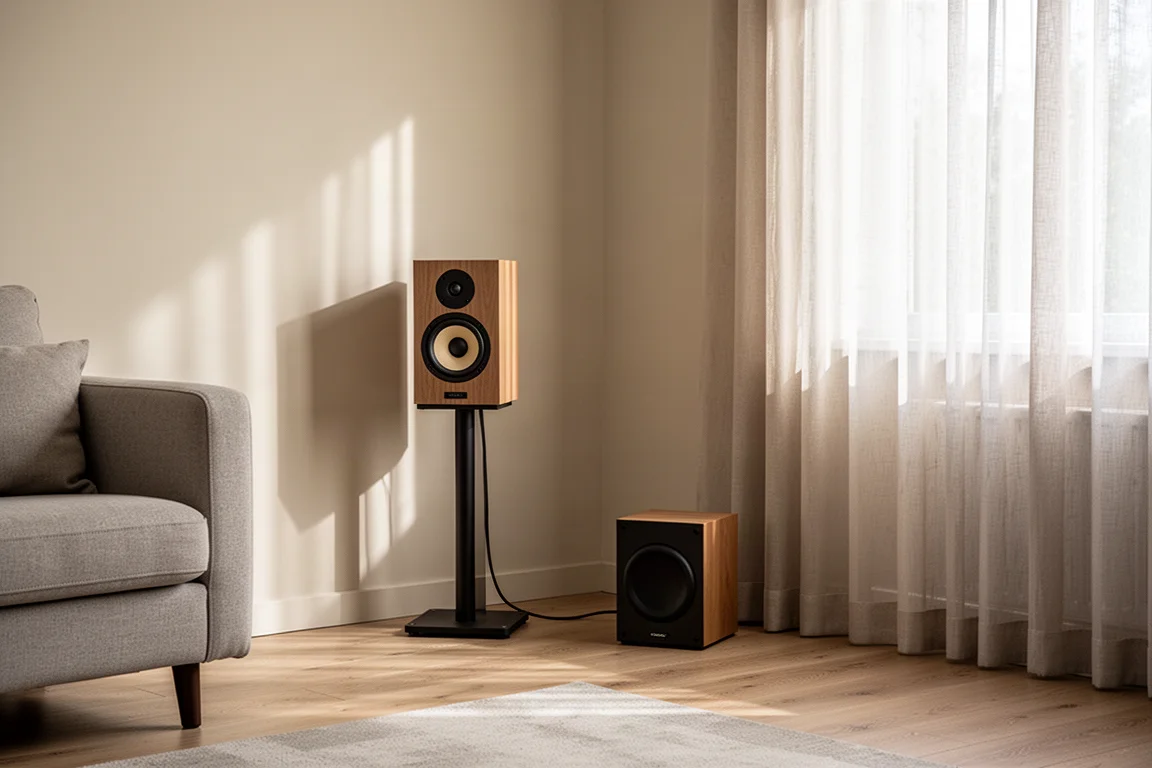
The XB1’s strongest case is a system built around it: a subwoofer crossed near 70 Hz, an amplifier with enough power and some EQ flexibility, and listening levels kept in the 70 to 80 dB range. In that configuration the top-end clarity and the punchy low end work together, and the speaker sounds considerably more capable than its dimensions suggest.
Conclusion
The Emotiva XB1 is a small speaker with a clear personality. Its ribbon tweeter delivers top-end clarity and detail that is hard to find elsewhere at this price, its 4-inch woofer is punchier and more articulate than expected, and its lower midrange is warmer than earlier Emotiva designs. The compromises are equally clear: limited deep bass, low sensitivity that demands a competent amplifier, and a full price that asks you to think about the alternatives.
For a desktop system or a small room with a subwoofer and a solid amplifier, the XB1 is a rewarding choice. Buy it for the clarity and the character, plan for the power and the low end, and it will deliver far more than its size suggests.
Product link
View more details for Emotiva XB1
This product is mentioned in the review. Check the specifications, options, and compatibility before buying.
View more details for Emotiva XB1Further reading
Related Reviews
Bookshelf Speakers
Acoustic Energy A100 Mark II Review: A Compact Standmount With an Expansive Soundstage
The Acoustic Energy A100 Mark II brings clarity, natural tonality and a wide soundstage to an entry-level standmount, with a few setup details worth knowing first.
Bookshelf Speakers
Acoustic Energy AE-100 Mark II Review: Compact Bookshelf Speakers With Standout Imaging
A compact British two-way bookshelf speaker with deep, layered imaging, fast bass, and a slight treble lift to weigh against a crowded $500 field.
Bookshelf Speakers
Acoustic Energy AE100 MK2 Review: Measured Performance and Four Alternatives
A close look at the Acoustic Energy AE100 MK2 bookshelf speaker, what its measured performance reveals, and four alternatives with different trade-offs.