Home Audio
Emotiva Airmotiv XT2 Review: A Standout Mid-Range With a Serious Power Appetite
A practical look at the Emotiva Airmotiv XT2 tower speaker: its five-driver three-way design, its exceptionally neutral mid-range, and the amplifier and placement demands to weigh first.
Introduction
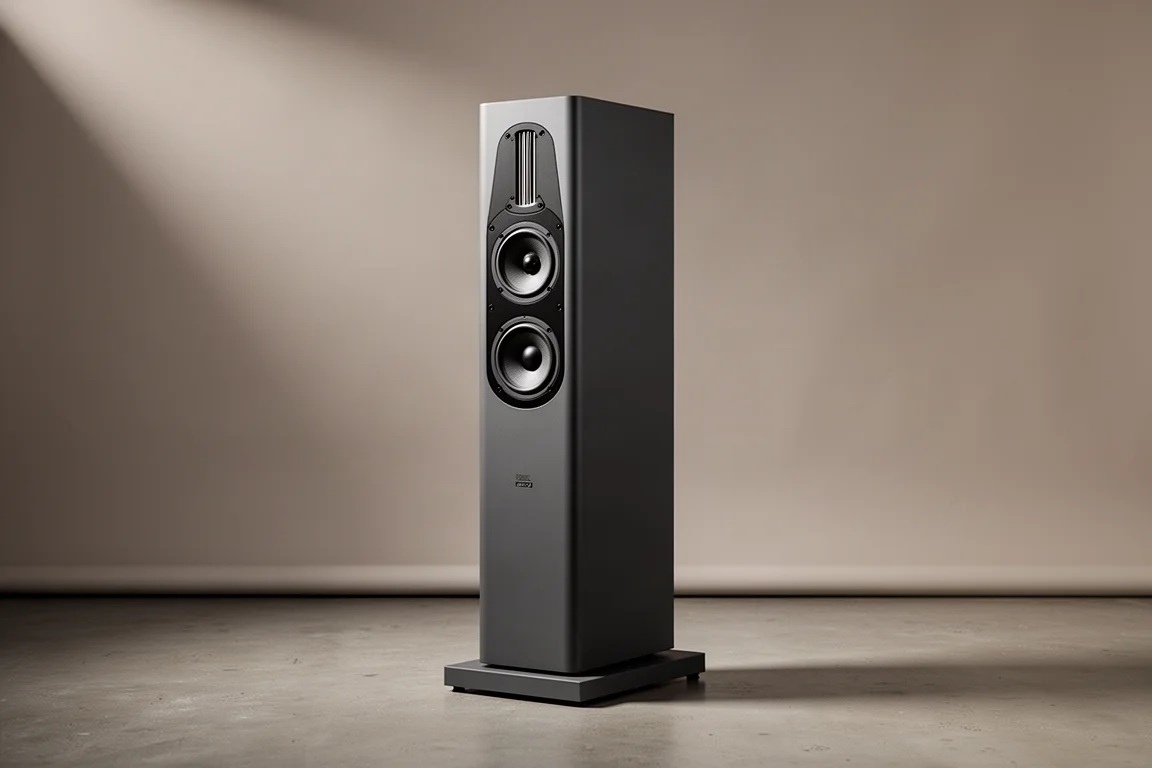
The Emotiva Airmotiv XT2 is a three-way floorstanding tower and the middle model in Emotiva’s redesigned Airmotiv tower range. The new series has been reworked inside and out, replacing the angular styling of the previous generation with a more refined look, and the XT2 shares its visual language with towers from other well-known brands in this category.
Inside the cabinet are five drivers: three 6-inch woofers, a 5.25-inch mid-range driver, and a roughly 1-inch folded ribbon tweeter, supported by a rear-facing port. Emotiva lists a frequency response of 40 Hz to 27 kHz, a sensitivity of 90 dB, and an impedance of 4 ohms.
That specification sheet looks strong for the money, and in the right system the XT2 delivers an exceptionally neutral mid-range. It is also one of the more demanding speakers in its class, needing a high-current amplifier and patient setup to sound its best. Here is what to know before buying.
Who This Speaker Is For
The XT2 suits listeners who run a dedicated home theater or two-channel system, have an amplifier with plenty of power into a 4-ohm load, and regularly listen at high volume. In that context it can produce a forceful, cinematic presentation with genuine punch.
It is a less natural fit for casual, low-volume listening. Dynamic capability depends heavily on the amplifier and the volume level, and the speaker needs a lot of level before it comes alive. The character of the sound does not change much as the volume rises either, so the XT2 behaves almost like a switch: forceful at higher levels, comparatively flat at lower ones.
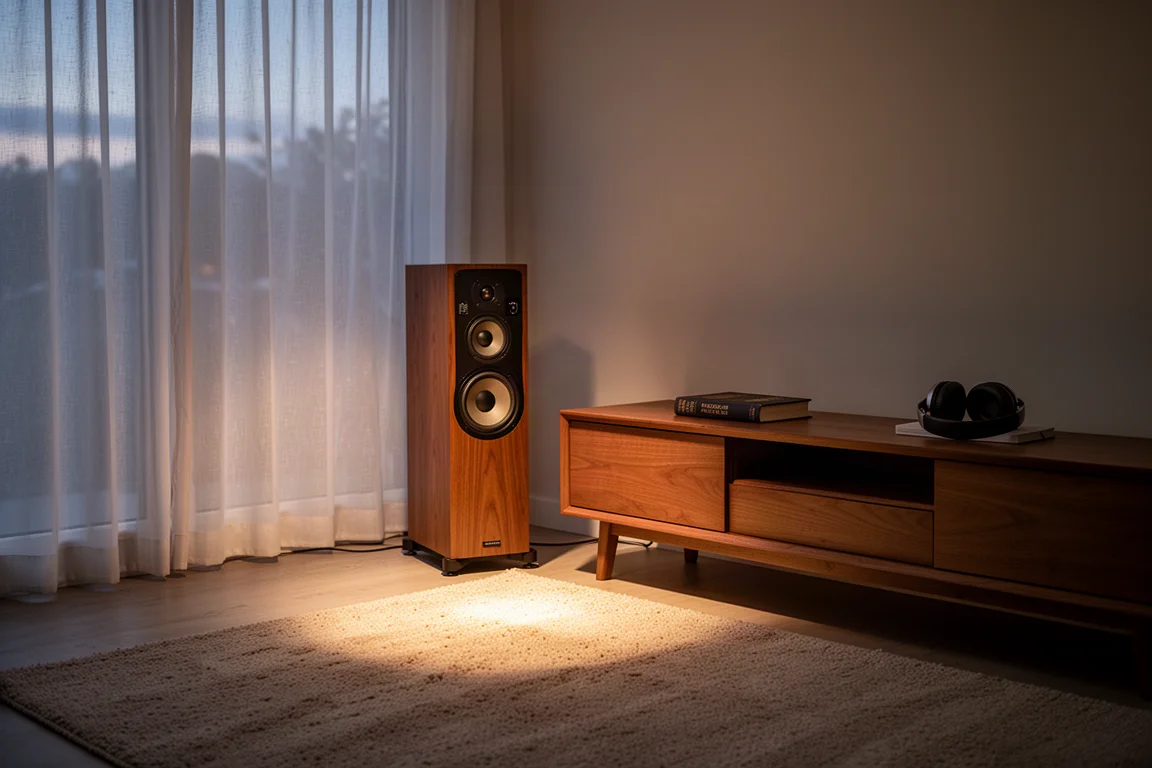
It is also very much a system speaker. The matching XC2 center channel fills the middle of the XT2’s soundstage and allows the towers to be aimed straight ahead rather than toed in, which matters if you plan to build a full Airmotiv surround setup. The wider series includes three towers, a pair of bookshelf speakers, three center channels, surround speakers, and several subwoofers.
Design and Build
The redesign is the most visible change. The old Airmotiv look has given way to a black cabinet with a leather-textured finish on the top and sides, which reads as more refined and more furniture-friendly than the outgoing design. The proportions and driver layout will look familiar to anyone who has spent time around MartinLogan’s Motion series.
Under the skin it is a true three-way design: three 6-inch woofers for the low end, a 5.25-inch mid-range driver for the critical middle band, and a folded ribbon tweeter for the top octaves. A rear-facing port helps the cabinet reach its rated 40 Hz limit.
Sensitivity is rated at 90 dB, which sounds efficient on paper. The 4-ohm impedance is the more important figure, and it explains much of what follows.
Main Strengths
The mid-range is the headline. From roughly 100 Hz to 2 kHz, near-field on-axis measurements are as linear and neutral as anyone could reasonably expect at this price, and that is the reason the XT2 can sound so convincing on dialogue and on instruments that sit in the middle of the band.
Given enough power, the XT2 also delivers forceful dynamics. At high volume it can produce the kind of full-throttle, pulse-pounding home theater experience that suits action-heavy material, and that is where the speaker makes its strongest case.
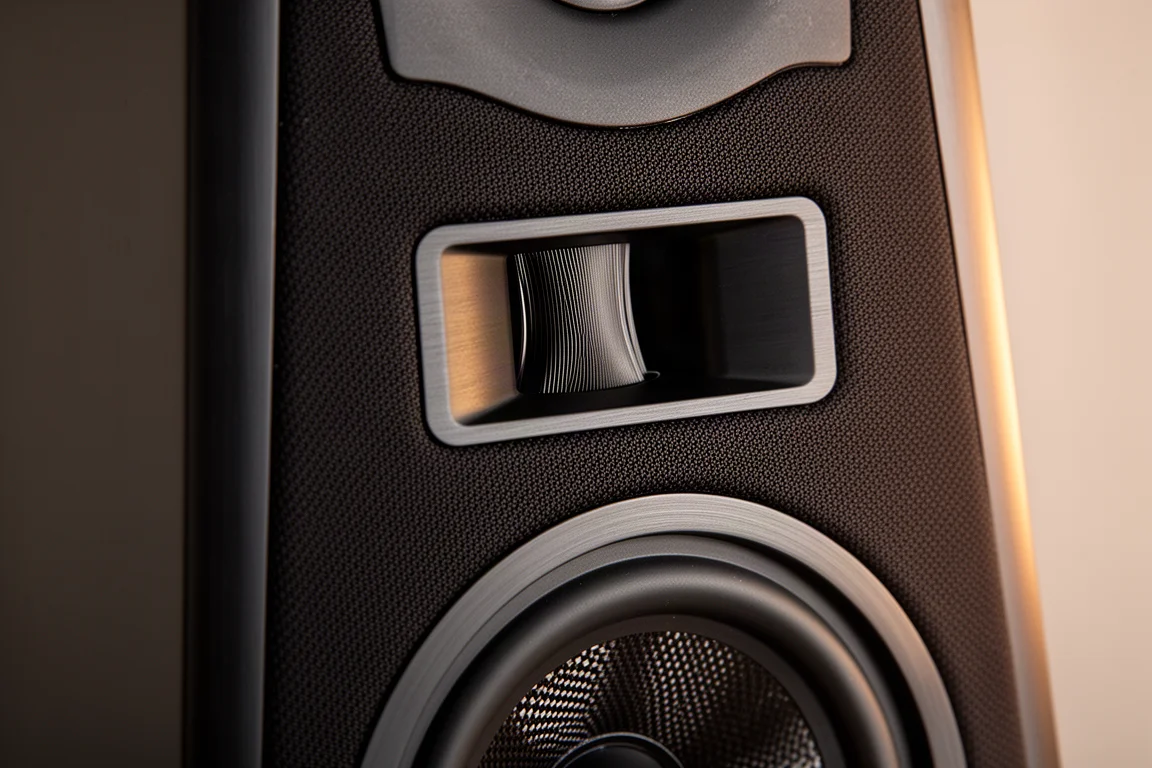
The matching XC2 center channel measures impressively in the near field on axis, and its presence fills the middle of the XT2’s soundstage. That lets the towers stay pointed straight ahead instead of being toed in toward the listening position, which is a useful arrangement in a surround system.
Things to Consider Before Buying
The XT2 asks more of a system than its price suggests. Amplification, placement, and low-frequency extension all need attention before the speaker can be judged fairly.
Amplifier Power Demands
Emotiva recommends at least 100 watts per channel, and preferably more, for any speaker in the Airmotiv line, and the XT2 shows why. Paired with a 120-watt-per-channel home theater receiver, the speaker sounded strained and fatiguing, and the receiver ran hot enough to be a concern within minutes.
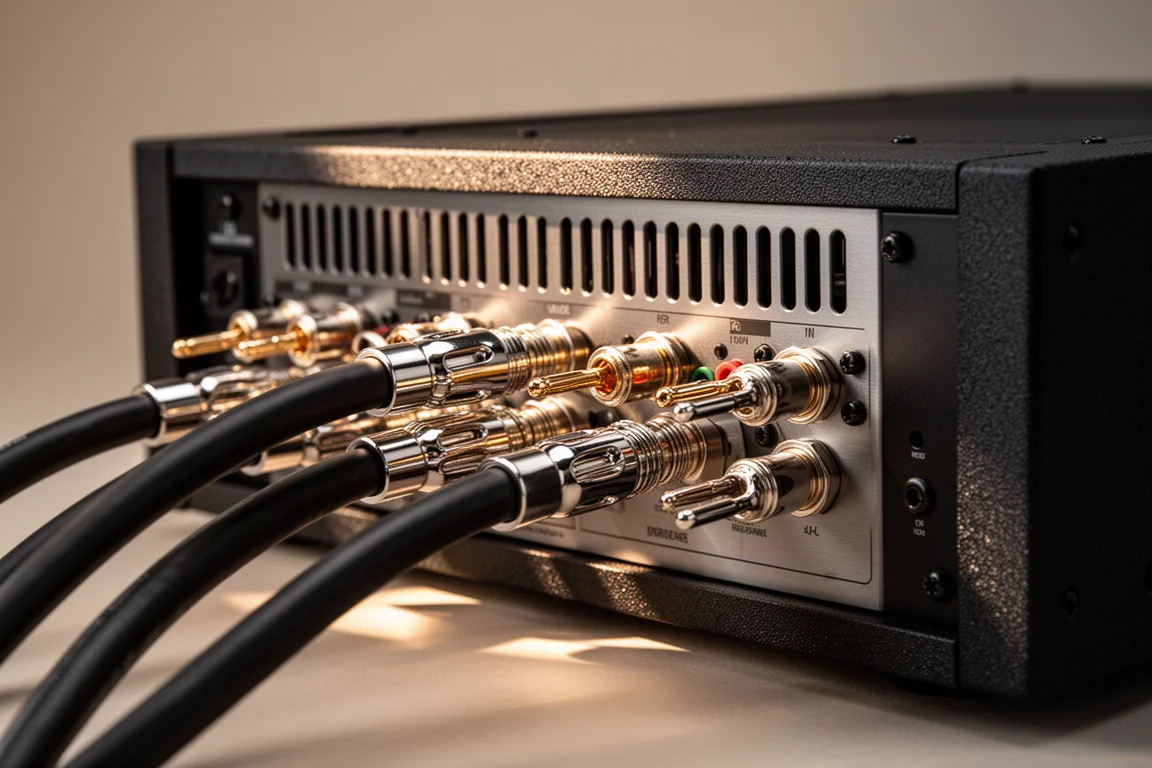
A 400-watt-per-channel stereo amplifier into 4 ohms proved a better match, and a 250-watt-per-channel receiver finally allowed a fair assessment of what the XT2 can do. Emotiva states that the new Airmotiv models, including the XP2 bookshelf, were developed in-house around the company’s own amplifiers, specifically the XPA line, which starts at $1,200 for a two-channel model. A three-channel XPA drove the XT2 without fuss, so plan for serious amplification alongside the speakers.
Placement and Treble Response
The XT2 is unusually sensitive to placement. Vertical dispersion is narrow, so it does not throw a wide, open soundstage, and it is easy to locate in the room. Toe-in has a dramatic effect: aimed at the listening position, treble energy rises out of a dip around 2 kHz and stays elevated past 20 kHz, which can sound bright and cause fatigue. Pointed straight ahead, the top end rolls off and the brightness subsides, but center imaging becomes vaguer and less intelligible.
At a listening distance of about 12 feet, with the speakers roughly 9 to 10 feet apart and toed in, the top end becomes inconsistent, with a dip followed by a hump that emphasizes sibilance and adds a ringing quality to metallic instruments such as cymbals. The contrast between roughly 4 kHz and 10 kHz can reach about 10 dB in places, so tonal balance shifts noticeably from track to track and scene to scene. Listening height matters as well, and no single placement will suit every situation.
Bass Extension and Subwoofer Needs
The XT2 has a bass boost that kicks in around 200 Hz, which can make dialogue and vocals sound slightly chesty depending on the room. Below that, output cuts off abruptly at 40 Hz. The result is punchy rather than weighty, which is surprising for a three-way tower with three woofers, and it barely extends lower than the matching bookshelf model. A subwoofer is effectively required for full-range playback.
How the Airmotiv XT2 Compares
The MartinLogan Foundation F2 costs roughly twice as much and uses a similar driver layout and tweeter technology. The XT2 measures flatter, but the F2 wins on the things that matter in a room: a fuller-range sound, better dispersion, and a less aggressive top end. The Klipsch 8000F Mark I looks less impressive on paper, yet its in-room performance is stronger, with greater width and height across the front of the soundstage and a clear advantage in bass. The Polk R700 shares the XT2’s appetite for power and little else; aside from a possible edge in dynamics, the Polk is the better speaker.
Relative to the previous generation of Airmotiv speakers, the new line was developed entirely in-house, which is a departure for the brand. The older models were not known for being this fussy or this directional. Owners who are happy with the previous generation have little reason to change.
Buying Advice
The XT2 makes sense when three conditions are met. You have an amplifier that can deliver well over 100 watts per channel into a 4-ohm load. You listen loud most of the time and want a home theater speaker that can produce a forceful, cinematic result at those levels. And you are willing to spend time on placement, accepting that the sweet spot is narrow.
If you listen at moderate volumes, want a wide and holographic soundstage, or prefer a speaker that does not need careful toe-in to sound balanced, the XT2’s priorities work against you. Its mid-range performance is genuinely impressive, but its treble behavior and directivity make it a harder recommendation than its measurements alone suggest. The MartinLogan Foundation F2 is a strong alternative if the higher price is acceptable.
Conclusion
The Emotiva Airmotiv XT2 is a well-built three-way tower with an excellent mid-range, a refined cabinet, and real dynamic capability when it is given enough power and volume. It is also a demanding speaker that is unusually sensitive to amplification and placement, and its bass stops short of what a three-way tower with three woofers might imply. Buy it for loud, high-energy home theater with serious amplification, and look elsewhere if you want flexibility at lower volumes or a forgiving setup.
Product link
View more details for Emotiva Airmotiv XT2
This product is mentioned in the review. Check the specifications, options, and compatibility before buying.
View more details for Emotiva Airmotiv XT2Further reading
Related Reviews
Home Audio
Aperion Novus Tower and Center Review: Punchy Home Theater Sound With Real Refinement
A close look at the Aperion Novus tower and center speakers, from their layered paint finish and punchy bass to the 4-ohm load and what the price actually buys.
Home Audio
Arendal 1610 Tower Review: Flagship Dynamics in a Room-Friendly Tower
A compact floorstanding tower with three 8-inch aluminium woofers, a 5-inch carbon midrange, and the kind of bass heft usually reserved for much larger speakers.
Home Audio
Arendal 1723 S THX Review: A Reference Speaker Built Like a Tank
A practical look at the Arendal 1723 S THX, a sealed, THX-certified speaker with exceptional build quality, a very flat top end, and a midrange that responds beautifully to EQ.