Bookshelf Speakers
Emotiva Airmotiv XB2 vs KEF LS50 Meta vs Sonus Faber Lumina II Amator: Three Bookshelf Speakers Compared
A practical comparison of the Emotiva Airmotiv XB2 against two higher-priced stand-mount speakers, with notes on amplifier pairing, bass, and value.
Introduction
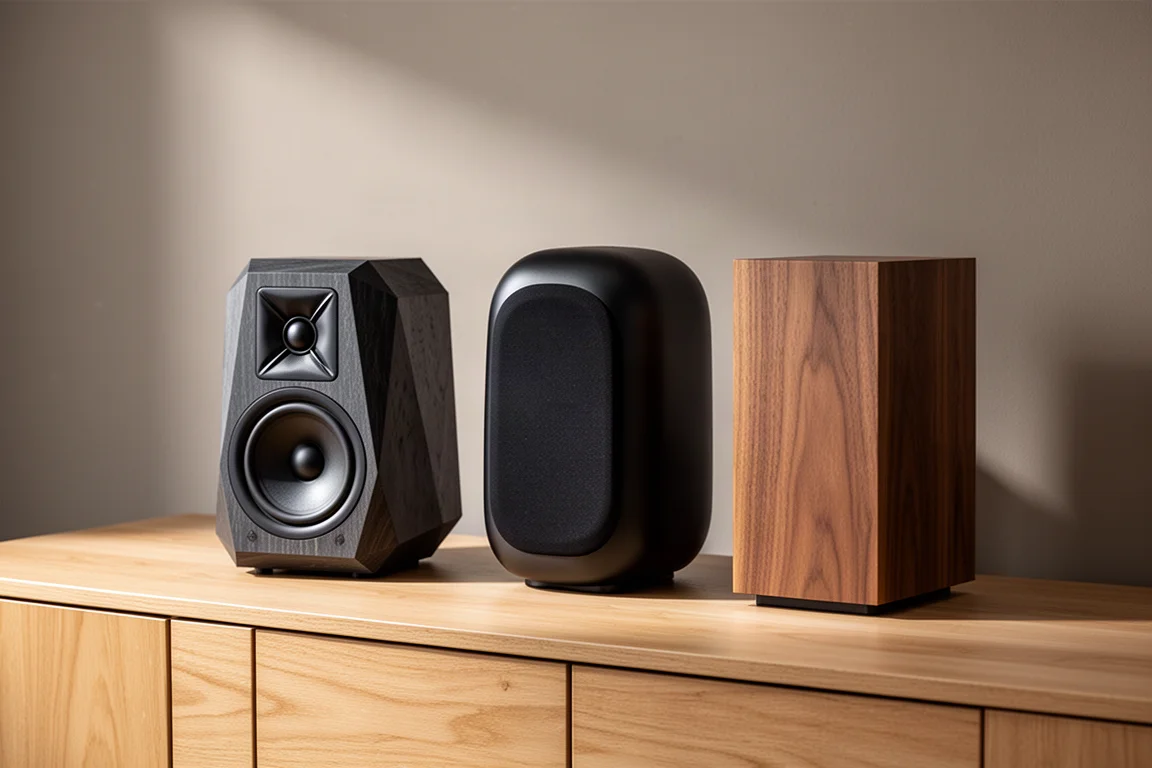
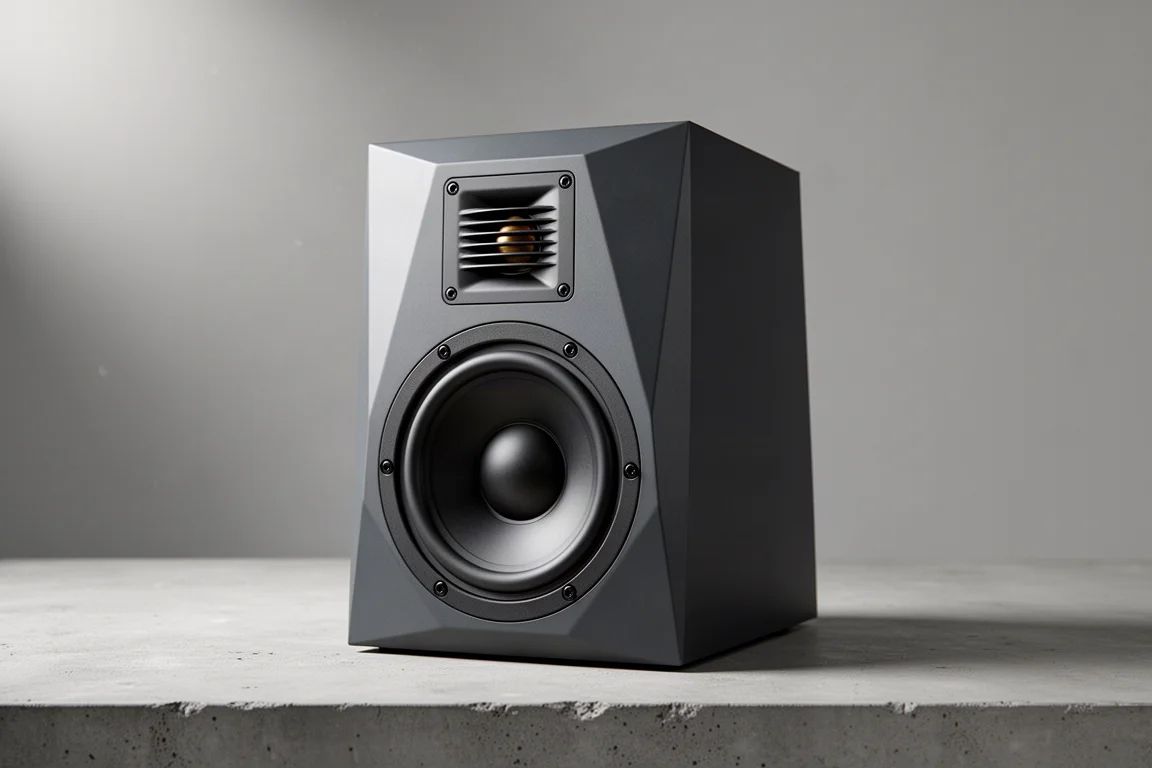
The Emotiva Airmotiv XB2 is the replacement for the Airmotiv B2+, and it arrives at $499, below where the outgoing model eventually settled on price. Sensitivity stays at a stated 86 dB, the low-frequency roll-off moves from 40 Hz to 48 Hz, and the cabinet has been reshaped into a faceted design with no sharp edges.
The XB2 was also compared directly against two considerably more expensive stand-mount speakers, the KEF LS50 Meta and the Sonus Faber Lumina II Amator. It does not sound the same as either one, yet it delivers some of the same qualities. This guide covers what the XB2 does well, where the two higher-priced models fit in, and how to decide which speaker belongs in your room.
How These Three Bookshelf Speakers Compare
Five things separate these speakers in everyday listening: clarity and detail retrieval, mid-range balance, bass extension and punch, soundstage width and off-axis behaviour, and how each one responds to the amplifier in front of it.
The XB2 leads on price. At $499 it undercuts the model it replaces, and it sits far below the two comparison speakers, which are positioned at several times the cost. That gap matters because the XB2 is not trying to imitate either one. It is a cleaner, more balanced take on the previous Emotiva line, with a redesigned tweeter and better controlled cabinet resonance.
Amplifier pairing is the variable most owners will notice first. The XB2 is transparent enough that the character of the amplifier carries through, so a clean, analytical design and a warm, relaxed design produce noticeably different results. Bass is a matter of taste as well: the XB2 gives up some punch compared with the B2+ in exchange for a cleaner low end and a tidier mid-range.
Emotiva Airmotiv XB2: The Value Pick
The cabinet is the first thing you notice. The previous generation’s sharp edges are gone, replaced by a faceted shape that reads as more modern and, for many listeners, more attractive. The binding posts have been updated too, with a sturdier plastic housing than the older parts.
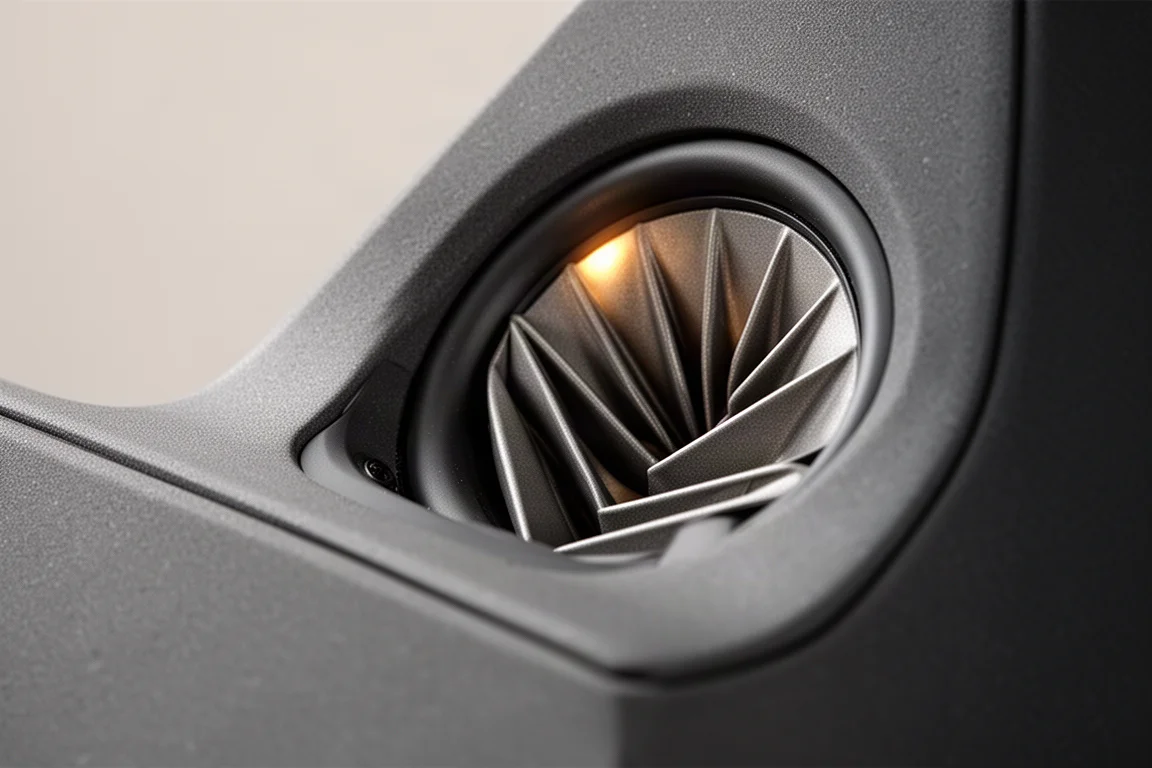
The air motion transformer tweeter is the heart of the sound. It produces the air and reverb around voices and instruments, and it lingers a fraction longer than a typical silk dome. On Hall and Oates’ “I Can’t Go For That”, the reverb tail around the 27-second mark hangs in the room in a way that is easy to hear. The tweeter also improves vertical off-axis performance, so the soundstage stays coherent when you stand up or move around.
In the low end, the XB2 does not hit as hard as the B2+, and it is not meant to. There is no XB1 in the new line, so this single model takes on the role of both the B2+ and the smaller B1+ with its 5.25-inch driver. The result is bass that is cleaner than the B2+ and punchier than the B1+, combined with the B1+‘s mid-range clarity.
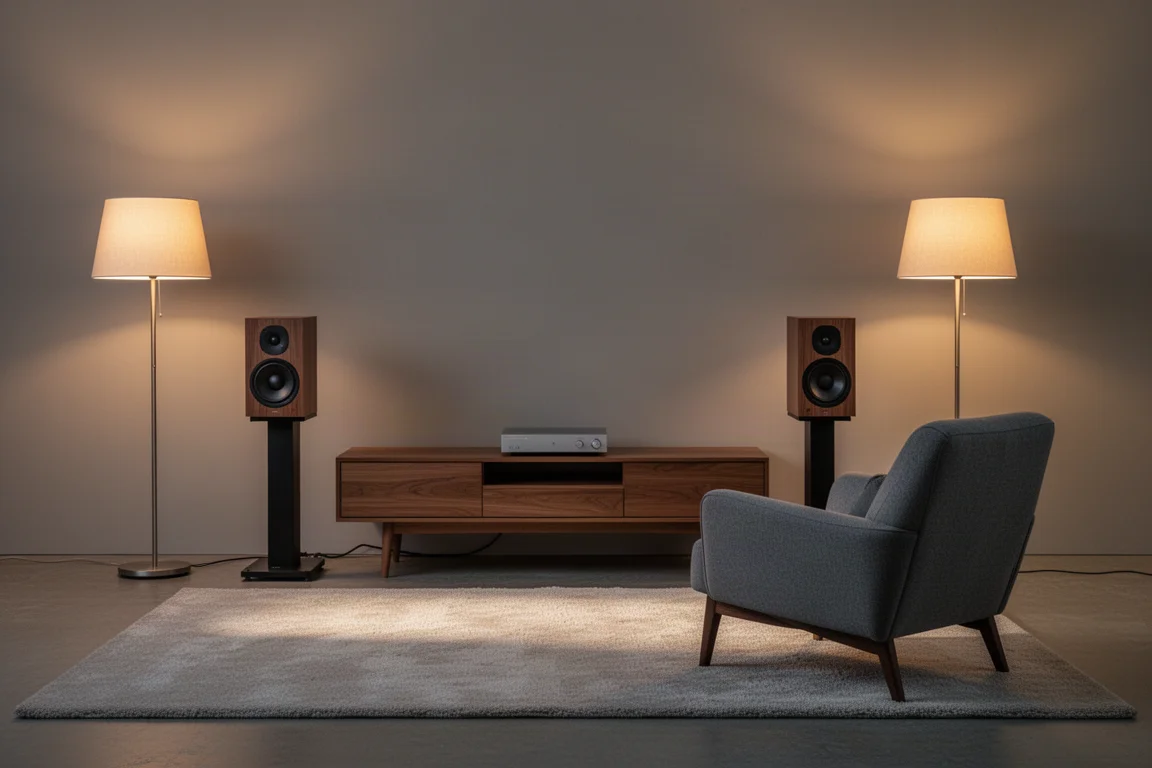
Amplifier matching is where the XB2 rewards experimentation. With a clean, analytical amplifier, detail retrieval is at its best, and a subwoofer needs far less output than usual: an SVS SB-1000 Pro normally run at -3 dB had to be turned down to -23 dB, and the speaker still sounded good with the subwoofer switched off entirely. With the warm Cambridge Audio AXA35, the presentation gained a little bass weight but lost some mid-range clarity.
KEF LS50 Meta: The Higher-Priced Reference
The KEF LS50 Meta is one of the two stand-mount speakers the XB2 was compared against, and it occupies a completely different price bracket, costing several times more. It remains a well-established reference for listeners who want a compact speaker with a distinct presentation.
The two do not sound alike. Each has its own character, and the differences are large enough that preference, not price, decides the outcome. In direct comparison, the XB2 held its own closely enough that many listeners may prefer it despite the gap in cost.
That makes the LS50 Meta a useful benchmark rather than an automatic upgrade. If you already own it, the XB2 is not a replacement. If you are choosing between them, the deciding factors are the amplifier you run and how much you value the specific voicing each speaker delivers.
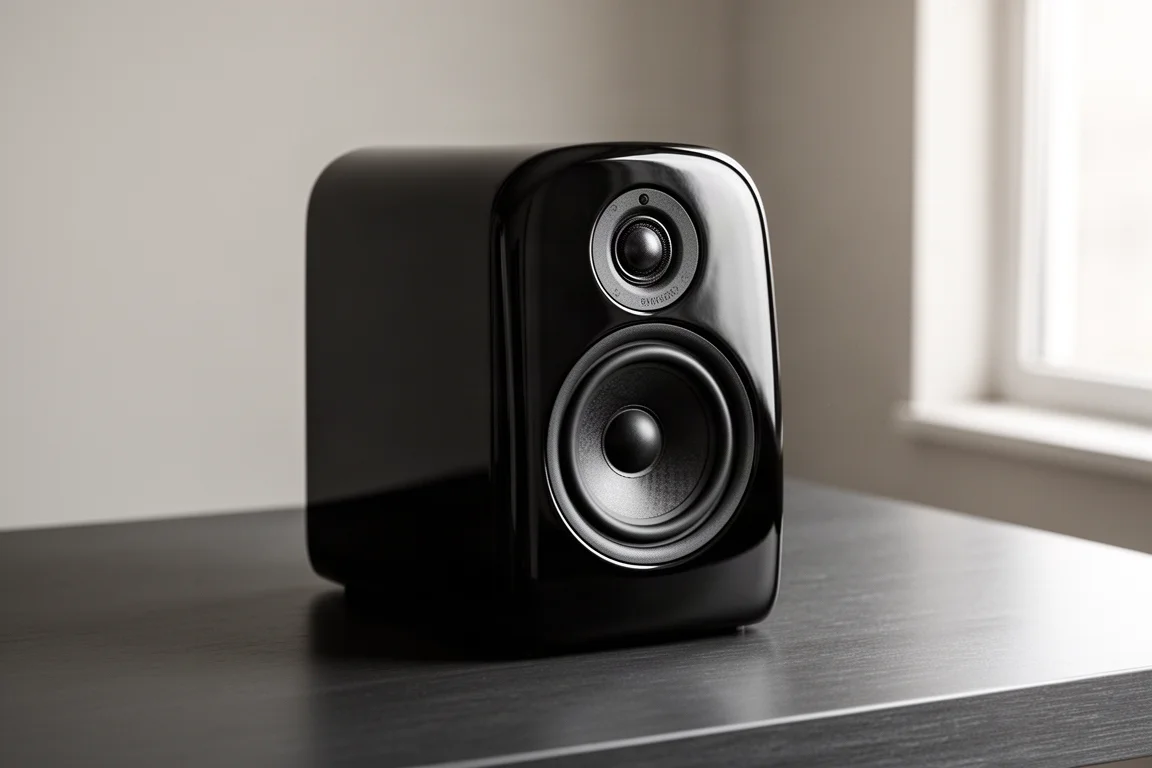
Sonus Faber Lumina II Amator: The Boutique Alternative
The Sonus Faber Lumina II Amator is the second higher-priced reference used in the comparison, and it sits in the same elevated bracket as the LS50 Meta. It represents a different design approach and a different voicing, and it is priced accordingly.
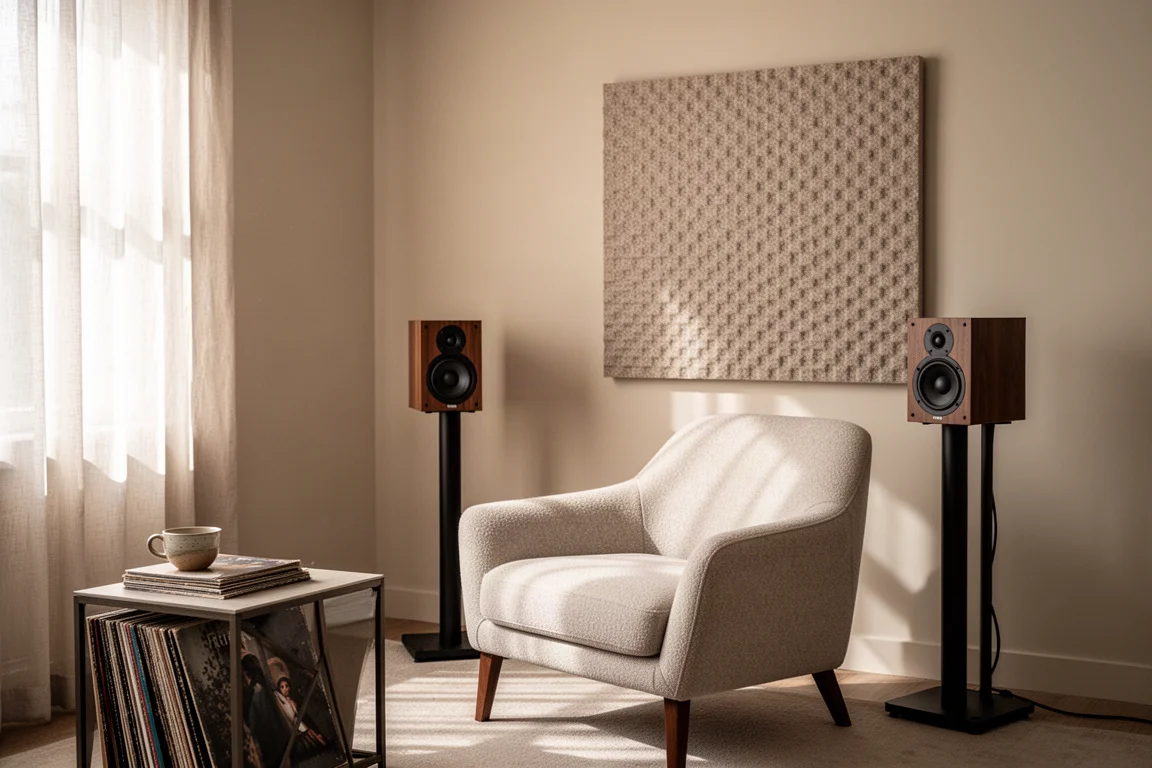
As with the KEF, the XB2 does not sound the same as the Lumina II Amator, but it delivers some of the same benefits at a fraction of the price. Listeners who want a specific house sound and are willing to pay for it will still find the Lumina II Amator appealing. Listeners who mainly want clarity, air, and a wide soundstage have a far cheaper option.
Both comparisons point to the same conclusion: the price gap between these speakers is much larger than the gap in what you actually hear. A side-by-side listen with familiar material remains the best way to choose, because the differences between these three are about character rather than outright capability.
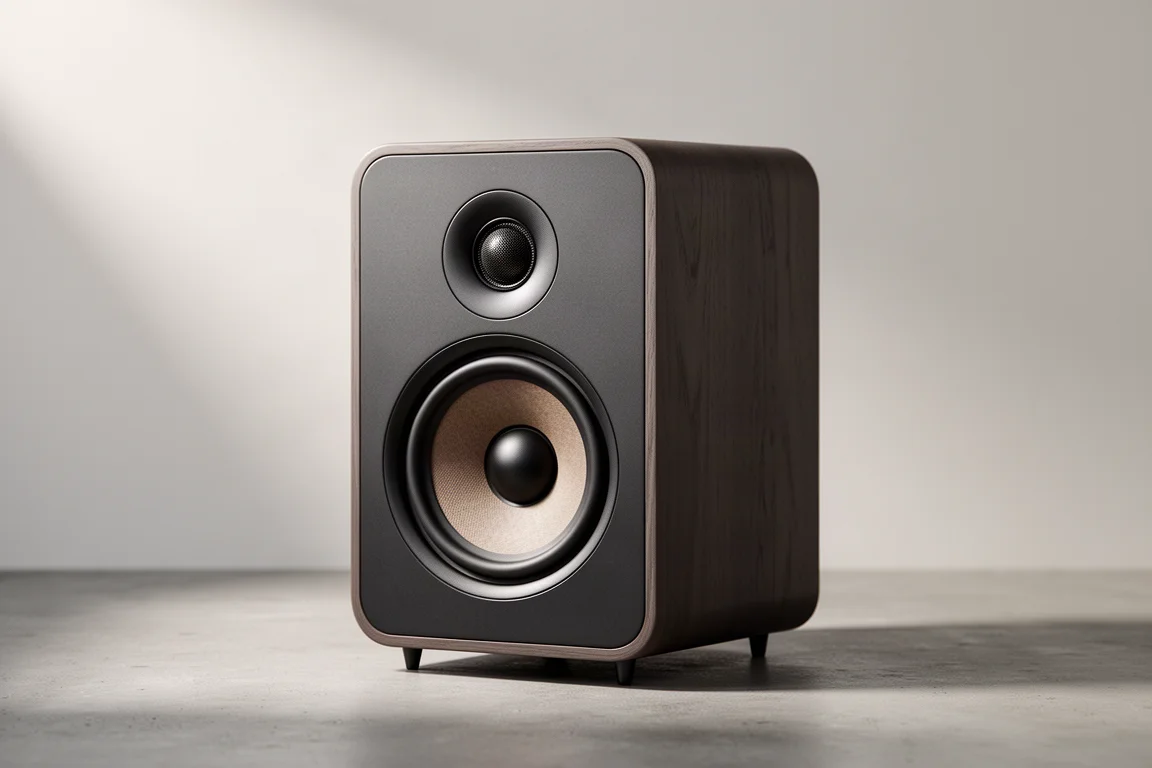
Buying Advice: Matching the Speaker to Your Room and Amplifier
Start with the amplifier. The XB2 is transparent enough that a clean, analytical design reveals more detail, while a warm amplifier such as the Cambridge Audio AXA35 trades a little mid-range clarity for extra bass weight. Neither approach is wrong. Pick the sonic signature you enjoy, and expect the speaker to follow it.
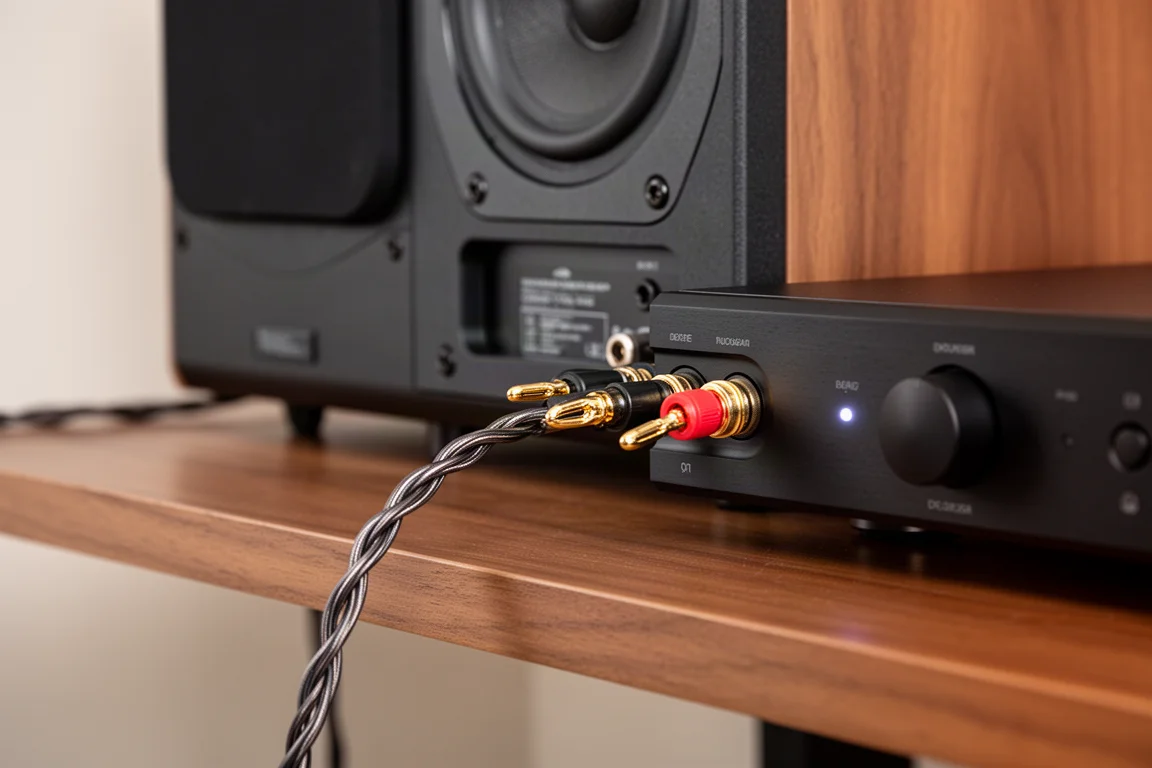
Room setup matters as much as the electronics. A listening distance of roughly 13 feet with the speakers about two feet from the front wall worked well, with acoustic absorption on the side walls to tame reflections. If your room is smaller, the same fundamentals apply: keep some space behind the speakers and treat the first reflection points.
A subwoofer is optional. The XB2 sounded good on its own, and when a subwoofer was added it needed far less gain than usual. If you already own one, expect to run it lower than you do with most speakers, which is a sign of how much clean low-end the XB2 produces by itself.
Finally, decide what you are buying. The XB2 at $499 delivers clarity, air, a wide soundstage, and a cleaner mid-range than the model it replaces. The KEF LS50 Meta and the Sonus Faber Lumina II Amator remain strong choices for listeners who want their specific voicings and are comfortable paying several times more.
Conclusion
The Airmotiv XB2 combines the strongest traits of the speakers it replaces: the clarity and air of the B2+ line, the mid-range balance of the B1+, and more bass than the smaller model managed, all in a cabinet with better controlled resonance and a cleaner look. Its bass punch is lighter than the B2+, which is a deliberate trade rather than a shortfall.
At $499 it also undercuts the model it replaces, and it competes closely enough with the KEF LS50 Meta and the Sonus Faber Lumina II Amator that many listeners will prefer it outright. If clarity, detail, and a wide soundstage matter most, the XB2 is the straightforward choice. If you want one of the higher-priced voicings, those speakers remain worth auditioning.
Further reading
Related Reviews
Bookshelf Speakers
Acoustic Energy A100 Mark II Review: A Compact Standmount With an Expansive Soundstage
The Acoustic Energy A100 Mark II brings clarity, natural tonality and a wide soundstage to an entry-level standmount, with a few setup details worth knowing first.
Bookshelf Speakers
Acoustic Energy AE-100 Mark II Review: Compact Bookshelf Speakers With Standout Imaging
A compact British two-way bookshelf speaker with deep, layered imaging, fast bass, and a slight treble lift to weigh against a crowded $500 field.
Bookshelf Speakers
Acoustic Energy AE100 MK2 Review: Measured Performance and Four Alternatives
A close look at the Acoustic Energy AE100 MK2 bookshelf speaker, what its measured performance reveals, and four alternatives with different trade-offs.