Cycling Wheels
Elite 6 vs HED Vanquish 45 Pro: Which Carbon Wheelset Should You Buy?
A back-to-back comparison of the Elite 6 carbon wheels and the HED Vanquish 45 Pro, covering drag, weight, handling, price and durability.
Introduction
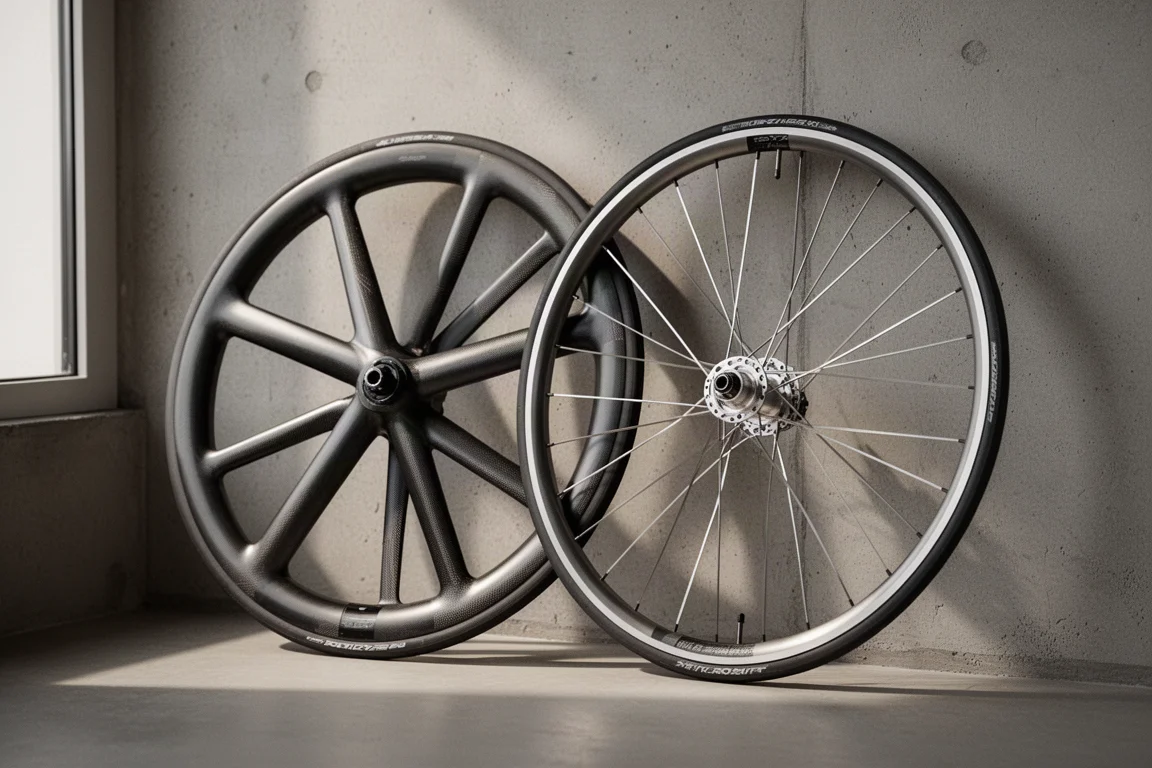
Carbon fibre wheelsets have reshaped how modern road bikes look and ride, yet most of them still rely on thin metal spokes to lace a rim to a hub. A handful of designs take a different approach and mold the rim, spokes and hub as a single carbon structure. The Elite 6 is one of them. The HED Vanquish 45 Pro takes the conventional route and refines it with wider rims and aero bladed metal spokes.
Both wheelsets were ridden back to back on familiar roads, with aerodynamic runs, handling checks and a longer look at real-world behaviour, to work out which one is worth the money.
How These Wheelsets Compare
On paper the two have plenty in common. Both use hooked rims, both are tubeless compatible, and both can be run with inner tubes if that is your preference. Measured weight is close, and both are aimed at riders who want more speed from the bike they already own.
The differences show up in construction and in the way they behave on the road. The Elite 6 is a one-piece carbon design with six bladed spokes. The HED Vanquish 45 Pro uses conventional aero bladed metal spokes laced to machined aluminium hubs.
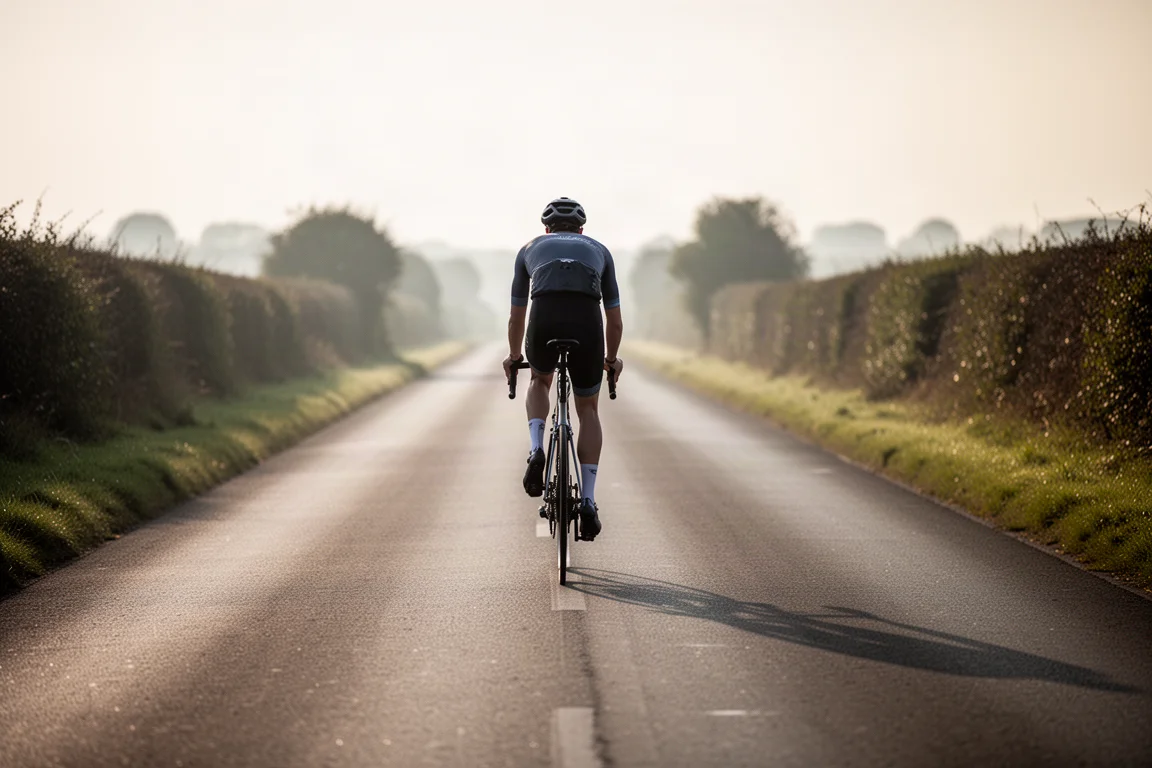
The comparison covered three areas: drag measured over 1 km out-and-back runs at a steady 30 km/h, handling assessed on a familiar test loop with corners, sprints and rough surfaces, and a look at freehub sound and durability after several months of riding.
Elite 6 Carbon Wheels: Six Bladed Spokes and a 50mm Rim
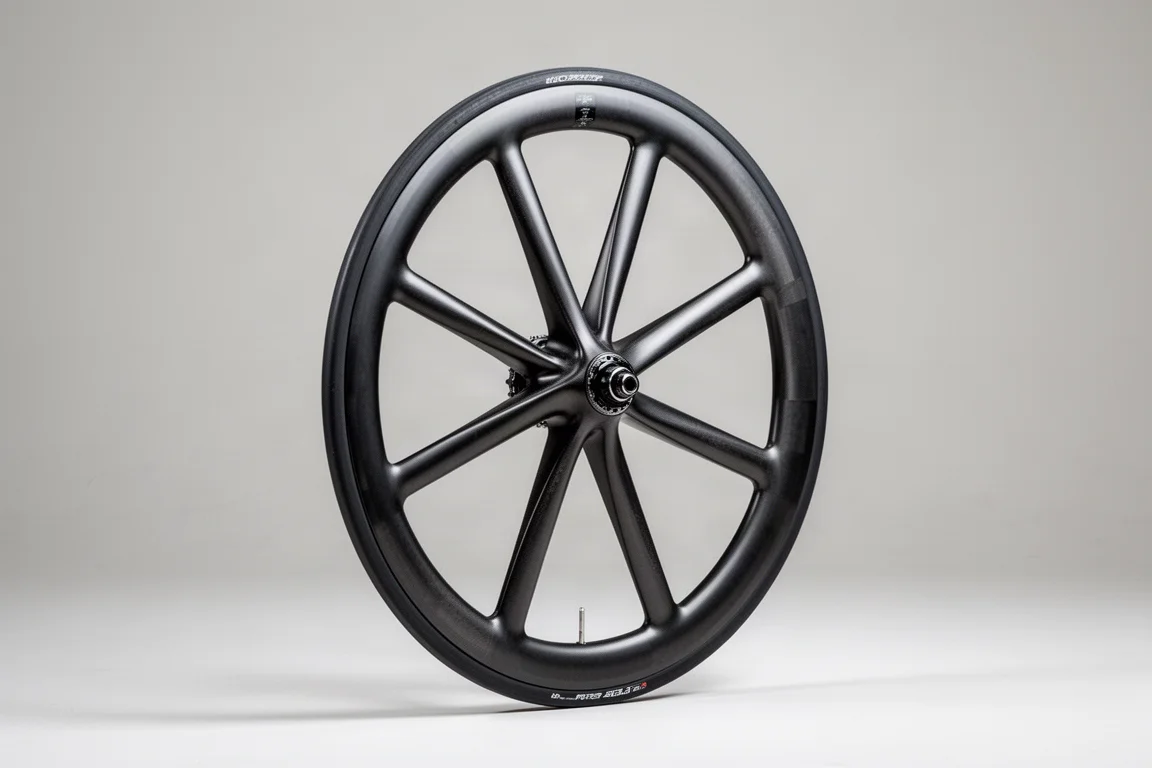
The Elite 6 is molded as a single piece of carbon fibre, with six bladed spokes and a 50mm deep rim. Internal width is 21mm, the rim is hooked, and the wheelset is tubeless compatible or can be run with tubes. The design targets time trials, triathlons and road cycling, and the company says it was optimized to minimize the coefficient of drag by reducing the frontal surface area of the spokes and mimicking an ideal teardrop shape.
On the scales the wheelset came in at 1,611g, and it costs $1,300. It is worth noting that the six-spoke layout falls foul of UCI rules, which require at least 16 spokes per wheel.
Ride quality is where the picture gets more complicated. At a steady pace the front wheel feels vague, with a softness through the steering that is hard to describe and unlike other carbon wheelsets. Push harder and the lack of natural stiffness becomes obvious: through fast corners, out of the saddle, and even when rocking the handlebars, the flex is pronounced. Ride smoothly on straight, flat roads and it becomes far less of an issue.
Compliance is better than expected. Rough local roads stay manageable, helped by a 30mm tyre run at low pressure. The freehub is the loudest of the two.
This wheelset makes most sense for riders who want the six-spoke look and a lower entry price, and who spend their time on smooth, straight, flat roads rather than technical descents or criterium circuits.
HED Vanquish 45 Pro: Wider Rims and Conventional Spokes
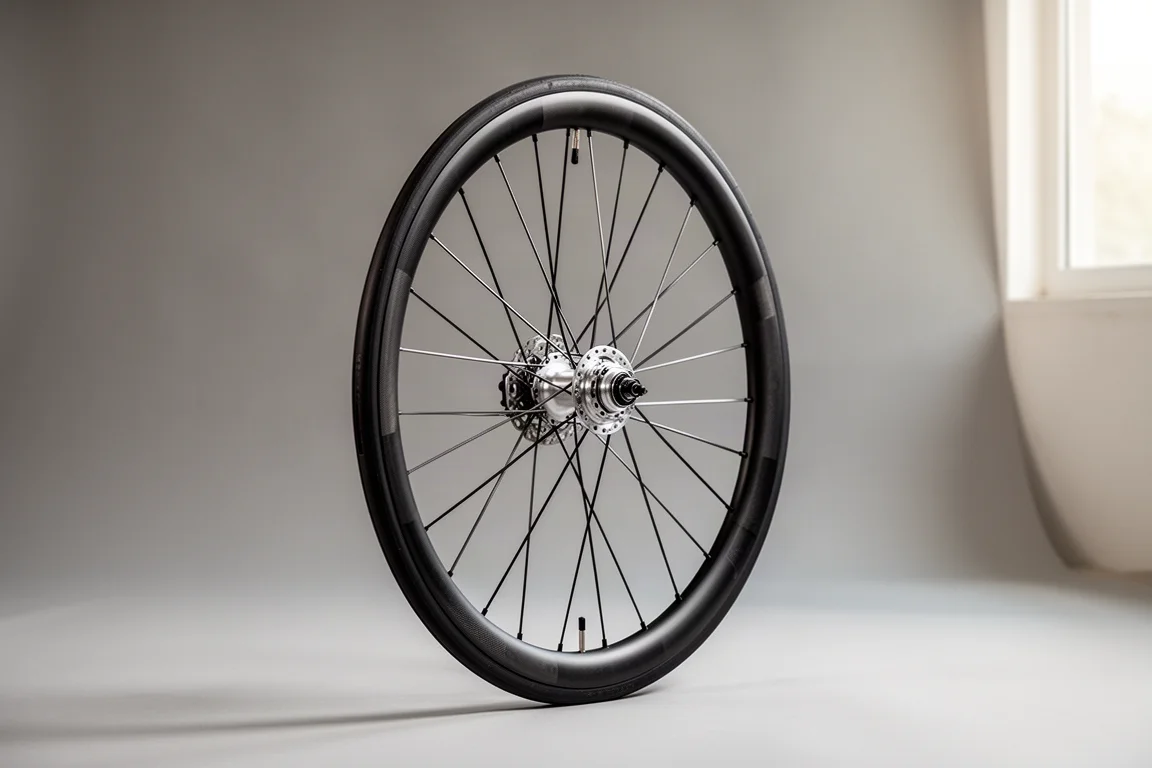
HED is an American wheel company founded by the late Steve Hed, a pioneer in wheel aerodynamics. The Vanquish 45 Pro is the company’s latest wheelset, with internal rim width increased from 21mm to 22.4mm. The rims are made in the United States and come out of the mold clean, with no finishing required. The build uses Sapim CX-Ray aero bladed spokes, machined aluminium hub shells and external nipples for easy maintenance. Rims are hooked, so they work with clincher tyres and tubes or with a tubeless setup. Retail price is $2,600, twice the Elite 6.
Ride feel is conventional in the best sense. Even at low speed the front end feels normal and comparable to other carbon wheelsets. Lateral stiffness is far higher than the Elite 6, and feedback through the bars is sharp, precise and direct. Corners, out-of-the-saddle efforts and sudden direction changes all feel more controlled. Despite the two wheelsets weighing about the same, this one feels lighter through the front end. In blustery crosswinds it stays calmer and easier to manage.
The freehub is quieter and more refined, though still clearly audible.
Aerodynamics and Weight: What the Testing Showed
Drag was measured over 1 km out-and-back runs at 30 km/h, holding the same position as closely as possible, across six runs on each wheelset over two days. Average speed was matched on both sets.
The HED Vanquish 45 Pro produced lower drag than the Elite 6 by 10 watts. Whether that counts as a small or a large margin depends on your priorities, but the direction of the result was consistent, and it went against expectations given how aggressively the Elite 6 is styled and described.
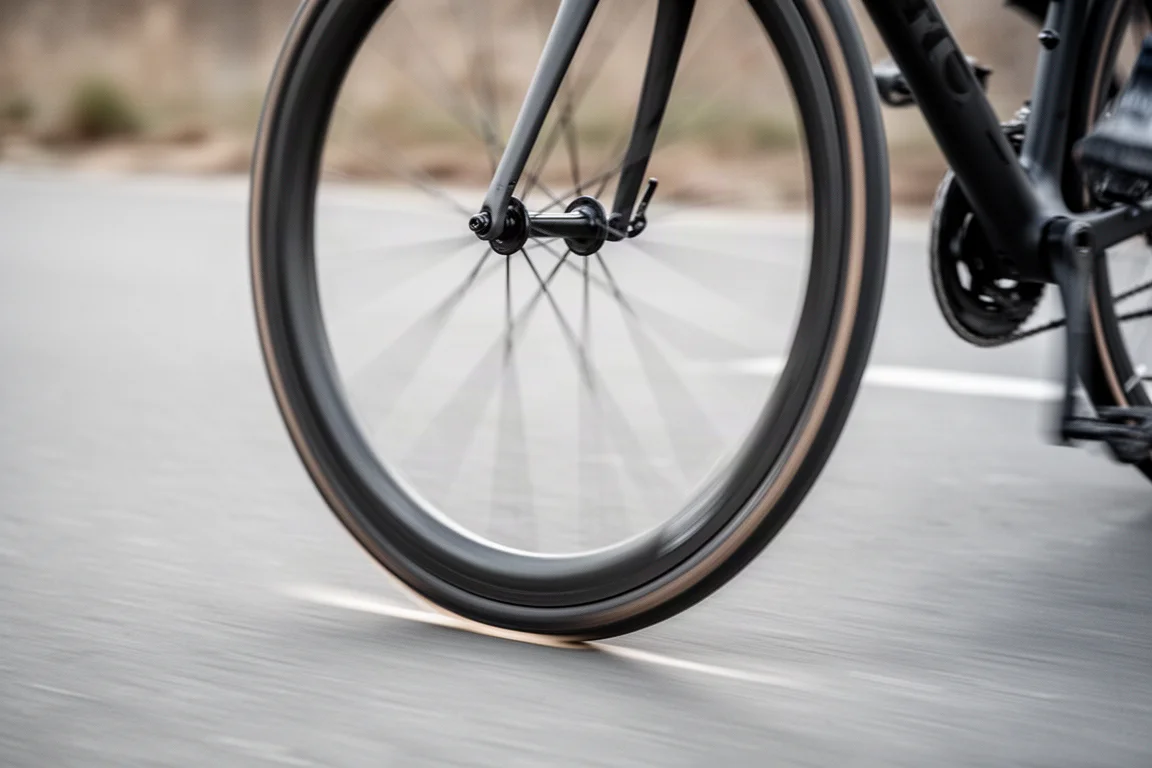
Measured weight was effectively the same across the two sets, with the Elite 6 at 1,611g. That makes the aerodynamic gap the more meaningful separator between them.
Ride Quality and Handling on Real Roads
Most of the difference between these wheelsets comes down to the front wheel and how it steers. The Elite 6 introduces a softness and flex that shows up in corners, in sprints and under quick inputs. The HED Vanquish 45 Pro removes that vagueness entirely and gives the front end a crisp, direct feel.
For criterium racing the Elite 6 would not be a recommendation. For time trials and flat, fast riding it becomes a far more interesting option, because the flex matters much less when the road is straight and the pace is steady.
Comfort is closer than the construction suggests. The Elite 6 rides rough surfaces better than its stiffness numbers would imply, while the HED set is composed rather than plush.
Freehub Sound and Durability
Freehub volume is a personal preference. The Elite 6 is the louder of the two, with a sharp, attention-grabbing ratchet. The HED Vanquish 45 Pro is quieter and more refined but still audible in its own right.
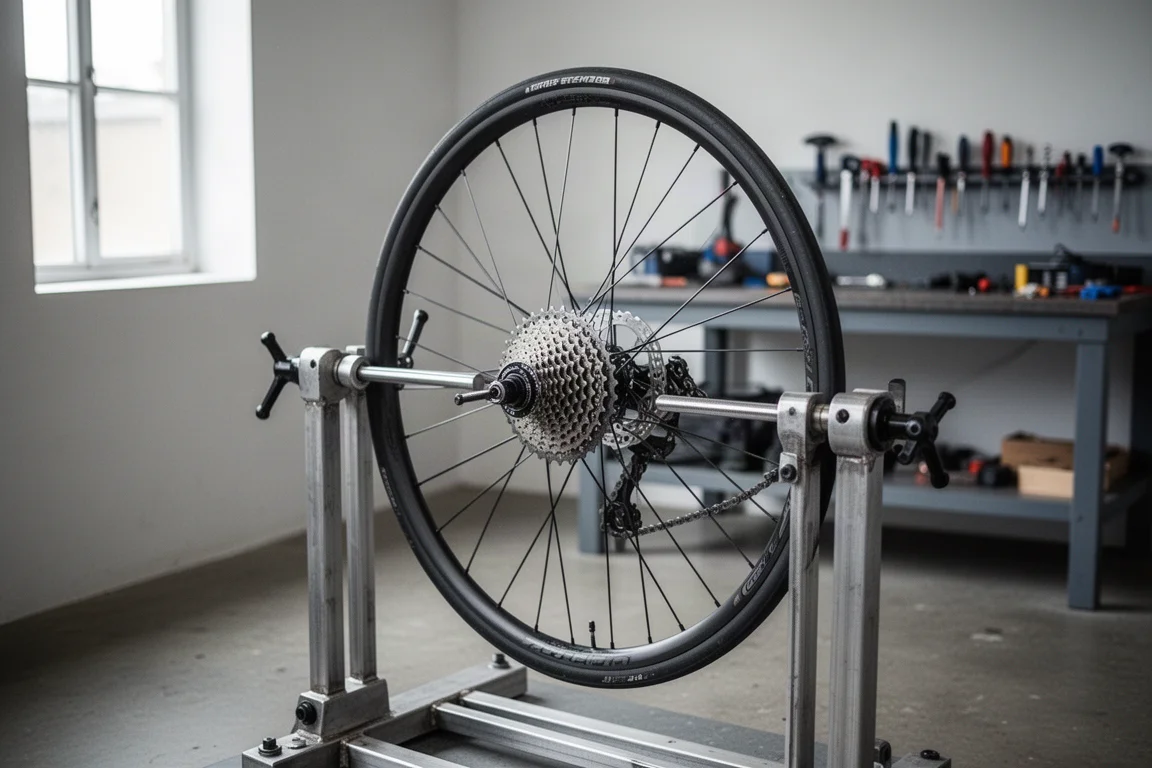
Durability on the HED set held up well across several months of riding. Reliability was strong, and spoke tension stayed even and true, which matters a great deal for a wheelset at this price.
Value, Price, and Ownership
At $1,300 the Elite 6 undercuts the HED Vanquish 45 Pro at $2,600 by half. The obvious question is whether the HED wheels deliver twice the performance. They do not, but the gains in lateral stiffness, front-end precision, crosswind stability and measured drag are real and repeatable, and they shape the way the bike feels on every ride rather than only in a wind tunnel.
Both wheelsets were returned to their makers at the end of testing, so these impressions rest on the riding time logged rather than on a multi-year ownership record.
Overall Buying Advice
For most riders choosing between these two, the HED Vanquish 45 Pro is the safer and more rewarding purchase. It feels the way a conventional carbon wheelset should, handles predictably in corners and crosswinds, and showed lower drag in testing. The rims are made in the United States, the build uses quality aero spokes and machined hubs, and the wheelset held up well over months of riding.
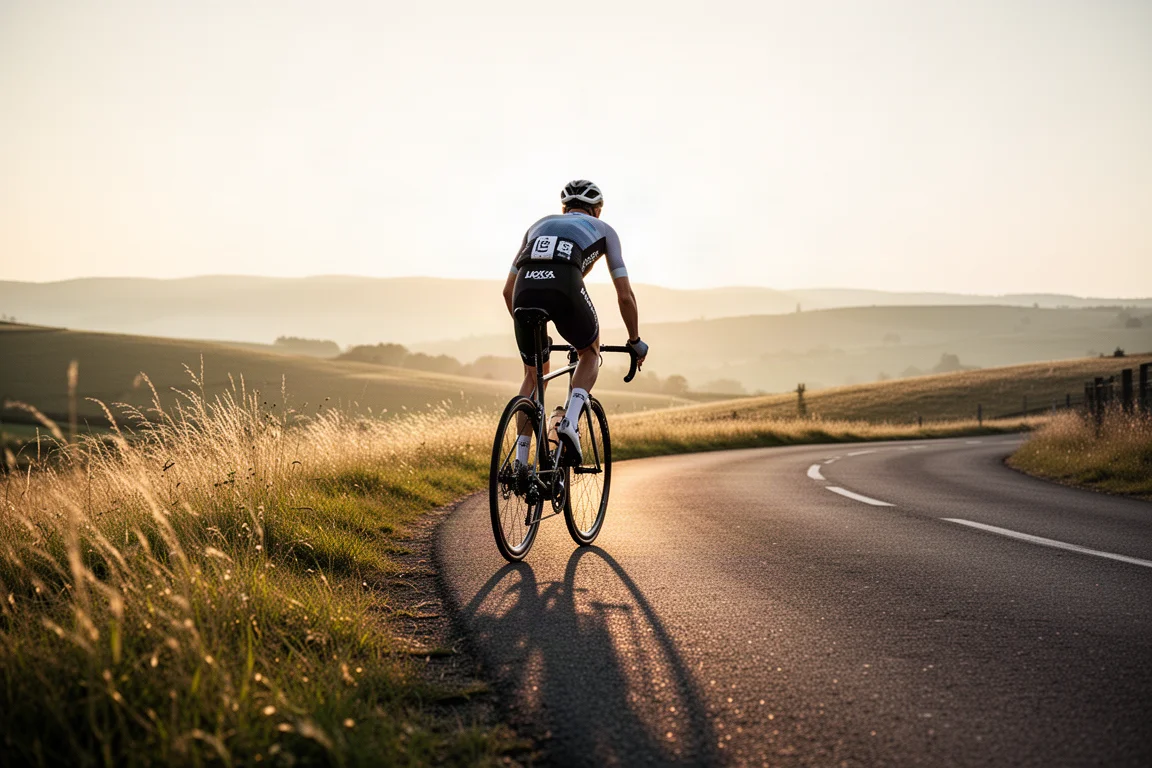
The Elite 6 remains an appealing option for riders who love the six-spoke look and want to spend less. It suits smooth, straight, flat riding and time trial style efforts far better than technical or fast-cornering terrain, and its compliance on rough surfaces is a genuine surprise. Anyone who rides aggressively, corners hard or races criteriums should look elsewhere.
Conclusion
Two wheelsets, two very different philosophies. The Elite 6 proves that a one-piece carbon design can work and can be comfortable, but it gives up stiffness, front-end precision and aerodynamic efficiency along the way. The HED Vanquish 45 Pro costs twice as much and justifies the premium with better handling, calmer crosswind behaviour and lower measured drag.
Further reading
Related Reviews
Cycling Wheels
Aero vs Lightweight Carbon Wheels: Hunt 60 Limitless and Hunt 32 Aerodynamicist Compared
Deep-section aero wheels and featherweight climbing wheels promise different things. Controlled real-world testing on flat laps and a steep climb shows where each set actually gains time.
Cycling Wheels
Best Carbon Road Bike Wheels 2026: Six Standouts From Entry Level to Premium
A practical guide to carbon road bike wheels across six price brackets, covering rim width, rim depth, hub engagement and what each step up actually buys.
Cycling Wheels
Best Rim Brake Road Wheels: Six Options From Budget to Premium
Six rim brake road wheelsets covering nearly every price point, from a value alloy set to sub-kilogram tubulars, plus advice on custom builds and buying secondhand.