Integrated Amplifiers
Electrocompaniet ECI 80D Review: A Compact Norwegian Integrated Amplifier
A close look at the Electrocompaniet ECI 80D, a compact Norwegian integrated amplifier with a switch-mode power supply, a built-in DAC, and a moving magnet phono stage.
Introduction
The Electrocompaniet ECI 80D is an integrated amplifier from a Norwegian company that has been building hi-fi equipment on the country’s western coastline since 1973. It belongs to the brand’s classic line and retails at £3,299, which places it firmly in premium integrated territory. What makes it interesting is not specification bravado but the combination of a compact Scandinavian chassis, a bespoke switch-mode power supply, and a class AB output stage rated at 80 watts continuous into 8 ohms and 150 watts into 4 ohms.
Who the Electrocompaniet ECI 80D Is For
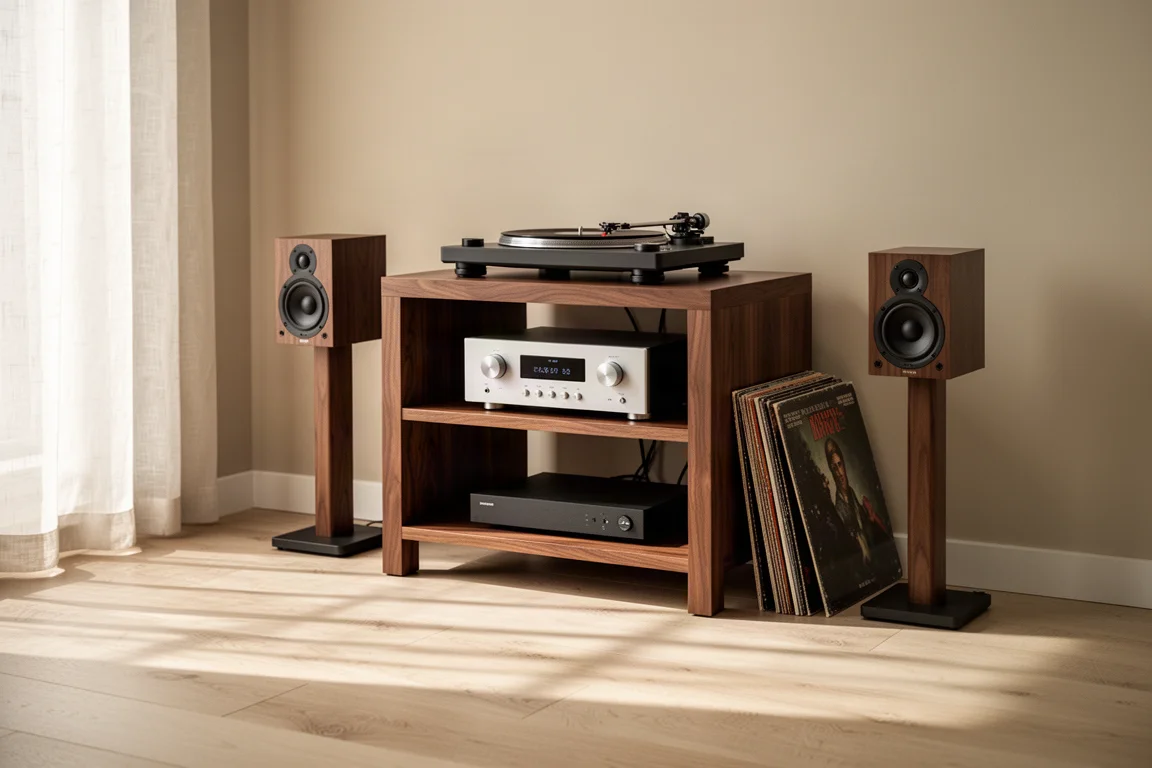
This amplifier suits listeners building a serious two-channel system around a modest number of sources. With two single-ended RCA analog inputs, a moving magnet phono stage, two coaxial and three optical digital inputs, plus Bluetooth, it covers a turntable, a streamer or transport, and a couple of line-level components without demanding a rack full of boxes.
It is also a natural fit for anyone who values European manufacturing. Design, assembly, and many critical components are produced in-house in Norway, and the amplifier is aimed at buyers willing to pay for that rather than for the lowest possible cost per watt.
Design and Connectivity
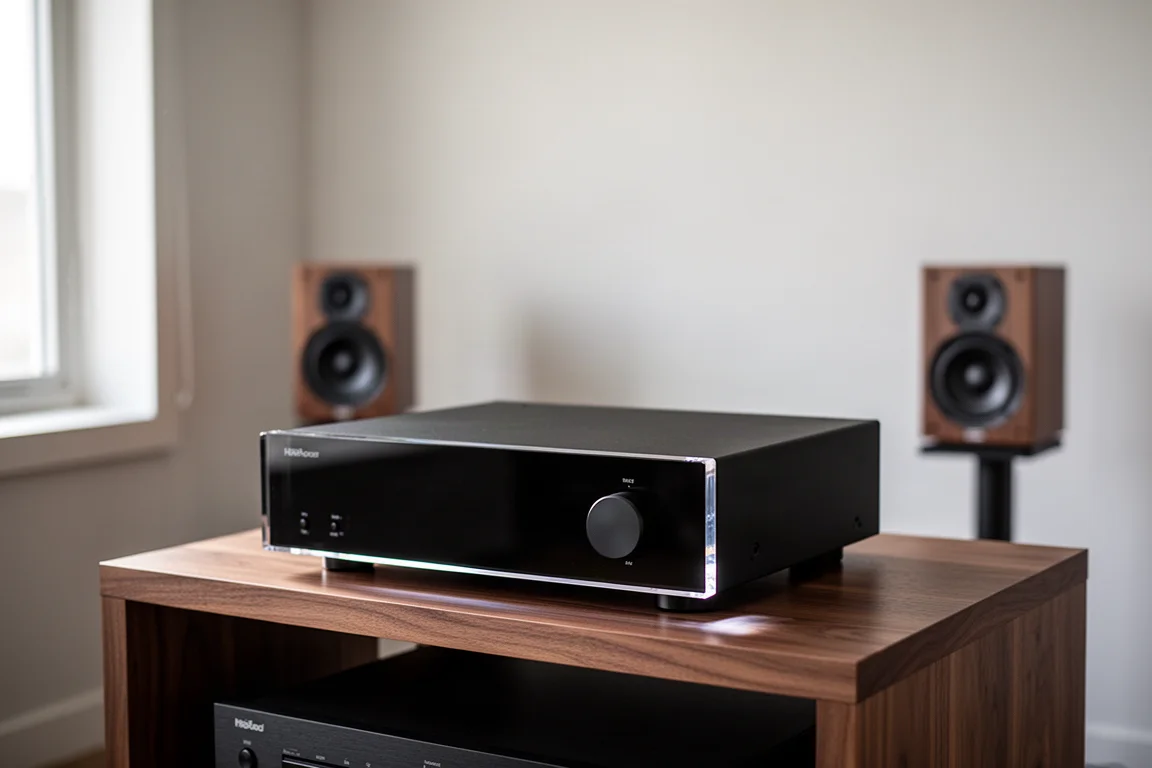
The chassis measures 470 mm wide, 262 mm deep, and 90 mm high (18.5 by 10.3 by 3.5 inches), so it is a little wider than a standard full rack-width unit but unusually shallow. A 10 mm thick acrylic panel runs across the front, with a power button in the centre, an OLED display to the left, and four buttons to the right. Those buttons toggle laterally for input selection and vertically for volume adjustment.
Around the back you get one set of pre-outs, two sets of single-ended RCA analog inputs, the moving magnet phono input, two coaxial and three optical digital inputs, a service port, trigger jacks, and speaker terminals. There is no USB, AES/EBU, or I2S. Headphone jacks sit on the rear panel, which is less convenient than a front or side placement, though it does keep the front face clean.
Amplifier and DAC Design
Inside, the layout is defined by what is absent: there is no large power transformer or bank of big filter capacitors. Instead, a bespoke switch-mode power supply feeds a class AB output stage built around two complementary pairs of BJT transistors from ON Semi, devices capable of handling peaks of 25 amps and dissipating up to 200 watts.
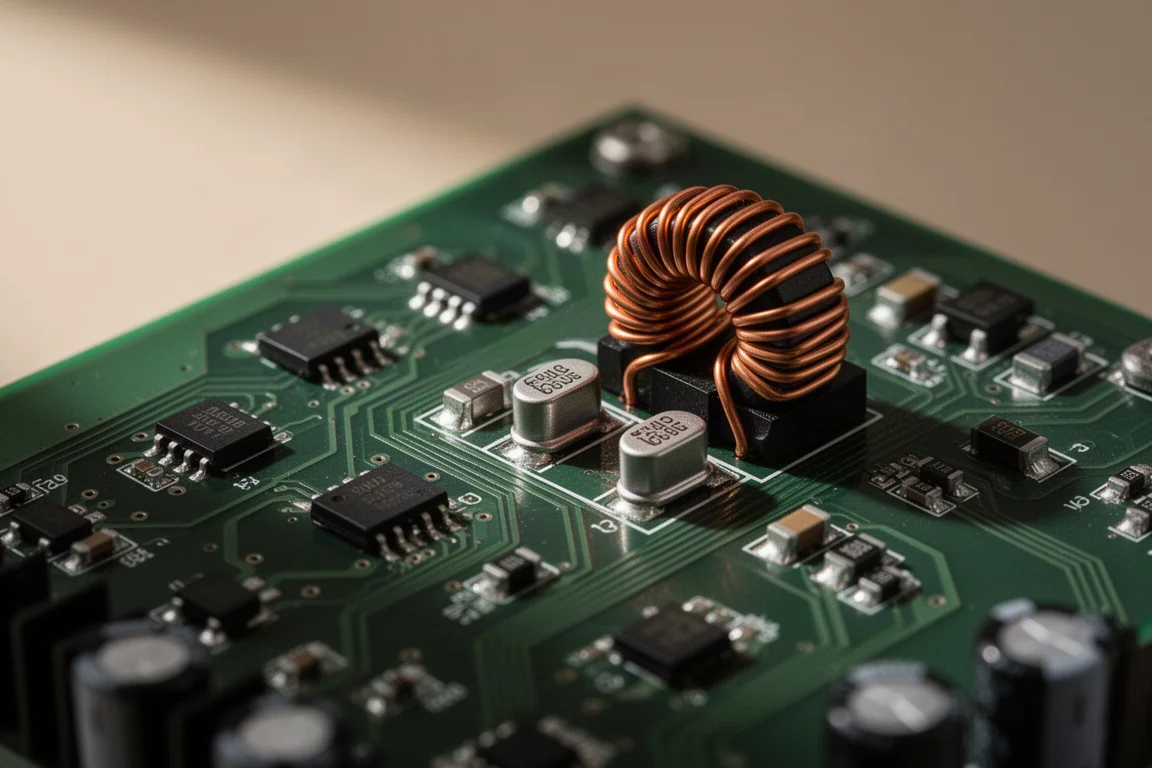
A switching supply in a class AB amplifier is a deliberate engineering choice rather than a shortcut. Designs of this type can respond faster and sag less under heavy load than a linear supply, provided high-frequency switching noise is filtered out effectively. The DAC section uses a Texas Instruments Burr-Brown PCM 1789 chip, a converter with a reputation for a less resolving but more organic character than the widely used ESS Sabre parts. Components are well spaced and cleanly laid out, and the circuit boards are populated in-house, though the design leans on surface-mount parts and integrated circuits rather than through-hole discrete components in the power amplifier section.
Sound Quality
The ECI 80D has an engaging yet non-fatiguing personality. Resolution is very good, and the sense of pace, rhythm, and timing is a genuine strength. Bass control is top class, with mid-range resolution not far behind. The lower mid-range has a fullness that injects warmth, counterbalanced by added sparkle in the upper mid-range that draws you in without tipping into harshness.
Vocals and lead instruments sit a little more forward than on some rivals, which gives the presentation an intimate feel. Detail retrieval is strong enough to exceed several popular amplifiers in the £2,000 range. Listeners weighing it against a neutral all-rounder should expect more clarity and less opacity, at the cost of some soundstage scale and bass weight.
Phono Stage and DAC Performance
Both the built-in phono stage and DAC are well implemented rather than added purely for convenience. The moving magnet phono stage offers good resolution and softens the presence region enough to pull the mid-range back toward neutrality. A more expensive external phono stage can improve clarity and open up the sonic landscape, but the internal stage is capable enough that many owners will not feel the need.
The same applies to the DAC. Electrocompaniet extracts impressive fidelity from the Burr-Brown PCM 1789, and the internal converter shifts tonal balance toward a more relaxed presentation. Adding an external ladder DAC can widen the soundstage and sharpen overall clarity, yet the connectivity on offer is relatively basic and the built-in digital inputs cover the essentials well.
Speaker Pairings
The ECI 80D is consistent across a wide range of speakers. With the Monitor Audio Silver 100 7G it showed excellent rhythm and timing without sounding lean or thin. The Dali Menuet SE, a revealing mini monitor, let the amplifier exploit its strong mid-range and upper registers.
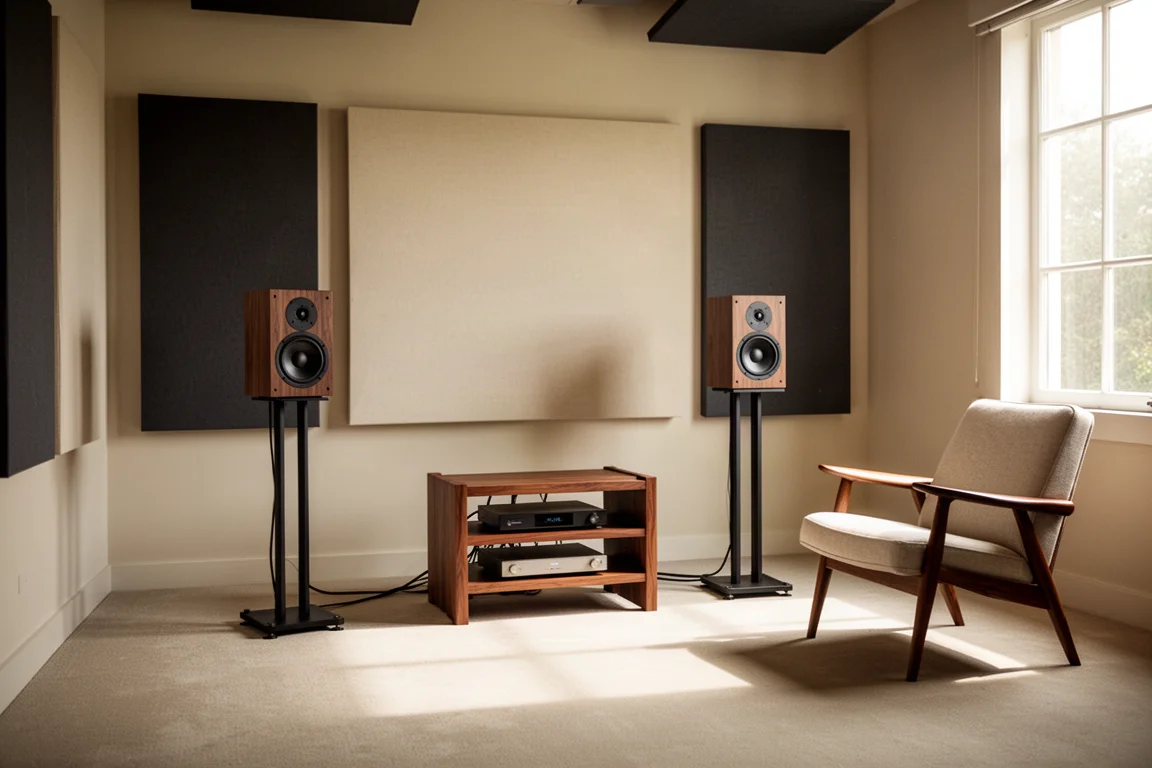
Current-hungry speakers are handled with composure as well. Paired with demanding floorstanders, the amplifier showed fewer signs of strain than some similarly priced alternatives, even if it does not deliver the sheer authority of larger, more powerful designs. The most convincing match was with the Revival Audio Atalante 3, a pairing that combined a small dose of sonic coloration with large quantities of composure. That consistency is what makes the ECI 80D suitable for a wide range of speakers.
Things to Consider Before Buying
The main consideration is price. At £3,299, the ECI 80D sits above several capable integrated amplifiers, including designs with more substantial internal construction, greater dynamic ability, and larger soundstages. Part of what you pay for is manufacturing in Norway, where build costs are a multiple of those in lower-cost regions. That £3,299 also buys a compact chassis rather than a heavy one, a switch-mode rather than linear power supply, and a layout that relies on surface-mount parts.
Connectivity is another point to weigh. There is no USB input, no AES/EBU, and no I2S, and the headphone output is on the rear panel. Buyers with a large collection of digital sources, or a preference for front-panel headphone access, should factor that into the decision.
Buying Advice
If sound quality per pound is the only metric, there are amplifiers in this bracket that offer more internal substance and a bigger, more dynamic presentation. Alternatives worth an audition include a French-built design at £2,900 with a distinctly warm, rich MOSFET character and a large linear supply, a neutral-toned amplifier at £2,750, and its larger sibling at £3,250 that adds dynamics, grip, and control while opening up a wider choice of speakers.
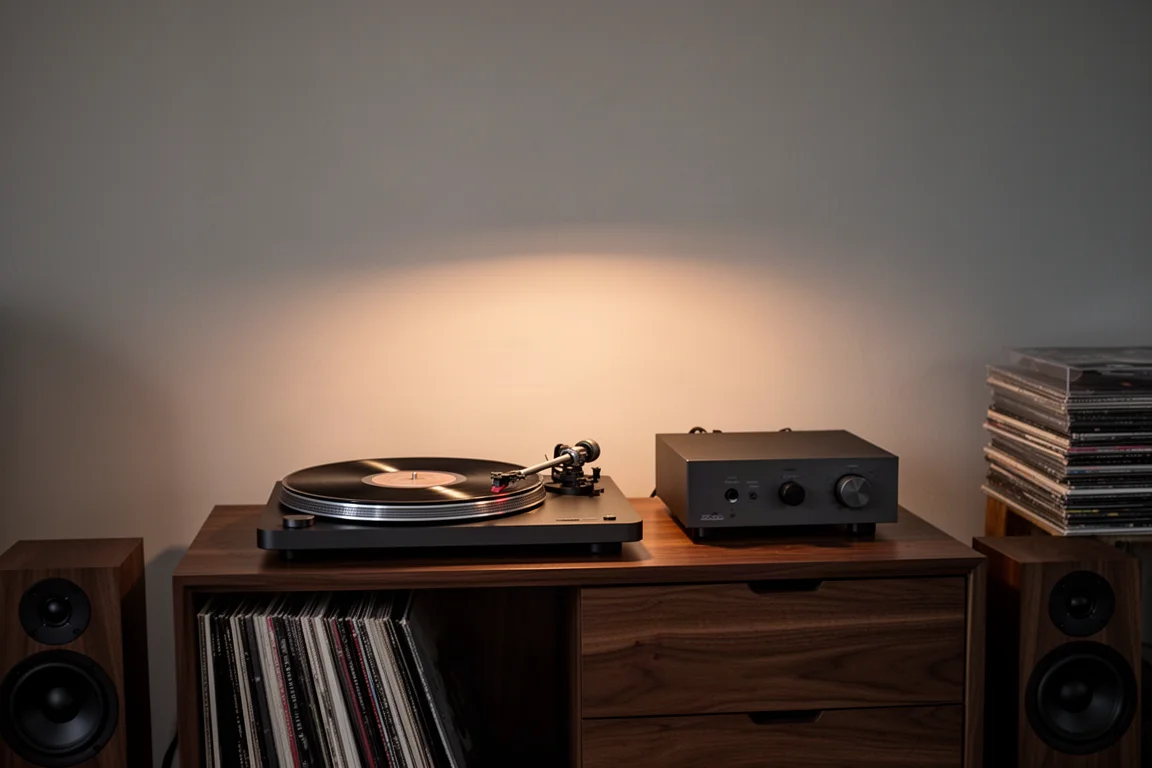
If instead you want a compact, distinctive Scandinavian design that is genuinely engaging to listen to and that supports European manufacturing, the ECI 80D makes a strong case. Its built-in phono stage and DAC are good enough to simplify a system, its power supply copes well with demanding speakers, and its tonal balance is easy to live with over long sessions. Audition it alongside the more neutral and more powerful options at a similar price, and let the speakers you already own decide the outcome.
Conclusion
The Electrocompaniet ECI 80D is a stylish, minimalistic integrated amplifier in a relatively compact form factor. Its DAC and phono stage are rudimentary in feature terms but excellently implemented, bass control is top class, and the mid-range is engaging without becoming fatiguing. At around £2,500 it would be a benchmark; just north of £3,250, buyers are paying a premium for Norwegian manufacturing. Taken as a whole, it is a very good all-round amplifier and a confident recommendation.
Product link
View more details for Electrocompaniet ECI 80D
This product is mentioned in the review. Check the specifications, options, and compatibility before buying.
View more details for Electrocompaniet ECI 80DFurther reading
Related Reviews
Integrated Amplifiers
Advance Paris A10 Classic Review: Vintage Looks and a Lively, Punchy Sound
The Advance Paris A10 Classic pairs glowing blue VU meters and a tube stage with one of the widest input sets on any integrated amplifier. Here is what it does well and what to weigh before spending $2,500.
Integrated Amplifiers
Advance Paris A12 Apex Review: A Modern Integrated Amplifier With Vintage Character
A dual mono integrated amplifier with 180 watts per channel, a tube front end, VU meters, and a connectivity list that covers turntables, televisions, computers, and headphones.
Integrated Amplifiers
Advance Paris Nova Range Review: AI130, AI190 and Modular Upgrades
A practical look at the Advance Paris Nova range, including the AI130 and AI190 integrated amplifiers and the modular streaming, Bluetooth and remote accessories that expand them.