Hi-Fi Speakers
ELAC Uni-Fi Reference vs GoldenEar BRX vs Buchardt S400 MKII: Three Bookshelf Speakers Compared
A practical comparison of three standmount speakers, covering design, soundstage, bass, midrange, treble, placement demands, and long-term value.
Introduction
The ELAC Uni-Fi Reference, the GoldenEar BRX, and the Buchardt S400 MKII are standmount speakers that occupy the same broad price territory, and all three are genuinely accomplished designs. They differ in personality rather than in quality. The ELAC leans toward accuracy and value, the GoldenEar pushes top-end clarity and detail, and the Buchardt is the one to choose if bass texture matters most to you.
This comparison walks through design and specifications, then through soundstage, bass, midrange, and treble, and finishes with buying advice for different rooms and listening priorities.
How These Three Speakers Compare
Pricing sets the tone. The ELAC Uni-Fi Reference debuted at $1,000 and now retails at $1,200 per pair. The GoldenEar BRX is $1,600 per pair and is sold as single units at $800 each. The Buchardt S400 MKII is a direct-to-consumer design sold in euros at around 2,000 euros per pair, with the final figure depending on the exchange rate.
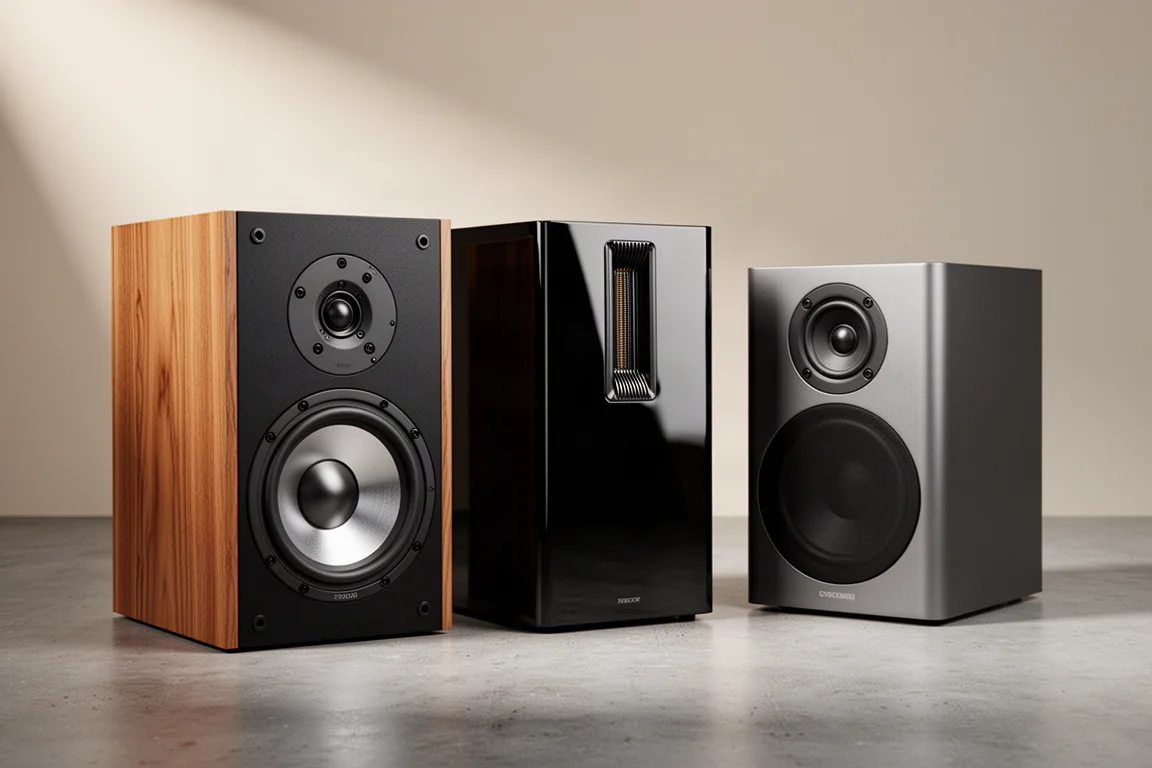
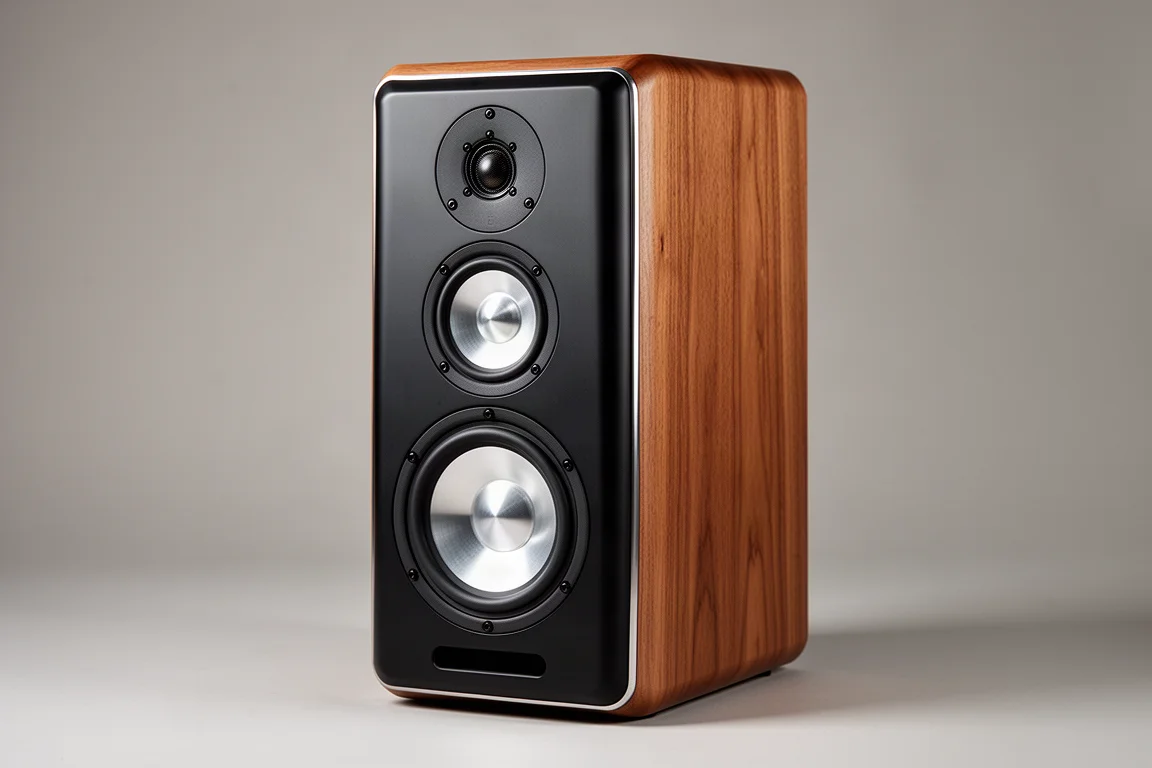
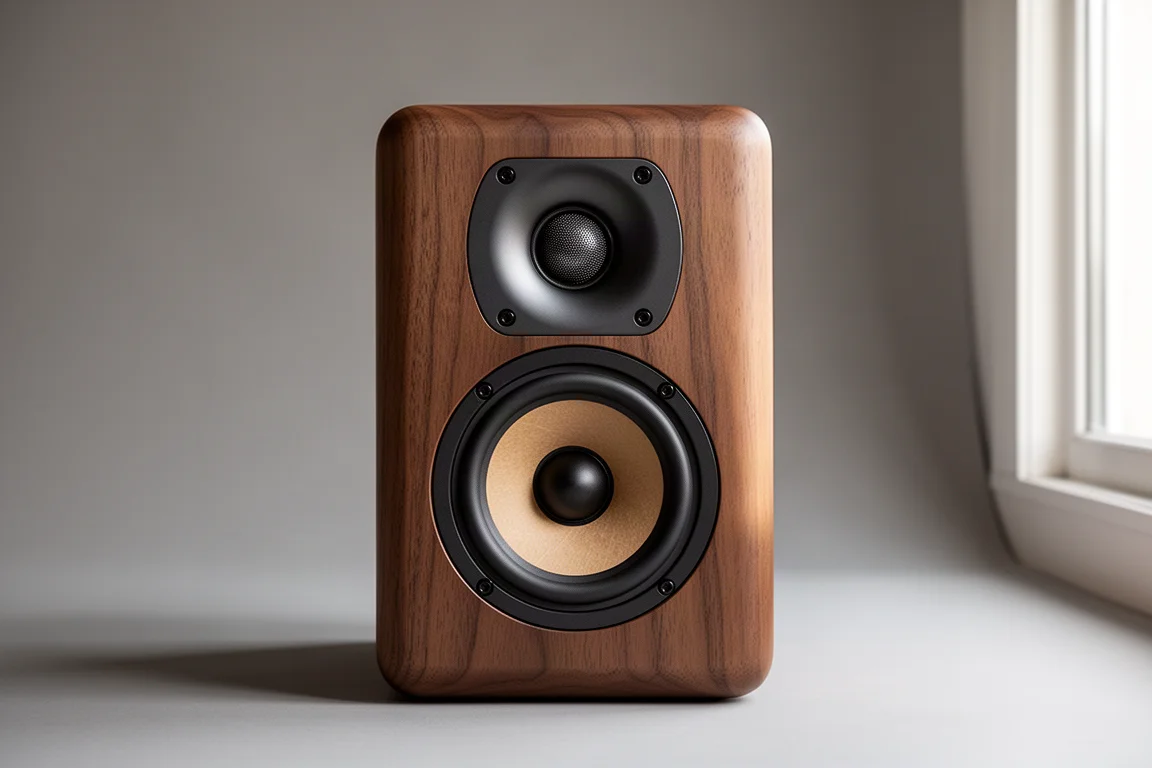
The designs are just as different. The ELAC is the most complex of the three, pairing a 6.5-inch aluminium woofer with a 4-inch aluminium midrange and a 1-inch soft dome tweeter, with the midrange and tweeter arranged concentrically. It uses a front slot port, ships with a one-piece magnetic grille, and comes in several finishes, including the black baffle and oak surround combination. It is also the heaviest speaker of the group. ELAC rates it at 85 dB sensitivity, 41 Hz to 35,000 Hz, and 6 ohms nominal impedance.
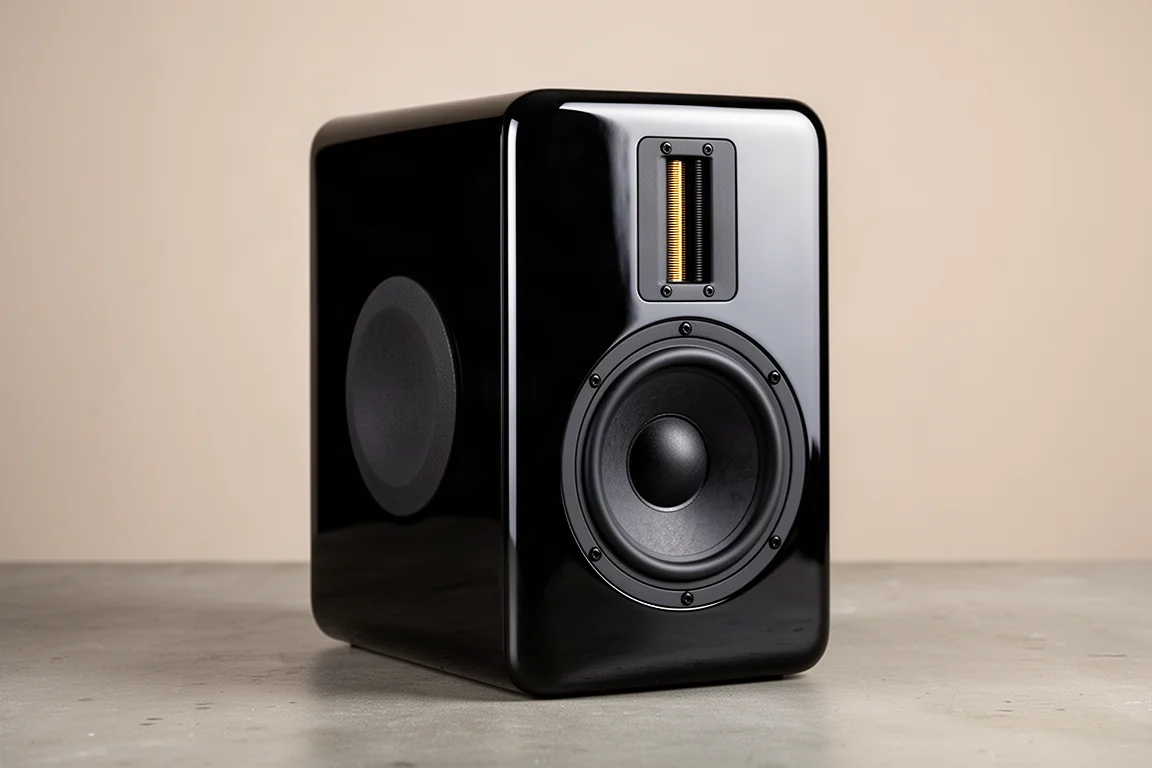
The GoldenEar BRX takes a different route, with a folded ribbon HVFR tweeter and a 6-inch mid-bass woofer supported by passive radiators on both sides rather than a port. The cabinet is finished in gloss black and is slightly thicker at the rear than at the front, and the metal grille rests on a lip at the bottom before magnetically snapping into place.
The Buchardt S400 MKII is a two-way design with a large passive radiator on the back, rated at 4 ohms nominal and 88 dB sensitivity, with response extending down to 33 Hz and up to 40,000 Hz. It weighs a little more than the GoldenEar but less than the ELAC.
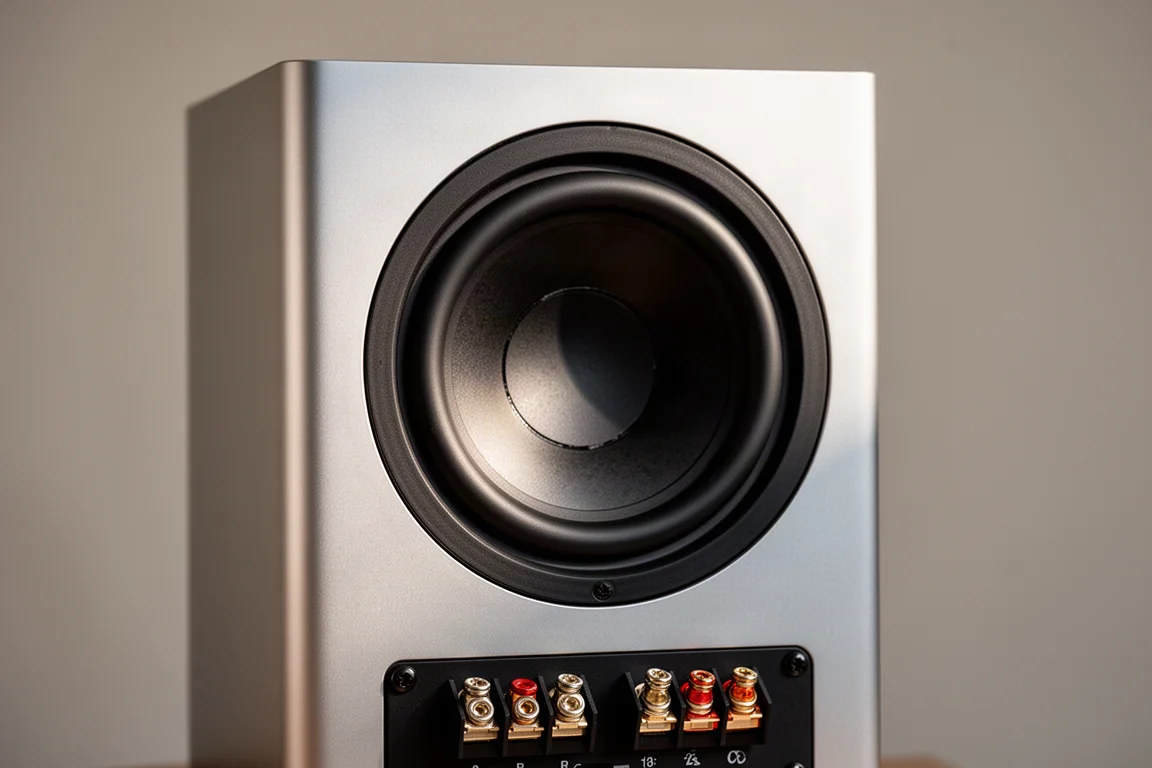
Build quality is solid across the board, and none of the three feels underbuilt for its price. The ELAC and the Buchardt both use high-quality binding posts, and the ELAC includes jumpers for anyone who prefers to replace them with heavier wire. The GoldenEar’s binding posts are the least accommodating of the group, and the Buchardt does not support bi-amping or bi-wiring. Grill design is subjective, and the multi-piece grills on the GoldenEar and the Buchardt are less favoured than the one-piece magnetic approach on the ELAC.
What to Listen For in This Class
Five things separate these speakers in practice: soundstage and imaging, bass presence and texture, midrange tone, treble detail, and how forgiving each one is about placement. Value matters too, since the gap between the least and most expensive model here is roughly 800 to 900 dollars.
Best Overall Value: ELAC Uni-Fi Reference
Soundstage and imaging is where the ELAC takes a clear lead, most likely helped by the concentric arrangement of its midrange and tweeter. It places instruments and effects with a precision the other two do not quite match. Both the ELAC and the Buchardt disperse sound convincingly in the horizontal and vertical planes, while the GoldenEar’s ribbon tweeter limits its vertical off-axis performance by comparison. On film soundtracks the effect is immersive enough that a full surround system starts to feel optional, although a centre channel still helps with dialogue clarity.
Bass is not the ELAC’s headline strength, but it is far from lean. It extends well and hits with impact, and it lands in a rough tie with the GoldenEar for bass quality. Where it gives ground is the deepest bass texture and sense of space, an area the Buchardt owns.
The midrange is the ELAC’s strongest argument. Electric guitar crunch carries more grit and gravel here than on the other two, and female vocals sound the most natural of the three, detailed without tipping into brightness. Treble sits second in raw clarity behind the GoldenEar, but it is arguably the most believable and accurate of the group, and it keeps its presence even at lower volumes.
At $1,200 per pair, the ELAC does things that more expensive speakers in this comparison do not, which makes it the value leader of the three. Discounts are rare, though open-box examples do appear from authorised dealers.
Best for Top-End Clarity: GoldenEar BRX
The folded ribbon tweeter is the reason to look at the GoldenEar BRX. It delivers the most top-end clarity, detail, and resolution of the three, and the advantage is audible on cymbal work and dense percussion. The tuning keeps that clarity from becoming aggressive, so it stays informative rather than forward.
Midrange character is warm and rich. Acoustic guitar is the most pleasing of the three here, with body and richness supported by the ribbon’s extra clarity. Female vocals come across as warm and detailed at the same time, a combination that is harder to achieve than it sounds.
Bass is capable and ties with the ELAC for overall quality, but placement matters more with the BRX than with the other two. Close to a wall, particularly in a smaller room, the low end can become boomy, and excess bass blurs midrange and treble clarity along with it. Given room to breathe, it is a brilliant speaker. Vertical off-axis performance is more limited than on the ELAC and the Buchardt, so the listening position should sit closer to the tweeter axis.
At $1,600 per pair, the BRX costs $400 to $500 less than the Buchardt depending on exchange rate, which makes it the runner-up on value.
Best for Bass Texture and Space: Buchardt S400 MKII
The Buchardt S400 MKII wins the bass category outright. Its rear passive radiator design is rated down to 33 Hz, the lowest figure of the three, and in practice it delivers more detail and more sense of space in the low end than either rival. High-quality crossover components are part of the design, and the result is bass that stays articulate rather than simply loud.
Midrange presentation is lush and romantic, with female vocals landing on the warm side rather than the analytical side. Treble is the one area where it trails: cymbals and high-frequency detail are not as sharply defined as on the ELAC or the GoldenEar. At higher listening levels it closes much of that gap, and at lower volumes the difference is more noticeable. Soundstage and imaging rank second of the three.
The S400 MKII is also the most room-tolerant of the group in the low end. It can still benefit from being pulled away from the wall, but it does not become overwhelming in the way the BRX can. Its price, however, is the highest here at around 2,000 euros direct, roughly 800 to 900 dollars more than the ELAC, which makes it the weakest value of the three even though it is a genuinely excellent speaker. Smaller rooms where bass control is a concern are exactly where it makes the most sense.
Room Placement and System Matching
Sensitivity and impedance shape amplifier choices. The ELAC’s 85 dB sensitivity and 6-ohm nominal load make it the most demanding of the three, so it benefits from an amplifier with real current delivery. The Buchardt’s 88 dB sensitivity and 4-ohm nominal rating also call for a capable amp, while the GoldenEar’s placement sensitivity is more about the room than the electronics.
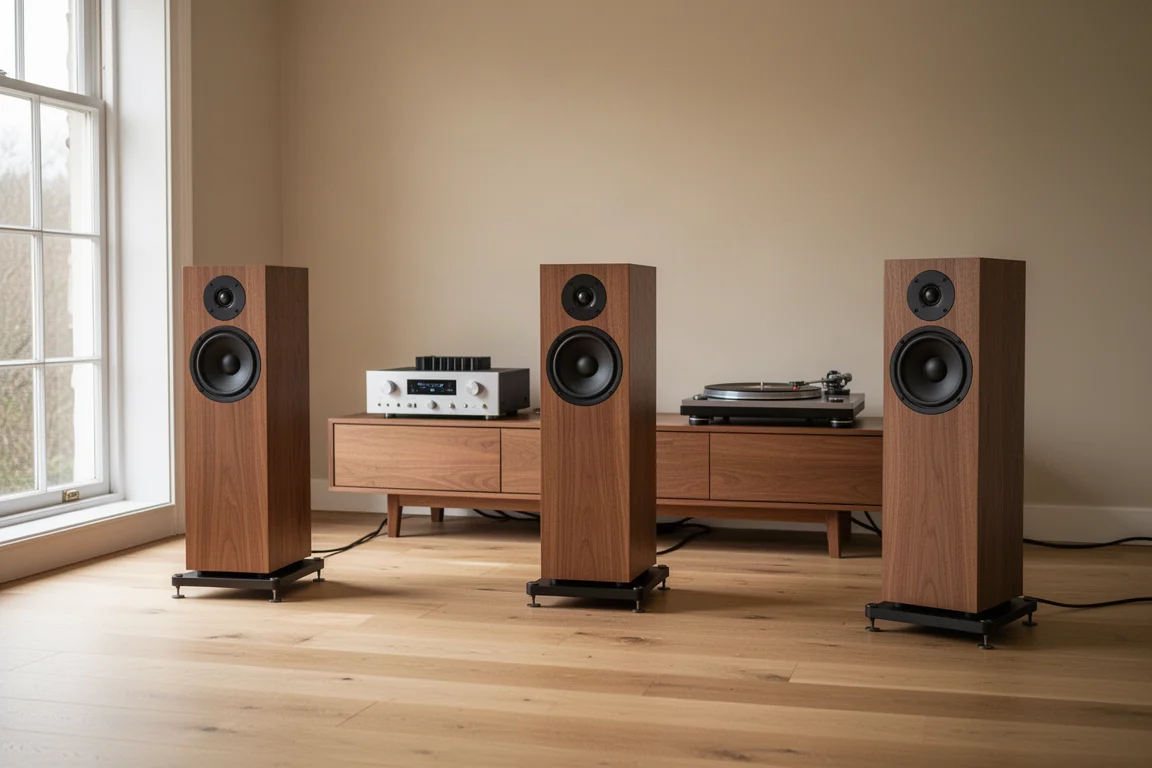
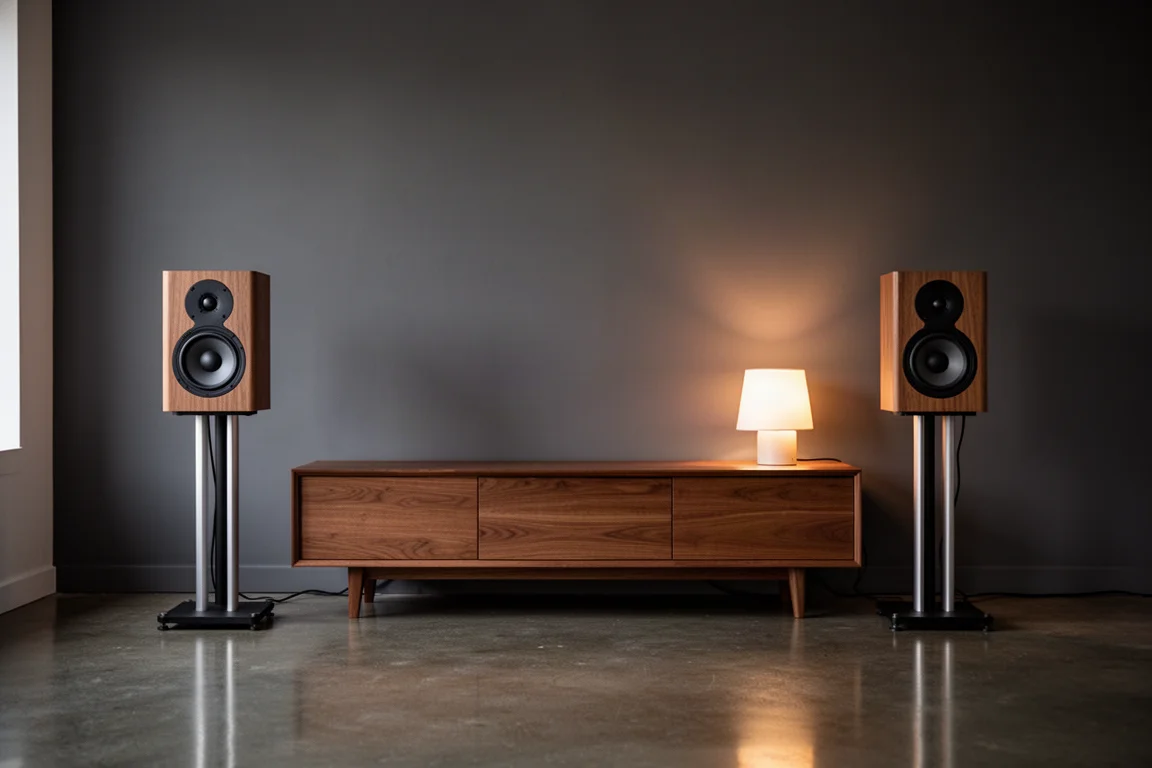
In a small room, the GoldenEar BRX is the most likely to need careful positioning. The Buchardt handled a home office setup without excessive bass, and the ELAC stays composed as well. For film use, the ELAC and the Buchardt both disperse sound widely enough to create an enveloping presentation, and a centre channel remains useful for dialogue control rather than strictly necessary for impact.
Buying Advice: Which Speaker Is Right for You
If consistency across every part of the frequency range matters most, the ELAC Uni-Fi Reference is the safest choice. It leads on soundstage and imaging, takes the midrange category, sits second on treble, and ties for bass quality, all at the lowest price of the three. For most listeners building a first serious system, that combination is difficult to argue with.
Choose the GoldenEar BRX if top-end clarity and detail are your priority and your room allows the speakers to sit well clear of the walls. It is the most detailed of the three at the top, its midrange is warm and rich on acoustic material, and it undercuts the Buchardt on price.
Choose the Buchardt S400 MKII if bass texture, bass space, and a relaxed, romantic midrange matter more than the last word in treble detail. It is the most expensive option here and the least discounted by comparison, but it is also the most forgiving of the three in the low end.
None of the three is a compromise. Each one does something the others do not, and the right answer depends on which of those strengths you will actually hear most often in your room and with your music.
Conclusion
The ELAC Uni-Fi Reference, the GoldenEar BRX, and the Buchardt S400 MKII are all speakers that could happily anchor a system for years. The ELAC takes the overall value win with the most consistent performance across the board. The GoldenEar BRX is the one for listeners who want maximum clarity at the top end and can give it the placement it needs. The Buchardt S400 MKII is the bass specialist, with the most articulate and spacious low end of the group. Match the speaker to the priority you care about most, and any of the three will reward the decision.
Further reading
Related Reviews
Hi-Fi Speakers
1723 THX Tower vs 1528 Bookshelf: Which Speaker Fits Your Room?
Two speakers at roughly the same price, built very differently. How the 1723 THX tower and the 1528 bookshelf compare on construction, bass, power needs, and sound.
Hi-Fi Speakers
Acoustic Energy AE 300 Review: Deep Bass From a Compact Standmount
A two-way standmount with real wood veneer, surprising low-end weight, and a warm, easygoing character. Here is what to know before buying.
Hi-Fi Speakers
Acoustic Energy AE1 40th Anniversary Review: A Modern Take on a British Classic
A compact standmount that revives a 1980s favorite with all-new parts, a warm mid-centric balance, and a price of £1,499 per pair.