Hi-Fi Speakers
ELAC Uni-Fi Reference UBR62 Review: A Warm, Forgiving Three-Way Standmount
A three-way standmount from Andrew Jones that trades forensic detail for a full, easy-going sound. Here is what it does well and what to weigh up first.
Introduction
The ELAC Uni-Fi Reference UBR62 is a three-way standmount loudspeaker designed by Andrew Jones, and it stands as one of the last designs he completed before parting ways with ELAC. It also occupies the most accessible point in the range where his dual concentric approach is fully expressed, which makes it a natural entry point for listeners who are curious about that design philosophy without stepping into the brand’s more expensive models.
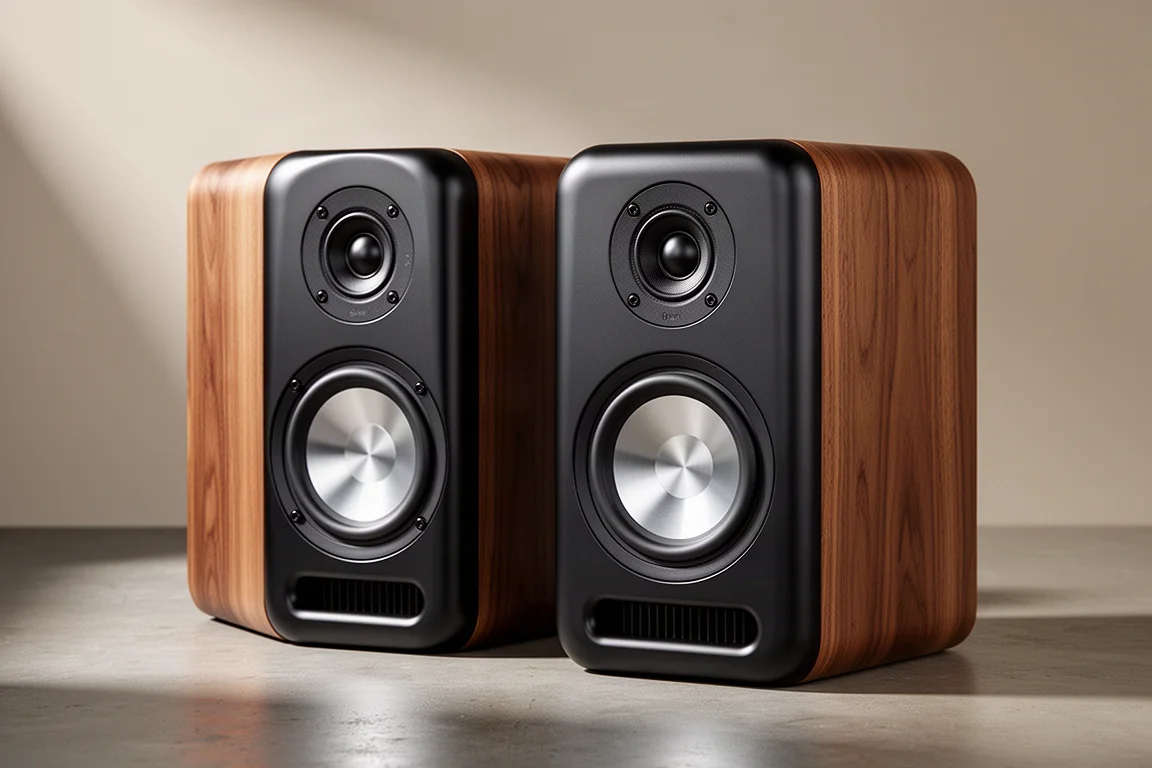
In the UK the UBR62 retails for £749 and is available in satin white with oak vinyl sides or satin black with a walnut vinyl wrap. The wrap is the clearest sign of cosmetic compromise at this price, and a painted finish would have been preferable, although a real wood veneer is unrealistic on a three-way speaker below £1,000.
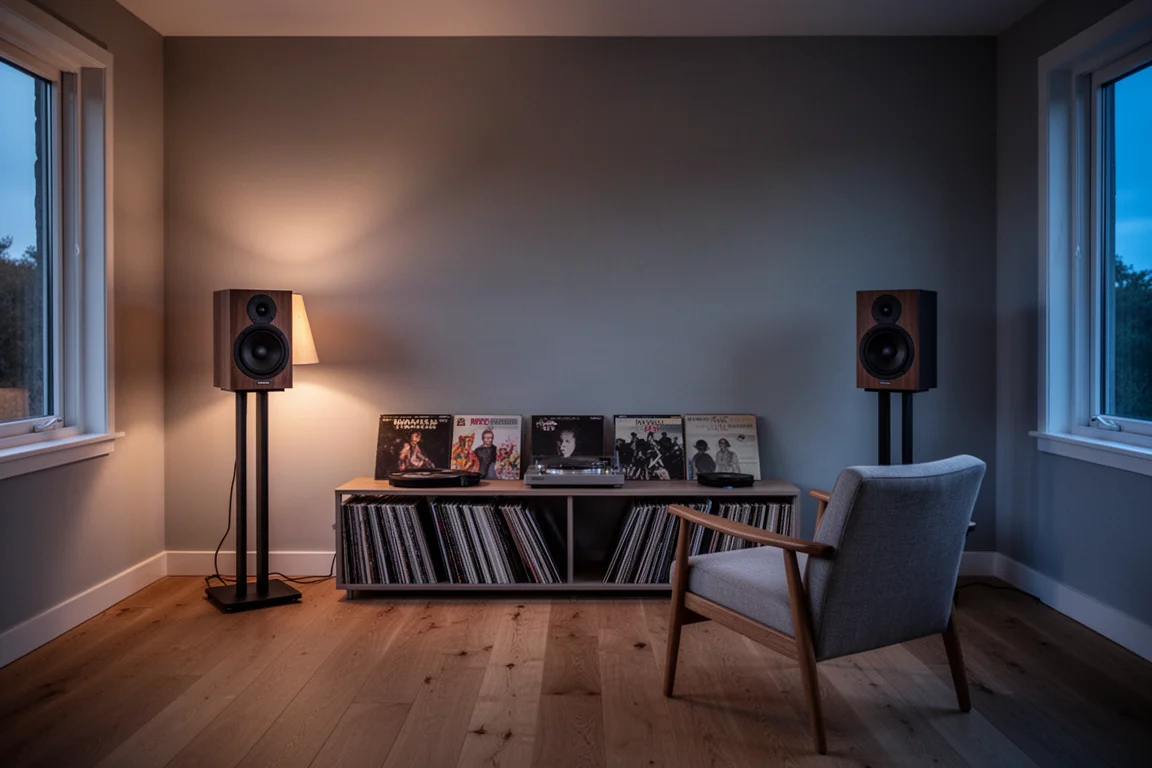
Each cabinet measures 359 by 208 by 334 millimetres (14.1 by 8.2 by 13.2 inches) and weighs 10.7 kilograms (23.5 pounds). Construction uses CARB2 rated MDF. A 25 millimetre soft dome tweeter is mounted concentrically inside a 100 millimetre aluminium cone midrange unit that covers 260 to 1,800 Hz, while a separate 165 millimetre aluminium cone handles low frequencies, making this a genuine three-way design that is easy to overlook at first glance. The front port uses a slotted aperture flared internally and externally to aid airflow and reduce chuffing noise, and the rear panel carries two sets of all-metal five-way binding posts for anyone who wants to bi-wire or bi-amp.
Who this product is for
This is a speaker for listeners who value a full, warm and forgiving presentation over forensic detail. It suits people who move through a wide range of music rather than settling on one genre, and who want a system they can listen to all day without fatigue.
It is also unusually good at low listening volumes, which makes it a sensible choice for smaller rooms or late-evening sessions. The analytical listener chasing maximum insight into a recording should look elsewhere, because the UBR62 deliberately prioritises richness and body over absolute resolution.
Main strengths
The tonal character sits on the warm, rich side of neutral, although less coloured than earlier ELAC designs. There is a fair amount of bass weight for a speaker of this size, enough to get a room moving when the music does, and vocals come across in a very natural way. Lead instruments carry a harmonically saturated quality that flatters a great deal of material.
That combination of full bass and a generous midrange is the core of the appeal, and it is why these speakers are so easy to live with. They are also unfussy about amplification and forgiving of recordings that sound less than satisfying on highly resolving systems.
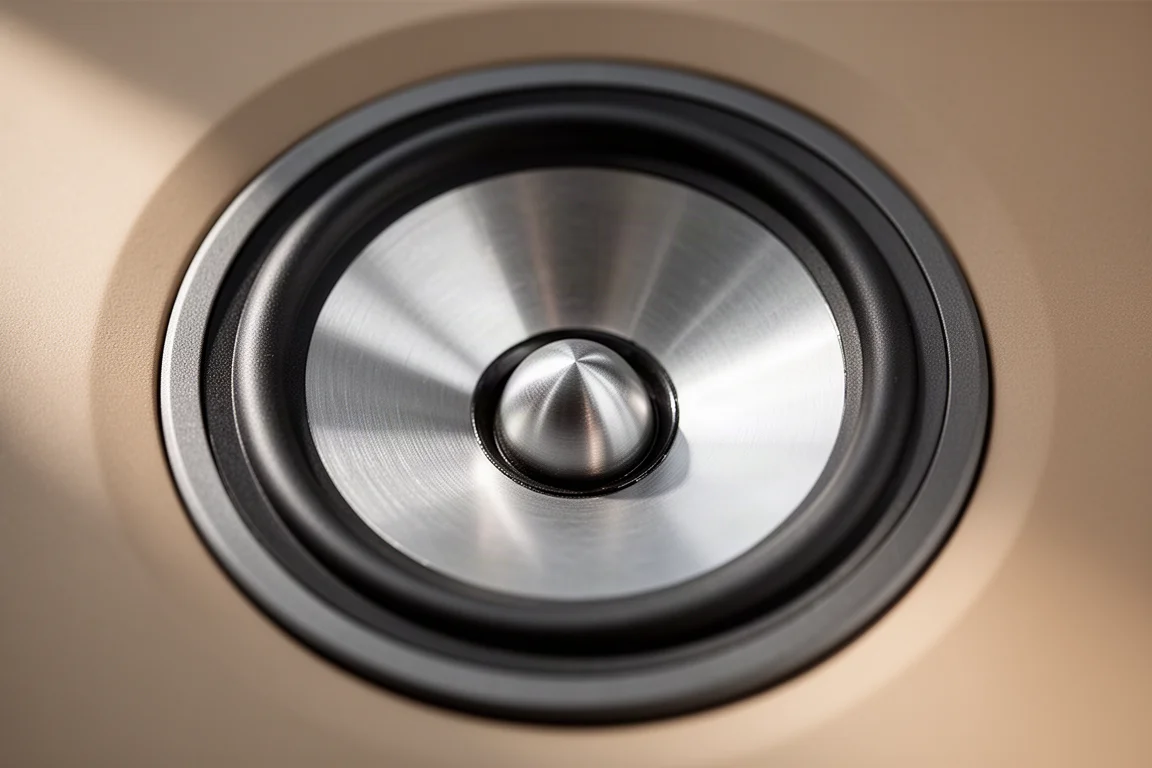
The driver package supports that sound. The dual concentric midrange uses a larger diameter voice coil, a rear vented spider and a revised neodymium magnet structure for better excursion and control of midrange frequencies, and it is mounted in a chassis designed to reduce resonances. The bass driver moves to a single piece compound curvature aluminium cone with a larger rear vented magnet, a change intended to improve linearity over the driver used in the Uni-Fi 2.0 series. The Reference model is not a tweaked version of those speakers: the cabinet is larger in every dimension, and the port arrangement, drivers and crossover components are all different.
Things to consider before buying
The extra low-end emphasis comes at the expense of bass definition, even by the standards of speakers under £1,000. Techno and metal listeners are the most likely to notice the shortfall.
High frequencies are a little rolled off, so this is not a speaker that tells you everything about a recording. Upper harmonics and spatial cues are obscured enough that imaging can sound slightly vague, even though the soundstage extends reasonably beyond the speakers on both sides and carries a respectable sense of depth.
Resolution is the other trade-off. A smaller, similarly priced competitor defines transients, temporal inflections and decays more sharply, though it cannot play as loud, dig as deep or deliver the same dynamic impact. A more expensive alternative at £1,300 offers noticeably more of what is on the recording, with tighter bass, a cleaner midrange and more precise placement within the soundstage, but it also brings a touch of leanness to the midrange that has to be balanced with partnering equipment.
Finally, as amplification improves, the resolving limits of the UBR62 become more obvious, so it rewards sensible system matching rather than open-ended spending.
Pairing with amplifiers
With 85 dB sensitivity into a 6 ohm load, the UBR62 is not a particularly difficult speaker to drive, and there is no reason to expect unusual dips or bumps in the impedance plot or tricky phase angles. That said, a little current capability helps keep a tight grip on the woofers.
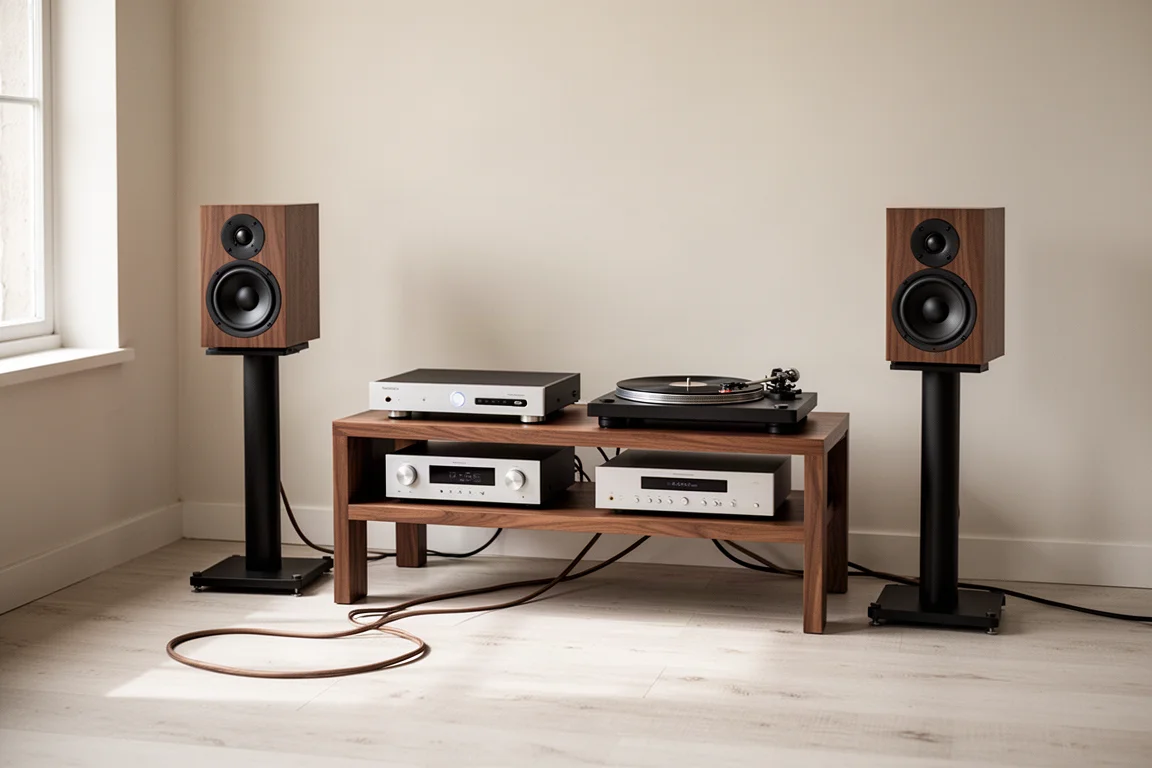
A 30 watt per channel amplifier handled the speakers well at low and moderate volumes, staying quiet and transparent. A £449 integrated rated at 50 watts per channel into 8 ohms with a decent quality internal power supply makes a good starting point, although its presentation draws attention to the frequency extremes and the pairing can feel slightly introverted. The £349 Cambridge Audio AXA35 proved more convincing, restoring the fullness and dynamism that defines the UBR62, and while a warm amplifier paired with warm speakers is a predictable combination, neither component pushes the balance too far in that direction.
Stepping up to a considerably more expensive integrated brought improvements in clarity, scale and control with less coloration, but not enough to justify the outlay in this case. A £2,199 streaming amplifier, rated at 70 watts per channel into 8 ohms, also shifted the tonal balance in a warm direction with greater dynamics and better bass control, again without enough benefit to justify the price over the more affordable options.
Setup and room placement
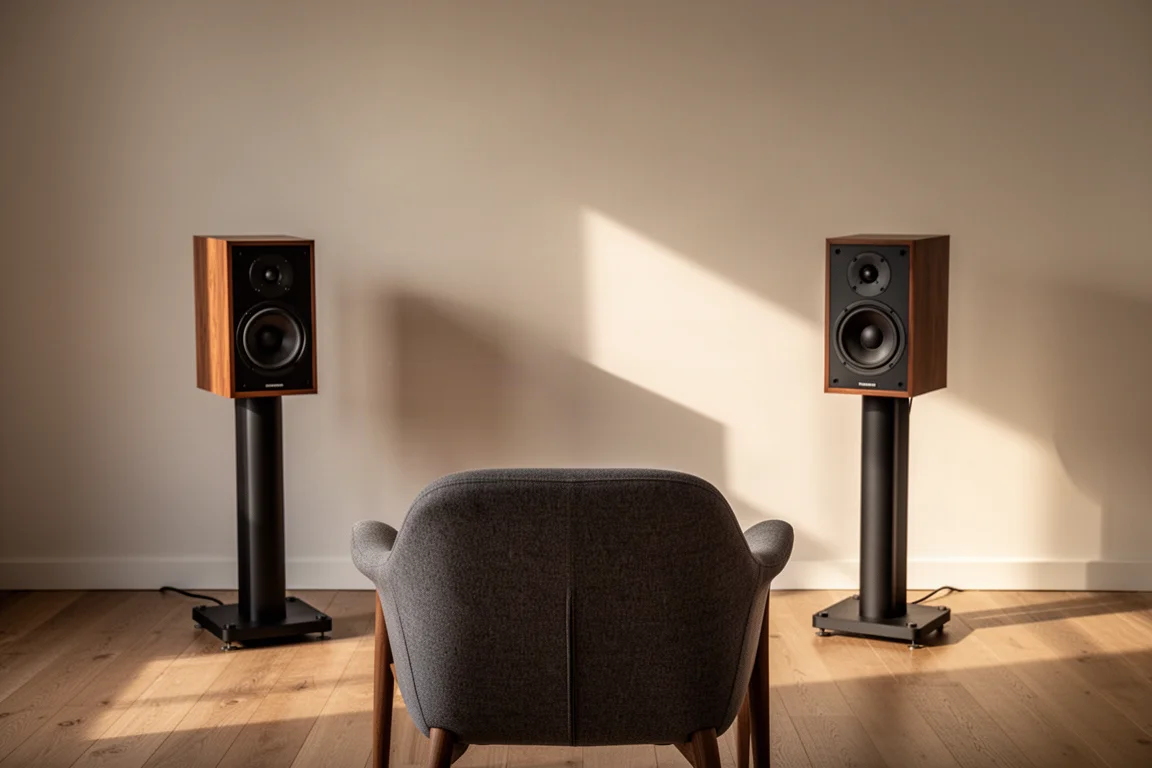
Because these speakers generate a fair amount of bass, positioning takes some experimentation. Pulling them well into the room improved bass definition noticeably.
The final position used a distance of 42.5 inches (108 centimetres) from the centre of the front baffle to the wall behind, with more toe-in than usual so the tweeters aimed towards the listener’s shoulders rather than directly at the ears. That arrangement recovered a little extra energy from the high frequencies without hardening the overall balance.
Buying advice
At £749 the UBR62 makes a strong case for itself, particularly for listeners who want a well-built, attractive standmount that plays nicely with price-appropriate electronics. The cheaper Uni-Fi 2.0 UBR52 at £599 is a different speaker rather than a simplified version of this one, so the extra outlay buys a larger cabinet, different drivers and a different port design rather than just a badge.
Budget accordingly. These speakers respond well to modest integrated amplifiers in the £349 to £449 range and do not demand expensive electronics to sound balanced, so money saved on amplification is better spent on getting the placement right. The difference between a boomy, undefined low end and a controlled one is largely a matter of distance from the rear wall and toe-in. Buyers who want maximum resolution should audition alternatives before committing, but anyone who prioritises an easy, full-bodied and forgiving sound will find the overall package very good value.
Conclusion
The ELAC Uni-Fi Reference UBR62 is an attractive, well-constructed three-way standmount that delivers a full, rich sound without becoming overly coloured. It offers decent clarity, a good sense of scale and real dynamic impact, and it is forgiving enough to make a wide range of music enjoyable, which is exactly what most listeners are looking for. It is not the speaker for the analytical audiophile, and better amplification will reveal its limits, but as a complete package with price-appropriate gear it is easy to recommend.
Product link
View more details for ELAC Uni-Fi Reference UBR62
This product is mentioned in the review. Check the specifications, options, and compatibility before buying.
View more details for ELAC Uni-Fi Reference UBR62Further reading
Related Reviews
Hi-Fi Speakers
1723 THX Tower vs 1528 Bookshelf: Which Speaker Fits Your Room?
Two speakers at roughly the same price, built very differently. How the 1723 THX tower and the 1528 bookshelf compare on construction, bass, power needs, and sound.
Hi-Fi Speakers
Acoustic Energy AE 300 Review: Deep Bass From a Compact Standmount
A two-way standmount with real wood veneer, surprising low-end weight, and a warm, easygoing character. Here is what to know before buying.
Hi-Fi Speakers
Acoustic Energy AE1 40th Anniversary Review: A Modern Take on a British Classic
A compact standmount that revives a 1980s favorite with all-new parts, a warm mid-centric balance, and a price of £1,499 per pair.