Bookshelf Speakers
ELAC Debut 3.0: DB53 vs the 6.5-Inch Model
Two bookshelf speakers from the same ELAC Debut 3.0 line, compared on bass, midrange clarity, cabinet size, and whether you need a subwoofer.
Introduction
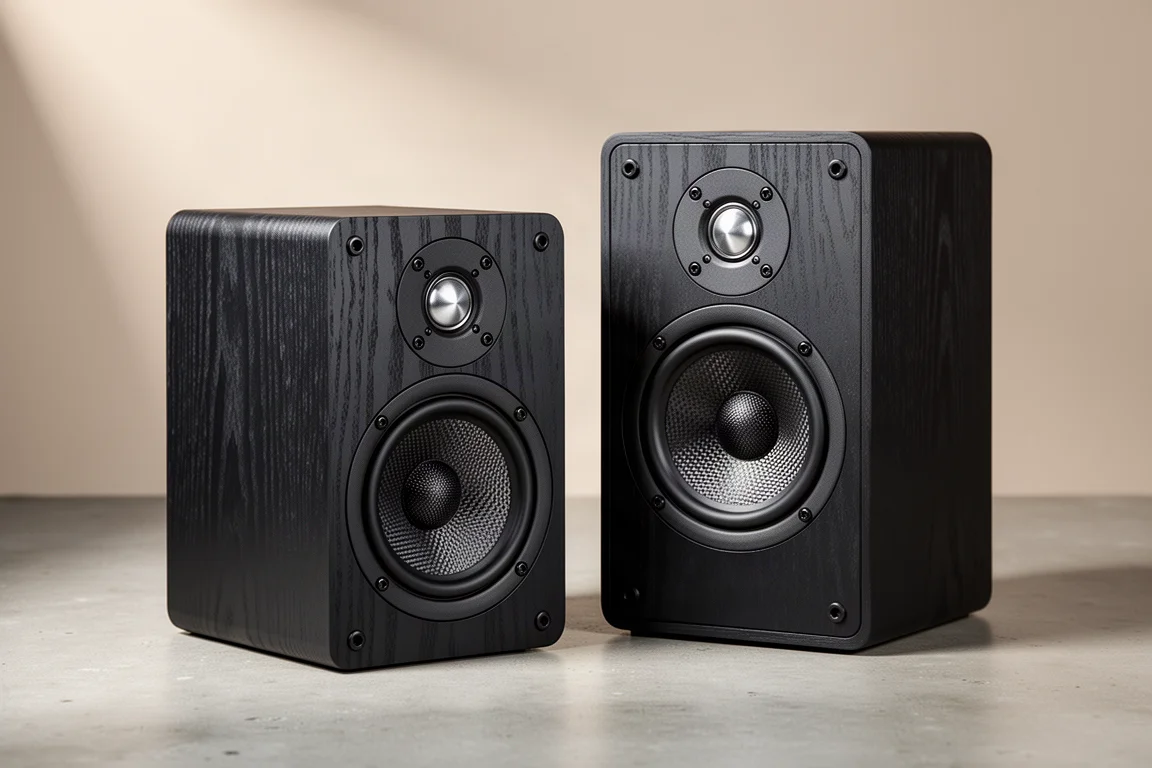
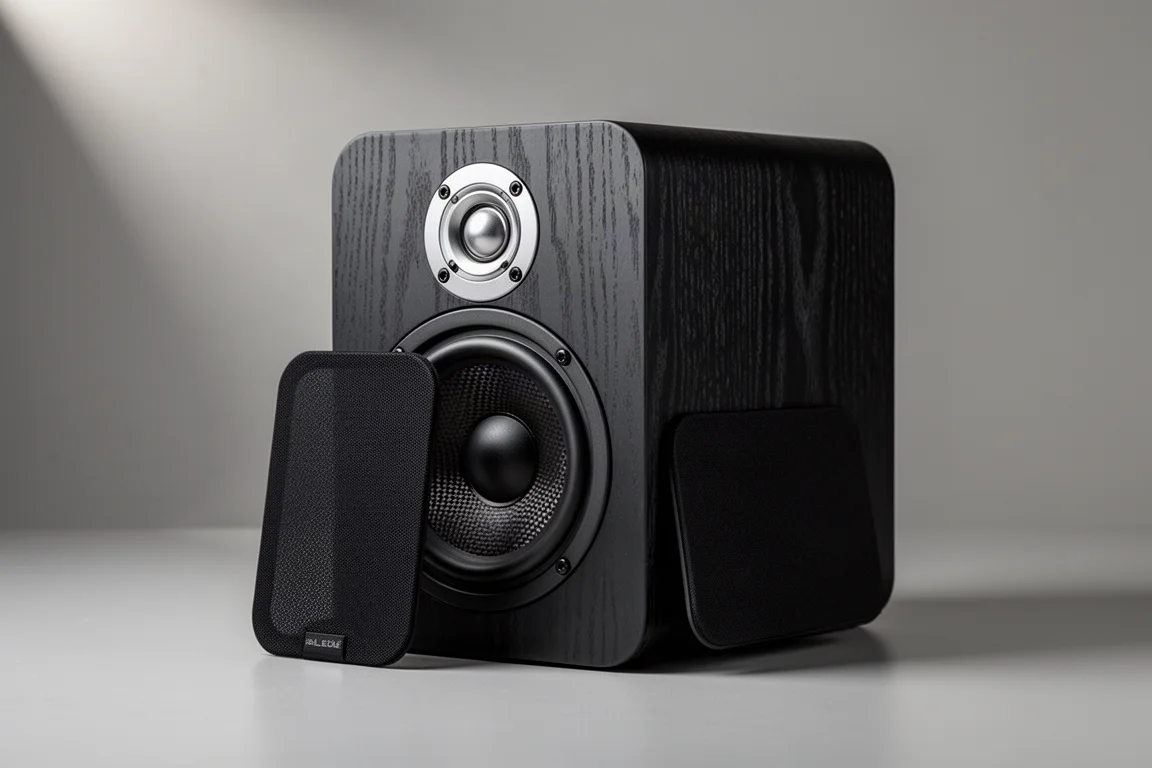
The ELAC Debut 3.0 line gives bookshelf buyers two clear routes: the compact DB53 with its 5.25-inch woofer, and the larger 6.5-inch model. Both share the same 1-inch aluminum dome tweeter, the same magnetic grille design, and the same wood-grain vinyl wrap, so the real question is not build quality but how much cabinet and cone you actually need.
The short version: the smaller model rewards listeners who already run a subwoofer or who favor dynamic, well-recorded material, while the larger model delivers noticeably more bass weight and scale on its own. The rest of this guide breaks down the differences so the choice becomes straightforward.
How the Two Debut 3.0 Models Differ
On paper the two speakers look closely related, and they are. Both use a 1-inch aluminum dome tweeter and both are rated up to 38,000 Hz at the top end, with a 6-ohm nominal impedance. The difference starts at the bottom: the DB53 reaches down to 48 Hz and the 6.5-inch version to 42 Hz.
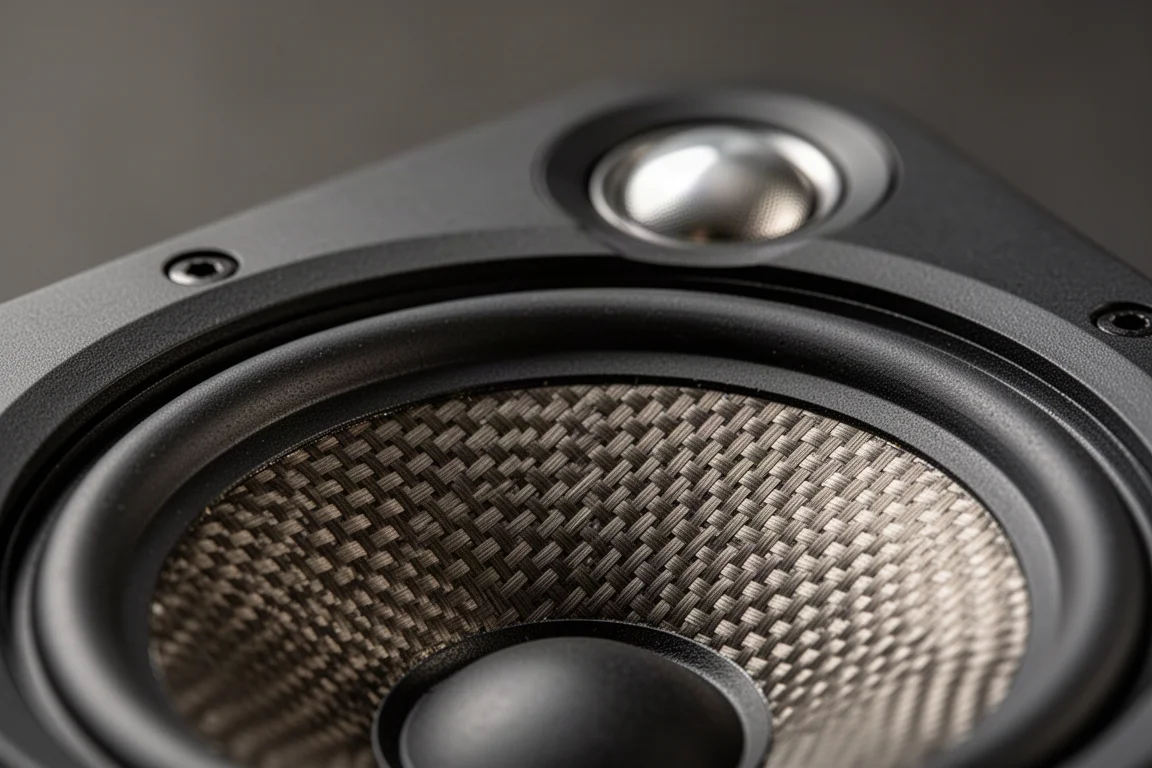
Sensitivity is nearly identical at 86.5 dB for the DB53 and 87 dB for the larger speaker, so neither places unusual demands on an amplifier relative to the other. The cabinets differ more visibly. The DB53 is listed at roughly 13.3 lb and measures about an inch shorter and about an inch less deep than the 6.5-inch model, which comes in at about 17.3 lb. The woofer recipe is shared as well: both use an aramid fiber cone, now in its third generation.
Where the two part company most is in the lower midrange. The larger cabinet and cone give the 6.5-inch model more body in that region, and that single difference shapes almost every listening impression that follows.
ELAC Debut 3.0 DB53: The 5.25-Inch Option
The DB53 is the more transparent of the pair. Across dynamic, well-recorded material it comes across as cleaner and more detailed, with more air around acoustic guitars and percussion. Vocal breath sounds and small studio details are easier to pick out, and full baritone voices avoid the extra weight that the larger model carries in the lower midrange.
Bass is the surprise. For a speaker with a 5.25-inch woofer, the DB53 puts out far more low end than its size suggests, and on its own it is genuinely enjoyable to listen to. The caveat is context: without a subwoofer, some tracks can sound a touch thin at the very bottom, and listeners who want maximum impact will notice the gap next to the bigger model.
The DB53 is the version to consider if your priority is midrange clarity and you already have, or plan to add, a subwoofer to handle the lowest octaves. It is also the easier fit when space is tight, given the shallower and shorter cabinet.
ELAC Debut 3.0 6.5-Inch: The Bigger Brother
The 6.5-inch model is the one that plays big. Its bass has more impact and palpability, and it can fill a room in a way that resembles a floorstanding speaker with multiple woofers rather than a compact bookshelf design. That sense of scale is the main reason to choose it, and it is the reason this speaker works so well on its own without a subwoofer.
The trade-off is the lower midrange. The extra body that gives less dynamic recordings more punch can also add weight where you might not want it, and on some tracks it slightly obscures detail that the smaller model reveals. Listeners chasing maximum top-end air will find both speakers on the softer side and will need to look elsewhere in the market.
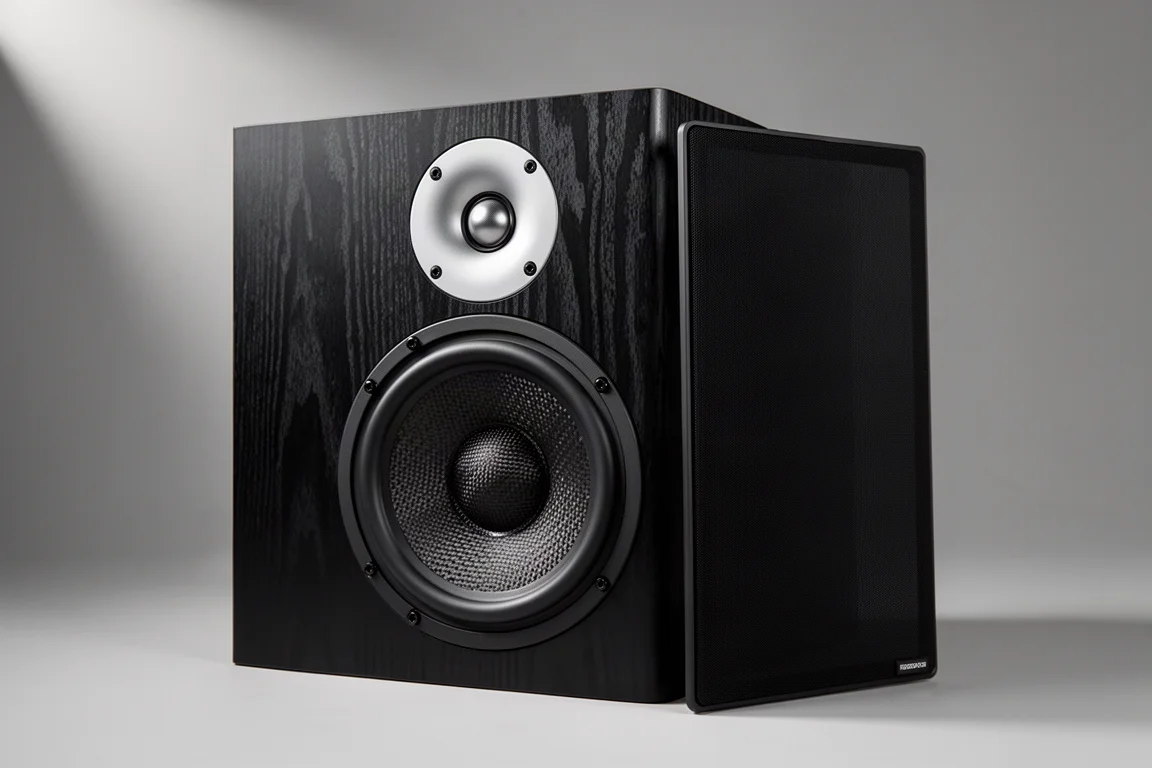
Listening Notes Across Different Tracks
The choice between these two speakers is track dependent, and a few examples make the pattern clear. Material that is not especially dynamic, such as “Sunday Bloody Sunday” or “The Way It Is”, tends to sound fuller and more convincing on the 6.5-inch model, where the additional bass punch and lower-midrange body carry the performance.
More dynamic, better-recorded tracks swing the other way. “Hurt” by Johnny Cash, with its full baritone vocal, and the acoustic MTV Unplugged material both came across as more open on the DB53, with more detail in the guitars and percussion and less lower-midrange congestion.
Guitar-led rock follows the same logic. On “Shoot to Thrill”, the guitar that enters from the right channel came through more cleanly and with more bite on the smaller speaker, while the larger model added weight that softened the leading edge of the performance.
Buying Advice: Subwoofer or No Subwoofer
The single most useful question is whether a subwoofer is part of your plan. With a subwoofer in the system, the DB53 is the more compelling speaker: it keeps the midrange clarity and lets the sub handle the low end. Without one, the 6.5-inch model is the safer purchase, because its bass output stands on its own in a way the smaller model cannot quite match.
If you have EQ available, the gap narrows. Pulling down roughly 350 to 600 Hz reduces the extra lower-midrange weight on the larger speaker, and a lift of about 125 Hz adds some of the bass punch back to the smaller one. Neither adjustment turns one speaker into the other, but both move them closer.
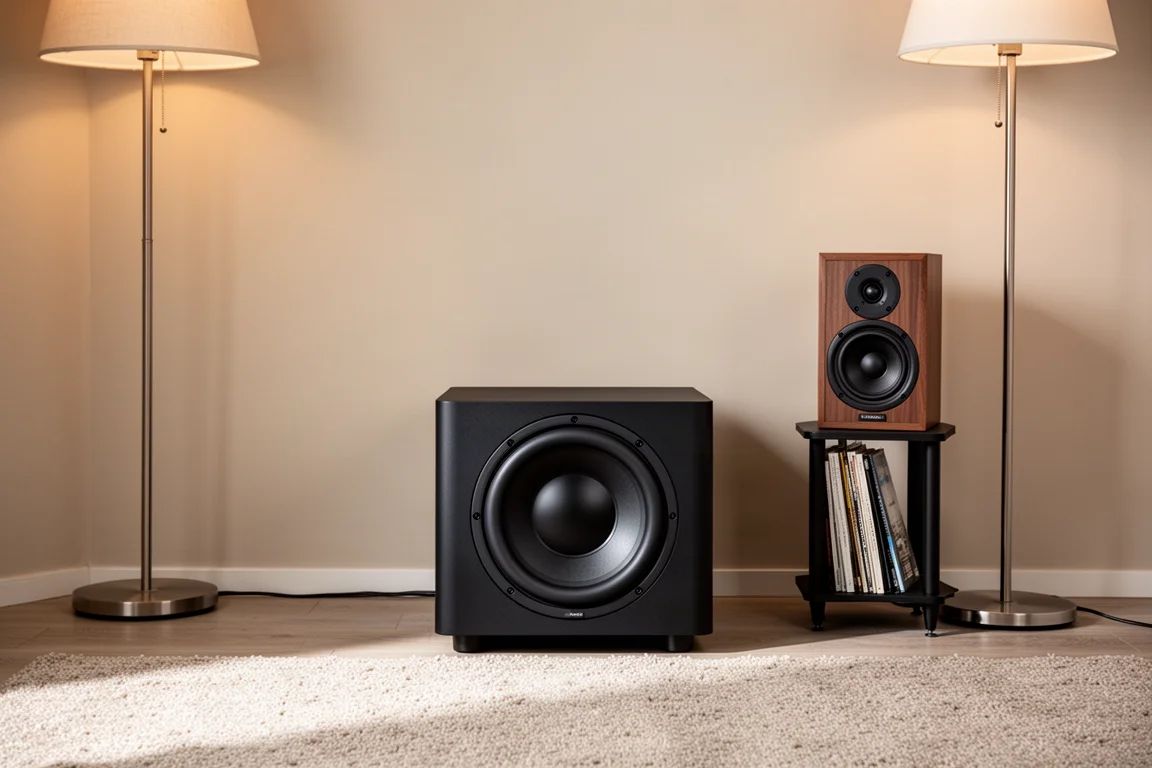
Both models also represent strong value in their class, and the larger version carries only a modest premium over the previous generation. Listeners who want noticeably more top-end air should expect to spend more elsewhere, and the same applies to anyone who wants maximum bass authority: the 6.5-inch model is impressive, but it is still a bookshelf speaker.
Conclusion
These are two genuinely enjoyable speakers from the same family, and the decision comes down to how you listen. If a subwoofer is part of your setup and you value midrange transparency, the DB53 is the more rewarding choice. If you want one pair of speakers to carry the low end on its own, or your music is not especially dynamic, the 6.5-inch model delivers the weight and scale that make it the better all-rounder.
Further reading
Related Reviews
Bookshelf Speakers
Acoustic Energy A100 Mark II Review: A Compact Standmount With an Expansive Soundstage
The Acoustic Energy A100 Mark II brings clarity, natural tonality and a wide soundstage to an entry-level standmount, with a few setup details worth knowing first.
Bookshelf Speakers
Acoustic Energy AE-100 Mark II Review: Compact Bookshelf Speakers With Standout Imaging
A compact British two-way bookshelf speaker with deep, layered imaging, fast bass, and a slight treble lift to weigh against a crowded $500 field.
Bookshelf Speakers
Acoustic Energy AE100 MK2 Review: Measured Performance and Four Alternatives
A close look at the Acoustic Energy AE100 MK2 bookshelf speaker, what its measured performance reveals, and four alternatives with different trade-offs.