Backpacking Gear
Eight Ultralight Backpacking Gear Picks Worth Watching
A practical look at eight backpacking products, from a lightweight 55-litre pack to a three-person ultralight tent, with the strengths and trade-offs to weigh before buying.
Introduction
Backpacking gear is a trade-off exercise. Every gram saved has to be paid for somewhere, whether in price, durability, or comfort, which is why the most interesting products each season tend to be the ones that move those trade-offs rather than simply shaving weight.
This roundup covers eight pieces of backpacking gear that stand out for exactly that reason. Some are aimed at ounce-counting thru-hikers, others at winter campers and hunters who need to move genuinely heavy loads. Each entry explains what the product offers, where it fits, and what is worth checking before you commit.
How These Picks Were Chosen
Four criteria shaped this list: carrying comfort under load, warmth-to-weight performance, the quality of small design details, and price relative to what a product actually delivers. A pack that claims a high load rating has to stay stable on the hips and shoulders. An insulation layer has to add warmth without adding bulk. A shelter has to be light without becoming awkward to enter, exit, and live in. And a cheaper product only counts as good value if it can match the more expensive option it replaces.
Several of the items below come from small makers known for unusual fabrics and meticulous construction, while others come from established brands revising long-running models. In both cases the useful question is the same: does the design solve a real problem on the trail, or does it only look good on a specification sheet?
Durston Gear Kakwa 55
The Kakwa 55 is a lightweight backpacking pack with a claimed carrying capacity of around 45 lb, which puts it in a fairly small group of packs that pair low weight with genuine load-hauling ability. The detail that stands out most is a zippered pocket on the left side of the pack, useful for stowing small items you want secured rather than left loose in an open side pocket.
It comes from the designer behind the X-Mid tent line, which has earned a strong reputation for thoughtful detailing, so expectations for the pack’s construction are high. If the Kakwa 55 lives up to that reputation, it has a good chance of being one of the best all-around packs on the market.
Zpacks Offset Trio
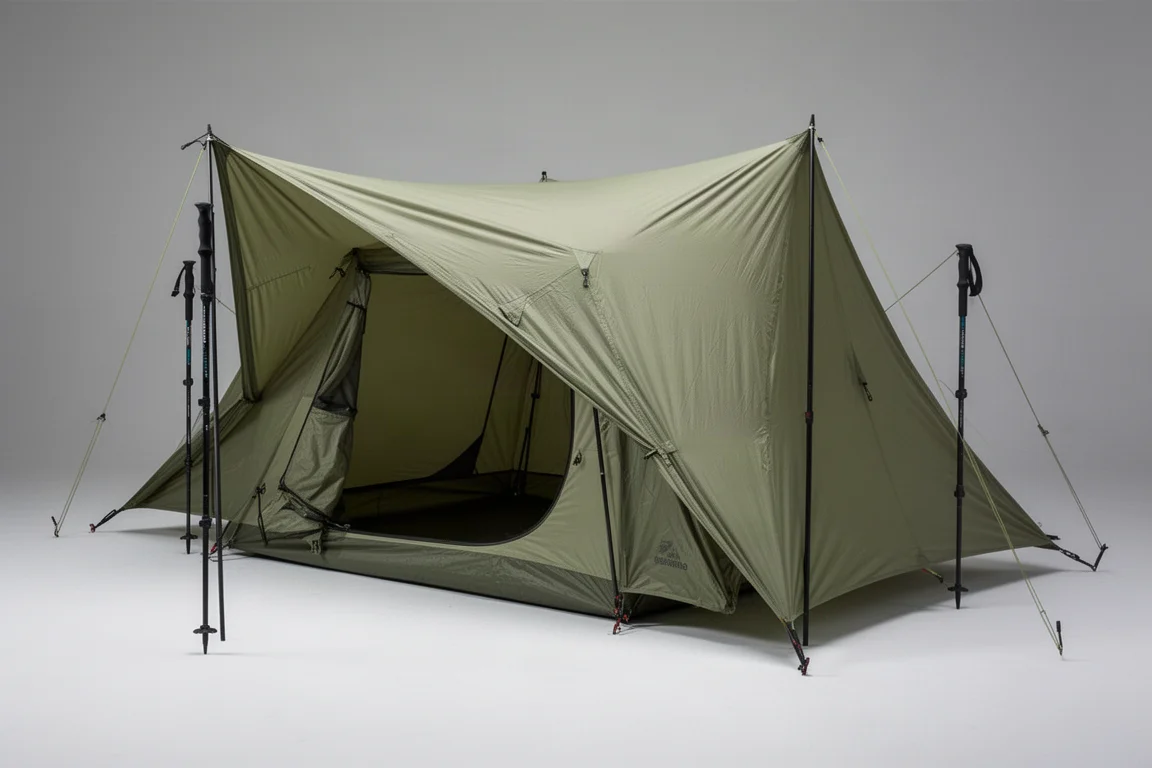
The Offset Trio is a three-person ultralight tent that measures 66 inches wide at the head end and 60 inches at the foot, yet weighs just 647 g. That combination of size and weight is unusual, and it creates a genuinely spacious interior with generous head room and foot room. For couples, or for a couple travelling with a child, it offers far more usable space than most ultralight shelters of comparable weight. Two people and a dog would fit comfortably.
The door design is worth noting as well. There is no pole in front of the doors, and no rainbow-style door panel that can drop to the ground, a detail some campers dislike because it picks up dirt. It is a small thing, but it makes daily use a little cleaner and easier.
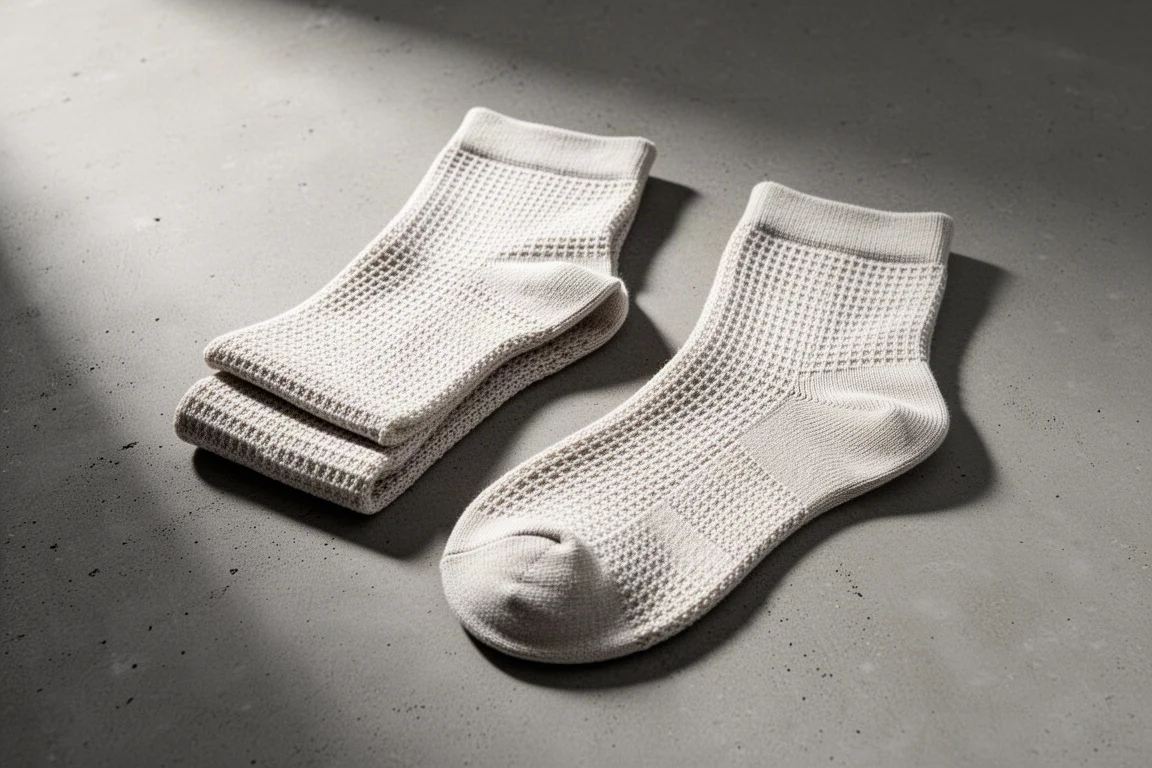
Farpointe Outdoor Gear Alpha Direct Socks
Alpha Direct has become a favourite fabric for insulation because it delivers a lot of warmth for very little weight, and these socks take that idea about as far as it goes: 11 g per sock. For anyone counting grams on a long-distance route, that is a meaningful saving over conventional hiking socks.
The value is clearest in dry, cold conditions where you want an extra layer without bulk. They work best as a specialist part of a layering system rather than as an everyday walking sock.
Farpointe Outdoor Gear Alpha Direct Pants
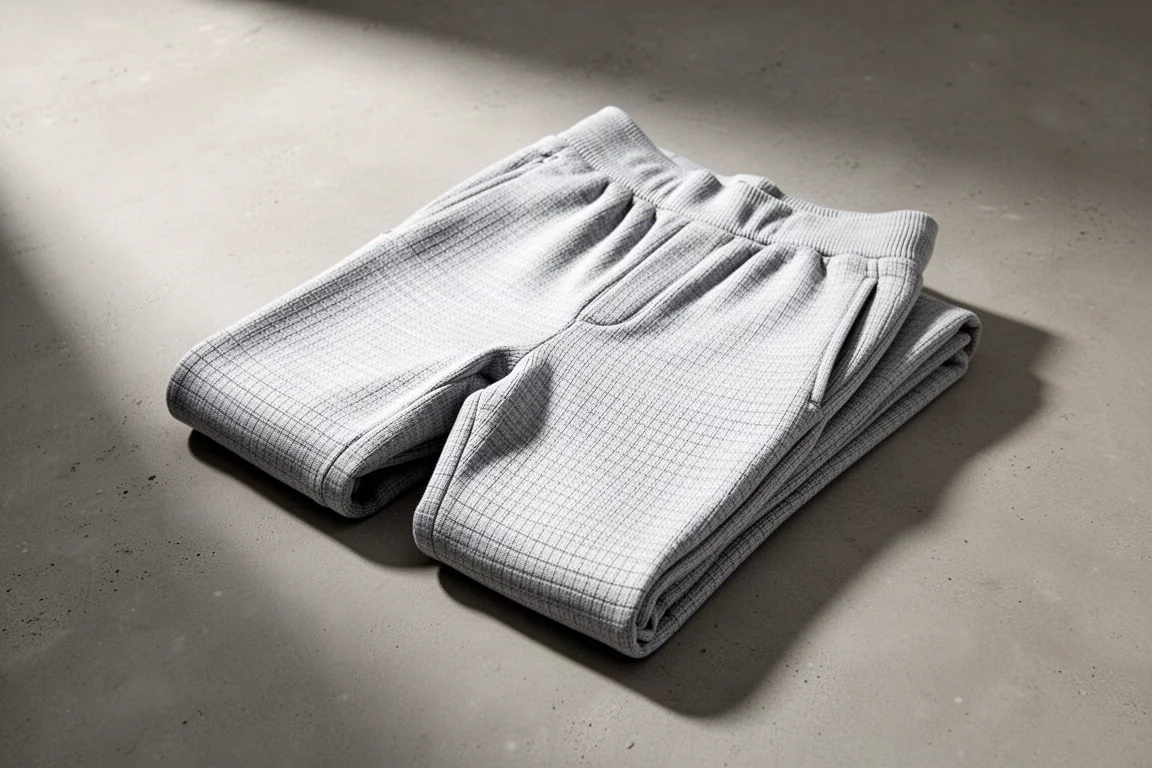
The Alpha Direct pants apply the same idea to the lower body: extra insulation for winter trips and for shoulder-season mornings and evenings when your legs need more warmth than your hiking trousers provide.
One thing to understand before buying is how the fabric behaves. Alpha Direct is somewhat see-through, which makes it awkward to wear around camp without a base layer underneath. Used as intended, as an insulation layer over a baselayer, that is not a problem, but it is worth knowing if you were expecting something you could pull on over anything.
Fabric care matters with this style of insulation too. Alpha Direct is delicate enough that it works best as a mid layer rather than a garment exposed to snagging branches and rough rock, which is a reasonable argument for packing it for camp use rather than wearing it on technical terrain.
Farpointe Outdoor Gear OCTA Shirt
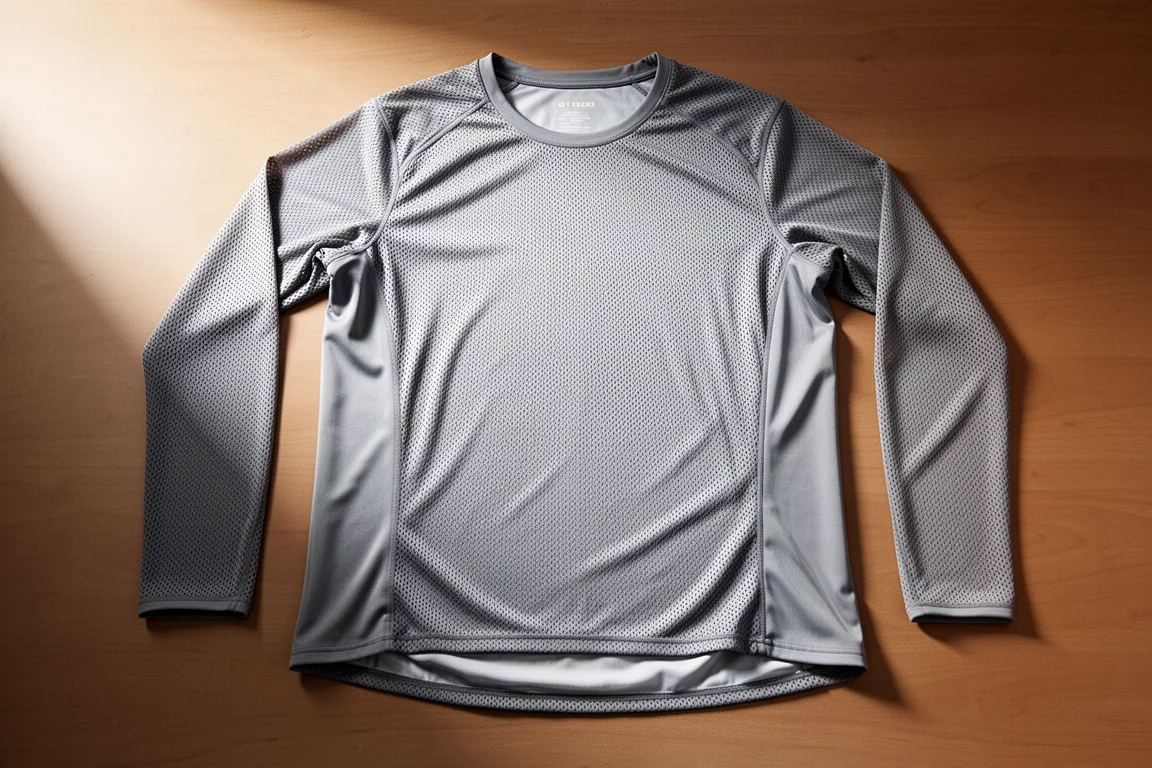
The OCTA shirt takes a different approach to the same problem. OCTA is a mesh-style material similar to the air mesh fabrics used by other insulation specialists. It is slightly heavier than Alpha Direct but still very light, and it addresses the main drawback of that fabric: it is not see-through, so it works as a standalone layer around camp.
The construction puts the insulation facing inward and a mesh face outward. That outer mesh resists snagging and should hold up better over time than an exposed Alpha Direct surface, which can catch on gear and degrade faster when worn as an outer layer. For anyone who wants a light insulation shirt that can be worn openly without a baselayer, this is the more practical of the two options.
Mystery Ranch T100
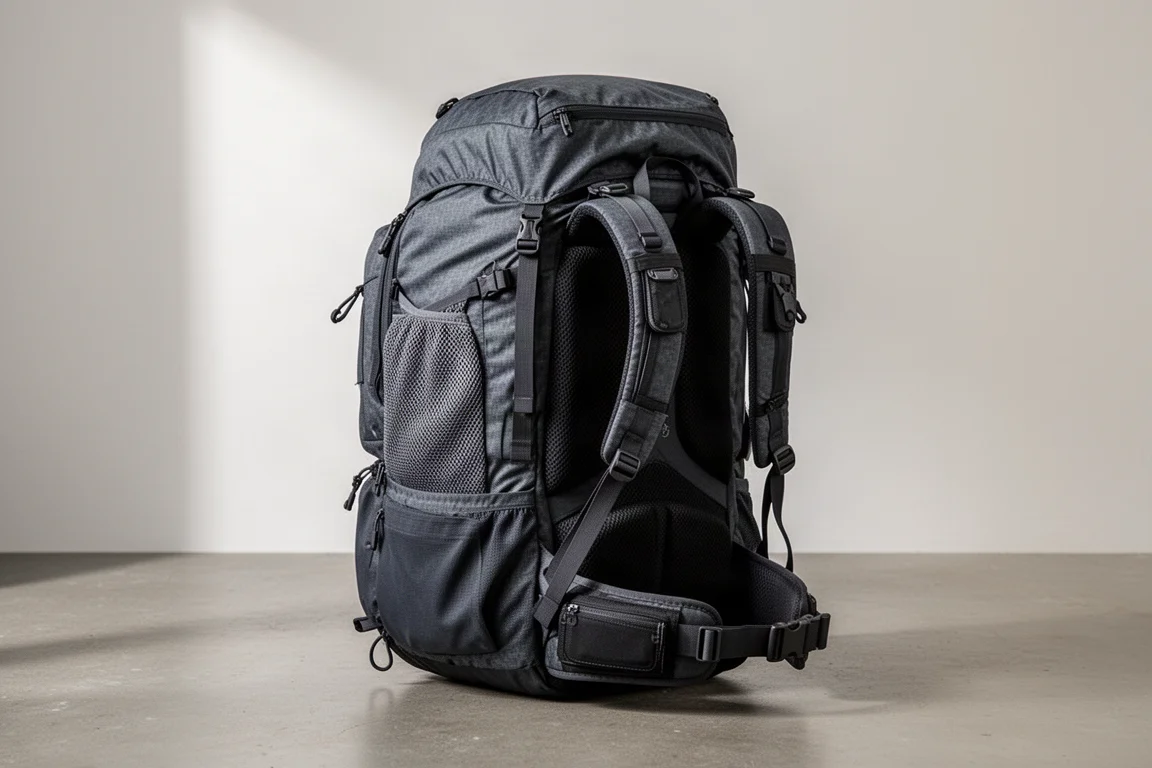
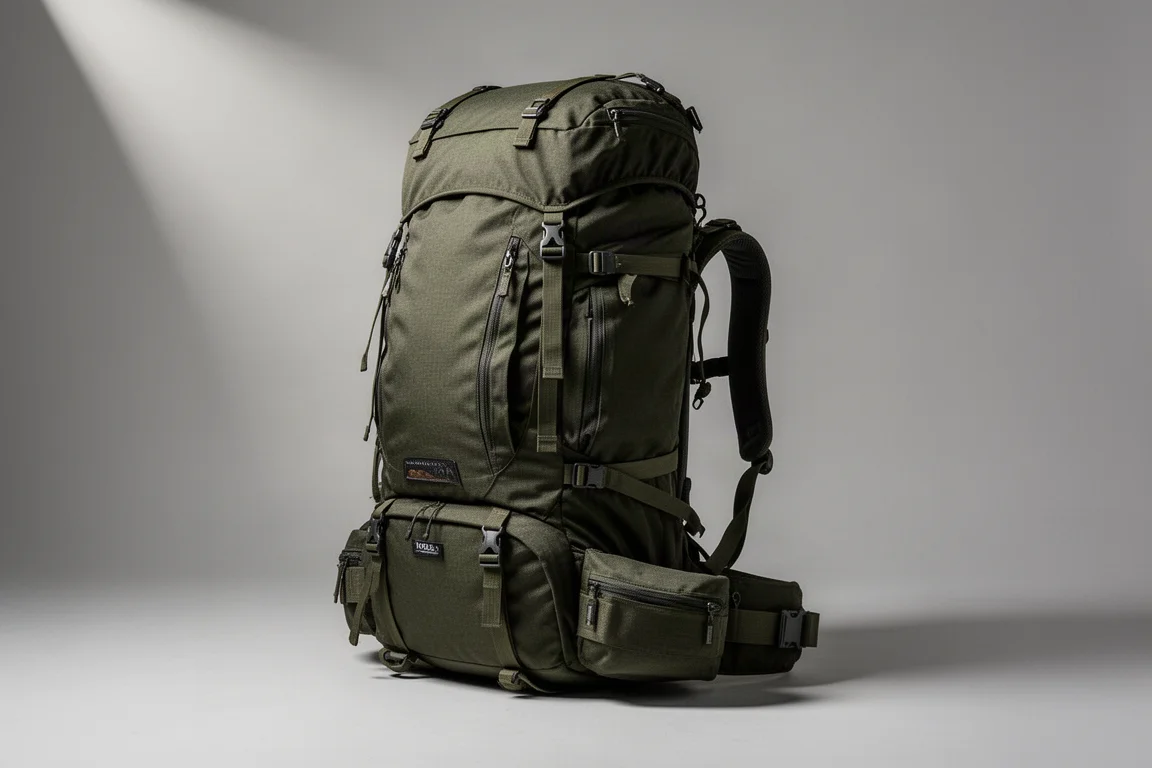
The T100 is a 100-litre pack from Mystery Ranch, rumoured to carry loads of up to 100 lb. That is far more capacity and load rating than most backpackers will ever need, and it is not a light pack: it weighs 7.4 lb and costs $500 US. The case for it is specific.
If you are hot tenting in winter or hunting with heavy loads, a pack that can genuinely manage that kind of weight changes what trips are possible. The real question is not whether the load can be lifted, but whether the frame and harness transfer it well enough to stay comfortable over a long day. Anyone shopping in this category should weigh the pack’s own 7.4 lb against the loads they expect to carry, because a heavy pack only makes sense when the alternative is making multiple trips.
Trekology Aluft 2.0
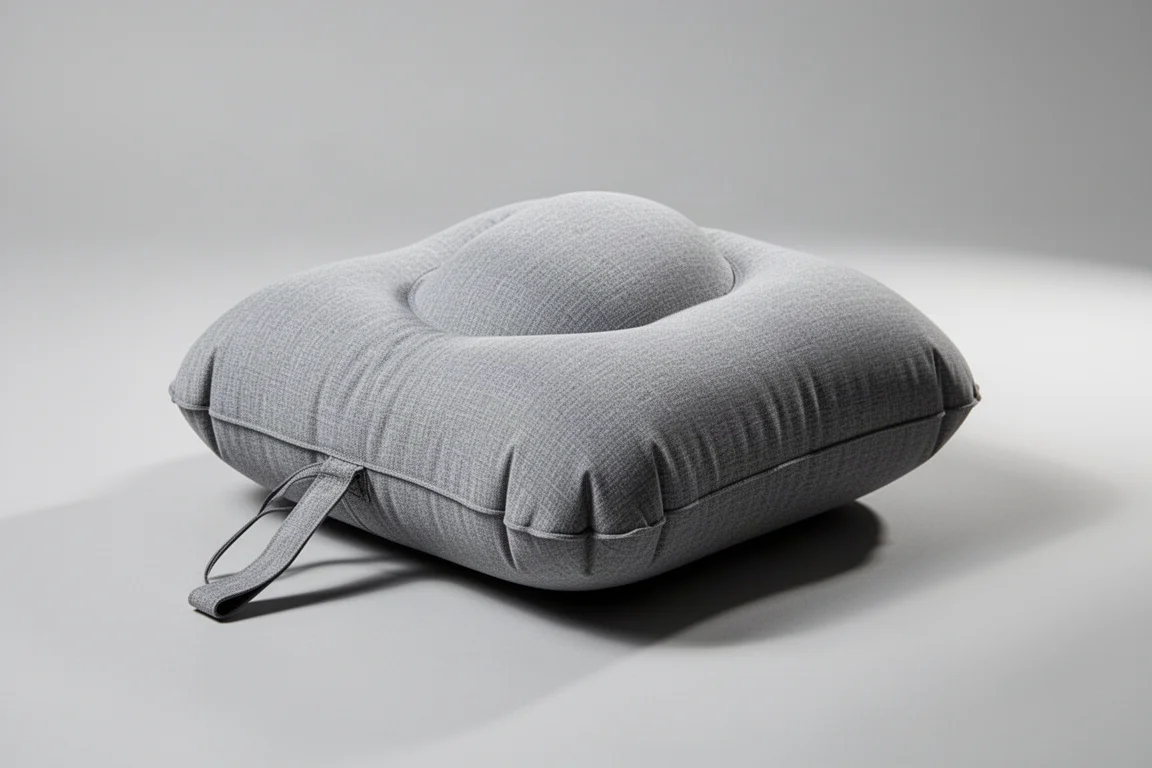
Trekology has a strong record with lightweight pillows, and the Aluft 2.0 looks like a lower-cost alternative to the Exped Mega Pillow. Two design choices stand out. The first is a built-in pad strap, which means you do not need to improvise a homemade strap to keep the pillow attached to your sleeping pad overnight. The second is a redesigned valve intended to be more robust, following reports of leakage around the valve area on earlier versions. The new valve follows the approach used by several other pad and pillow makers.
The Mega Pillow remains a comfortable option with good height and supportive baffling, so the Aluft 2.0 only makes sense if it gets close to that comfort level while costing less and requiring less fiddling.
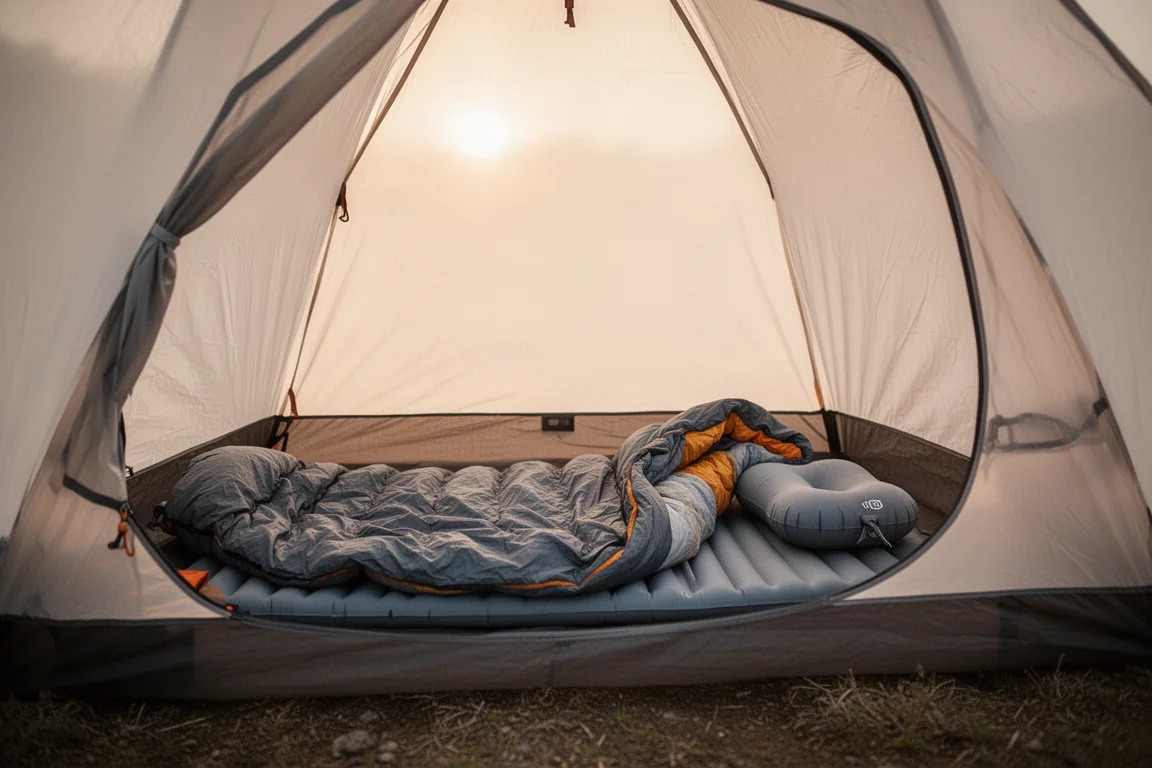
For side sleepers and anyone who moves around at night, the strap is the feature that matters most, since a pillow that slides off the pad is effectively useless by morning. That is the practical test to apply to any lightweight pillow in this price range.
Big Agnes Rapide
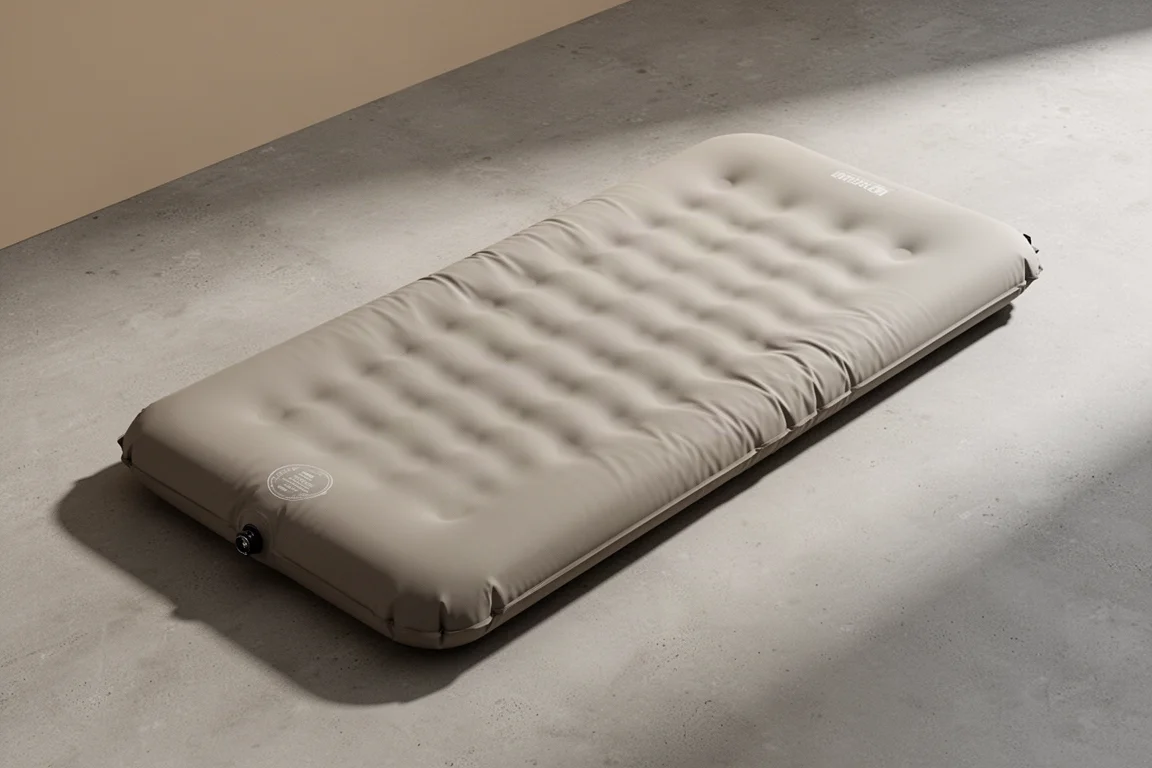
The Rapide is a sleeping pad that Big Agnes has revised with new insulation inside, producing a slight increase in R-value and a slight decrease in weight. It uses the same type of insulation found in the Zoom UL.
That reference point matters, because the Zoom UL has a known weakness: the reflective insulation inside can migrate to the bottom of the pad, leaving the sides and top with little insulating value. On a thick pad, and especially in wide or large sizes, that leaves a lot of surface area without meaningful warmth. Whether the Rapide avoids that problem is the key question, and it is hard to judge from the outside because the pad’s fabric is fairly opaque.
Big Agnes has also addressed the inflation sack used across its pad range, making it smaller, more compact, and easier to use. If the Rapide delivers on its warmth rating without the insulation issues of its stablemate, it could be the best all-around balance of warmth, comfort, and packed size.
Buying Advice: Matching Gear to Your Trip
Gear only earns its place when it matches the trip. A 100-litre pack is the wrong purchase for weekend backpacking, and a 647 g three-person tent is the wrong purchase for someone who mostly camps in exposed, high-wind terrain and wants a heavier, more conventional shelter. Start with the trips you actually take, then work backwards to the specifications.
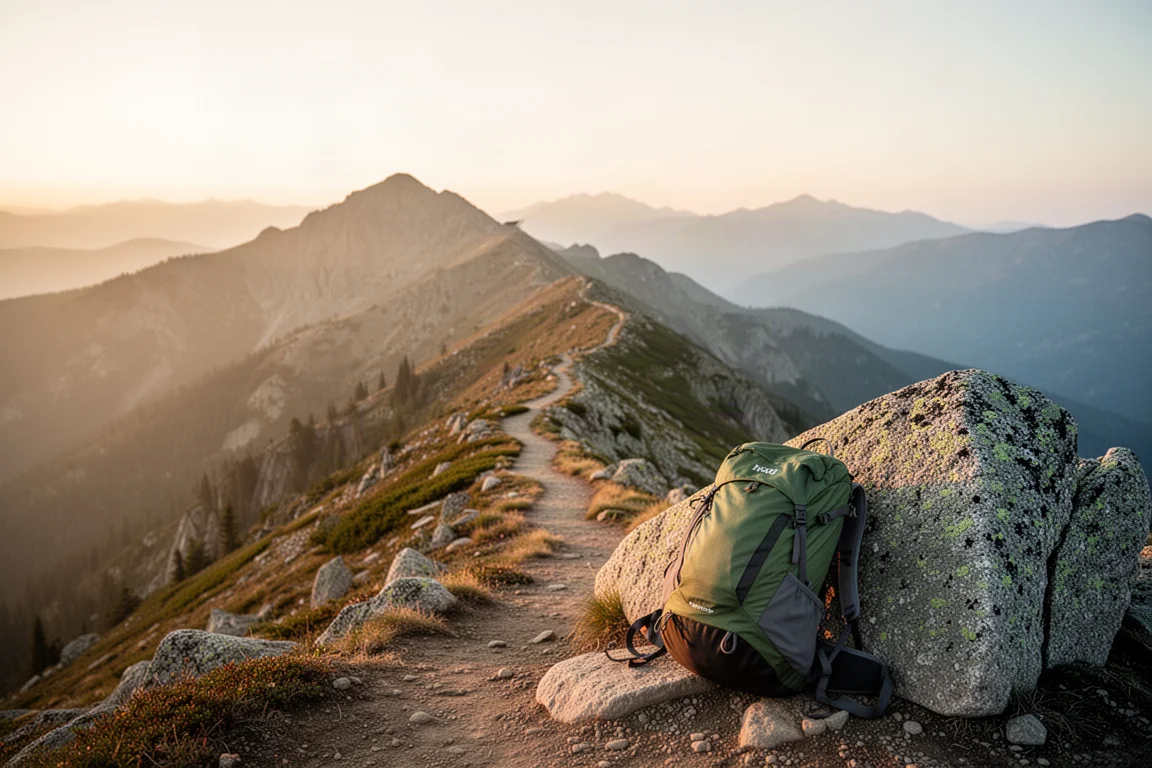
From there, weigh each choice against its main trade-off. Packs trade weight for load comfort, so decide how much you realistically carry before chasing a lighter model. Insulation layers trade durability and modesty for warmth-to-weight, which is why a mesh-faced shirt is easier to live with day to day than an exposed Alpha Direct garment. Sleeping pads and pillows trade price for comfort and warmth, and the cheaper option is only good value if it holds up in cold conditions.
Finally, treat claims as claims. Load ratings, R-values, and warmth-to-weight figures describe what a product is designed to do, and the only way to know whether a design works is to use it in the conditions you care about. Buy from retailers with a clear return policy, and test new gear on a short trip before relying on it for something ambitious.
Conclusion
The most promising products in this group are the ones that change what a category can do: a 55-litre pack that claims real load-hauling ability at a low weight, a three-person shelter that weighs less than many two-person tents, and insulation pieces that push warmth-to-weight further in two different ways. The T100, the Aluft 2.0, and the Rapide sit in more familiar categories, but each has a clear use case and a specific question to answer. If you are upgrading this season, start with the piece of gear that limits your current trips, and let the specifications follow.
Further reading
Related Reviews

Backpacking Gear
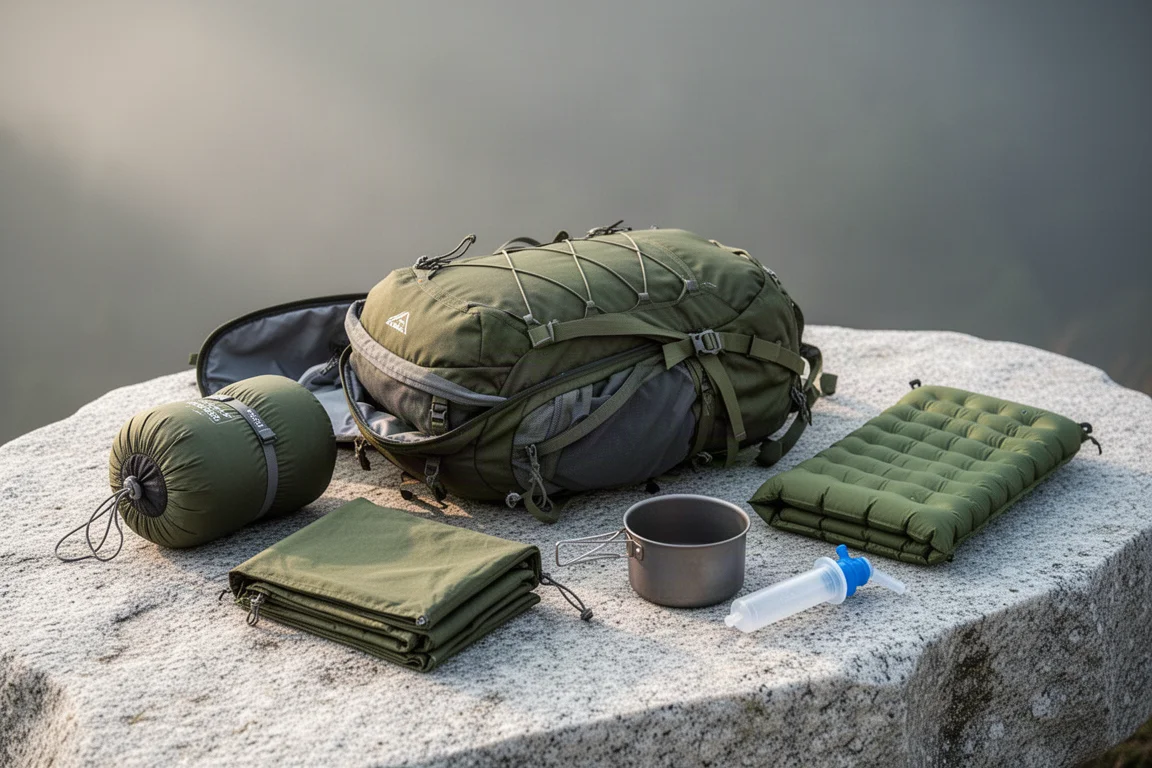
Building a 10 lb Base Weight: An Ultralight Backpacking Gear List
A practical walkthrough of the ultralight pieces behind a 10 lb base weight, from a 765 g pack and a roomy one-person tent to a full camp chair and a dependable water filter.
Backpacking Gear
A 15-Pound Lightweight Backpacking Gear List for Solo Trips
A beginner-friendly 15-pound backpacking setup built from easy-to-find gear, with notes on what each piece does, how it packs, and where to spend your attention.
Backpacking Gear
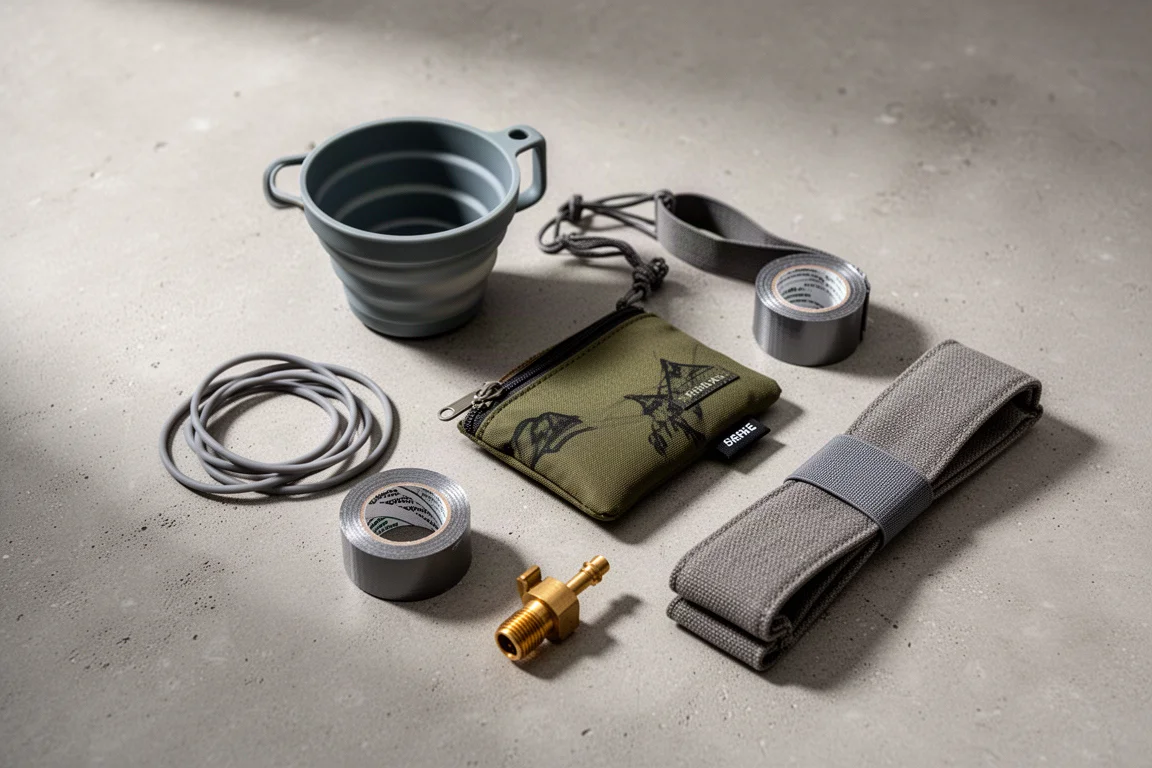
8 Ultralight Backpacking Gear Upgrades Worth Carrying
Eight small, affordable backpacking upgrades that solve real trail annoyances, from a pillow that stays put to a fuel valve that rescues leftover canister gas.