Backpacking Gear
Eight Backpacking Gear Picks Worth Watching
A closer look at eight lightweight backpacking pieces, from a 55-litre pack and a 647-gram three-person tent to Alpha Direct layers, a 100-litre hauler, a value pillow, and a refreshed sleeping pad.
Introduction
Ultralight backpacking gear moves slowly, and that is part of its appeal. Most seasons bring refinements rather than revolutions: a few grams shaved here, a fabric swapped there, a pocket redesigned after years of feedback. Every so often a handful of products promise something more interesting, either by rethinking a familiar category or by combining materials in a way that changes how a piece performs on trail.
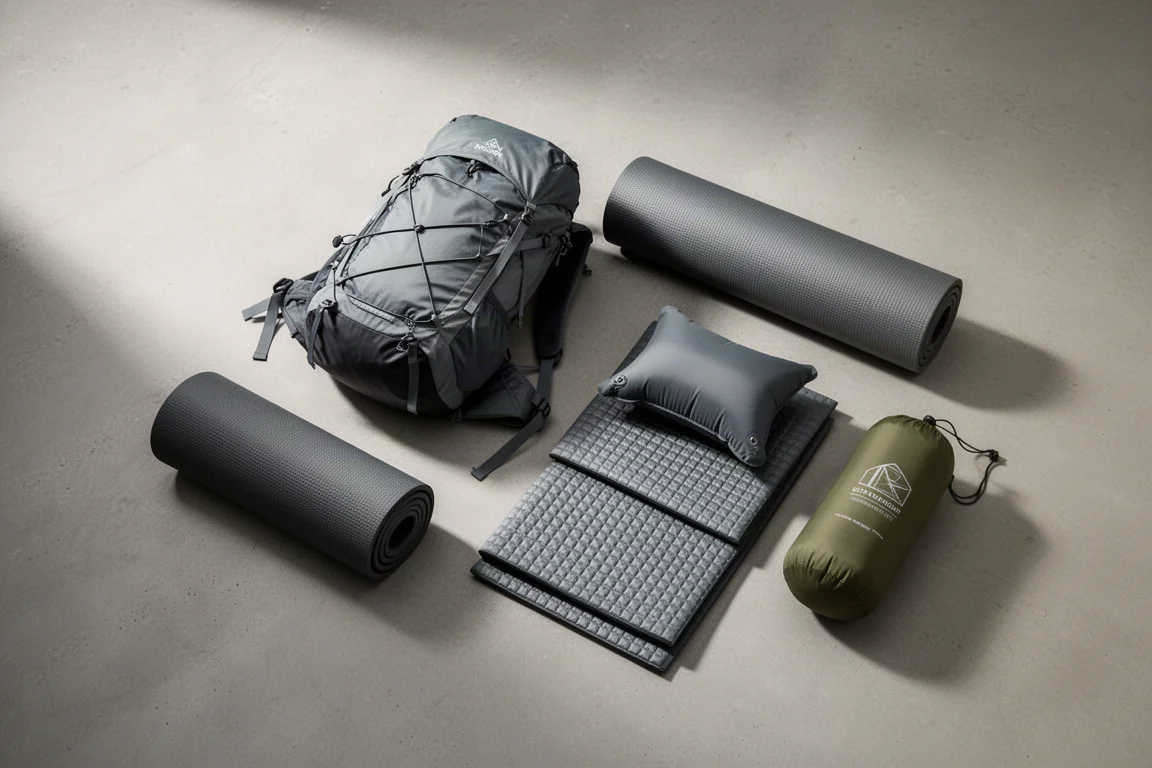
This roundup covers eight pieces worth watching. They range from a 55-litre pack built around load carrying, to a three-person tent that weighs less than many two-person shelters, to a set of Alpha Direct layers, a 100-litre expedition hauler, a value-focused inflatable pillow, and a refreshed sleeping pad. Each one earns its place by solving a specific problem well rather than by being new for its own sake.
How These Picks Were Chosen
The filter here is simple: a product has to earn its place on a real trip. That means looking at warmth-to-weight, how a pack carries a load rather than how it looks on a spec sheet, packed size, and how well a design holds up after repeated use.
Value matters too, but value is not the same as cheapness. A $500 expedition pack that moves very heavy loads is a different kind of purchase from a small inflatable pillow, and both can be the right call depending on the trip. The sections below explain what each piece does, who it suits, and what to weigh before buying.
Durston Gear Kakwa 55
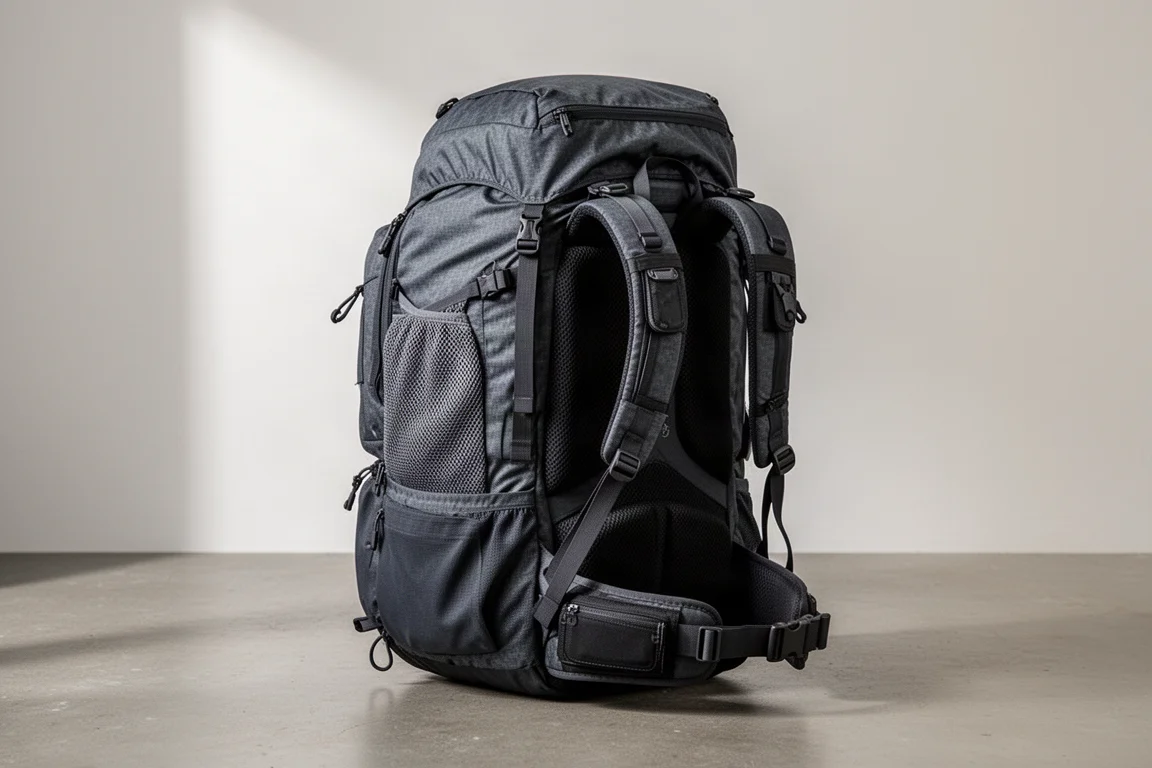
The Kakwa 55 is a lightweight 55-litre pack built around carrying ability rather than feature count. Durston Gear has earned a reputation for careful, detail-driven design, and the Kakwa follows that pattern: the goal is a pack that stays comfortable with a real load while keeping its own weight low.
One detail that stands out is the zippered pocket on the left side, which lets you secure items you would rather not have fall out when the pack is set down or swung around. It is a small change, but it addresses a common annoyance with open side pockets. For backpackers who want one pack that handles everything from weekend trips to longer thru-hikes, this is a design worth following closely.
Zpacks Offset Trio
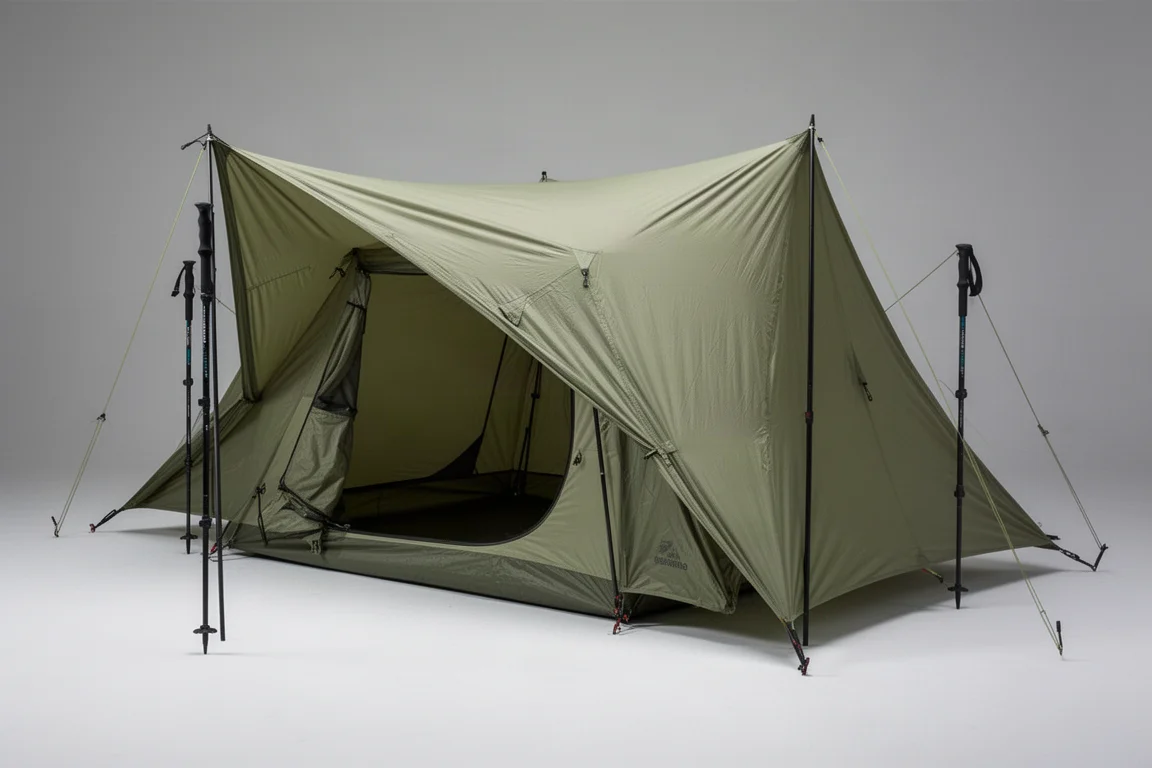
The Offset Trio is a three-person ultralight tent with a striking ratio of interior space to weight. It measures 66 inches wide at the head end and 60 inches at the foot, yet weighs 647 grams. That combination of width and low weight gives it genuine head room and foot room, so it reads less like a minimalist shelter and more like a spacious one.
Zpacks also changed the door design. There is no pole positioned in front of the doors and no rainbow-style door that can drop to the ground, which matters for anyone who has dealt with a door picking up dirt and grit. For couples, for two adults plus a child, or for two people and a dog, the interior volume is generous for an ultralight tent.
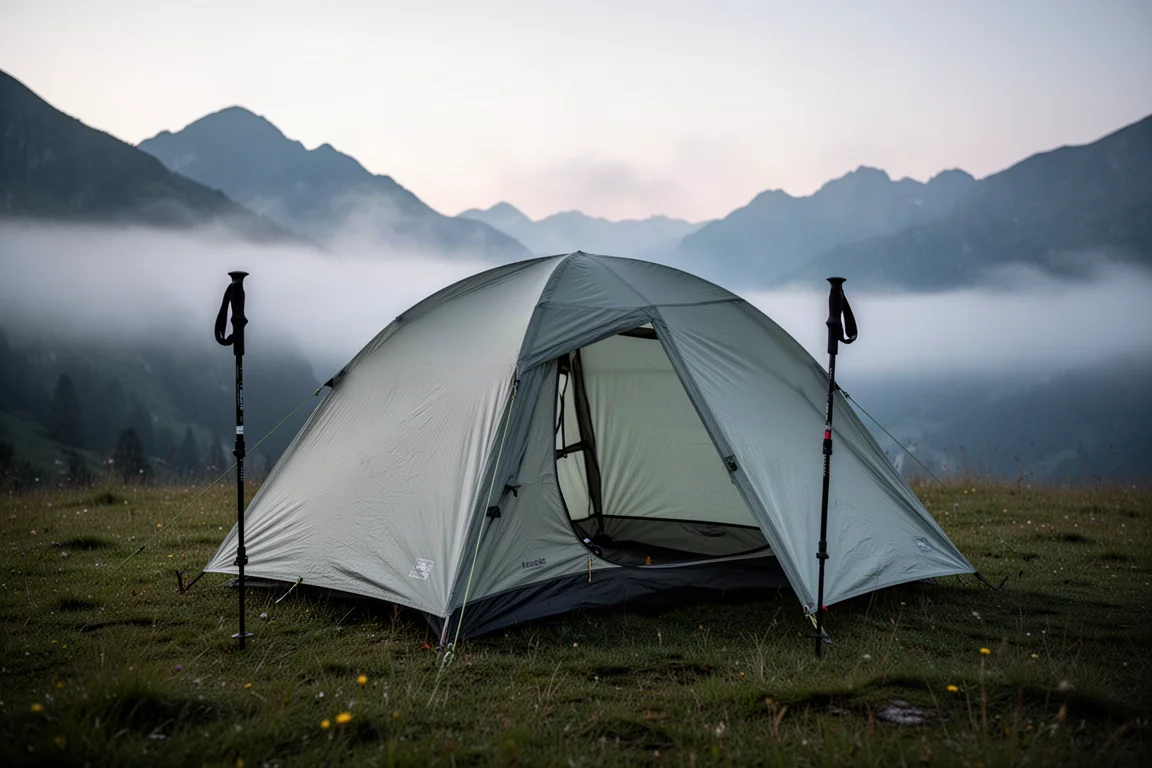
The trade-off is the usual one for shelters in this class: ultralight fabrics and hardware ask for careful handling. If you want maximum space per gram and are willing to treat the tent accordingly, the Offset Trio is an unusually roomy option.
Farpointe Alpha Direct Layers
Alpha Direct has become a benchmark fabric for warmth-to-weight in active insulation, and Farpointe Outdoor Gear builds a small range of pieces around it. Two of them are particularly interesting for cold-weather and shoulder-season trips.
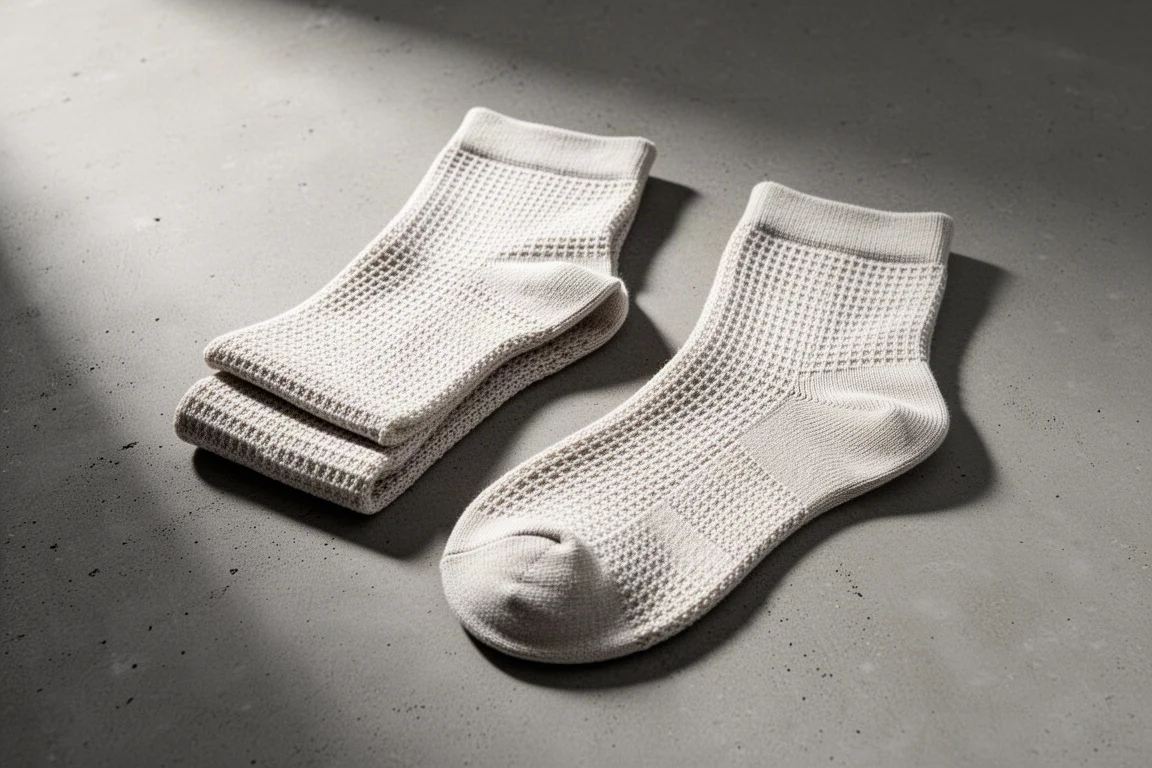
Alpha Direct Socks
These socks weigh 11 grams each, which is remarkably light for anything you would wear on your feet. Because Alpha Direct delivers strong warmth for very little weight, the socks make sense as a camp or sleeping layer that adds meaningful insulation without adding bulk to a pack. For anyone who struggles with cold feet at night, they are a low-cost way to add warmth.
Alpha Direct Pants
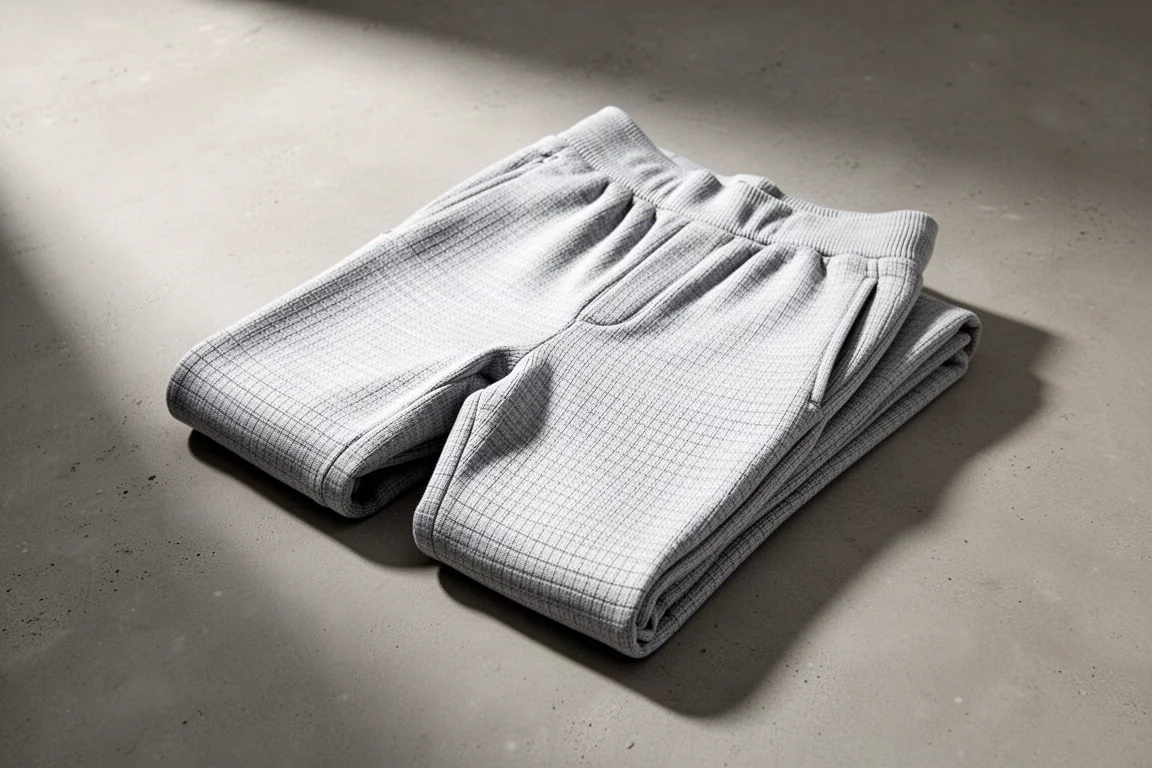
The Alpha Direct pants apply the same fabric logic to your legs. They are aimed at winter use and shoulder-season trips, when a little extra insulation on the legs makes a real difference at camp or during a rest stop. The trade-off is inherent to the fabric: Alpha Direct is somewhat translucent and looks a bit unusual worn on its own, so most people will layer the pants over a base layer rather than wear them as a standalone piece.
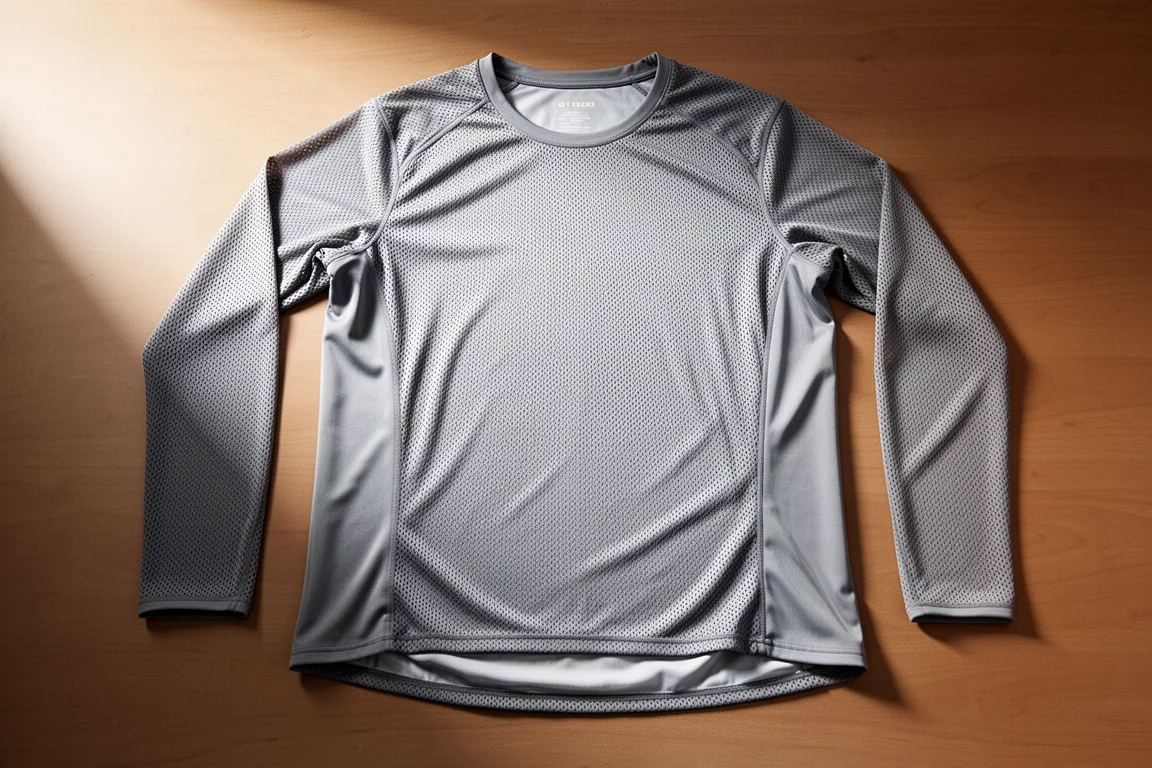
Farpointe Octa Shirt
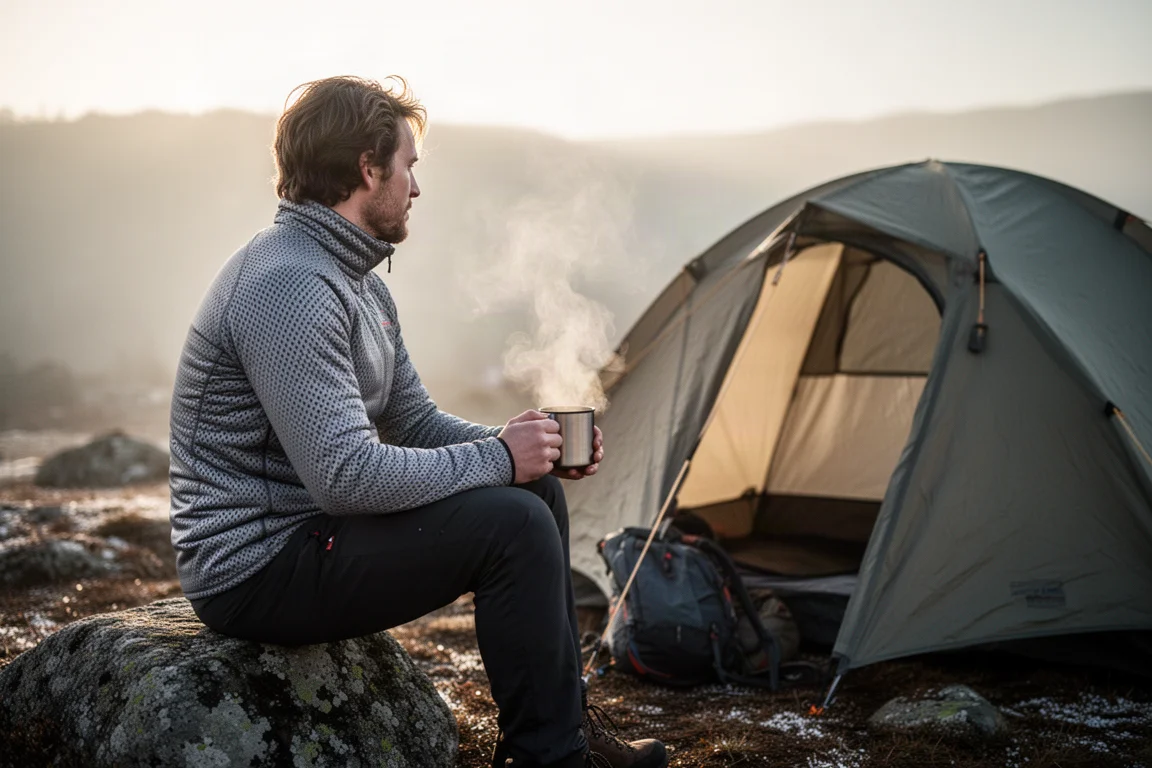
The Octa shirt uses Octa fabric rather than Alpha Direct, and the difference is practical. Octa is very lightweight, though slightly heavier than Alpha Direct, and it is not see-through. It also has a more durable mesh outer face, with the insulation directed inward, so the shell resists snagging and general wear better than an exposed Alpha Direct layer would.
That makes the Octa shirt a strong candidate for wearing as an outer layer around camp or on the move, where you want warmth without the fragile hand feel of a bare Alpha Direct garment. The fabric is closely related to the air mesh constructions used in some mainstream active insulation pieces, which is a good sign for breathability.
If your priority is the lightest possible insulation layer and you always wear it under something else, Alpha Direct still wins on weight. If you want a layer that can be worn openly and survive contact with rocks, branches, and pack straps, the Octa shirt is the more forgiving choice.
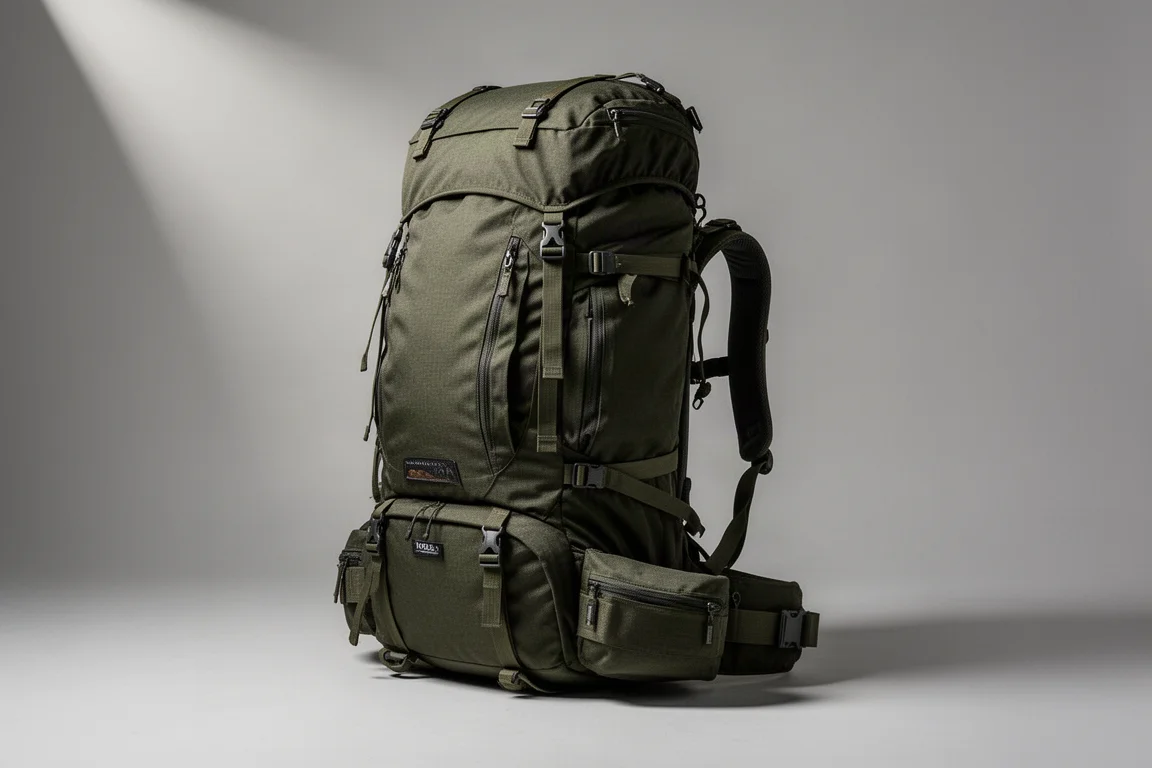
Mystery Ranch T100
The T100 is a different kind of product entirely. It is a 100-litre pack from Mystery Ranch, and it is reported to carry up to 100 pounds. At 7.4 pounds the pack itself is heavy by ultralight standards, and at around $500 US it is a serious investment.
Most backpackers will never need that much capacity or that much load-carrying structure. But for hot tenting, where you are moving a stove and a heavier shelter, or for hunting, where the load can include equipment and game, the T100 addresses a real problem. The question worth answering is whether it genuinely carries 100 pounds effectively rather than simply being rated for it, and that is the kind of claim only field use can settle.
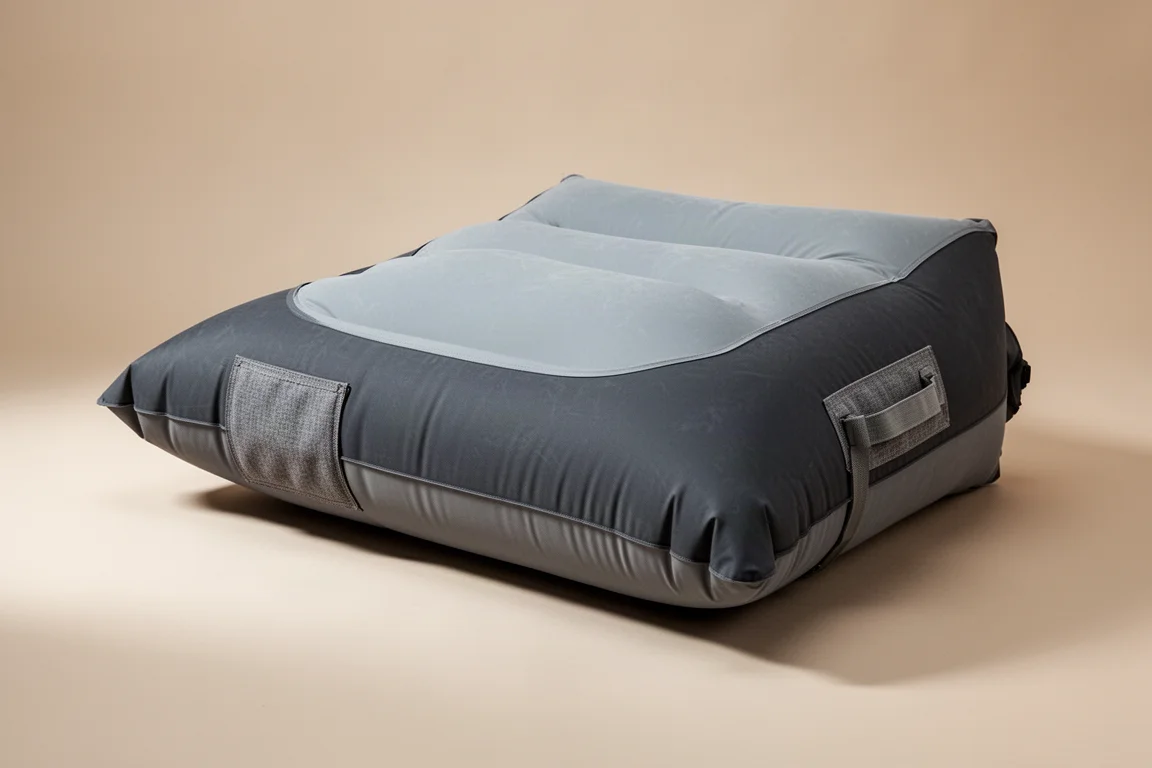
Trekology Ultra Pillow
The Ultra Pillow from Trekology is a value play in a category where small comforts matter more than most people expect. It is designed to be considerably cheaper than premium inflatable pillows, and it includes a built-in pad strap, which means you do not have to improvise a homemade strap to keep it attached to your sleeping pad overnight.
The features that matter for comfort are all present: a good height, supportive baffling, and a redesigned valve that should be more robust and that mimics the valve systems used on other pads and pillows in the category. If it matches the comfort of more expensive pillows, it becomes an easy recommendation for backpackers who want a comfortable night’s sleep without paying a premium.
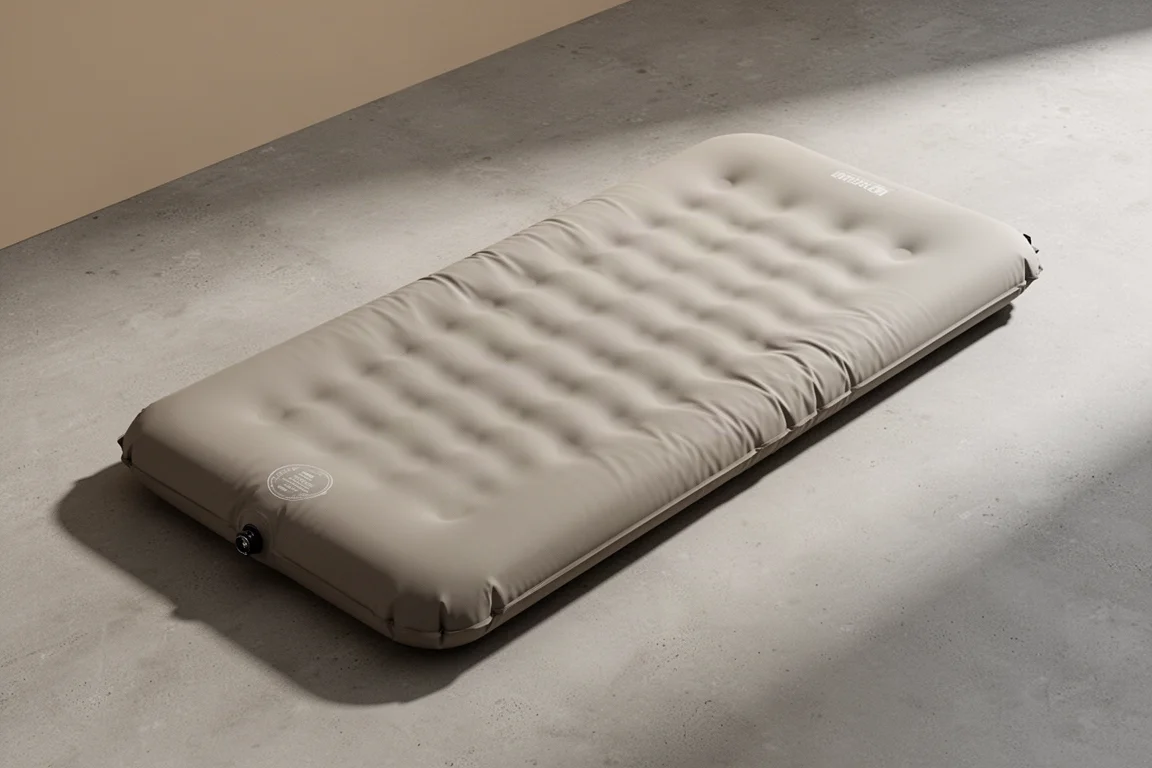
Big Agnes Rapide
The Rapide is a sleeping pad that received a refresh, with revised insulation inside the pad that brings a slight increase in R-value alongside a slight decrease in weight. It uses the same type of insulation found in the Zoom UL.
That shared insulation is worth noting, because the Zoom UL has had issues with reflective insulation migrating to the bottom of the pad, which leaves the sides and top of the pad with effectively no insulation. On a thick pad, and especially in wide or large sizes, that can make a real difference to warmth. Whether the Rapide avoids that problem is the key question for cold-weather sleepers. Big Agnes also reworked the inflation sack, making it smaller, more compact, and easier to use. If the Rapide lives up to its warmth rating, it could be one of the best all-around balance pads available.
Buying Advice
Work backwards from the trip rather than forward from the spec sheet. A pack should be chosen for the load you actually carry: the Kakwa 55 is the sensible all-rounder for most three-season backpacking, while the T100 only makes sense if you regularly move very heavy loads for hot tenting or hunting.
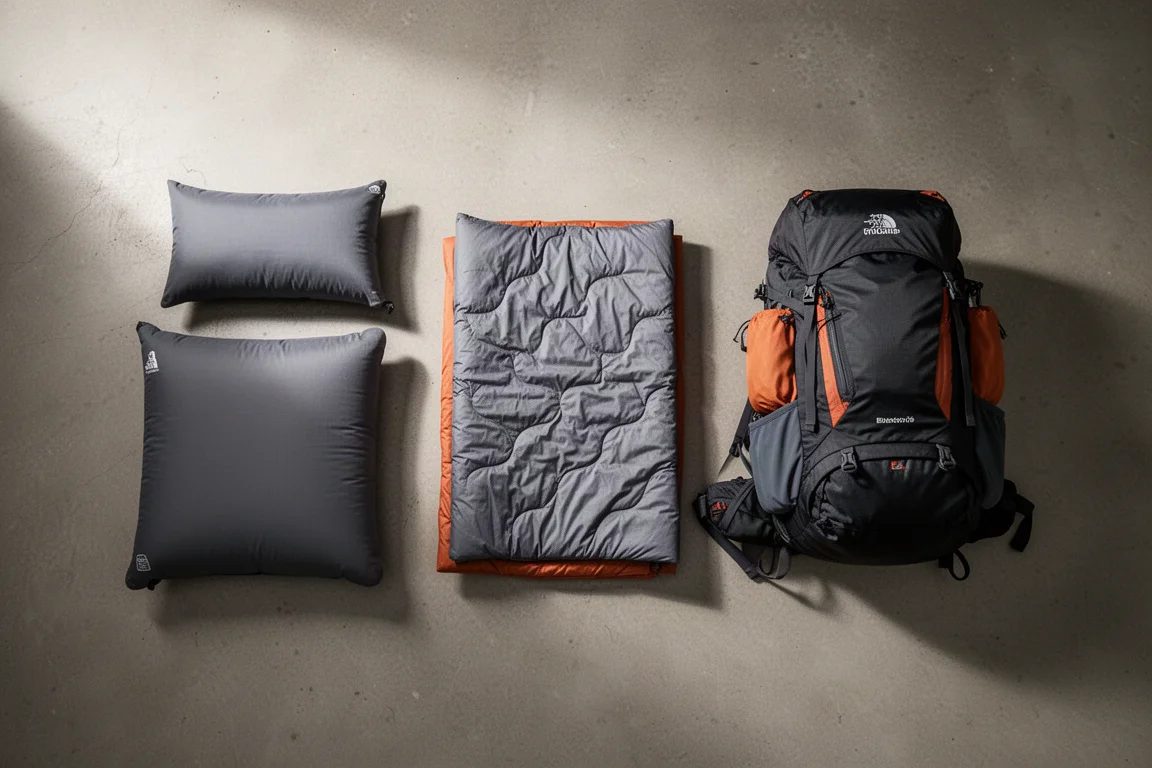
Shelter and sleep systems are where the biggest weight and comfort decisions happen. The Offset Trio buys a lot of interior space for very little weight, which is valuable for couples and small families. On the sleep side, the Rapide is the more technical pad, while the Ultra Pillow is the low-risk purchase that improves almost any night out.
For insulation, choose Alpha Direct when every gram counts and the layer will sit under a shell, and Octa when you want something durable enough to wear openly around camp. Budget for the whole system rather than a single piece: saving a couple of hundred grams on a layer matters less than a pack that carries well and a pad that keeps you warm.
Conclusion
These eight pieces are interesting for the same reason: each one makes a deliberate design choice rather than adding features for the sake of it. A pack that prioritizes load carrying, a three-person tent that weighs 647 grams, insulation fabrics chosen for specific conditions, a 100-litre hauler for the heaviest trips, and a pillow and pad aimed at better sleep for less money or less weight. Match them to the trips you actually take, and any of them could earn a permanent place in your kit.
Further reading
Related Reviews

Backpacking Gear
Building a 10 lb Base Weight: An Ultralight Backpacking Gear List
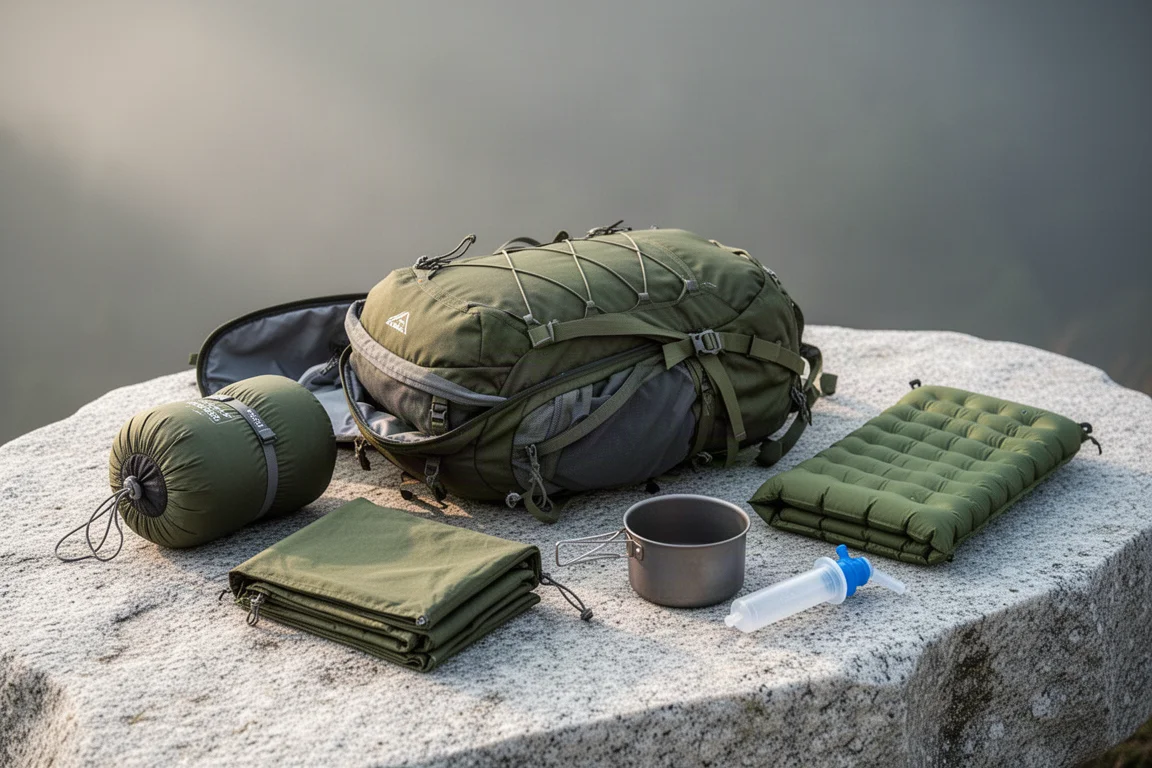
A practical walkthrough of the ultralight pieces behind a 10 lb base weight, from a 765 g pack and a roomy one-person tent to a full camp chair and a dependable water filter.
Backpacking Gear
A 15-Pound Lightweight Backpacking Gear List for Solo Trips
A beginner-friendly 15-pound backpacking setup built from easy-to-find gear, with notes on what each piece does, how it packs, and where to spend your attention.
Backpacking Gear
8 Ultralight Backpacking Gear Upgrades Worth Carrying
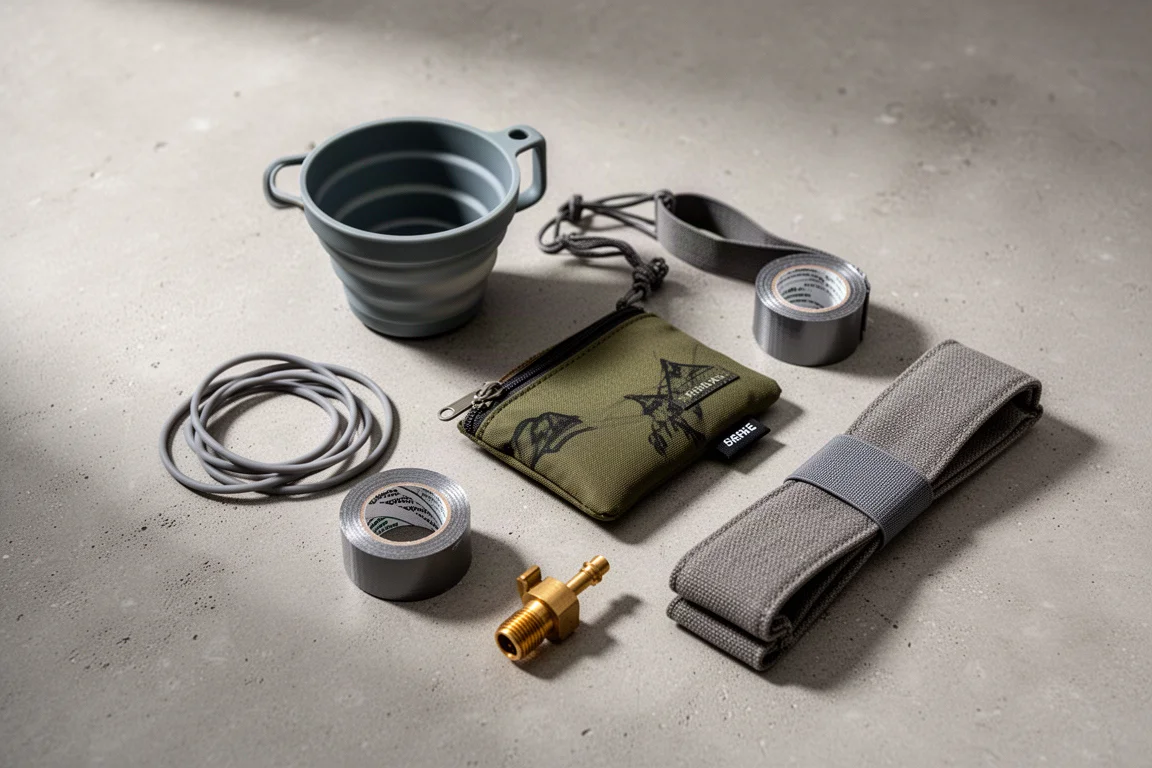
Eight small, affordable backpacking upgrades that solve real trail annoyances, from a pillow that stays put to a fuel valve that rescues leftover canister gas.