Portable Power
EcoFlow River 3 Review: A Compact Power Station That Punches Above Its Size
A small, light LiFePO4 power station with 245Wh capacity, 300W output, fast charging, and sub-20ms UPS switching for about $169.
Introduction
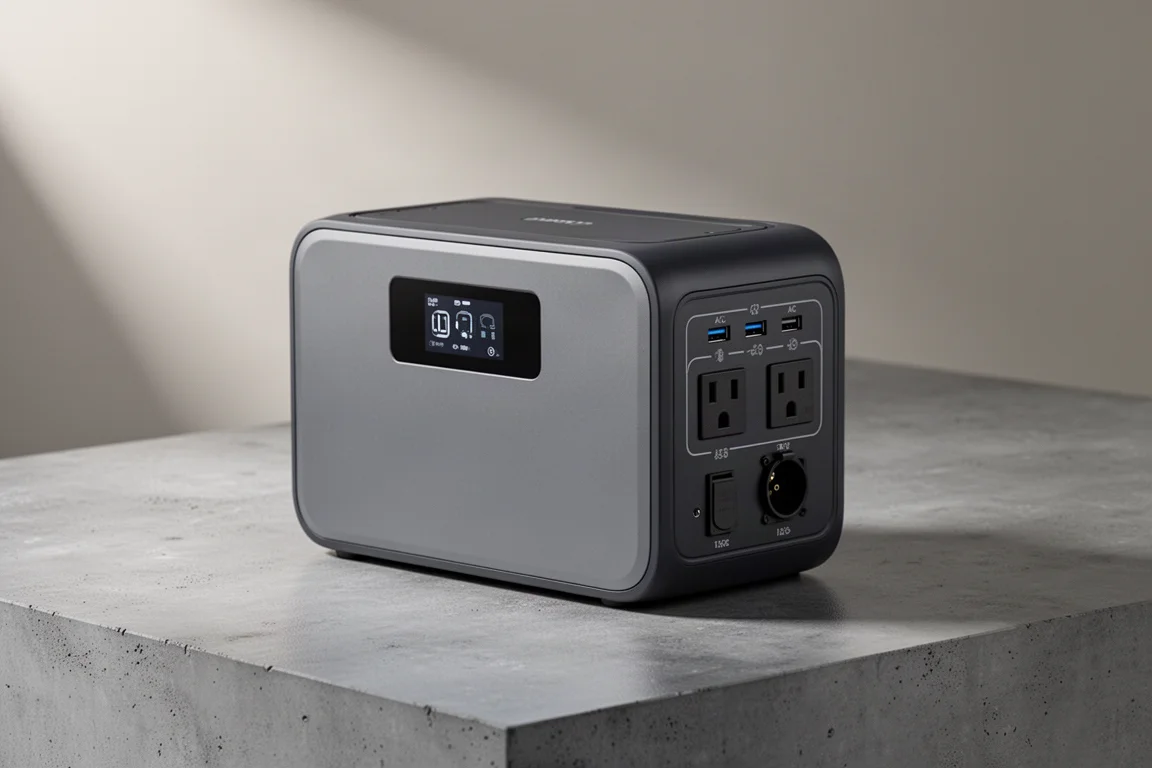
The EcoFlow River 3 is the third generation of EcoFlow’s compact power station line, and it makes a strong first impression simply by being small. It is roughly the size of a head, easy to carry with one hand, and far lighter than the boxy power stations most people picture. Yet despite the size, it packs 245 watt-hours of capacity, 300 watts of continuous output, and a feature set that includes UPS-style battery backup.
At around $169, currently listed as 35% off list price, it sits in a genuinely useful sweet spot: cheap enough to grab for weekend trips, capable enough to keep a CPAP, laptop, or router running when the power goes out.
What the River 3 Actually Is
The River 3 offers a 12V output (the classic cigarette-lighter style port), two USB-A ports, one 100W USB-C port, and two 120V AC outlets. The side carries the charging inputs, including solar and a standard AC input, while the opposite side handles cooling.
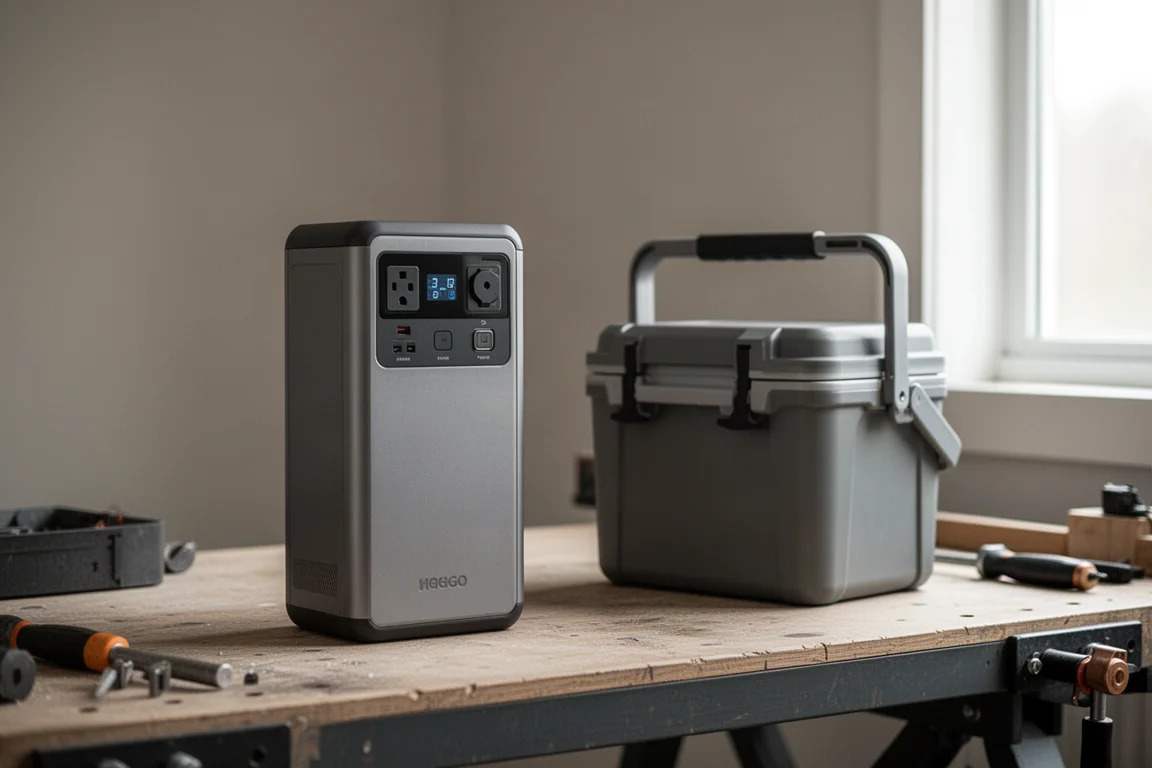
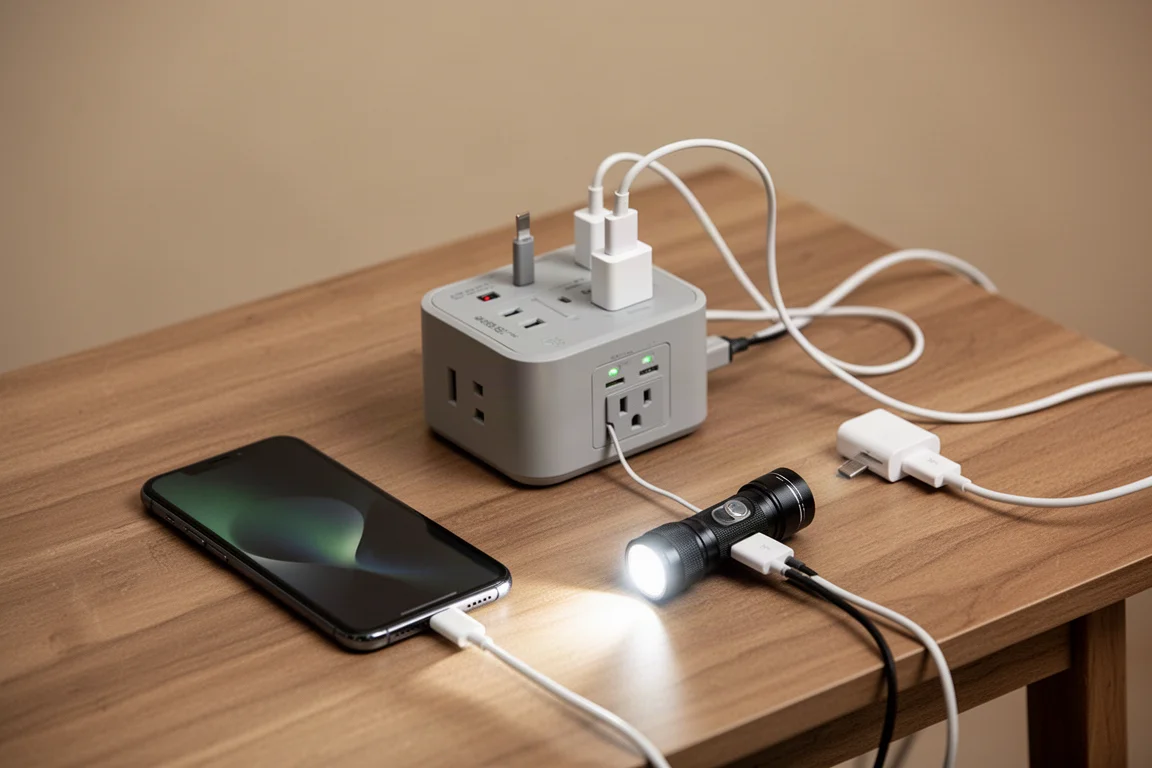
In stress testing starting at just 25% charge, it ran a large 12V cooler, charged a phone and a flashlight, and then pushed a 400W-plus space heater through its short-term boost window before the inverter correctly pulled output back down. That behaviour is exactly what the 600W boost mode is designed for: absorbing the startup spike of appliances that briefly surge when they kick on.
Real-World Runtime Expectations
The 245Wh capacity and 300W output set honest expectations. Running something at a constant 300W will drain it in under an hour, so this is not a unit for air conditioners or multi-day whole-cabin power. Where it shines is small and medium loads.
EcoFlow’s own figures give a useful picture: a 3W light for around 17 hours, a Wi-Fi router for around 16 to 30 hours depending on the standard River 3 mode used, a laptop for about 3.4 hours, and roughly 4.6 hours on a CPAP, though CPAP power draw varies a lot, especially with a heated water reservoir. It is a natural fit for overnight camping, day trips to the park or an event, and charging phones and tablets on the go.
One practical tip: running 12V devices straight from the DC port bypasses the inverter entirely. Converting DC to AC and back to DC wastes energy, so plugging a portable fridge or similar 12V gear directly into the DC output is the most efficient way to use the battery. That makes it a strong companion for road trips with a 12V cooler.
UPS Switching and Battery Chemistry
The River 3 doubles as an uninterruptible power supply, switching to battery in under 20 milliseconds when wall power drops. For anything short of server-grade equipment, that is fast enough that you simply will not notice. The previous generation has quietly backed up a full video-editing workstation with dual monitors, studio lights, and networking gear through repeated power outages, without a single noticeable interruption.

The battery chemistry matters too. The River 3 uses lithium iron phosphate (LiFePO4) cells, the same vehicle-grade chemistry used in modern electric vehicles. Compared with standard lithium-ion, LFP cells handle far more charge cycles, tolerate higher heat and colder weather, and are much more stable, without the tendency to catch fire if damaged. The trade-off is slightly lower energy density, which shows up mainly in power tools; in a unit this size, the difference is negligible.
Charging Options and the Solar Panel Bundle
Refilling the River 3 is quick across the board: zero to 100% in about an hour from wall power, roughly 2.6 hours from a 100W solar input, or about 2.8 hours from a car charger. It is also quiet in operation, running below 30dB, quiet enough that you will not notice it in a room.
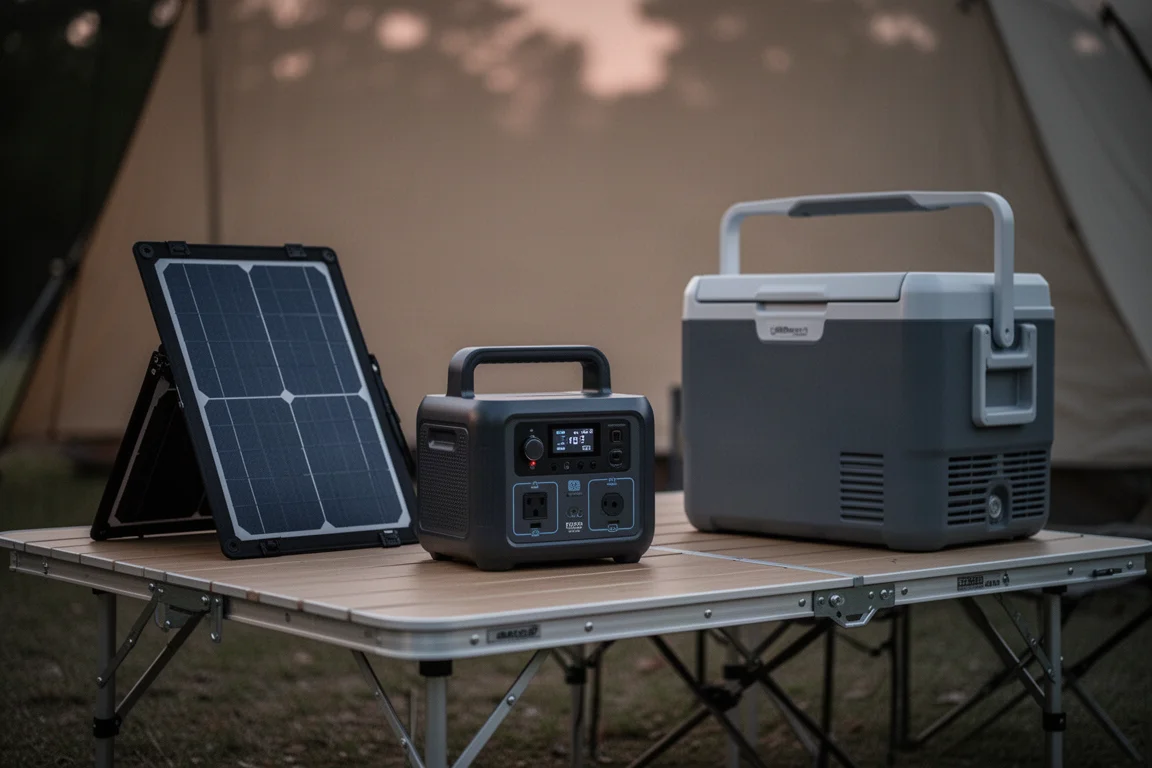
One bundle stands out: adding a 45W solar panel costs only $30 on top of the unit’s price. It will not power a house, but for a week at a park or a multi-day event, topping up from the sun meaningfully extends runtime. Even if you already own other power gear, spare panels are always handy to have around.
Buying Advice
Choose the River 3 if your needs are small-scale and specific: overnight CPAP backup, a router that survives outages, road-trip fridge power via the DC port, or a day of charging devices outdoors. Skip it if you expect to run high-draw appliances continuously; a larger unit in the Delta line is the better fit there. The $169 price with the optional $30 solar panel makes the combined package an easy recommendation for first-time power station buyers.
Conclusion
The EcoFlow River 3 proves that a power station does not need to be big to be genuinely useful. Compact size, LFP battery longevity, fast one-hour charging, UPS switching under 20 milliseconds, and quiet operation all combine into a package that feels effortless to live with. For around $169, it is one of the most practical entry points into portable power available right now.
Product link
View more details for EcoFlow River 3
This product is mentioned in the review. Check the specifications, options, and compatibility before buying.
View more details for EcoFlow River 3Further reading
Related Reviews
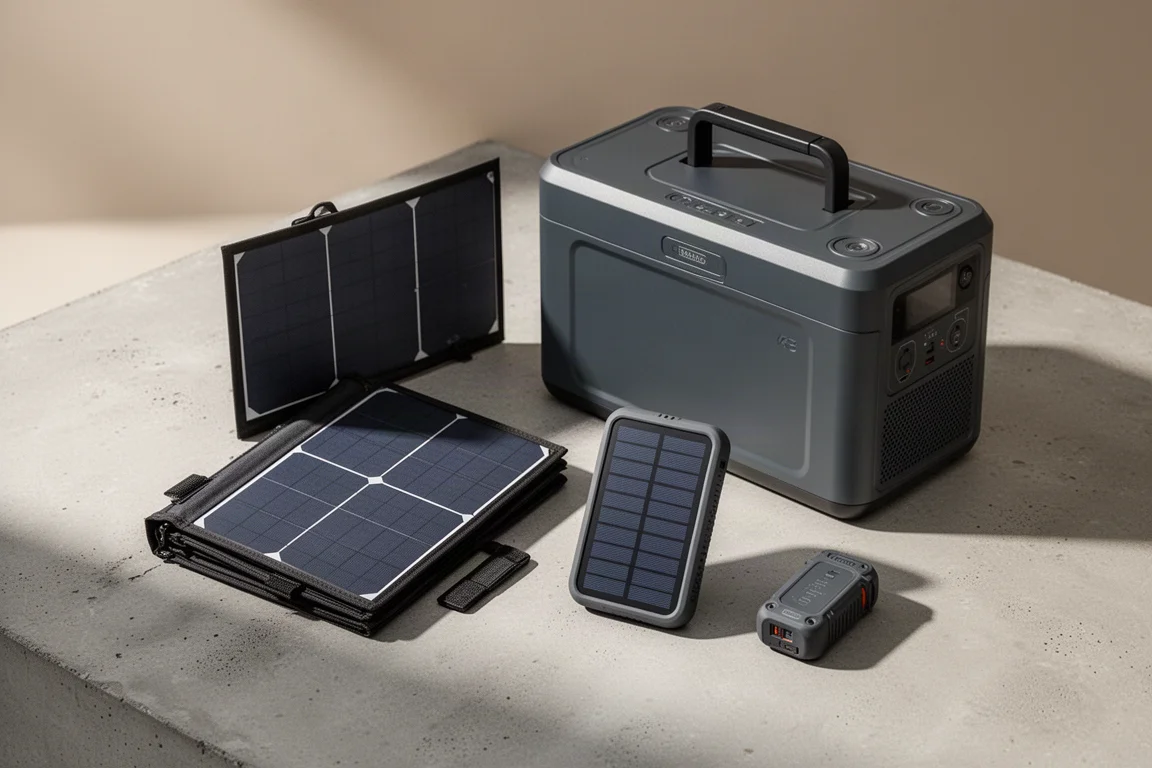
Portable Power
Best Portable Power for Camping and Remote Work: Six Power Banks and Solar Panels Compared
A practical comparison of six portable power options, from a 500W solar generator for car camping to a one pound solar power bank built for backpacking.
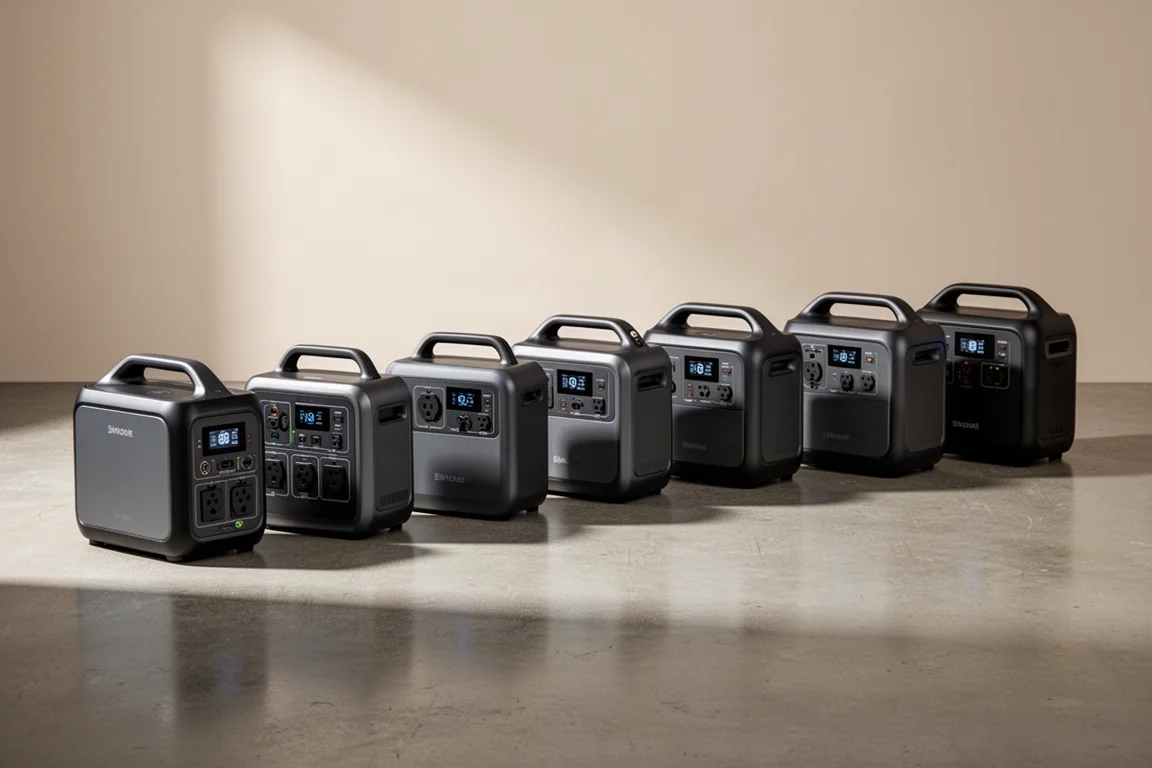
Portable Power
Best Portable Power Stations 2026: Nine Models Compared for Real-World Use
We compared nine portable power stations across output, capacity, charging speed, noise, and UPS performance to find the best value and the best overall pick.
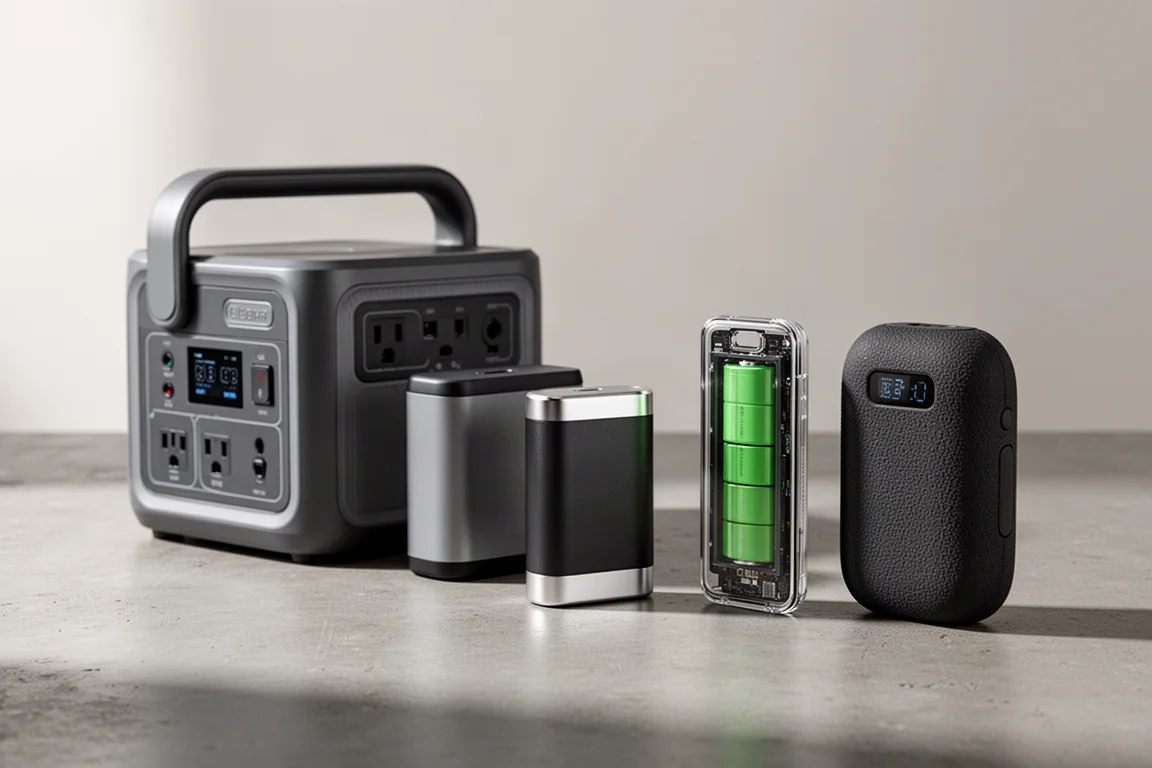
Portable Power
Best Portable Power Stations and Power Banks for Blackouts and Travel
Five portable power solutions compared: two EcoFlow power stations, a flight-friendly Zendure power bank, a see-through Shargeek, and the feature-packed Omni 20c+.