Portable Power
EcoFlow River 2 Pro Review: A Portable Power Station With Real-World Limits Worth Knowing
A hands-on look at the EcoFlow River 2 Pro and its 160W solar panel: what it runs well, what it refuses to run, and who it actually makes sense for.
Introduction
Portable power stations have quietly become one of the most useful categories of gear for campers, remote workers, and anyone who lives somewhere the grid occasionally lets them down. The EcoFlow River 2 Pro sits in the middle of that market: big enough to genuinely matter, small enough to carry, and priced like a serious purchase rather than an impulse buy.
This review looks at the River 2 Pro together with EcoFlow’s 160W folding solar panel, covering real runtime tests, charging options, and the trade-offs compared with a traditional gas generator.
Why Consider a Battery Power Station Instead of Gas?
Gas generators still have a place, especially for long outages. Running a fridge and some air conditioning off a typical gas generator can burn roughly a gallon of fuel per hour, which adds up fast. Getting through a multi-day outage could easily mean storing dozens of gallons of gasoline, and many states limit how much fuel you can keep at home.
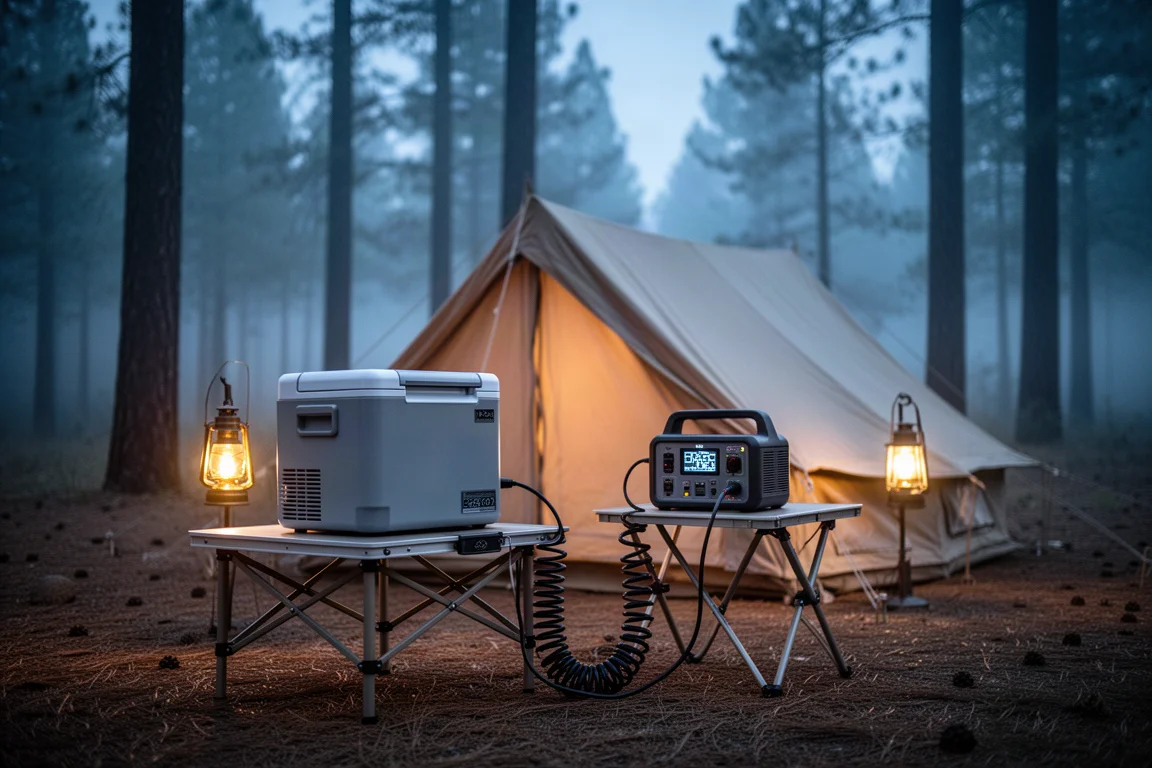
A battery power station flips that equation. There is no engine, no fuel, no oil changes, and no fumes. You charge it and it is ready. The trade-offs are capacity and price: you pay roughly the cost of a decent gas generator for far less total runtime, and recharging away from the grid takes time, usually with solar.
Neither option is simply better. For short outages, camping, and quiet low-power use, battery storage is the more convenient path. For days-long whole-house backup, gas still does the heavy lifting.
EcoFlow River 2 Pro: Design and Charging Options
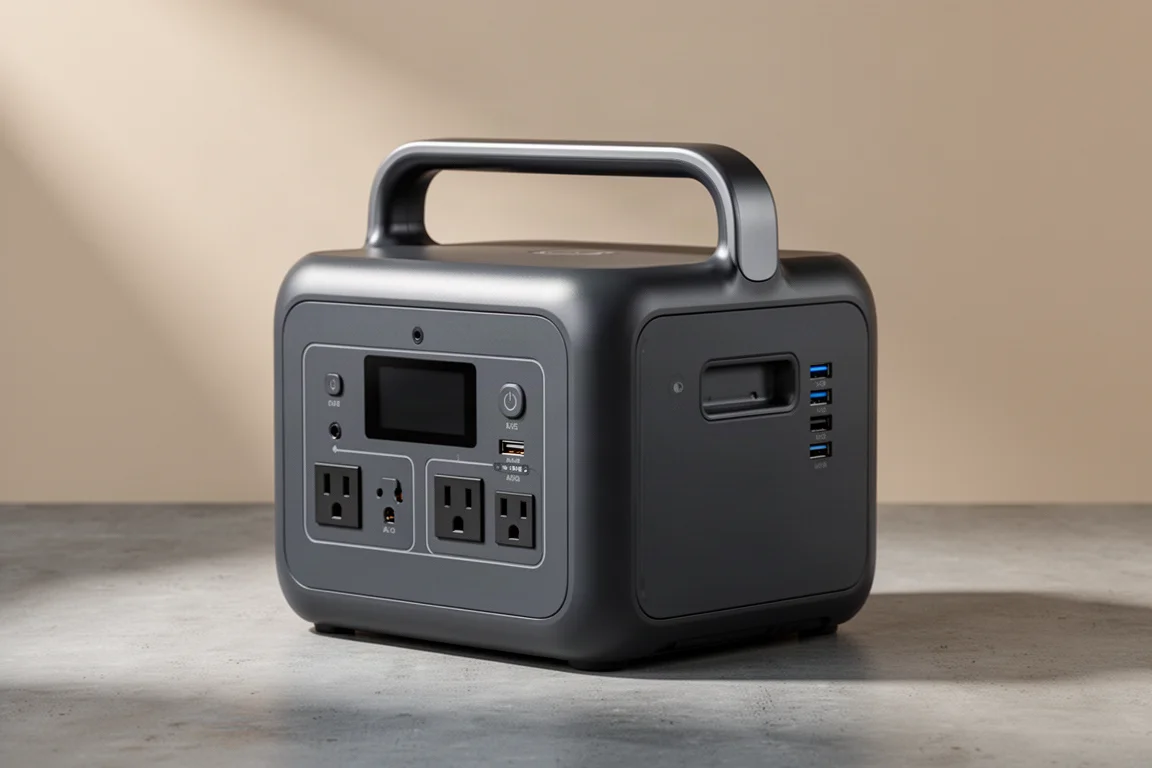
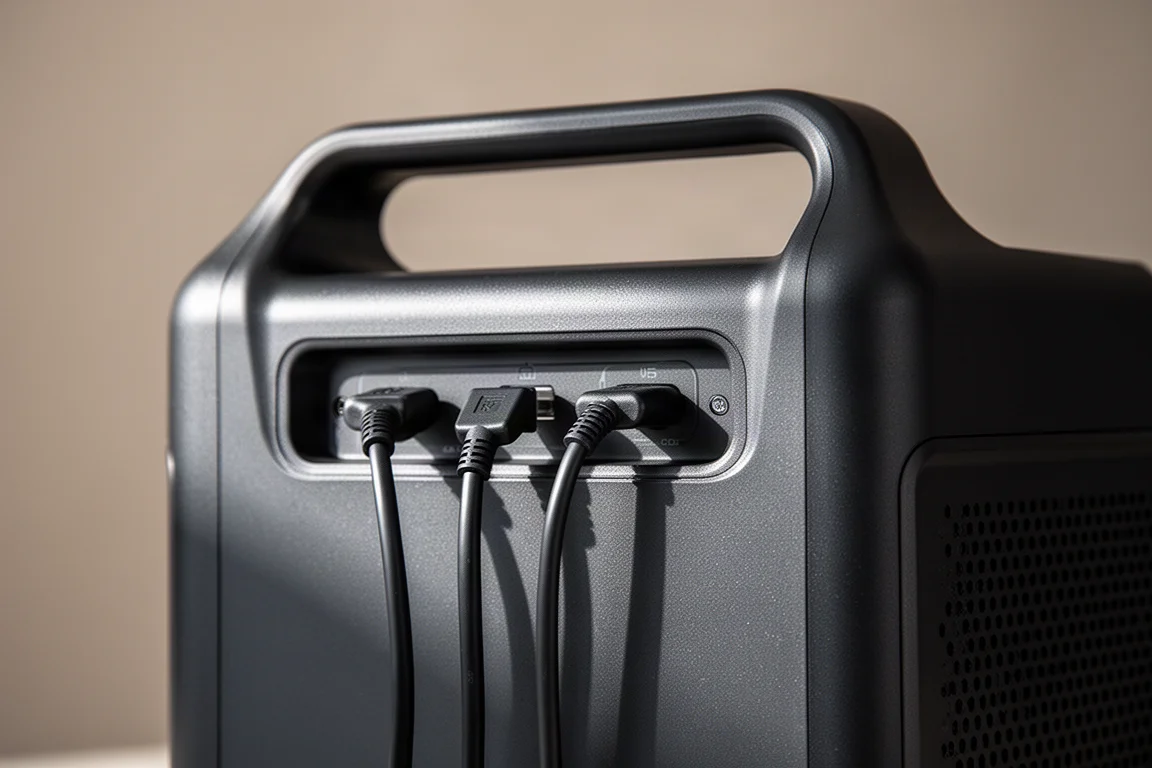
The River 2 Pro packs around 768Wh of capacity into a roughly 17-pound unit, about the footprint of a square box rather than something massive. Up front you get four AC outlets plus USB-C ports, including a 100W USB-C output that can also work as an input.
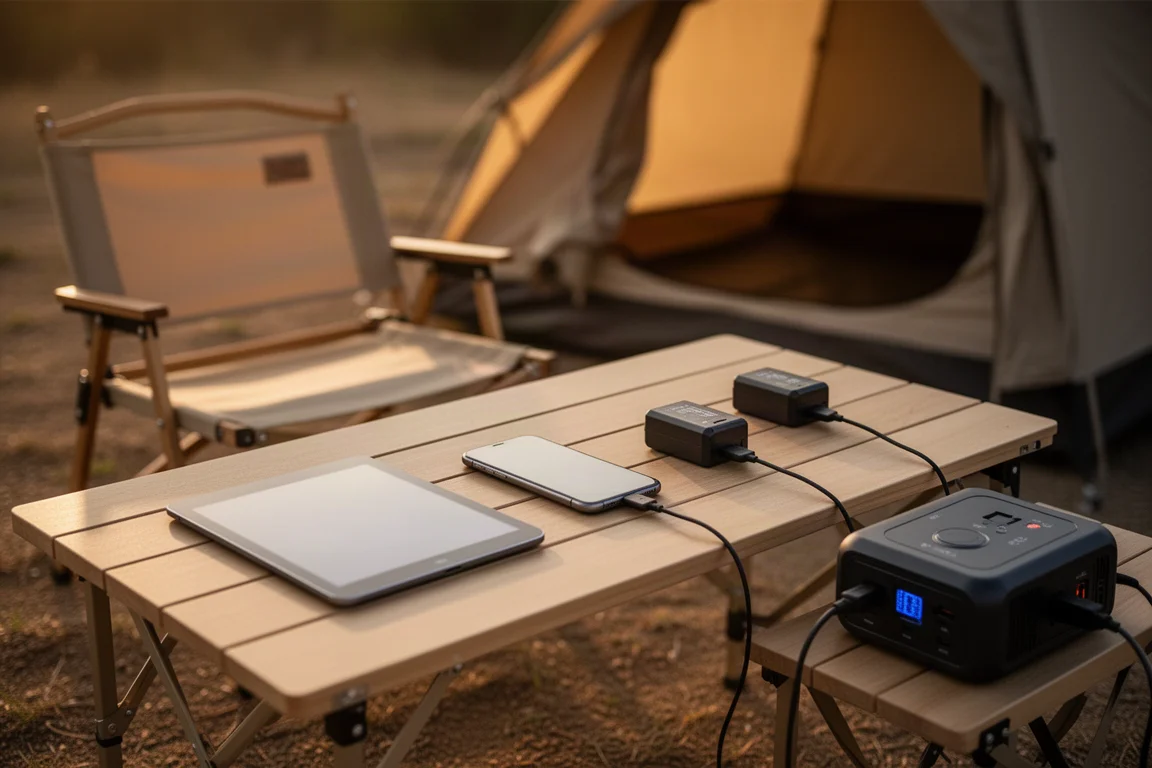
Charging flexibility is a genuine highlight. Out of the box you can recharge from the wall, from a car’s cigarette lighter socket, via USB-C, or from a solar panel, so you have four ways to top it up depending on where you are. You can even charge one power station from another, though realistically that just trades heat and losses for little benefit.
The companion app works over Bluetooth and Wi-Fi, letting you monitor input and output wattage from anywhere the unit has connectivity. It is one of the more polished parts of the package. EcoFlow also sells add-on battery packs to expand capacity, and its larger Delta series goes further if you need it, at a predictable cost in weight and price.
Real-World Runtime Tests
Plugged into a work light, the display showed around 43 watts of draw with roughly 10 hours of estimated runtime remaining, which lined up closely with expectations. The battery had also settled from 100% to about 87% over two weeks of storage, so some slow self-discharge is worth knowing about if the unit will sit unused.
A refrigerator was the surprise success. The compressor only drew a modest amount of power, and the unit estimated over 20 hours of runtime, stretching further with the fridge door kept closed. For keeping food cold through a short outage or a weekend campsite, that is the headline use case.
A 10,000 BTU window air conditioner told a different story. The compressor’s startup surge tripped the overload protection immediately. The unit is rated for around 1,500 starting watts, and the AC exceeded that on the initial kick. Smaller cooling loads are possible in theory, but expect only a few hours of runtime at that kind of draw.
Solar Charging With the 160W Panel
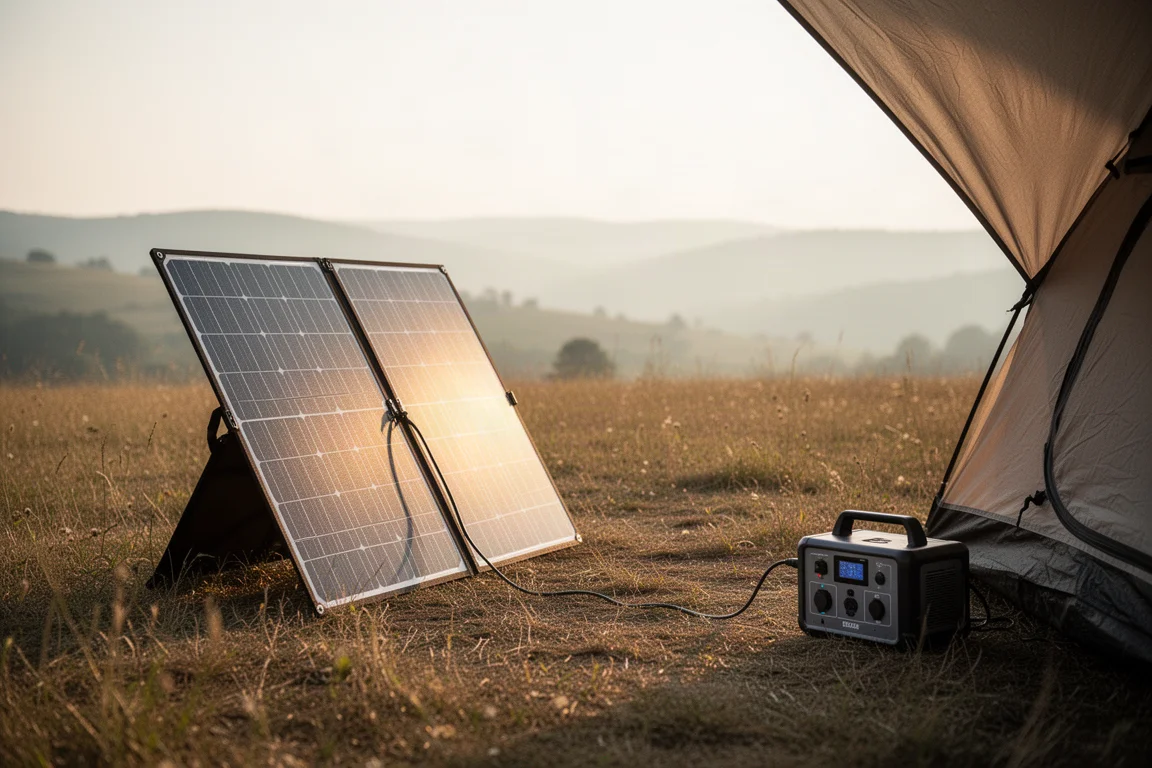
The 160W folding panel is well designed for portability. Its hard-shell carry case doubles as a kickstand with a pair of clips that hold the panel at an angle, and setup takes seconds once you have done it once. Packing away took around 20 seconds.
EcoFlow claims 7 to 15 hours of solar charging depending on sunlight conditions, which is reasonable for off-grid use where you can leave the panel up for a day. The unit also supports charging and discharging at the same time, so you can run a small fridge while the panel tops the battery back up, which opens up genuinely useful setups.
Two caveats. First, the panel itself is bulky and fairly heavy, around 15 to 20 pounds, and it needs protected space in your vehicle since you should not stack anything on it. Second, solar depends entirely on weather. After several days of heavy overcast, the panel produced essentially nothing, and the same would apply in the hours after a storm passes.
What It Handles (and What It Doesn’t)
The River 2 Pro shines with low-to-moderate loads: phones, laptops, lights, a radio, a portable fridge, or a small cooler, easily for a day or more at a time. Pass-through charging plus solar makes it a strong fit for light overlanding and camping setups where you want quiet, fume-free power that refills itself during the day.
It does not replace a gas generator for high-draw appliances. Air conditioning, dehumidifiers, and similar loads either exceed its startup capacity or drain it within a few hours. Keeping your wattage math honest before buying is the single most important step.
Buying Advice
At around $1,000 including the 160W solar panel, this is an investment in convenience, silence, and zero maintenance rather than raw capacity. The unit alone lands closer to $500 to $600. If your main loads are phones, laptops, lights, and a fridge, the math works out well and the app experience makes daily use pleasant.
If you expect to run air conditioning or multiple high-draw appliances through a multi-day outage, plan for a larger unit or a hybrid approach that keeps a gas generator in the picture. Expectations matter more than specs here.
Conclusion
The EcoFlow River 2 Pro is an impressive, well-connected power station that delivers exactly what its capacity suggests: a day or more of low-power essentials, easy recharging from four sources, and a genuinely useful solar workflow with the 160W panel. It will not run your whole house, and it is not trying to. For campers, remote workers, and anyone preparing for shorter outages, it earns its place, provided you size your expectations to the battery inside.
Product link
View more details for EcoFlow River 2 Pro
This product is mentioned in the review. Check the specifications, options, and compatibility before buying.
View more details for EcoFlow River 2 ProFurther reading
Related Reviews
Portable Power
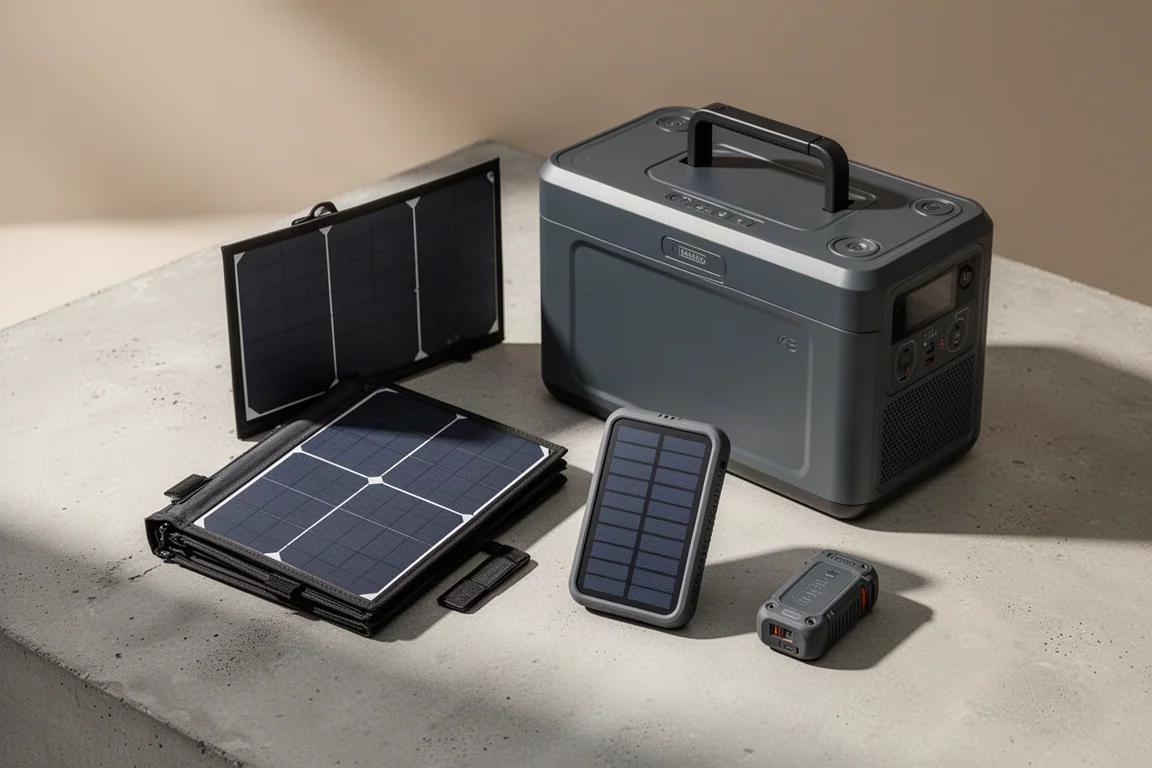
Best Portable Power for Camping and Remote Work: Six Power Banks and Solar Panels Compared
A practical comparison of six portable power options, from a 500W solar generator for car camping to a one pound solar power bank built for backpacking.
Portable Power
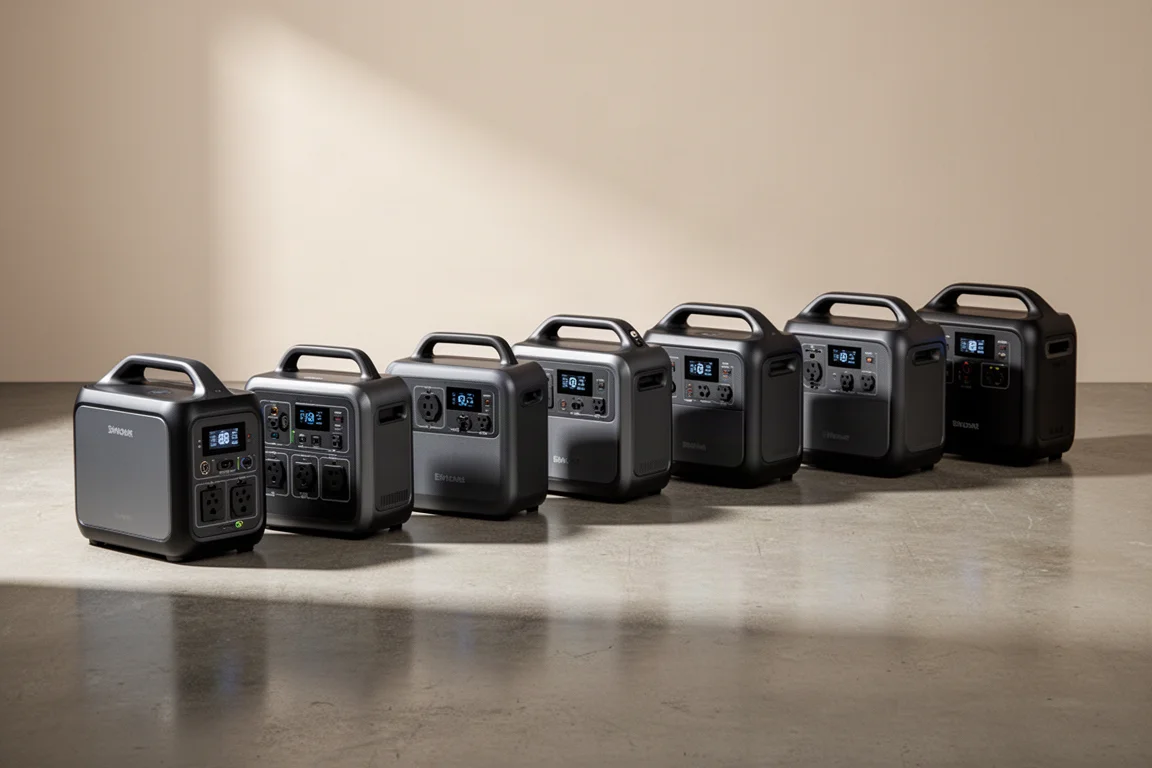
Best Portable Power Stations 2026: Nine Models Compared for Real-World Use
We compared nine portable power stations across output, capacity, charging speed, noise, and UPS performance to find the best value and the best overall pick.
Portable Power
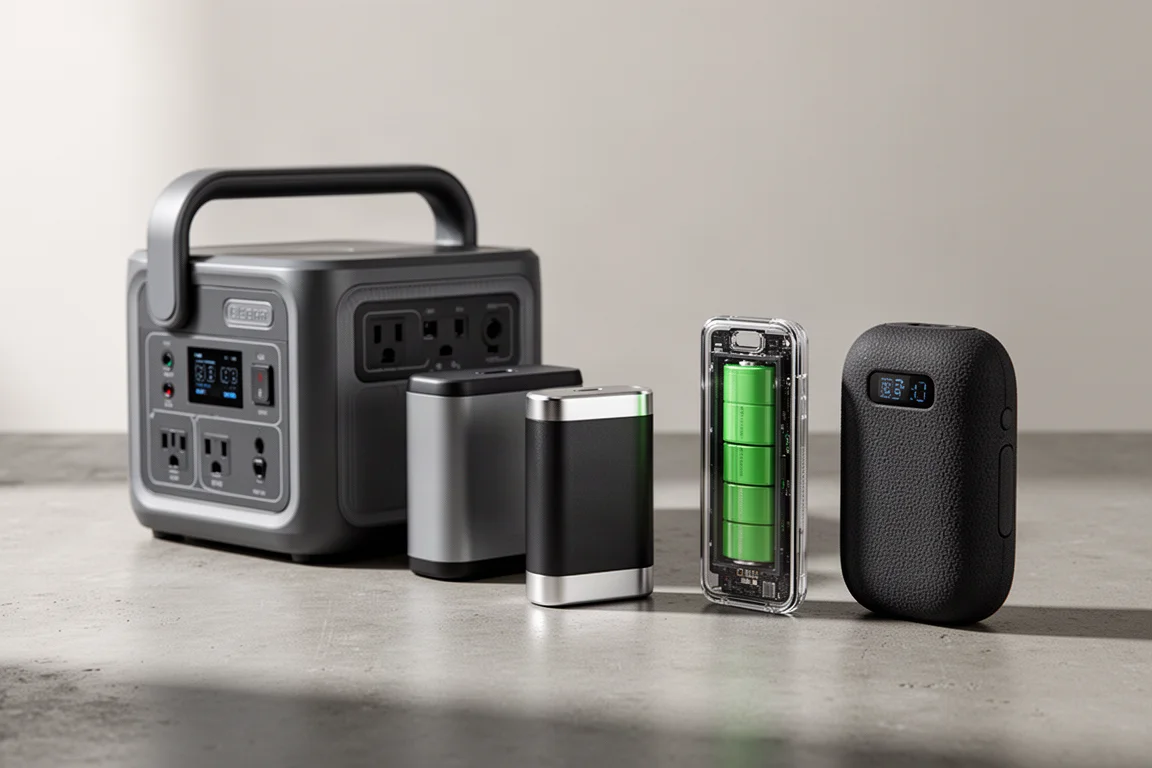
Best Portable Power Stations and Power Banks for Blackouts and Travel
Five portable power solutions compared: two EcoFlow power stations, a flight-friendly Zendure power bank, a see-through Shargeek, and the feature-packed Omni 20c+.