Portable Power
EcoFlow Delta vs EcoFlow Delta Max: Which Portable Power Station Fits Your Setup
Two portable power stations with very different ceilings. Here is how the Delta and Delta Max compare on output, charging, expansion, and everyday usability.
Introduction
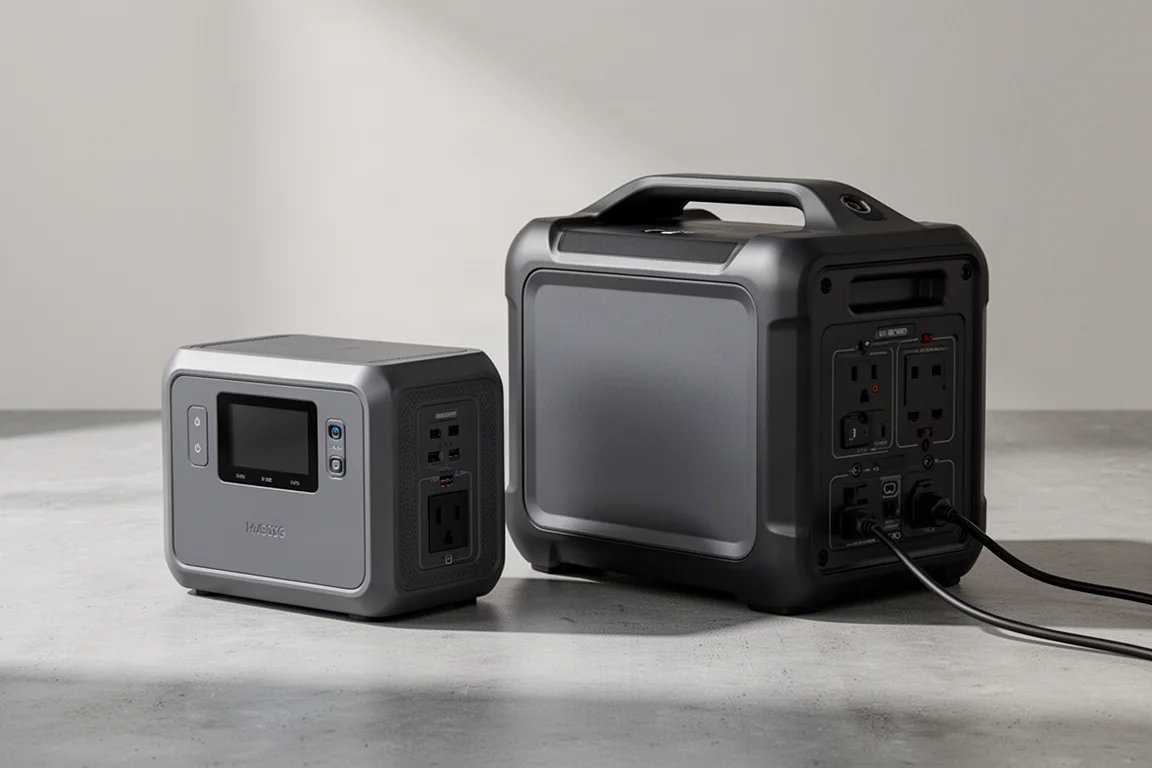
EcoFlow’s Delta and Delta Max look like siblings, but they are built for different jobs. The Delta is the lighter, more portable unit that handles everyday charging and moderate appliance loads. The Delta Max steps things up with higher output, faster charging, app control, and the option to expand capacity with extra batteries.
This comparison walks through where each unit makes sense, what separates them in real use, and which one deserves your money depending on how you plan to run it.
EcoFlow Delta: The Lighter Everyday Unit
The Delta is rated at 1,200W and can handle surge loads up to 3,300W with a constant output of 1,800W across its sockets. That makes it capable of running most smaller appliances, though it will not power a typical 2,400W kettle or heater, and most full-size space heaters are out of reach too.
It weighs around 14kg, which keeps it genuinely portable, and it charges at up to 1,200W. One quirk worth knowing: the fans kick in noticeably earlier on the Delta, which can be a little annoying during charging. Solar input tops out at 400W at a time. Its USB-A ports are basic charge ports without high power delivery.
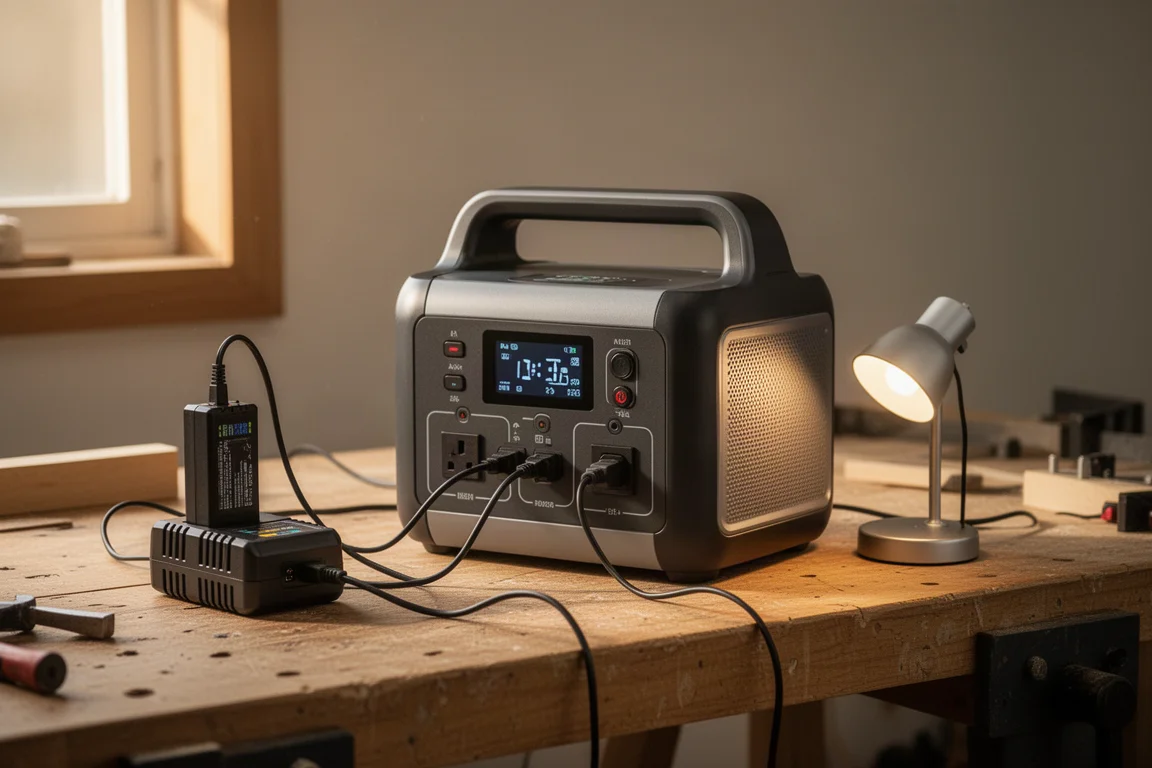
For shed power, charging tool batteries, running lights, and keeping camera or laptop gear topped up, the Delta is a very practical companion. It is the unit that gets carried out to places without mains power and quietly does the job.
EcoFlow Delta Max: More Power, Faster Charging, Room to Grow
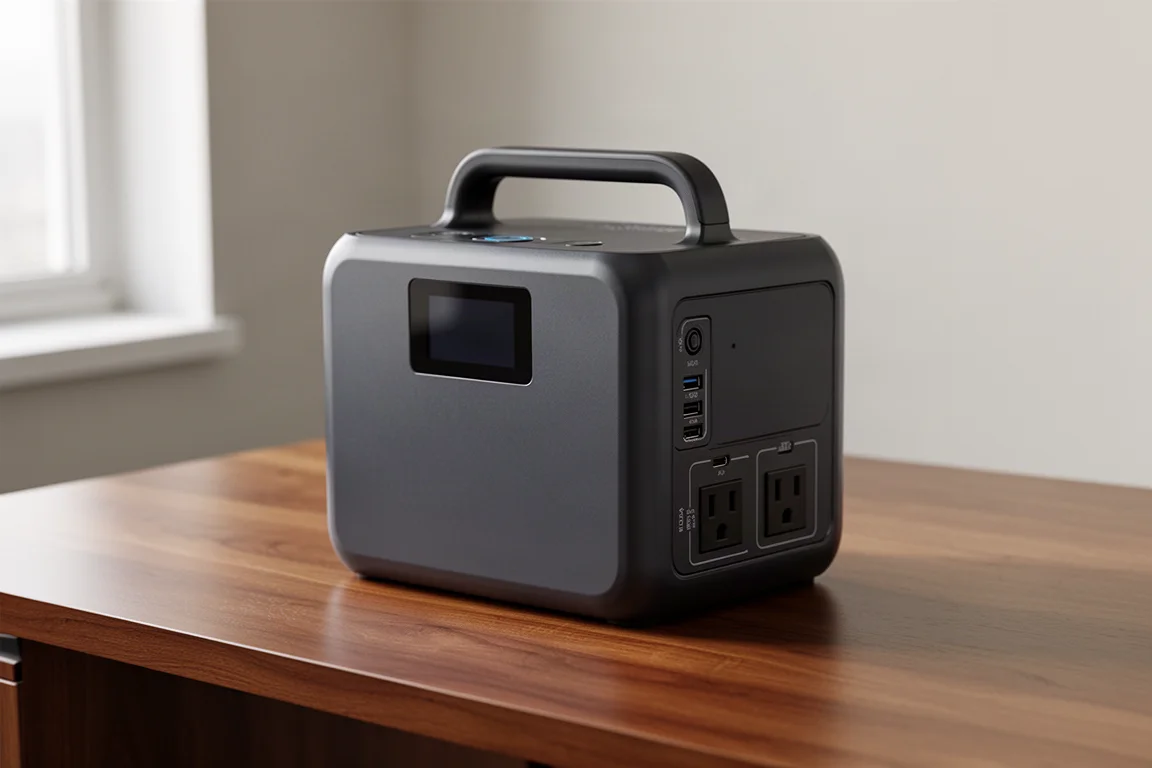
The Delta Max is the 2,000W unit, with surge capacity up to 4,600W and a constant output of 2,400W. That 2,400W figure matters because it matches the maximum load of a household circuit in some regions, which means it can run essentially any appliance you have at home, including kettles and most heaters.
It is bigger and heavier, around 21kg, but it charges significantly faster: up to 2,000W from AC and up to 800W from solar, roughly twice the solar input of the Delta. Despite the larger battery, a full charge from empty takes under two hours, and from 75% it reached full in about 27 minutes.
The Delta Max also adds a 100W USB-C port on the front, AC input on the rear panel, and support for expansion batteries. You can attach additional batteries to build out a three-battery system, which turns it into a genuine small-house power source for tiny homes or weekend cabins. An optional generator can also top it up in off-grid situations.
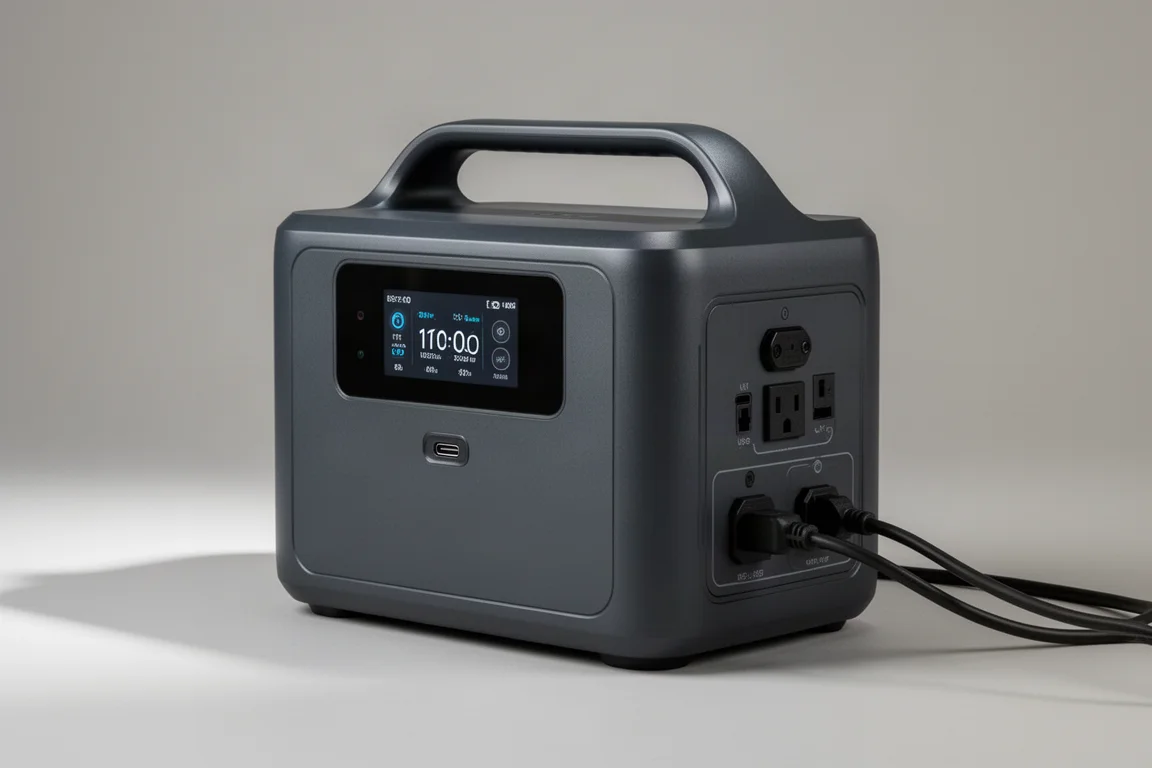
Real-World Testing: Boiling a Kettle
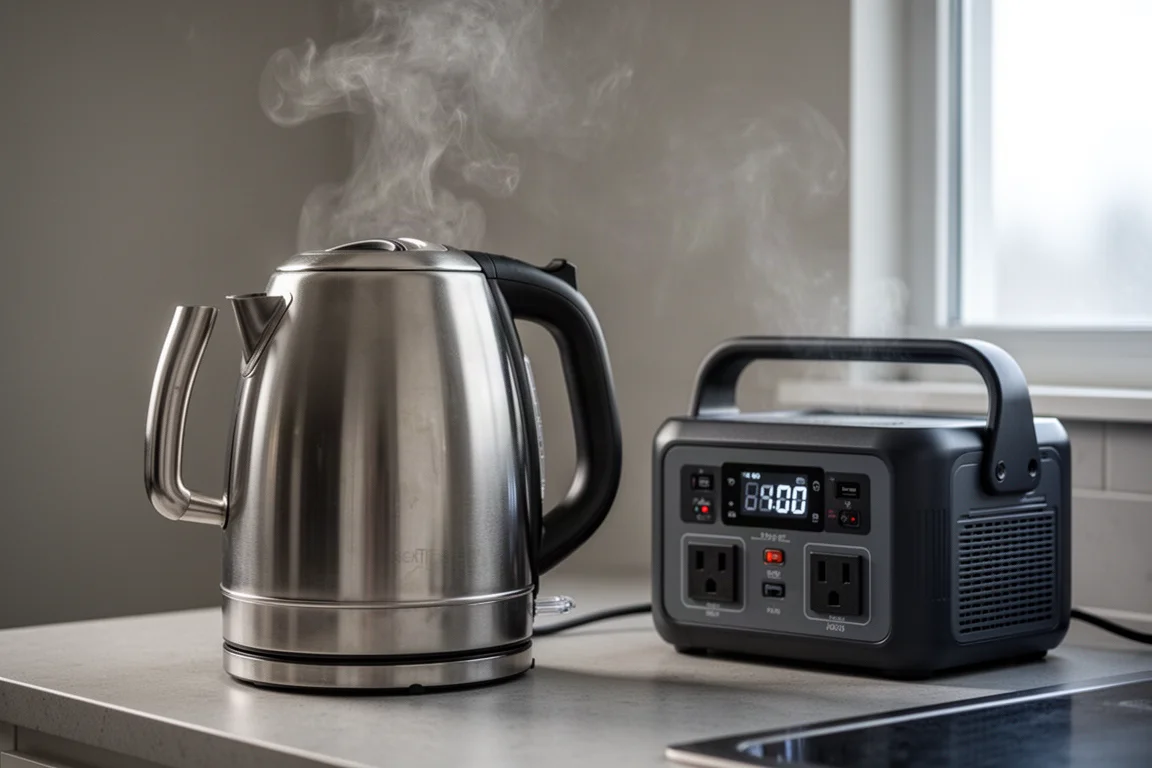
To put the Delta Max’s 2,400W output to work, a 2,200W electric kettle with one litre of water was run from the unit. The draw jumped straight to around 1,940W, the fans came in to keep things cool, and the display showed the runtime dropping immediately.
The single litre boil used roughly 6% of the battery, which works out to around 16 one-litre kettle boils from a full charge. For camping or a few days away from mains power, that is a meaningful margin for hot water alone.
App Control and Monitoring
The feature that most clearly separates the two units is the smartphone app, which the Delta Max supports and the Delta does not. Setup involves pairing over Bluetooth, connecting the unit to Wi-Fi, and linking it to your account. Once connected, the app shows per-port output breakdowns for AC, 12V, and USB, plus internal temperature and a more precise runtime estimate than the unit’s own screen.
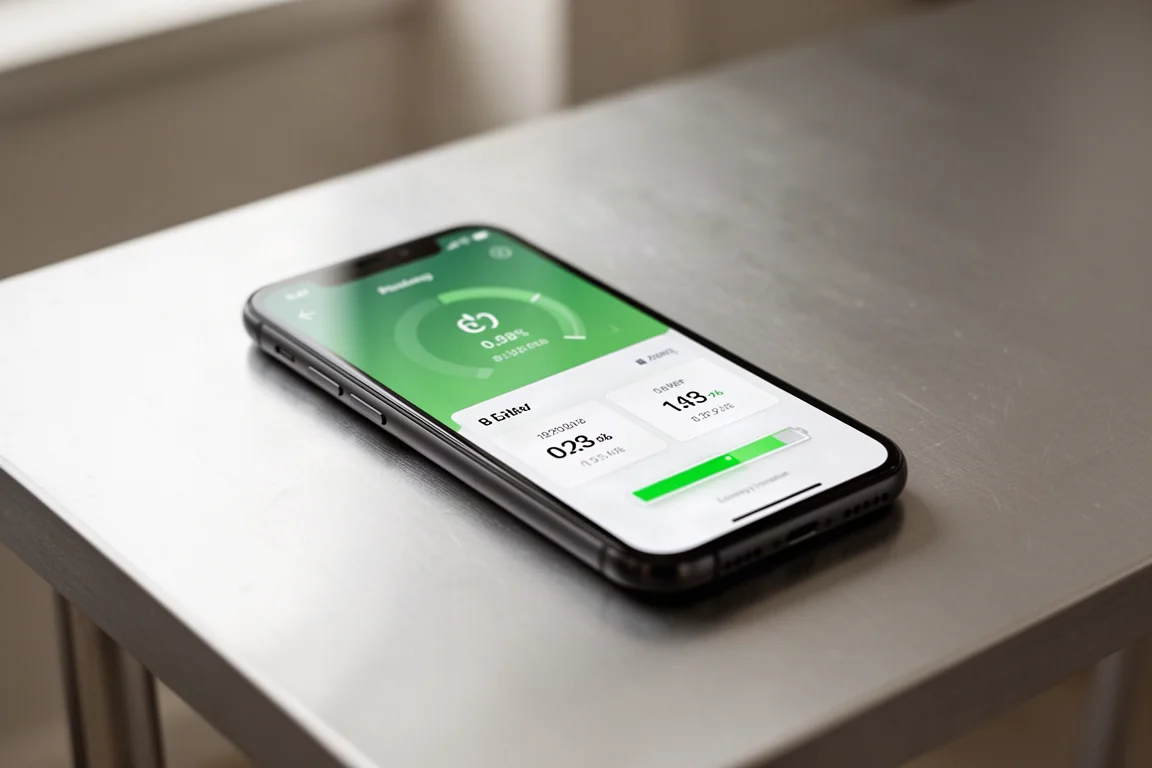
Remote control is genuinely useful: you can toggle the AC ports from your phone, rename the device, share access with others, set charge and discharge limits, adjust the AC charge speed, and change timeout behaviour for the screen and the unit itself. If the power station lives in a workshop, garage, or tiny home that you only visit occasionally, checking capacity from your phone before you arrive is very handy.
Battery Care and Backup Behaviour
When the Delta Max is plugged into wall power with devices attached, it passes power straight through to those devices rather than cycling the battery, which reduces unnecessary battery wear. If the mains supply drops, the unit switches over in about 30 milliseconds, fast enough that a television flicked off and came straight back during an earlier test. It is not suitable for servers or sensitive equipment that cannot tolerate any interruption.
The battery is a 50.4V lithium-ion pack rated at 2,016Wh, with a claimed lifespan of over 800 cycles while maintaining 80% or better capacity. Charging is managed in stages: slow at low charge, full speed through the middle of the range, then a trickle to top off at 100%.
Workshop and Off-Grid Use
Both units shine in places without power. A cordless tool battery charger drawing around 200W, plus a dual charger pulling 400 to 600W while charging two 18V batteries, ran comfortably off the Delta Max. Working from rough figures, you could expect dozens of small tool battery charges from a single full charge, and around ten such chargers could run simultaneously without overloading the unit.
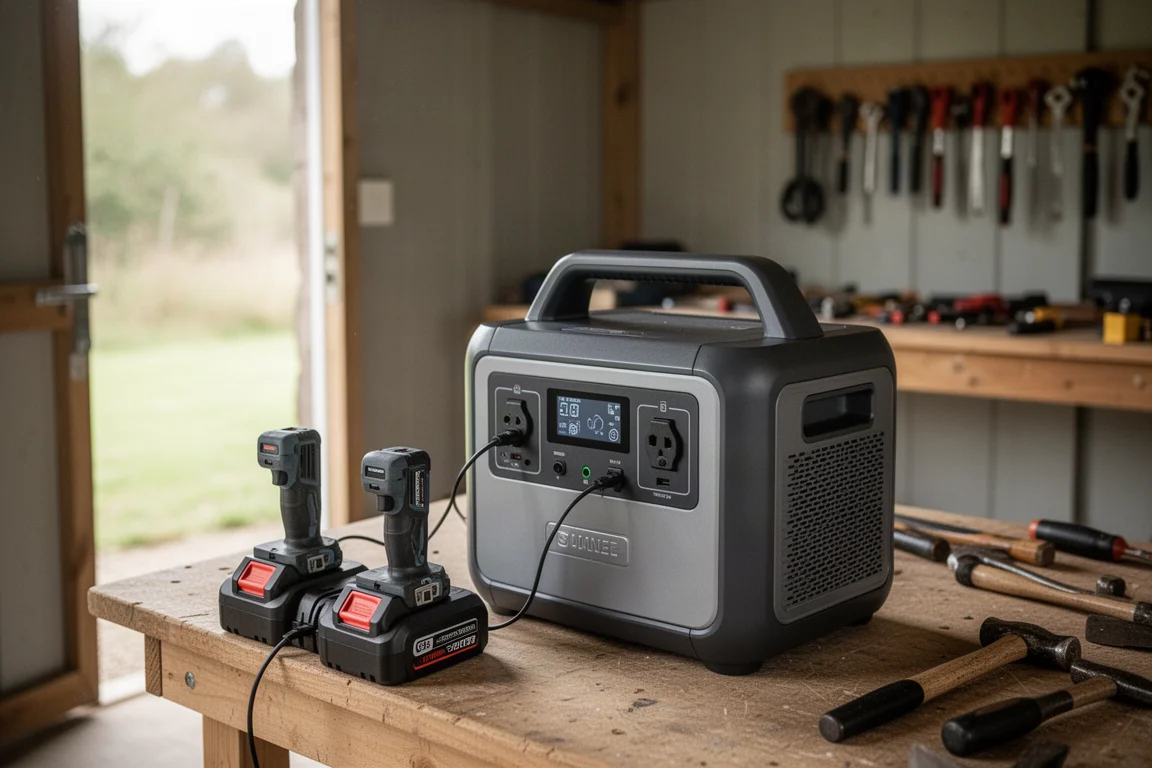
For a shipping container workshop, a shed, or a bush camp where a petrol generator would be loud and unwelcome, carrying one of these with a power board is far simpler than hauling separate batteries or fuel. The app’s capacity readout is especially useful when the unit sits somewhere unattended during the week.
View more details for EcoFlow Delta Max
Buying Advice
Choose the Delta if portability, moderate output, and a lower price matter most, and your loads stay under 1,800W. Choose the Delta Max if you want to run high-draw appliances like kettles and heaters, charge faster from wall or solar, monitor and control the unit from your phone, and expand capacity with extra batteries later.
If your plans involve a tiny home, an off-grid workshop, or powering a small house during outages, the Delta Max is the stronger long-term platform. If you just need dependable portable power for tools, lights, and small devices, the Delta covers that comfortably.
Conclusion
The Delta and Delta Max share a design language but sit at different tiers. The Delta is the lighter, simpler unit for everyday portable power. The Delta Max doubles the solar input, delivers full household-level output, adds app control and USB-C fast charging, and grows with extra batteries. Matching the unit to your actual loads and how often you will move it is the deciding factor.
Further reading
Related Reviews
Portable Power
Best Portable Power for Camping and Remote Work: Six Power Banks and Solar Panels Compared
A practical comparison of six portable power options, from a 500W solar generator for car camping to a one pound solar power bank built for backpacking.
Portable Power
Best Portable Power Stations 2026: Nine Models Compared for Real-World Use
We compared nine portable power stations across output, capacity, charging speed, noise, and UPS performance to find the best value and the best overall pick.
Portable Power
Best Portable Power Stations and Power Banks for Blackouts and Travel
Five portable power solutions compared: two EcoFlow power stations, a flight-friendly Zendure power bank, a see-through Shargeek, and the feature-packed Omni 20c+.