Portable Power
EcoFlow Delta Max 2 Review: A Powerful Home Backup With Real Solar Charging
After a multi-day power outage, this portable power station became the backup we recommend for off-grid use, camping, and running household essentials.
Introduction
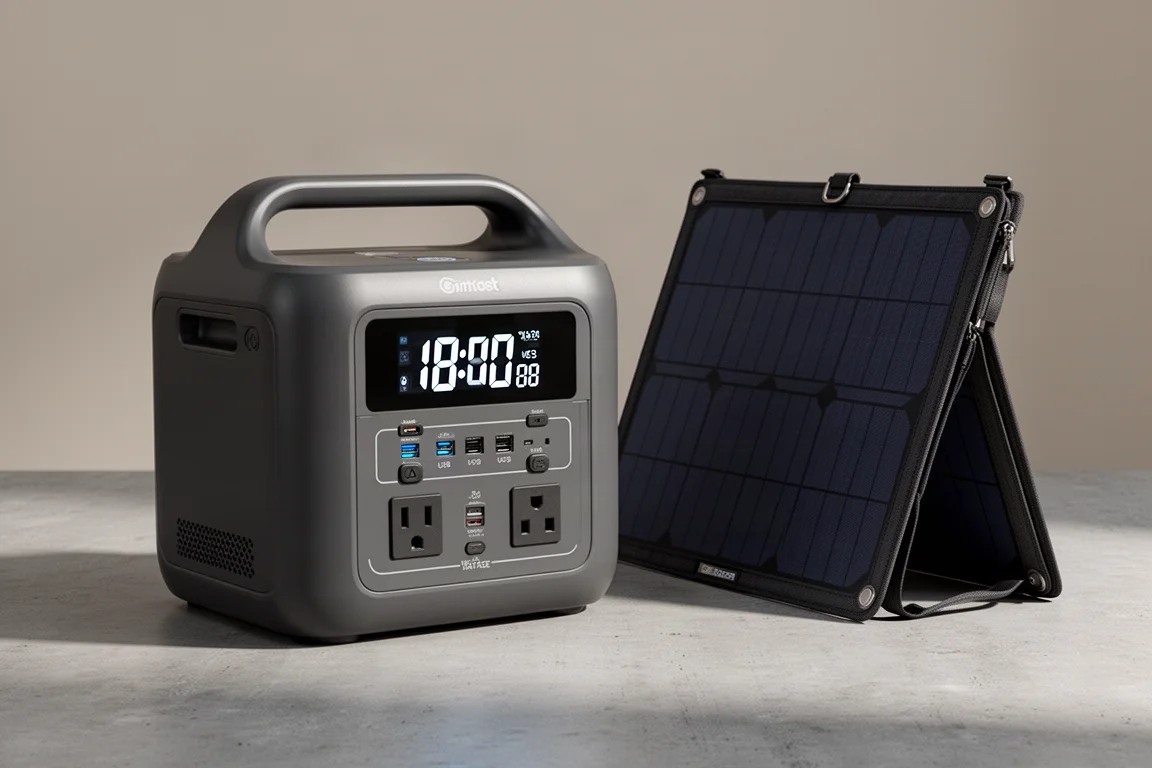
A bad storm knocked out power in our area for three days, and that experience changed how we look at portable power. Ever since, larger power stations have been on our radar, and the EcoFlow Delta Max 2 kept coming up as the unit people recommended over the models we had covered before. So we spent time with it: unboxing, solar setup, load testing, and running a refrigerator and freezer.
The short version: this is one of the best pure battery power stations we have used, and it earns that reputation through output capacity, fast charging, and flexible solar input. It also has honest limitations worth understanding before you buy.
Who This Product Is For
The Delta Max 2 makes sense for a few very specific buyers:
- Homeowners who want a backup for outages, especially for running a refrigerator and freezer
- Campers, anglers, and hunters who need reliable power off grid and are willing to manage solar charging
- RV and van lifers who want to link multiple units together for more capacity
- Anyone who charges a lot of tool batteries and wants to do it without a wall outlet
If you only need to top up phones and small gadgets, this is more power station than you need. If you want to run real appliances, it is squarely in your lane.
Design and Ports
Out of the box, the unit looks fairly plain, but the layout is genuinely practical. The control panel is digital with large, easy-to-read numbers showing watts in, watts out, remaining capacity, and estimated runtime in hours or minutes. That real-time readout alone makes managing your loads much easier than guessing.
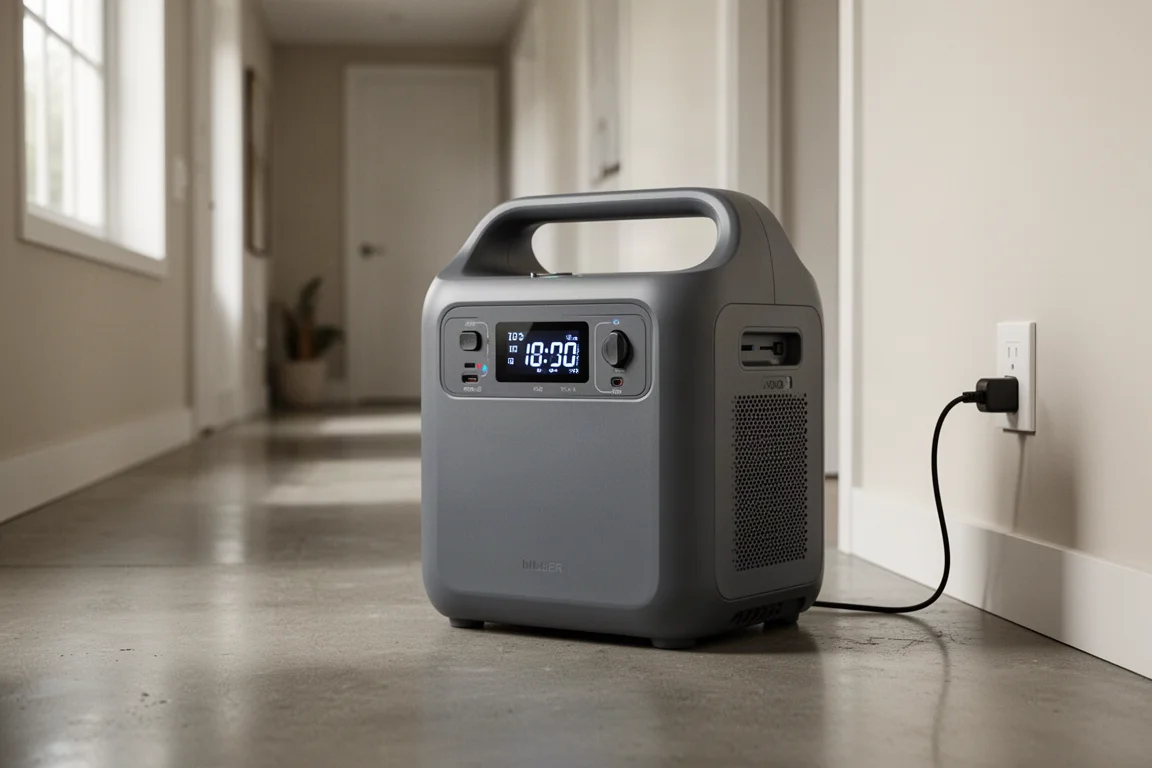
Port selection is strong. On one side you get two 100W USB-C ports that charge phones very fast, plus four USB-A ports split between standard and fast charging. The opposite side carries six AC outlets and a car-style 12V port for accessories you would normally plug into a cigarette lighter. On the back there are two solar input ports, the wall charging inlet, and a circuit reset button.
One small miss: there is no wireless charging pad on top. A charging surface would have been a natural fit here, and it is an easy place for competitors to one-up the design.
Solar Charging: What It Actually Delivers
Solar setup is simpler than it looks, even if you have never used solar before. The 220W panel ships in a rugged case that doubles as a stand. You unfold it, angle it into direct sun, latch it down so wind does not tip it over, and run the cables into one of the two solar input ports on the back of the unit. The panel accepts two solar inputs, so you can expand later.
The key lesson from our testing: direct sun is everything. On an overcast day we pulled roughly 130 to 140W. When thin clouds drifted in front of the sun, output collapsed from nearly 200W down to the 40 to 70W range even though shadows were still on the ground. In ideal midday conditions, the best we saw was around 200W, with an average closer to 180 to 190W. Adding a reflective surface behind the panel could theoretically push you toward 220W in perfect conditions.
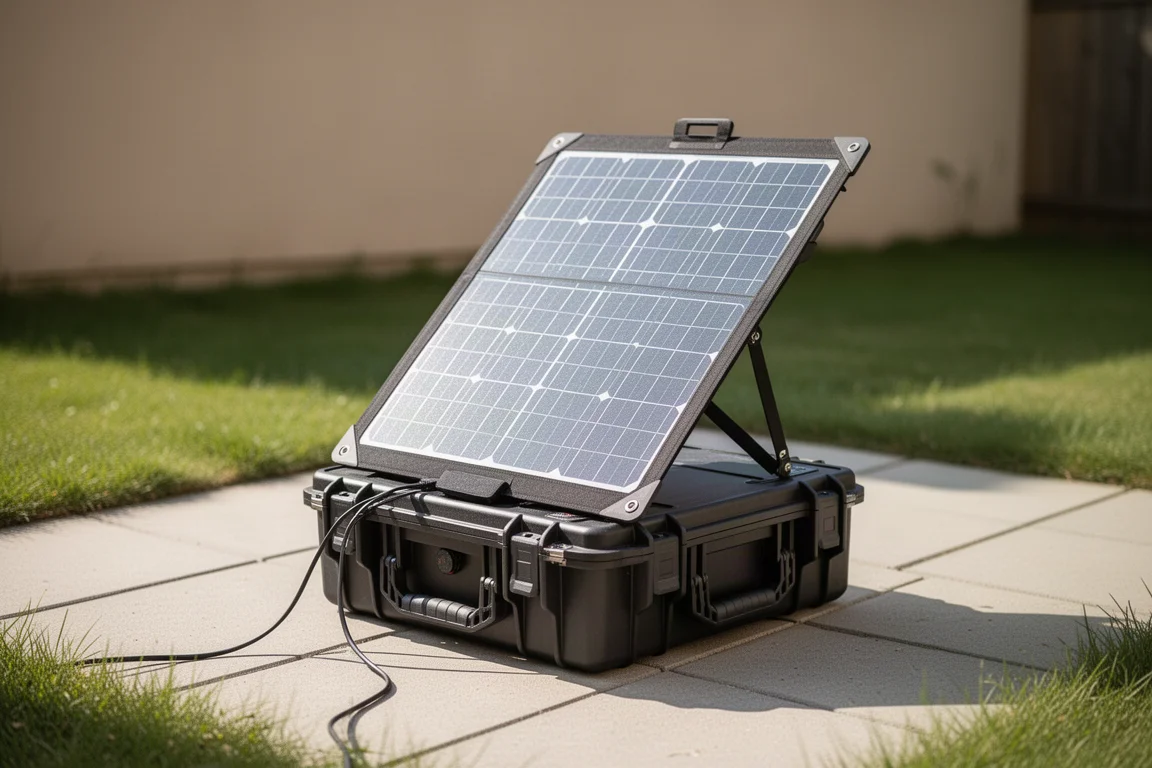
What impressed us is how the display handles this. The estimated charging time recalculates in real time as sunlight comes and goes, spiking and dropping with the clouds. You always know exactly where you stand.
Our honest takeaway: the included 220W panel works if you can charge all day and use the unit at night. If you need faster solar charging, EcoFlow supports up to 1,000W of combined solar input, so you can mix two 400W panels with a 220W panel or similar combinations. Third-party panels also work if you want to spend less, though the 1,000W figure is a best-case, full-desert-sun scenario, not a normal partly cloudy day.
Real-World Output Tests
The headline spec is 3,400W max output, which EcoFlow claims covers 99% of household appliances. The unit can run or charge up to 15 devices at once. We put that to the test by stacking loads until something gave.
Starting from a 99% charge showing 99 hours of runtime, we added:
- A smartphone on fast charging at around 15W
- An EGO rapid charger at 550W
- A Ryobi 40V charger at roughly 285W
- A Ryobi air cannon adding another 30 to 40W
- A Milwaukee dual rapid charger pushing total draw to around 1,100 to 1,200W
- A DeWalt shop vacuum that took the total to 2,000W
- A Ryobi cooler set to -4 degrees
- A 6-gallon air compressor at around 2,400W
Running all of that, the display still estimated meaningful runtime while we were charging seven EGO batteries back to back with power to spare. Battery charging duty like this is where the unit shines.
We did find its ceiling. A full-size router tripped the overload protection, which is exactly what it is designed to do: the unit cuts off safely rather than blowing anything, and the reset button brings it right back. That is a reasonable trade-off at this class of output.
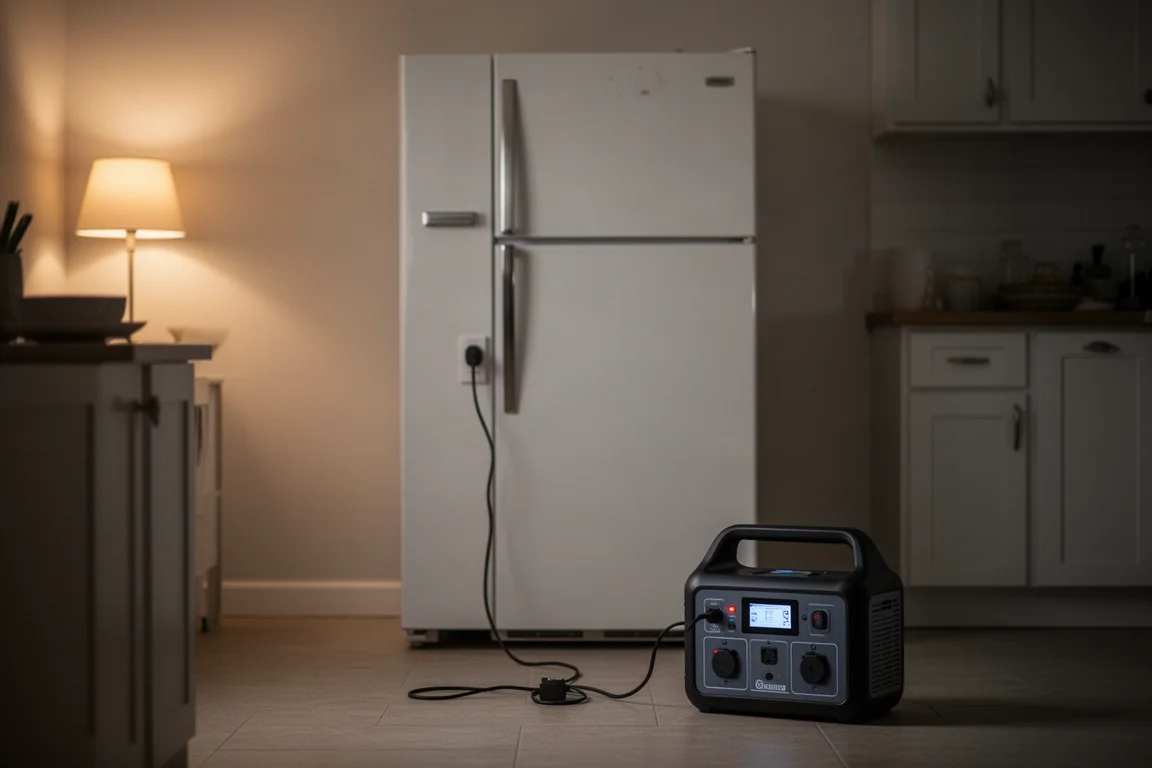
Switching over to appliances, the numbers got more interesting. A refrigerator and freezer pulled 67 to 69W at baseline, jumping to roughly 100 to 120W when the compressor kicked in on a 90-degree day, and the unit estimated 23 hours of runtime on that load alone.
The pass-through behavior is genuinely smart. While the unit itself was recharging from the wall at around 1,672W in, it simultaneously powered the refrigerator at 134W out, showing about 18 minutes to full. It also only draws exactly what is needed to hold a 100% charge, rather than wastefully overcharging. If your output ever exceeds your input, the display simply switches to telling you remaining runtime instead.
App and Charging Options
The companion app connects over Bluetooth and mirrors everything on the display: runtime remaining, watts in, watts out, and solar watts. It also unlocks useful settings, including an X-Boost mode you want enabled when running heavy combined loads, an economy mode, scheduled timers, beep muting, screen and AC timeout adjustments, unit renaming, and temperature readout.
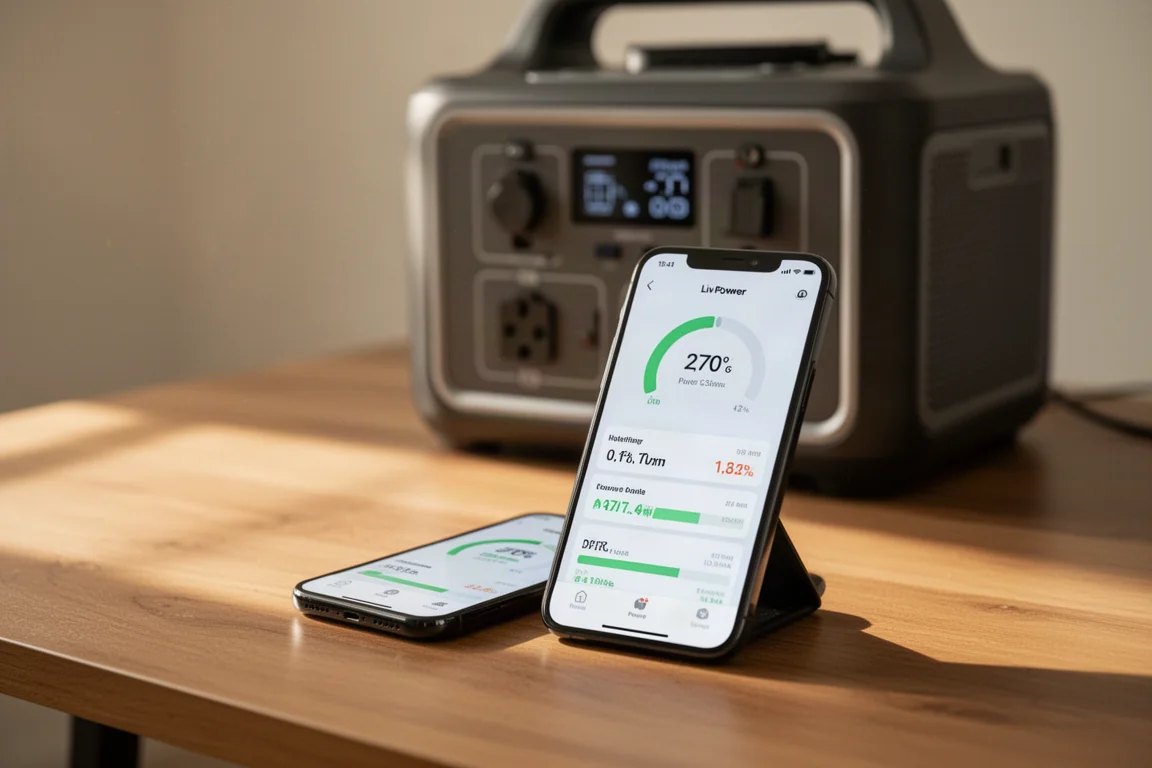
A physical switch on the back toggles between slow and fast charging. Fast charging is noticeably louder because the fan works harder; slow charging is quiet enough to forget it is running.
On longevity, the claimed battery life expectancy is 3,000 full charge cycles or 10 years of use, retaining about 80% of battery capacity at that point. The unit also carries a 5-year warranty.
Things to Consider Before Buying
The honest limitations are worth repeating. The included 220W panel only performs well in direct sun; partial cloud cover can drop you to 30W or lower, which is painfully slow. Reaching the maximum 1,000W solar input requires ideal conditions and additional panels, and solar panels are not cheap. If your solar strategy depends on quick daytime recharges, budget for larger 400W panels.
Also be realistic about loads: the overload protection tripped on a full-size router, so very high-surge tools may not run, though the safety cutoff and reset make that a minor inconvenience rather than a dealbreaker.
Buying Advice
Buy the configuration that matches your situation. You can buy the unit alone, buy it with the 220W solar panel, or buy two units together and link them for more capacity. If you live off grid or camp frequently and can tolerate all-day charging, the panel bundle is a reasonable entry point. If you need faster turnaround, add higher-wattage panels up to the 1,000W solar ceiling.
If you are primarily a storm-prep buyer, the unit alone plus wall charging may be all you need, since wall recharging is fast enough to refill while running a refrigerator simultaneously.
Conclusion
After years of testing power supplies, this is the best pure battery power station we have used. It is well built, easy to use, backed by a 5-year warranty, and flexible enough to serve as a home outage backup, an off-grid companion, and a tool-battery charging hub. The solar panel that ships with it is best treated as a starting point rather than a complete solution, but the unit itself is easy to recommend, and it stands among the best options on the market today.
Product link
View more details for EcoFlow Delta Max 2
This product is mentioned in the review. Check the specifications, options, and compatibility before buying.
View more details for EcoFlow Delta Max 2Further reading
Related Reviews
Portable Power
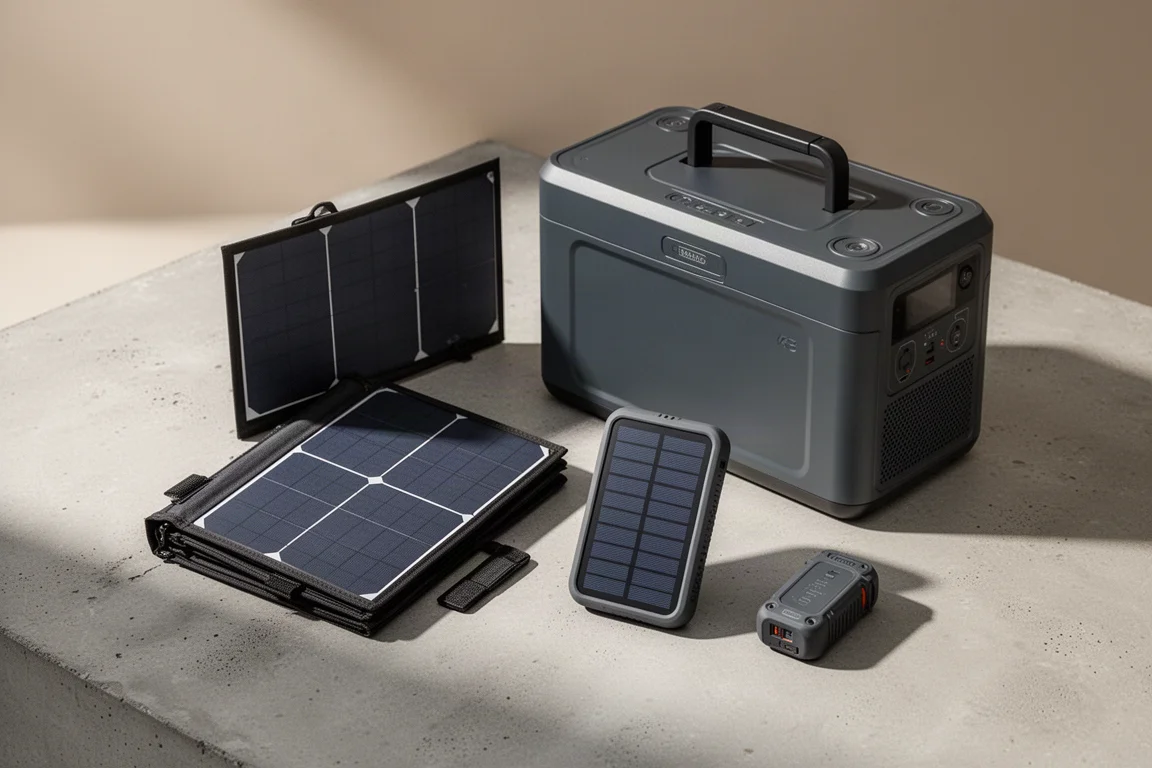
Best Portable Power for Camping and Remote Work: Six Power Banks and Solar Panels Compared
A practical comparison of six portable power options, from a 500W solar generator for car camping to a one pound solar power bank built for backpacking.
Portable Power
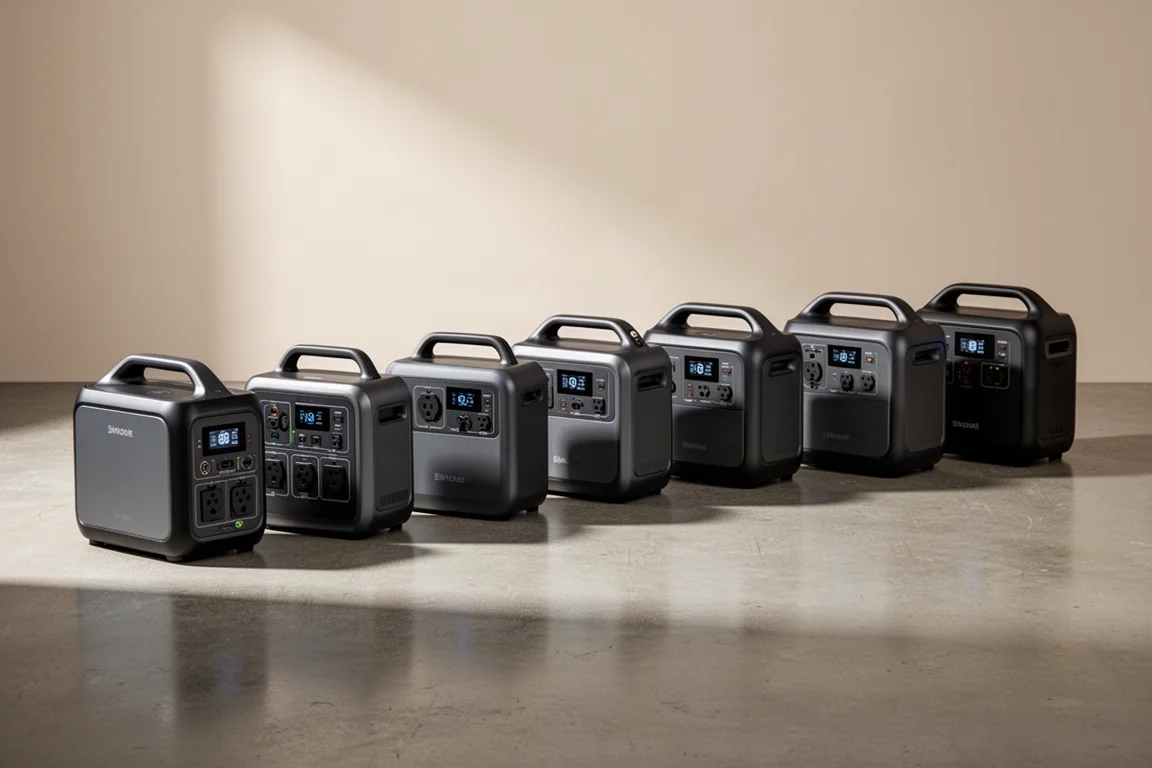
Best Portable Power Stations 2026: Nine Models Compared for Real-World Use
We compared nine portable power stations across output, capacity, charging speed, noise, and UPS performance to find the best value and the best overall pick.
Portable Power
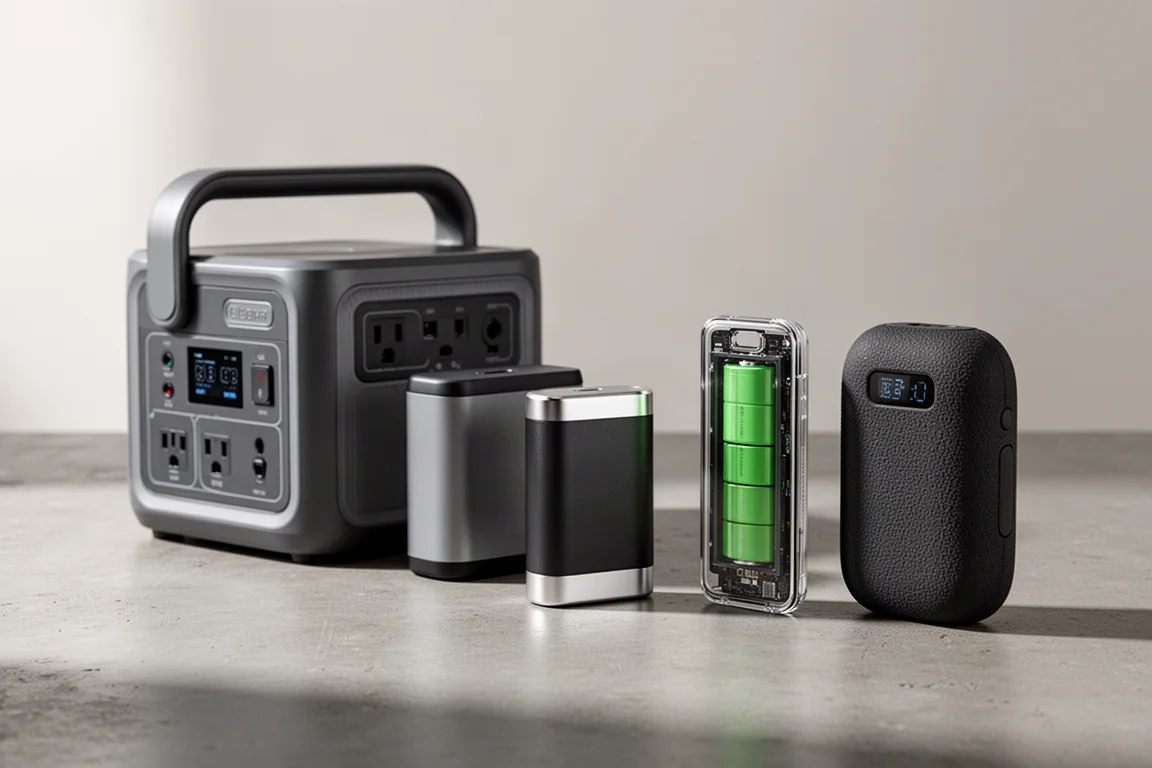
Best Portable Power Stations and Power Banks for Blackouts and Travel
Five portable power solutions compared: two EcoFlow power stations, a flight-friendly Zendure power bank, a see-through Shargeek, and the feature-packed Omni 20c+.