Portable Power
EcoFlow Delta 2 Max and Solar Panels: A Practical Off-Grid Charging Setup
We look at the EcoFlow Delta 2 Max power station and its solar panel options, including the 220W bifacial panel and rigid 100W and 400W panels.
Introduction
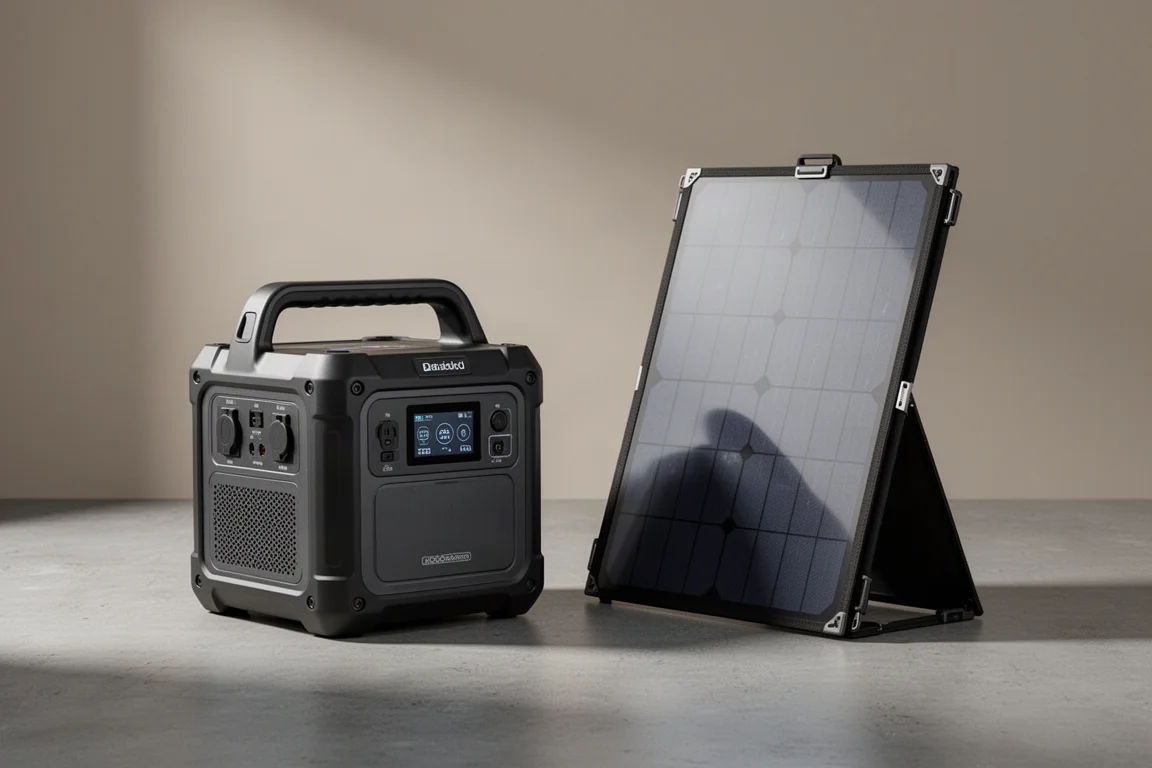
The EcoFlow Delta 2 Max is a power station that has quickly earned a place in the back of many trucks, and for good reason: it handles camping, overnight trips, RVing, and even day outings where keeping a cooler cold matters. What makes it especially interesting is how well it pairs with EcoFlow’s solar panels, turning it into a system that can refill itself from the sun instead of relying on a fuel generator.
This roundup covers the Delta 2 Max itself and three panel options: the 220W bifacial portable panel, the 100W rigid panel, and the 400W rigid panel. The setup makes sense for anyone who wants portable power without noise or fumes, and the panels are what let the system run indefinitely in good conditions.
The Power Station: EcoFlow Delta 2 Max
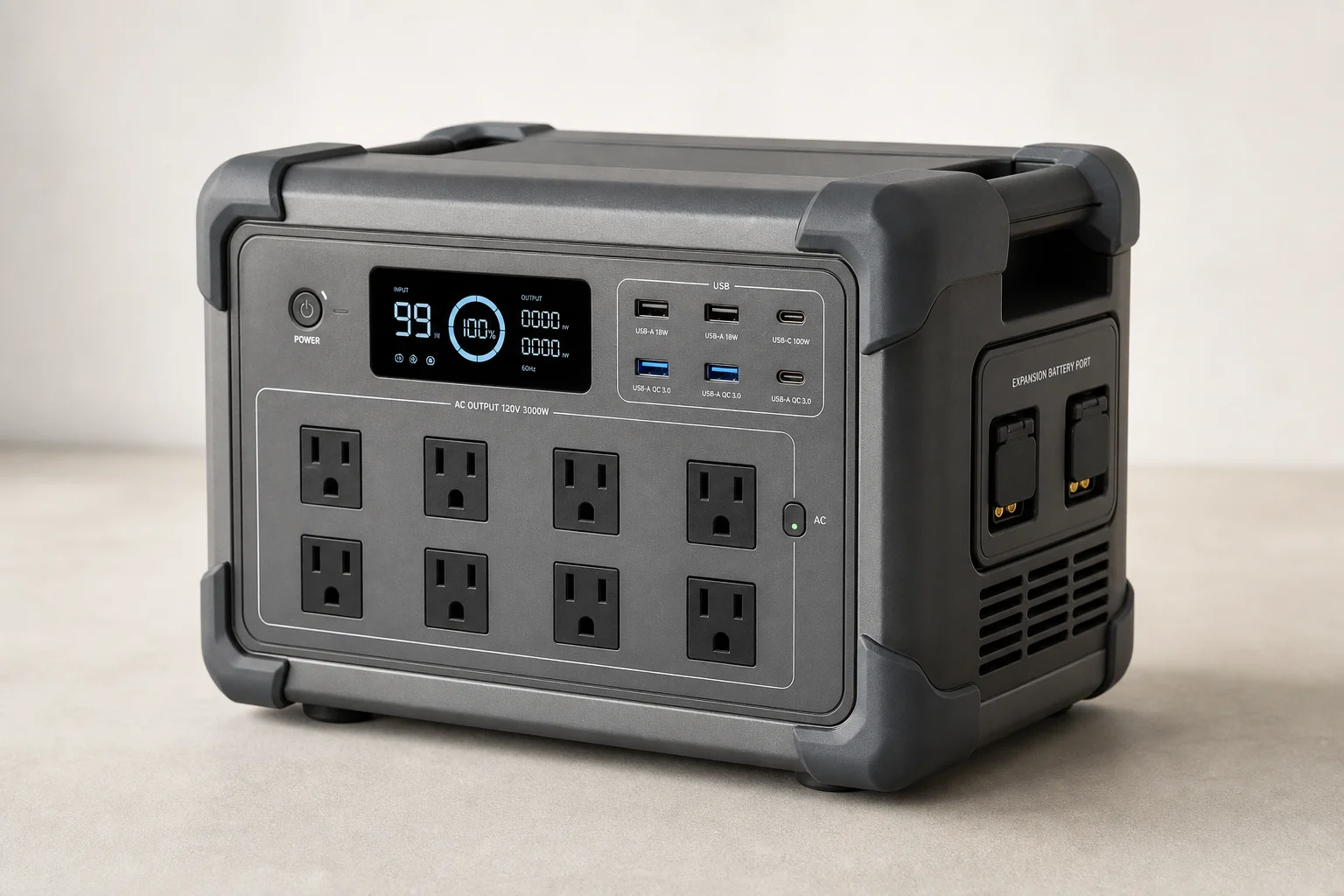
The Delta 2 Max checks nearly every box you would want in a portable power station. It uses LFP (lithium iron phosphate) batteries, a chemistry that matters here because power stations get recharged constantly. LFP is built for thousands of recharge cycles rather than the hundreds you get from typical lithium-ion packs, and it avoids the thermal runaway issues that make lithium-ion better suited to power tools than power stations.
Solar input is where this unit shines. It uses an MPPT charge controller, the better of the two common types, at up to 99 percent efficiency, which is stellar for a plug-and-play box. Noise is rated as low as 30 dB, so while you can hear the fans when power is really being pulled through, it is nothing like running a generator, more like the fan in a PC at worst.
EcoFlow quotes up to 6 kWh of expandable battery capacity with the base unit plus two attached batteries, and the unit powers 99 percent of household appliances. It has handled a microwave and even an air compressor, though running both at once was a stretch; soft-start accessories can help with high-draw tools by giving them a gentler ramp up. An app provides energy management, which is mostly useful for checking whether your panels are delivering the solar input you expect.
Bundles in July ran around $2,099 for the unit with one panel, $2,800 with two panels, $3,500 with three, and $4,000 with all four.
EcoFlow 220W Bifacial Solar Panel
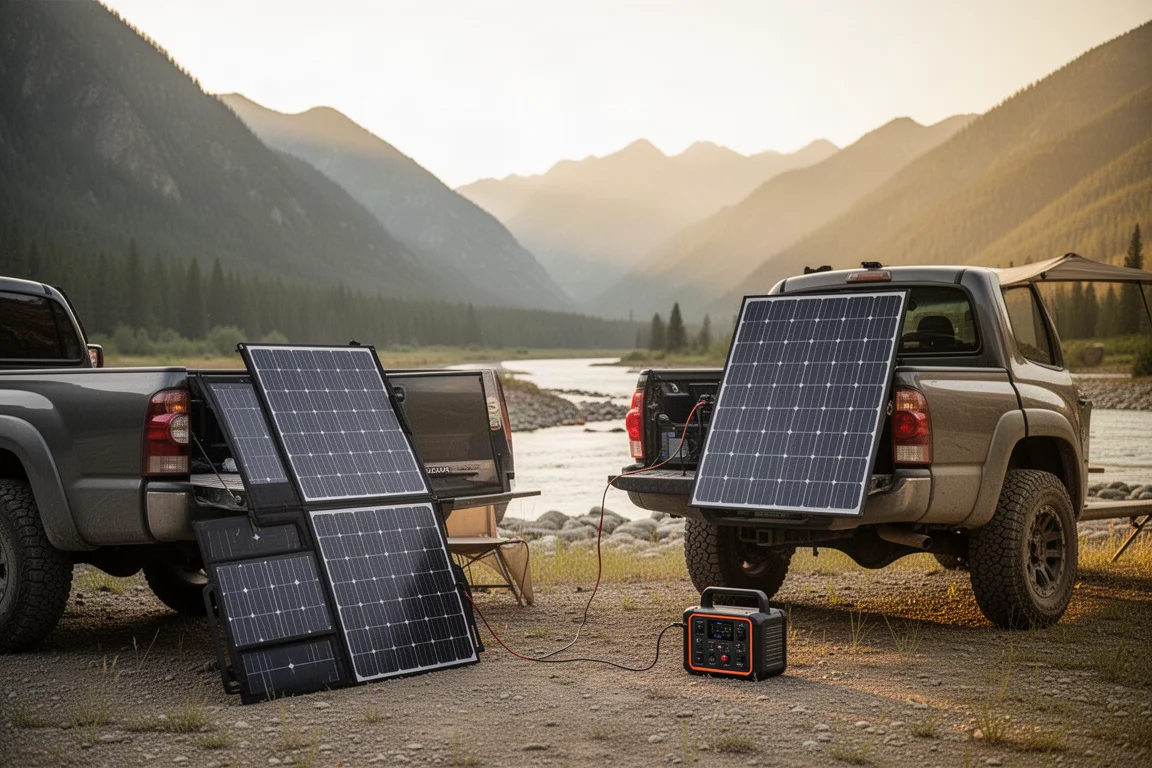
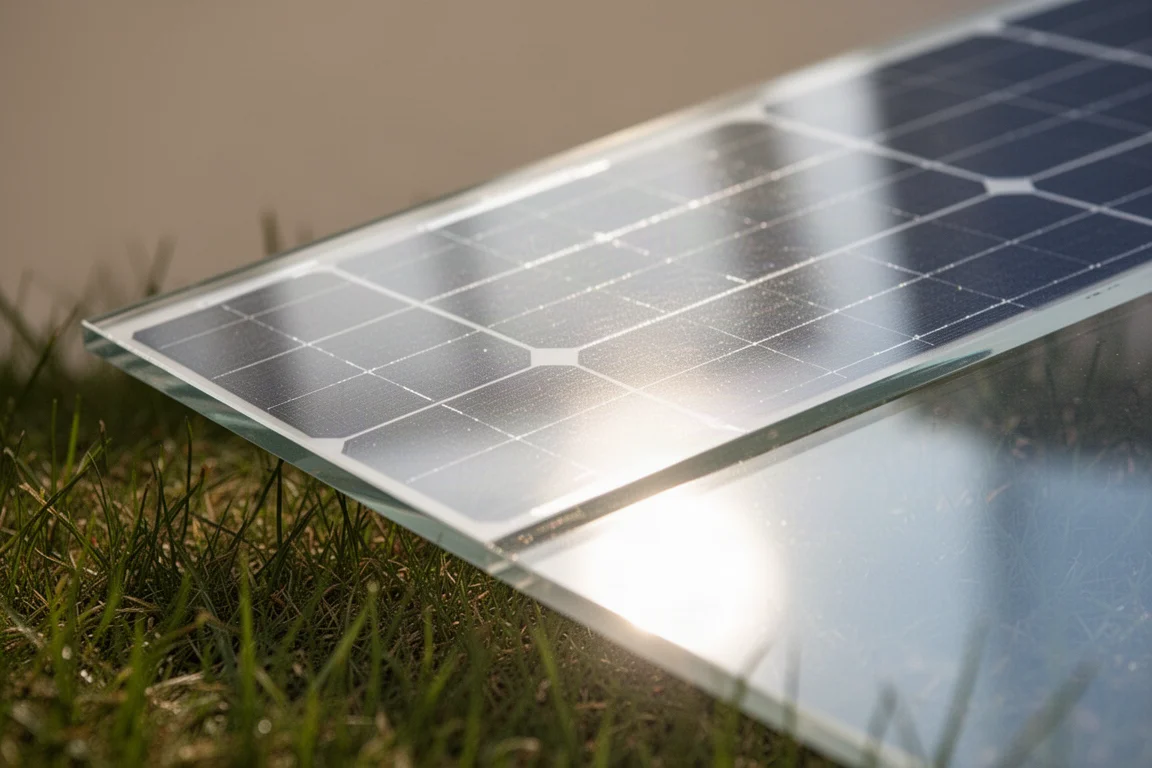
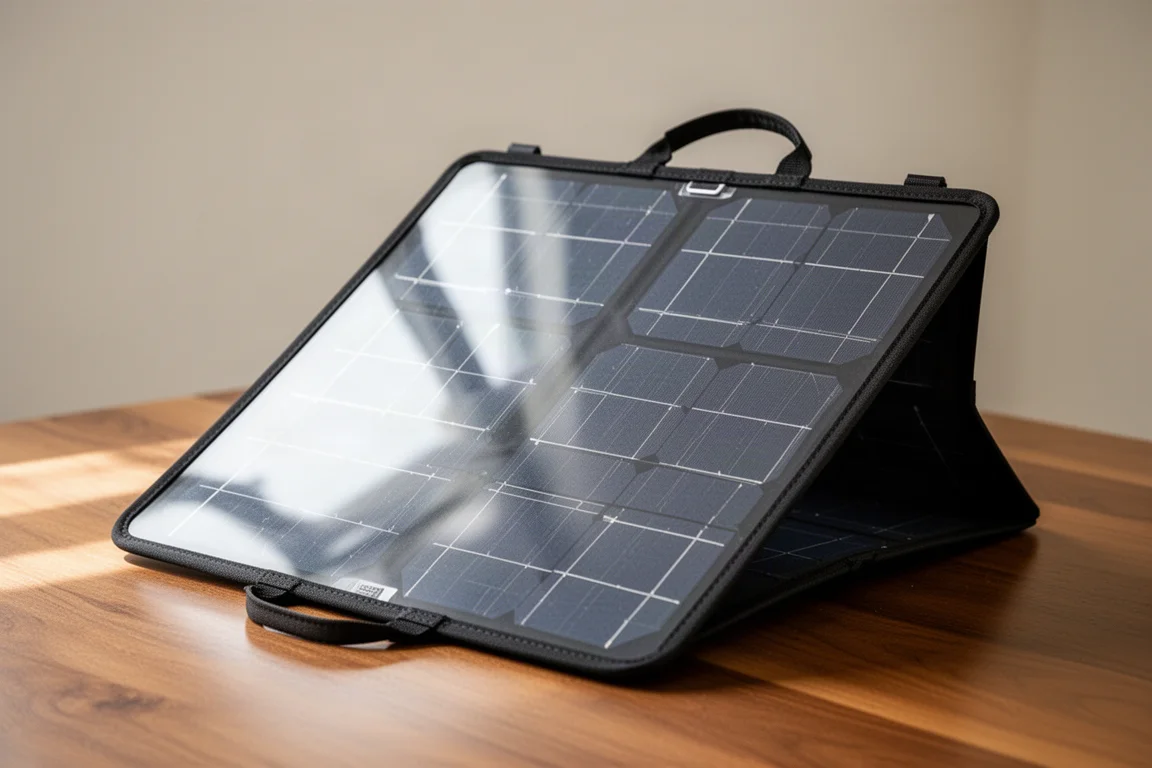
The 220W portable panel is the one that travels. It folds out of a carry case, and setup is genuinely plug and play: park the vehicle facing the sun, prop the panel up, and it plugs straight into the back of the power station. The panel is bifacial, meaning it captures light from both sides. The front side is engineered for high-efficiency direct sunlight, while the back is designed for reflected, broad-spectrum light.
That rear-side gain is measurable: roughly an extra 7.1 percent from grass, 9.5 percent from cement, nearly 10 percent from sand, and about 15 percent from snow, which acts almost like a mirror. Some owners even lay down reflective surfaces or emergency blankets underneath to push the bounce toward 20 percent. The panel is rated IP68 waterproof and durable, with a 23 percent high conversion rate, and the included solar connectors are solid, standard fittings that are easy to find and replace.
In real conditions, expect slightly under the rated figure: around 180 watts in the best sun, and in the 150 to 165 watt range in more northern, higher-elevation locations. The trade-off is durability. Because both faces collect light, there is no hard backing, so it needs more careful handling than a rugged semi-flexible briefcase-style panel. The case-doubles-as-kickstand design is also fussy, requiring added D-rings; leaning the panel against a truck or a couple of sticks is often easier.
One panel will not fully recharge the Delta 2 Max in a single day, so if a full same-day recharge from zero is the goal, plan on two, three, or even four panels depending on your latitude, elevation, and season.
EcoFlow 100W Rigid Solar Panel
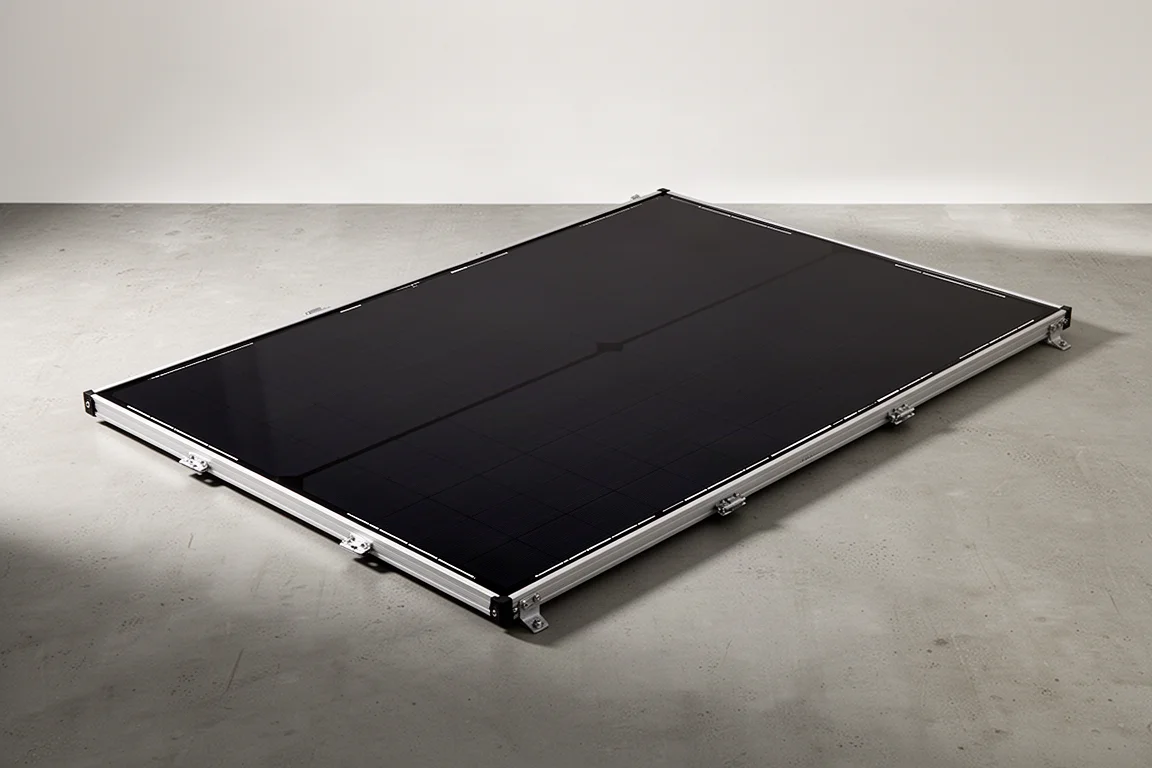
The 100W rigid panel looks like something bolted to a house roof or the top of an RV, and that is essentially what it is: a standard solid IP68 flat-install panel. At $189, it is a good, dependable panel that does what it is supposed to do. Two of these in an array make a tidy fixed setup, and while they are not the most practical thing to travel with frequently, there is no reason they cannot come along.
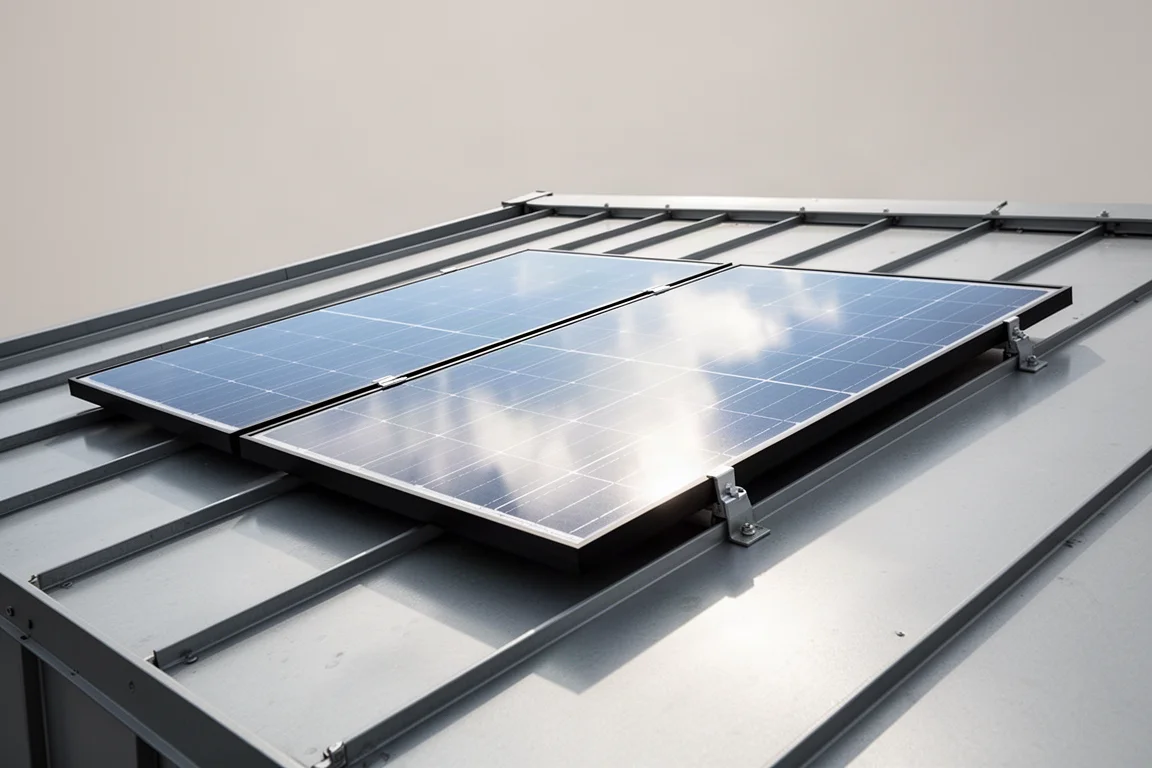
For anyone building a semi-permanent or vehicle-mounted array, this is the sensible, no-drama choice.
EcoFlow 400W Rigid Solar Panel
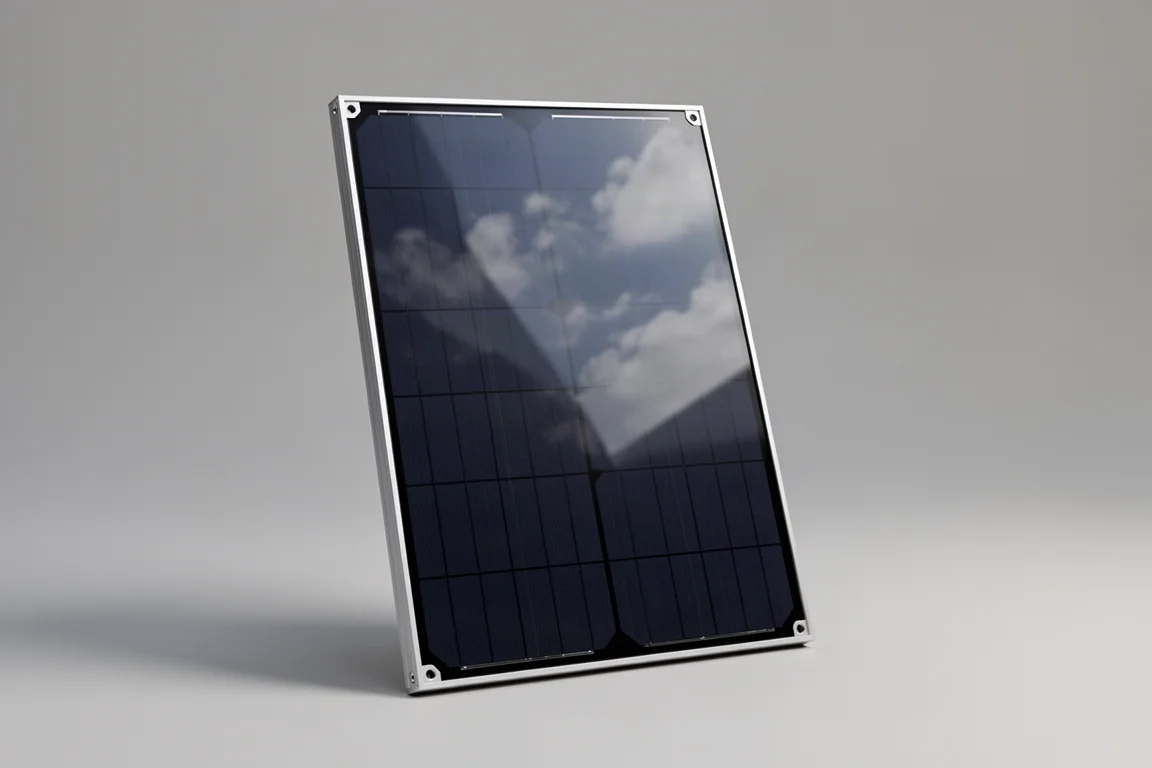
The 400W rigid panel is the serious option. It costs around $1,000 per panel, which reflects how much more output you get per square inch. If you want to charge the whole station quickly and set up a full array, this is the panel that gets you there, and at that level you genuinely have all the power you need, anywhere the sun is out.
It is not a travel-friendly panel by any stretch, but for a home backup or fixed RV installation paired with the Delta 2 Max, it delivers the fastest solar recharge of the lineup.
Accessories and Connections
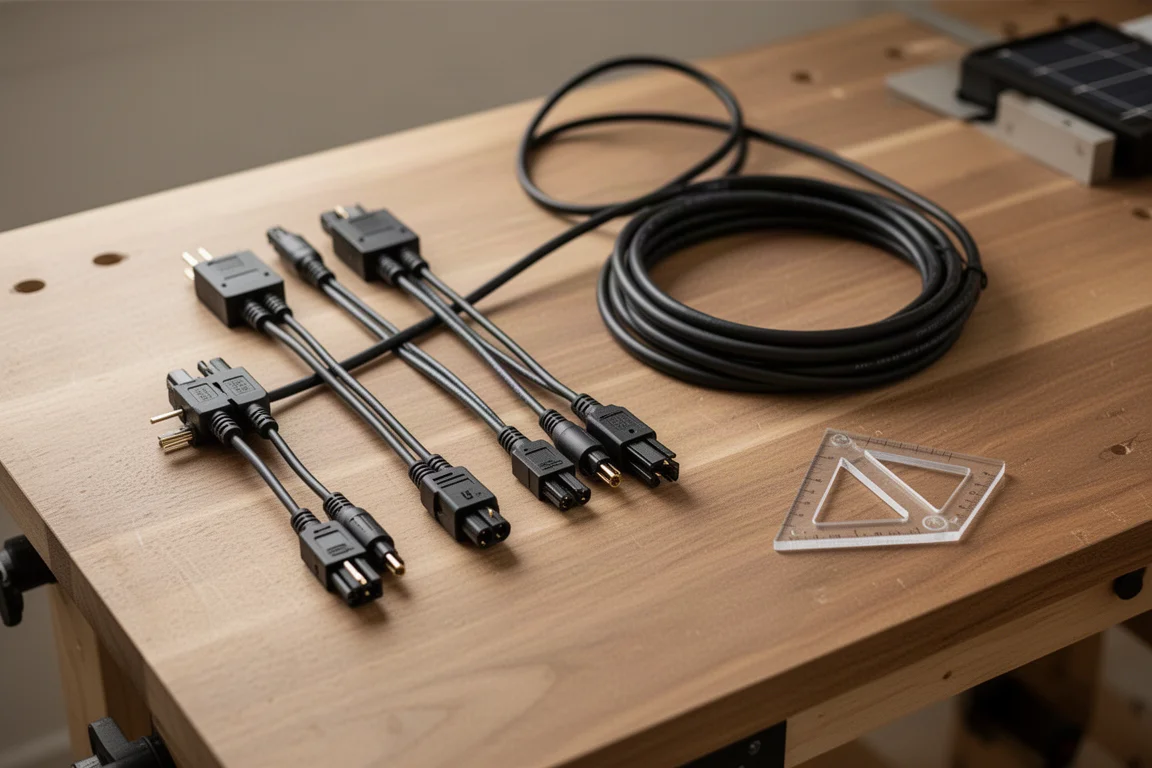
Because the power station has only one solar input, anyone running multiple panels will want parallel connection cables to combine panel outputs into a single feed. Positive and negative leads from each panel run into the splitter, and the combined cable plugs into the yellow port on the back of the unit. An extension cable is worth considering if the panels sit outside while the station lives inside. A $20 angle guide helps you dial in the optimal panel tilt, though checking the app works too, and $30 suction cups are available for mounting panels to flat surfaces where wind could be an issue.
Buying Advice
For the best bang for the buck, the Delta 2 Max itself is hard to beat, and the 220W bifacial panel is the natural companion for mobile use thanks to its plug-and-play simplicity and rear-side reflection gains. If your goal is a full same-day recharge from zero, budget for more than one panel: two to four depending on your location and season. Rigid panels make more sense for fixed installations, with the 100W for basic setups and the 400W for maximum solar input. Keep in mind the July bundle pricing structure, which made adding panels alongside the unit meaningfully cheaper than buying separately.
Conclusion
The EcoFlow Delta 2 Max plus a solar array is a compelling alternative to a generator: quiet, clean, and refilled by the sun. The bifacial 220W panel covers portable use beautifully, the rigid panels cover fixed installations, and with the right combination of panels you can keep the whole unit charged in a single day almost anywhere.
Further reading
Related Reviews
Portable Power
Best Portable Power for Camping and Remote Work: Six Power Banks and Solar Panels Compared
A practical comparison of six portable power options, from a 500W solar generator for car camping to a one pound solar power bank built for backpacking.
Portable Power
Best Portable Power Stations 2026: Nine Models Compared for Real-World Use
We compared nine portable power stations across output, capacity, charging speed, noise, and UPS performance to find the best value and the best overall pick.
Portable Power
Best Portable Power Stations and Power Banks for Blackouts and Travel
Five portable power solutions compared: two EcoFlow power stations, a flight-friendly Zendure power bank, a see-through Shargeek, and the feature-packed Omni 20c+.