Ebike Kits
Ebike Conversion Kit vs Lightweight Superbike: What a Brutal Hill Climb Shows
A front-wheel ebike conversion kit takes on a lightweight road bike costing around $10,000 on a climb that pitches to 18 percent. Here is what the result means for your own hills.
Introduction
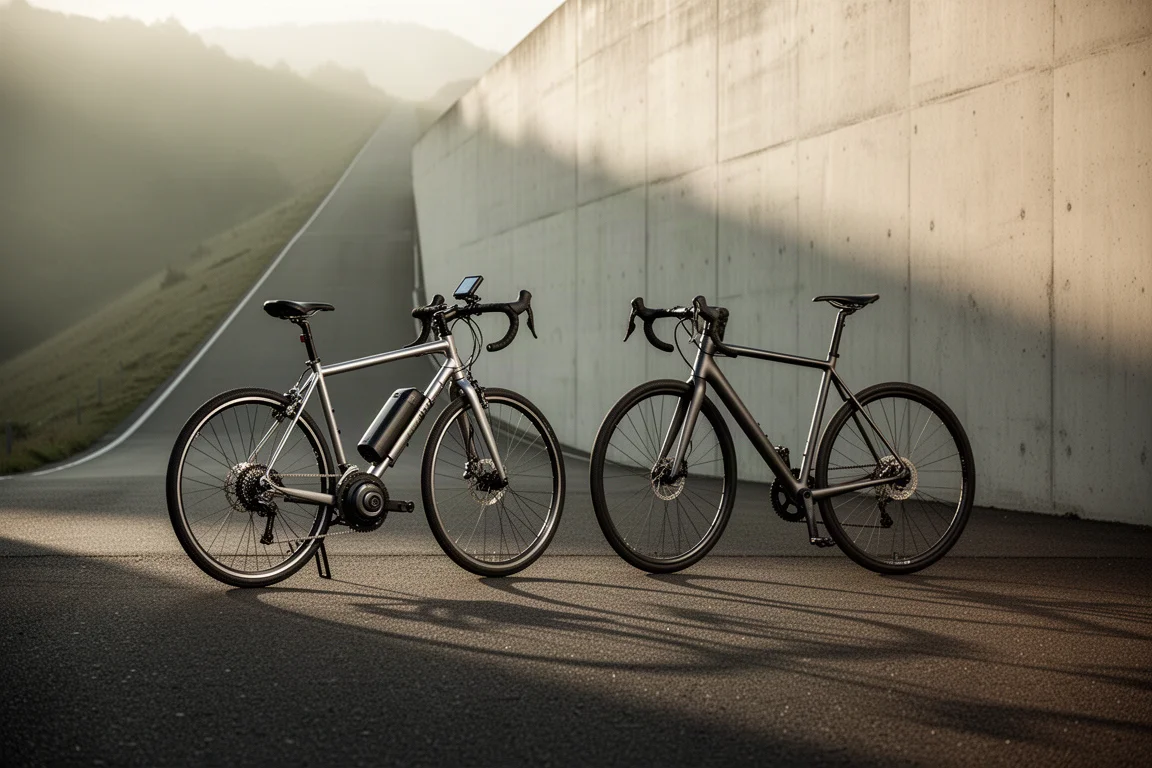
A second-hand bike bought for very little money, fitted with a bolt-on electric conversion kit, lined up against a lightweight road bike costing around $10,000 on a climb that pitches to roughly 18 percent. On paper there is no contest. In practice, the assisted bike pulled away as soon as the gradient arrived and stayed ahead all the way to the top.
That result says less about the two bikes than about what motor assistance does on steep ground. It also raises a practical question for anyone with a hilly commute: is a conversion kit a sensible alternative to buying a complete electric bike, or to spending serious money on a light road bike?
What This Comparison Actually Tests
The setup was deliberately simple. One bike carried a rider and a Swytch Go+ conversion kit. The other was a Specialized S-Works Aethos, a lightweight road bike. Both riders climbed the same steep lane, and the assisted bike finished comfortably ahead.
It is worth being clear about the terrain, because it is not typical. A city-centre climb, such as a bridge approach or a short rise out of a town centre, usually sits closer to 8 percent. The test climb reached around 18 percent, steep enough that gearing, cadence and body weight all start to matter more than raw fitness. If a kit can flatten a gradient like that, gentler hills are a much easier proposition.
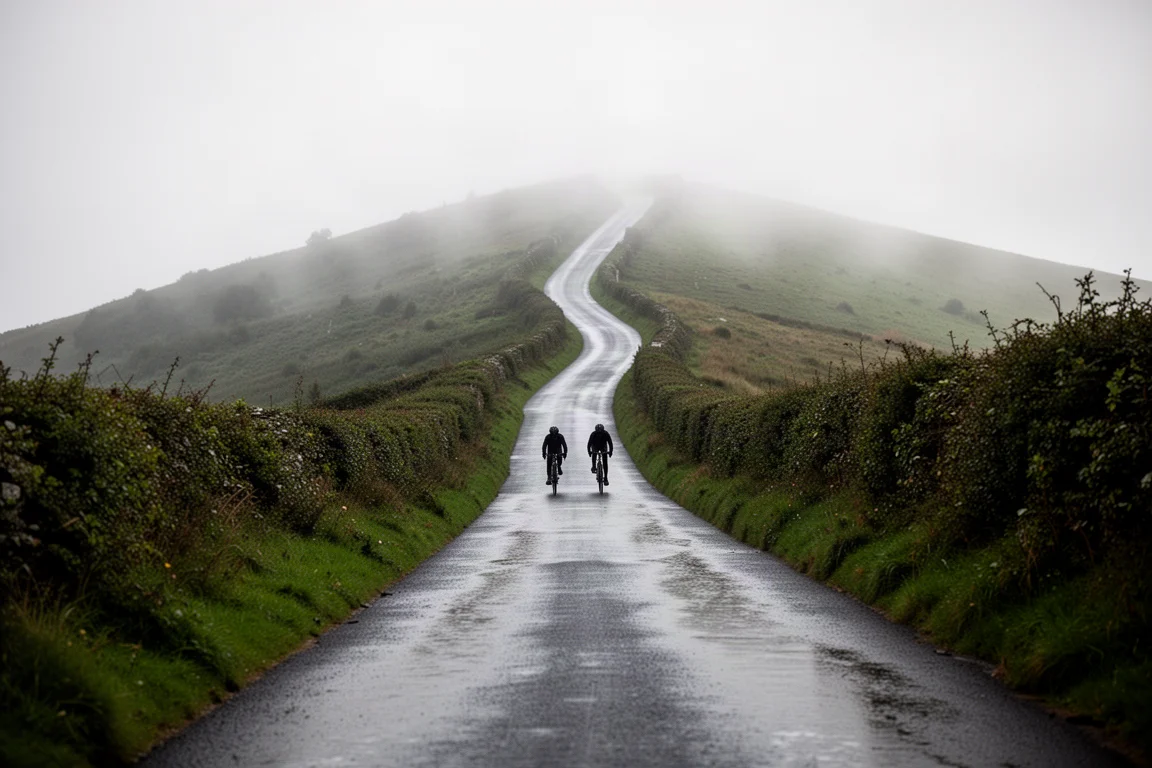
The comparison also highlights a difference in kind rather than degree. A lightweight road bike converts rider effort into speed with very little loss. A conversion kit adds a second source of power, and on a steep climb that second source does most of the work.
Why a Steep Gradient Rewrites the Rules
Electric assistance on a road-legal kit cuts out at 25 km/h. On the flat, that ceiling matters: a fit rider on a light bike can sit above it and keep the motor idle. On an 18 percent climb, speeds fall far below the cut-off, so the motor is contributing almost continuously for the whole ascent.
That is the whole story of the test. The assisted rider only had to keep the pedals turning. The rider on the lightweight bike had to produce every watt, on a gradient where the effort required rises sharply with every extra metre.
Above the cut-off the picture reverses. A conversion kit adds weight to the host bike, and once the motor stops helping, that weight is simply extra mass to drag along. On fast, flat roads the light road bike is the more efficient machine.
Swytch Go+ Conversion Kit: Assist Without a New Bike
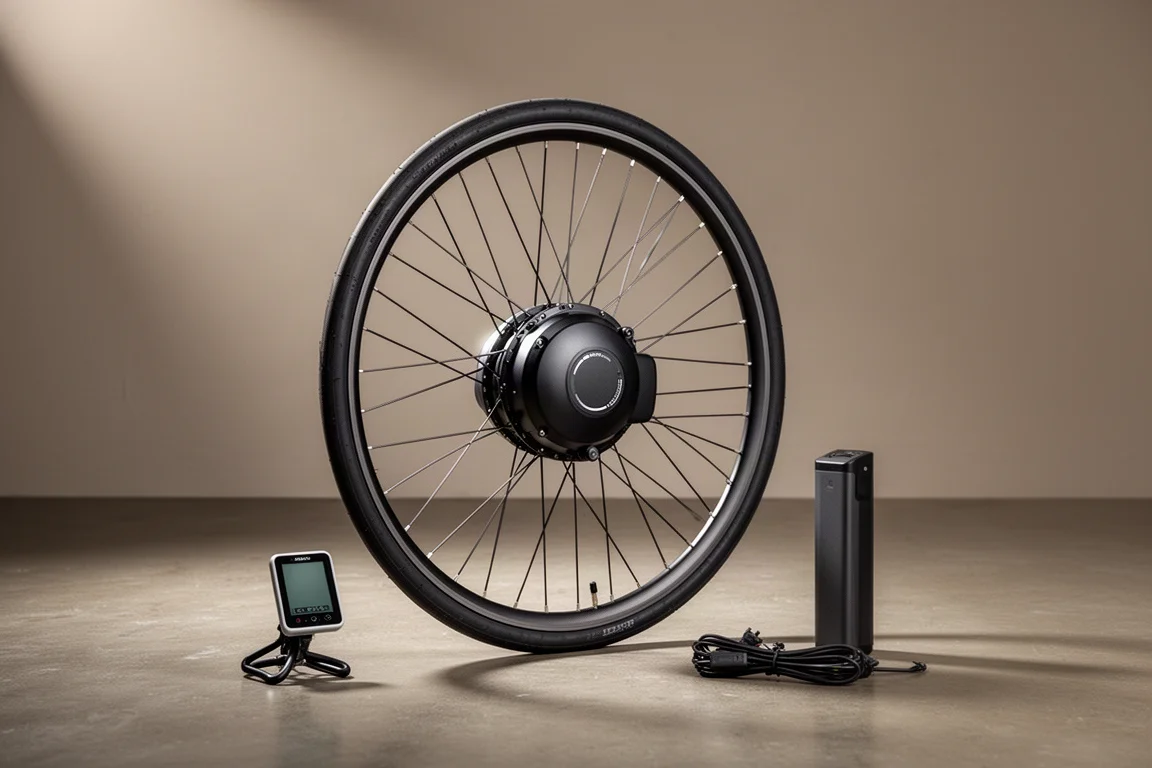
The Go+ kit provides up to 40 miles of assistance from a low-drag motor housed in the front wheel. A small OLED display on the handlebars shows current speed and battery level, and it is also where you change power modes. Even in the lower settings there is enough output to keep the bike moving on a serious gradient.
The kit does add weight to the donor bike, but it still comes out lighter than a typical complete electric bike. That matters if you need to carry the bike upstairs, lift it onto a rack, or store it in a hallway.
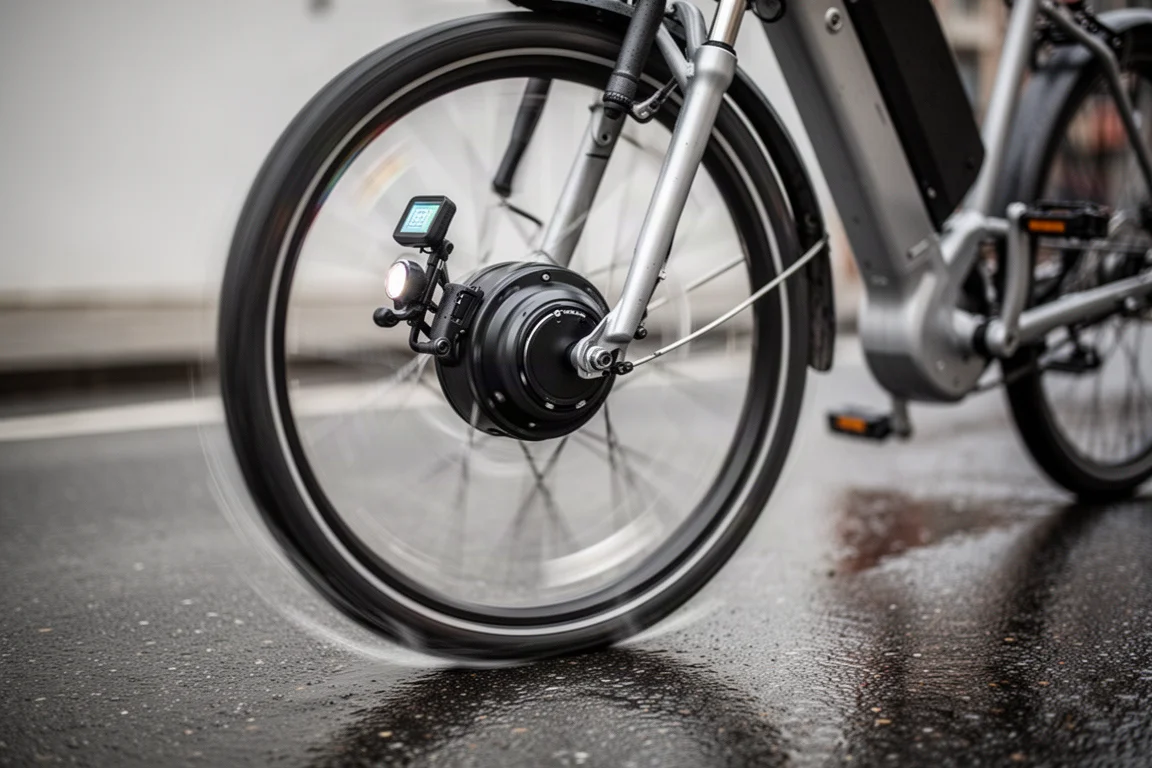
For a commuter facing a genuinely steep climb, the appeal is straightforward. The assistance turns the hardest part of the route into a manageable effort, and the rest of the ride still behaves like an ordinary bike. It also means the bike you already own can stay in service rather than being replaced.
Specialized S-Works Aethos: The Lightweight Benchmark
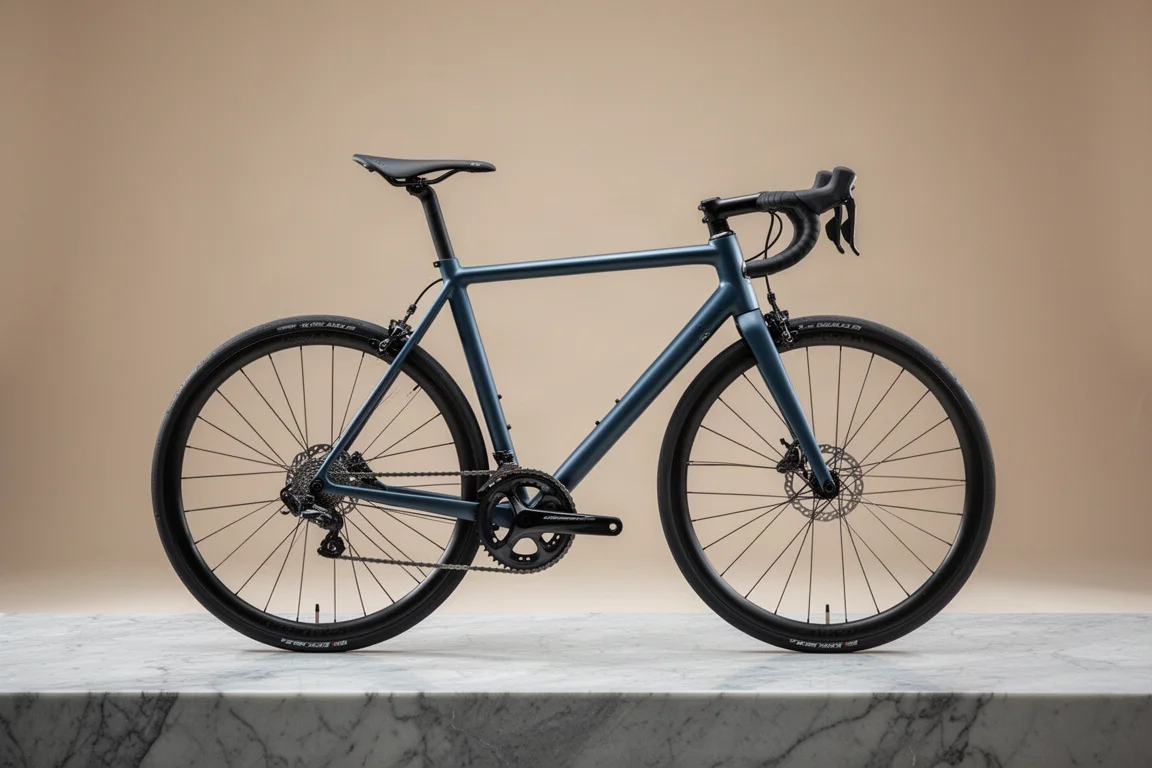
The Aethos is the opposite approach. It is a lightweight road bike with a price tag of around $10,000, built for riders who want their own power to translate directly into speed. On rolling terrain and fast flats, that is exactly what it delivers.
Steep gradients are a different matter. Once the road tips beyond roughly 10 or 11 percent, a rider on a bike like this has to shift down and hold a steady cadence, because the effort required rises quickly and any lapse in rhythm is felt immediately. There is no assistance to fall back on, which is precisely the point of a bike in this class.
Climbing Feel: Cadence, Gearing, and Effort
The two experiences could not feel more different. On the assisted bike, the rider settles into a comfortable rhythm and the motor covers the difference. Speed stays relatively constant even as the gradient steepens, and the effort level barely changes.
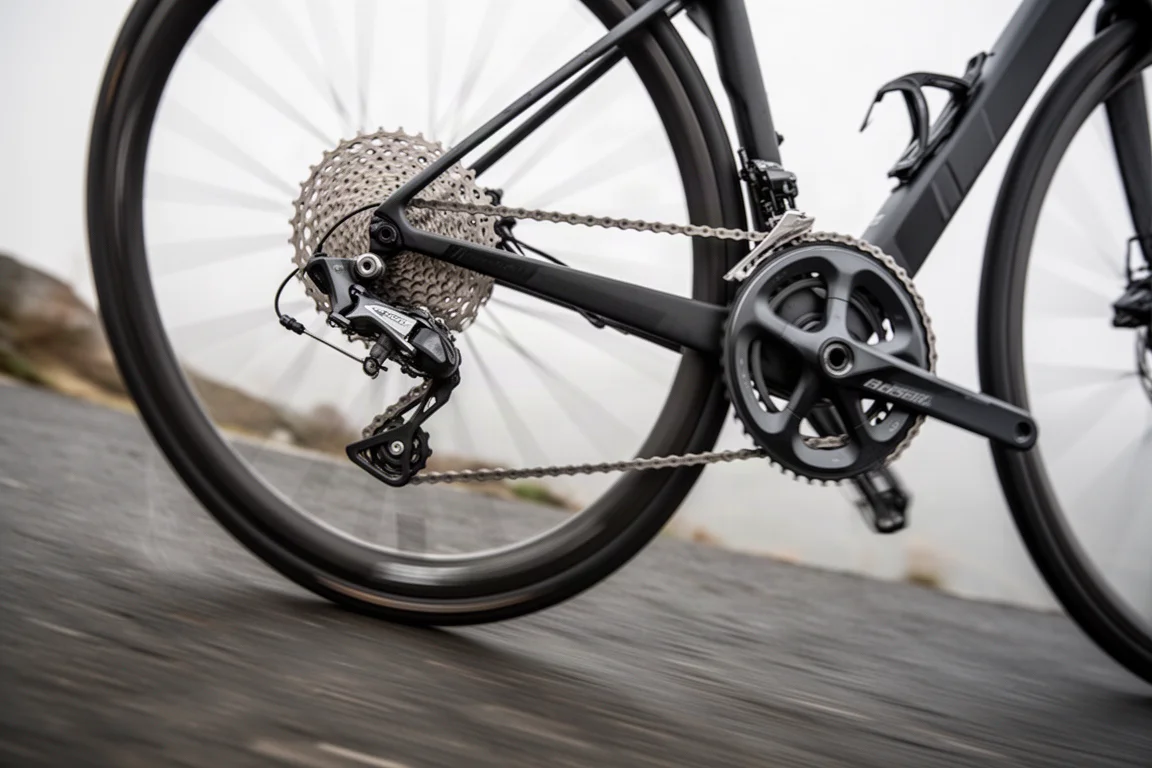
On the lightweight bike, the climb is a negotiation with gearing. You choose the lowest gear you can sustain, keep the chain moving smoothly, and accept that the pace will drop as the road steepens. Done well, it is satisfying. Done badly, on an 18 percent gradient, it is miserable.
This is the trade-off at the heart of the comparison. Assistance buys comfort and consistency on steep ground. A light bike buys efficiency and directness, but it asks for everything the rider has.
Where Each Option Fits in Real Riding
A conversion kit makes the most sense when the terrain around you is the limiting factor. If your commute includes a climb that leaves you arriving at work in a state you would rather avoid, or if you would simply ride more often with some help on the hills, the kit addresses that directly.
A lightweight road bike makes sense when performance is the goal. Racing, fast group rides, long days where you want every watt to count, and terrain that rewards momentum rather than raw climbing power all favour a light machine. It also keeps the riding experience purely human-powered, which some riders value above everything else.
One practical note: motor assistance is not permitted in hill climb competitions. A kit like this is a commuting and everyday riding tool, not a race entry.
Buying Advice
Start with your hills rather than the spec sheet. If the steepest climb on your regular route is a short rise of around 8 percent, the case for assistance is weaker and a lighter, simpler bike may be all you need. If your route includes gradients in the teens, assistance changes the experience far more than any component upgrade will.
Then consider what you already own. A conversion kit works with a bike you have, which keeps the total cost and the disruption low. A new lightweight road bike is a bigger commitment, and it delivers its benefits mainly to riders who are already chasing speed.
Finally, be honest about what you want from the ride. Assistance is not cheating, it is a different way of getting up the same hill, and for a lot of riders it is the difference between dreading a climb and barely noticing it. If you want the climb itself to be the challenge, a light road bike is the more rewarding choice.
Conclusion
The steep climb made the outcome obvious: with a motor helping, a modest bike fitted with a conversion kit can go past a much more expensive lightweight road bike on a serious gradient. That does not make one better than the other. It makes them suited to different riders and different roads.
If your priority is getting up the hills on your route with less effort while keeping the bike you already own, the Go+ kit is the practical answer. If your priority is speed, efficiency and the satisfaction of climbing under your own power, a bike like the Aethos is built for exactly that.
Further reading
Related Reviews

Backpacking Gear
Building a 10 lb Base Weight: An Ultralight Backpacking Gear List
A practical walkthrough of the ultralight pieces behind a 10 lb base weight, from a 765 g pack and a roomy one-person tent to a full camp chair and a dependable water filter.
Road Bikes
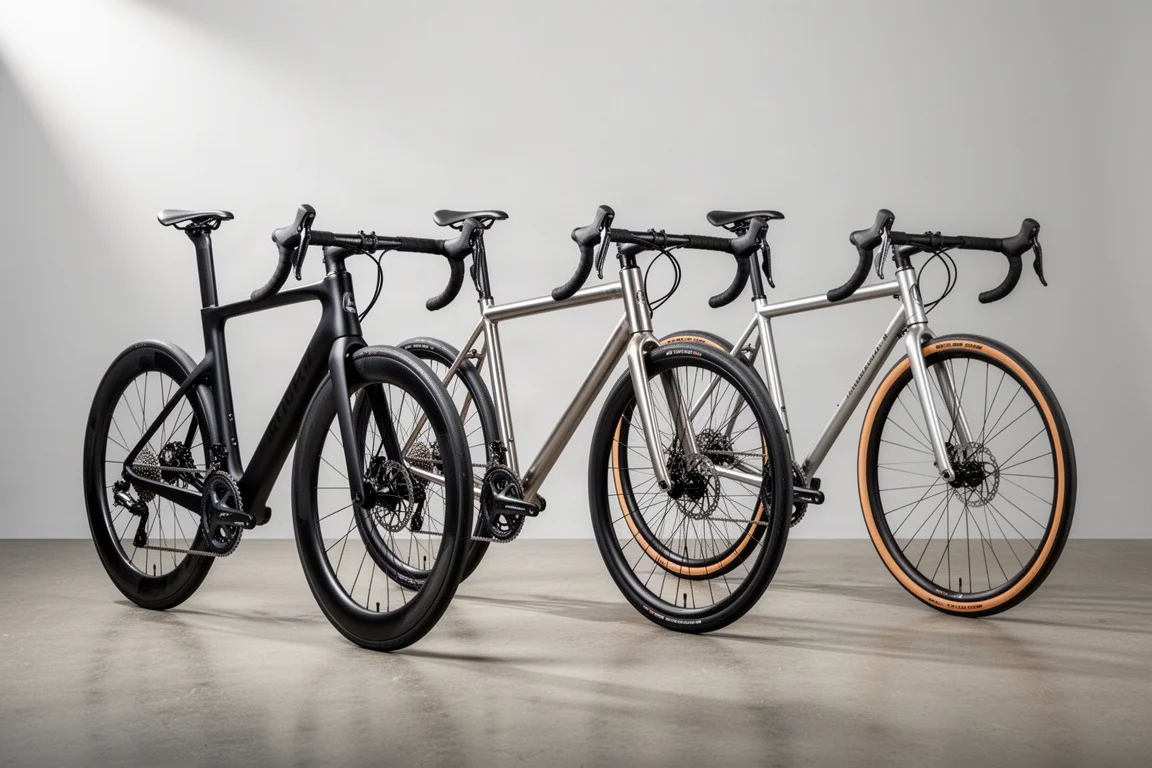
10 New Road Bikes Worth Watching: Aero, Titanium, Steel and Endurance Standouts
A practical roundup of 10 new road bikes, from aero flagships chasing single-watt gains to titanium, steel and endurance platforms built for real roads.
Bikepacking Gear
11 Bikepacking Essentials for Long-Distance Cycling
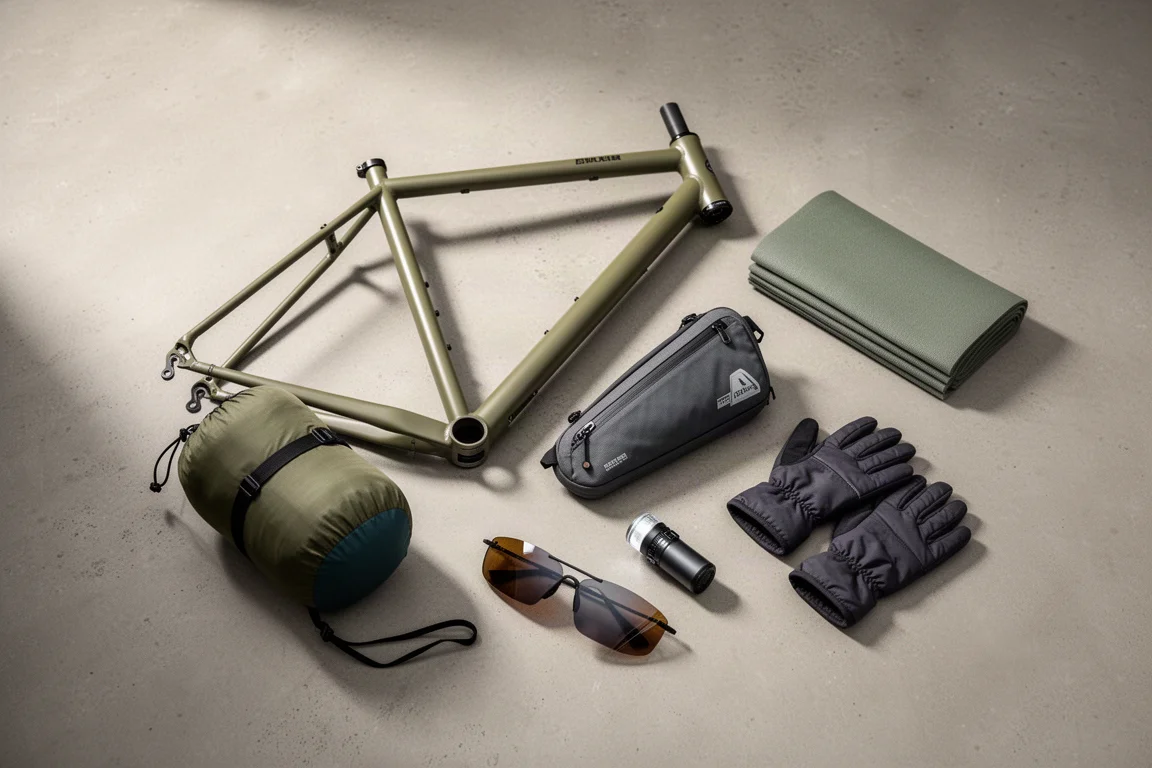
Eleven bikepacking essentials for long-distance cycling, from a steel gravel frame and a two-person tent to helmet lights, packable gloves, and a frame bag that puts weight in the right place.