Bookshelf Speakers
Dynaudio Special Forty Review: Deep Bass, Sharp Imaging, and One Bright Spot
A compact $3,000 standmount with standout bass, dynamics and imaging, plus an upper midrange glare worth understanding before you buy.
Introduction
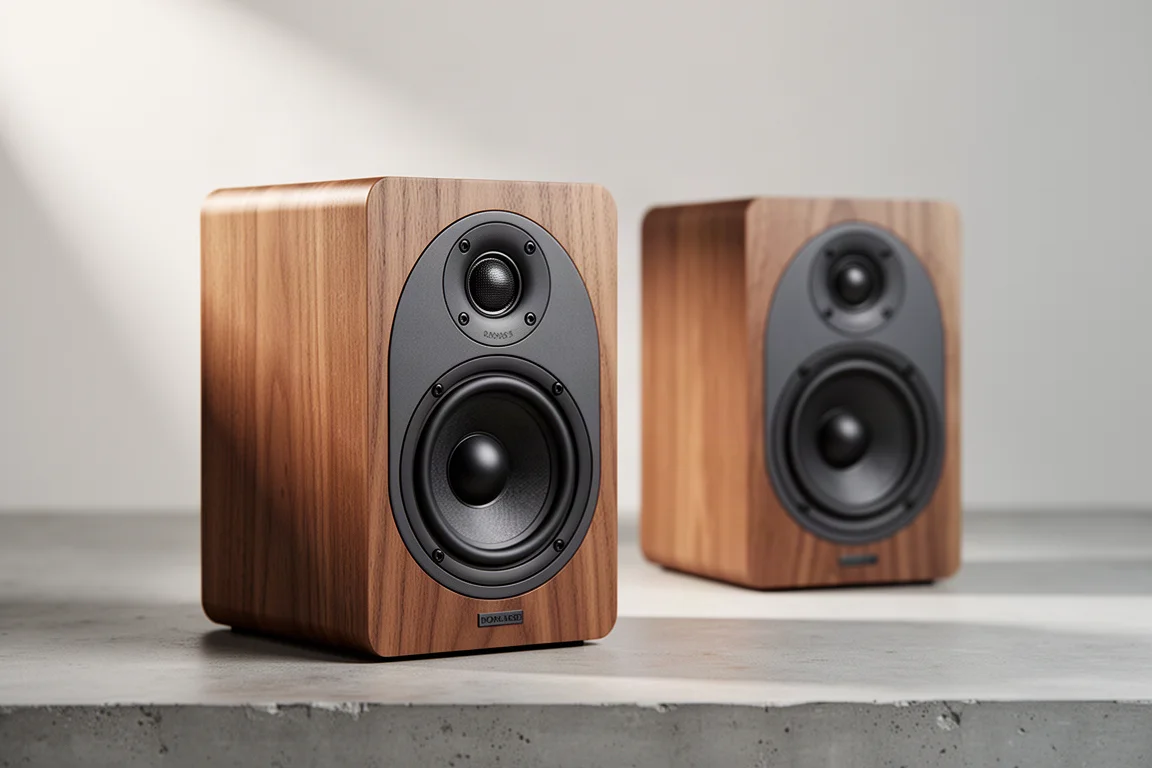
The Dynaudio Special Forty is a compact two-way standmount speaker priced around $3,000. It is the kind of design that earns its reputation through smoothness rather than showmanship, and the listening experience largely supports that: bass that reaches far deeper than the cabinet suggests, serious dynamic headroom, and stereo imaging that stays unusually sharp. There is also one clear flaw, a glare in the upper midrange that is easy to pick out within seconds. Measured behaviour explains both the strengths and the flaw, and knowing which is which makes the buying decision far simpler.
Who This Speaker Is For
This speaker suits listeners who prioritise bass weight, dynamic ease and image precision over textbook neutrality. It also suits anyone who already owns a capable amplifier. The impedance and phase curves dip below roughly three ohms between 100 and 200 Hz, which pulls current, so a four ohm stable amplifier with genuine current delivery is the sensible partner. A basic integrated amplifier or a home theatre receiver that is not rated for four ohm loads is not the right match here.
It also rewards a room where the cabinet can sit clear of the wall behind it. There is a rear port, and pushing the speaker close to a boundary will thicken the low end in ways the design does not intend.
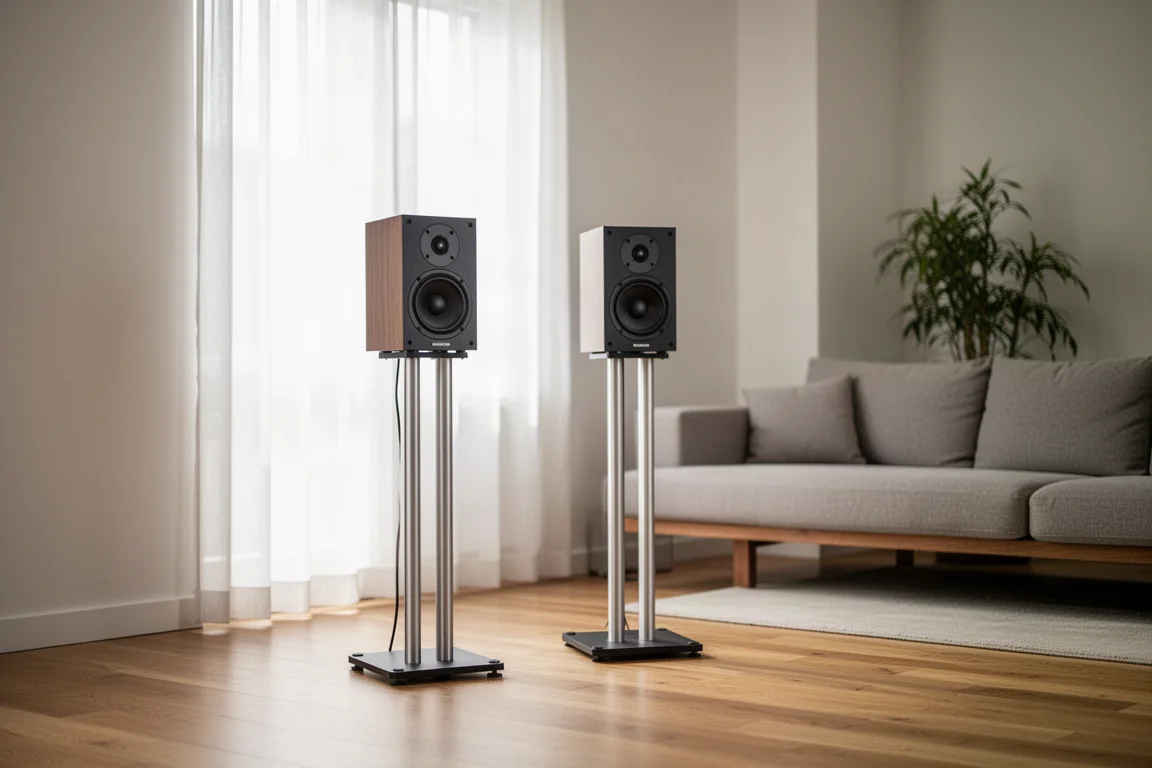
Listeners who want a compact speaker that stays composed when the volume climbs will find plenty to like as well. The dynamic capability is covered in more detail below, and it is one of the strongest arguments for this design.
Main Strengths: Bass, Dynamics, and Imaging
Bass output is the first surprise. With an F3 of 54 Hz and an F10 of 39 Hz, this speaker produces useful output down to 50 Hz and even 40 Hz in most rooms, which is enough to give kick drums real weight and body. A subwoofer is still required if you want the deepest octaves, but the speaker does not sound thin without one.
Dynamic capability is the second. Pushed to roughly 100 to 101 dB average at 3.5 metres on music, the Special Forty showed no audible distortion and the woofer never gave up. Compression behaviour at 102 dB is reasonably well maintained, with no dramatic drop-offs at the highest output level, which points to mechanically sound dynamic range even if other limits may appear first.
Imaging and radiation are the third. Horizontal radiation measures roughly plus or minus 70 degrees, a wide pattern, yet the image is very sharply defined. Instruments remain precisely placed instead of blurring together, which is not what a wide radiating design typically manages in a lively room. Vertically, plus or minus 10 degrees is safe, and up to 20 degrees remains usable.
The Upper Midrange Glare
The most noticeable issue sits in the 3 to 4 kHz region. At times it reads as sibilance, but most of the time it presents as a hard glare that draws attention to itself and refuses to blend into the rest of the presentation. It is the one characteristic that consistently interrupts an otherwise relaxed listen.
There is also extra weight in the 700 to 800 Hz area, which adds snap and bite to snares and other percussion. That quality is genuinely enjoyable and gives the speaker a sense of drive, though on some material it edges slightly past the point of comfort.
What the Measurements Reveal
Near-field scanning measurements take the room out of the equation and show what the speaker itself is doing. Average sensitivity is 83.5 dB, which is on the low side and reinforces the need for a competent amplifier. Response linearity stays within roughly plus or minus 3 dB across the listening window, measuring from about minus 3 dB to plus 2.3 dB, which is respectable rather than exceptional.
The impedance and phase curves combine to drop below about three ohms between 100 and 200 Hz. That region pulls current, so a four ohm stable amplifier is not a suggestion but a requirement for getting the most from this speaker.
Enclosure resonances appear as a series of them between 500 Hz and 1 kHz, visible in the on-axis response, the listening window, the early reflections and the sound power. A dip also shows up in the frontal hemisphere that is not present behind the speaker. At this price, an enclosure should not be contributing this much of its own sound, although the resonances are subdued enough that they are not the dominant character of the speaker.
A separate issue appears around 1.2 kHz: a cone edge to surround termination problem, where the cone and the surround move slightly out of phase at that frequency. The result is a dip in the response and elevated second order distortion. Because it is a dip rather than a peak, it is not audibly annoying, but it does contribute to a laid back overall character.
Distortion performance is solid. At 86 dB at one metre, levels stay below one percent, or minus 40 dB, despite some spikes. At 96 dB at one metre they remain low, and three percent THD is not reached until about 50 Hz. Multi-tone distortion looks good apart from the 1 to 1.5 kHz region, which ties back to the surround junction behaviour.
Things to Consider Before Buying
The voicing is laid back rather than neutral. There is a recess in roughly the 1 to 2 kHz region, which gives the speaker a relaxed, easygoing presentation that many listeners will enjoy and others will find slightly distant. It is a character choice, not a defect, but it is worth knowing before you commit.
The 3 to 4 kHz glare is the detail that will decide the purchase for some people. It cannot be removed by placement or by choosing different electronics. If your system includes any form of equalisation, a modest notch in that region transforms the speaker. If it does not, the glare is part of the deal.
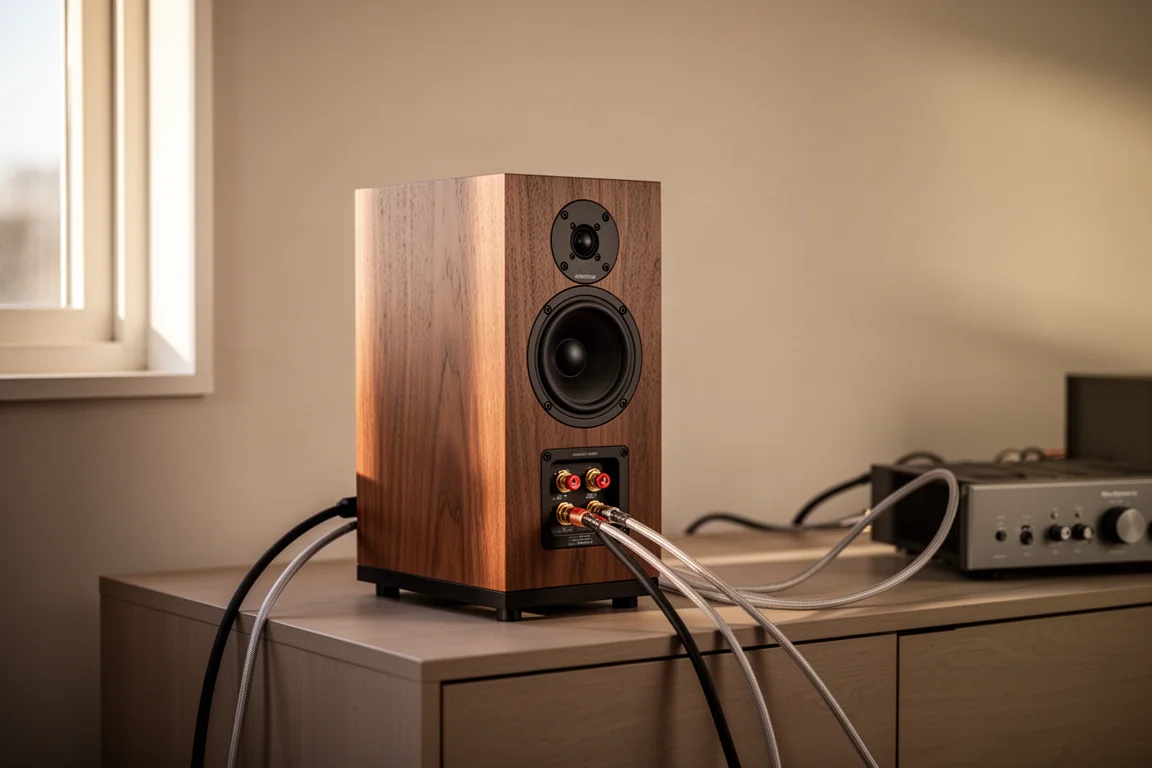
Placement and amplification need planning. The rear port means the cabinet wants space behind it, so a shelf jammed against a wall is a poor home. The low impedance in the 100 to 200 Hz region means an amplifier rated for four ohm loads is effectively mandatory.
Amplifier and Placement Notes
Budget for an amplifier that is comfortable with a four ohm load and can deliver current when the impedance dips. Average sensitivity of 83.5 dB means the speaker also asks for meaningful power rather than a low-output design.
Give the rear port room to breathe, and avoid pushing the cabinet tight against the wall behind it. Aim the speaker on axis for the most predictable response. Vertically, staying within about 10 degrees of the tweeter line keeps the sound consistent, and the wide horizontal radiation means you do not need to sit in a narrow sweet spot to get a stable image.
Buying Advice
Weigh the strengths against the single flaw. On bass depth, dynamic ease and image precision, this is a genuinely capable compact speaker, and it plays far louder than its size suggests without audible distress. The trade-off is that upper midrange glare, which is prominent enough to matter on bright recordings and sibilant material.
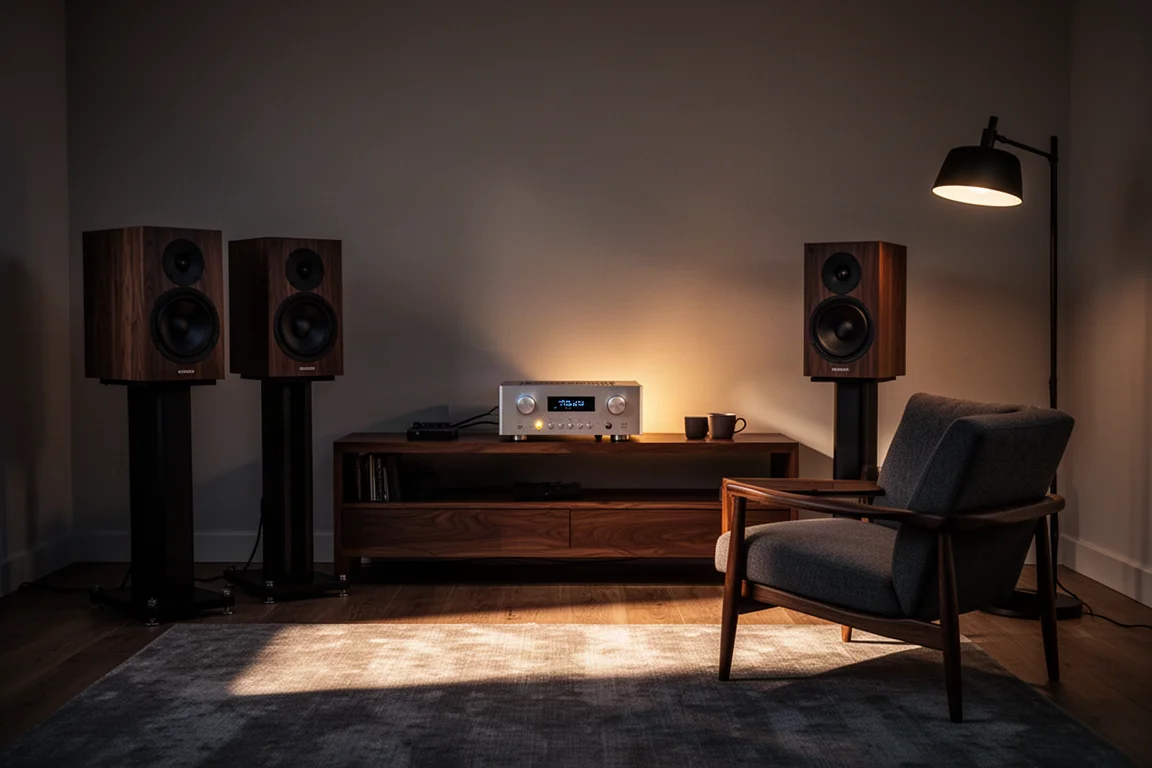
If your system can apply a small corrective notch in the 3 to 4 kHz region, the balance shifts firmly in the speaker’s favour and the remaining reservations become minor. If you prefer a neutral, uncoloured presentation and have no way to adjust the response, listen carefully first or look at alternatives. For listeners who value weight, drive and a sharply defined soundstage, the strengths here are difficult to overlook.
Conclusion
The Dynaudio Special Forty is a compact standmount that delivers deep bass, high output capability and unusually focused imaging, wrapped in a laid back voicing. Its measured behaviour also shows enclosure resonances, a low impedance dip that demands a capable amplifier, and a surround junction issue that softens rather than sharpens the response. The one thing you will actually hear is the 3 to 4 kHz glare. Accept it, or correct it, and the rest of the package is easy to recommend.
Product link
View more details for Dynaudio Special Forty
This product is mentioned in the review. Check the specifications, options, and compatibility before buying.
View more details for Dynaudio Special FortyFurther reading
Related Reviews
Bookshelf Speakers
Acoustic Energy A100 Mark II Review: A Compact Standmount With an Expansive Soundstage
The Acoustic Energy A100 Mark II brings clarity, natural tonality and a wide soundstage to an entry-level standmount, with a few setup details worth knowing first.
Bookshelf Speakers
Acoustic Energy AE-100 Mark II Review: Compact Bookshelf Speakers With Standout Imaging
A compact British two-way bookshelf speaker with deep, layered imaging, fast bass, and a slight treble lift to weigh against a crowded $500 field.
Bookshelf Speakers
Acoustic Energy AE100 MK2 Review: Measured Performance and Four Alternatives
A close look at the Acoustic Energy AE100 MK2 bookshelf speaker, what its measured performance reveals, and four alternatives with different trade-offs.