Hi-Fi Speakers
Dynaudio Contour 20i Review: A Neutral Standmount That Rewards Careful Setup
A detailed look at the Dynaudio Contour 20i, a two-way standmount speaker with wide radiation, a shallow bass roll-off, and a setup-sensitive treble balance.
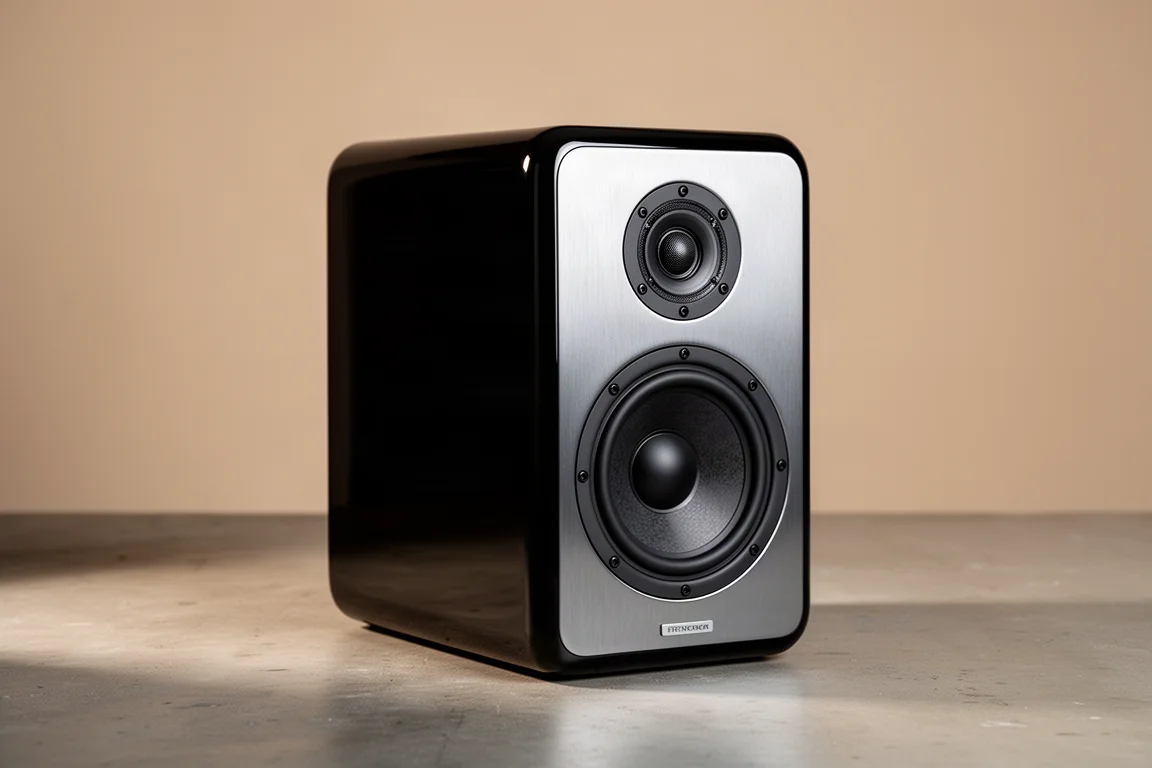
Introduction
The Dynaudio Contour 20i is a two-way standmount loudspeaker built around a vented enclosure, a 1.125-inch Esotar 2i silk dome tweeter, and a 7-inch magnesium silicate polymer mid-bass driver. Dynaudio rates the speaker for 40 to 180 watts, specifies 86 dB sensitivity and 4-ohm impedance, and lists a weight of about 31 pounds per cabinet. It is available in a small number of finishes, including the high-gloss black pair shown here. Retail pricing sits at around $5,750 USD per pair.
On paper it looks like a conventional premium standmount. In practice it is a speaker that behaves differently depending on the room it is placed in, and that is the single most useful thing to understand before buying. This review covers measured behaviour, listening impressions across two rooms, and the setup choices that make the difference between a neutral, enveloping presentation and a bright one.
Who the Contour 20i Is For
This is a speaker for listeners who want a wide, enveloping presentation and who are willing to spend time on placement rather than simply dropping a pair on a shelf. The shallow bass roll-off is the key trait here. Because the low end falls away gradually rather than sitting flat and then dropping abruptly, the Contour 20i can be positioned roughly one to two feet from the wall behind it without picking up a large amount of extra boom. That is a genuine advantage in rooms where deep placement is unavoidable.
The same roll-off shape also makes subwoofer integration relatively straightforward. A gradual low-frequency decline blends more naturally with a subwoofer than a steep electronic crossover does, so listeners who run a sub with their main speakers should find this design cooperative.
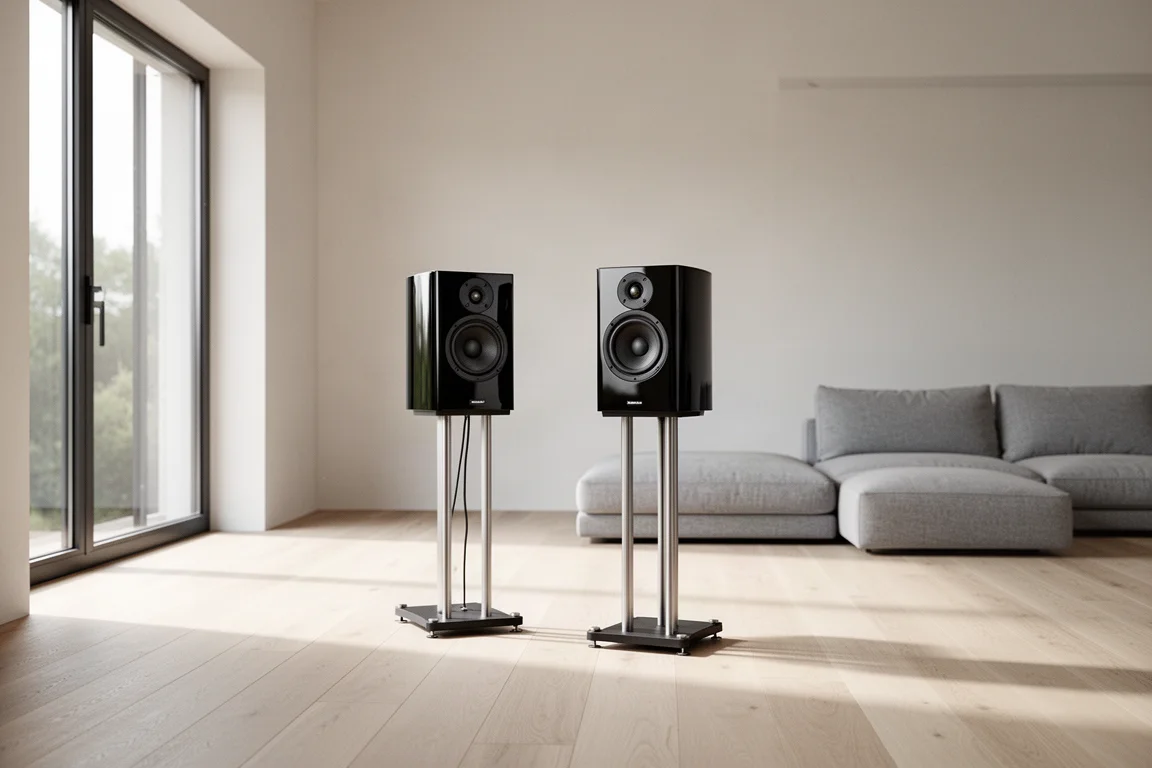
The wide horizontal radiation is the other half of the appeal. Through the mid-range the speaker radiates roughly 70 degrees either side of axis, which produces a broad, room-filling sound rather than a narrow sweet spot. Buyers who value that sense of envelopment over laser-focused imaging will get more from this design than those chasing a pinpoint centre image.
Main Strengths
Measured on axis, the Contour 20i holds within roughly plus or minus 3 dB overall, and through the mid-range it tightens to about 1.5 dB. That is a strong result for a passive two-way. Mean output measured 82.5 dB with an F3 of 56 Hz and an F10 of 32 Hz, and in-room extension reaches roughly 50 Hz. Compression behaviour is solid as well: long-term compression stays controlled from about 75 dB up to 96 dB, and short-term compression at 96 dB remains within about half a decibel.
Tonally, the speaker is at its most neutral in a large room or a room with generous space around the cabinets. Vertical response is usable across roughly minus 20 to plus 30 degrees, which is broad enough for seated listening but not so broad that listeners can move freely around the room and expect identical tonality.
Build and finish also earn their keep. The metal fabrication on the front baffle has a clean, well-judged contour, the gloss finish is executed carefully, and the binding posts on the rear are neatly made. At roughly 31 pounds per cabinet, the speaker is easy enough to move while feeling substantial on a stand.
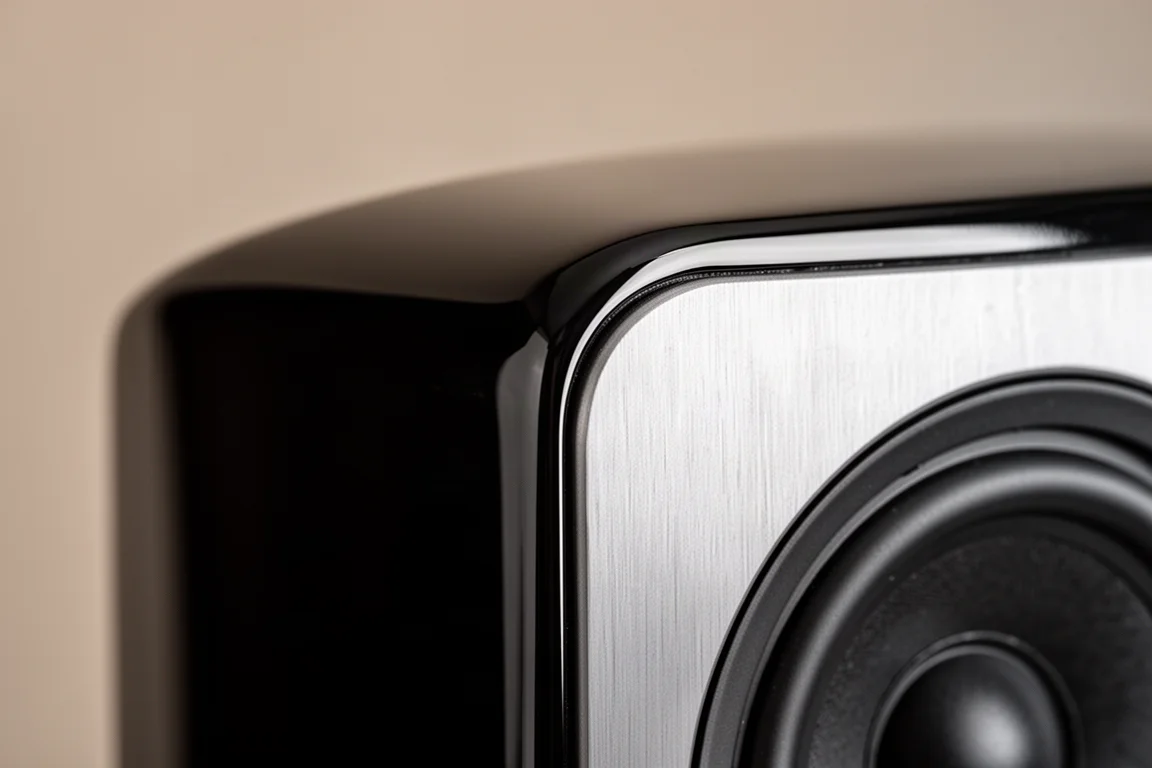
One further practical strength: the cabinet rewards experimentation. Trying the speaker on axis, toed out, close to the wall, and well clear of it is worth the effort, because the differences are audible rather than marginal.
Things to Consider Before Buying
The Contour 20i is more room-sensitive than many speakers at this price. In a smaller room with side walls within about three feet of the cabinets, the lower treble can become noticeably pronounced, to the point where sibilants sound harsh. In a larger space with more room around the speakers, that same region sounds far more neutral. Sidewall absorption is the most effective fix, and it is worth trying before deciding the speaker is not for you.
A directivity mismatch between the mid-range and the tweeter shows up in the horizontal radiation data, and it lines up closely with what is heard in room. There is also a dip in the upper mid-range around 2 kHz, which can reduce the sense of attack and clarity in vocals and brass instruments. A lower treble lift of roughly 2 dB above the speaker’s mean sound power contributes to the brightness in reflective setups. A small equalisation cut of about 1 to 2 dB through that region can smooth things out if the treble feels like too much.
Sensitivity measured at about 82.5 dB is relatively low, so the speaker benefits from an amplifier with real headroom. Impedance also dips to a minimum magnitude of about 4.1 ohms around 300 Hz, with a minimum EPDR of roughly 2.2 above 80 Hz. That makes amplifier matching worth attention, particularly with high output impedance designs such as tube or single-ended triode amplifiers. Simulations of that pairing show a dip of as much as 2 dB through the mid-range around 200 to 300 Hz, which means this speaker will not sound warm on a tube amplifier. It will tend toward the opposite.
Multi-tone and harmonic distortion measurements show a rise around 700 Hz, a pattern commonly associated with the cone edge and surround moving slightly out of step with one another. Crossing the speaker over at 80 Hz reduces it somewhat in the mid-range, though not dramatically.
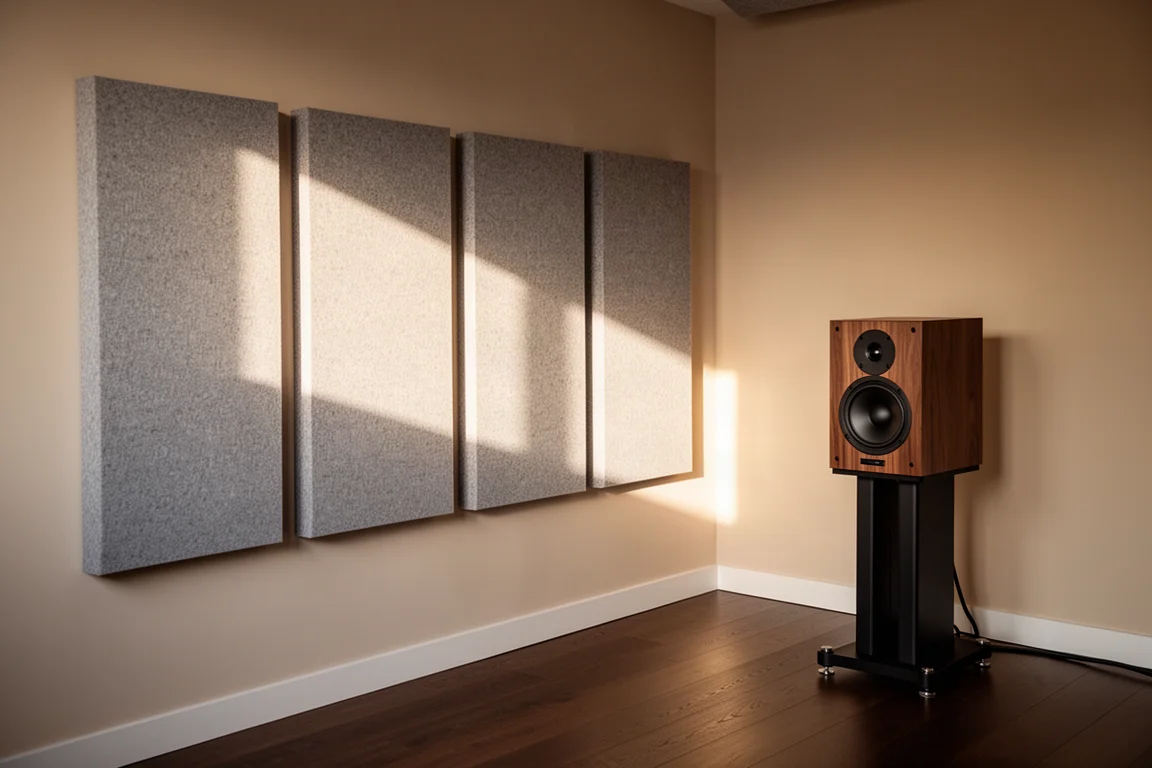
Listening position matters too. Directly on axis or toed out by about 10 degrees gave the best results, and staying within a modest vertical window avoids a noticeable shift in tonality.
Buying Advice
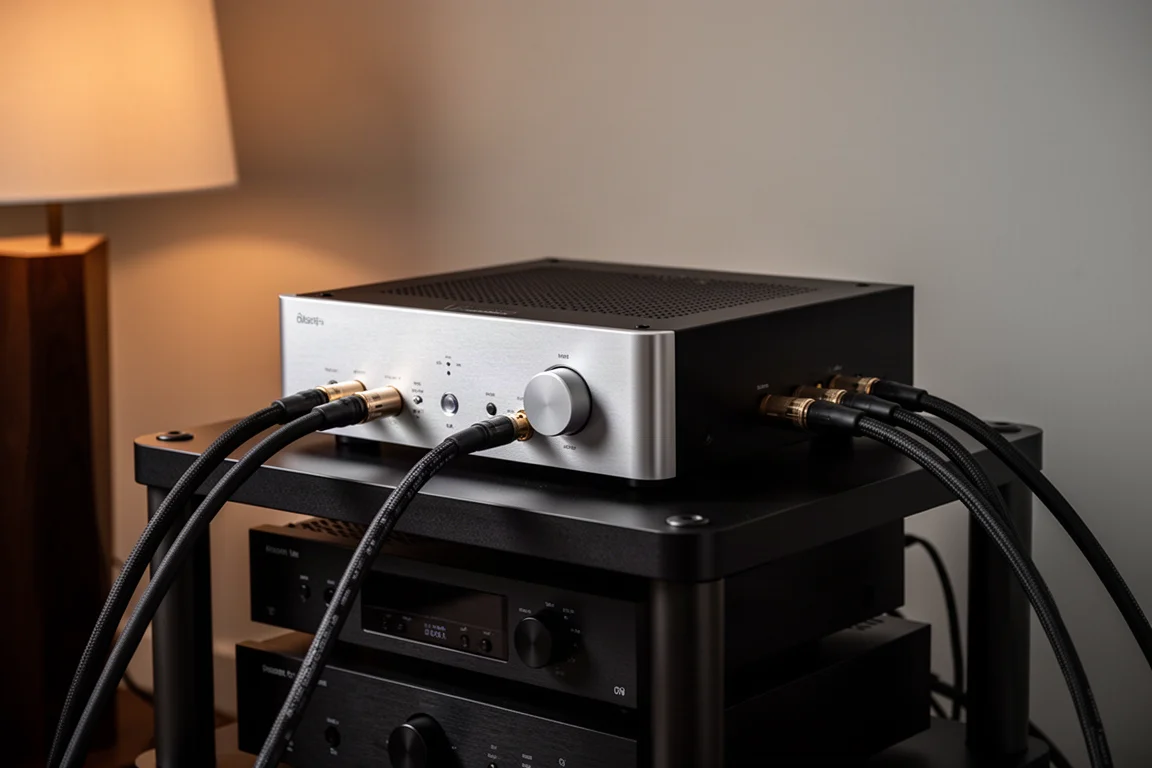
The Contour 20i is a strong choice for a listener with a larger room, or a smaller room where side wall treatment is practical. Budget for stands, a competent amplifier, and some acoustic absorption on the first reflection points, because those three things determine how close the speaker gets to its measured neutrality. Start with the cabinets one to two feet from the wall behind them, listen directly on axis, then try about 10 degrees of toe-out and compare.
If the lower treble still feels forward, a modest 1 to 2 dB cut in that region through a preamp or DSP is a reasonable adjustment rather than a compromise. Amplifier choice deserves care: aim for something comfortable driving a 4-ohm load with low output impedance, and avoid expecting a warm tonal tilt from a high output impedance design.
At around $5,750 USD per pair, this is a considered purchase rather than an impulse one, and it rewards buyers who treat setup as part of the product rather than an afterthought. Those who want a plug-and-play speaker that sounds the same in every room should look elsewhere. Those who enjoy tuning a system and want a wide, enveloping, largely neutral presentation in the right space will find a lot to like here.
Conclusion
The Dynaudio Contour 20i is a well-built, nicely finished two-way standmount with genuinely wide radiation, a shallow bass roll-off that makes wall placement and subwoofer integration easier, and measured on-axis behaviour that stays within tight tolerances through the mid-range. Its trade-offs are equally clear: a lower treble lift that can turn harsh near reflective side walls, a small upper mid-range dip that costs some vocal and brass attack, low sensitivity, and a load that punishes high output impedance amplifiers rather than flattering them. Handled with sidewall absorption, sensible placement, and a suitable amplifier, it delivers a neutral and enveloping sound. Handled carelessly, it will tell you so.
Product link
View more details for Dynaudio Contour 20i
This product is mentioned in the review. Check the specifications, options, and compatibility before buying.
View more details for Dynaudio Contour 20iFurther reading
Related Reviews
Hi-Fi Speakers
1723 THX Tower vs 1528 Bookshelf: Which Speaker Fits Your Room?
Two speakers at roughly the same price, built very differently. How the 1723 THX tower and the 1528 bookshelf compare on construction, bass, power needs, and sound.
Hi-Fi Speakers
Acoustic Energy AE 300 Review: Deep Bass From a Compact Standmount
A two-way standmount with real wood veneer, surprising low-end weight, and a warm, easygoing character. Here is what to know before buying.
Hi-Fi Speakers
Acoustic Energy AE1 40th Anniversary Review: A Modern Take on a British Classic
A compact standmount that revives a 1980s favorite with all-new parts, a warm mid-centric balance, and a price of £1,499 per pair.