Touring Skis
Dynastar M-Tour 99 Review: A Light Touring Ski Built on an Alpine Shape
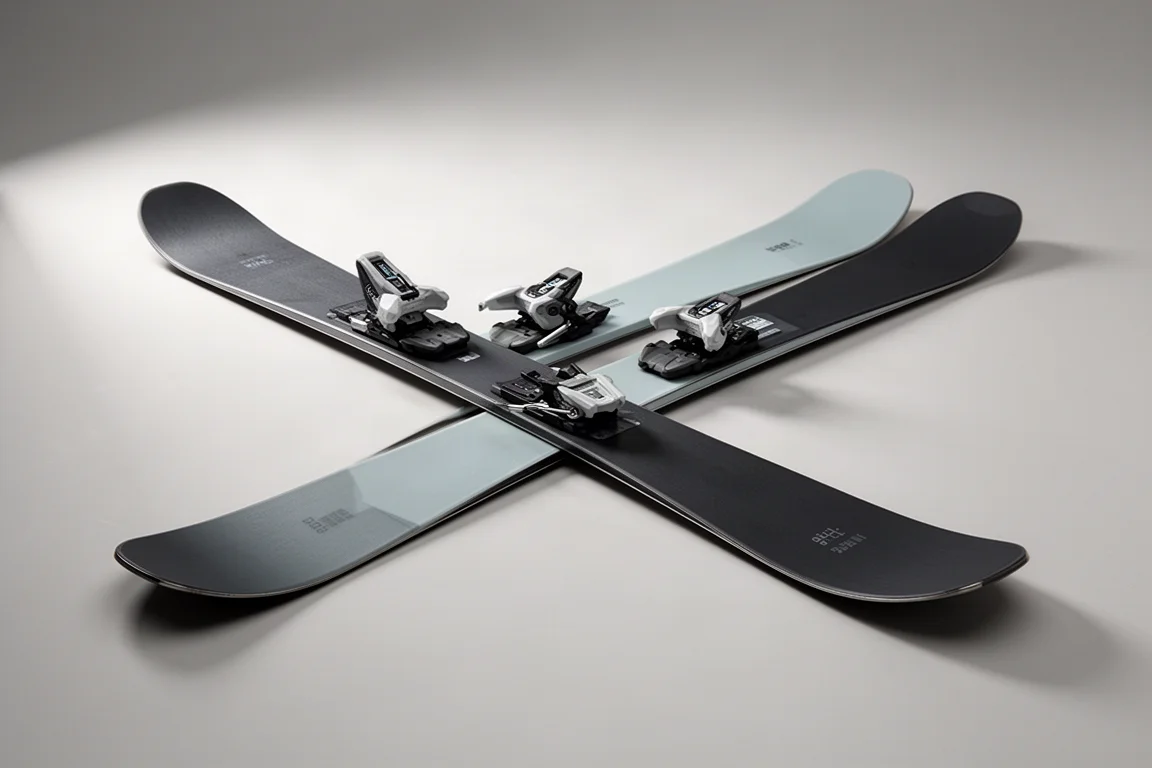
A focused touring ski that borrows the M-Pro 99 shape and a paulownia, polyurethane and basalt build, weighing 1267 grams in the 170 length.
Introduction
Dynastar built the M-Tour 99 by taking an existing alpine shape, the M-Pro 99, and stripping weight out of it for touring. That approach is common enough, but the M-Tour 99 pushes it further than the hybrid conversions that shed only a hundred grams or so. The result lands clearly in the touring category, with a construction and a flex that make sense on the way up as much as on the way down.
Who This Ski Is For
This is a ski for riders whose priority is efficient climbing and backcountry access rather than one setup that covers resort days and touring days. Because the weight reduction is substantial, it works best with lightweight tech bindings and lightweight touring boots. Pairing it with a heavier hybrid binding, or with an alpine boot that has tech fittings, takes away much of what makes the ski feel the way it does.

If your days involve long approaches followed by soft snow descents, the M-Tour 99 is aimed squarely at that. If you want a single ski to handle lift-served laps and the occasional tour, this is not the shape to build that quiver around.
Main Strengths
The headline number is weight. In the 170 length the ski comes in at 1267 grams, comfortably below the 1500 gram mark that is often used as a rough threshold for a ski that will tour well. Longer lengths add a little weight, as you would expect, but the design keeps the load low.
Hybrid Core and Lightweight Construction
Dynastar uses a hybrid core here with paulownia as the central cord. Most of the brand’s other skis rely on poplar, and paulownia is the lighter of the two while still being stiff and energetic. Skis built around a full paulownia core tend to surprise people with how much flex they hold, and that character carries over to the M-Tour 99.
Around that core, polyurethane extends into the sidewalls and into the core itself, the same hybrid core approach used across the rest of the line. The result is a ski that stays smooth and stable while keeping weight down, with an easy going feel and good energy. Basalt fibers are added for stiffness, and basalt is light enough that it contributes to performance without undoing the weight savings.
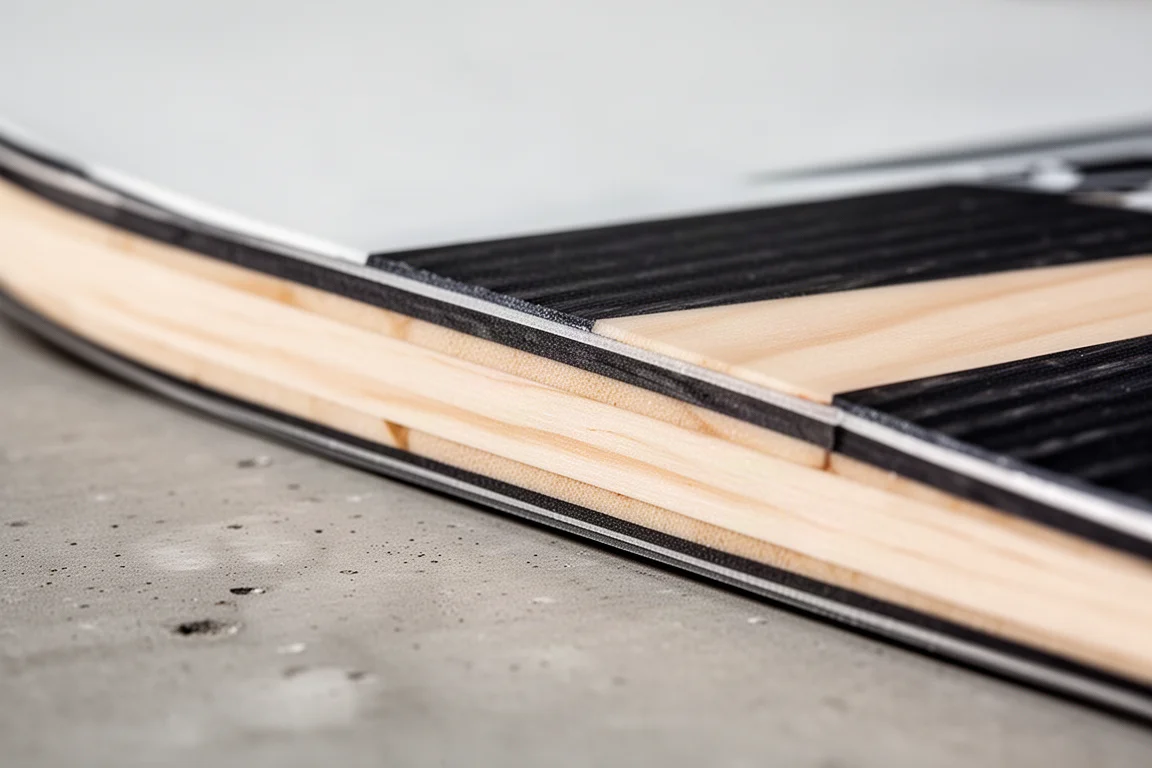
Taken together, the core and the laminates keep the weight low while the ski still reads as smooth, stable and energetic, which is the balance that matters most in a touring ski.
Downhill Performance and Shape
Because the M-Tour 99 shares the M-Pro 99’s shaping and profiling, it gives up less on the descent than its weight might suggest. In the M-Pro, the metal frame technology runs full underfoot, tapers toward the tip and sits closer to full width in the back. The raised section on the M-Tour is not metal, but it follows the same theory: a floaty, maneuverable shovel that turns easily, and a tail that holds on tight to the very end.
There is camber underfoot, along with generous splay and an early taper up front. The shovel is well rounded, which keeps the ski smooth through soft snow, and that is the whole point of the design. The tail is a different story, with very little splay and minimal rocker. That is deliberate: a flatter tail keeps skins in contact with the snow for longer and makes climbing more efficient, and it also makes the ski a little easier to move from one turn to the next in soft snow. Underfoot the core profile is fairly thick for how light the ski is, and the shovel flexes a touch softer than the middle.
Things to Consider Before Buying
The main trade-off is focus. The M-Tour 99 is one dimensional within the touring category, which is a strength if that matches your skiing and a limitation if it does not. It is not a hybrid, and it does not try to be.
Weight also depends on length. The 1267 gram figure applies to the 170, so taller or heavier skiers choosing a longer size should expect a corresponding increase.
Binding and Boot Compatibility
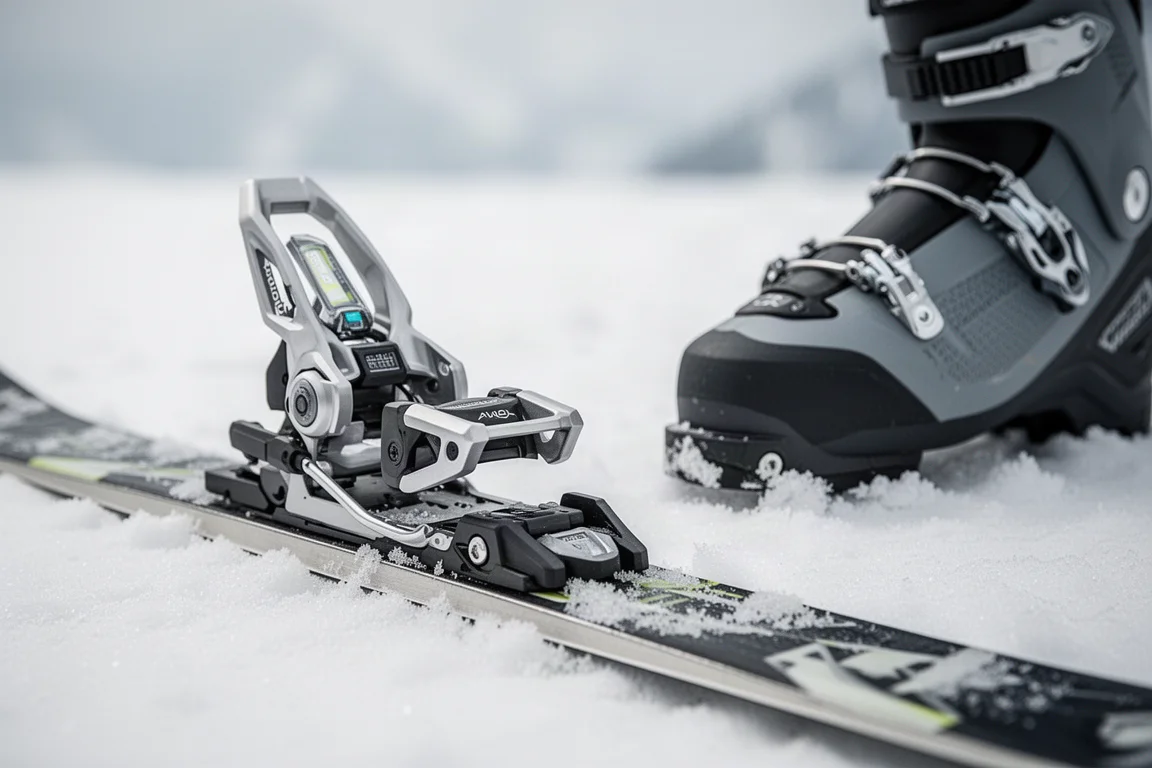
This is the decision that shapes the whole setup. A lightweight tech binding and a lightweight touring boot let the ski behave the way it was designed to. Heavier hybrid bindings and alpine boots with tech fittings dull the feel and remove much of the advantage of a ski this light.
Buying Advice
Match the ski to the way you actually travel uphill. If most of your tours are long and your descents happen in soft snow, the M-Tour 99 fits naturally. Choose a length that suits your height and weight, and expect the weight to rise as the ski gets longer.
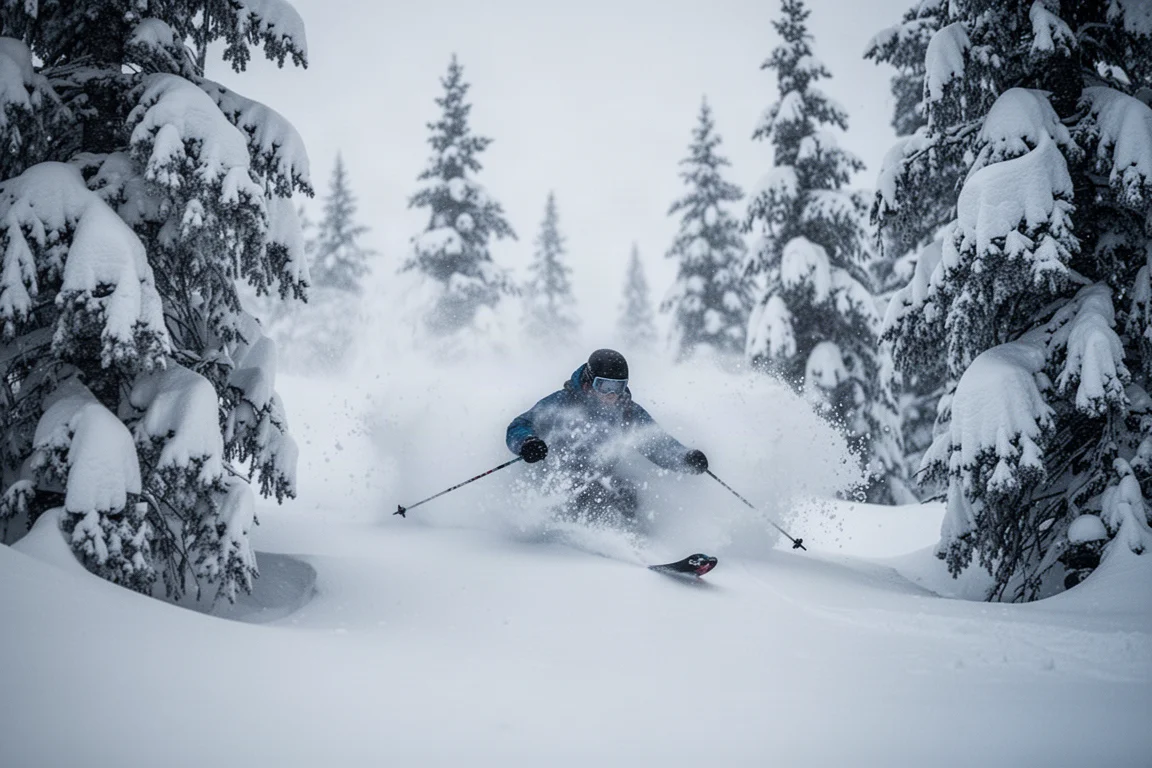
Build the rest of the setup around the same idea. Lightweight tech bindings and touring boots keep the package coherent, and that is where the ski’s uphill efficiency and soft snow manners come together. If you already own hybrid gear and plan to keep using it, it is worth asking whether a dedicated touring ski is the right purchase, because this one rewards a dedicated setup.
Conclusion
The Dynastar M-Tour 99 takes a proven alpine shape and lightens it enough to sit firmly in touring territory. Paulownia, polyurethane and basalt hold the weight to 1267 grams in the 170 while preserving the M-Pro 99’s floaty front and gripping tail. It is a focused tool for riders who climb in order to ski soft snow, and it performs at its best with lightweight tech bindings and boots.
Product link
View more details for Dynastar M-Tour 99
This product is mentioned in the review. Check the specifications, options, and compatibility before buying.
View more details for Dynastar M-Tour 99Further reading
Related Reviews
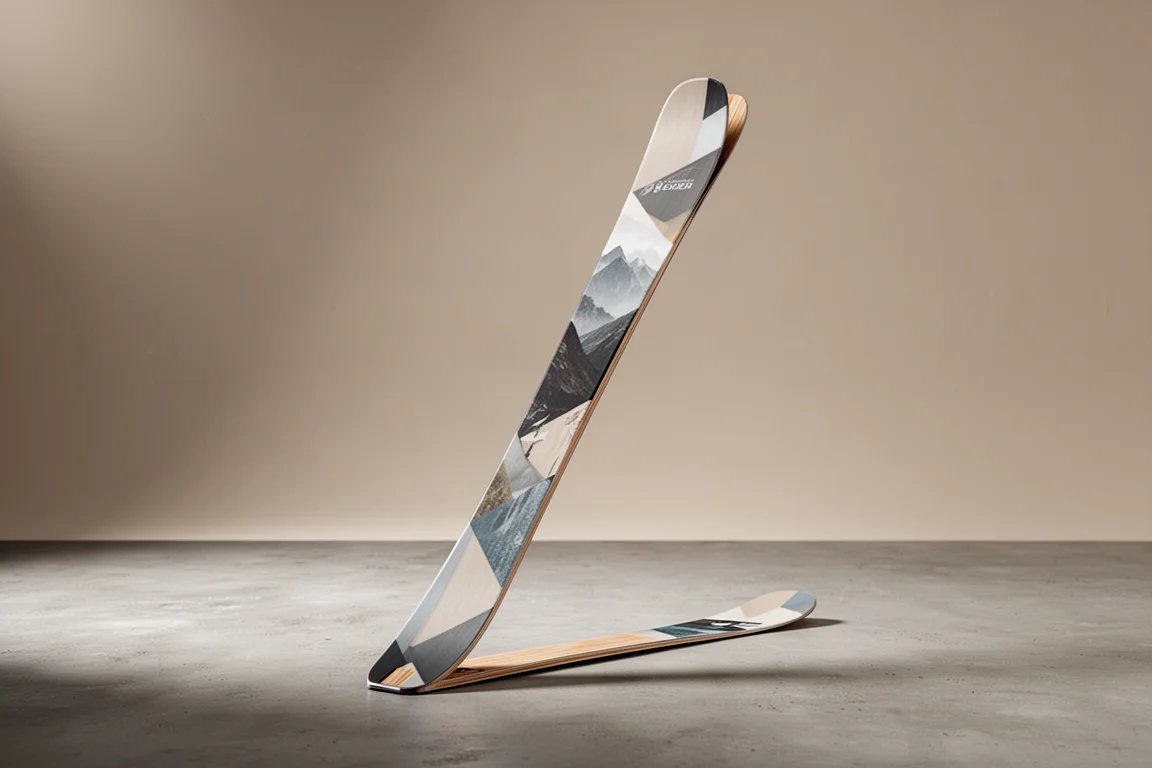
Touring Skis
Atomic Backland 100 Review: A Light Touring Ski That Still Holds an Edge
The Atomic Backland 100 is the lightest of Atomic's three 100mm-underfoot skis. Here is how its carbon build, tapered tail, and setup options shape the buying decision.
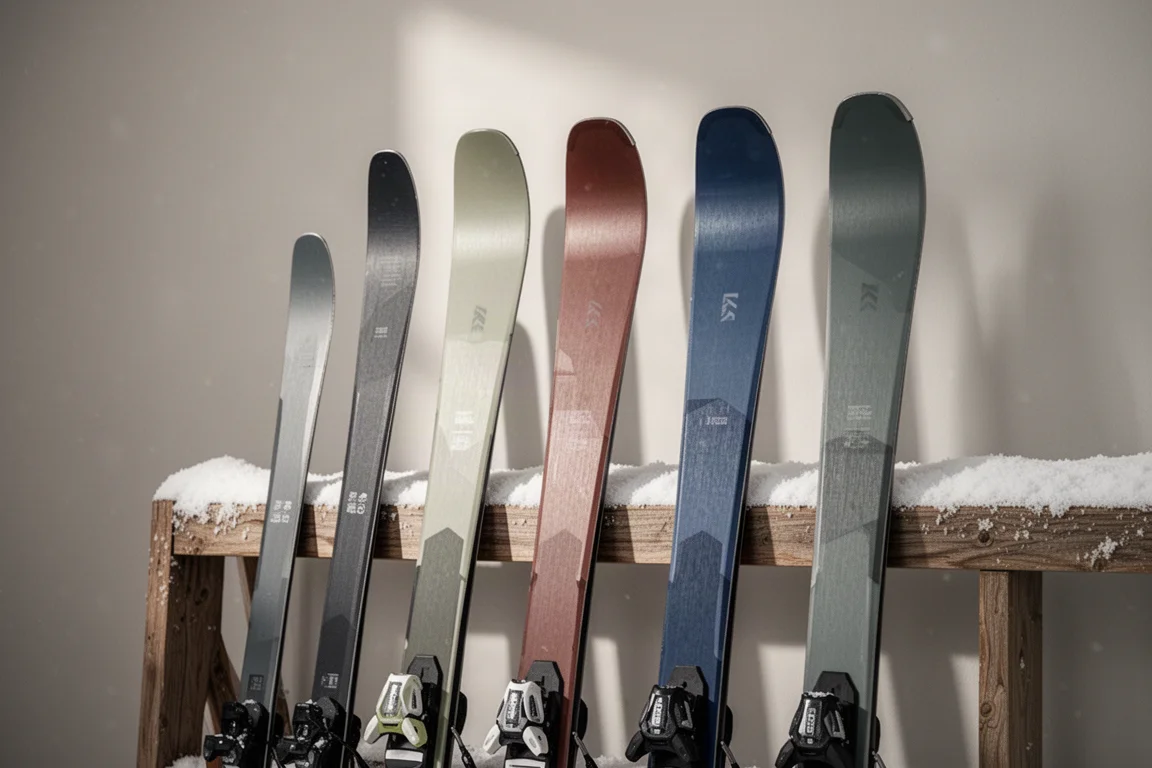
Touring Skis
Best Touring Skis 2025: Six Standout Picks from Lightest to Heaviest
A practical roundup of six touring skis, from featherweight uphill tools to confident freeride performers, with real weights, prices, and on-snow characteristics.
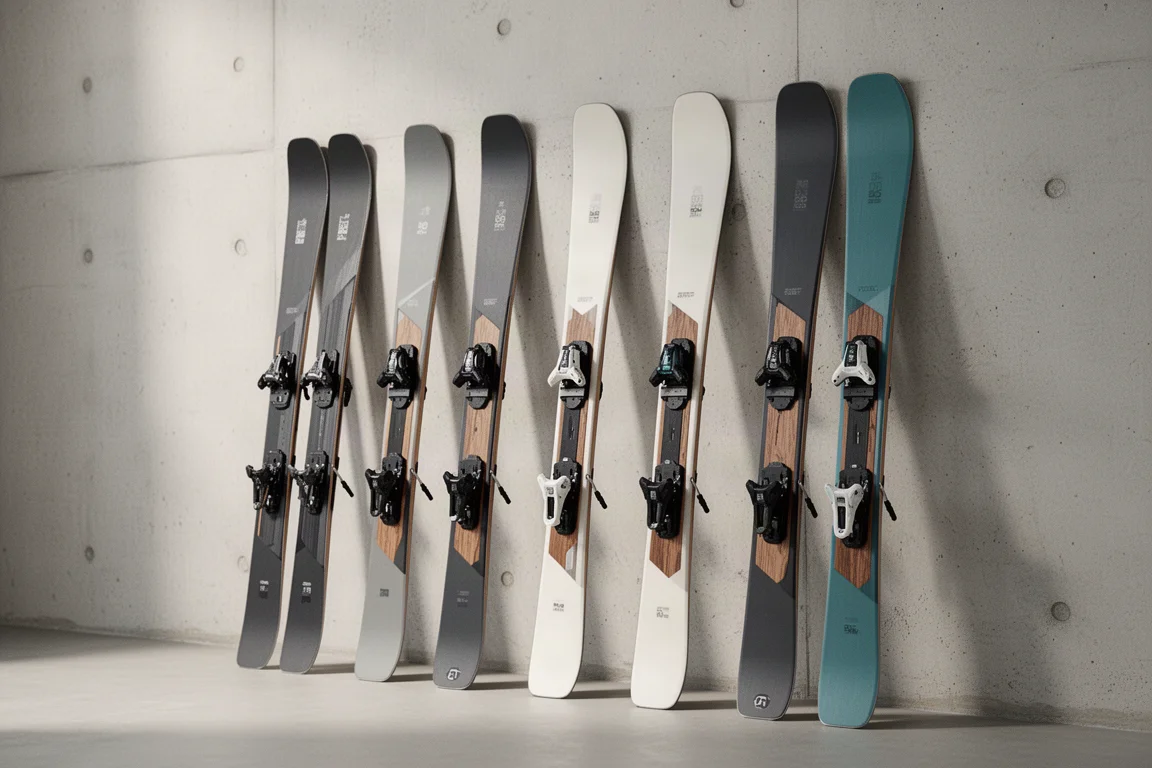
Touring Skis
Best Touring Skis 2026: Seven Lightweight Options Compared
Seven lightweight touring skis compared, from uphill-focused builds to descent-oriented shapes, with practical guidance on weight, flex, turn radius, and binding choice.