Hi-Fi Amplifiers
Dynaco Stereo 70 Review: The 1959 Tube Amplifier That Still Sounds Alive
The Dynaco Stereo 70 has been in demand since 1959. Here is how the 35 watt push-pull EL34 design behaves, what to check before buying used, and where it stands next to a modern solid-state reference.
Introduction
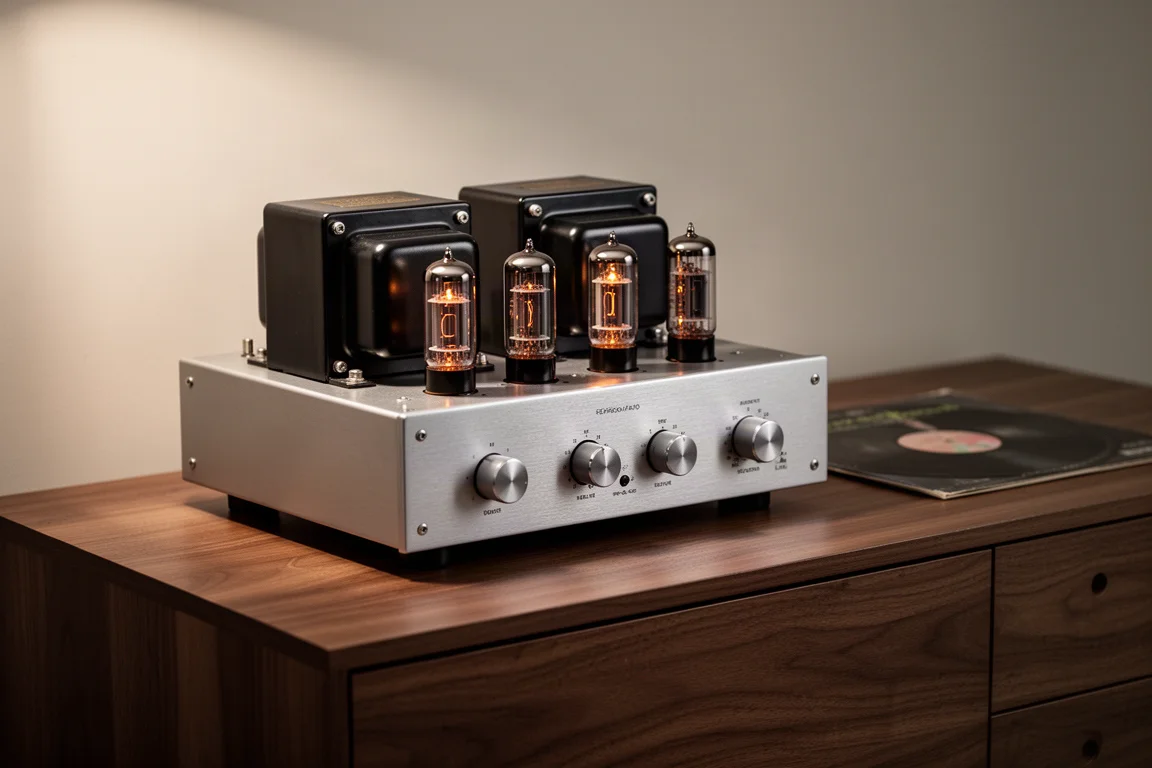
The Dynaco Stereo 70 arrived in 1959 and stayed in production into the early to mid 1970s, which makes it one of the longest-lived amplifiers in hi-fi history. It is a 35 watt per channel push-pull EL34 design from David Hafler’s Dynaco, a company that earned its reputation the hard way. Hafler later moved into solid state, introducing a preamp and a power amplifier in 1977 that were again offered both as kits and as factory-built units.
A large share of Stereo 70s were sold as kits under the Dynakit name, and that is one reason so many are still around in such varied condition. A mid-1960s example carrying Dynakit lettering may well have been factory assembled, as this one was for its original owner roughly six decades ago. It has since been restored, and it stays deliberately close to stock. The original input tube arrangement is intact rather than converted to a substitute, and the rear panel keeps the factory connection scheme instead of modern binding posts.
That restraint is worth understanding, because the Stereo 70 is not a neutral amplifier. It has a voice, and the voice is why people keep hunting for them.
Who the Dynaco Stereo 70 Is For
35 watts per channel goes further than the number suggests when the speakers are reasonably efficient. The Stereo 70 suits listeners who own speakers that thrive on a modest, well-behaved tube output stage, and who value musical momentum over the last word in transparency.
It also suits anyone who wants a vintage component that behaves like a modern one. This amplifier does not sound soft, mellow or mushy. The bass is not soggy and the treble is not rolled off. It sounds vibrantly alive, which is a different thing from sounding clinical.
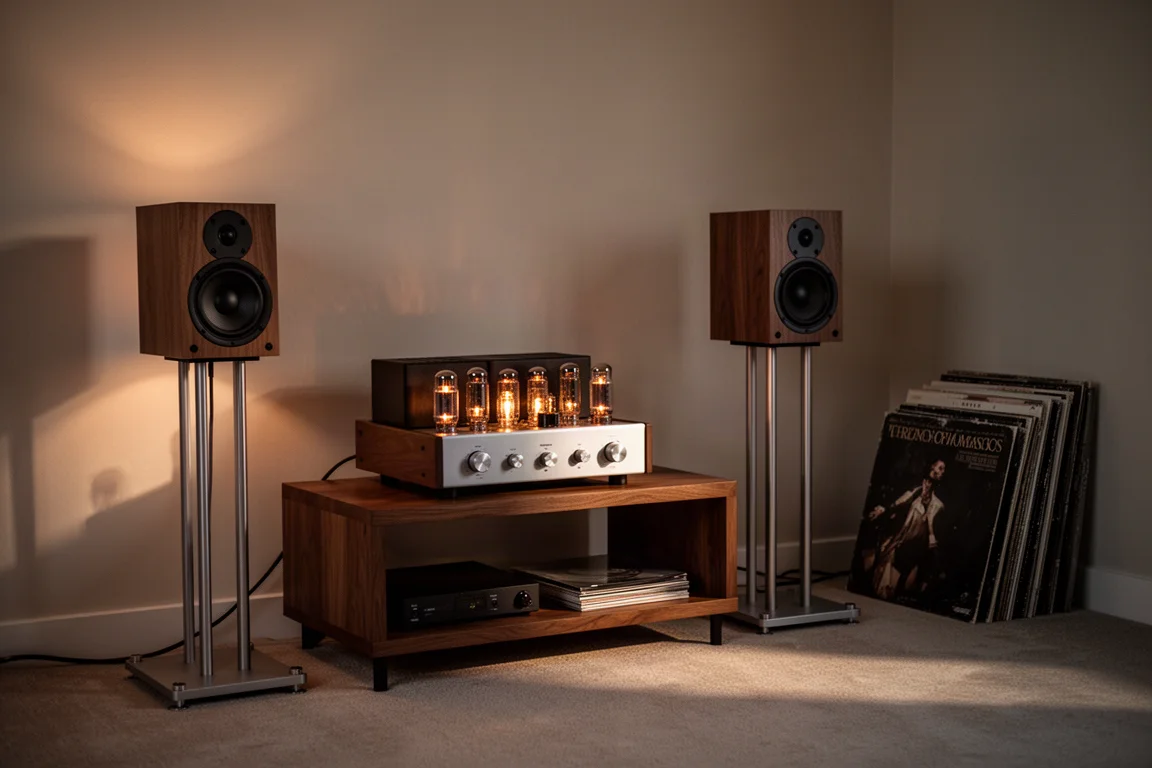
The amplifier is not aimed at listeners chasing maximum detail retrieval or the highest possible playback level. Those priorities point toward a different kind of amplifier, and it is worth being honest about that before spending money on any vintage tube design.
Main Strengths
Three qualities stand out after extended listening: drive, tone and the size of the picture it paints.
Rhythm, Pace, and Engagement
Rhythm is where this amplifier surprises people who expect vintage gear to sound polite. Dense, percussion-led material holds together with real propulsion. Latin rhythms and congas, in particular, come through with a momentum that makes sitting still difficult.
That sense of pace is not a subtle quality. It is the difference between hearing a recording and being pulled into it.
The amplifier keeps that grip across a range of material rather than only on simple acoustic tracks, which is what separates a genuinely musical design from one that merely flatters.
Tone, Texture, and Soundstage
Tone is the second strength. On live jazz, the fullness and woodiness of a double bass come through clearly, and it is easy to follow the movement of fingers along the neck. Piano tone lands in the right place, neither glassy nor over-warm.
Soundstaging is generous. Listened to in a nearfield setup, roughly four feet from small stand-mounted speakers, the presentation opened wider than the physical position of the speakers suggested. The amplifier also handled a dense, sample-heavy hip-hop record with the same composure, which says something about how it treats layered material.
Things to Consider Before Buying
The practical details matter as much as the sound.
Input tubes are the first consideration. The Stereo 70 was designed around an RCA input tube that has been out of production for a long time, and many owners modify their amplifiers to accept a substitute. An unmodified example is more faithful to the original design, but it also means living with a tube type that is not easy to replace. Decide which trade-off you prefer before you buy.
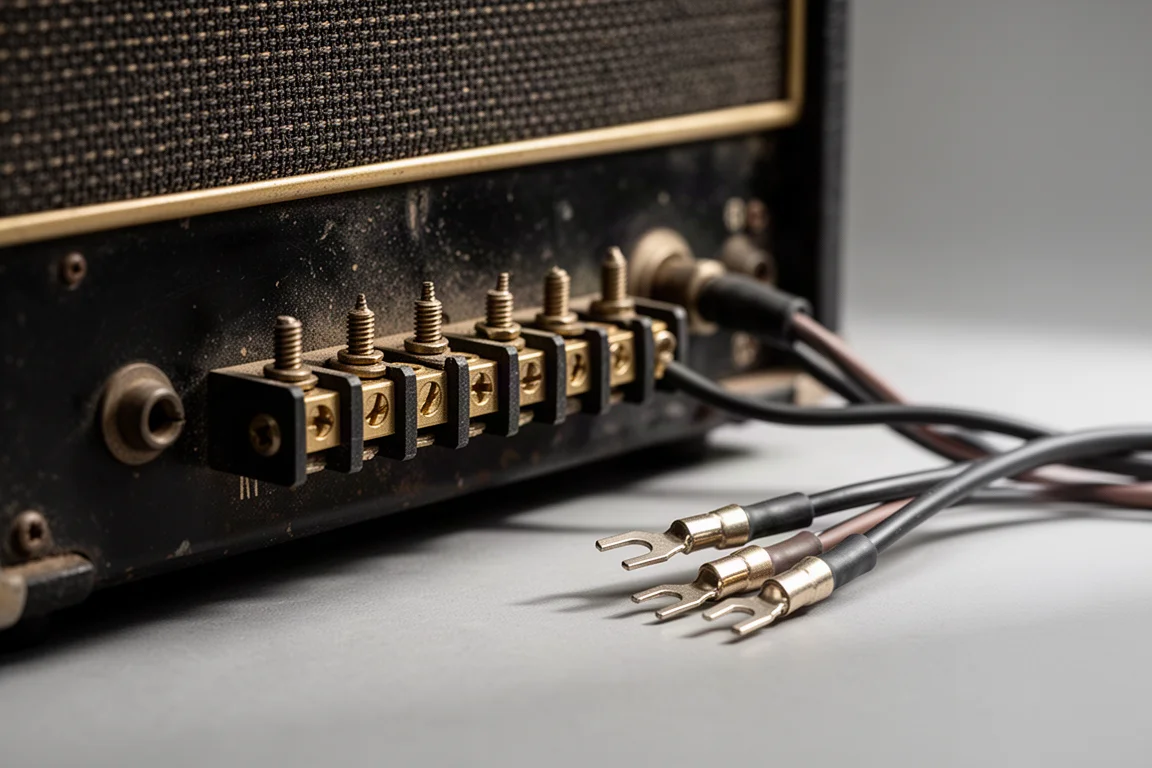
Speaker connection is the second consideration. There are no binding posts. Instead, the rear panel uses a screw-type barrier strip, which works best with cables terminated in small spades. It is functional rather than convenient.
Then there is the output tap arrangement. The amplifier offers 4, 8 and 16 ohm taps, where most modern tube amplifiers offer only 4 or 8. That third option is genuinely useful with unusual loads. On an 11 ohm speaker, the 16 ohm tap delivered a better-balanced result than the 8 ohm tap, and high-impedance speakers remain rare enough that having the choice is a real advantage.
A small on/off switch sits on the rear panel, and the RCA inputs live on the front next to a mono/stereo switch. That layout dates from a period when mono was still common, and the switch let an owner run a single amplifier in mono through one speaker.
How It Compares With a Modern Solid-State Amplifier
Set against a modern solid-state reference, the differences are clear and consistent.
On a sparse, detailed soundtrack built from piano, electric guitar, upright bass and small percussion, the solid-state amplifier dug noticeably deeper into the recording. Fine detail was easier to hear, the presentation felt more powerful, it played louder without strain, bass had more impact, and the treble extended further. On those specific terms, it is not a close contest.
That is not the whole story. Listened to on its own, without a direct comparison running, the Stereo 70 remained deeply satisfying and connected with the music in a way that made it hard to part with. Buyers who crave maximum clarity, scale and bass authority should look at modern solid-state designs. Buyers who want an amplifier that makes records feel alive should understand exactly what they are choosing.
Buying Advice
Supply is not the problem. Stereo 70s show up regularly on the used market at a wide range of prices. Rough, unrestored examples have appeared for around $400, clean original units can reach $1,500, and a restored example has changed hands for roughly $900.
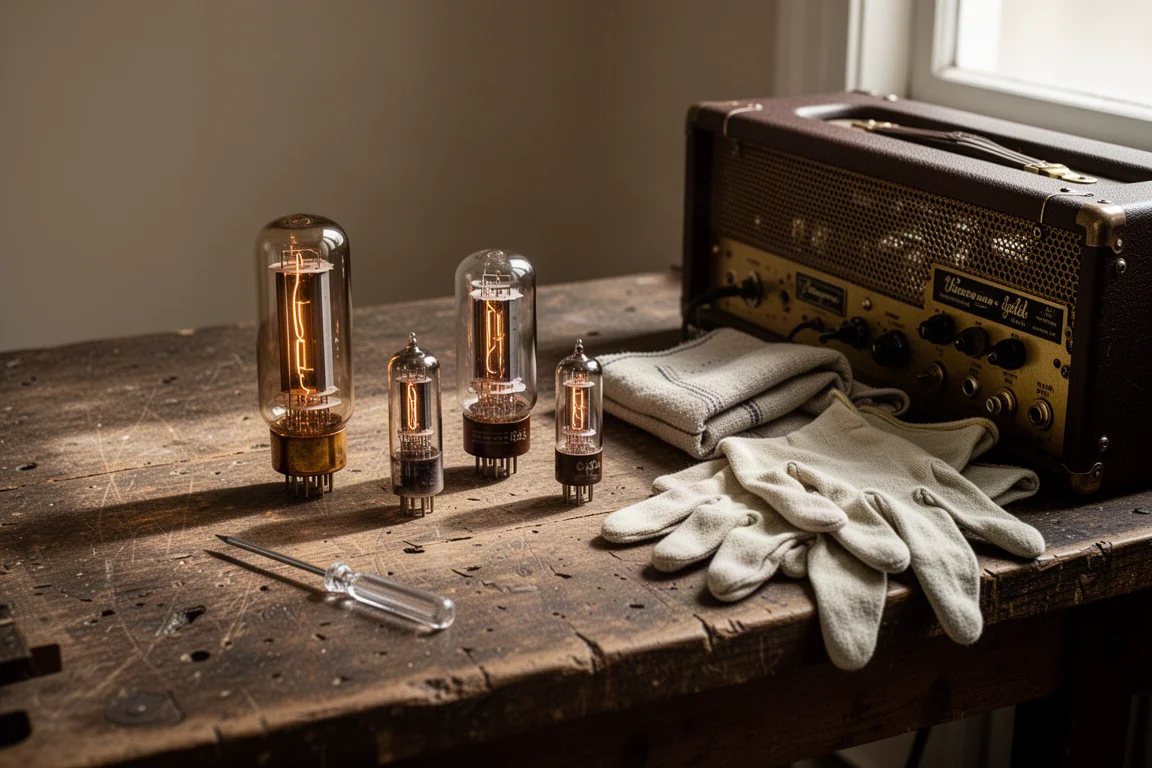
Condition matters more than the model name. Unmolested originals and heavily updated examples sit at opposite ends of the market, and they are not the same product in practice. Ask about the input tube arrangement, the state of the barrier strip, and what restoration work has been done. A documented restoration is worth more than a cosmetically tidy amplifier with an unknown service history.
If you want the original circuit and are prepared to look after it, an untouched example is the more interesting purchase. If you would rather not think about tube sourcing, a properly updated unit is the easier long-term companion.
Conclusion
The Dynaco Stereo 70 has earned its reputation. It is a 35 watt push-pull EL34 amplifier from 1959 that still delivers rhythm, tone and a convincing soundstage, and it does so without the softness people often associate with vintage tube gear. It will not out-resolve a good modern solid-state amplifier, and it was never designed to. What it offers instead is engagement, and on the used market it remains one of the more accessible ways to find out whether that matters to you.
Product link
View more details for Dynaco Stereo 70
This product is mentioned in the review. Check the specifications, options, and compatibility before buying.
View more details for Dynaco Stereo 70Further reading
Related Reviews
Hi-Fi Amplifiers
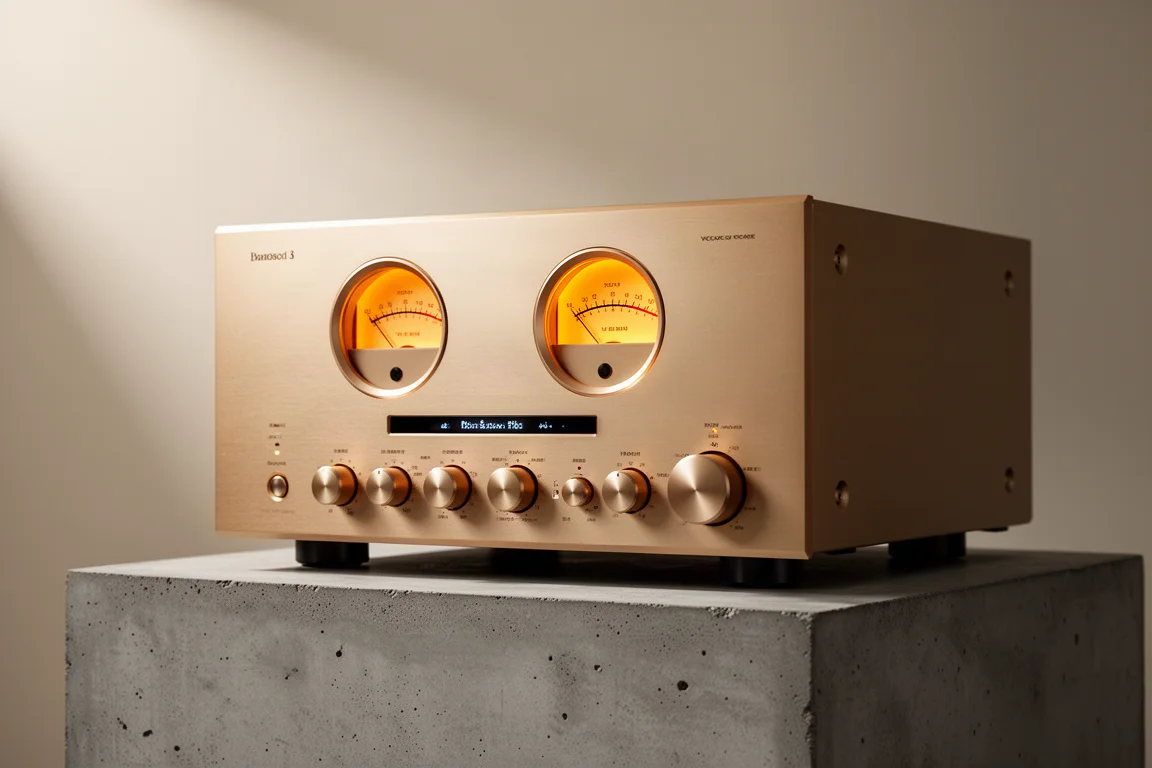
Accuphase E-280 Review: Entry-Level Accuphase With Flagship Attention to Detail
A close look at the Accuphase E-280 integrated amplifier, covering its champagne build, AAVA volume control, sound quality, and the speakers and sources that suit it best.
Hi-Fi Amplifiers
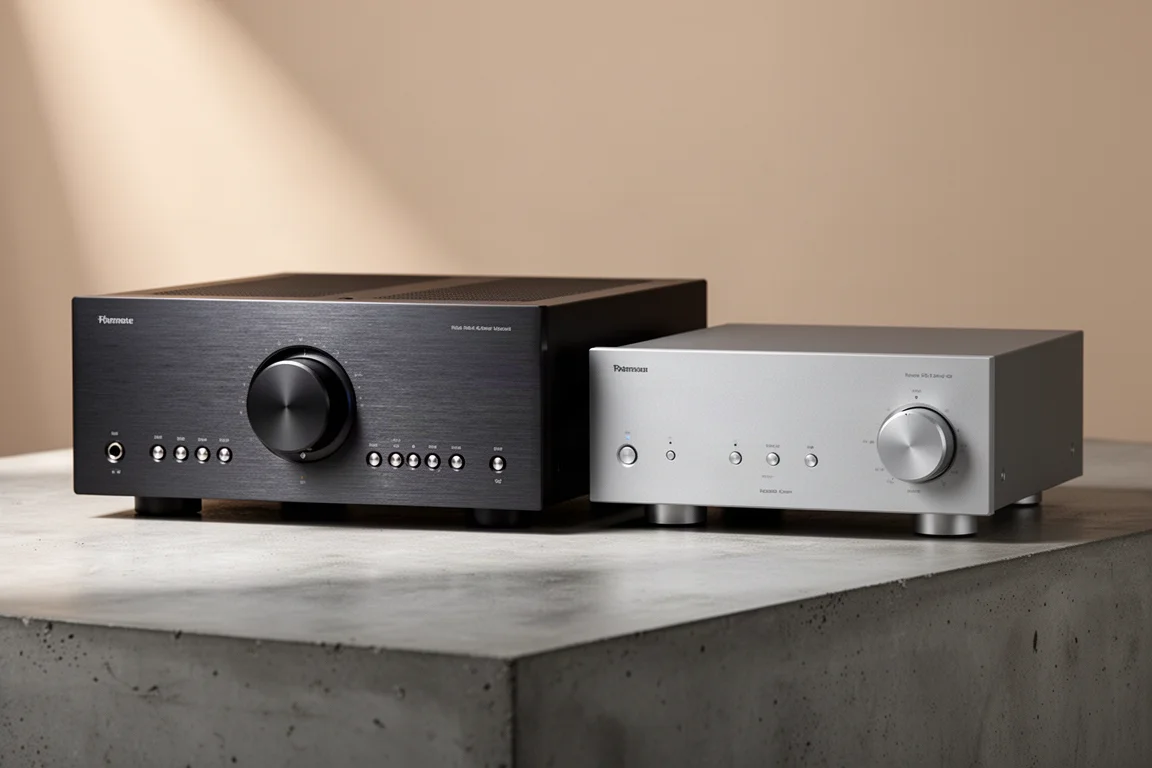
Advance Paris A10 Classic vs Yamaha A-S301: Two Integrated Amplifiers Compared
A practical comparison of a $350 integrated amplifier and a $2,500 reference model, covering the differences that matter and the ones that do not.
Hi-Fi Amplifiers
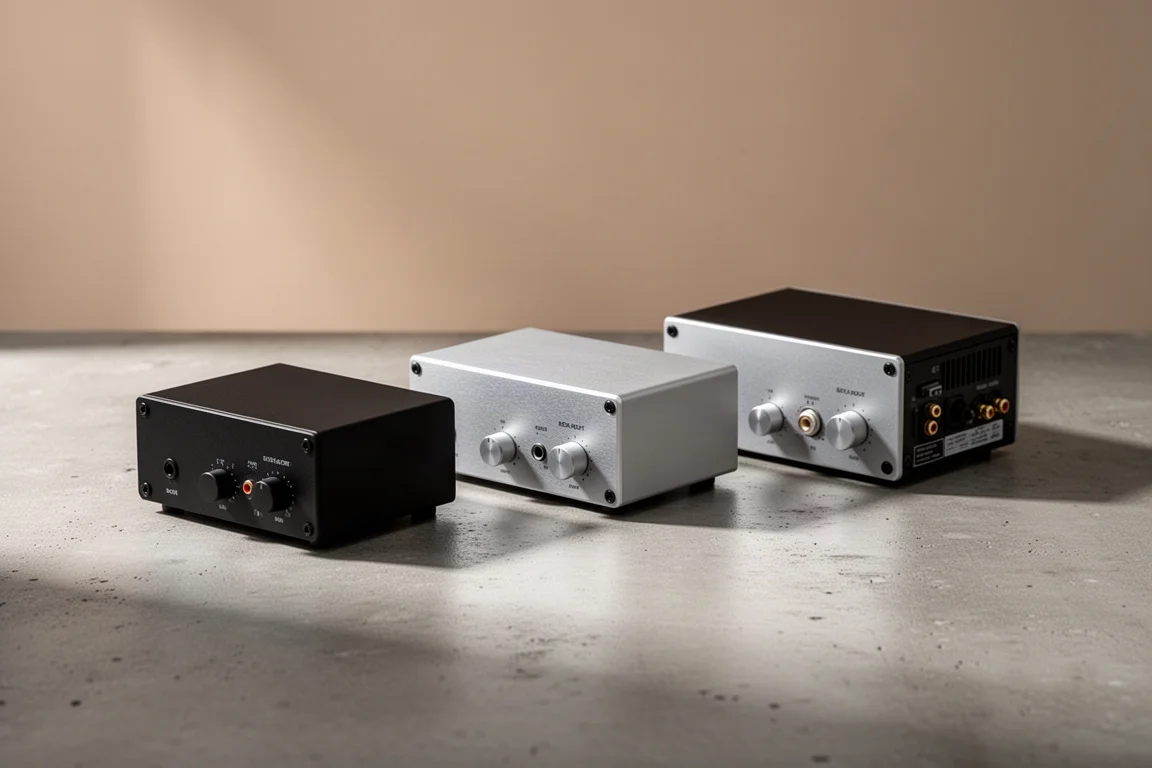
Affordable Chinese Amplifiers Worth Buying: Five Budget Hi-Fi Amps Compared
A practical look at five affordable amplifiers, what each one does well, and the trade-offs to weigh before you buy.