Hi-Fi Amplifiers
Dynaco ST-70 Review: A Timeless Tube Amplifier That Still Sings
A practical look at the Dynaco ST-70 tube amplifier: what it does well, which speakers suit it, and what to check before buying a vintage unit.
Introduction
The Dynaco ST-70 is one of the most enduring tube amplifiers ever built. It arrived in 1959, and by the time production ended, some sources put total sales at more than 350,000 units. That figure explains why the design still turns up in listening rooms today, and why so many later tube amplifiers borrowed ideas from it. It also has one of the widest modification, repair and upgrade ecosystems in the audio world.
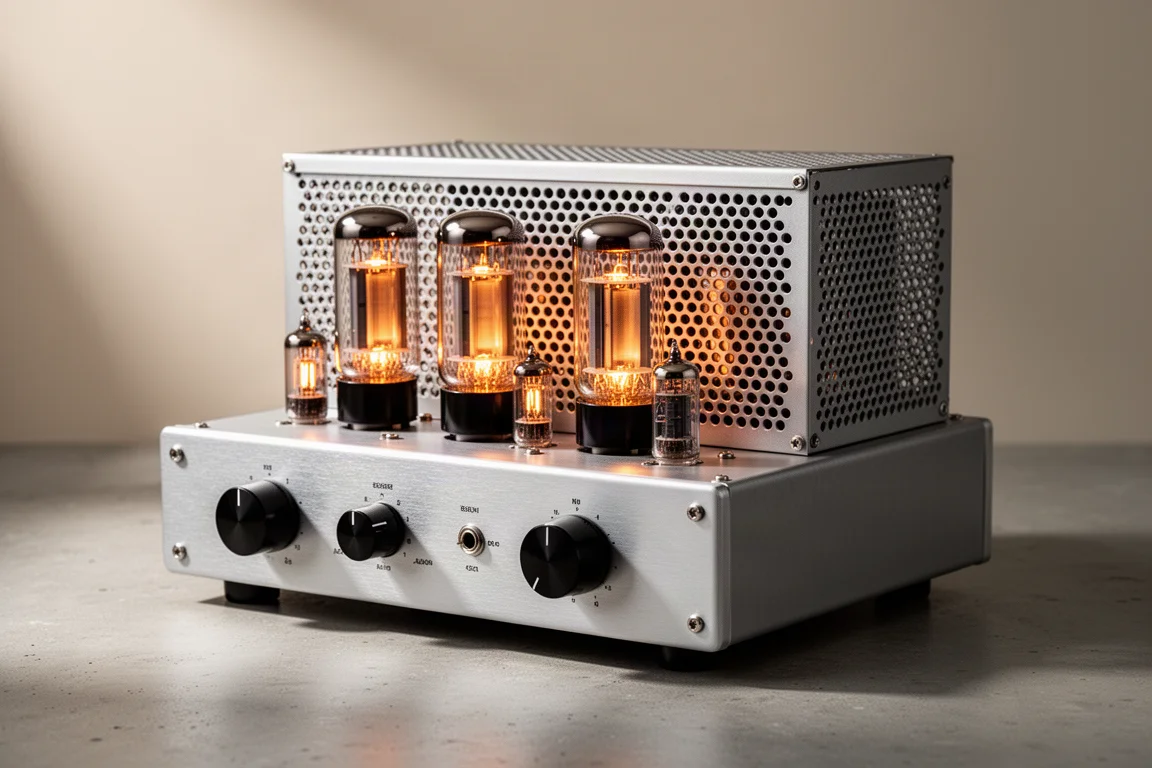
The hardware is refreshingly simple. Four EL34 output tubes, one GZ34 or 5AR4 rectifier, and two 7199 input driver tubes produce a rated 35 watts per channel. That is modest by modern standards, but the amplifier has never really been about raw output. It ships with a vintage-styled metal cage, and it is compact and light compared with most contemporary tube amplifiers.
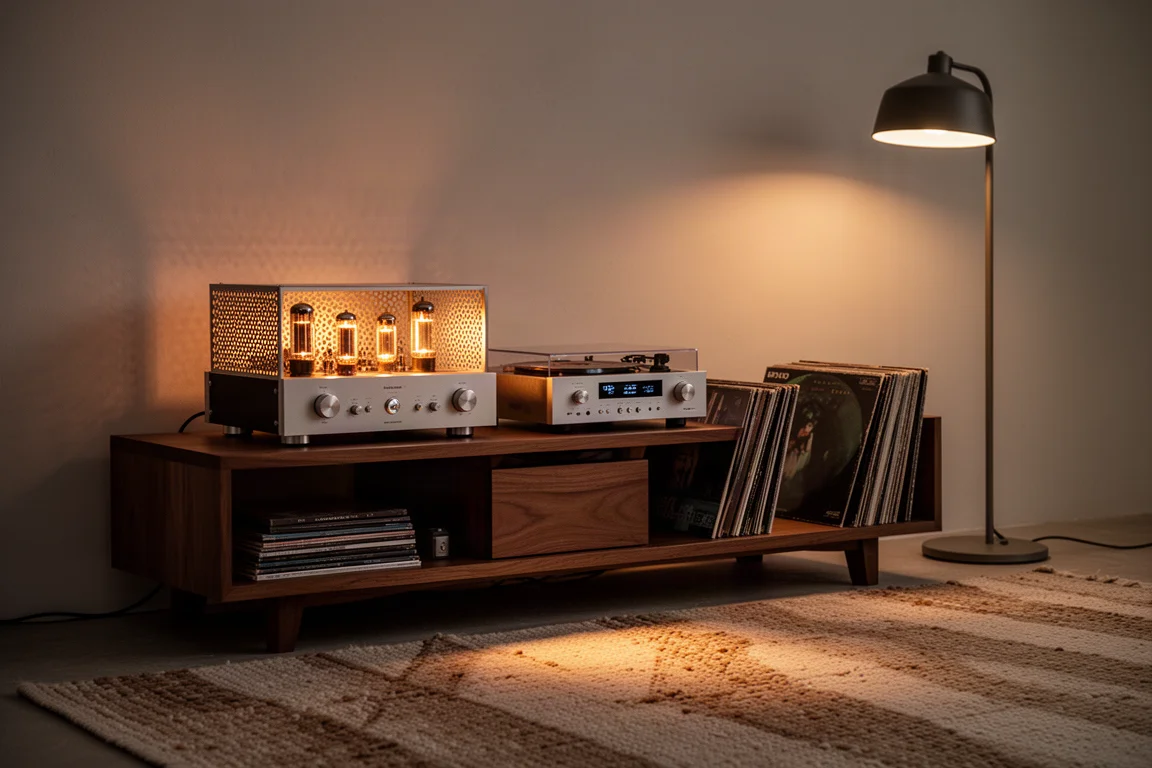
Around the back you will find the original screw-type speaker terminals, which are closer to vintage connectors than to modern binding posts. Two RCA inputs sit on the front panel for the left and right channels, which looks unusual next to today’s rear-panel layouts. A front switch that is often mistaken for a power switch changes the amplifier between stereo and mono operation, and two units can be run as monoblocks.
Who the Dynaco ST-70 Is For
This amplifier rewards listeners with high-sensitivity speakers. Vintage JBL and Tannoy models, Klipsch designs such as the RP-600M II, open-baffle speakers and other efficient floorstanders let the ST-70 show what it does best. Those pairings produce a room-filling, holographic presentation that is hard to match at the price.
It is a poor fit for low-sensitivity, power-hungry speakers. Driving planar magnetic panels with 35 watts per channel produced a floppy, veiled, muddy result with no real low-frequency control. If your speakers demand current and grip, this is not the amplifier for that job.
Main Strengths: Why the Dynaco ST-70 Still Appeals
The midrange is the reason people keep coming back. With the right speakers, vocals take on a tangible, holographic quality, and the amplifier has a way of making horns, guitars and saxophones feel alive in the room. There is an airiness to the presentation that solid-state designs rarely reproduce.
Bass is full and atmospheric rather than tight. It does not dig especially deep and it does not have the punch of a good solid-state amplifier, but it loads the room in a generous way, with a touch of mid-bass warmth. High frequencies, given the right tubes, can sound genuinely sweet.
Value is the other pillar. The ST-70 was nicknamed the poor man’s McIntosh because it delivered so much of the high-end experience for a fraction of the cost, and it picked up awards against considerably more expensive components of its era. That reputation has held up.
Sound Character: Midrange Magic and Room-Filling Bass
The easiest way to describe the midrange is to compare textures. A solid-state amplifier is like a clean marble tabletop: precise, cool and unambiguous. The ST-70 is closer to touching soft silk. It is velvety, effortless and slightly floaty, and it never feels forward or fatiguing, which makes long listening sessions easy.
Soundstage depth is genuinely lovely, and the sense of space is one of the amplifier’s strongest traits. Imaging is not as sharply pinpointed as a modern tube or solid-state design, although it improves noticeably when the amplifier is paired with a quiet modern preamplifier.
That preamplifier point matters. Vintage preamplifiers from the same family were a poor match in practice, producing a dark, dull, bloated sound with heavy dynamic compression. Modern preamplifiers, including solid-state models, keep the midrange character intact while tightening bass control and sharpening imaging.
Living With a Vintage Amplifier: Recapping and Modifications
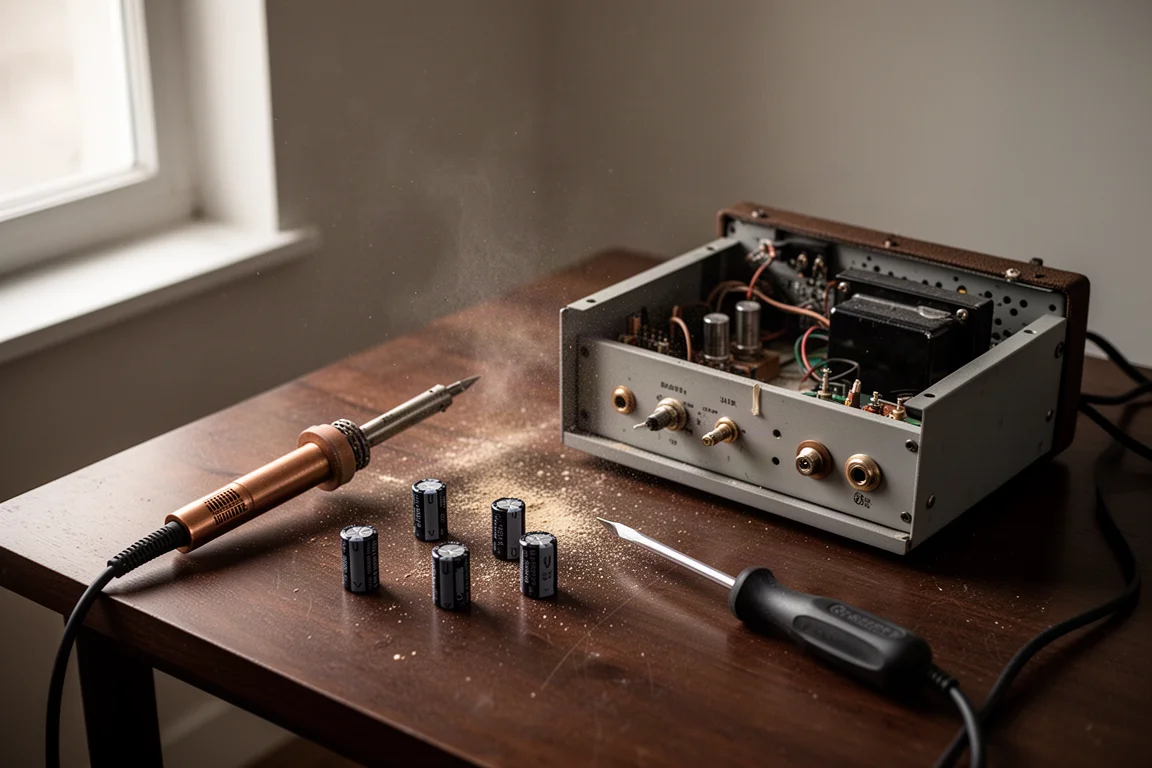
Recapping is the single most important service for any ST-70 at this age. Original capacitors are well past their prime, and a rebuilt unit is a different amplifier: a quieter noise floor, tighter bass and a more open, more holographic midrange. Typical recapping costs land somewhere between $300 and $500, and a properly serviced amplifier can then run for many years, potentially two decades, without further trouble.
The kit heritage is a real advantage. The ST-70 was sold both assembled and as a kit, which makes it unusually easy to modify, upgrade and repair. The modification community is broad enough that the hardest part is choosing a direction rather than finding options.
Cosmetic condition deserves attention. The metal finish can oxidize and rust, so humidity matters, and a chassis with rust on the visible front panel is worth less than one with minor corrosion at the rear. Some rust on an amplifier this old is normal rather than alarming.
Two smaller practical notes: the screw terminals need adapters for banana plugs, and the power cable is hardwired, although it can be modified if you want to use your own.
Things to Consider Before Buying
Thirty-five watts per channel sets the ceiling. Efficient speakers are close to mandatory, and listeners who want deep, grippy bass and punchy dynamics should look elsewhere.
Condition and service history should drive the price. A recapped unit with a clean chassis is worth more than an untouched one, and the cost of recapping should be factored in if it has not been done.
The original connectors are a minor annoyance rather than a dealbreaker, and the front-panel RCA inputs take some getting used to. Plan the preamplifier carefully as well. The amplifier is at its best with a quiet modern preamplifier, and pairing it with a tired vintage unit will hide most of what it can do.
Buying Advice: Setup, Tubes, and Value
Pricing today sits around $1,000 depending on condition and whether the unit has been recapped, and lower for rougher examples. For context, the amplifier sold for $100 when it was released, which works out to roughly $1,000 in today’s money. Given what a well-sorted example can do with the right speakers, that still reads as strong value.
Tube rolling is one of the most enjoyable ways to tune the sound. A modern production JJ EL34 set is inexpensive and performs well, which makes it the sensible starting point. The tubes supplied with the amplifier also work well and deliver much of the classic character. Reissue Mullard and Tung-Sol EL34s are fine but unremarkable in this circuit.
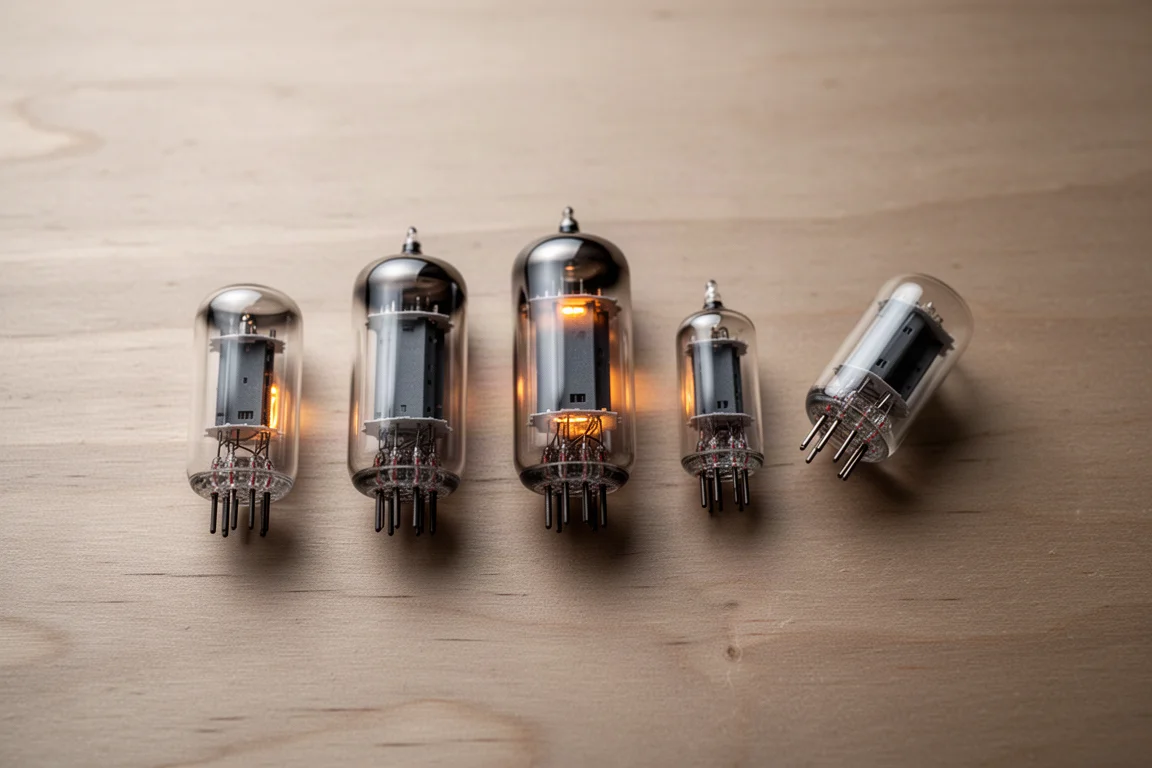
At the top end, vintage Mullard double-getter XF2 tubes remain the favorite for midrange silkiness and bloom, but they are expensive and increasingly hard to justify. Tube Doctor sets stood out for bass authority and punch while keeping the midrange and treble sweet, which makes them a compelling alternative for listeners who want more grip without losing the amplifier’s character.
Whatever tubes you choose, the ST-70 is easy to work on, and hearing the difference each change makes is part of the appeal.
Conclusion
The Dynaco ST-70 has earned its reputation. With sensitive speakers, a quiet modern preamplifier and fresh capacitors, it delivers a midrange and sense of space that are still difficult to find at this price. Buyers who want deep, controlled bass or plug-and-play simplicity should look at modern designs, but for anyone chasing tube warmth and holographic vocals on a sensible budget, this vintage amplifier remains a genuinely rewarding purchase.
Product link
View more details for Dynaco ST-70
This product is mentioned in the review. Check the specifications, options, and compatibility before buying.
View more details for Dynaco ST-70Further reading
Related Reviews
Hi-Fi Amplifiers
Accuphase E-280 Review: Entry-Level Accuphase With Flagship Attention to Detail
A close look at the Accuphase E-280 integrated amplifier, covering its champagne build, AAVA volume control, sound quality, and the speakers and sources that suit it best.
Hi-Fi Amplifiers
Advance Paris A10 Classic vs Yamaha A-S301: Two Integrated Amplifiers Compared
A practical comparison of a $350 integrated amplifier and a $2,500 reference model, covering the differences that matter and the ones that do not.
Hi-Fi Amplifiers
Affordable Chinese Amplifiers Worth Buying: Five Budget Hi-Fi Amps Compared
A practical look at five affordable amplifiers, what each one does well, and the trade-offs to weigh before you buy.