Astrophotography
Dwarf Mini Review: The World's Smallest Smart Telescope
A pocket-sized robotic telescope with tracking, filters, and live stacking, tested on the Orion Nebula, Andromeda, and the Pleiades over two months.
Introduction
After two months of testing from both a light-polluted backyard and dark sky locations, the Dwarf Mini has proven itself as a genuinely capable astrophotography tool in an impossibly small package. All of the deep sky images captured during testing, including the Orion Nebula, the Andromeda Galaxy, and the Pleiades star cluster, were shot with the dedicated smartphone app.
What Is the Dwarf Mini?
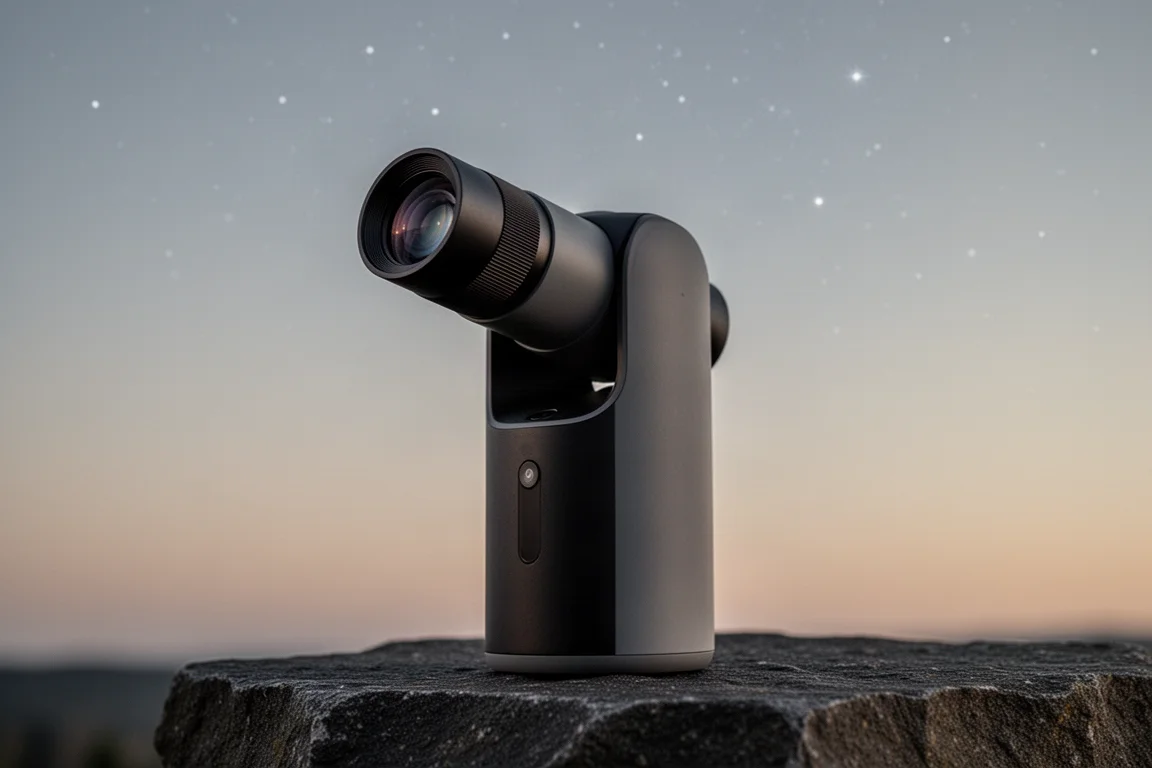
Think of the Dwarf Mini as a pocket-sized robotic telescope. It is a complete imaging rig in one unit: a camera, a lens, a tracking mount, and a computer, all packed into a body weighing less than 2 lb. If you have ever held a DJI Mavic Air drone, the size and weight feel eerily similar.
Inside, there is a Sony IMX 662 sensor behind a 150 mm focal length F5 telephoto lens with a 30 mm aperture. Resolution is roughly 2 megapixels at 1080p, but the 2.9 micron pixels are designed to be low noise and very sensitive. There is also a wide-angle camera on board for Milky Way and landscape work.
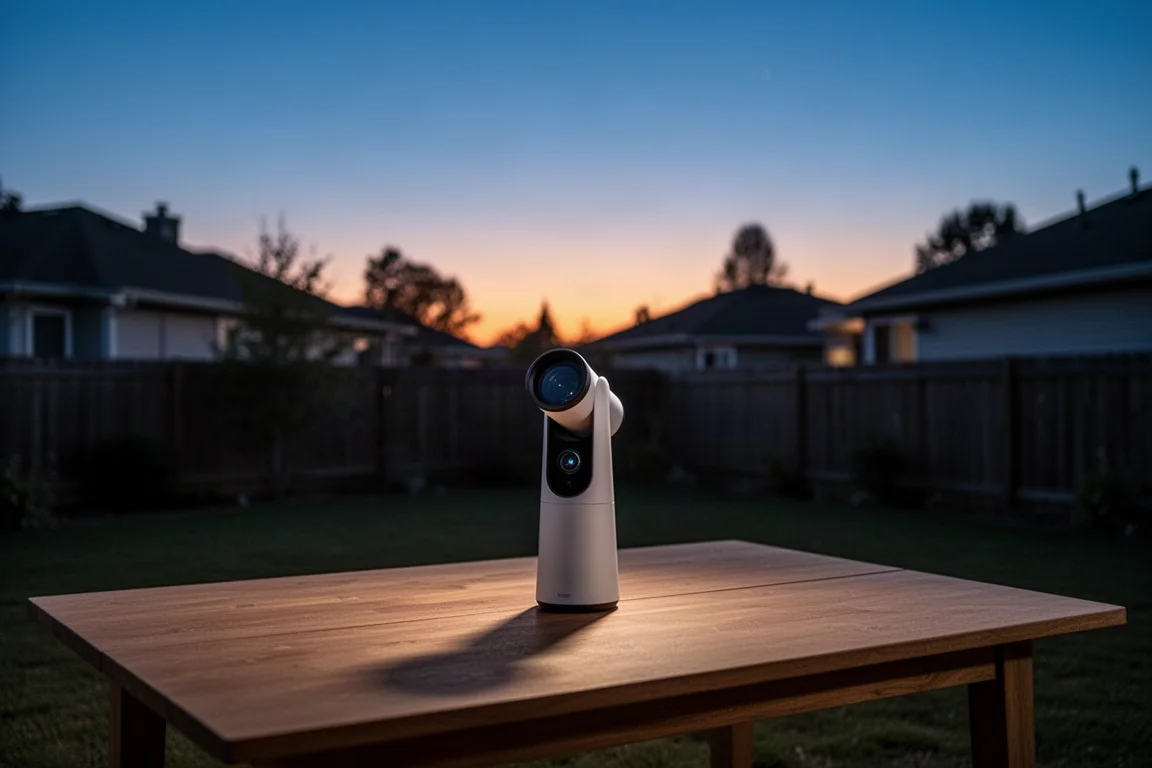
The built-in 7,000 mAh battery is rated for about 4 hours of astrophotography, and a USB-C power bank can keep it topped up for longer sessions. The box includes the Dwarf Mini itself, a USB-C cable, and a small solar filter for safely imaging the sun. No case was included, so a padded bag is worth picking up for travel, and a compatible tripod is sold separately on the Dwarf Labs website. A standard photography tripod works fine too.
The vertical tower design is a nice departure from the Dwarf 3. The lens barrel rotates up and down and the base rotates 360 degrees, so you can frame objects anywhere in the sky without worrying about mount collisions or cable snags. Just set it down on a flat surface and go.
How It Works in the Field
Power it on, connect to the Dwarf Mini’s Wi-Fi network from your phone or tablet, and open the Dwarf Labs app. You get three main imaging categories: General for daytime photos, videos, and time-lapses; Solar System for the sun, moon, and planets; and Deep Sky for galaxies, nebulae, and star clusters.
In Solar System mode, tapping the sun prompts you to attach the included ND solar filter and then runs a calibration routine, locking onto the sun and live stacking short exposures automatically. The moon works the same way: the app guides you to centre it, then tracks and stacks up to a few hundred frames.
For deep sky work, the simplest path is straight altaz mode. Set it down, level it, pick a target from the built-in atlas, and the Mini finds and tracks it automatically while you choose your own exposure and gain settings. Even without EQ alignment, 10-second exposures stacked in large numbers produce surprisingly clean results.
Equatorial Mode and Polar Alignment
For cleaner data, especially on faint nebulae, EQ mode is worth the extra two minutes. The app walks you through an alignment routine: point the scope at a clear patch of stars, let it plate solve the area, then follow the on-screen guidance to rotate and tilt the unit for better polar alignment. Once locked in, you unlock exposures up to 90 seconds per sub without star trailing.
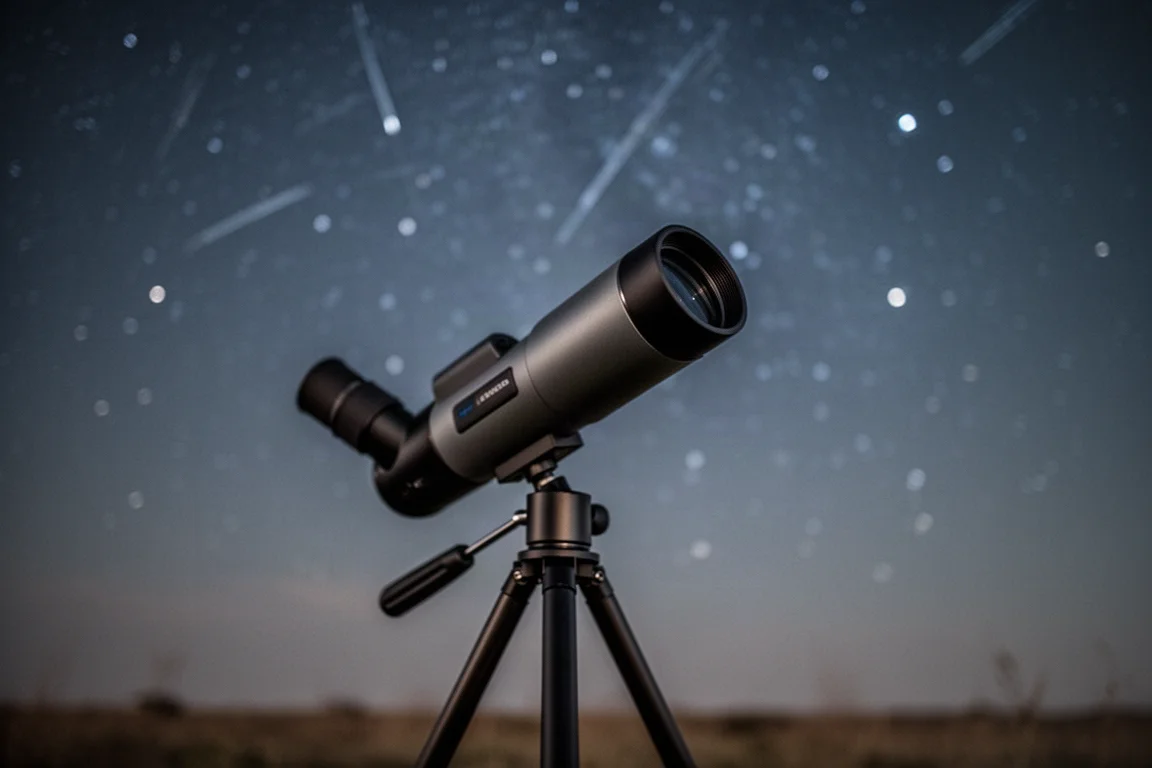
In practice, 30 or 60 second exposures proved to be the sweet spot, and expect to lose a few subs if you max out the exposure settings. One genuinely practical advantage is that you do not need to see Polaris to polar align. Roughly point it north, aim at a clear patch of sky, and let the software handle the rest. That is great news if your house or trees block the celestial pole.
Real Results: Deep Sky Targets
From a light-polluted backyard, the Orion Nebula showed its familiar core structure popping out in real time on the phone after a quick autofocus and a few minutes of live stacking. The built-in astro filter did a good job bringing out the pink and blue tones around the core. This is the kind of result that used to require a small refractor, a separate mount, a guide scope, and a laptop, coming here from something that fits in a pocket.
From a darker site, the Andromeda Galaxy image shows the bright core, both major dust lanes, and even a hint of the satellite galaxies with a relatively modest total integration time, shot in plain plop-and-go altaz mode with 15-second exposures and no polar alignment.
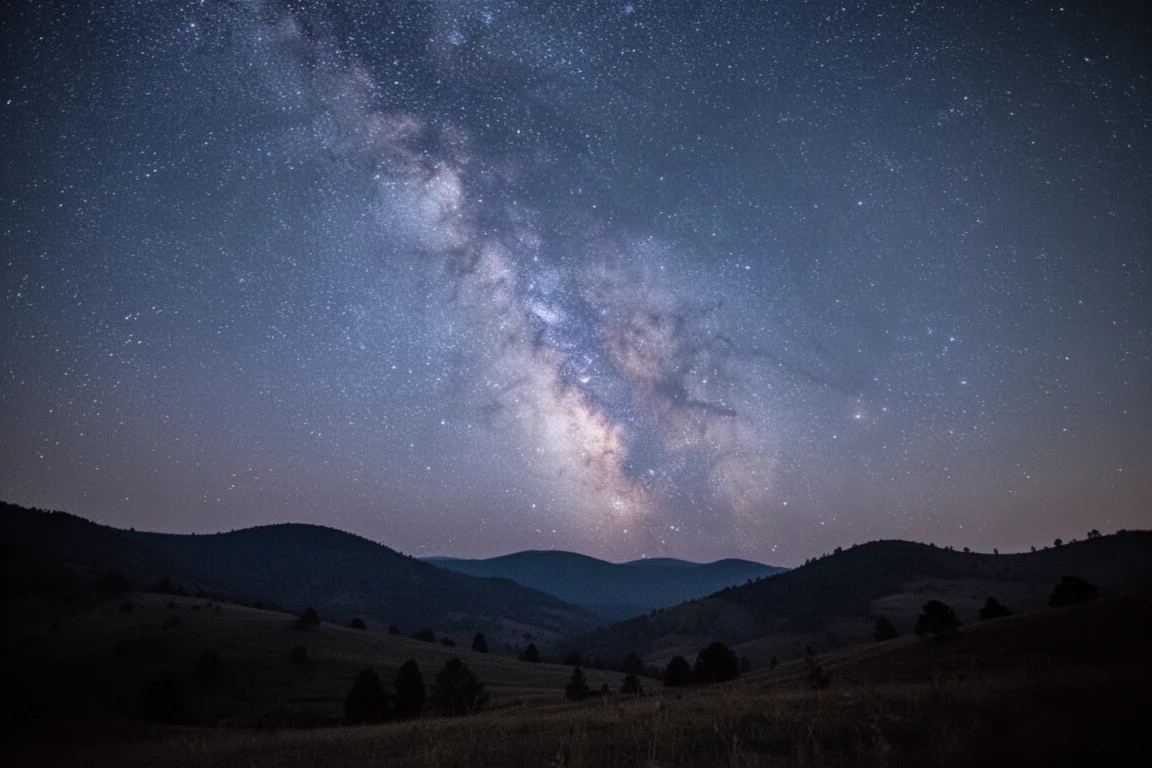
The Pleiades star cluster image was the standout, with strong dynamic range and no weird halos around the bright stars. Dark skies make a real difference with these little smart telescopes, which suits the travel-friendly nature of the Dwarf Mini perfectly.
Image Quality and Processing
The Sony IMX 662 sensor behind the telephoto lens has slightly larger pixels and a higher peak quantum efficiency than the Dwarf 3’s IMX 678, which helps keep read noise under control. When processing the raw data, it genuinely feels easier than on the Dwarf 3; you simply do not need as much noise reduction to get a clean image.
Processing is where smart telescopes differ most from traditional rigs, and for beginners this is huge. No dedicated astrophotography PC or expensive editing software is required. After a stack finishes, you can use the in-app Stellar Studio to stretch, adjust contrast, and apply noise reduction, then share the finished image directly. Advanced users can still pull all the raw data into PixInsight, Siril, or Photoshop.
Honest Limitations
That 30 mm aperture is small. With long integrations and smart processing it can do a lot, but it will not match the resolution and faint detail performance of a larger traditional rig. Resolution is limited to 1920x1080 on both lenses, just 2 megapixels, so if you love printing huge posters or cropping aggressively, these images are not big enough for that.
And like all smart telescopes, you are working within the ecosystem: exposure time limits, fixed optics, and a very app-driven workflow.
Who the Dwarf Mini Is Perfect For
The Mini makes a lot of sense for someone who wants to get into astrophotography without dealing with mounts, cables, and autoguiding. It is equally compelling for travelers and hikers who want a true throw-it-in-a-bag telescope for dark sky trips.
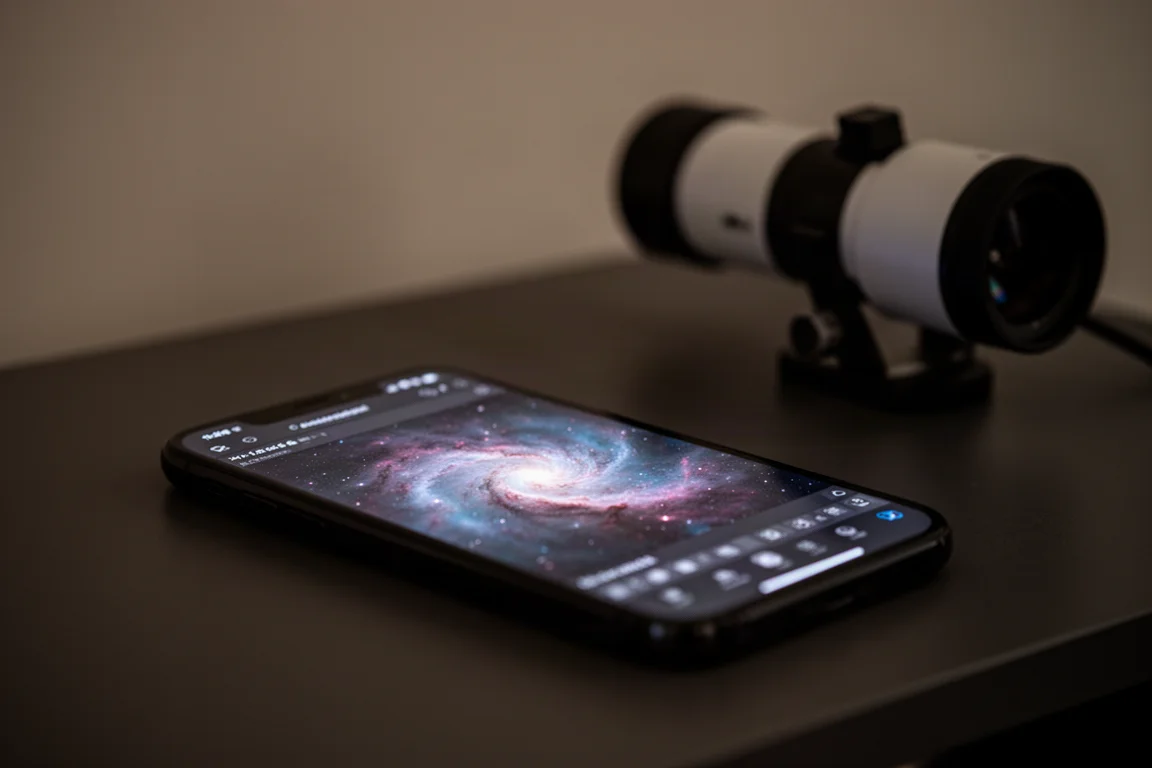
Even experienced astrophotographers who already run a main system will appreciate it as a casual, no-stress bonus rig to set up alongside their primary gear.
Buying Advice
If portability and automation are your priorities, the Dwarf Mini is easy to recommend. Solid tracking, a great image sensor, built-in filters, and flexible shooting styles make it surprisingly capable as an astrophotography workhorse. It will not replace a full-size mount and a big refractor, but as the smallest smart telescope on the market, it does what larger smart telescopes can do in a package this size. Pair it with a padded bag for travel and a steady tripod, and you have a complete dark sky kit that fits in a daypack.
Conclusion
The Dwarf Mini leans fully into portable, automated astrophotography and largely succeeds. It is fun, capable, and genuinely pocketable, and for beginners, travelers, and seasoned imagers alike, it is hard to ignore. For anyone curious about astrophotography but intimidated by traditional gear, this is one of the friendliest entry points available right now.
Product link
View more details for Dwarf Labs Dwarf Mini
This product is mentioned in the review. Check the specifications, options, and compatibility before buying.
View more details for Dwarf Labs Dwarf MiniFurther reading
Related Reviews
Astrophotography
ASKAR FRA400C Review: A Versatile 400mm Refractor for Astrophotography and More
The ASKAR FRA400C is a compact 72mm refractor that balances reach, versatility, and portability for astrophotographers and visual observers.
Astrophotography
Askar SQA106 Review: A Premium 106mm Astrograph With Exceptional Optics
The Askar SQA106 is a premium 106mm quintuplet astrograph with impressive sharpness across full-frame sensors, though its price and weight demand careful consideration.
Astrophotography
Astro Imaging Gear 2026: Eight New Products Worth Watching
A look at the most interesting new astrophotography and astronomy products announced this year, from fast telescopes to smart cameras and wireless accessories.