Smart Telescopes
Dwarf Labs Draco Review: A Smart Telescope Aiming at Serious Astrophotography
With 90 mm optics, active sensor cooling, and 5-minute exposures, the Dwarf Labs Draco closes the gap between smart telescopes and dedicated imaging rigs.
Introduction
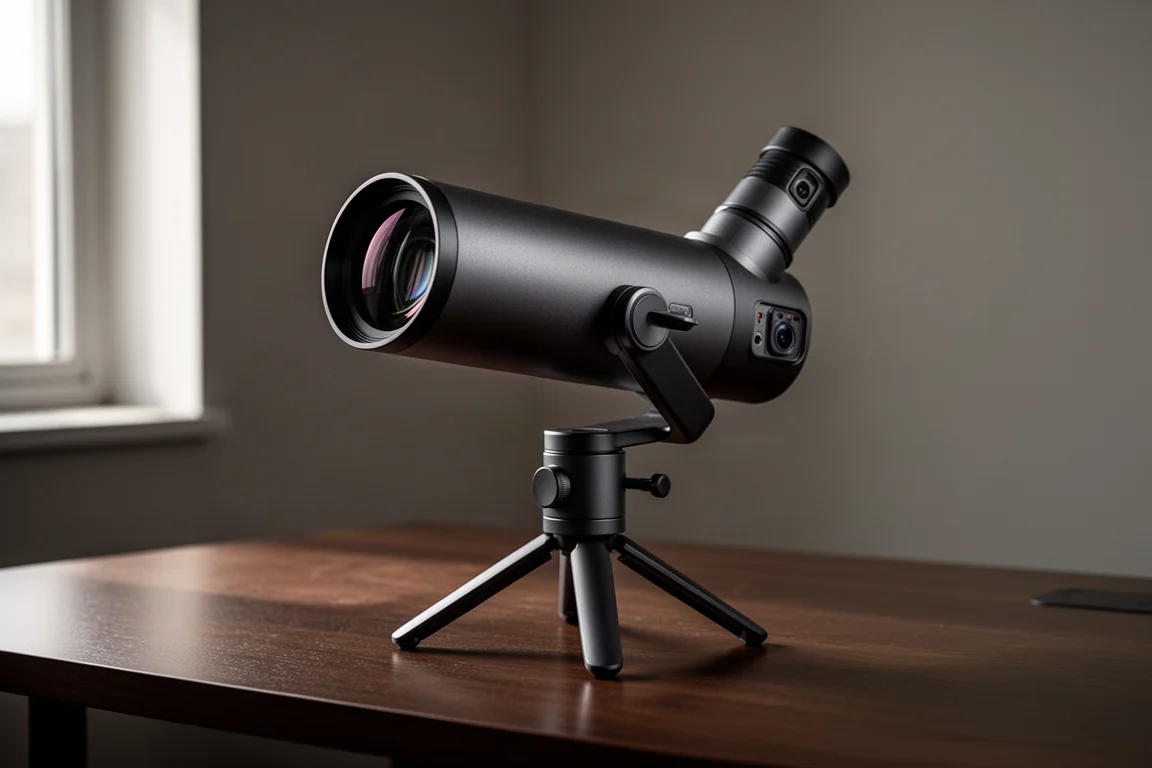
Smart telescopes have earned their popularity for one simple reason: they give amateur astronomers access to the night sky and astrophotography without the complexity of building a dedicated imaging rig. Automation, tracking, image stacking, and processing all arrive in a compact package that is remarkably easy to use. What these devices have historically lacked, though, are some of the components that a dedicated astrophotography setup still relies on.
Dwarf Labs has now officially released the Dwarf Draco, available in a standard version and an SHO version, both offered for pre-order. It may be the closest thing yet to a fully dedicated astrophotography imaging rig distilled into a smart telescope design. Here is what we know so far.
Optics and Field of View
The Draco features a custom 90 mm catadioptric optical system with a 340 mm focal length and a fast F3.8 focal ratio. Compared to the Dwarf Mini or even the Dwarf 3, 90 mm of aperture is a considerable jump in light-gathering capability. At 340 mm, the field of view is also genuinely useful for deep space astrophotography, so framing deep sky objects should be straightforward.
Camera Hardware
Behind the optics sits a 1-inch format Omnivision 50Q40 telephoto sensor. It is natively a 50-megapixel sensor but is locked in at 2x2 binning for improved light gathering, which still produces a 12-megapixel image. At this stage it is not confirmed whether unlocking the full 1x1 50-megapixel resolution will be possible.
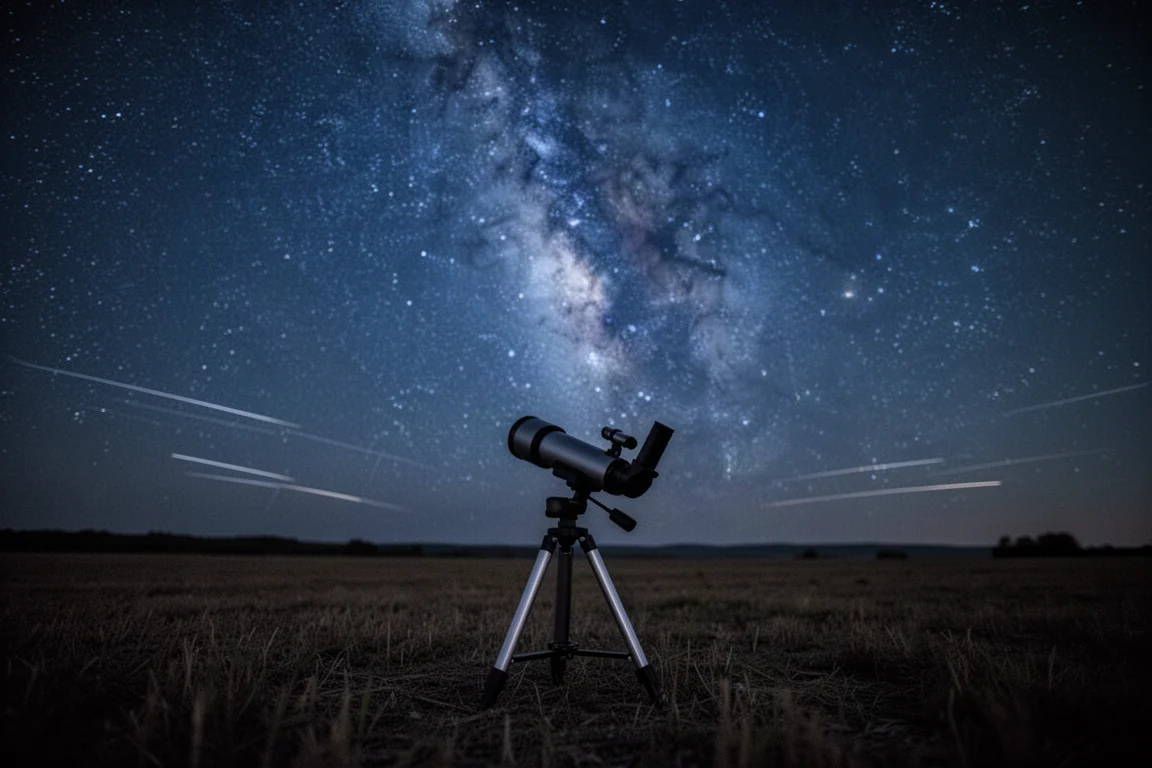
Beyond deep sky work, the Draco is also capable of imaging planets, and sample captures of Saturn show what it can do. There is a separate wide-angle camera as well, intended for Milky Way photography, landscapes, panoramas, star trails, and wide-field imaging, also said to be locked at 12 megapixels.
Long Exposures and Sensor Cooling
This is where the Draco starts to separate itself from other smart telescopes on the market. It includes a built-in guide camera and a camera rotator to prevent field rotation, and paired together these enable 300-second, or 5-minute, exposures. That is a significant jump in exposure time compared to what smart telescopes have managed so far.
Longer exposures bring thermal noise into play, and Dwarf Labs addresses that with active TEC cooling on the main imaging sensor. Whether this proves to be a meaningful step up in image quality or a more modest difference is something that remains to be tested in practice.
Standard vs SHO Version
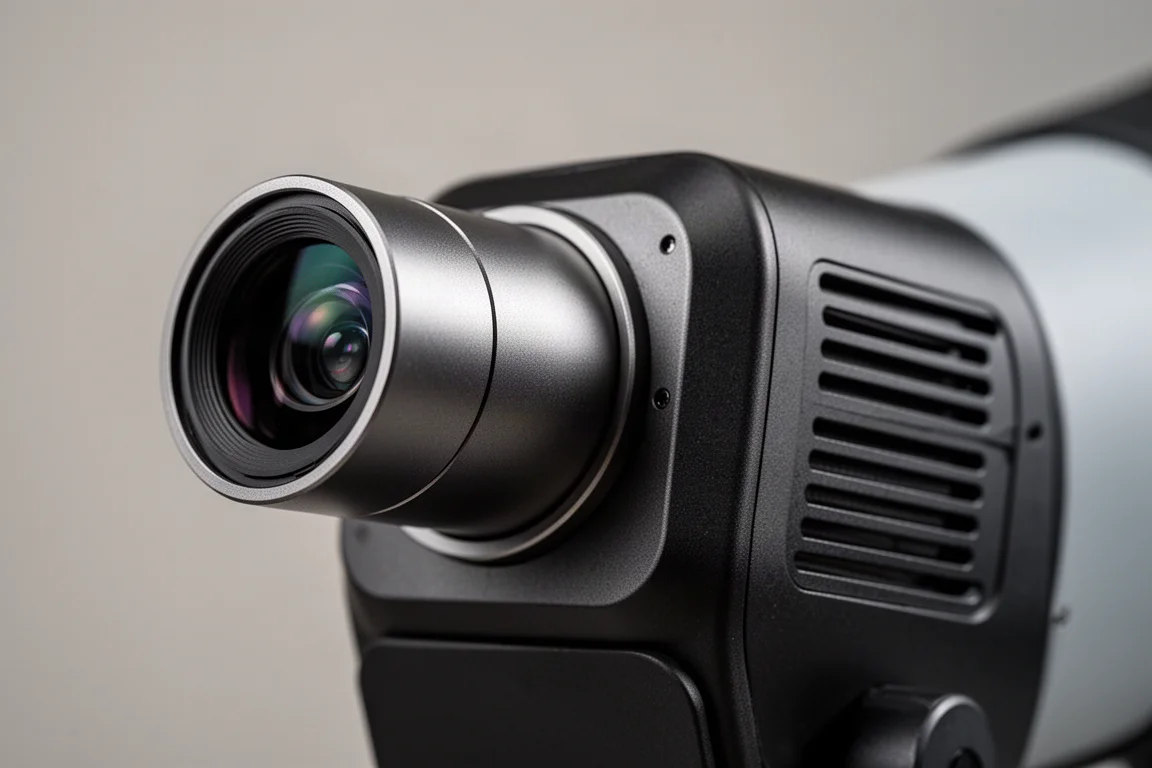
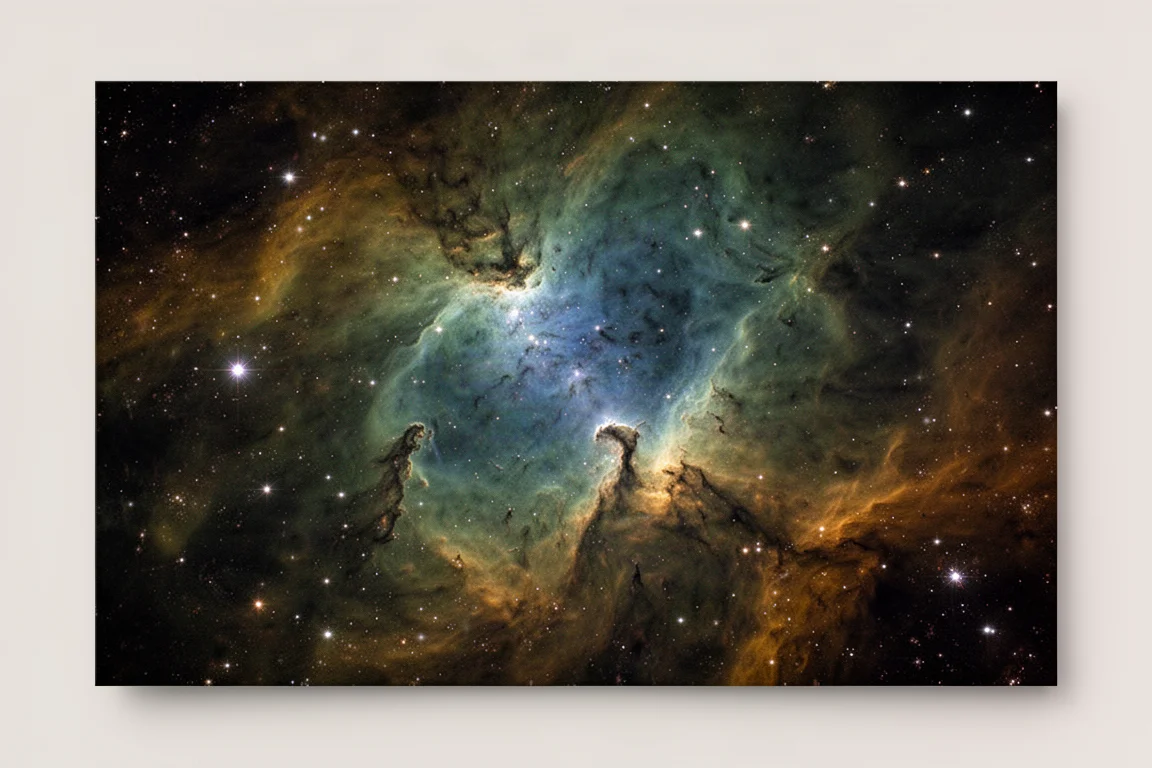
The Draco ships in two configurations. The standard version includes a dark filter, a broadband filter, a dual narrowband HA/O3 filter, and an integrated solar filter. The SHO version removes the integrated solar filter and adds a sulfur and oxygen filter, unlocking the classic SHO Hubble palette look with its greens, blues, and oranges, something that is very hard to achieve with a standard HA/O3 filter alone.
Dwarf Labs claims internal SHO processing is handled in the app. Although the SHO version drops the internal solar filter, it includes an external clip-on solar filter, so solar imaging remains possible.
Connectivity, Battery, and Weight
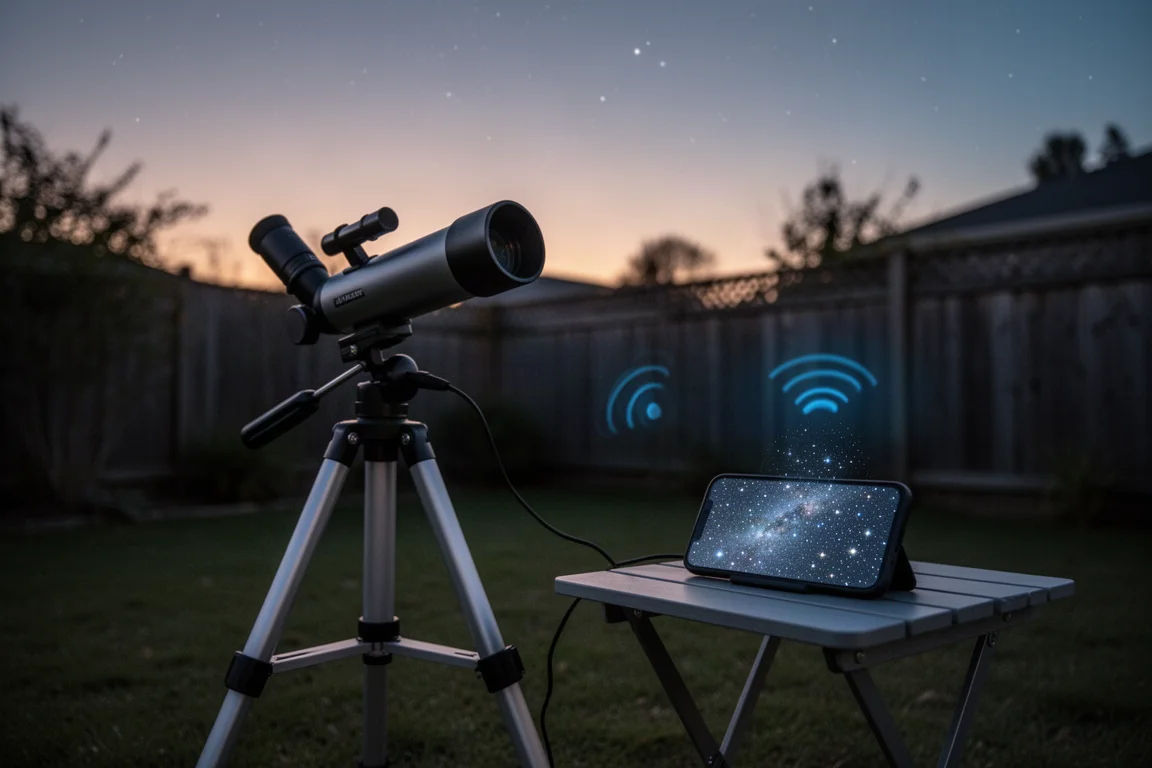
On the connectivity side, the Draco offers Wi-Fi, Bluetooth, and NFC, USB 3.0 over USB-C with fast charging support, and 128 GB of internal storage. A 77 Wh internal rechargeable battery provides roughly 5 hours of runtime. The whole unit weighs about 5.5 kilos, or around 12 lb, which is worth factoring in if you plan to transport it regularly.
Who Is the Draco For?
The Draco is designed for people who love the simplicity of a smart telescope but want to raise their astrophotography image quality. The larger optics, high-resolution camera, active TEC cooling, built-in field rotator enabling 5-minute exposures, and the added SHO filtering all work to bridge the gap between smart telescope convenience and the capability of a dedicated astro imaging rig.
Buying Advice
If you are currently happy with an entry-level smart telescope and want more serious deep sky results without assembling a full imaging rig, the Draco is clearly aimed at you. The choice between the standard and SHO versions comes down to priorities: the standard version keeps solar imaging integrated, while the SHO version favors advanced narrowband processing while still supporting solar work through a clip-on filter. Given the newness of the release, waiting for hands-on testing of the TEC cooling and 5-minute exposures is a reasonable move before committing.
Conclusion
The Dwarf Labs Draco brings several features that smart telescopes have traditionally lacked: 90 mm of aperture, active sensor cooling, guided 5-minute exposures, and SHO narrowband imaging. It signals a possible turning point in smart telescope development, and its real-world performance is what everyone will be watching closely.
Product link
View more details for Dwarf Labs Draco
This product is mentioned in the review. Check the specifications, options, and compatibility before buying.
View more details for Dwarf Labs DracoFurther reading
Related Reviews
Smart Telescopes
Vaonis Vespera 3 Review: A Premium Smart Telescope With Excellent Optics
A detailed look at the Vaonis Vespera 3 smart telescope, covering its standout hardware, impressive multi-night observations, and the software trade-offs to weigh before buying.
Smart Telescopes
Best Smart Telescopes Compared: Seestar S50 Pro, S50, S30 Pro, S30, and Dwarf Mini
Five of the most popular smart telescopes tested side by side in the desert: what they share, how they differ, and which one suits your budget and targets.
Smart Telescopes
Best Smart Telescopes: Four Scopes That Make Astrophotography Easy
Four smart telescopes that put detailed, color-rich night sky photos within reach of complete beginners, from ultra-portable to full home observatory.