Backpacking Tents
Durston X-Mid Pro vs Zpacks Duplex: Which Ultralight Two-Person Tent Fits Your Trip?
A close comparison of two premium Dyneema trekking pole shelters, covering weight, headroom, door design, pitch simplicity, and real-world availability.
Introduction
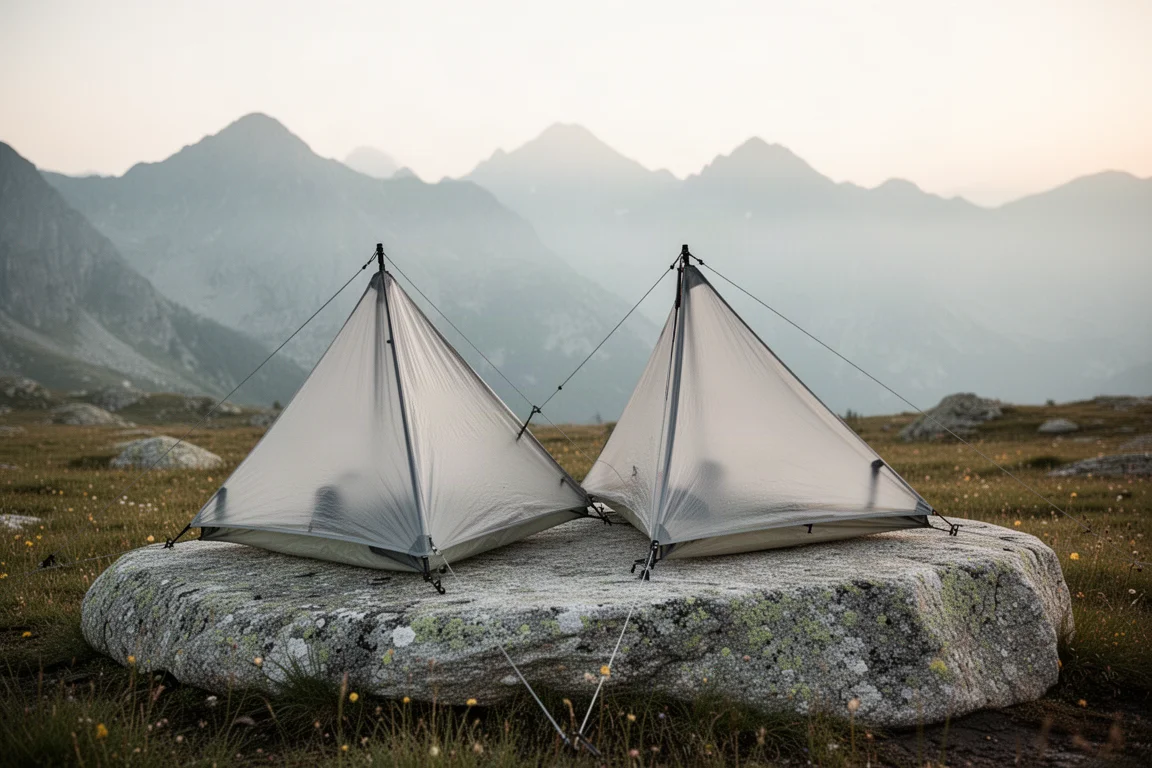
The Durston X-Mid Pro and the Zpacks Duplex sit at the very top of the ultralight backpacking tent market. Both are single wall Dyneema composite shelters built around trekking poles, both have two doors and two vestibules, and both weigh well under two pounds before you add support. Neither is cheap: the Duplex sells for around $700 for the tent alone, with no poles and no stakes, and the X-Mid Pro costs only about $20 more.
For that money you are buying grams, headroom, and a shelter that all but disappears into a pack. The more useful question is which of the two suits a given trip, because the X-Mid Pro and the Duplex solve the same problem in noticeably different ways.
What Matters in an Ultralight Two-Person Trekking Pole Tent
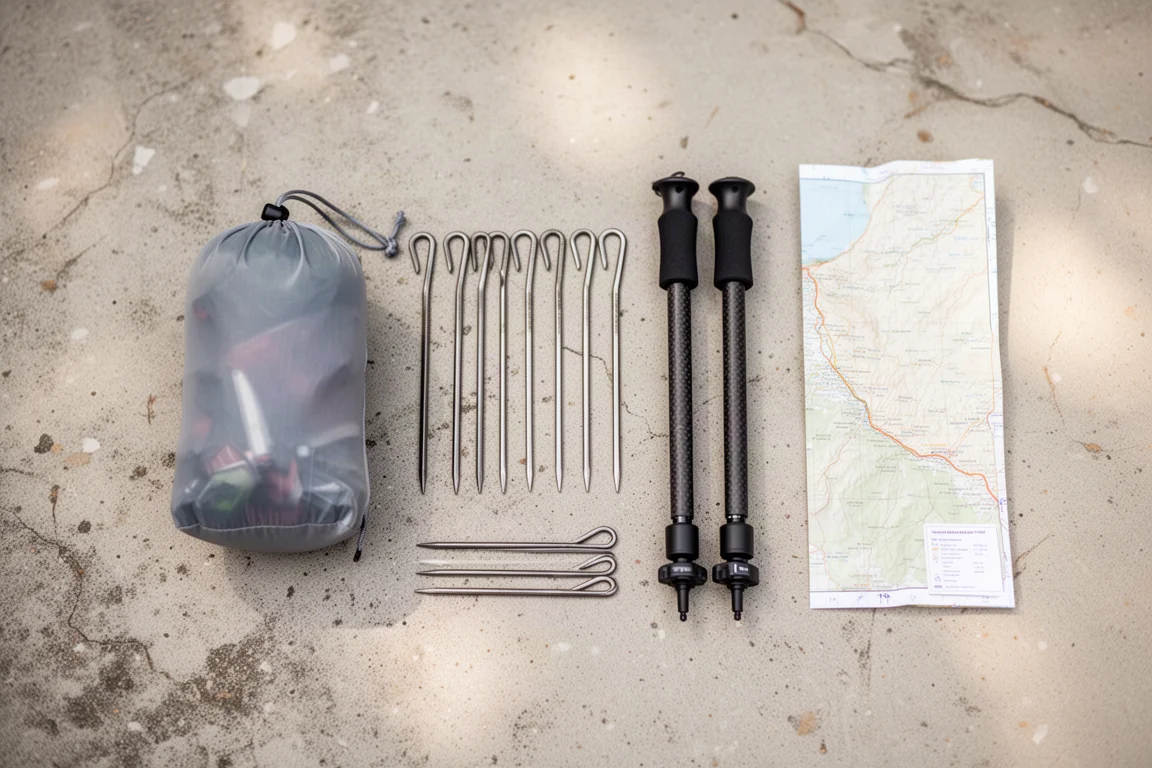
Weight figures for trekking pole tents are normally quoted without poles, on the assumption that you already carry them for hiking. That assumption is the entire reason these shelters exist: remove the pole structure and the fabric becomes dramatically lighter than a freestanding tent of the same size. If you hike without poles, carbon fibre support poles add roughly 5 oz to either shelter, bringing the X-Mid Pro to about 26 oz and the Duplex to about 23.5 oz. Even then, both remain far lighter than the lightest freestanding alternatives.
Headroom is the next consideration, and it is the single biggest factor in whether a tent feels cramped. Both shelters provide enough interior height to sit up and change a layer with another person inside. Beyond that, the two designs diverge: one prioritises depth from front to back, the other prioritises width across the middle.
Pitch simplicity and door handling matter more than they sound. They are the details you interact with twice a day, often in bad weather and frequently in the dark.
Durston X-Mid Pro: Deeper Walls and a Simpler Pitch
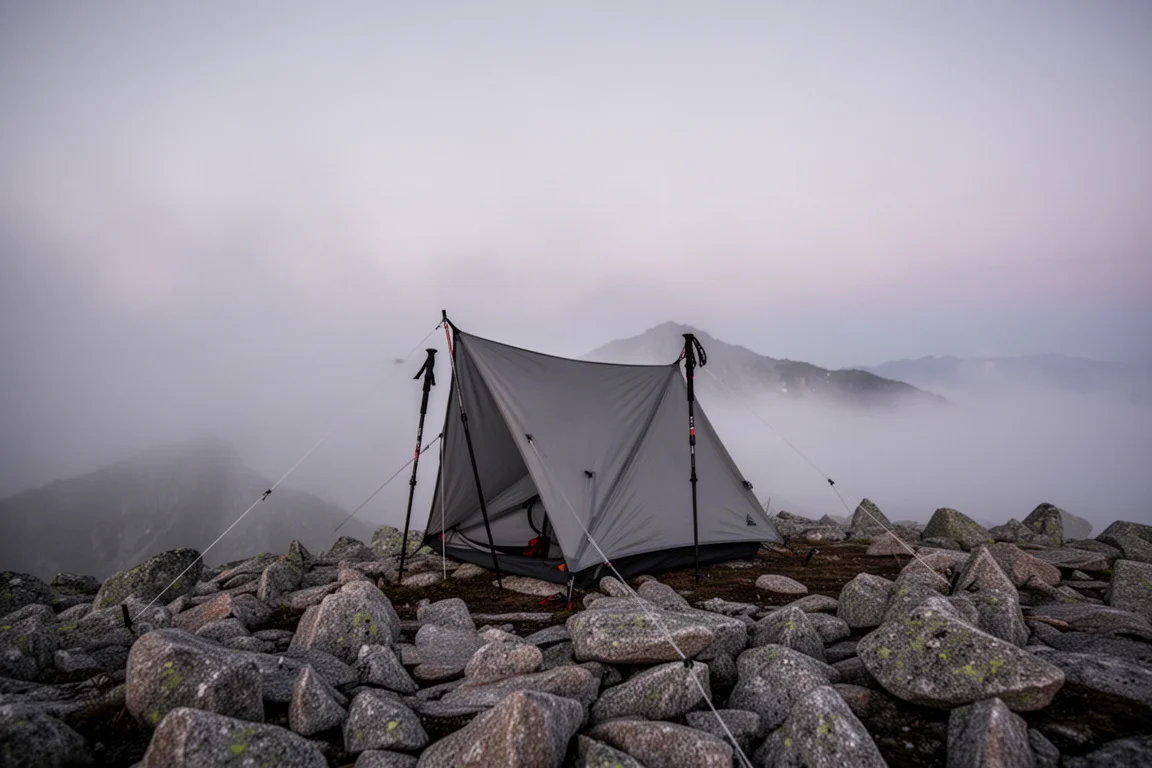
The X-Mid Pro weighs 21 oz, or about 1.3 lb, without poles. Its defining feature is an offset pole design that pulls the walls much deeper at the front and back than a conventional pyramid shaped trekking pole tent, which translates into substantially more headroom from front to back. That benefit is largely a solo one. With two people inside, one sleeper gets generous space while the other faces more fabric, although staggering the sleeping pads evens things out considerably. Sleeping head to feet is sometimes suggested as a workaround, but Durston Gear advises against it, and the reasoning is sound: on anything other than a perfectly flat pitch, one person ends up sleeping head downhill.
The floor is 48 in wide, which gives each of two occupants roughly 4 in more room at the sides than the Duplex. Two 20 in wide pads fit, and the X-Mid Pro handles wide pads better than most tents in this class, though it is fair to say neither shelter is a true two-person tent in the generous sense. Solo, it feels expansive.
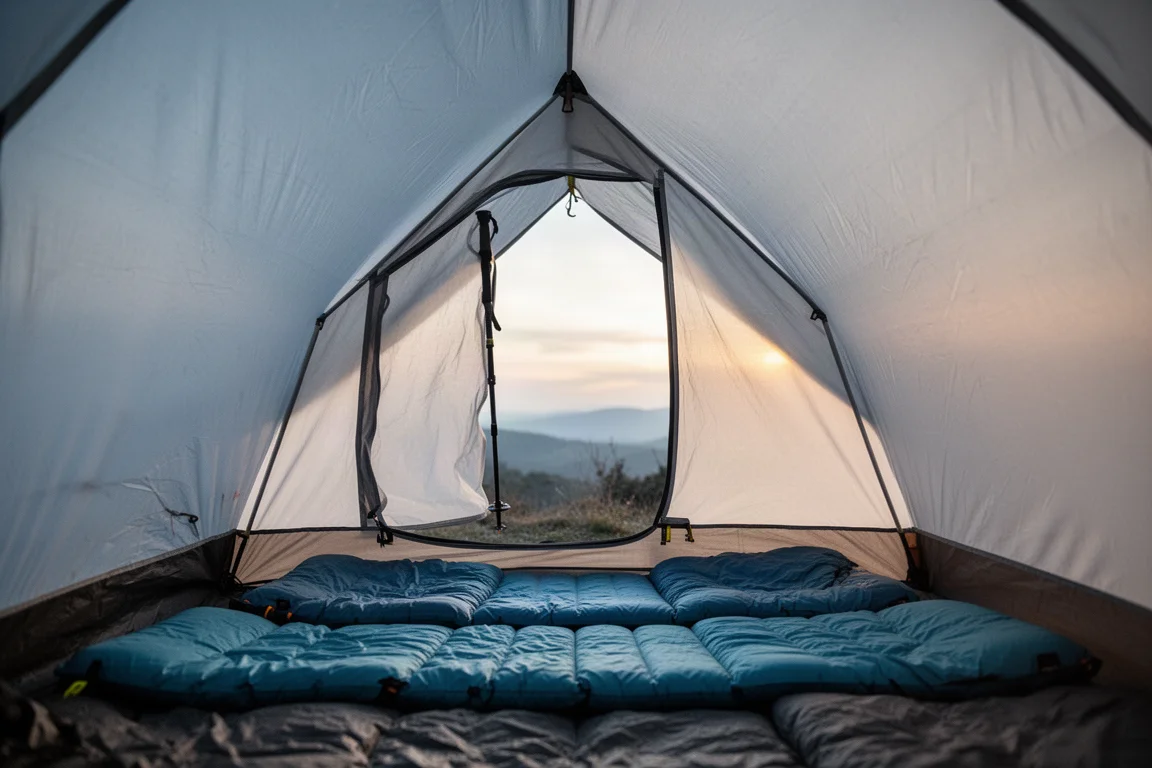
Day to day, the X-Mid Pro is the easier tent to live with. The door hangs open instead of dropping to the ground, the offset pole sits to the left of the doorway rather than in the middle of it, and no guy line crosses the entry. The fly door closes with a proper zipper. The pitch needs only four stakes in most conditions, with up to six available when you want extra stability in a storm, and the bonded construction is stronger than the sewn construction used on the Duplex. One omission worth noting: there are no interior pockets.
Zpacks Duplex: Lighter, Wider Headroom, and Available Now
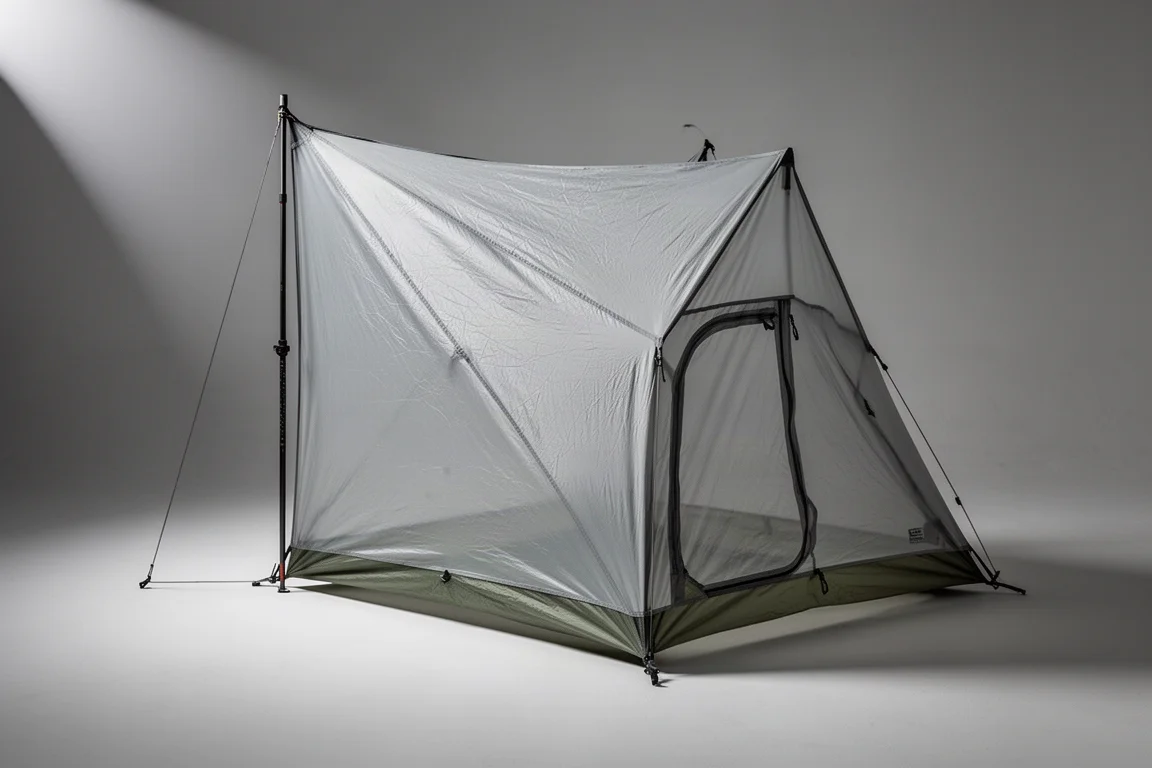
The Duplex is the lighter of the two at 18.5 oz without poles, roughly 2.5 oz less than the X-Mid Pro. Its floor is 43 in wide, and its headline number is side to side headroom of about 48 in across the centre, which is wider than the floor itself. Since side to side headroom is where seated occupants actually use the space, that measurement is what makes the Duplex feel larger with two people inside, even though it has less headroom front to back.
The trade-offs show up in the details. The door falls to the ground rather than hanging, so it has to be opened from one end to the other and then lands either in the mud or inside the tent where it can be stepped on or sat on. A pole and a guy line sit in the doorway. The fly closure uses a hook and loop system rather than a zipper, and it has been known to struggle to stay shut in weather, with the retaining clip mounted on the outside and a drawstring that pulls away from the shelter. Pitching takes at least six stakes, and eight with guy lines is a better setup for pulling out the head and foot ends.
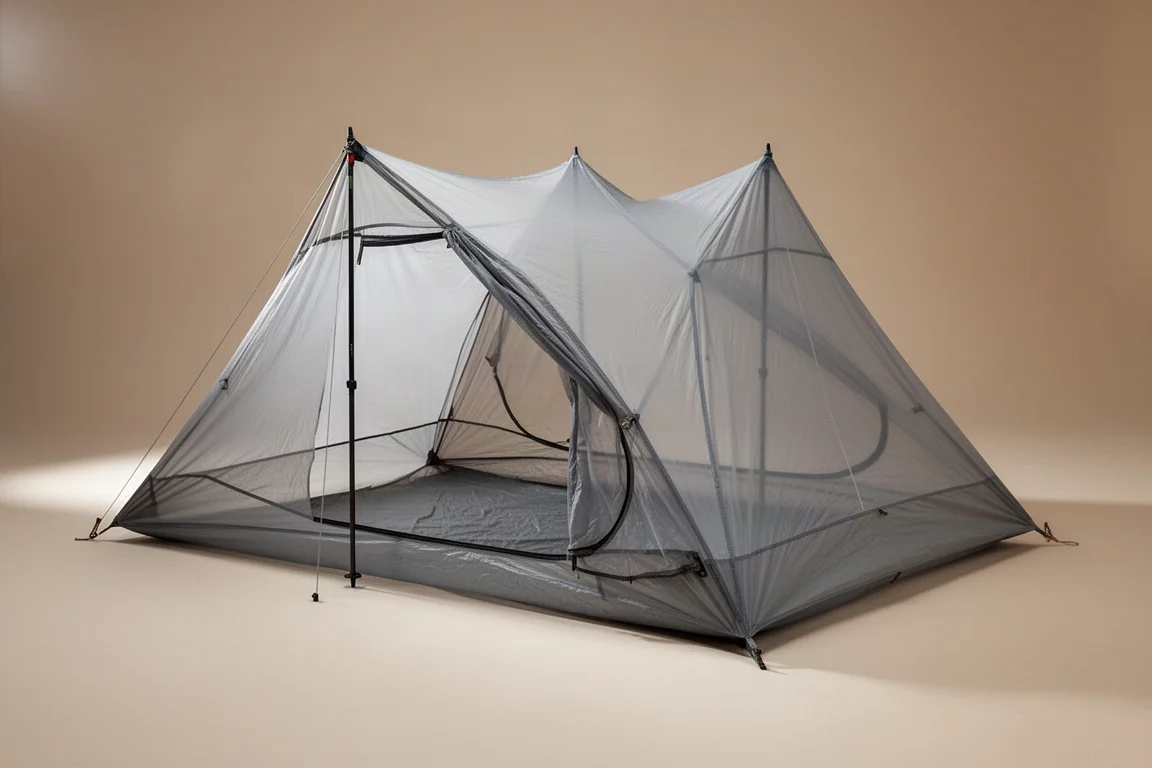
In exchange, the Duplex has generally been ready to ship when you need it, includes two interior pockets, and offers an optional freestanding kit that converts it into a fully freestanding shelter, a configuration described as among the lightest and largest of its kind.
Weight, Space, and Price at a Glance
| Durston X-Mid Pro | Zpacks Duplex | |
|---|---|---|
| Weight without poles | 21 oz (about 1.3 lb) | 18.5 oz |
| Weight with carbon poles | About 26 oz | About 23.5 oz |
| Floor width | 48 in | 43 in |
| Headroom front to back | Deeper walls, more room | Less room |
| Headroom side to side | About 24 in | About 48 in |
| Stakes needed | 4 typical, up to 6 | 6 minimum, 8 preferred |
| Interior pockets | None | Two |
| Price | About $20 more than the Duplex | Around $700, tent only |
Buying Advice: Which Tent Suits Your Trip
Solo hikers get the most out of the X-Mid Pro. With one person inside it feels expansive, the four stake pitch is quick, and the hanging door and zippered closure remove the small frustrations that build up over a long trip. If you routinely hike alone and want the most usable interior per ounce, this is the more rewarding shelter.
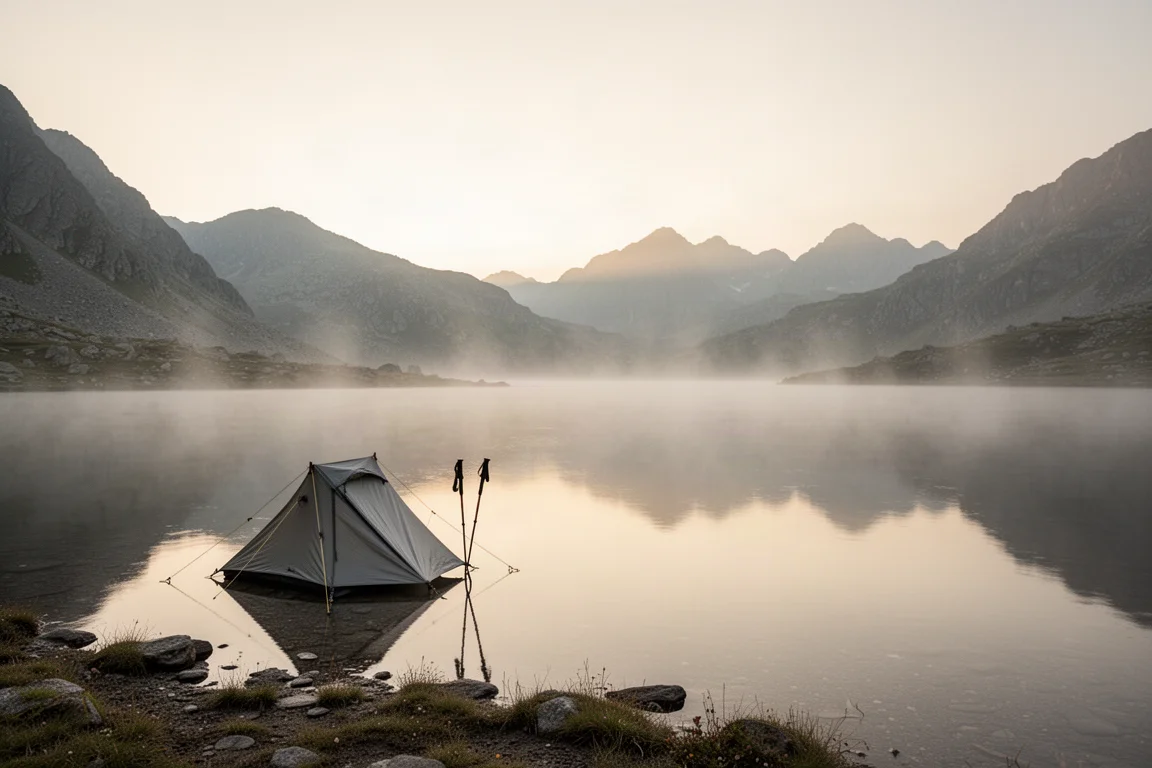
Two-person trips, and buyers who want to order today, tilt toward the Duplex. Its side to side headroom is more useful when two people sit up at once, it is lighter, and it has been consistently available. The X-Mid Pro has seen demand outrun supply, so ordering one has often meant waiting well beyond the purchase date, while the Duplex has generally been ready to ship. A freestanding kit and two interior pockets round out the practical case.
If price is the deciding factor, note that the two are close: the X-Mid Pro costs only about $20 more than the Duplex, so the decision is really about interior geometry, door design, and how soon you want the tent in your hands.
Conclusion
Both shelters earn their price through weight and interior space. The X-Mid Pro is the more thoughtfully designed tent, with deeper front to back walls, a hanging door, a zipper closure, and a four stake pitch. The Duplex is lighter, wider across the centre where seated headroom counts, and available without a long wait. Choose based on how you camp: solo comfort and easier living, or two-person headroom and immediate delivery.
Further reading
Related Reviews
Backpacking Tents
3F UL Lanchan Pro 1 Review: A 1 lb 8 oz Single-Wall Trekking Pole Tent
A practical look at the 3F UL Lanchan Pro 1, a single-wall trekking pole shelter with a 1 lb 8 oz weight, 20D silnylon fabrics, and a roomy 90 x 31 x 49 inch interior.
Backpacking Tents
3F UL Taiji 2-Person Tent: A Convertible Backpacking Shelter Worth a Closer Look
A practical look at the 3F UL Taiji two-person tent, covering its materials, true two-person interior, fly-first pitching, and the seasonal inner swap that lets one shelter cover more of the year.
Backpacking Tents
3FUL Lanshan Twoerson Pro Review: A Light Trekking Pole Shelter That Struggled in Rain
A two-person trekking pole shelter with a 2026 redesign, pitched with sticks and put through a night of steady rain. Here is what worked, what did not, and what to check before buying.