Camping Tents
Durston X-Mid 2 Review: A Lightweight Two-Person Trekking Pole Tent
A practical look at the Durston X-Mid 2, covering room for two wide pads, one kilogram weight, four-stake pitching, and the trade-offs to weigh before buying.
Introduction
The Durston X-Mid 2 has built a reputation as one of the most requested lightweight two-person tents around, and demand has repeatedly outpaced supply. The last production run sold out quickly, which means many backpackers read about this shelter long before they get the chance to pitch one. The real question is whether the design holds up once it is on the ground in cold, damp conditions.
This review covers what the X-Mid 2 does well, where its geometry asks for a compromise, and who gets the most value from it.
Who the Durston X-Mid 2 Is For
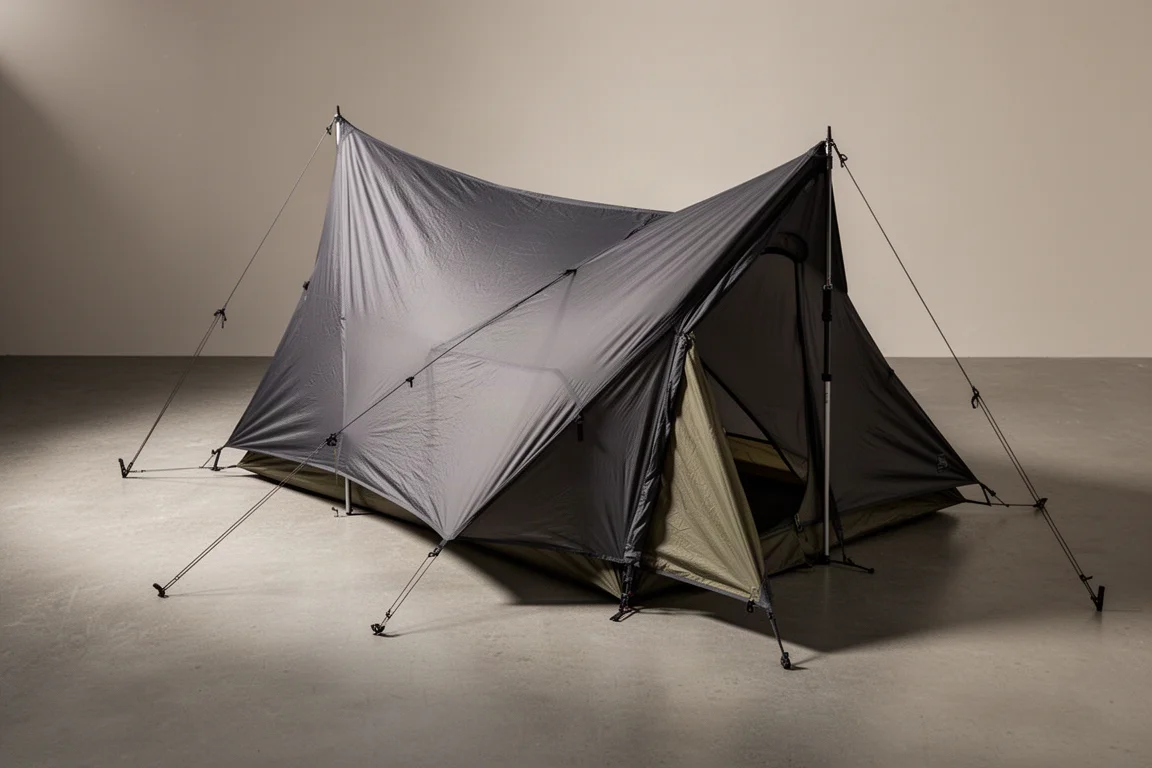
The X-Mid 2 is a two-person trekking pole tent designed by Dan Durston. It measures 92 inches long and 50 inches wide, and the floor is sized so two 25 inch wide sleeping pads can sit side by side. That is uncommon in a two-person shelter, and it matters for anyone who sleeps on a wide pad and still wants to share the tent.
Weight is the other headline number. The fly and inner together come in at 1025 grams, right around the one kilogram mark, which is a strong figure for a double wall two-person tent. It also packs down small enough to sit horizontally inside a backpack, which keeps the load flatter and easier to carry.
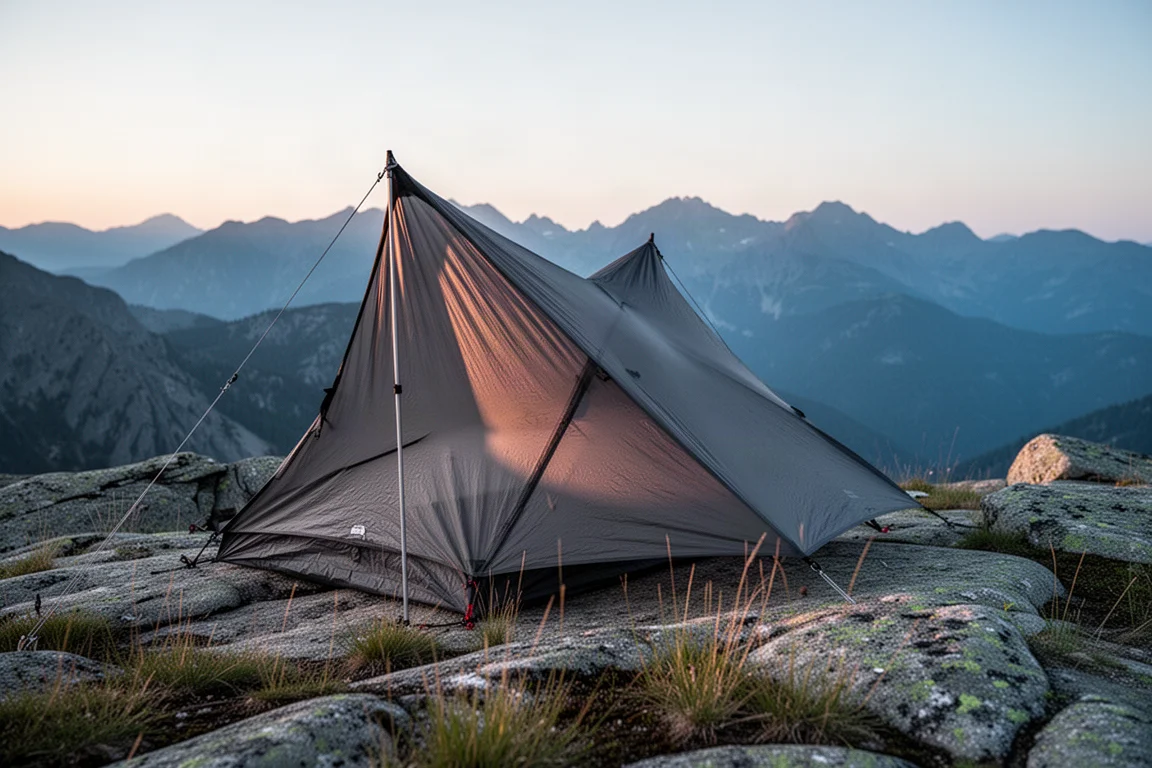
Because it relies on trekking poles rather than a freestanding frame, the X-Mid 2 suits hikers who already carry poles and want a shelter that earns its place in the pack. Solo campers who want extra room will also find it comfortable, though the weight is easier to justify when two people split it.
Main Strengths: Space, Weight, and Materials
Inside, the tent feels genuinely roomy. Two 25 inch pads fit next to each other with space to spare, and the steep sidewalls keep usable volume high rather than tapering sharply toward the floor.
The flysheet uses 20 denier polyester. Polyester absorbs roughly a tenth of the moisture that silnylon takes on, and it does not sag noticeably when wet, so the pitch stays taut through damp nights. The tent is double walled, with a mesh inner and the fly wrapped around the outside, and the two layers are attached as a single unit. That means the whole shelter goes up in one step, so a mesh inner never has to sit exposed in the rain while the fly is threaded over it.
Condensation Control and Ventilation
The X-Mid 2 ships with two vents, one near each end of the ridge line. They open wide and are intended to create a cross draft through the tent, which is the main tool for managing condensation on cold nights.
The mesh inner does most of the protective work. Even when a sleeping bag foot box presses against the mesh, the panels in that area stay taut enough that gear is not pushed into the wet outer wall. Some panels are less taut than others and can be pushed inward more easily, though their angle means little tends to rest against them. On a cold night beside running water, some condensation is realistic, especially with the vents left closed.
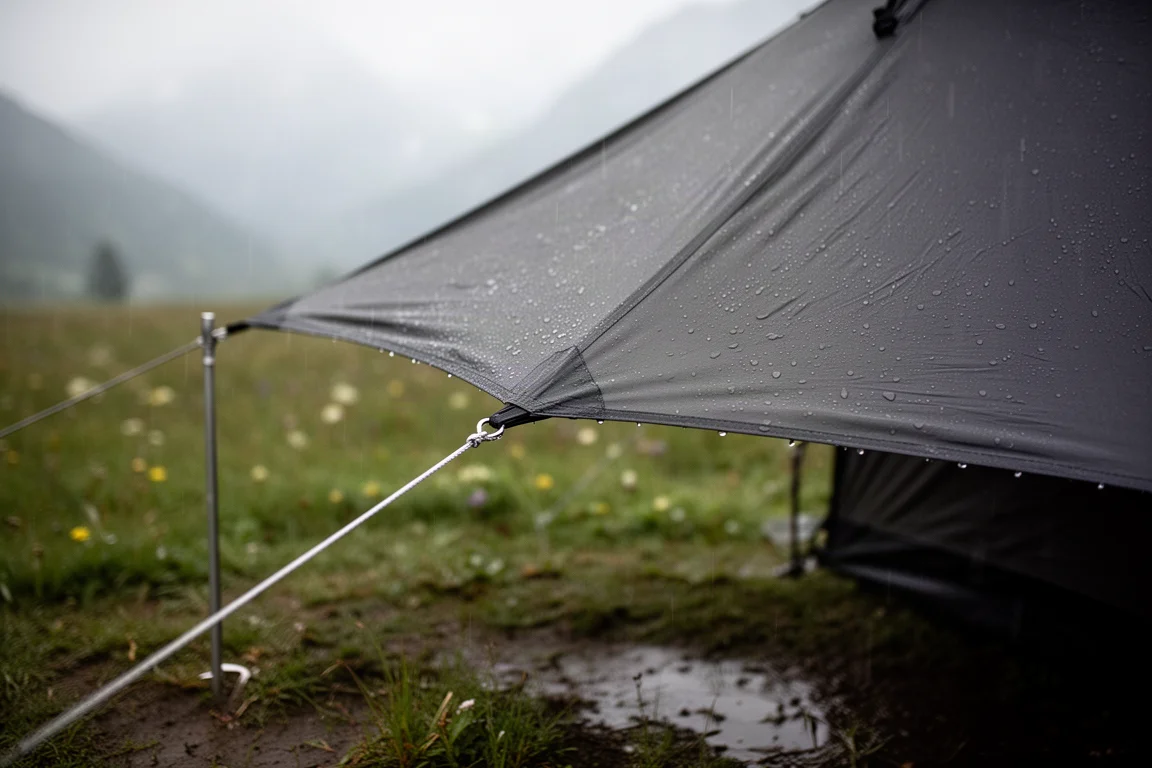
Ventilation is easiest to control by leaving the fly partially open. The pole structure creates a small overlap above the door, so the fly can be zipped down slightly and still cover everything inside, which keeps air moving without exposing the interior.
Pitching and Build Details
Pitching is where the design shows its strongest idea. The X-Mid 2 needs only four stakes, one at each corner, plus two trekking poles set slightly offset from center. That offset geometry is what allows the low stake count, and it also produces steeper sidewalls that shed snow rather than collecting it.
In fresh snowfall the fly cleared snow well, with accumulation mostly limited to spots where condensation had already formed. Small details hold up too: the zippers feel lightweight but robust, the tie backs roll the fly away quickly, and loops at each end of the ridge line let a line be strung across the top for drying gear.
Things to Consider Before Buying
The offset pole layout means the tent is designed for head to foot sleeping. If one person sleeps with their head at one end, the other person’s feet are beside them at the same end. Couples who prefer sleeping head to head will need to accept that compromise.
The stakeout hardware is the other practical limitation. The cordage supplied with the tent is short, which leaves little slack to work with, and the loops at the ends are not large enough to take snow stakes. Loops can be adjusted, but doing so costs even more usable line length.
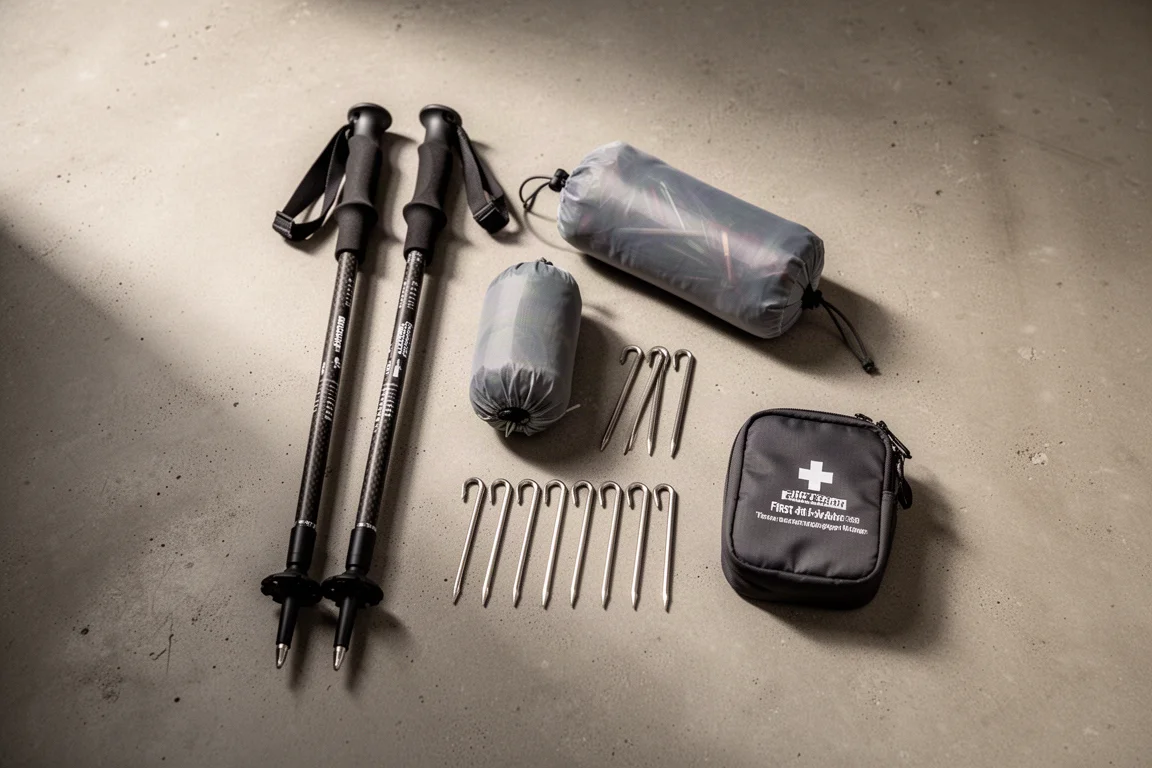
Frozen ground adds its own challenge. In hard or shallow snow, standard stakes can pull free, and rocks may be needed to anchor the corners, which is a general reality of winter camping rather than a flaw in the tent itself.
Price, Value, and Availability
The X-Mid 2 sits roughly $50 to $100 above the typical budget backpacking tent, so it is not a budget purchase. What it offers in return is a double wall shelter at about one kilogram, floor space for two wide pads, a polyester fly, and a level of finishing that reflects deliberate design rather than decoration.
Availability is the harder problem. The tent is popular enough that production runs sell out quickly, so timing a purchase often means waiting for a restock rather than choosing a convenient moment.
Buying Advice
Buy the X-Mid 2 if you already hike with trekking poles, want a two-person shelter near the one kilogram mark, and need floor space for two wide pads. It rewards backpackers who value a taut, weather ready pitch and who do not mind a head to foot sleeping arrangement.
Consider a freestanding alternative if you camp on solid rock or hard ground where stakes are difficult, or if you frequently pitch on platforms where pole supports are not practical. If you sleep head to head with a partner and that matters more than weight, the offset layout is the detail to weigh carefully.

For most three season backpacking trips, the combination of low weight, generous interior width, and a fly that stays taut in wet weather makes the X-Mid 2 a straightforward choice for the right user. Matching the tent to how you actually sleep and where you actually pitch is the real decision.
Conclusion
The Durston X-Mid 2 earns its reputation through space, weight, and a thoughtful pole geometry that keeps pitching simple. Its trade-offs, a head to foot layout and short stakeout cordage, are specific and easy to plan around. For backpackers who carry trekking poles and want room for two wide pads without carrying a heavy shelter, it is a tent worth waiting for.
Product link
View more details for Durston X-Mid 2
This product is mentioned in the review. Check the specifications, options, and compatibility before buying.
View more details for Durston X-Mid 2Further reading
Related Reviews
Camping Tents
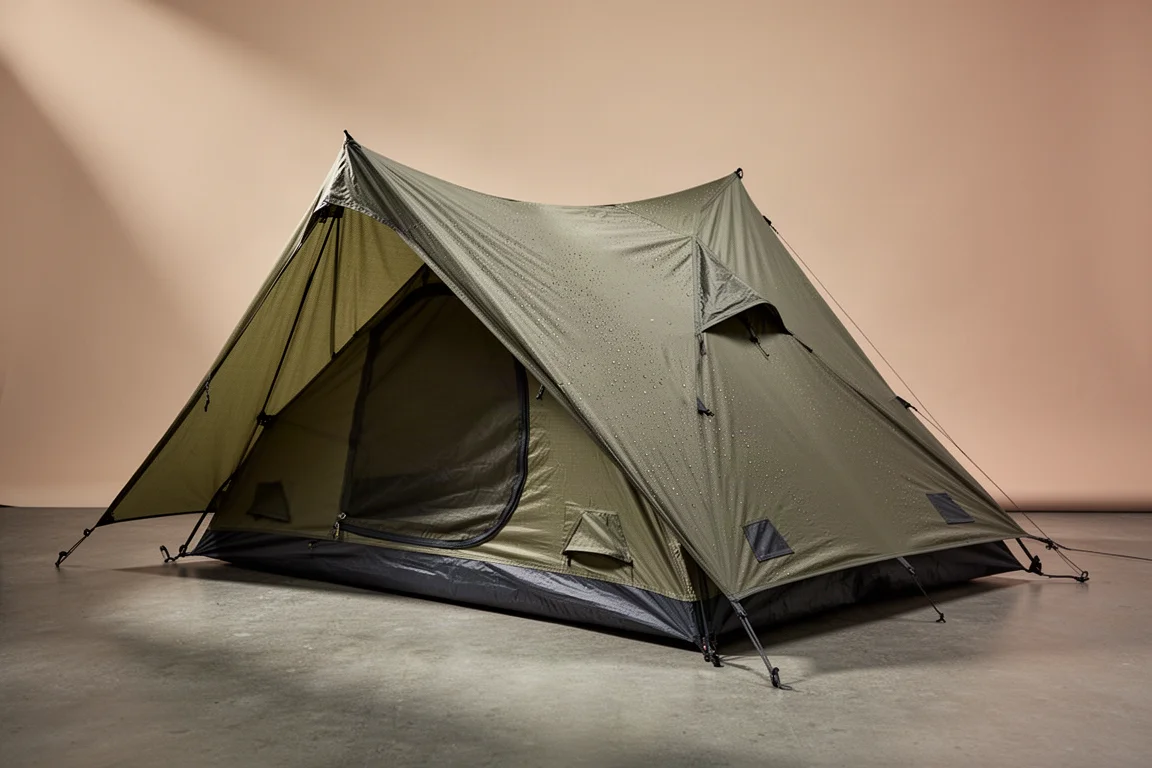
3F UL Gear Taiji Two-Person Tent Review: Field Waterproofing Results and Buying Advice
The Taiji pairs an attached fly with a removable inner, but sustained rain exposed untaped vent seams that need sealing before this shelter can be trusted.
Camping Tents
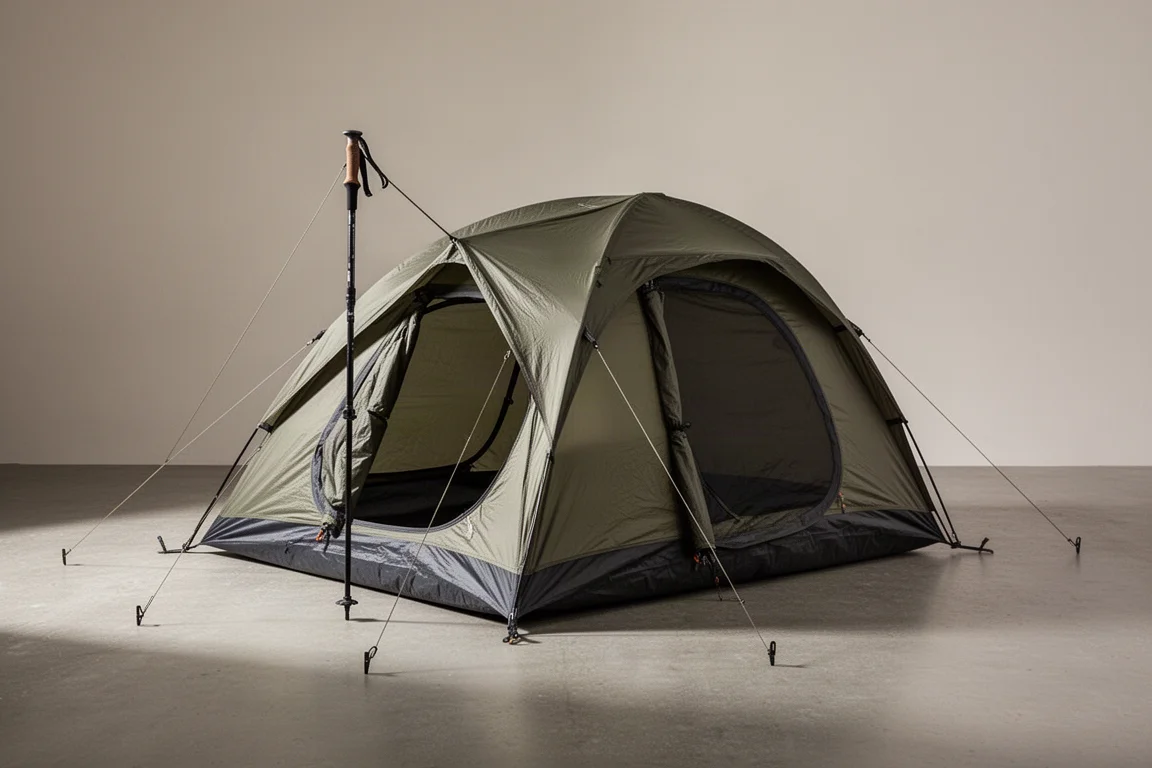
3FUL Gear Lanshan 2 Pro 4-Season Review: A Sub-$200 Single-Wall Trekking Pole Tent
An early look at the 3FUL Gear Lanshan 2 Pro 4-Season, covering its straightforward pitch, generous interior space, and the condensation and seam-sealing questions that come with any single-wall shelter.
Camping Tents
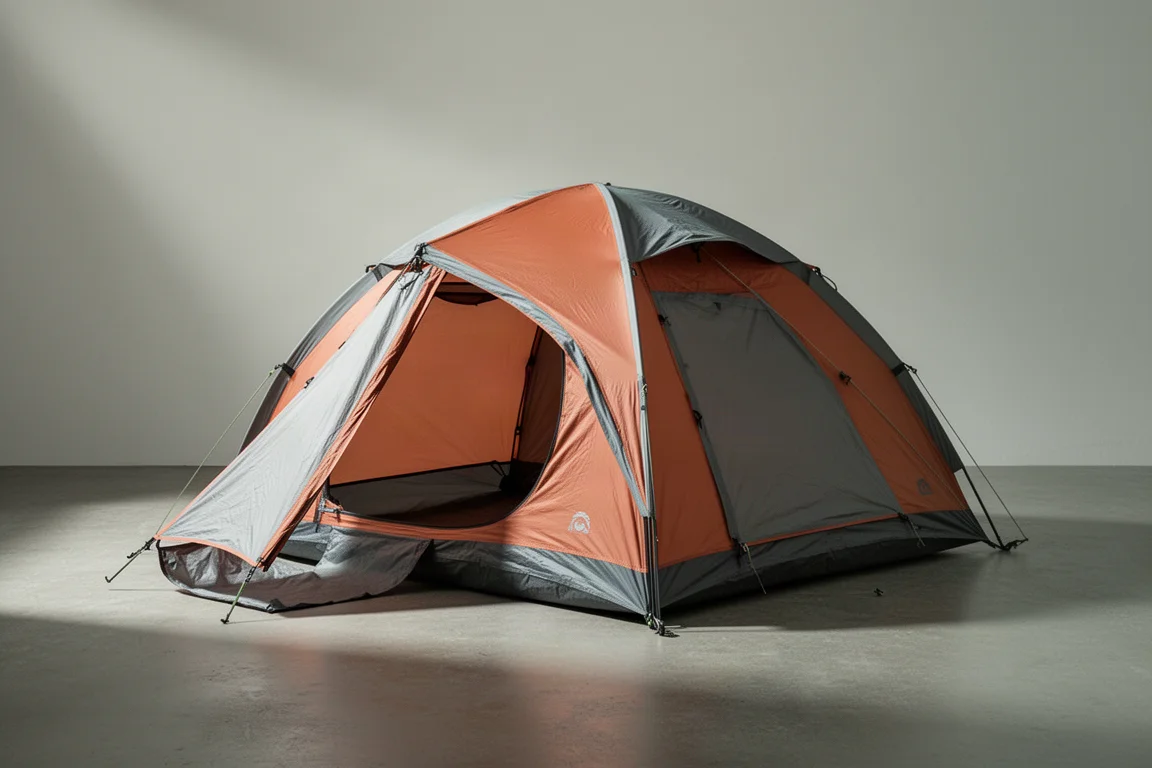
Alps Mountaineering Lynx 1-Person Tent Review: Big Value in a Small Budget Tent
A close look at the Alps Mountaineering Lynx 1-Person Tent, covering real interior dimensions, materials, setup time, ventilation limits, and who should buy it.