Camping Tents
Durston Gear X-Mid 1 Review: A Storm-Ready Trekking Pole Tent
A double-wall one-person trekking pole tent that pitches in minutes, held firm through a 40 mph windstorm, and costs far less than most of its competition.
Introduction
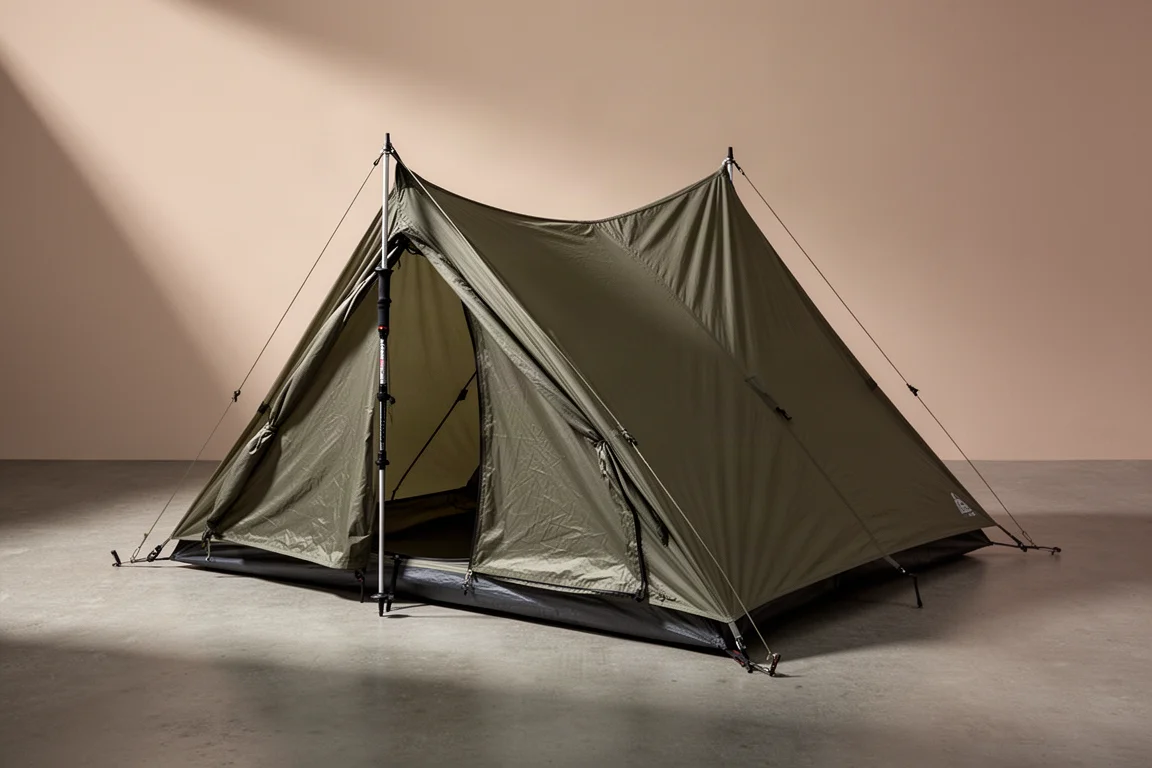
The Durston Gear X-Mid 1 is a one-person, double-wall shelter built around trekking poles, and it has become one of the most talked-about designs in lightweight backpacking. A field test at Big Bend National Park in Texas made the case quickly: the tent pitches in a couple of minutes, stands up to weather that folded other shelters, and costs noticeably less than much of the competition.
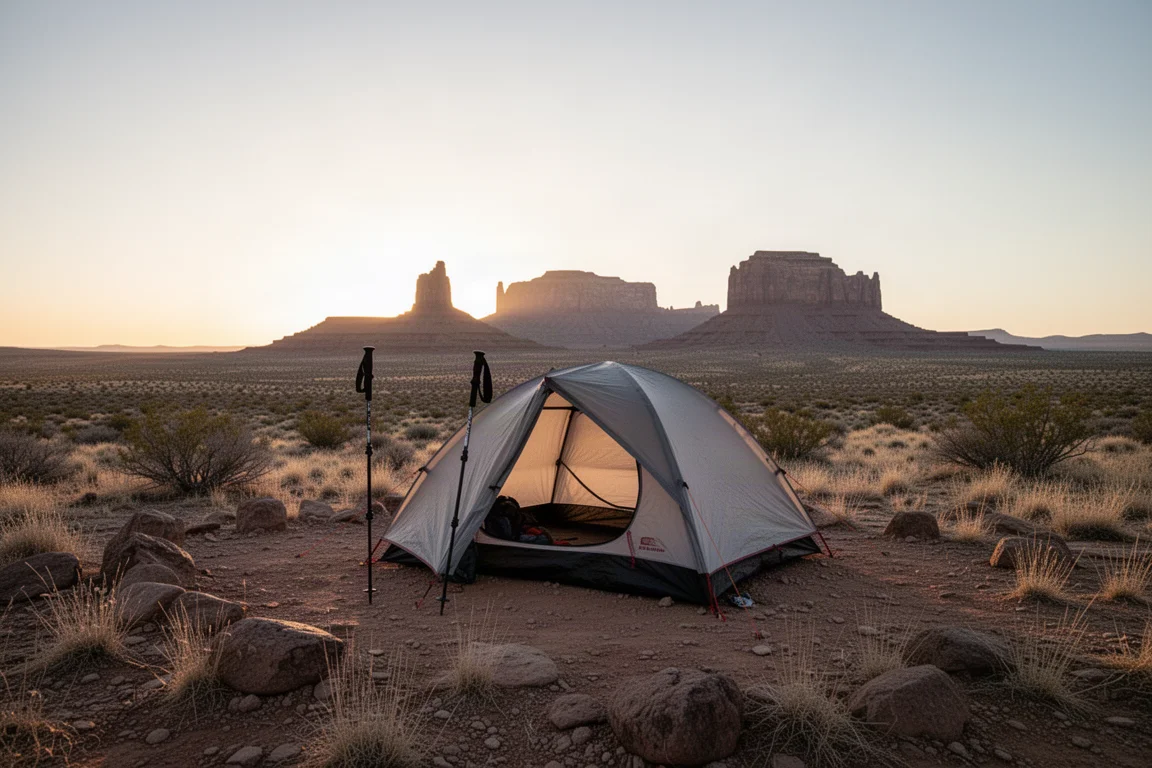
There is one catch that has nothing to do with the design itself, and it is worth knowing before you commit. Availability is inconsistent, and buyers often end up on a waiting list before they can order one. Everything else about the X-Mid 1 is about delivering a lot of shelter for the money.
Who This Tent Is For
This is a shelter for backpackers who already carry trekking poles and want to put them to work. Because the poles form the structure, there is no dedicated pole set to pack, which keeps the load light and the pitch simple.
It suits three-season hikers who value stormworthiness over interior features. The design is deliberately minimalist: two pockets, a clean floor plan, and two very large vestibules rather than a long list of interior organizers. Anyone who wants a freestanding tent, or who hikes without poles, should look elsewhere.
It also works well for longer trips where a dependable pitch matters more than saving the last few grams. The construction favors durability and weather protection over shaving weight to the absolute minimum, and that trade-off is felt in a good way once the wind picks up.
Setup and Storm Performance
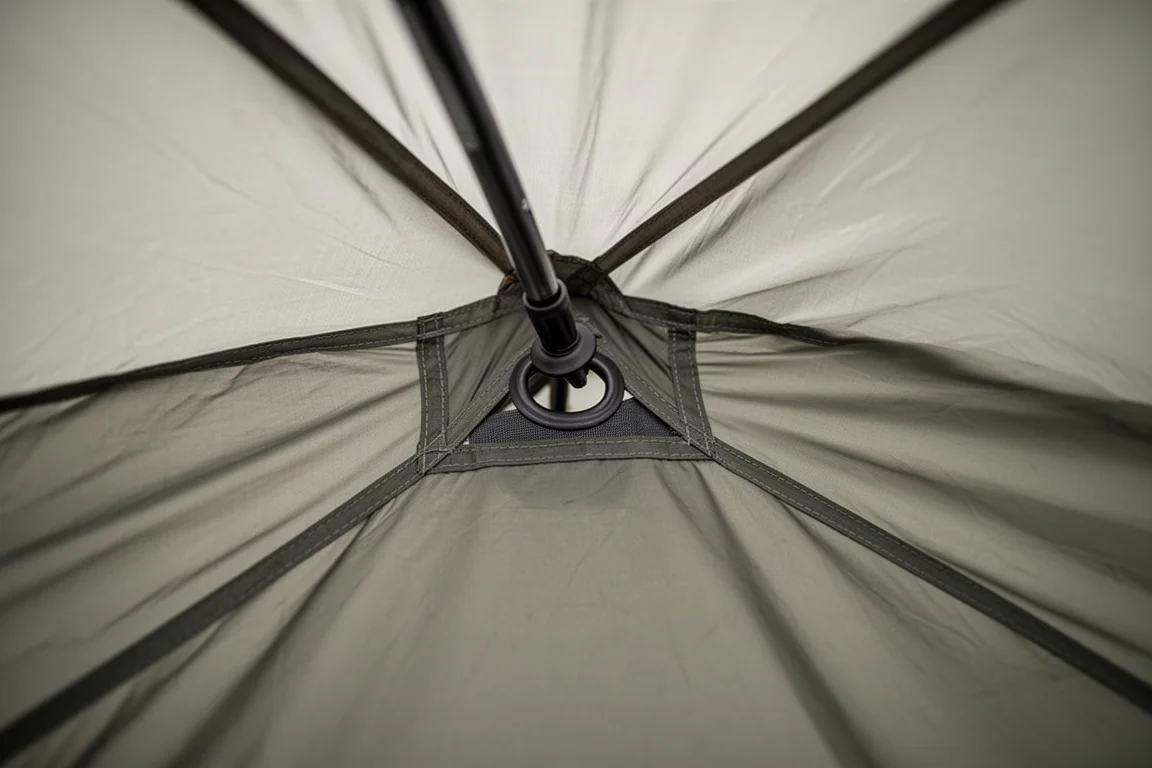
Setup follows an unusual sequence. You stake one corner, then instead of walking to the opposite corner you stake the adjacent one, pulling the fabric until it is taut at roughly a 90-degree angle, then square the footprint out from there. The trekking poles go in through the top vents, handle down and tip up, seating into a grommet at the peak. Repeat on the other side and the shelter is standing.
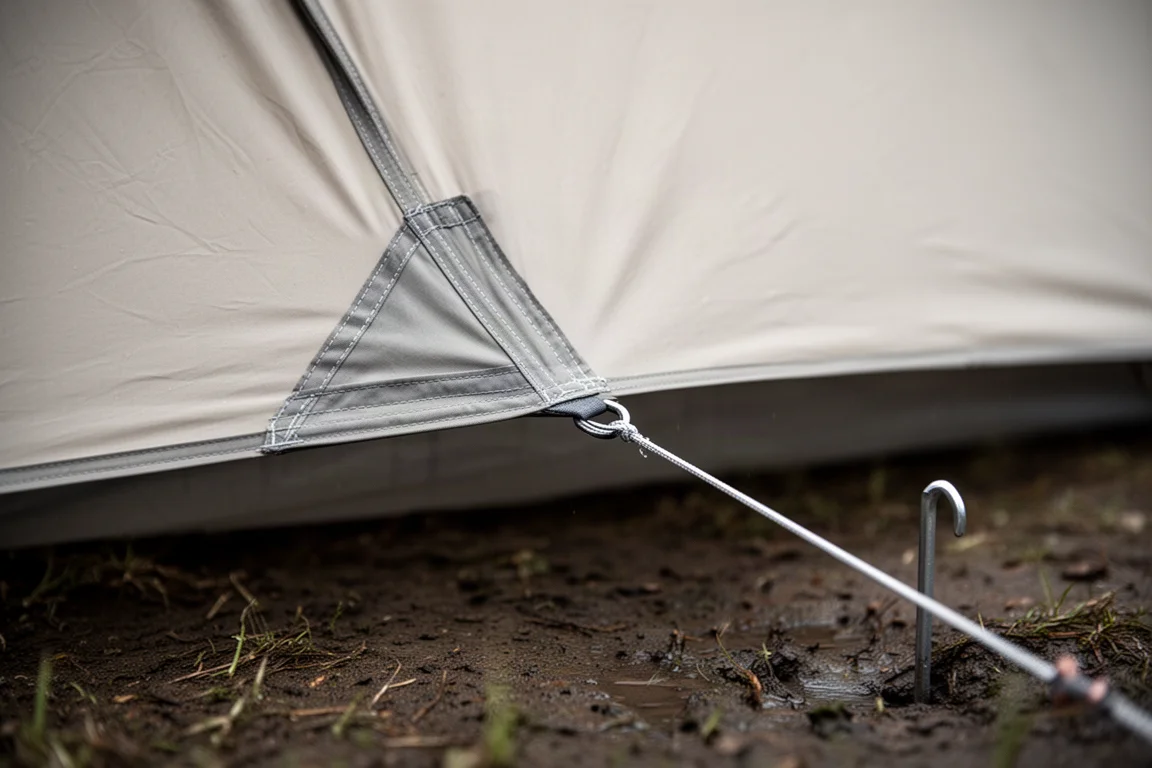
Four stakes is enough to pitch it, and two extra stakes open up the vestibules further. The corners are adjustable all the way around, which matters after a wet night: if the nylon sags, you can wake up and re-tension the lines without rebuilding the pitch.
The wind performance is the standout. In sustained winds estimated at 40 to 50 mph, a companion tent on the same trip snapped a pole clean through, while the X-Mid 1 did not budge and needed no additional guy lines. The uniform angle around the whole shelter, closer to a teepee than a box, sheds wind rather than catching it flat, and the same geometry means snow slides off all four sides instead of loading them.
Interior Space and Vestibules
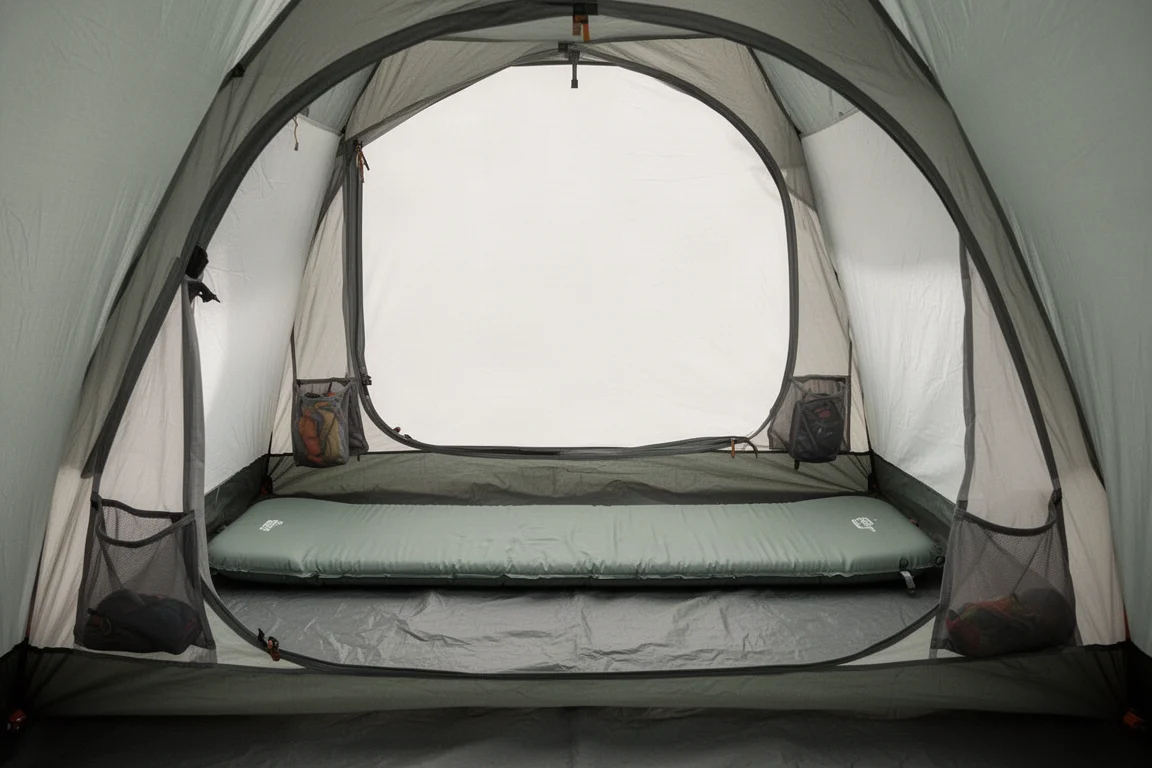
The interior geometry is more clever than it first appears. The trekking poles sit slightly off center and the sleeping area runs at an angle, which is what allows a genuinely usable floor in a shelter this light. The insert is about 30 inches wide, and a 25 by 78 inch sleeping pad fits with room to spare. A small shock cord loop holds the trekking pole inside so it stays out of the way.
The two vestibules are the real surprise. For a one-person tent they are unusually large, and the amount of gear you can store at each end is substantial. You do not strictly need two, but having them makes living out of the shelter far easier in bad weather.
The head end and foot end are effectively identical, which makes the interior reversible. If wind is pounding the wall beside your head, you can simply flip your sleep setup around and put more distance between you and the weather without any loss of comfort. Headroom is decent with the vestibules closed, and it opens up further when you toggle them back. Two pockets, one at each end, are the only storage built into the tent.
Design Details and Durability
The materials are thicker than the ultralight norm. The nylon is a heavier denier fabric, roughly 20D, and the fly is built from around seven or eight panels, which keeps the seam count low. Where the trekking pole tip meets the peak, the fabric is heavily reinforced and protected by a grommet so the pole cannot punch through. The corners where the guy lines attach are thick and triple stitched.
Ventilation is handled by Velcro vents with a small bar that props them open. There are plenty of guy-out points if you want to add stakes, and two reflective guy lines are included so a headlamp picks them up in the dark and you are less likely to trip over them.
The zipper deserves a mention. It is a waterproof zipper, and it is stiffer to open one-handed from inside the tent than a standard one. That is a deliberate trade: the same stiffness is what keeps weather out. The inner tent connects to the fly on first assembly and then stays attached, though it can be separated, and a kit is available if you want to run the fly alone on clear nights.
Things to Consider Before Buying
This is a minimalist shelter, and the feature list reflects that. Two pockets is the entire interior storage provision, so anyone who travels with a lot of small items should plan on using the vestibules and a stuff sack instead.
The floor is a little narrow alongside a wide pad. There is some space at the sides, but a bulkier sleeping bag will spill over it, so most gear ends up at the head and foot ends rather than beside you.
Trekking poles are required and are not included, which is the single biggest thing to check before ordering. And the availability problem is real: the tent is frequently out of stock, so joining the brand’s email list is the practical route to buying one.
Buying Advice
At around $230, the X-Mid 1 sits at the value end of the market for what it delivers. Comparable trekking pole shelters frequently cost considerably more, and few of them match this combination of quick pitching, storm stability, and oversized vestibules.
If you already hike with poles and want one shelter that covers three seasons without fuss, this is an easy recommendation, and it earns a score in the region of nine out of ten among trekking pole tents. If you need a freestanding design or expect a lot of interior organization, spend your money elsewhere.
The practical advice is to get on the waiting list early rather than waiting until a trip is close. Demand is high, stock moves quickly, and planning ahead is the difference between owning one and watching the page.
Conclusion
The Durston Gear X-Mid 1 does the hard things well. It pitches fast, holds its shape in serious wind, sheds snow from every side, and gives a solo backpacker two generous vestibules for the price of a mid-tier shelter. Its compromises are the predictable ones for a minimalist trekking pole tent: fewer pockets, a stiffer waterproof zipper, and a floor that rewards a standard-width pad. For backpackers who already carry poles, it is one of the strongest one-person options available for the money.
Product link
View more details for Durston Gear X-Mid 1
This product is mentioned in the review. Check the specifications, options, and compatibility before buying.
View more details for Durston Gear X-Mid 1Further reading
Related Reviews
Camping Tents
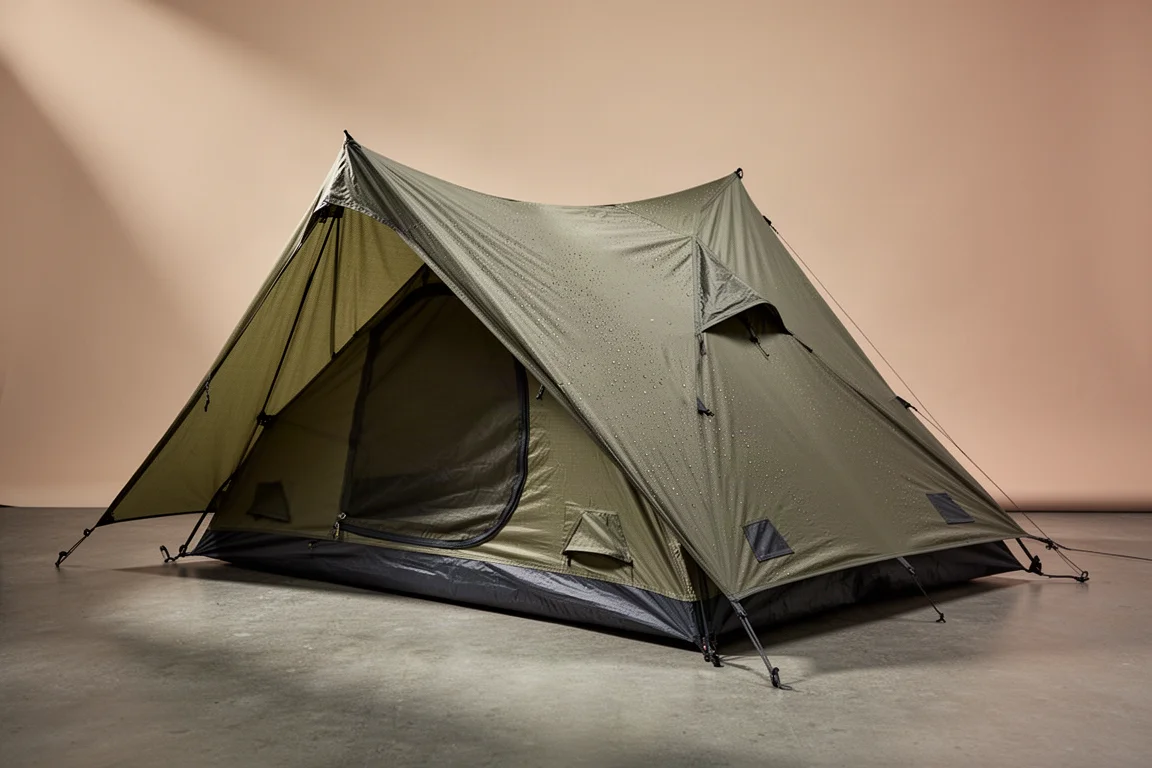
3F UL Gear Taiji Two-Person Tent Review: Field Waterproofing Results and Buying Advice
The Taiji pairs an attached fly with a removable inner, but sustained rain exposed untaped vent seams that need sealing before this shelter can be trusted.
Camping Tents
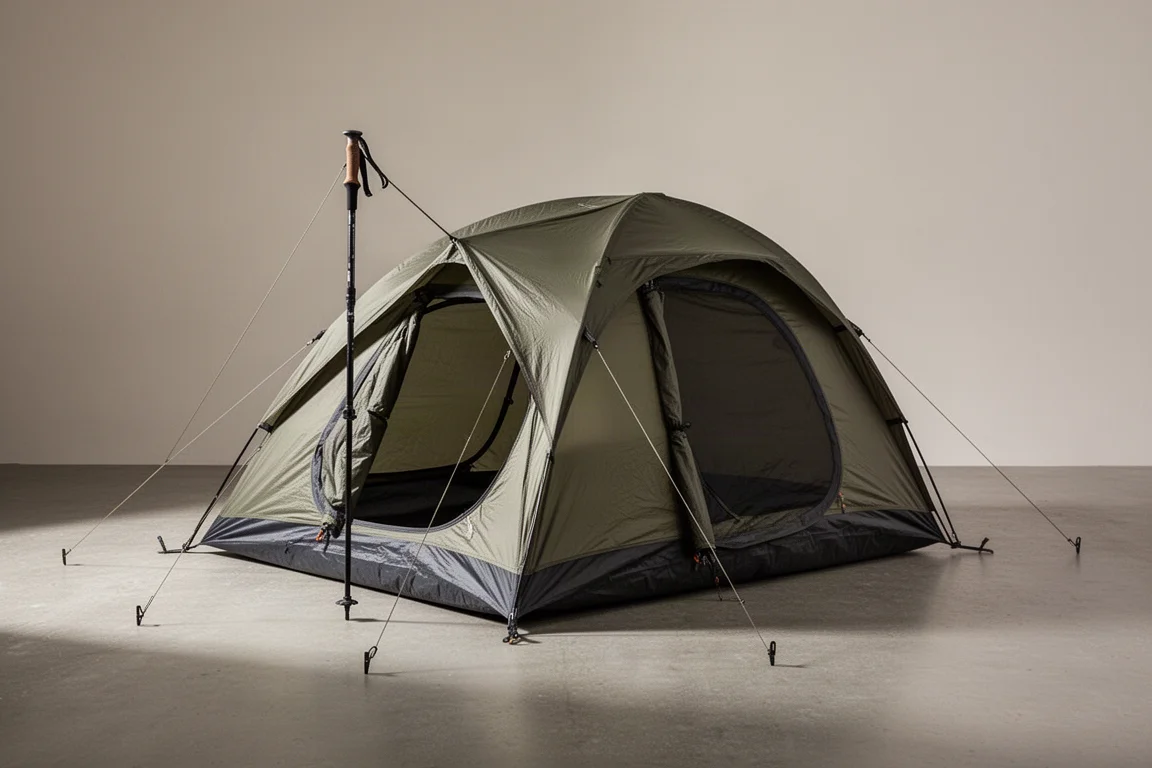
3FUL Gear Lanshan 2 Pro 4-Season Review: A Sub-$200 Single-Wall Trekking Pole Tent
An early look at the 3FUL Gear Lanshan 2 Pro 4-Season, covering its straightforward pitch, generous interior space, and the condensation and seam-sealing questions that come with any single-wall shelter.
Camping Tents
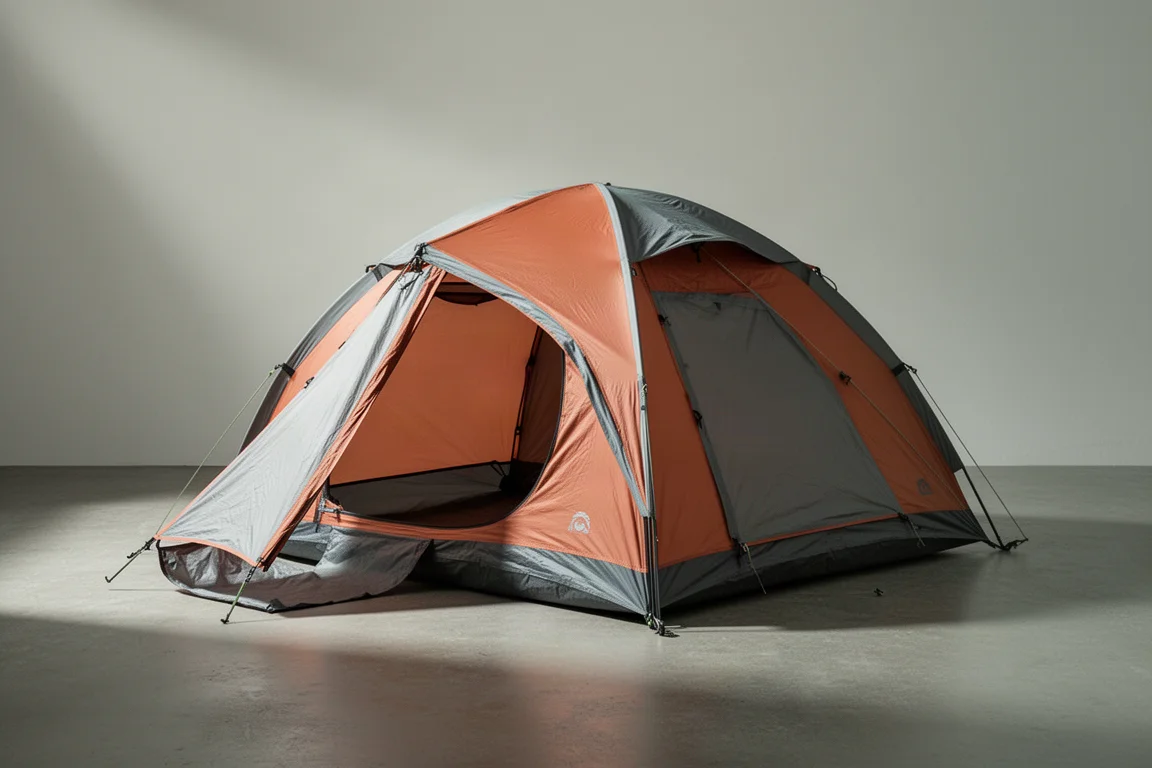
Alps Mountaineering Lynx 1-Person Tent Review: Big Value in a Small Budget Tent
A close look at the Alps Mountaineering Lynx 1-Person Tent, covering real interior dimensions, materials, setup time, ventilation limits, and who should buy it.