Water Filtration
DuPont FilmTec 75 GPD vs 100 GPD: Picking the Right RO Membrane
How the two most popular RODI membranes differ in rejection rate, flow rate, and long-term DI resin cost, and which one suits a typical reef system.
Introduction
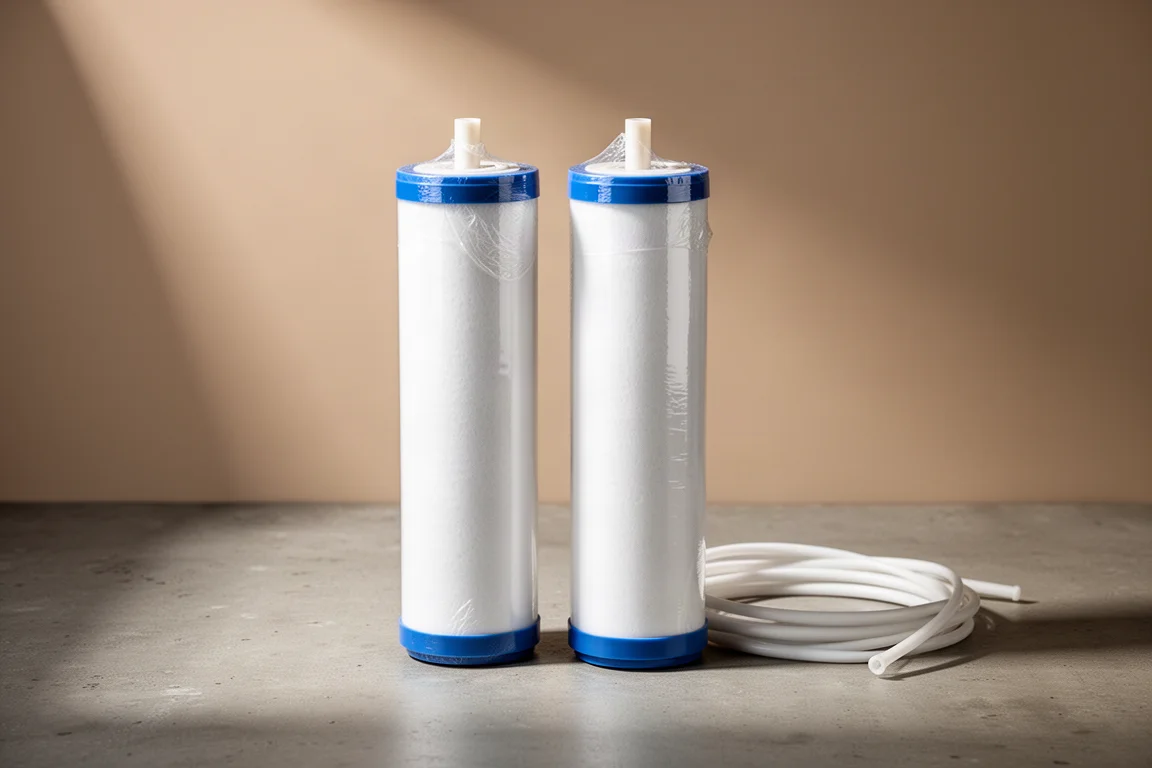
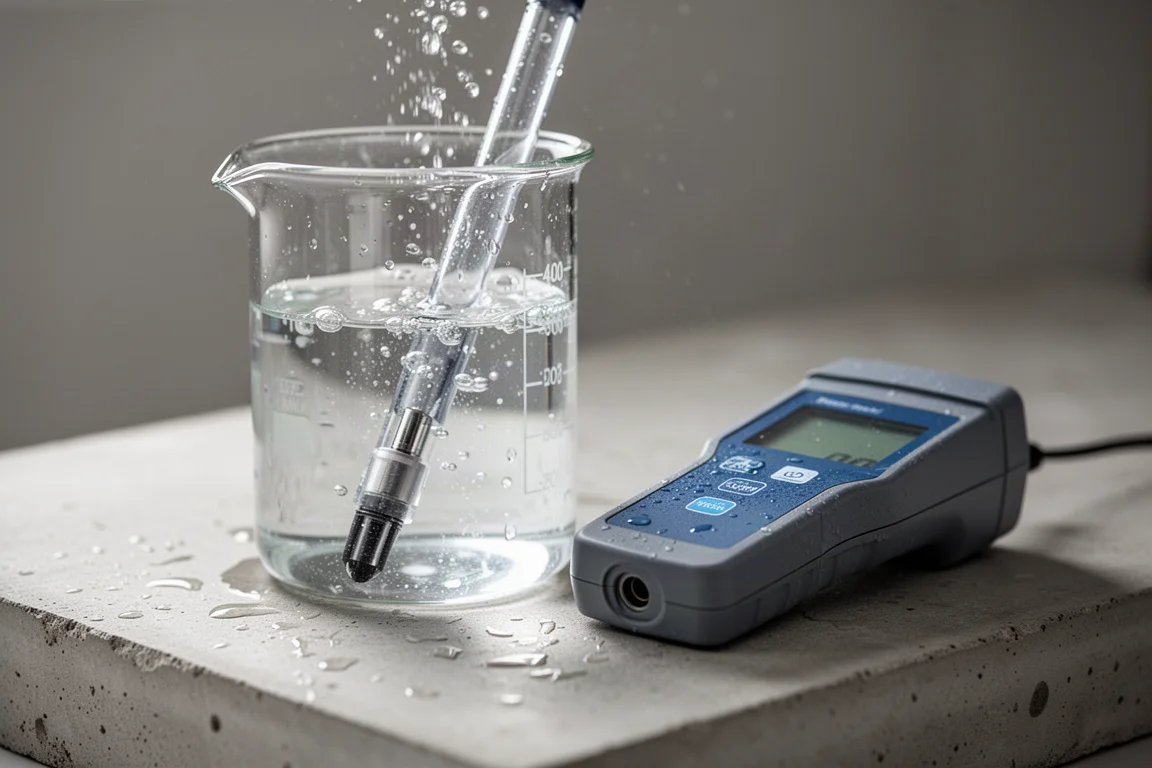
A reverse osmosis deionization system is a combination of four distinct filter types that together produce ultrapure water, usually described as zero TDS water because it measures zero dissolved solids on a TDS meter. The membrane sitting in the white canister is the part doing the vast majority of that work, and it is the one component worth choosing carefully.
Two membranes carry most of the attention in reef keeping: the DuPont FilmTec 75 GPD and the DuPont FilmTec 100 GPD, both formerly sold under the Dow name. They look nearly identical, share the same pressure requirements, and differ mainly in how fast they make water. That difference has a knock-on effect on rejection rate, on how often the DI resin needs changing, and on how many gallons of wastewater go down the drain.
What the RO Membrane Does in a RODI System
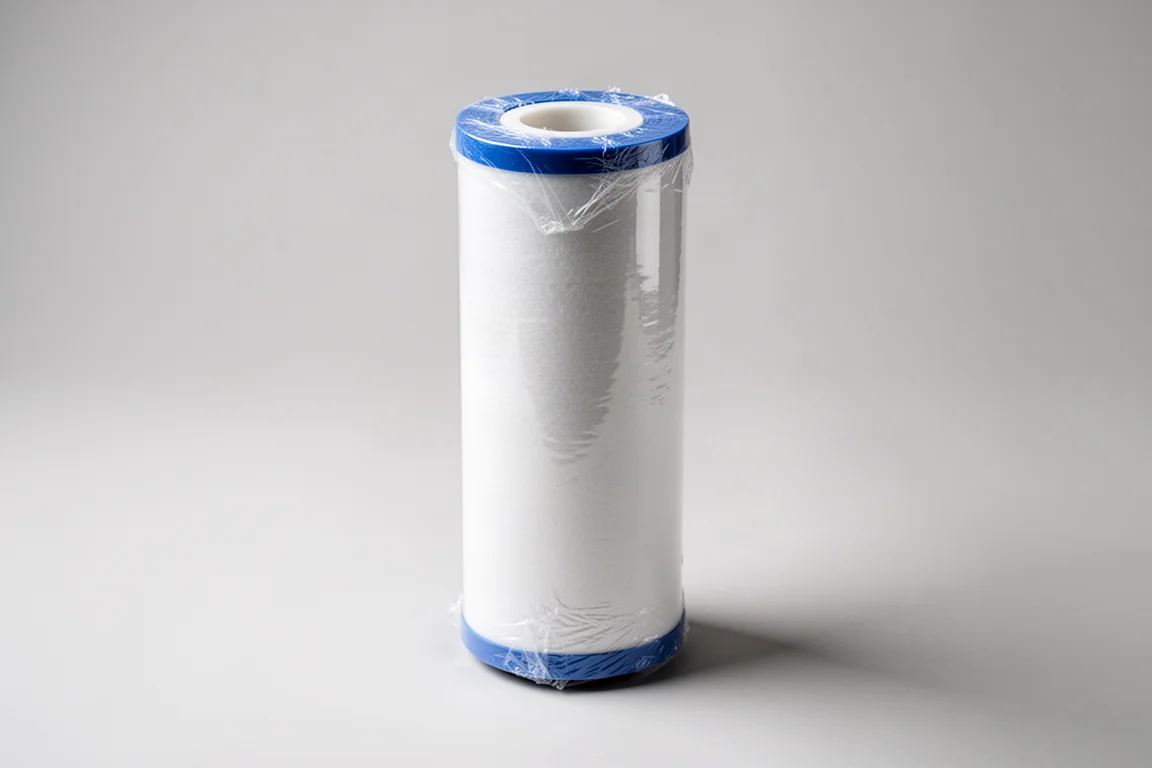
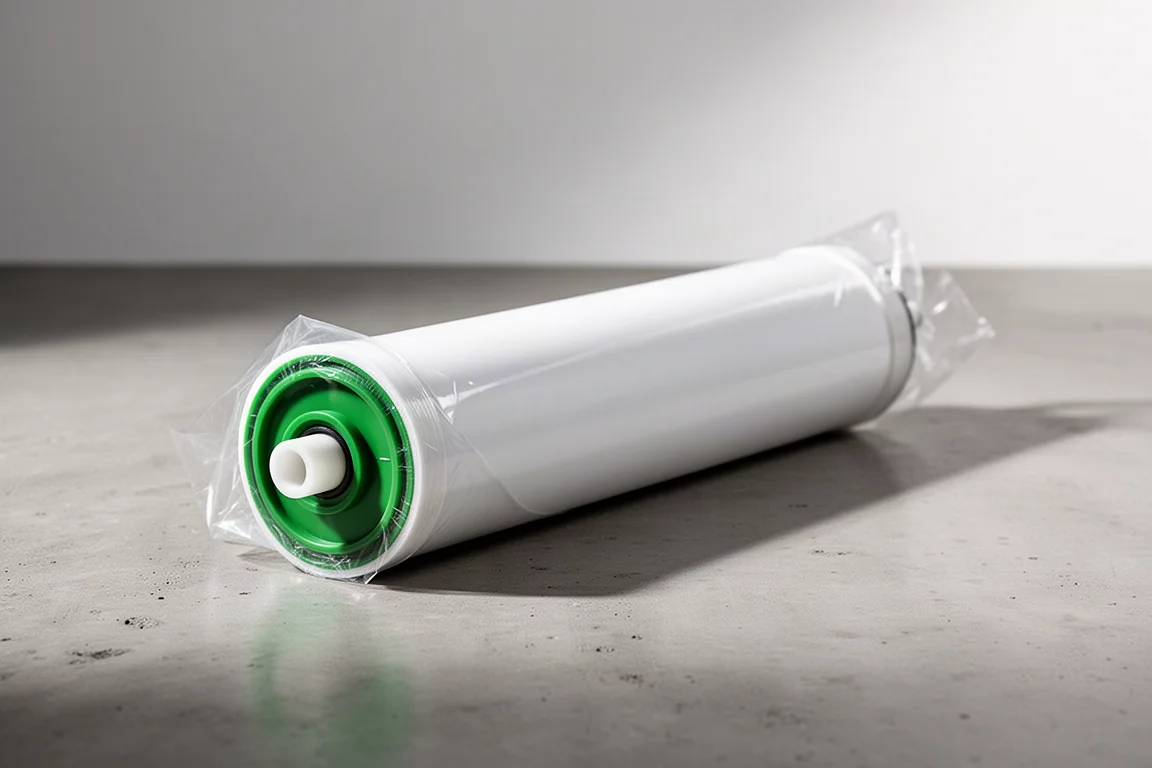
The membrane is a cylindrical element that, unrolled, is really a flat sheet of thin film composite. Its pores are small enough that mostly only small water molecules pass through, while larger contaminant molecules are left behind and flushed away with the wastewater. Household water pressure is what squeezes the water molecules through those pores.
On its own, a membrane in optimal conditions removes roughly 96 to 99 percent of the dissolved solids in the water. If the tap water in a home reads 100 TDS, the water leaving the membrane typically lands somewhere between 1 and 4 TDS. Anything that makes it through still has to be stripped out by the DI resin downstream, which is why the rejection percentage matters more than it first appears.
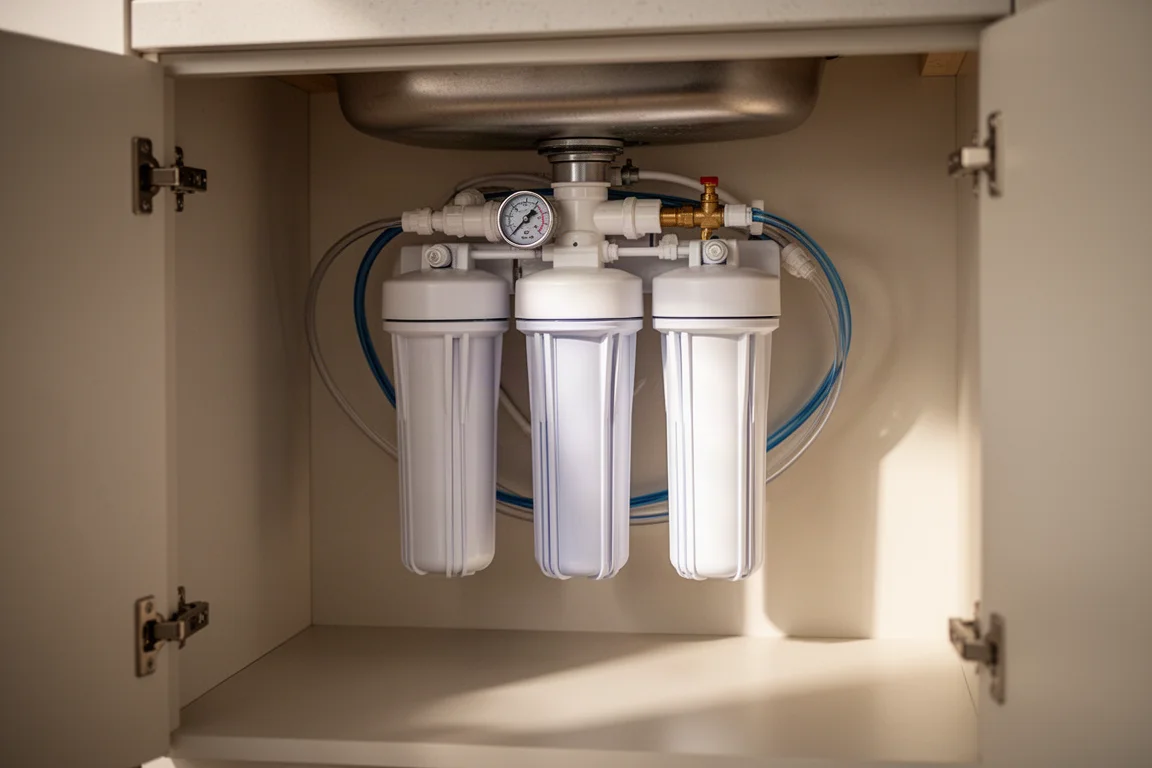
Membrane lifespan is usually around three years, but that figure depends entirely on what comes before it. Run without sediment and carbon pre-filters, a membrane performs poorly and ages quickly, which is why it is never sold or used as a standalone filter. The pre-filters exist to protect the membrane, and the membrane exists to protect the DI resin.
DuPont FilmTec 75 GPD: The Rejection Benchmark
The practical rule of thumb for most reef setups is a single 75 gallon per day membrane, and the DuPont FilmTec 75 GPD is the reference point that recommendation is built on. Under ideal conditions, 75 gallons a day comfortably covers the water needs of most reef keepers, and this membrane carries the highest rejection rates of the family, up to 99 percent.
It is designed for typical household water pressure, with about 50 PSI required to work properly. At that pressure a 75 GPD membrane produces close to its rated output, which works out to roughly three gallons an hour. That is not fast. On a normal day it is more than adequate, and on the occasional day when a large water change is planned, it is worth planning around.
DuPont FilmTec 100 GPD: More Speed, Slightly Lower Rejection
The 100 gallon per day version is the same design pushed a little harder. It adds roughly a gallon an hour, or about 25 gallons a day, and it still expects around 50 PSI, so most homes can run it without adding a booster pump.
The trade-off is measurable. Rejection rate typically drops by about one percentage point, and every point that slips through becomes work for the DI resin. On fairly clean source water, that might mean one extra resin change a year. On water with very high TDS, it could mean three or four additional cartridge swaps a year, which adds up to somewhere between 15 and 60 dollars annually. That cost is worth weighing honestly against the value of the extra speed in a system that may only run once a week.
For many reefers the calculation is simple: if water production speed has never been a frustration, the extra flow is not worth the extra resin consumption. If filling a large reservoir regularly is part of the routine, the additional gallon an hour changes how the whole system feels to live with.
How Water Pressure Shapes Membrane Performance
Pressure is the single most important driver of membrane performance, affecting both water quality and the speed of production. Both the 75 and 100 gallon per day DuPont FilmTec membranes are designed for typical home use and require about 50 PSI. Most household supplies land somewhere in the 40 to 60 PSI range, which puts them in workable territory without modification.
The faster 150 gallon per day membranes are a different proposition. They generally need around 65 PSI for optimal performance, which sits above what most homes deliver, so a booster pump is often part of the plan and can add 100 to 200 dollars to the cost of running the system.
Measured performance across a pressure range shows how steep the curve is. A 75 GPD membrane run at 10 PSI rejected only about 87 percent of dissolved solids and produced around nine gallons a day, close to six cups an hour. By 30 PSI, rejection reached 96 percent and output climbed to about 37 gallons a day. At 50 PSI, rejection was around 98 percent and production was close to the rated 69 gallons a day. At 70 PSI it reached roughly 98.5 percent rejection and 96 gallons a day, and at 90 PSI output approached 120 gallons a day, nearly double the rated figure.
Rejection rate also compounds downstream. Going from 1 TDS to 2 TDS in the membrane product water doubles DI resin consumption, so a membrane that looks only marginally worse on paper can quietly become the more expensive one to own.
Running Two Membranes in Series: The Water Saver Setup
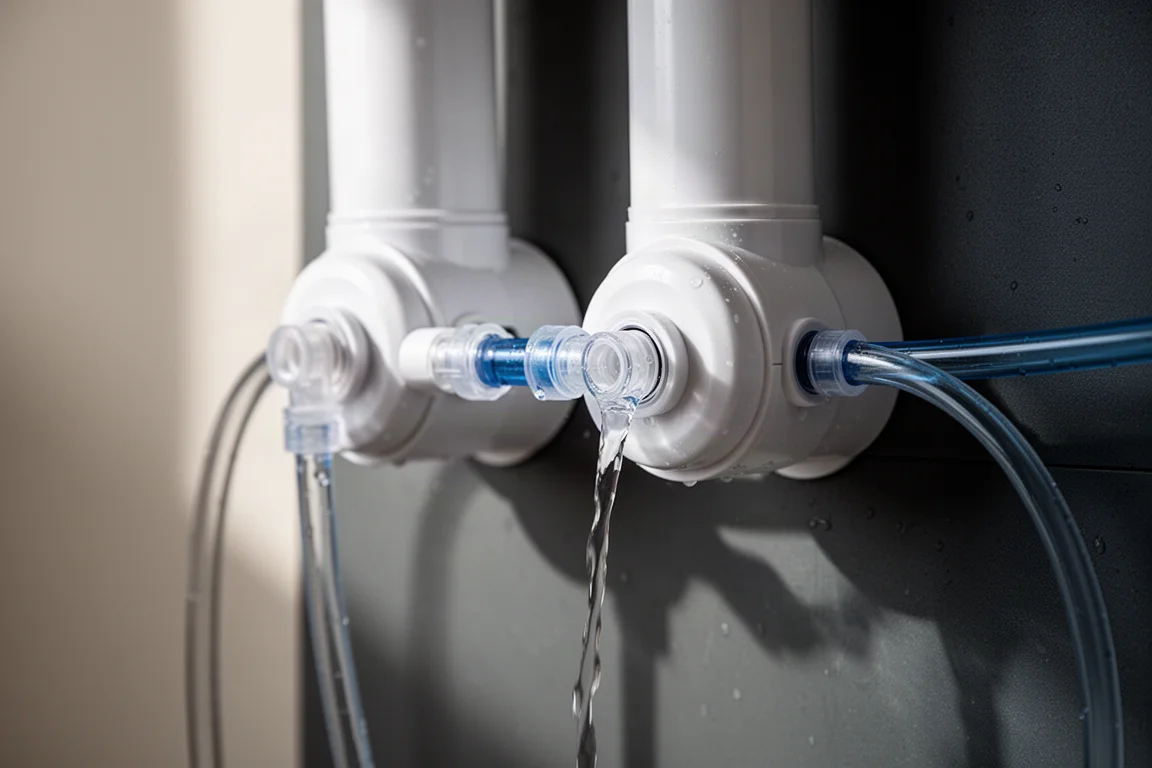
There is another way to raise flow rate that does not cost anything in rejection. Two membranes can be run in series in a single system, with the wastewater from the first membrane fed into the second instead of going down the drain. This is usually called the water saver configuration, and it effectively halves wastewater while doubling output.
The numbers from a real setup show why it works. With city water at 95 TDS at the tap, a first membrane produced water at 2.16 TDS and about 72 gallons a day, while the concentrate leaving it measured 126 TDS. That 126 TDS stream would normally be discarded, but routed into a second membrane, the combined product water measured 2.43 TDS at 138 gallons a day. The difference between 2.16 and 2.43 TDS is not meaningful on a typical TDS meter.
That result makes the configuration attractive, but it is not the right answer for every system. It adds cost, either as part of the initial unit or as an upgrade kit that can be fitted to almost any system afterwards. It also makes less sense if the source water is already heavily loaded, since water at around 500 TDS puts more strain on membrane lifespan and uses a little more DI resin to clean up the residual.
There is a quieter benefit that partly offsets those concerns. The sediment filter and carbon block are not handling significantly more water in this arrangement, yet the system produces roughly double the product water, so the pre-filters last close to twice as long, around 80 percent longer for the same volume produced. Between less wastewater and fewer filter changes, the upgrade has a realistic chance of paying for itself within a couple of filter cycles.
Pre-Filters and Long-Term Running Costs
The next most influential filter in a RODI system is also the cheapest. The sediment filter sits in front of everything else and can be matched to the source water and to how the system is configured, which makes it an easy place to tune performance without touching the membrane. Behind it, the carbon block protects the membrane from chlorine and other contaminants that would otherwise shorten its life.
Because the membrane is doing the expensive work, everything upstream is essentially a longevity decision. Keeping the pre-filter stages in good condition is what allows a membrane to reach its typical three-year service life rather than failing early, and it is what keeps rejection rates stable enough that the DI resin is not doing the membrane’s job.
Buying Advice
Both membranes here are designed for the reality of home water pressure, which is the main reason the 75 and 100 gallon per day options remain the default recommendation for most reef systems. Neither requires a booster pump in a typical 40 to 60 PSI home, and both work within a maintenance routine that most hobbyists already follow.
Start with the question of how the system is actually used. If water production is rarely a bottleneck and the priority is the cleanest possible water reaching the DI stage, the 75 GPD membrane is the straightforward choice, with the highest rejection in the family and the lowest ongoing resin cost. If the system runs often, fills a large reservoir, or is shared across multiple tanks, the 100 GPD membrane buys meaningful time back for the price of roughly one percentage point of rejection.
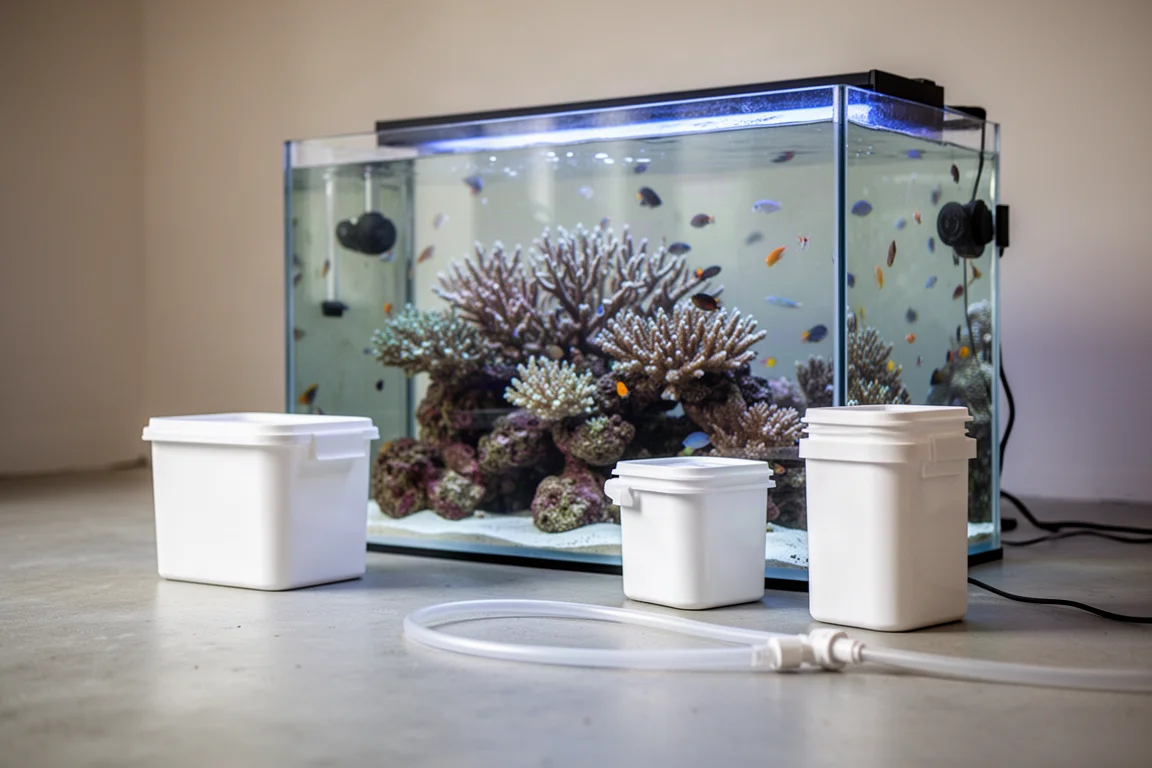
That extra speed is not free in the long run, and the cost depends heavily on source water. Reefers on clean municipal supply will barely notice the difference in resin use, while those on high-TDS well water should expect noticeably more frequent cartridge changes. Matching that annual cost against how much the extra gallon an hour is genuinely worth is the whole decision.
Where pressure is low, the water saver configuration is often a better upgrade than a faster membrane. Two 75 GPD membranes in series raise flow without sacrificing rejection, halve the wastewater, and extend pre-filter life. It costs more up front, but it improves the system in several directions at once rather than trading one benefit for another.
Conclusion
The membrane is the filter that determines how good the water is and how much everything else costs to maintain. For most reef keepers, the DuPont FilmTec 75 GPD is the safest starting point: high rejection, a long service life when properly pre-filtered, and output that keeps up with normal use. The 100 GPD version is the better fit for anyone who has felt held back by production speed and is comfortable with a modest increase in DI resin consumption. Choosing between them on the basis of your own water pressure and usage pattern is what turns a good system into one that simply works.
Further reading
Related Reviews
Water Filtration
Rosave DOZ Sediment Filter Review: Graded Density for RO Systems
Why the cheapest cartridge in a reverse osmosis system can matter most, and how the Rosave DOZ graded-density sediment filter fits into a pressure-first maintenance plan.

Backpacking Gear
Building a 10 lb Base Weight: An Ultralight Backpacking Gear List
A practical walkthrough of the ultralight pieces behind a 10 lb base weight, from a 765 g pack and a roomy one-person tent to a full camp chair and a dependable water filter.

Road Bikes
10 New Road Bikes Worth Watching: Aero, Titanium, Steel and Endurance Standouts
A practical roundup of 10 new road bikes, from aero flagships chasing single-watt gains to titanium, steel and endurance platforms built for real roads.