Hi-Fi Audio
Duke Audio T8 Review: A Tube Equalizer for About $130
A five-band analog equalizer with tubes in the signal path, balance control, and a simple preamp section, priced low enough to be genuinely interesting.
Introduction
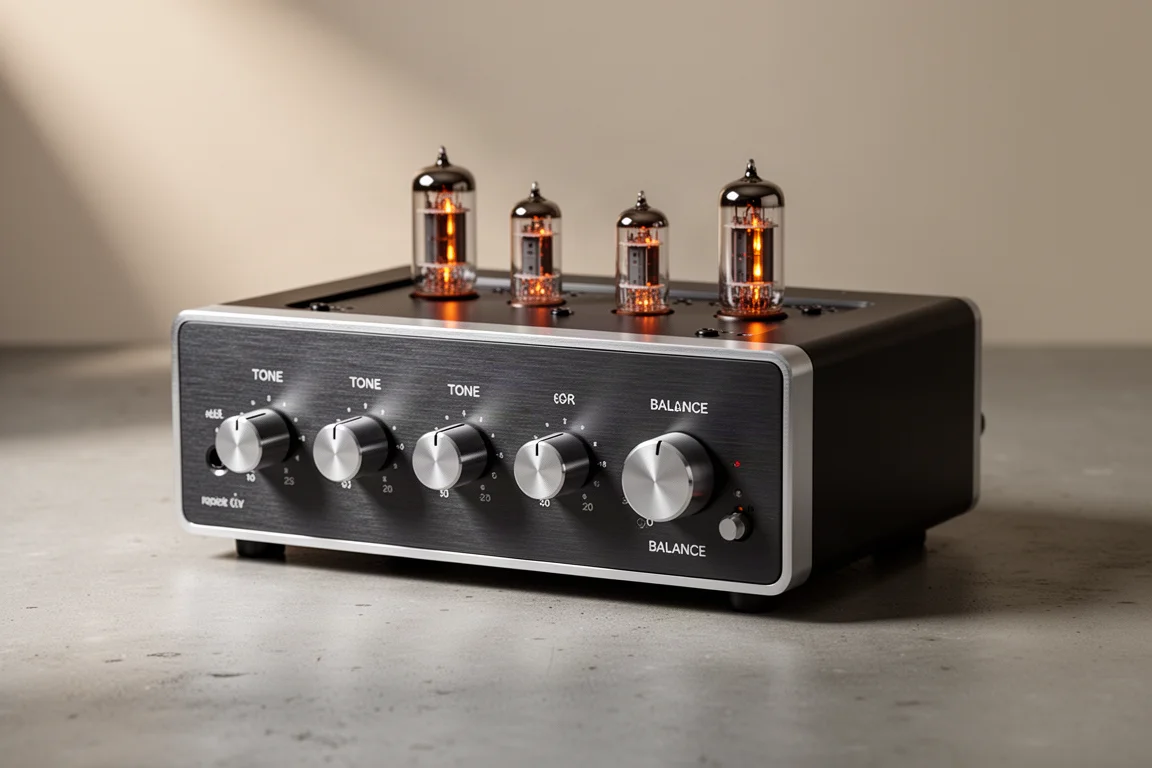
An analog equalizer with tubes in the signal path for around $130 is an unusual proposition. The Duke Audio T8 combines a five-band equalizer, a simple preamp section, and a headphone output in one small desktop chassis, and it does all of that shaping in the analog domain rather than through digital processing.
That combination matters most when a system already sounds close to right but not quite finished. A powered speaker that leans thin, a passive setup whose midrange sits a little too far forward, or a listening room with an open side that pulls the centre image off to one side can all be nudged back into shape with a handful of knobs instead of a new component.
The practical question is whether the T8 earns a place in a real system, and which of its features are genuinely useful versus merely convenient. Here is what it does well, what to check before buying, and who it makes sense for.
Who the Duke Audio T8 Is For
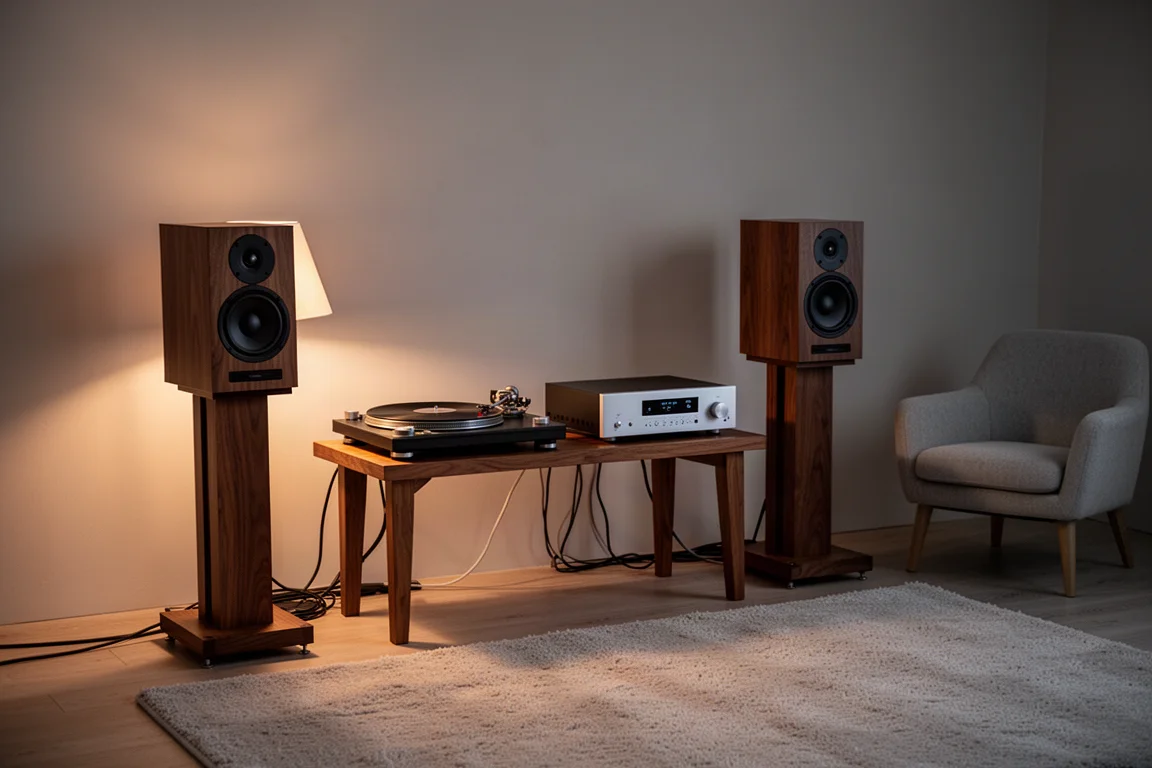
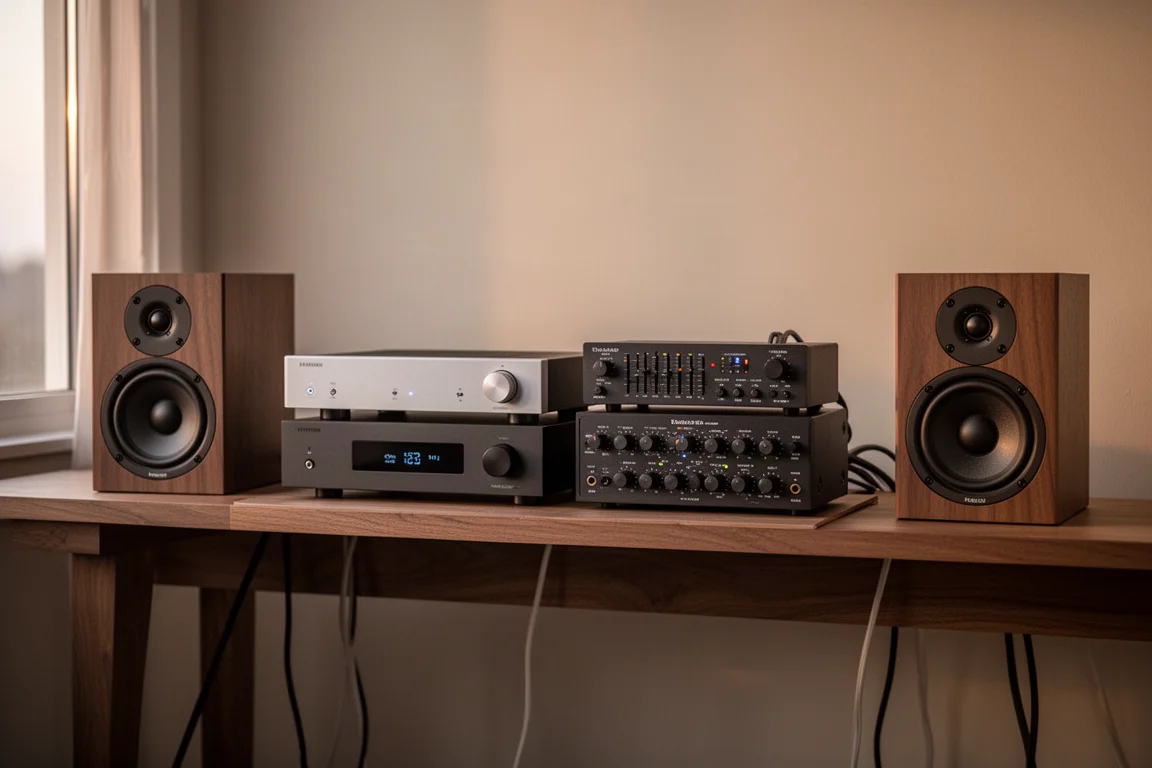
The clearest use case is a pair of powered speakers. Many powered models include tone controls, but those controls are often coarse, and the speakers can still sound a touch thin. Placing the T8 in front of them adds five defined frequency bands, a balance control, and the option of swapping tubes to shift the character of the sound.
The second use case is a passive system. With a preamp already in place, the T8 can sit between the preamp and the power amplifier purely as an equalizer. Without a preamp, it can serve as one, because it has a volume control and two selectable inputs.
Headphone listeners are the third group. There is a 3.5 mm jack on the front panel rated at 125 mW into 32 ohms, which is enough to drive efficient headphones comfortably but not enough to get the most out of demanding ones.
Finally, it suits anyone dealing with an asymmetric room. Open-plan spaces, a doorway on one side, or a wall of glass on the other tend to shift the centre image, and a balance control is the traditional fix.
Main Strengths
Five-Band Analog Tone Control
The front panel carries five bands at 64 Hz, 256 Hz, 1 kHz, 4 kHz, and 16 kHz. That spread covers the useful edges of a system: 64 Hz for low-end weight, 256 Hz for upper bass and lower midrange body, 1 kHz for the presence region, 4 kHz for articulation, and 16 kHz for adding a little air on recordings that feel closed in.
Every knob has a detent at the 12 o’clock position, which makes it easy to return to a neutral reference after experimenting. Because these are traditional potentiometers, individual knobs may not sit perfectly aligned when the unit arrives. The fix is simple: pull the knob off, set it to the centre position, and press it back on.
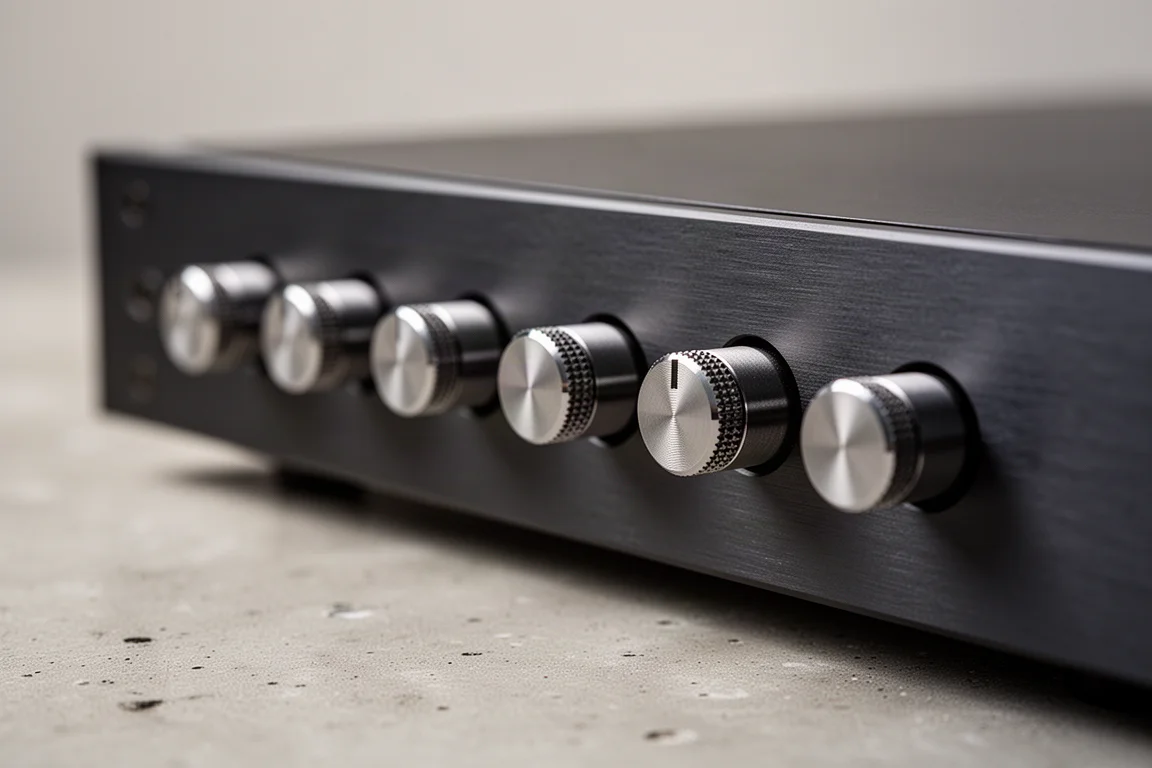
Because the whole signal path stays analog, nothing is converted or resampled on the way through. That keeps the T8 straightforward to integrate into an existing chain, and it means the tone shaping behaves the way analog controls traditionally do, gradually and without menus.
Balance Control for Real Rooms
The balance control is arguably the most valuable feature here. Plenty of amplifiers, including some expensive ones, ship without any balance adjustment at all, which leaves listeners with awkward rooms and no way to correct the centre image.
The old-school solution still works: shift the balance slightly toward the speaker sitting in the open part of the room and the vocalist moves back toward the middle of the stage. Having that control on an equalizer, next to the tone knobs, keeps the correction in one place rather than forcing a compromise somewhere else in the chain.
Tubes in the Signal Path
The T8 ships with two tubes, and they are genuinely part of the circuit rather than decorative. Removing one causes that channel to drop out entirely, which is the quickest way to confirm that a tube is actually doing something in a given design.
Tube rolling is therefore a real option. Duke Audio documents a range of compatible alternatives across US, Soviet, and European designations, including 6AQ8, 2C51, 5670, 396A, 6N3P, and ECC42 types, so owners who enjoy swapping tubes have plenty of room to experiment with the character of the sound.
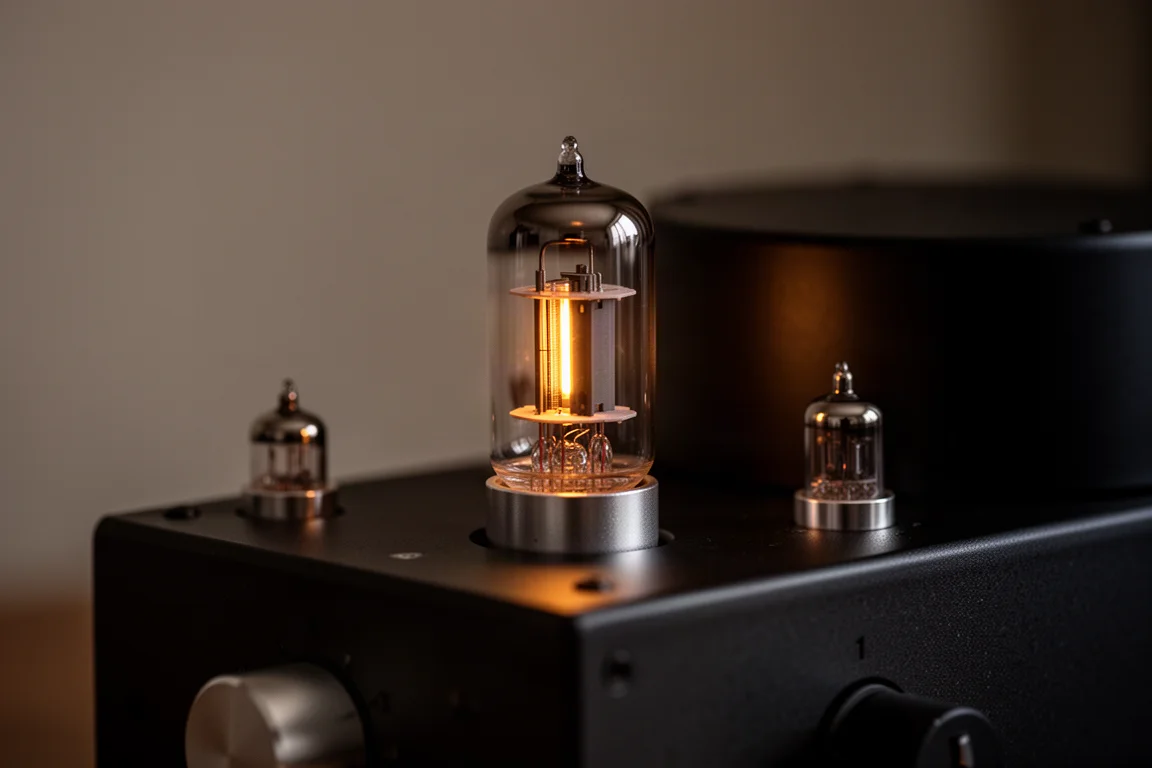
That flexibility is unusual at this price. A common tube type means replacements and alternatives are widely available, and the character of the equalizer can shift meaningfully without touching the rest of the system.
Two Inputs and Three Simultaneous Outputs
On the back, input one is balanced and input two is single-ended, with a front-panel switch to move between them. That covers two sources, as long as one of them is single-ended and the other balanced.
The outputs behave differently: balanced, single-ended, and the front 3.5 mm jack are all active at the same time. In practice that means any device connected to an output will receive signal whether or not it is the one being listened to, so some switching discipline is useful. Crosstalk between outputs was not an issue in use, so the arrangement stays clean despite the shared signal.
Power comes from an included 12 volt external supply, which keeps the chassis small and the heat away from the audio circuitry.
Things to Consider Before Buying
The band layout will not suit everyone. The middle control sits at 1 kHz, and some listeners prefer a 2 kHz band because that region of the midrange is where systems most often become forward or harsh. A 64 Hz low band is useful, though some competing designs reach lower.
The amount of cut and boost available on each band is not published, and it is not obvious from listening alone. The controls did not feel heavy-handed in the midrange, which suggests moderate ranges, but anyone who needs aggressive correction should confirm the specifications before buying.
The volume control and headphone output are convenience features rather than core strengths. The 125 mW headphone output will drive efficient headphones, but it will not get the best from power-hungry models, and the volume control is only relevant if the T8 is used as a preamp. Buyers who already own a preamp may find they never touch either one.
Availability appears limited, so anyone who decides the T8 fits their system may need to act sooner rather than later.
Buying Advice
The T8 makes the most sense for listeners who want analog tone shaping with a tube stage and a balance control, and who are working with a system that is already fundamentally good. It is a correction tool, not a fix for speakers that are simply the wrong choice for a room.
When adjusting any equalizer, it helps to work by subtraction rather than addition. Set the bands where they sound right relative to each other, then bring the whole curve down so the loudest band sits near the centre position and the others sit below it. That keeps the amount of boost introduced into the signal as low as possible while preserving the tonal shape you were after.
Tube rolling is the other thing worth planning for. Decide whether you want the stock sound first, live with it for a while, then try an alternative type from the documented compatibility list. Changing tubes before you understand the baseline makes it hard to tell what actually improved.
If a 2 kHz band is essential, or if you need a headphone amplifier that can drive difficult loads, look elsewhere or accept the T8 for what it is. If you want five bands, a balance control, and real tubes in the path at a genuinely low price, it is a compelling package.
Conclusion
The Duke Audio T8 is an affordable, well-conceived analog equalizer with a feature set that is hard to find at this price: five usable bands, a balance control that solves a real room problem, two selectable inputs, and tubes that genuinely sit in the signal path. Its limitations are modest and predictable, mainly the 1 kHz centre band, unpublished cut and boost ranges, and convenience features that not everyone will use. For listeners who want to shape an existing system rather than replace it, it is an easy recommendation to consider.
Product link
View more details for Duke Audio T8
This product is mentioned in the review. Check the specifications, options, and compatibility before buying.
View more details for Duke Audio T8Further reading
Related Reviews
Hi-Fi Audio
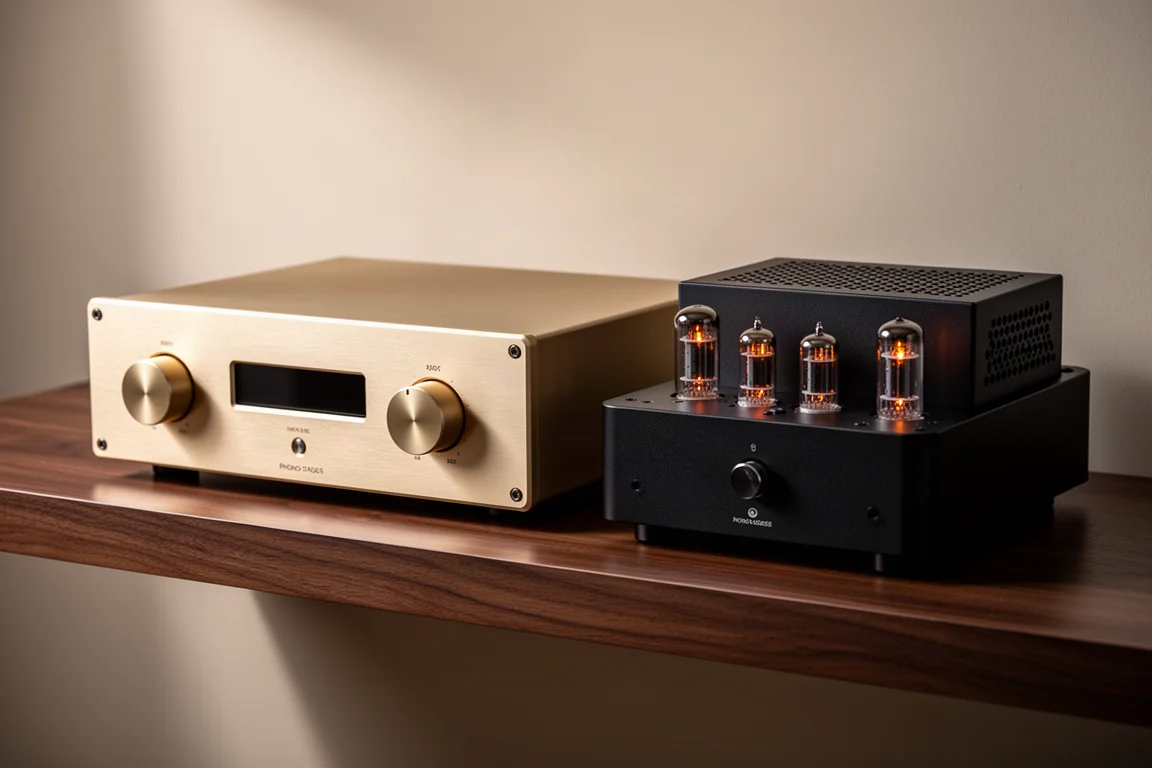
Accuphase C-57 vs Allnic H-7000V: Two High-End Phono Stages Compared
A fully balanced solid-state phono stage with a pitch-black noise floor meets a tube design built for well-loved records. Here is how to choose between them.
Hi-Fi Audio
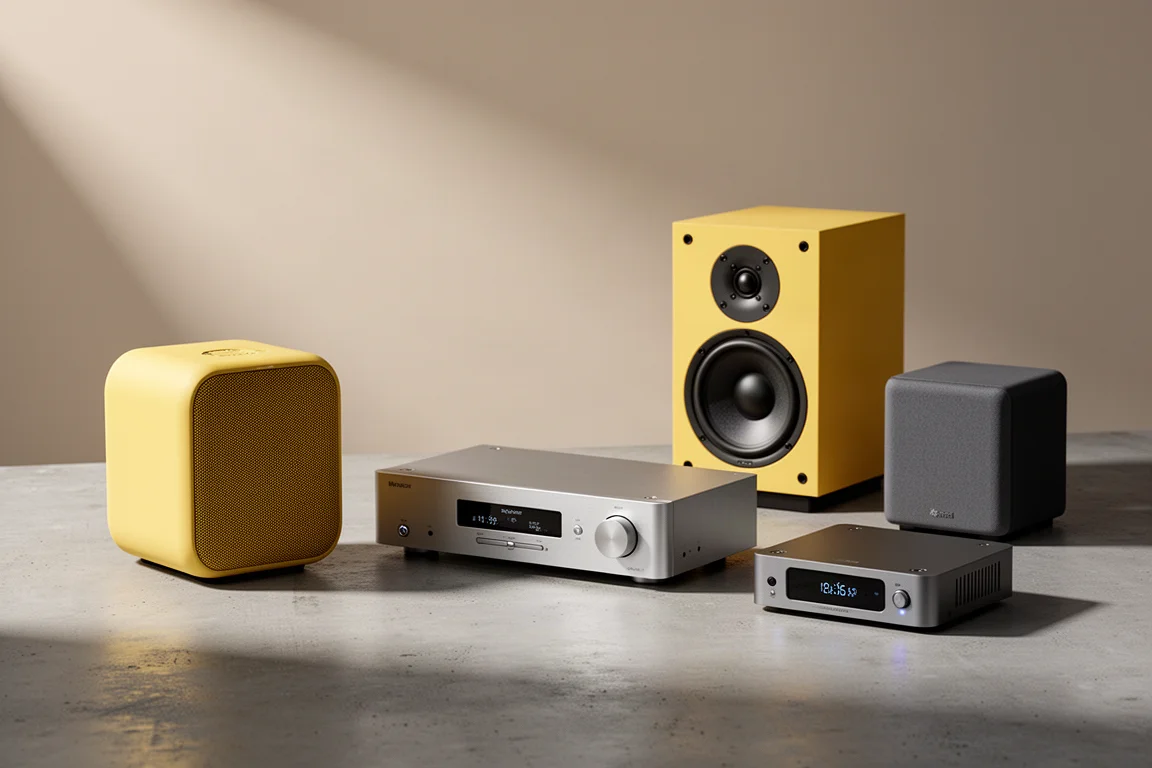
Active vs Passive Hi-Fi: Five Components for a Modern System
Five components that define modern active and passive hi-fi systems, with the strengths, trade-offs and setup details worth weighing before you buy.
Hi-Fi Audio
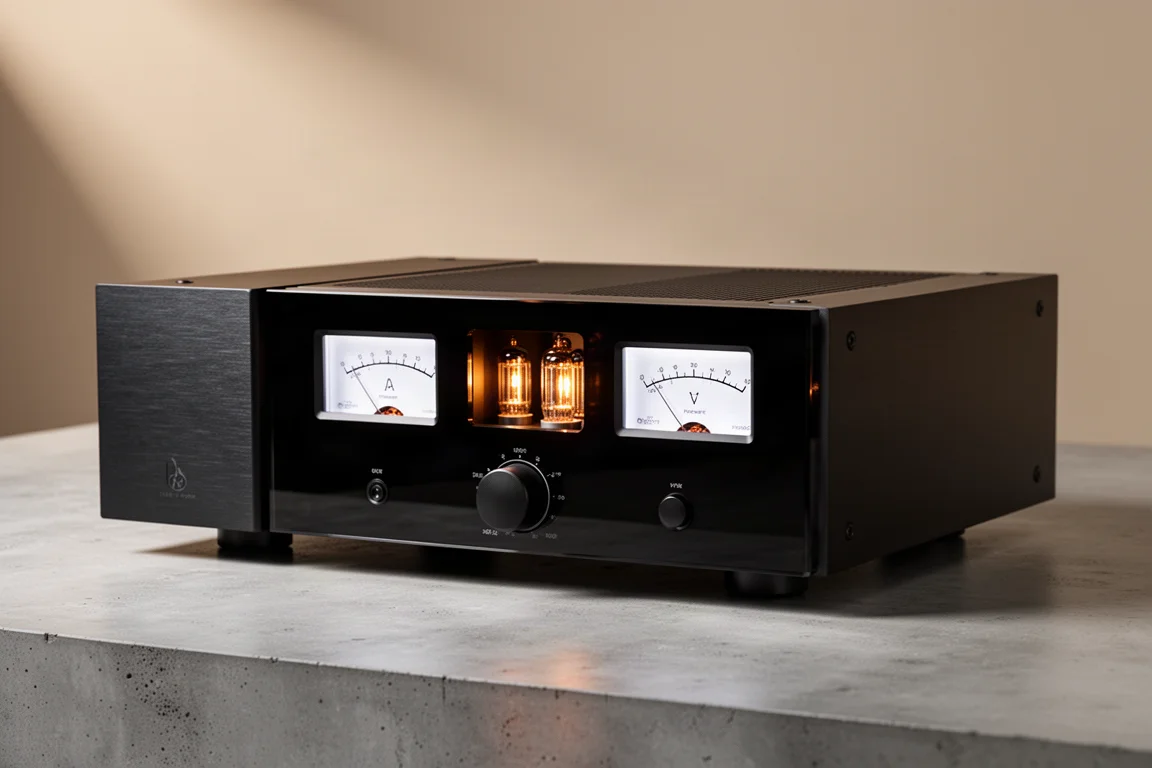
Advance Paris A10 Apex Review: A Hybrid Integrated Amplifier That Covers a Lot of Ground
A French hybrid integrated amplifier with a class A tube preamp stage, analogue power meters, and an internal DAC and phono stage good enough to make extra boxes unnecessary.