Digital Music Players
Duke Audio C100 Review: A Digital Music Player With VU Meters and No Wireless
A practical look at the Duke Audio C100, a digital music player that reads files from SD cards and USB drives, pairs two VU meters with a small display, and skips wireless connectivity entirely.
Introduction
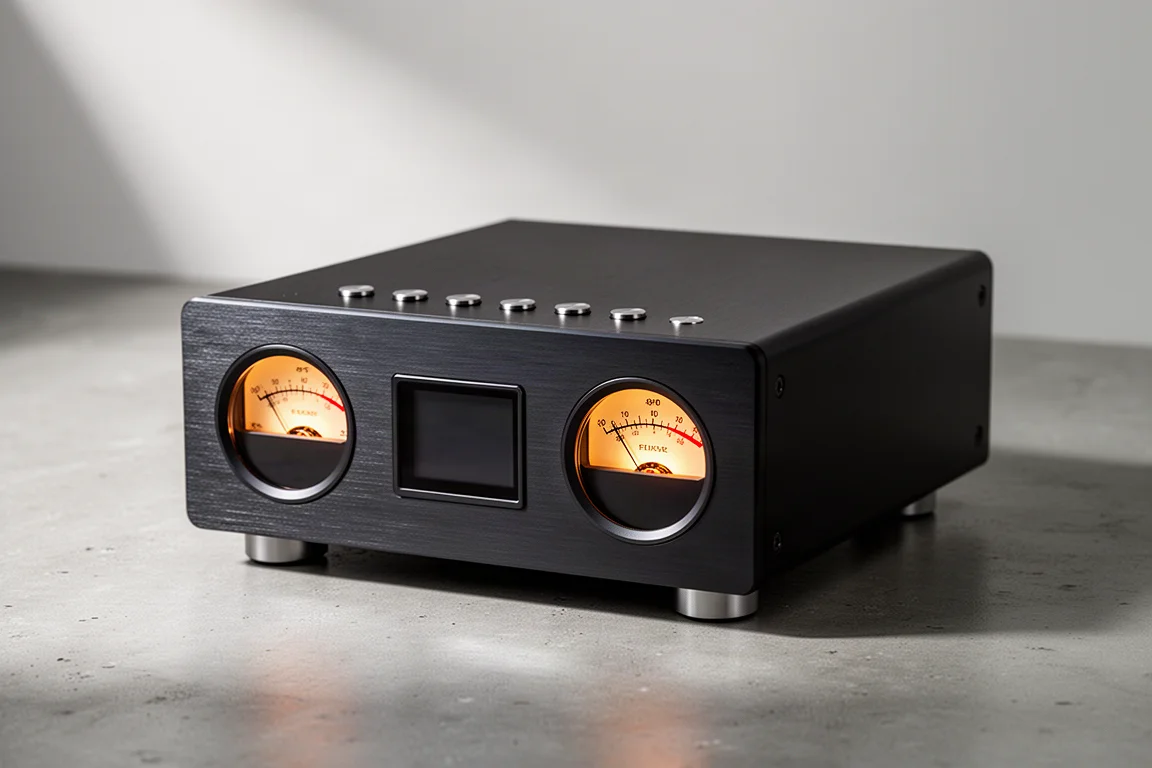
Duke Audio is a manufacturer with a catalog full of distinctive Hi-Fi components, and the C100 is one of its more unusual releases. At a glance it looks like a modern network streamer: two analog VU meters sit on the front panel, five metal buttons line the top, and a small display handles navigation. It is not a streamer. The C100 is a digital music player that reads files from an SD card or a USB drive, decoding them with an internal DAC or passing a digital signal out to a separate converter.
It sells for around $200, which places it in the same bracket as compact network streamers that offer considerably more connectivity. The C100 asks a narrower question instead: do you still keep your music as files on a card or a hard drive, and would you rather play them without depending on a network at all?
For listeners who answer yes, the C100 is a genuinely interesting piece of equipment. For everyone else, its appeal is harder to justify, and that gap is exactly what this review examines.
Who the Duke Audio C100 Is For
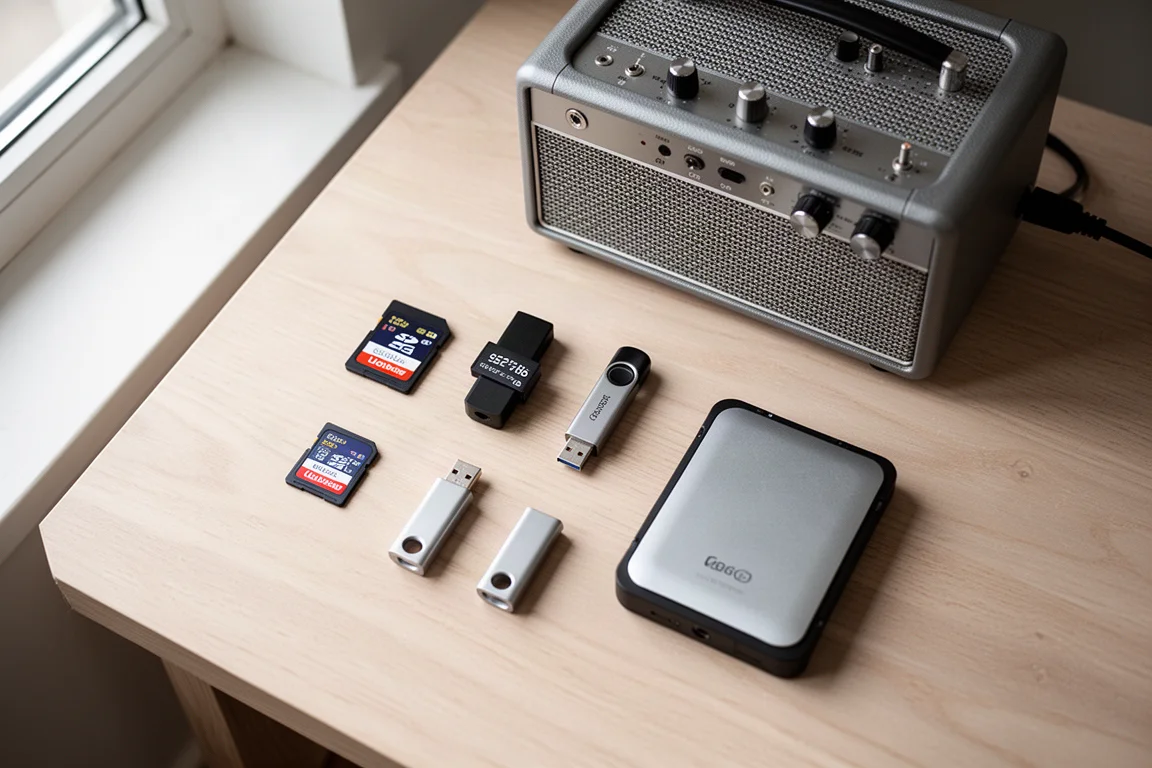
The C100 is built for a specific listener: someone with a large digitized library stored on an SD card, a USB drive, or an external hard drive, who does not subscribe to a streaming service and does not want to run a network attached storage device. If your music already lives on a drive and your playback chain is built around files rather than apps, the C100 slots in as a simple, self-contained player.
It also supports DSD files, which extends its appeal to listeners who keep high-resolution and DSD collections locally. Because the player has no wireless hardware of any kind, it is also relevant to anyone who wants a source that keeps working when the internet or the home network goes down.
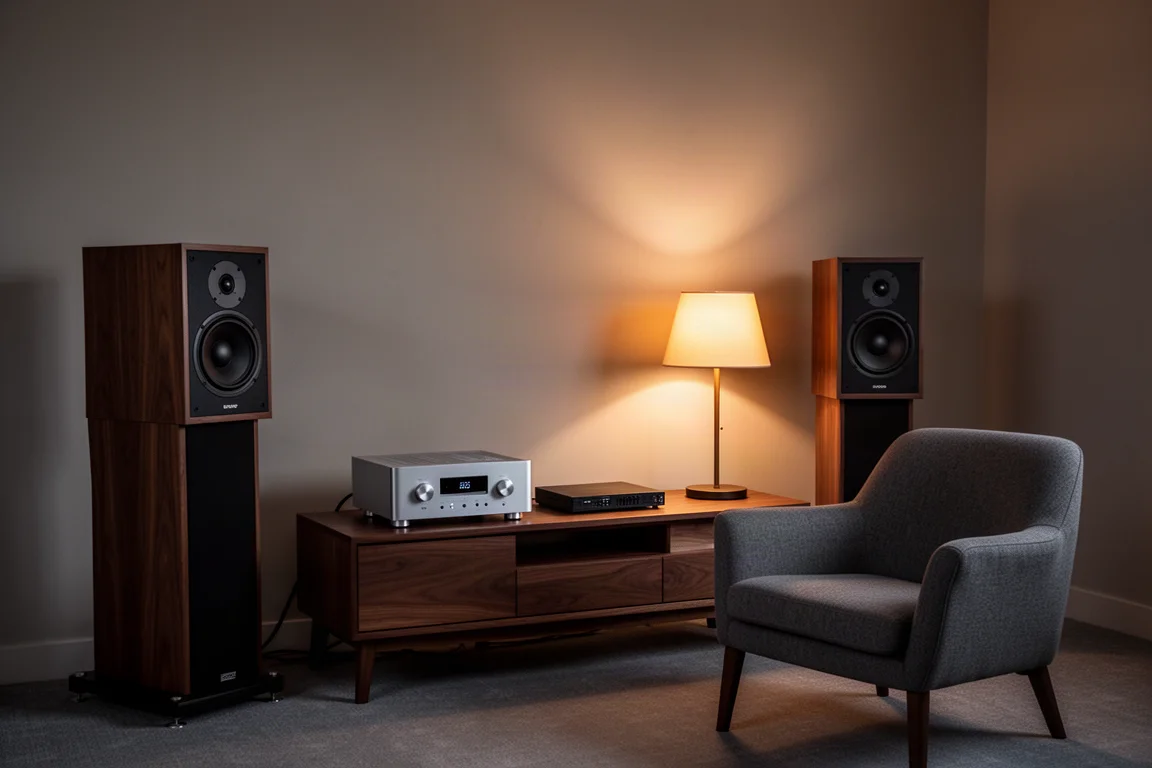
By contrast, the majority of digital listeners now rely on streaming services and the applications that deliver them. If that describes your setup, the C100 does not replace what you already use, because it cannot connect to those services at all.
Main Strengths
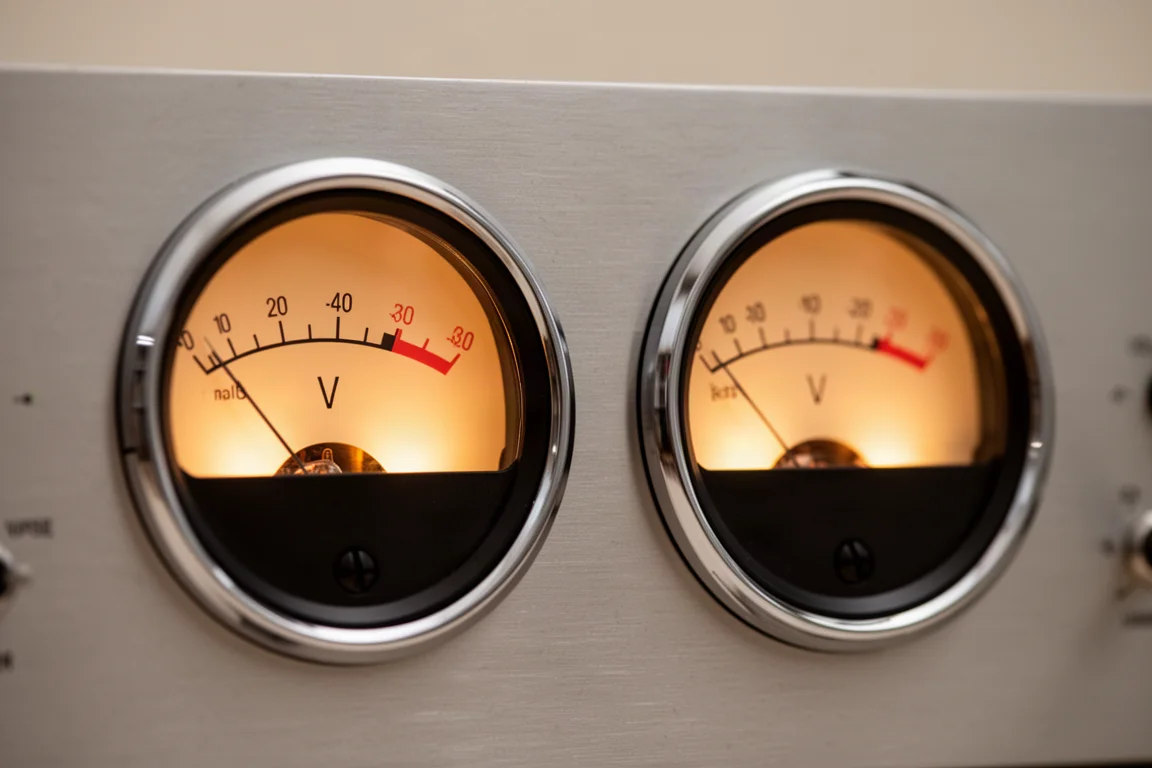
Build quality is the first thing that stands out. The C100 is made almost entirely of metal, with a front plate that extends slightly beyond the main casework, and it rests on four feet. The two VU meters can be adjusted for sensitivity using two small screws on the front panel, which is a useful touch for matching their movement to different output levels.
The five top-mounted buttons are metal and give a satisfying, clicky response. They handle power, track back, track forward, up, down, a back button, and a menu button. In daily use the player is straightforward and reliable, and folder navigation follows the structure most people already have: select an artist folder, then an album folder inside it.
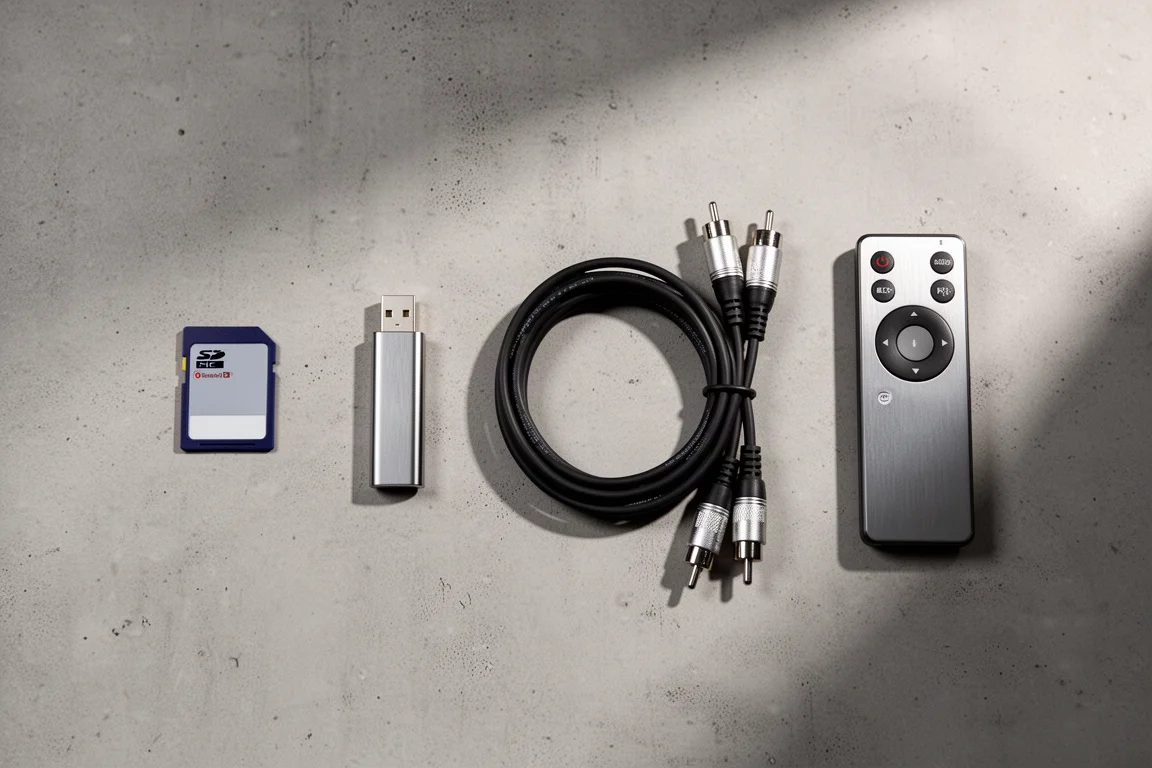
Around the back, the C100 offers an SD card slot, a USB-A input, an optical output, a coaxial output, RCA outputs, and an additional auxiliary output that may be usable for a subwoofer. Power comes from a 12 volt DC input. A remote control is included for track selection and volume, which makes it easier to operate from across the room.
Things to Consider Before Buying
The connectivity list is short by design, and it is the main thing to weigh before buying. There is no Wi-Fi, no Bluetooth, no AirPlay, no Chromecast, and no wireless technology of any kind. Everything you want to play has to be copied onto an SD card or connected over USB first.
Duke Audio does not publish which DAC chip the C100 uses, so the conversion stage cannot be evaluated from the specifications alone. That is not a dealbreaker, but it does mean you are buying on the strength of the feature set rather than documented hardware.
The display measures roughly two inches square. It is readable at close range, but from more than about five feet away it becomes decorative rather than informative, which is where the included remote earns its place.
Volume is another consideration. The remote controls volume as well as track selection, and the menus do not appear to offer a way to switch that volume control off. On a high-resolution file, attenuating the signal in the digital domain can reduce resolution, so listeners who want the signal left untouched will prefer to manage volume at the amplifier or headphone amp instead.
The SD card slot also behaves unusually. Cards click in, as they do on a camera, but they pull straight out rather than clicking out again. It works, though it is not the behavior most people expect.
Finally, the price deserves scrutiny. At around $200, the C100 costs more than several small network streamers that include streaming services and wireless connectivity. Many CD players also include a USB input, which covers a similar file-playback job while adding disc playback as well.
Buying Advice
Buy the C100 only if its specific scenario matches yours. That means a library of digital files already organized on a card or a drive, no interest in streaming subscriptions, and a preference for a source that does not depend on Wi-Fi. In that situation the C100 is easy to use, well built, and visually distinctive, and there are few alternatives that combine file playback with VU meters and a small display.
If any part of that description does not fit, the money is better spent elsewhere. Listeners who stream, who keep music on a network attached storage device, or who simply want the widest range of inputs will find more value in a network streamer at the same price.
A simple way to decide is to look at where your music currently lives. If it sits on a computer or a hard drive and you have never bothered to set up streaming, the C100 solves a real problem. If it lives in an app on your phone, it does not.
Conclusion
The Duke Audio C100 is not a bad piece of equipment. It is well made, it works reliably, and it looks good doing it. The difficulty is that its use case has narrowed over the years. Playing music from local files is now a minority approach, and at around $200 the C100 asks a premium for a feature set most listeners will not use. For the small group of people who keep their entire library on a drive and want nothing to do with wireless playback, it is a genuinely interesting option. For everyone else, it is a curiosity rather than a necessity.
Product link
View more details for Duke Audio C100
This product is mentioned in the review. Check the specifications, options, and compatibility before buying.
View more details for Duke Audio C100Further reading
Related Reviews

Backpacking Gear
Building a 10 lb Base Weight: An Ultralight Backpacking Gear List
A practical walkthrough of the ultralight pieces behind a 10 lb base weight, from a 765 g pack and a roomy one-person tent to a full camp chair and a dependable water filter.

Road Bikes
10 New Road Bikes Worth Watching: Aero, Titanium, Steel and Endurance Standouts
A practical roundup of 10 new road bikes, from aero flagships chasing single-watt gains to titanium, steel and endurance platforms built for real roads.
Bikepacking Gear
11 Bikepacking Essentials for Long-Distance Cycling
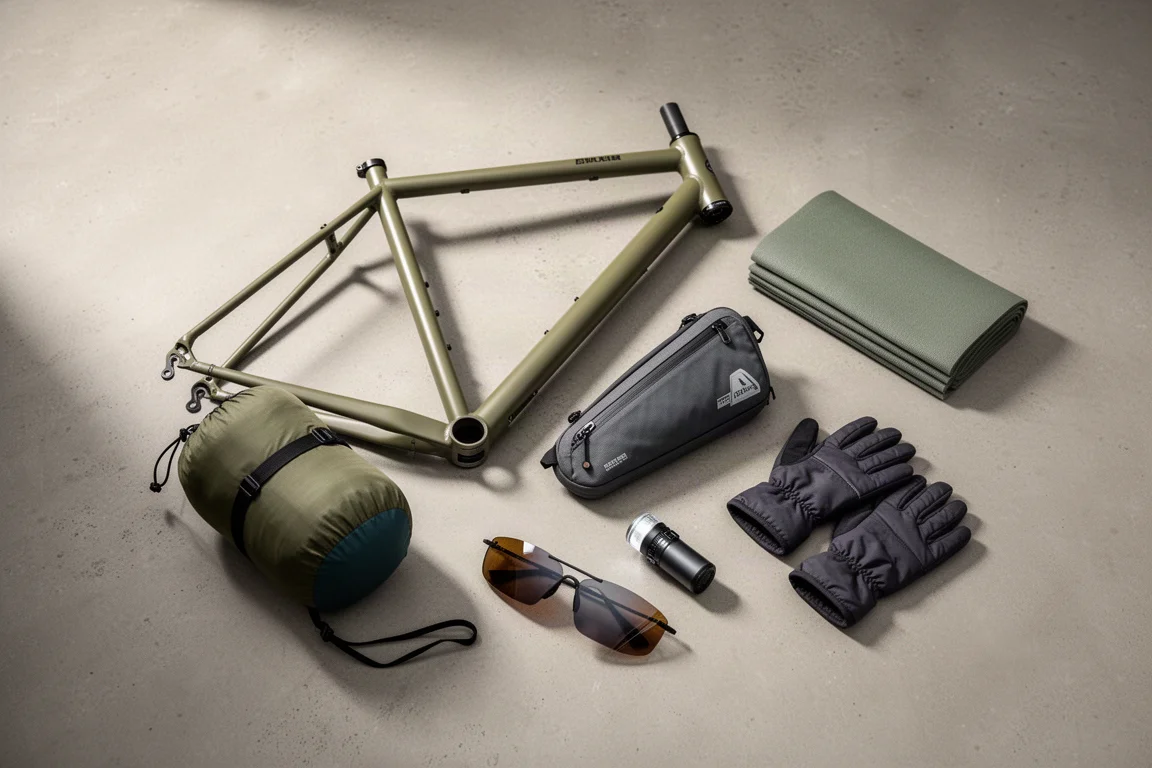
Eleven bikepacking essentials for long-distance cycling, from a steel gravel frame and a two-person tent to helmet lights, packable gloves, and a frame bag that puts weight in the right place.