Audio Amplifiers
Duke Audio A5 vs 3E Audio A5: Two Compact Class D Amplifiers Compared
Two compact Class D amplifiers with the same name and very different designs. Here is how the $99 Duke Audio A5 and the $236 3E Audio A5 differ, and who each one suits.
Introduction
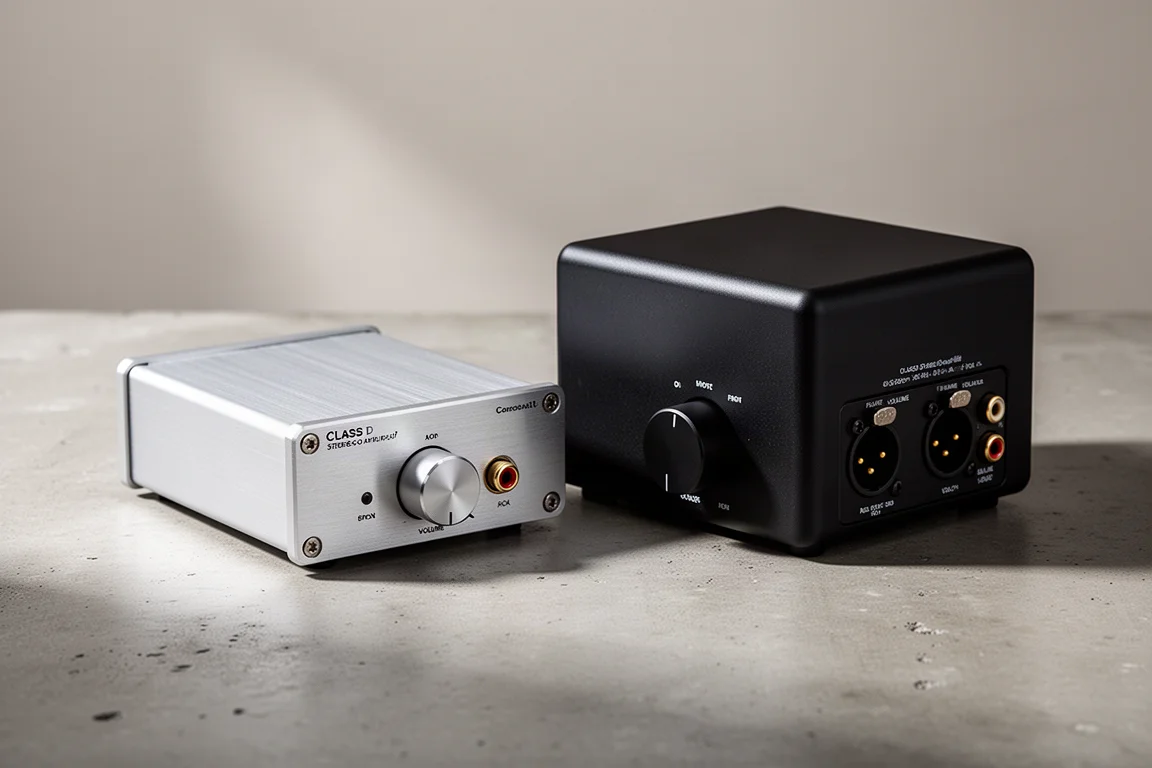
Two compact Class D amplifiers, both named A5, both built around Texas Instruments amplifier chipsets, and both priced very differently. The Duke Audio A5 sells for $99, while the 3E Audio A5 costs $236 when bought directly from AliExpress. The gap is not only about where you buy them. It reflects genuinely different design decisions inside the case, and those decisions shape what each amplifier can drive and how it sounds.
This comparison looks at what each amplifier does well, where each one asks for a compromise, and which type of listener is likely to be happier with which box.
What Sets These Two Amplifiers Apart
Both amplifiers use Texas Instruments Class D chipsets with post-filter feedback (PFFB), a design approach intended to improve linearity and overall sound quality. That is roughly where the similarity ends.
The Duke Audio A5 uses a single 3255 chipset. The 3E Audio A5 uses two 3251 chipsets, one dedicated to each channel, running in PBTL (parallel bridge tied load) mode. In PBTL, the amplifier combines its internal outputs to double current delivery. The practical result is that the Duke Audio A5 drives 4 ohm loads comfortably, while the 3E Audio A5 is built to handle 2 ohm loads.
Power supply headroom also differs. The Duke Audio A5 can accept up to 48 volts from an external power supply. The 3E Audio A5 is limited to 38 volts, which on paper looks like a step down, but the current delivery story changes the picture.
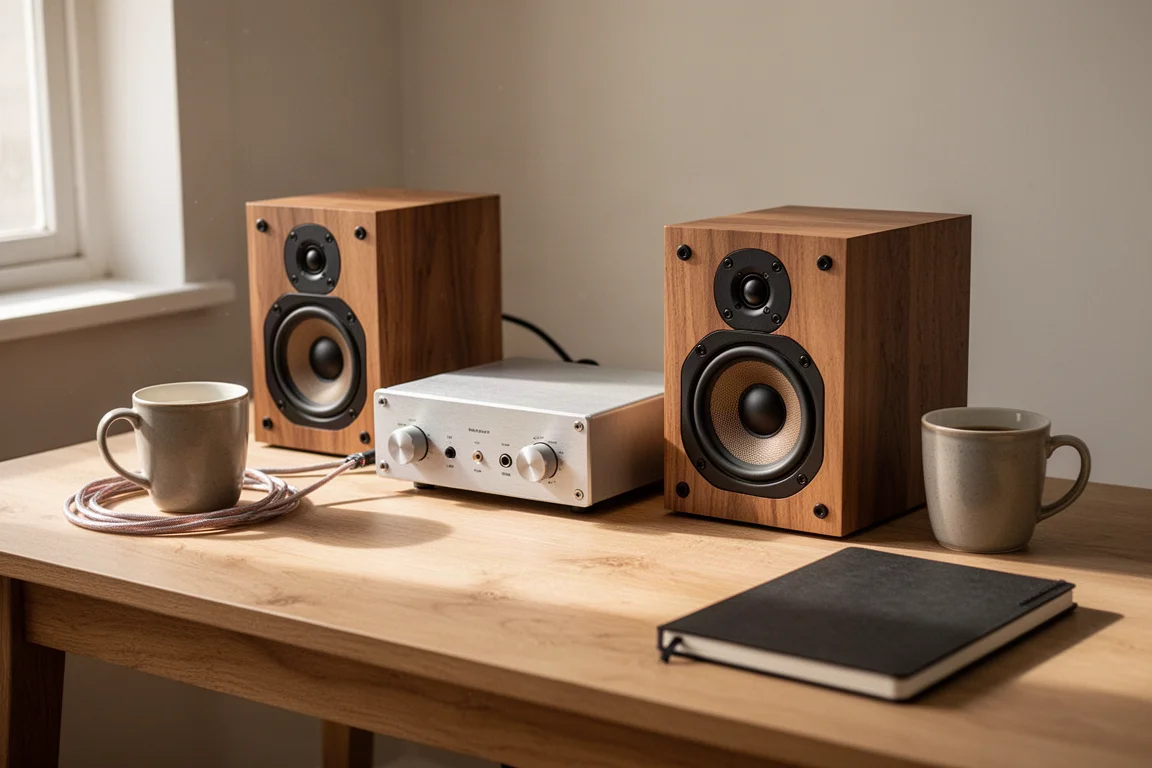
Those two design paths explain most of the price difference. The Duke Audio A5 chases maximum wattage per dollar, while the 3E Audio A5 puts its budget into current delivery, input architecture, and parts quality.
Duke Audio A5: The Budget Option
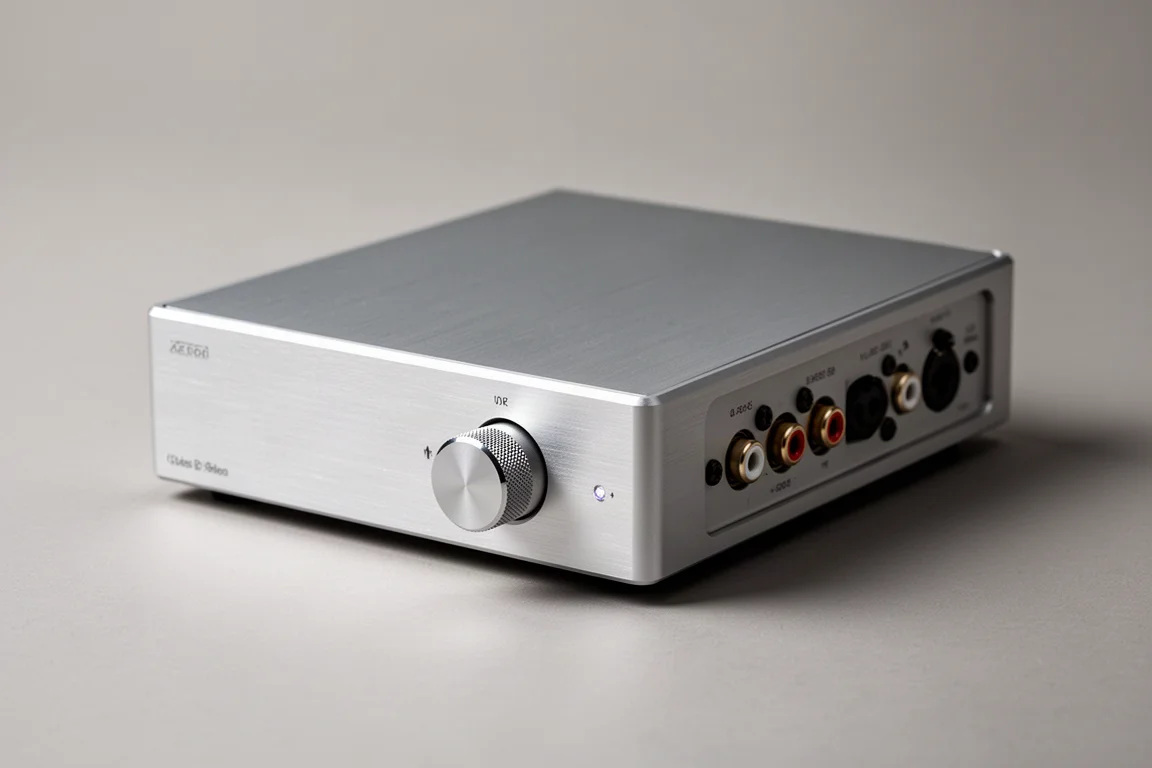
At $99 on Amazon, the Duke Audio A5 is the easier recommendation for anyone shopping on price. It uses RCA inputs only, so it is aimed at single-ended sources rather than balanced gear.
Inside, there is a single 3,300 microfarad Rubycon filter capacitor, and the inductors are open types in a standard layout. Two op amps can be swapped if you enjoy tuning the sound. The amplifier also includes a high-pass filter, which is useful when pairing it with small speakers that benefit from less low-frequency work. It drives 4 ohm speakers without trouble and, on paper, produces more power than the 3E Audio A5.
3E Audio A5: The High-Current Option
The 3E Audio A5 costs $236 from AliExpress and is built around a different priority: current. With two 3251 chipsets in PBTL mode, one per channel, it behaves like two Class D amplifiers sharing a single chassis. That architecture is what allows it to drive 2 ohm loads.
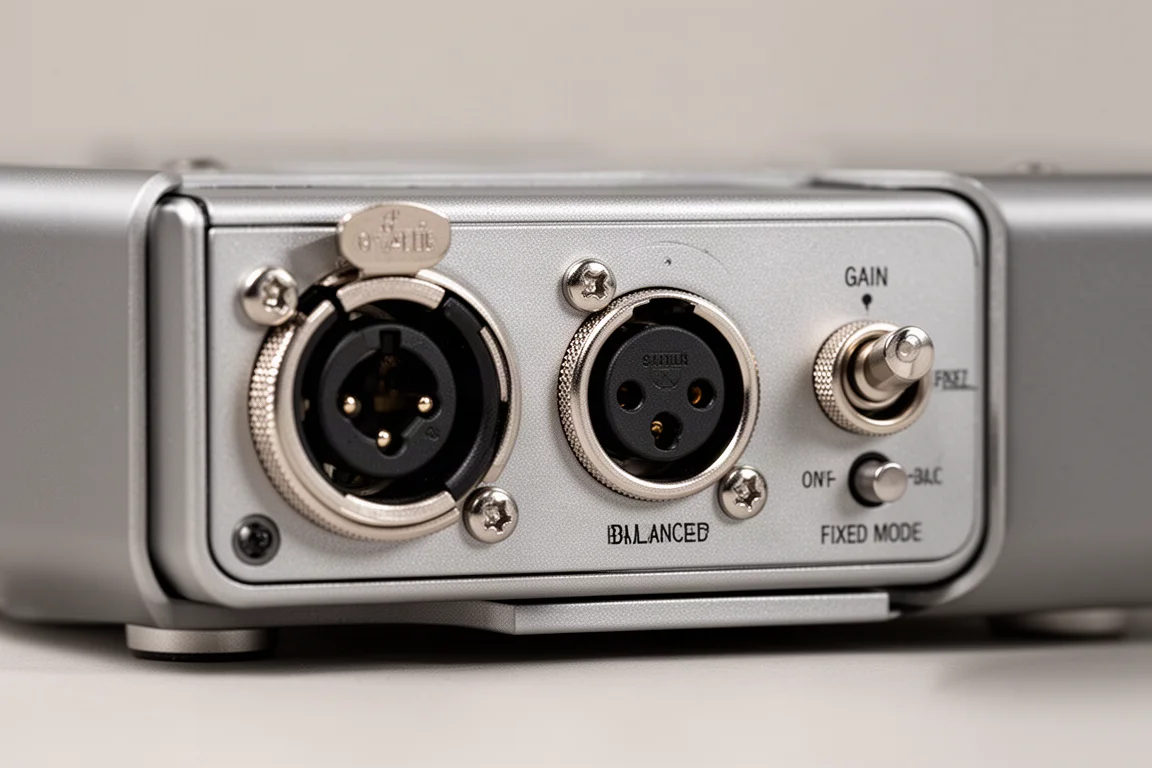
The input stage is genuinely balanced, so it accepts XLR connections and benefits from common-mode noise rejection. The signal is not balanced all the way to the speaker terminals, but the input stage is where most of that benefit is realized. The rear panel also includes a switch for fixed mode, which turns the amplifier into a pure power amplifier with the volume control bypassed, plus low and high gain settings.
Three op amps can be swapped, and the case includes openings sized to accommodate larger or taller aftermarket op amps. Two of the positions look roomy enough for the physically large designs some enthusiasts prefer.
Buying direct from AliExpress is the main practical trade-off. It removes the simple return path that comes with an Amazon purchase, and that matters if something goes wrong with the unit.
Component and Build Differences
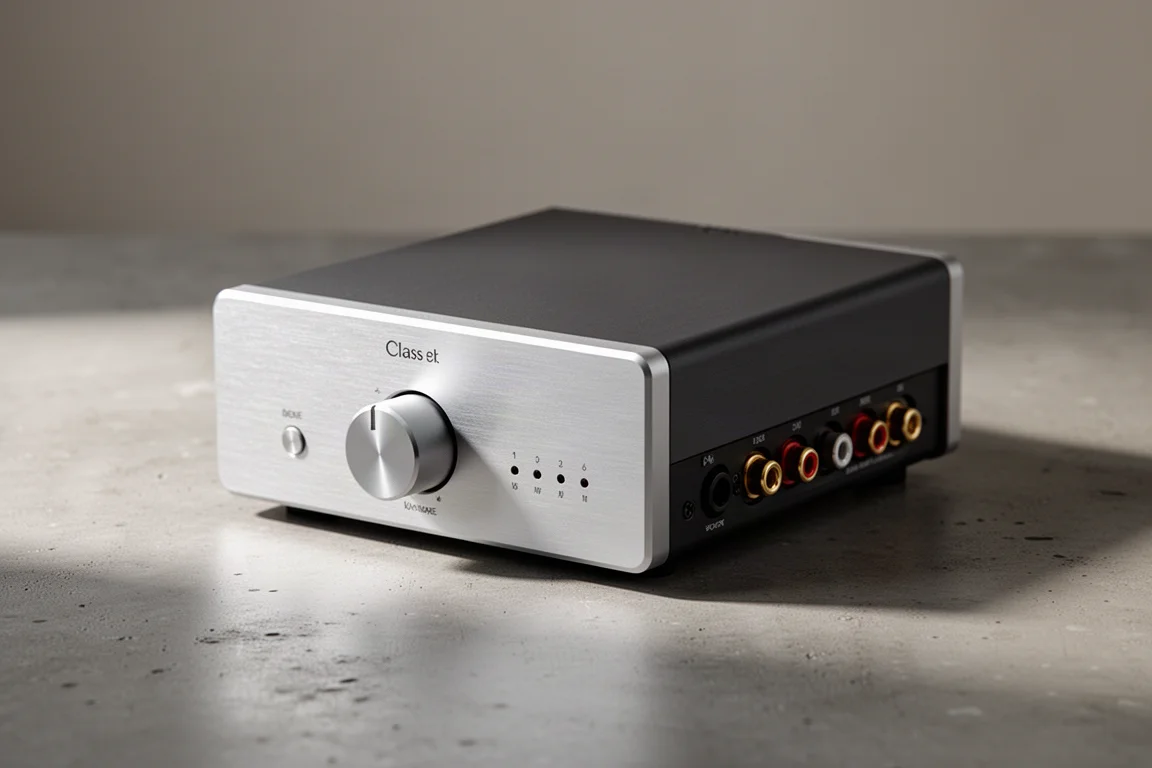
Look at the power supply section and the two designs diverge again. The Duke Audio A5 has one 3,300 microfarad filter capacitor. The 3E Audio A5 uses four 1,000 microfarad capacitors, which adds up to higher total capacitance. More capacitance is generally associated with cleaner dynamics and better transient response.
The 3E Audio A5 also uses shielded inductors, while the Duke Audio A5 uses open inductors in a standard layout. Shielded parts are chosen to reduce EMI, which supports better noise control and improved channel separation. Combined with the dual op amp arrangement, the layout is clearly aimed at keeping the two channels as separate as possible.
Build quality is the other visible difference. The 3E Audio A5 has a more substantial chassis, and the overall design philosophy comes across as more deliberate. The company also does OEM work for other brands and sells DIY amplifier modules, and it has expanded its own range with the A7, which uses the 3255 chipset and runs at 48 volts, along with a mono version of the A7.
How the Two Amplifiers Sound
Both amplifiers include post-filter feedback, and both benefit from it. The Duke Audio A5 sounds great in its own right, with plenty of dynamics for the money.
The 3E Audio A5 is the more articulate of the two. Instrument separation is only marginally better, but stereo imaging and three-dimensional placement improve noticeably. Background elements in well-recorded tracks sit in more clearly defined positions rather than blending into the mix. On a track with a low growl or a textured background layer, that layer becomes easier to place in space.
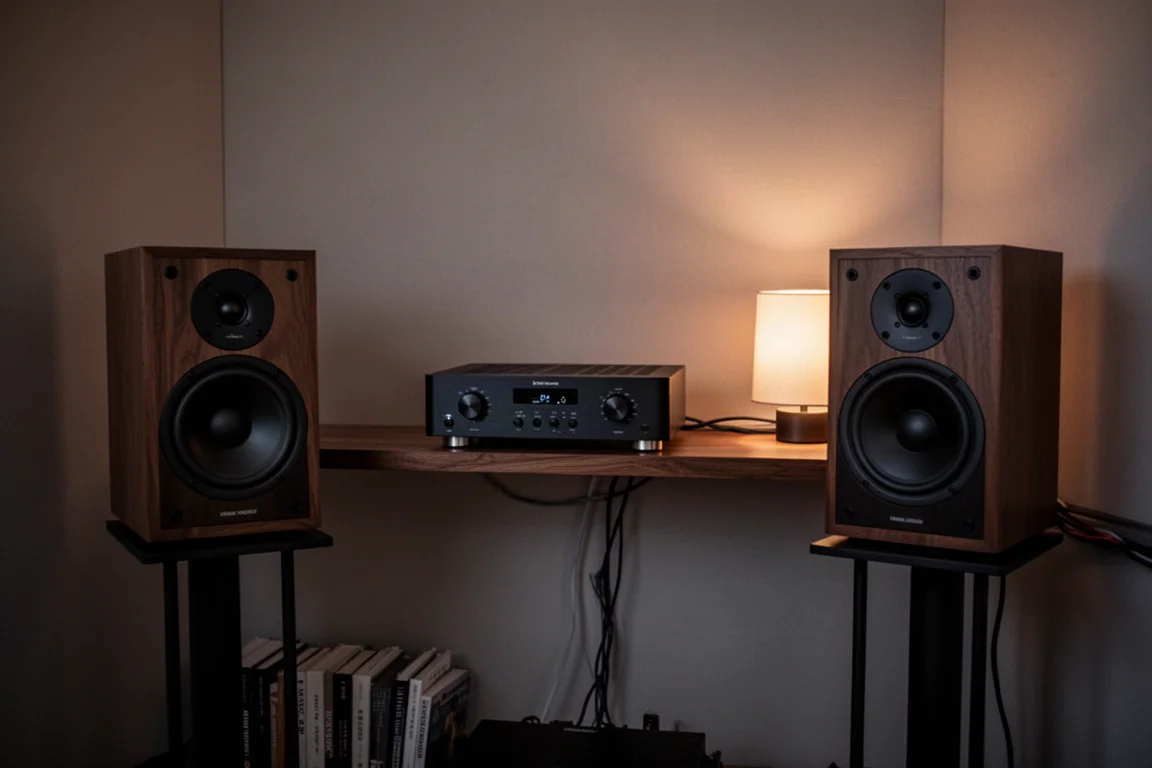
Those differences are not guaranteed to appear in every system. With a streamer such as a WiiM Mini or WiiM Pro feeding either amplifier through its internal DAC, the gap narrows considerably. Warm-sounding speakers also tend to soften the distinction. Add a dedicated DAC, even an affordable one, and pair it with revealing speakers, and the 3E Audio A5 pulls ahead. Resolution in the rest of the chain is what allows those details to surface.
Matching an Amplifier to the Rest of Your System
The decision usually comes down to speakers and sources rather than specifications alone. If you are running a compact streamer with its built-in DAC, or speakers with a warm tonal balance, the Duke Audio A5 delivers a lot for $99 and keeps the system simple.
If you plan to use balanced XLR connections, want the ability to drive 2 ohm loads, or care about extracting the smallest details from well-recorded music, the 3E Audio A5 is the more capable platform. Current delivery matters most with dynamic passages and with speakers that dip to low impedances, where a high-current amplifier tends to stay composed. A 50 watt high-current design can be more satisfying than a lower-current 100 watt design in those conditions.
Buying Advice: Which One Should You Choose
On a strict budget, the Duke Audio A5 is the obvious pick. At $99 from Amazon, it is a genuinely enjoyable amplifier with a high-pass filter, swappable op amps, and enough power on paper to satisfy most compact setups. The return process is straightforward if it does not suit your room.
The 3E Audio A5 costs $236 and is worth the extra $137 if balanced inputs, 2 ohm stability, and a better-built chassis are part of your plan. The higher total capacitance, shielded inductors, and dual-chip architecture are all aimed at cleaner, more controlled delivery into difficult loads. The caveat is the purchase channel: ordering from AliExpress means accepting a longer and less certain path if you need to return the unit.
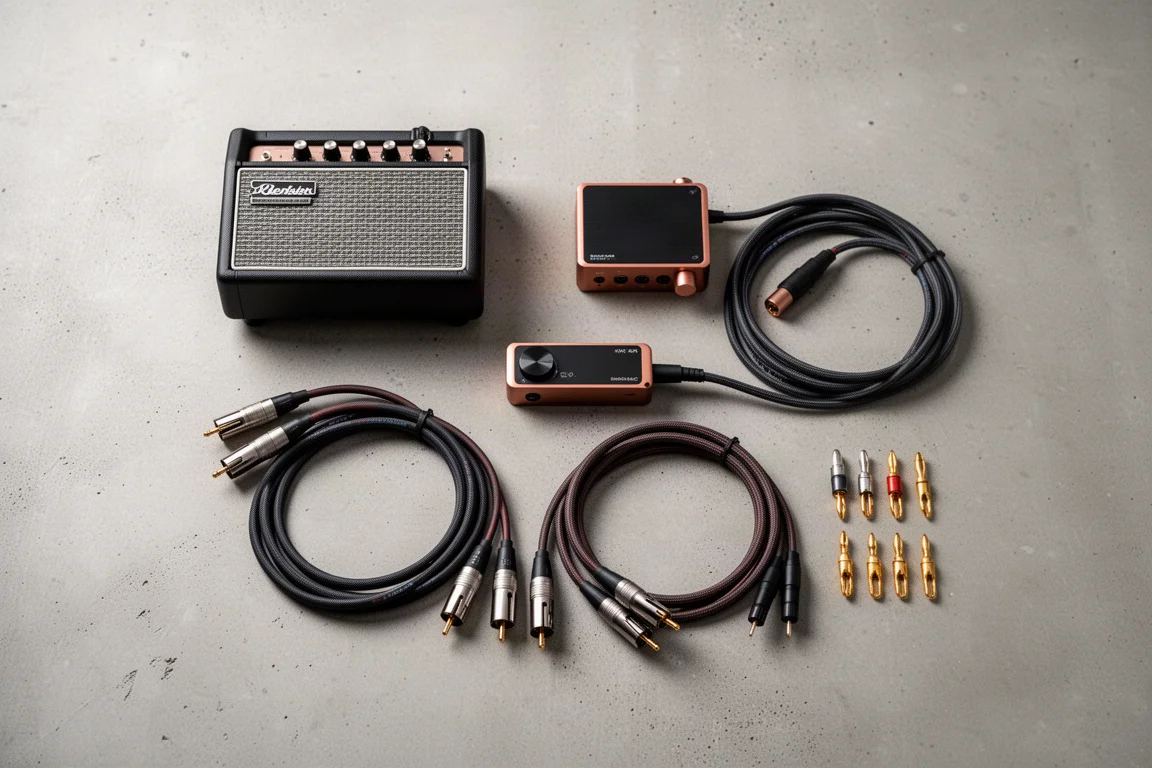
If you are weighing the two purely on price, the Duke Audio A5 wins. If you are weighing them on capability and build, the 3E Audio A5 justifies its price for listeners whose systems can reveal the difference.
Conclusion
The Duke Audio A5 and the 3E Audio A5 share a chipset family, a form factor, and a name, but they are built for different buyers. The Duke Audio A5 is the value play at $99, with plenty of dynamics and an easy buying experience. The 3E Audio A5 is the more ambitious design at $236, with dual amplifier chips, a balanced input stage, higher total capacitance, shielded inductors, and the current delivery to handle 2 ohm loads. Match the amplifier to your speakers and sources, and either one can be a satisfying addition to a desktop or compact hi-fi system.
Further reading
Related Reviews
Audio Amplifiers
AGD Audion Mark III Review: A Compact Class D Amplifier With Tube-Like Musicality
A gallium nitride Class D amplifier that delivers tube-like midrange warmth, serious bass grip, and a modular upgrade path in a very small chassis.
Audio Amplifiers
Best Class D Amplifiers Under $100: Douk Audio A5 vs Fosi Audio V3
Two sub-$100 Class D amplifiers built on the same 3255 chipset, compared on bass weight, midrange body, treble presence, and real-world speaker matching.
Audio Amplifiers
Best Power Amplifiers Under $500: Six Stereo Amplifiers From $74 to $579
A practical roundup of six stereo power amplifiers under $500, covering real-world power, connectivity, cooling, and which kind of system each one suits.