Cycling Components
Dropper Posts for Road Bikes: Three Options Worth Considering
Dropper posts have moved from mountain biking to road and gravel bikes. Here are three options, what they cost, and how to choose between cable and wireless.
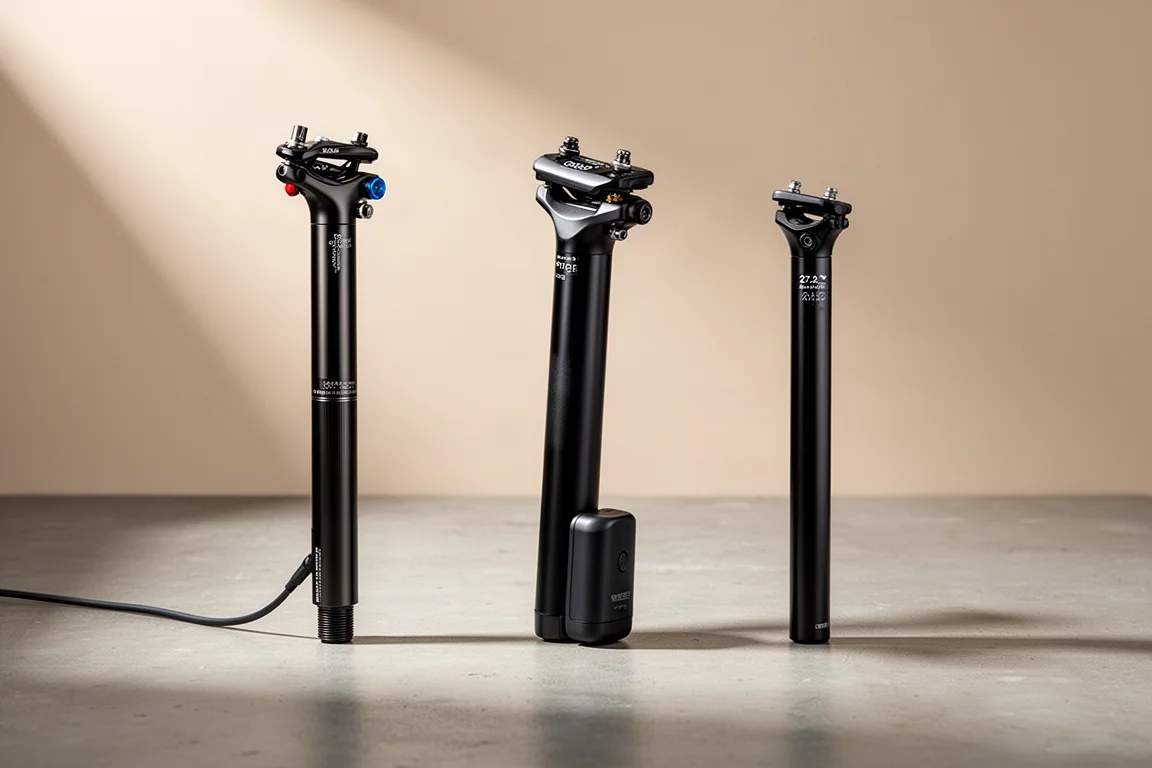
Introduction
A dropper post is a seat post that drops. Press a lever on the handlebar while your weight is on the saddle and the post compresses, usually against an internal air spring, so the saddle moves down and out of the way. Press the lever again and the saddle returns to your set height.
For years this was a mountain bike and off-road part. That has changed. Dropper posts have turned up on road bikes in professional racing, including on a bike that won Milan-San Remo, and the appeal is easy to understand. A lower saddle means a lower centre of gravity, more control, and an easier time getting your weight back on a descent without moving behind the saddle, where front wheel loading falls away and control suffers.
This guide covers three dropper posts at different points on the price and convenience scale, along with what to check before buying.
Why Dropper Posts Have Moved to Road Bikes
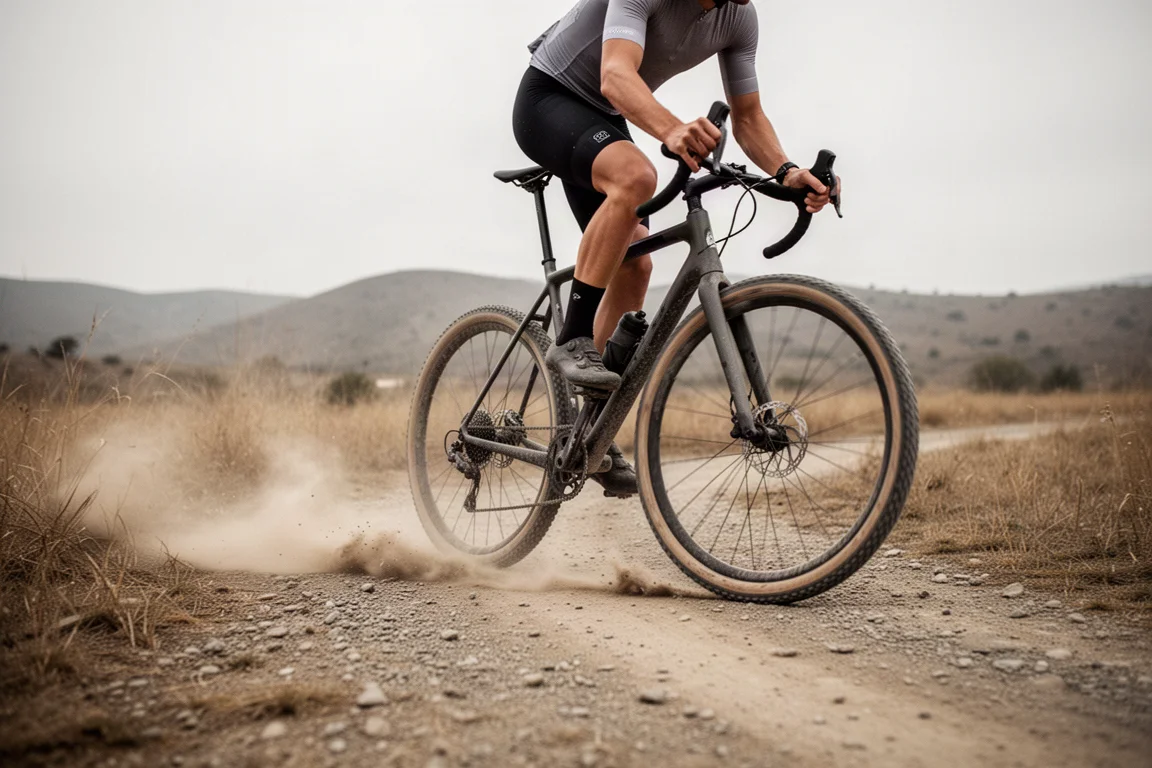
The interest comes from aerodynamics as much as control. On a descent, the most aerodynamic body position is not seated at normal saddle height. The extreme version of this was the super tuck, sitting on the top tube, which the UCI banned from professional racing on safety grounds, largely because amateur riders were copying it. A dropper post offers a safer route to a similar low position, and it works for riders who never felt comfortable balancing on the top tube at speed.
The idea is not new either. There are photos of Ivan Basso’s bike fitted with a dropper post in an article published back in 2011, and teams were experimenting with them years before that. What has changed is availability: 27.2mm diameters, wireless systems, and cheaper cable-actuated posts have made the idea practical for ordinary road bikes.
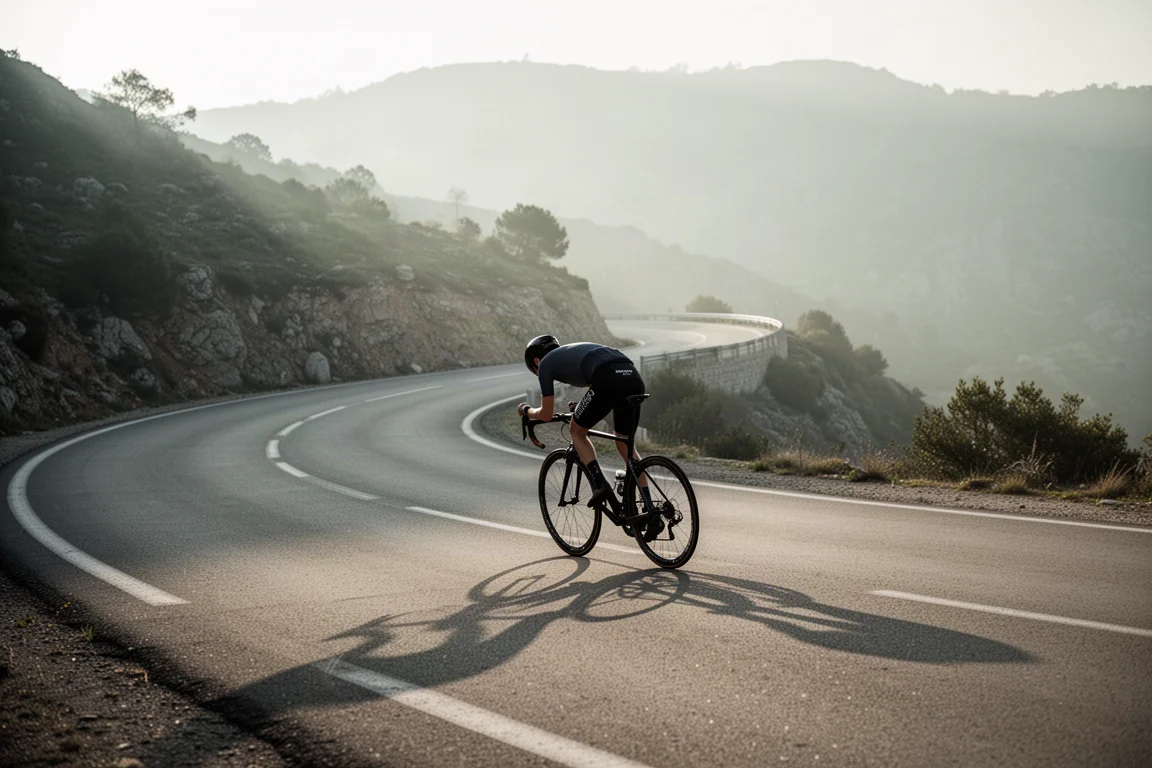
Weight is the obvious trade-off, since a dropper post adds grams that a standard seat post does not. For professional riders whose bikes already sit at the UCI weight limit, that extra weight is not a problem, and the position it unlocks is measurably faster on a descent than staying seated at normal height.
What to Look For Before You Buy
Start with diameter and routing. Many road and gravel frames use a 27.2mm seat post, and not every dropper is offered in that size. Then decide how the post is actuated: a cable running from the post up to a lever on the handlebars, or a wireless system that removes the cable altogether.
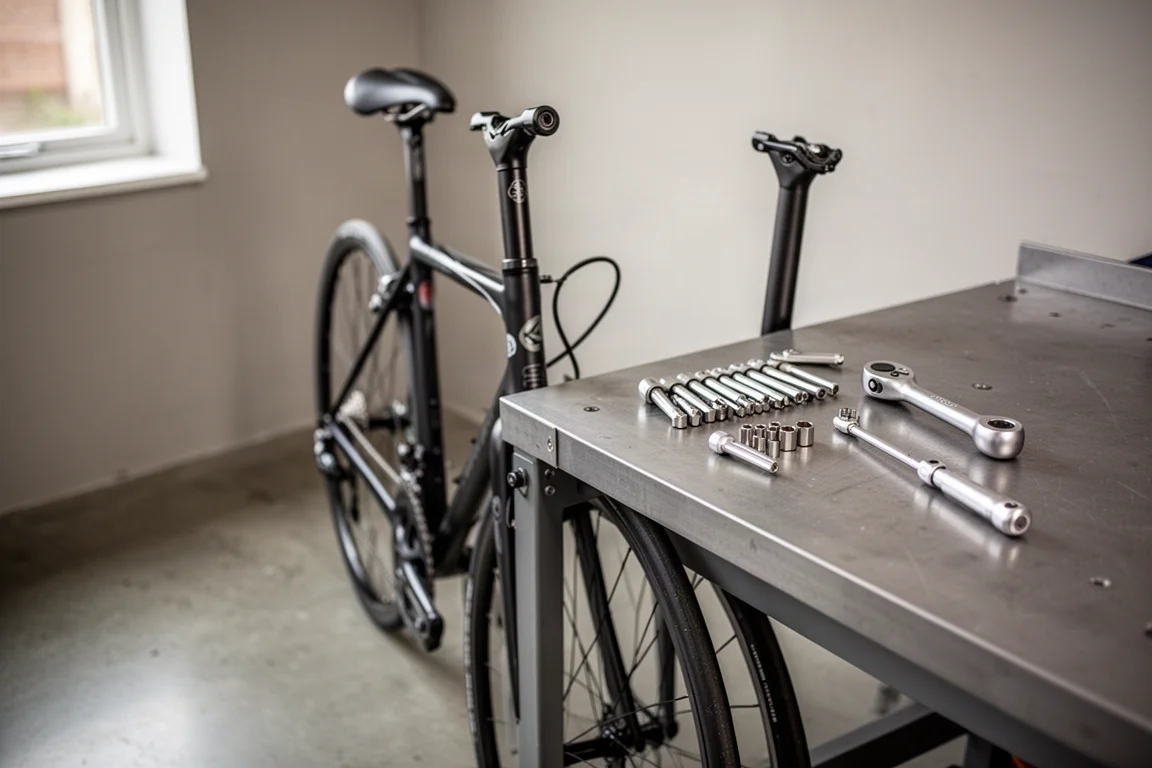
Internal cable routing is where costs can creep up. Threading a housing through a frame that was never designed for it can take more workshop time than the post itself costs, which is why externally routed posts and lever-under-the-saddle designs remain useful. Drop length is the next decision. A shorter drop keeps the post lighter and less intrusive, while a longer drop gives more room to move your weight around.
PRO Koryak Dropper Post: Cable Actuation and a Simple Setup
The PRO Koryak is an externally routed, cable-actuated dropper with a relatively short drop of around 100mm, roughly half what you would find on an enduro mountain bike. A cable runs from the post to a lever on the handlebars, and pressing that lever while you are seated lets your body weight push the saddle down. Posts of this type generally use an internal air spring and have a solid reputation for reliability.
Externally routed posts are the simpler choice for frames without internal routing, and a shorter drop suits road use, where the goal is getting the saddle out of the way rather than dropping it as low as possible.
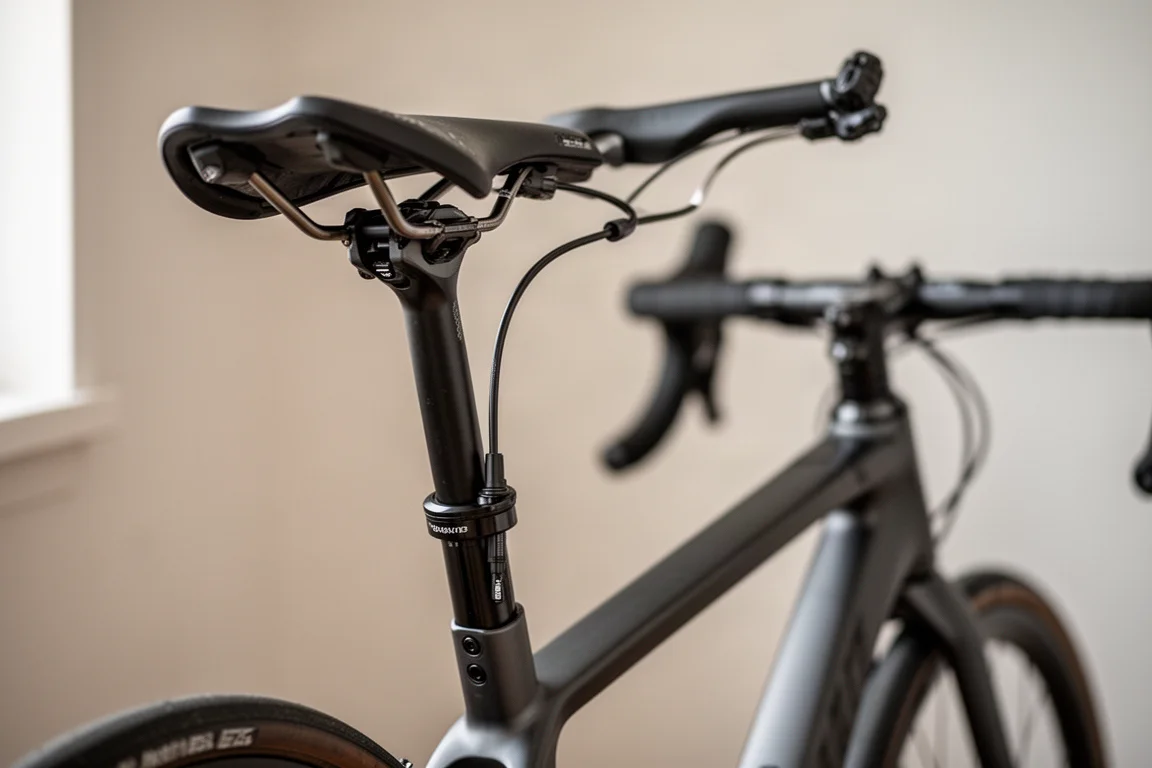
If you want to try the idea before committing serious money, this is the kind of post to start with. It is worth checking with a bike shop about routing and lever compatibility first, because drop bar levers have a different shape and mounting position from mountain bike levers, and that affects which actuation options work on your bars.
RockShox Reverb AXS: Wireless Convenience at a Premium
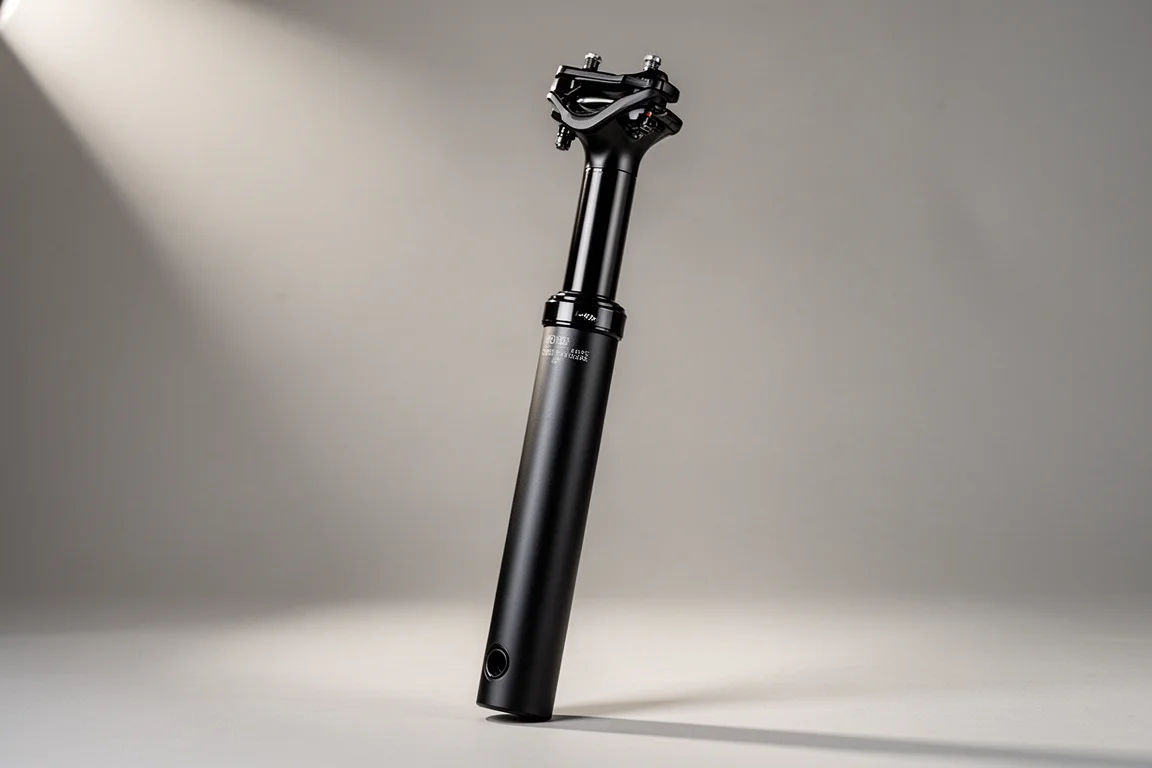
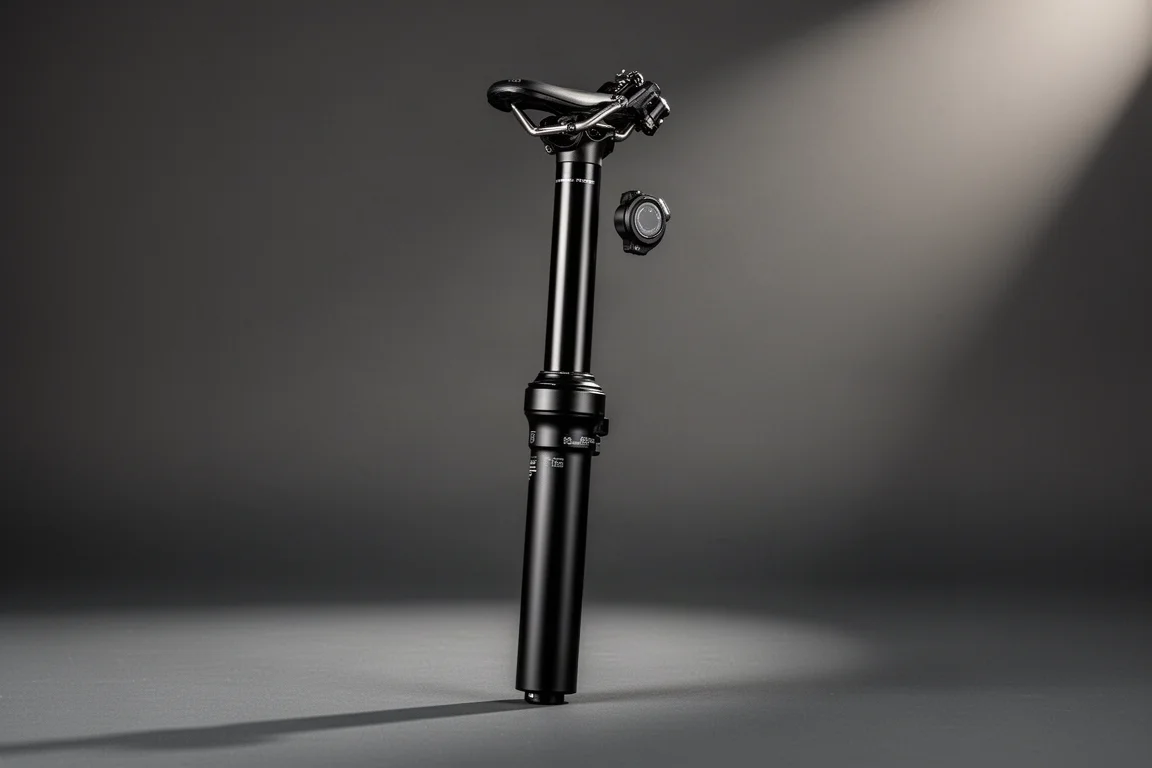
The RockShox Reverb AXS removes the cable entirely. There is no routing to plan and no housing to thread through the frame, which makes it the least fussy option to install and the tidiest once fitted. The trade-off is price: around £750, which puts it at the top of this group.
Battery management becomes part of living with it, though there is a practical upside for riders already on a SRAM wireless groupset. The batteries are interchangeable, so if the post runs flat you can take a charged battery from a shifter and move it across, then recharge the flat one later.
RockShox Reverb AXS XPLR: Wireless for Gravel and Mixed Surfaces
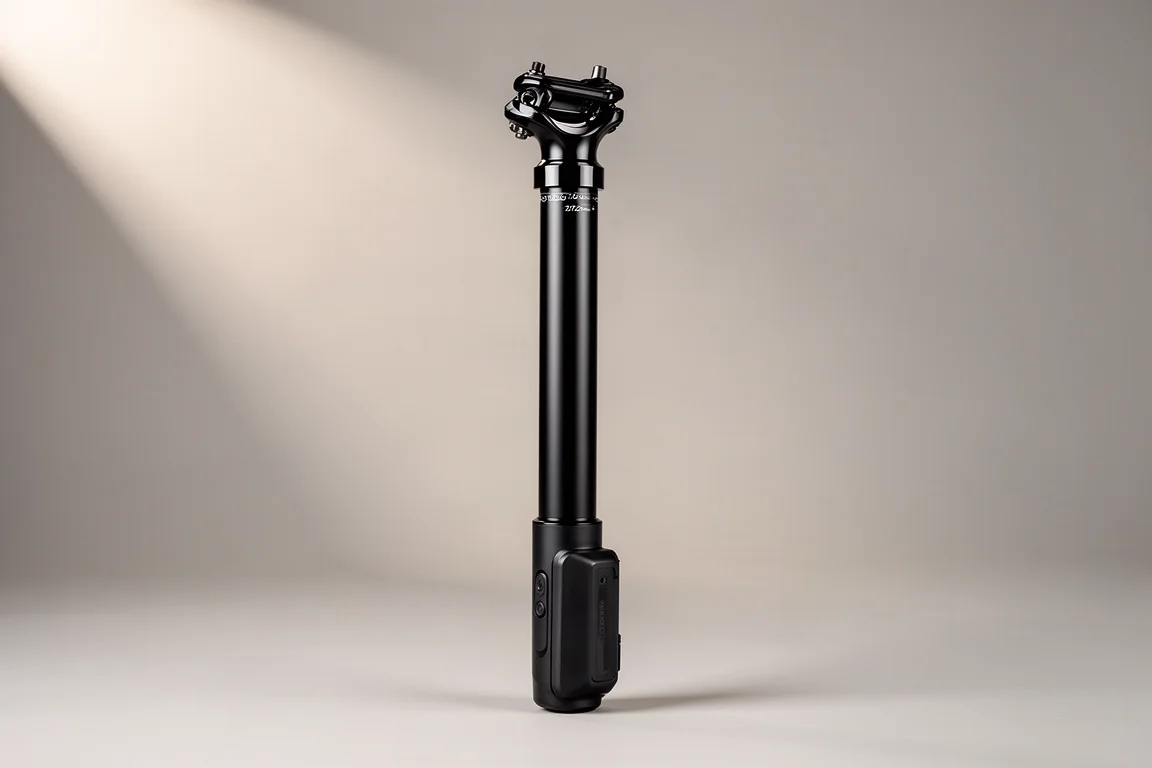
The XPLR version is the more affordable wireless option at around £500, and it is the one designed for gravel. It fits 27.2mm seat tubes, which covers most road and gravel frames, and it can be stopped at any point in its travel rather than only fully up or fully down. That means you can set a slightly lower saddle height for a long descent instead of dropping the post all the way.
Drop it by a small amount and it also behaves like a suspension seat post, letting the saddle move with bumps in the surface. For gravel riding and rough tarmac, that is a genuine bonus rather than a novelty.
At this price the post does not include a remote, and it is intended to work with an existing SRAM system. That is where the saving comes from, but compatibility is worth confirming before you order.
How to Choose Between Them
Cable-actuated posts are the cheaper and more widely compatible route, but they need routing and a lever, and the lever for drop bars is a different component from a mountain bike lever. Wireless posts remove the routing problem entirely and are quick to move between bikes, at a significantly higher price.
If budget is the deciding factor, there are cheaper cable-actuated droppers on the market, with the most affordable options sitting around £100. They work, and some weigh about the same as more expensive posts, but the finish and the feel of the mechanism are not as polished, and you will still need to sort out cable routing.
Buying Advice
If you enjoy descending and want more control without resorting to the super tuck, a dropper post is a sensible upgrade. Work through three questions in order: what seat post diameter does your frame take, can you live with cable routing or would you rather pay for wireless, and how much drop do you actually need. A short drop is usually enough on the road.
For a first experiment, an externally routed cable post is the lowest-risk route, and a quick conversation with a bike shop about routing will save time later. For riders already running a SRAM wireless system, the wireless options remove most of the installation friction and the battery sharing makes them easier to live with day to day.
Whichever route you take, the practical benefit is the same: the saddle moves out of the way when you need it to, and returns to your normal position when you do not.
Conclusion
Dropper posts are no longer a mountain bike exclusive. A lower saddle gives more control on descents and a more aerodynamic position that is far safer than sitting on the top tube, and the arrival of 27.2mm and wireless options has made the idea realistic on road and gravel bikes. The PRO Koryak covers the simple cable-actuated approach, the RockShox Reverb AXS covers wireless convenience at the top of the price range, and the RockShox Reverb AXS XPLR sits in between with a gravel focus and partial-drop suspension behaviour. Match the post to your frame, your routing situation, and how you actually ride, and the decision becomes straightforward.
Further reading
Related Reviews
Cycling Components
A 20,000-Mile Budget Race Bike Build: Five Parts Worth Knowing
A rim brake race bike assembled from low-cost components and ridden for 20,000 miles. Here is what delivered real speed, what caused problems, and what to weigh before copying the formula.
Cycling Components
7 Bike Fit Products Fitters Avoid: What to Check Before You Buy
Seven bike components that regularly cause knee, foot and saddle problems, with the specific concerns behind each one and what to look for instead.
Cycling Components
Four Affordable Bike Upgrades That Improve Ride Feel
Four low-cost cycling products that make a real difference to ride feel, plus the free setup changes worth trying first.