Cycling Components
Drop Handlebars Ranked: Nine Bar Shapes and How They Change Your Fit
Nine drop handlebars ranked from the shapes that cause fit problems to the ones that solve them, covering reach, drop shape, width availability and internal routing compatibility.
Introduction
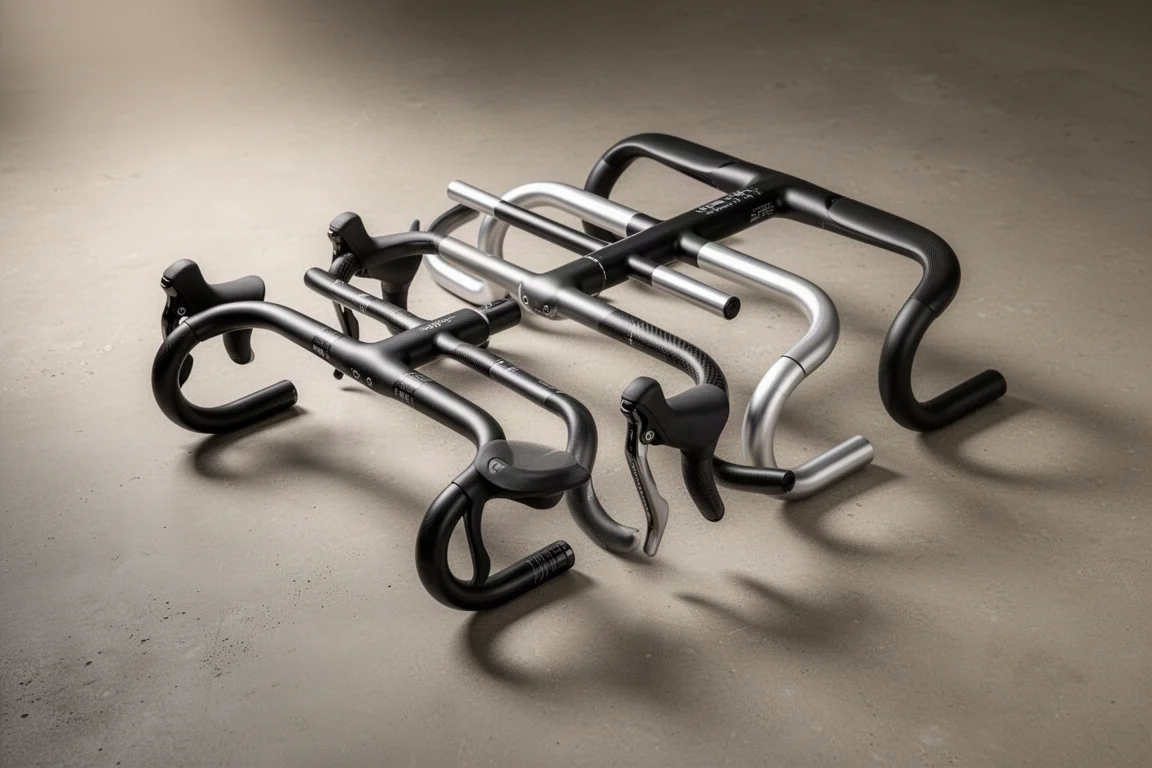
Drop handlebars look almost identical in a product photo, yet the shape of the bar decides where your hands sit, how far the brake levers reach away from you, and how much of the bike’s front end can be tuned without touching the stem. Two bars with the same nominal width can put the same rider in two very different positions.
This guide ranks nine drop bars, starting with the shapes that create fit problems and working toward the ones that solve them. A few are inexpensive and quietly effective. A couple cost more because they are built around internal brake hose routing. One is the only genuinely narrow option here for riders who need a bar smaller than a conventional 36 cm.
How These Drop Bars Were Ranked
Five things separate a bar that works from one that causes trouble: reach, the shape of the drop, the widths actually available, whether the bar can be rotated to tune its angle, and whether it accepts brake hoses through internal ports, known as ACR and DCR compatibility.
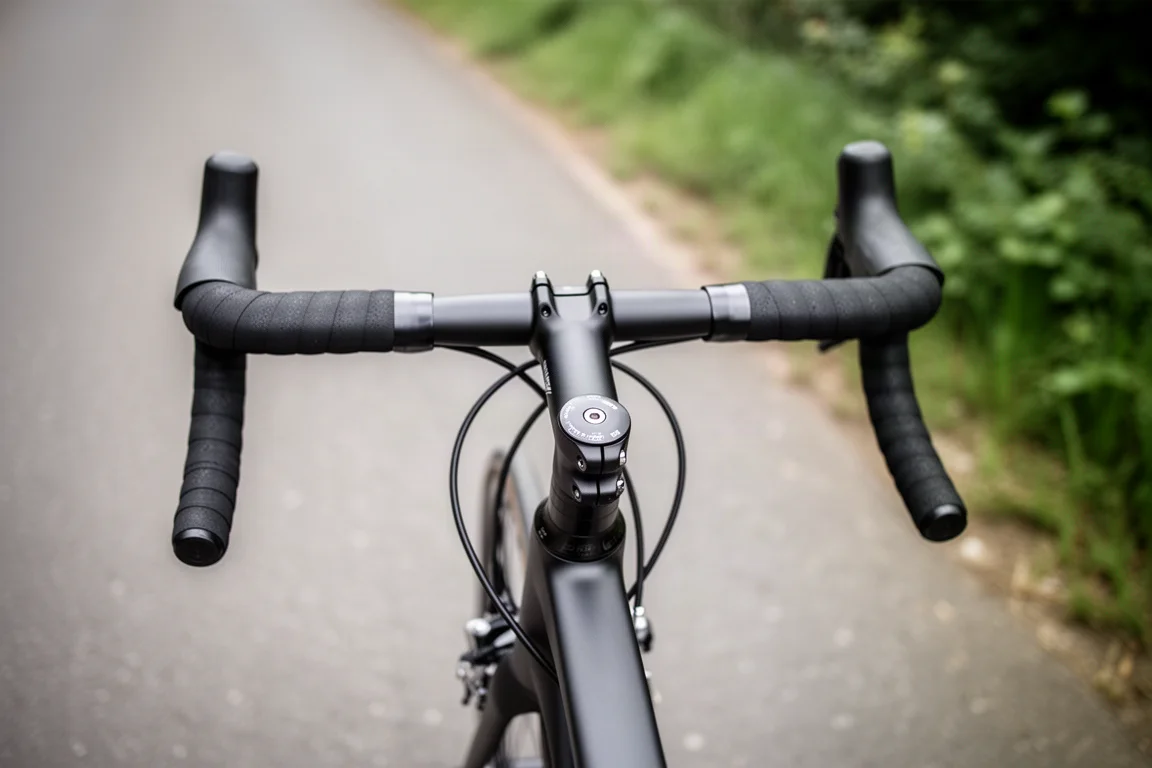
Rotation matters more than most riders expect. On a one-piece cockpit the bar angle is dictated by the frame’s head angle, so the same design sits noticeably more upright on a small frame and flatter on a large one. A two-piece bar with a separate stem can be rolled to suit the individual rider.
Width availability matters just as much. Many riders measure between 38 cm and 32 cm across the shoulders, and for them a narrower bar makes the brake levers easier to reach, reduces the need to roll the wrist, which is a common cause of numb or tingling hands, and generally adds confidence on the bike.
Price is the final filter. Internal routing ports, narrow widths and aluminium construction do not always arrive together, and the bars below show how differently brands solve that puzzle.
Giant Contact SL Aero: Fully Integrated, Zero Rotation Adjustment
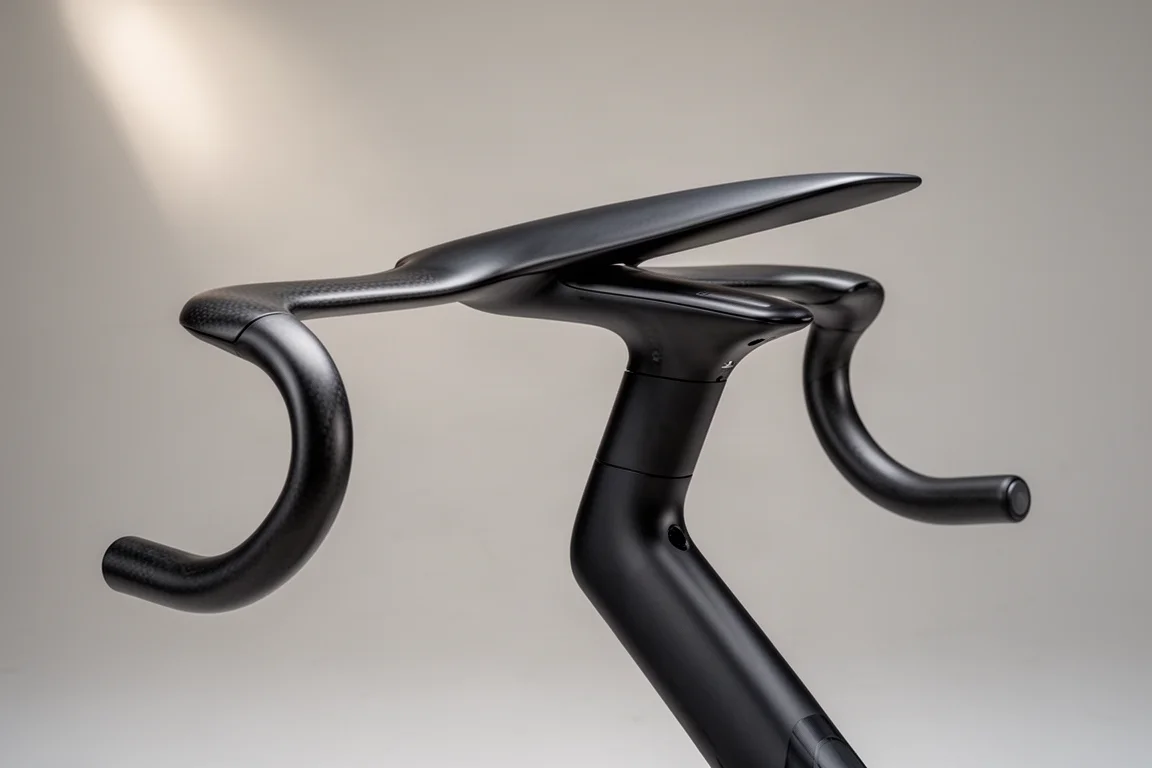
The Contact SL Aero is only really relevant to riders who own a Giant Propel, because it is a fully integrated design rather than a standalone bar. The trade-off is that there is no adjustment for rotation at all. The angle is set by the frame’s head angle, so the bar sits more upright on a smaller bike and flatter on a larger one, with no way to correct it.
Its reach is short and the drops are very short as well, so the shape does not suit riders who want a longer, more familiar position on the drops. For most riders there is little reason to choose it over a standard two-piece bar.
Ritchey Pro Logic Anatomic: A Drop Shape From an Earlier Era
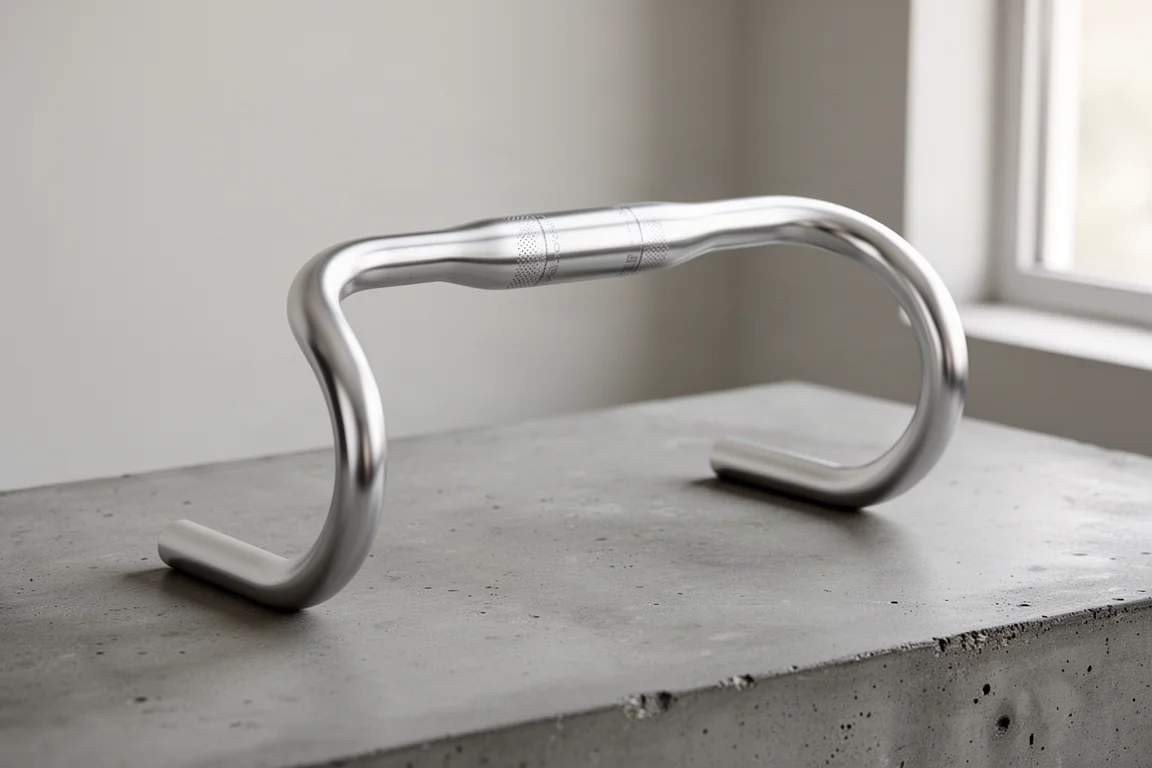
The Pro Logic Anatomic belongs to an older generation of bar design. Reach is relatively long, and the drop has a step in it, which makes it awkward to hold comfortably when you are down in the drops.
Shapes like this appear less and less often now, as the market has moved toward compact and ergonomic bends. Riders on a modern bike will find almost every other bar in this list easier to live with day to day.
Bontrager VR-C: Long Reach That Pushes the Front End Away
The VR-C is the shape found on many of the more affordable bikes in the Trek range rather than on the higher-end models. The bend itself is pleasant, with a nice shape on the drops, but the reach is exceptionally long, and that adds a lot of extra length to the front of the bike.
That matters because many bikes leave the factory with the hoods in the wrong place, and combined with a long-reach bar it can add 30 to 40 mm of unwanted reach. The usual result is saddle discomfort, hand problems, and neck and shoulder tension. If you ride an entry-level bike fitted with this bar, replacing it is worth considering, and dropping one width size at the same time is a sensible move.
Specialized Short Reach: Bringing the Controls Closer
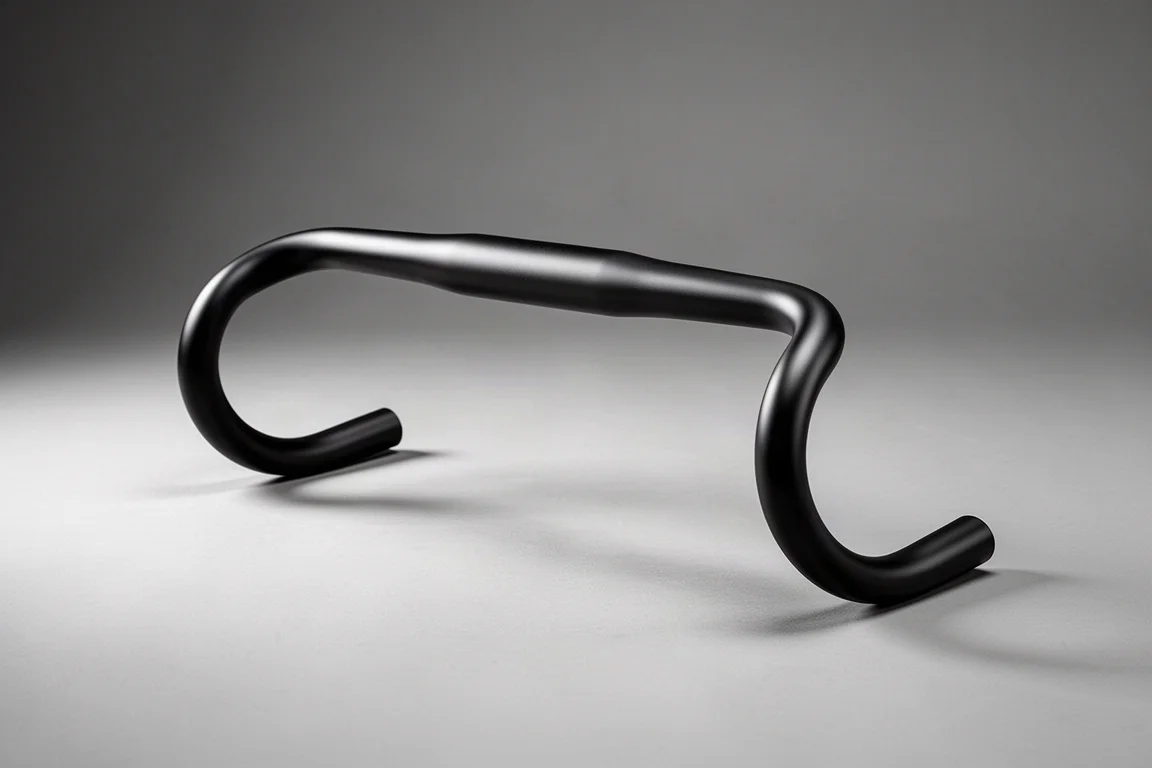
The Short Reach does exactly what its name promises: 65 mm of reach, roughly 10 mm shorter than a comparable Deda bar. That pulls the controls closer to the rider and takes reach off the front of a bike that still feels slightly too long.
It is available in sizes from 36 cm up to 44 cm in 2 cm increments, it is made from aluminium, and it is inexpensive at around £30 to £40, which makes it an easy experiment if you want to shorten your position without changing the stem.
Deda Zero 2: Affordable Routing for Integrated Cockpits
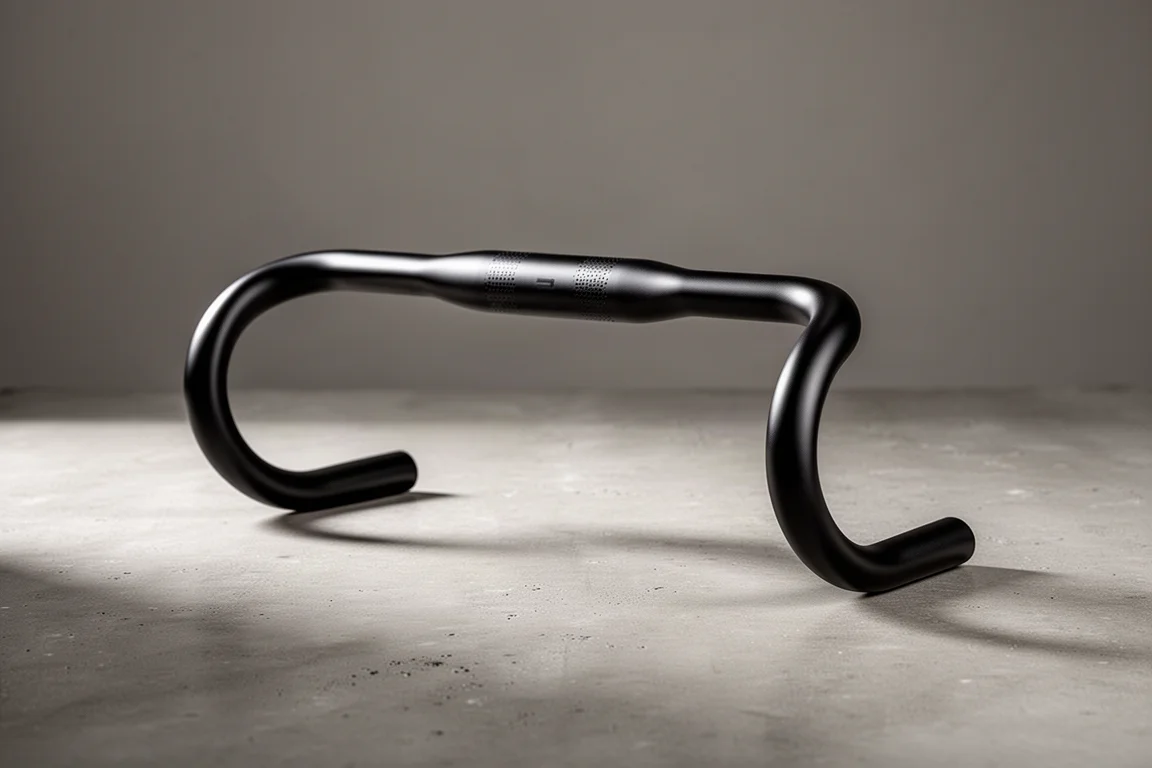
As bikes have become more integrated, fitters spend a lot of time hunting for bars that are ACR and DCR compatible, meaning they have ports at the back for brake hoses. The Zero 2 is one of the cheapest options that offers this, and that is the main reason it is worth knowing about.
It runs from 38 cm up to 44 cm, and it is a flat-top aluminium bar with Deda’s own 75 mm reach and 128 mm drop. The top section has a comfortable oval profile, and at £58 it is relatively inexpensive for a bar that keeps internal routing tidy while still offering a reasonable fit range for smaller riders.
FSA Energy Super Compact: The Narrowest Routing-Ready Bar
The Energy Super Compact is also ACR compatible, with ports at the back for brake hoses. Its distinguishing feature is width. It is technically available as small as 36 cm, although that size actually measures as a 34 cm, and it is the narrowest ACR and DCR compatible bar we have been able to find.
It comes only in aluminium and costs around £134. That combination of narrow width and internal routing is why it regularly ends up on bikes built for smaller women and smaller riders, where a conventional 36 cm bar is simply too wide.
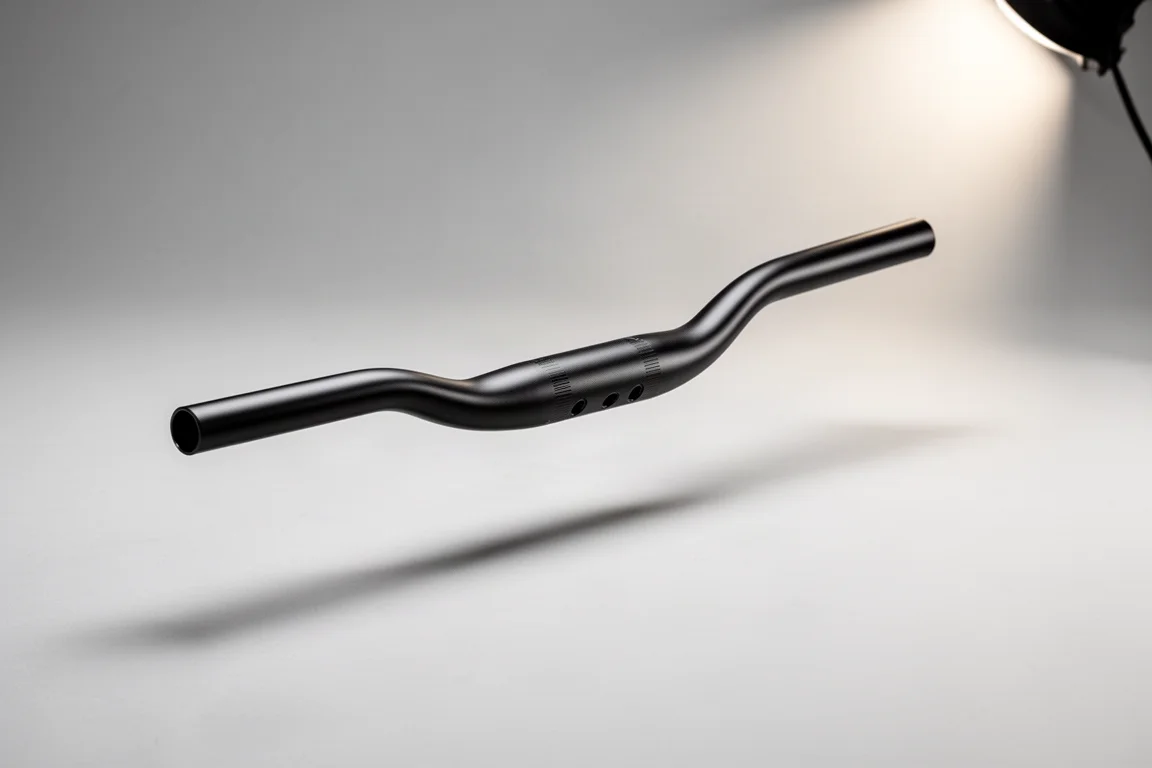
Fouriers HB-RA012-D-A6-DT: A 32 cm Bar That Most Shops Do Not Stock
The model name is unwieldy, but the bar itself solves a problem that is hard to solve any other way. It offers 75 mm of reach and 128 mm of drop in a genuinely narrow package, and it is relatively cheap at around £50.
For many shops a 32 cm drop bar effectively does not exist, yet riders who measure 32 cm across the shoulders need exactly that. A narrower bar makes the brake levers easier to reach, usually removes the need to roll the wrist, which is a common source of numbness, pins and needles and tingling in the hands, and tends to leave riders more confident on the bike.
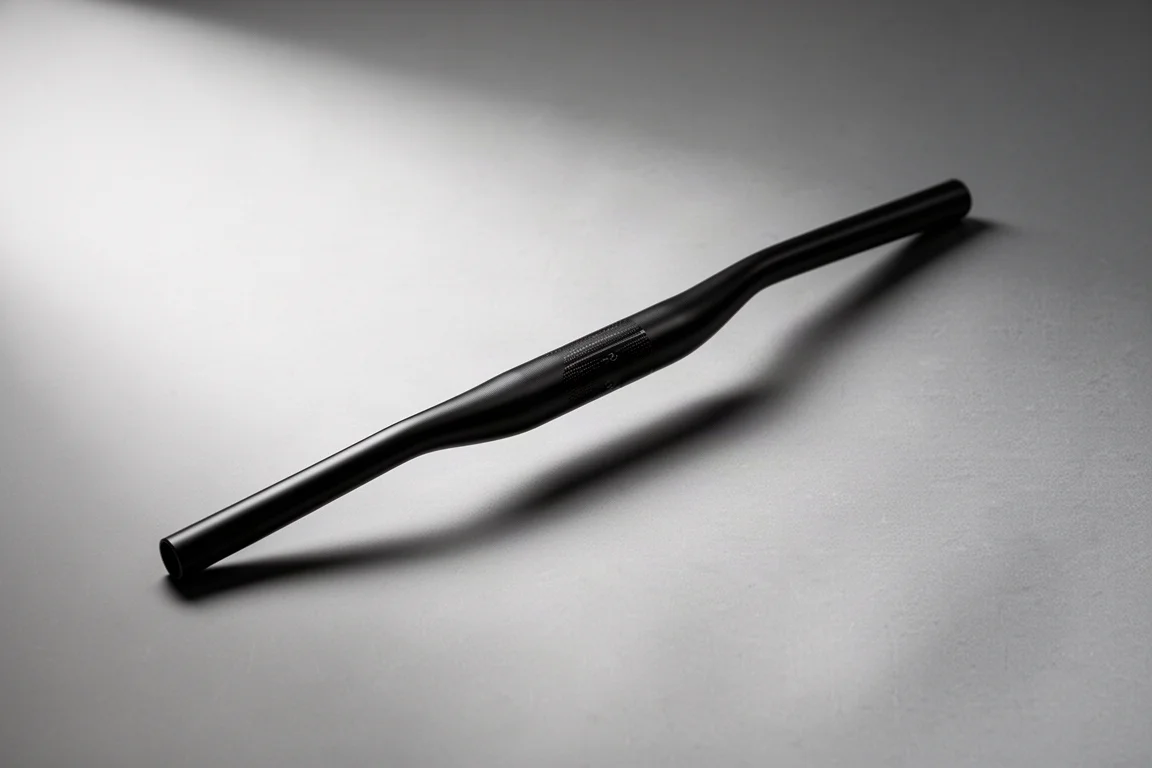
Deda Gravel 100: Flare for Off-Road Riding
The Gravel 100 is based on the Deda Zero 100, a long-standing bestseller, and keeps the ergonomic shape of that bar while adding 12 degrees of flare to the drops.

It goes all the way down to 38 cm, which is uncommon for a flared bar, since the trend in gravel riding has pushed widths upward. It is Di2 compatible but not ACR compatible, so it is not the choice for a fully integrated frame. Reach, shape and drop are all well judged, and it works just as well on mixed surfaces as it does on tarmac.
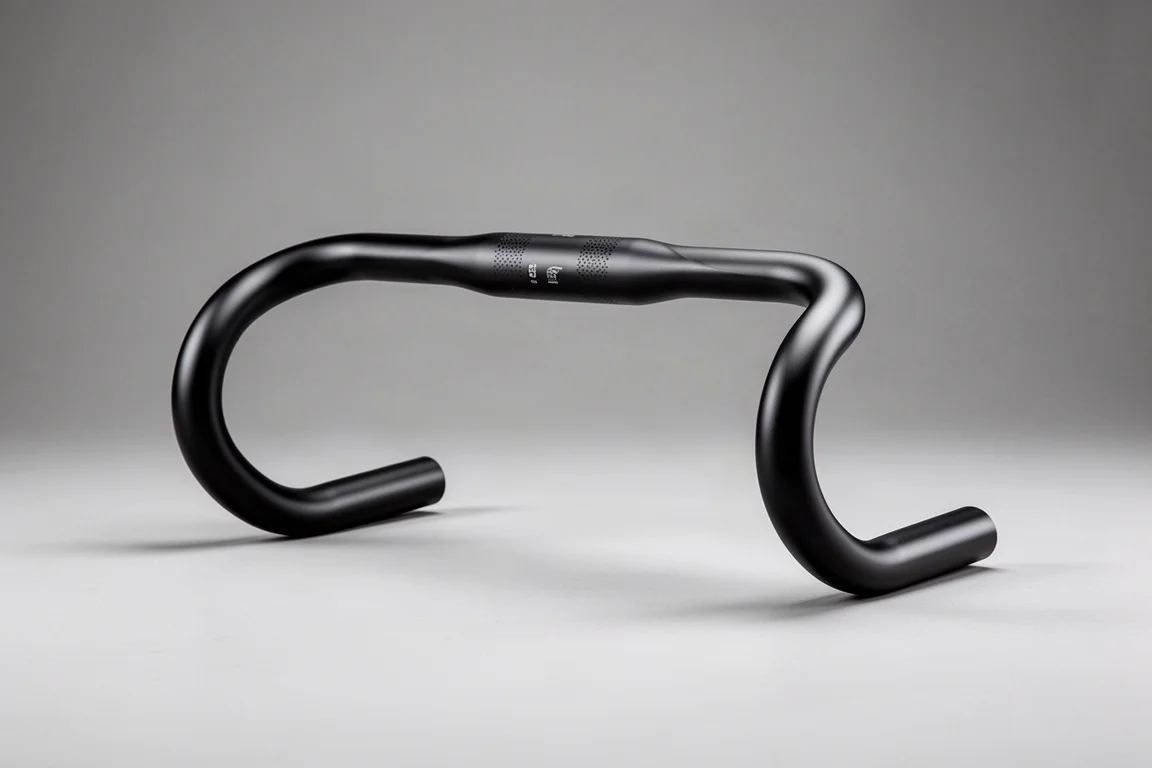
Genetic Dria: A Rise Bar That Lifts the Front End
The Dria is the most unconventional bar here. It is a rise bar, lifting the front of the bike by 20 mm so you can raise your contact points without inverting the stem or adding spacers.
The idea descends from the hover bar concept, which included a wing-style bar that appeared to have a rise but dropped back down again where the controls mount, making it an ergonomic shape rather than a true riser. The Dria takes the idea further. It comes in 38, 40, 42, 44 and 46 cm with a little flare, and it has an ergonomic top section.
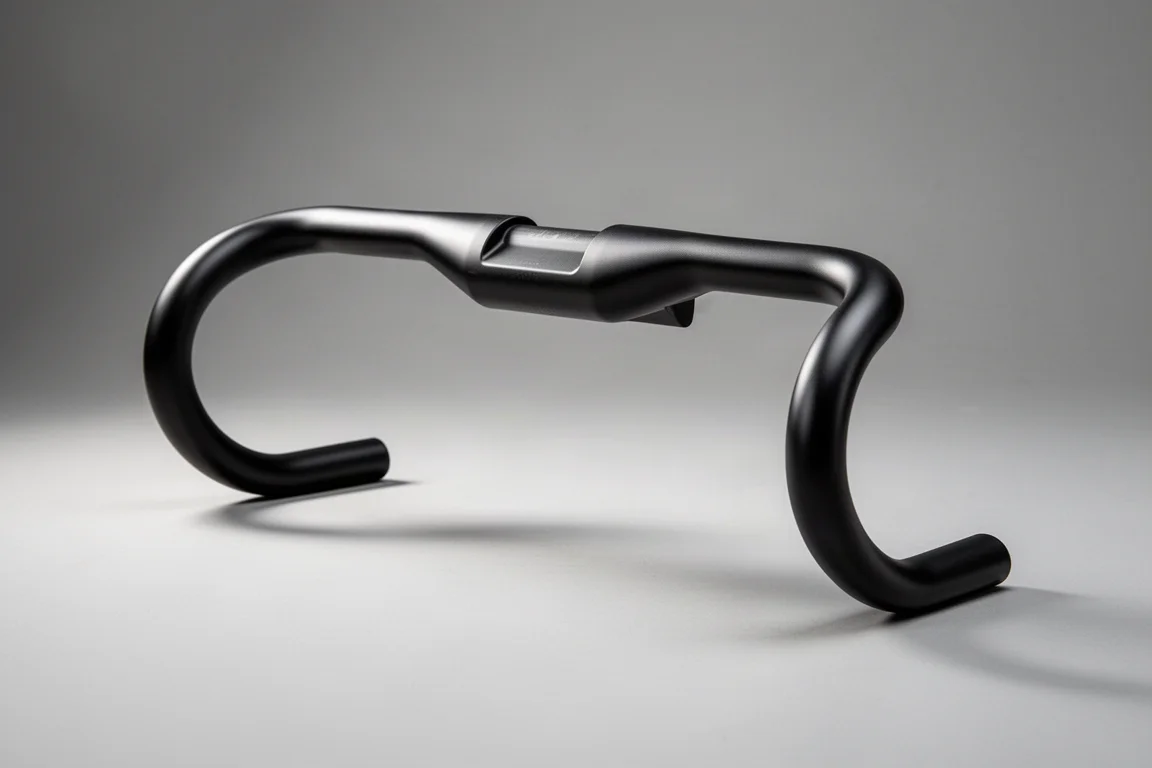
Buying Advice: Match Width, Reach and Routing to Your Bike
Work through the list in order. Start with width, because it is the measurement most riders get wrong. If you measure between 32 cm and 38 cm across the shoulders, look closely at the Fouriers and the FSA Energy Super Compact. A narrower bar makes the levers easier to reach and reduces the wrist roll that leads to tingling hands.
Next, look at reach. If the bike feels long, the Specialized Short Reach takes roughly 10 mm out compared with a comparable Deda bar, while the Bontrager VR-C does the opposite and adds length to the front end. Then check routing. If your frame runs hoses internally, ACR and DCR compatibility narrows the options here to the Deda Zero 2 and the FSA Energy Super Compact, while the Deda Gravel 100 is Di2 compatible but not ACR compatible.
Finally, think about adjustability and position. A one-piece design such as the Contact SL Aero cannot be rotated to tune its angle, whereas a standard two-piece bar can. If you need the front end higher rather than shorter, the Genetic Dria raises it by 20 mm without a stem change.
Conclusion
The bars at the bottom of this list share a common flaw: a shape or a fixed angle that takes adjustment away from the rider. The bars at the top give something back, whether that is a shorter reach, a narrower width that finally fits smaller shoulders, internal routing ports for a modern integrated frame, or a raised front end without extra spacers.
Match the bar to the problem you actually have, and a single component swap can change how the whole bike feels.
Further reading
Related Reviews
Cycling Components
A 20,000-Mile Budget Race Bike Build: Five Parts Worth Knowing
A rim brake race bike assembled from low-cost components and ridden for 20,000 miles. Here is what delivered real speed, what caused problems, and what to weigh before copying the formula.
Cycling Components
7 Bike Fit Products Fitters Avoid: What to Check Before You Buy
Seven bike components that regularly cause knee, foot and saddle problems, with the specific concerns behind each one and what to look for instead.
Cycling Components
Four Affordable Bike Upgrades That Improve Ride Feel
Four low-cost cycling products that make a real difference to ride feel, plus the free setup changes worth trying first.