Cycling Buying Guide
Drop-Bar Bike Types Explained: Racing, Endurance, Cyclocross and Gravel
Racing, endurance, cyclocross and gravel bikes all use drop bars, but their geometry suits very different riders. Here is how to tell the categories apart and choose the right one.
Introduction
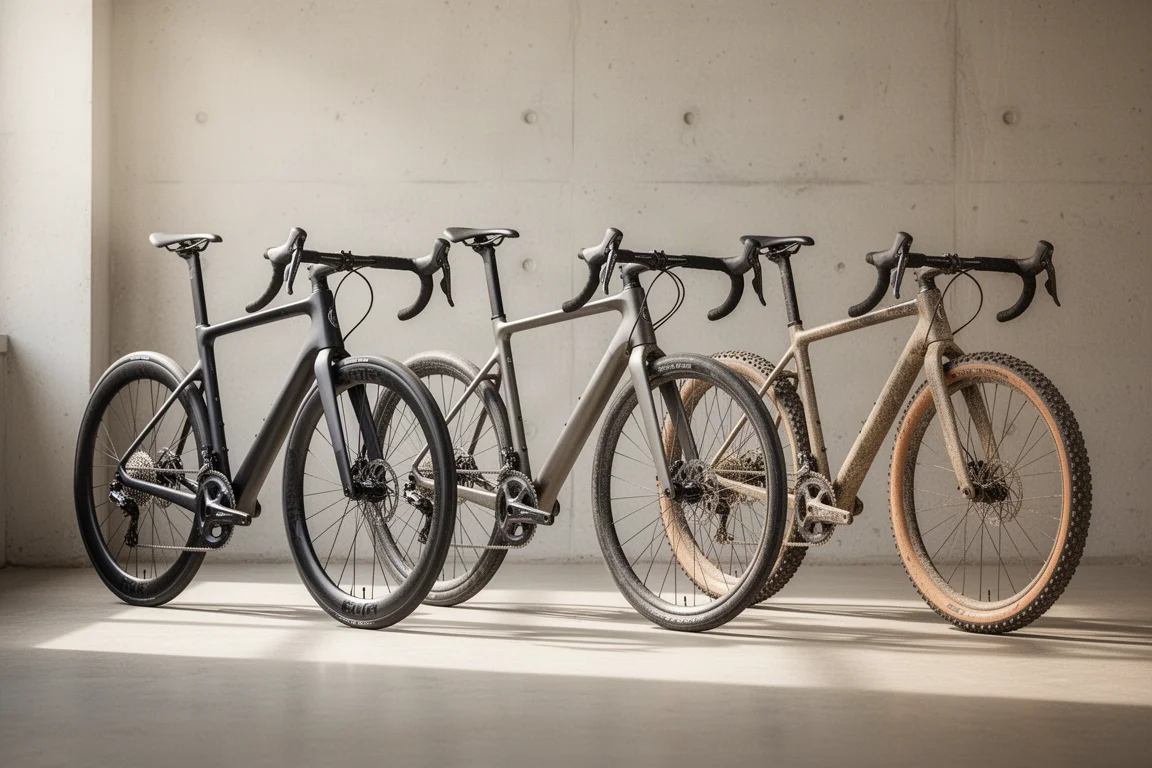
Drop-bar bicycles cover an enormous range of riding, from criterium racing to loaded gravel touring, and from a few metres away most of them look almost identical. The real differences live in the frame geometry, and those differences decide whether a bike feels sharp and exciting or punishing and hard to live with.
This guide walks through the four main categories, racing, endurance, cyclocross and gravel, then looks at the models that deliberately sit between them and at the custom route. By the end, you should know which category matches the riding you actually do.
Why Drop-Bar Bikes Are Not Interchangeable
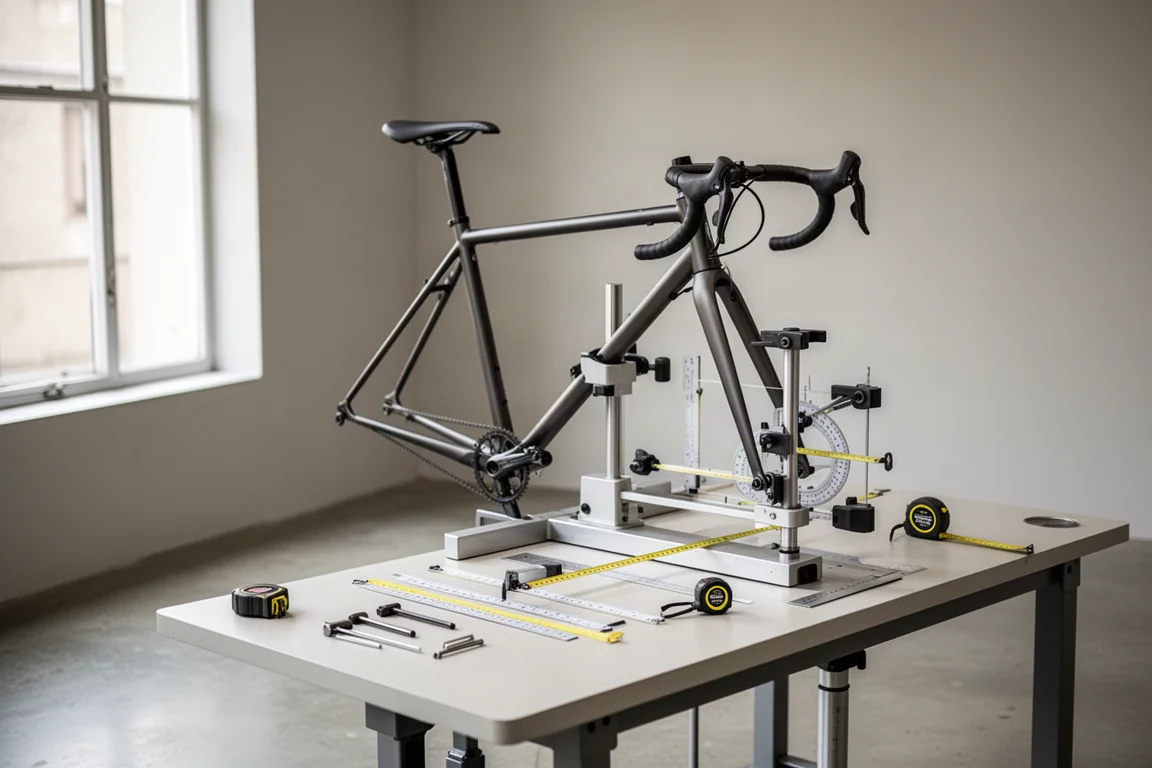
Frame geometry is the deciding factor. Wheelbase, stack, reach, head tube angle and bottom bracket height all shift together, and each combination is designed around a particular rider and a particular kind of riding.
Racing frames are built around young, light, flexible athletes. Those riders are strong, carry very little upper body mass, produce high power for hours at a time, and tolerate positions that most people cannot hold comfortably.
The industry has pushed those same frames towards everyday riders, partly through marketing and partly because racing rules require that race bikes be available to consumers. The result is a lot of people riding bikes designed around a 20-year-old, 60 kg athlete while being 35 to 60 years old and sitting at a desk all day.
There is a hint in the naming. If you are going to race, buy a racing bike. If you ride for fitness, commuting, long weekend loops or events, another category will usually serve you far better.
Racing Bikes: Long, Low and Built for Speed
Racing geometry is long, low and aggressive. These bikes are designed around lightweight efficiency and agility, which means a short wheelbase for quick handling and a long top tube that gives a rider room to move when sprinting.
Over the years racing frames have become steadily more aggressive as the demands of racing changed. That sharpness is exactly what a racer wants, and exactly what makes the category difficult for everyone else.
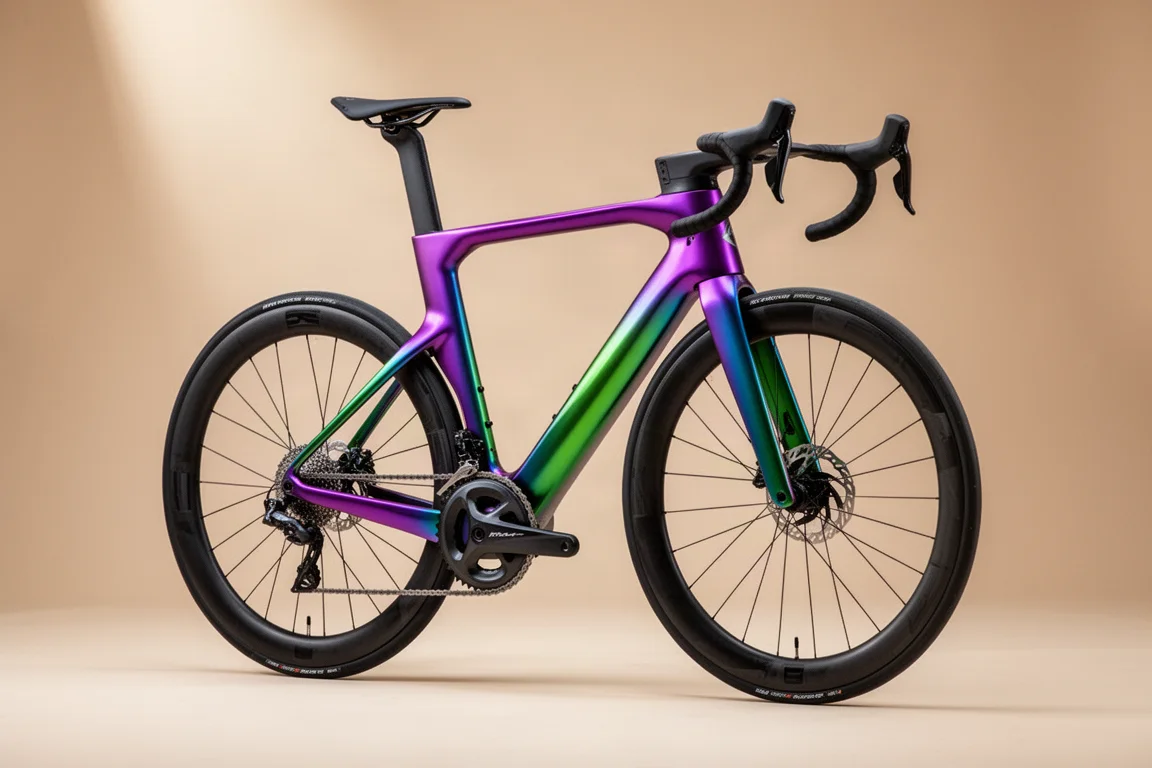
The Trek Madone is one of the best known examples of the breed. It represents the priorities of the category clearly: a low, forward riding position, quick steering and a chassis tuned for speed rather than long-distance comfort.
If you race, or you ride short and hard and enjoy a stretched position, this is the category that rewards you. If your rides are longer and more relaxed, the same geometry works against you.
Endurance Bikes: Taller Front Ends and Shorter Reach
Endurance bikes are built for longer distance riding, and the geometry reflects that. The front end is taller and closer to the rider, the top tube is shorter, and the angles are slightly slacker, which produces more benign ride characteristics.
The trade-off is character. Endurance models can feel mundane compared with a race bike, and within most ranges the endurance option is treated as the poor cousin: cheaper carbon, cheaper raw materials and a heavier, less exciting chassis.

For most consumers, endurance geometry is simply the better fit. The taller front end and shorter reach suit riders who would otherwise be overstretched, particularly those with shorter torsos and longer legs.
The Specialized Roubaix is a long-established endurance model and a useful reference point for the category: relaxed stack and reach, a more upright position, and comfort prioritised over outright aggression.
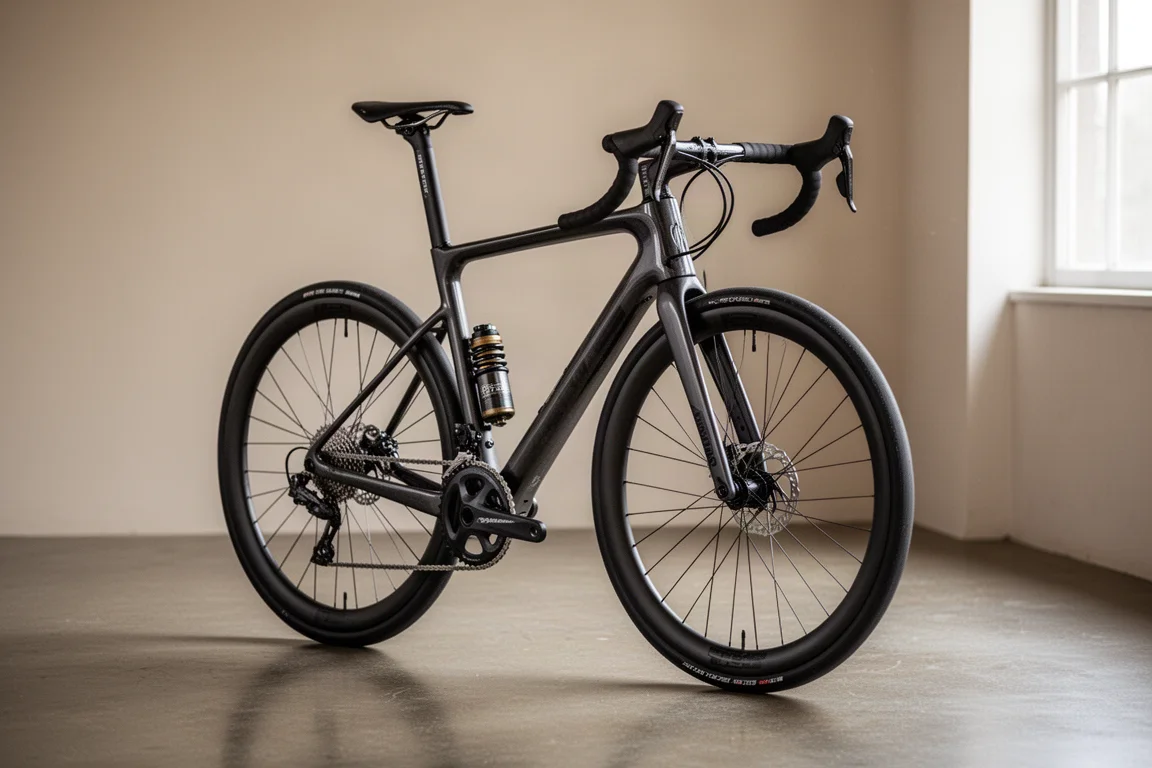
The Pinarello Dogma X shows where the category is heading. It avoids the usual downgraded chassis and takes a more ambitious approach to endurance design, even if the geometry is not quite as well resolved as simpler endurance models.
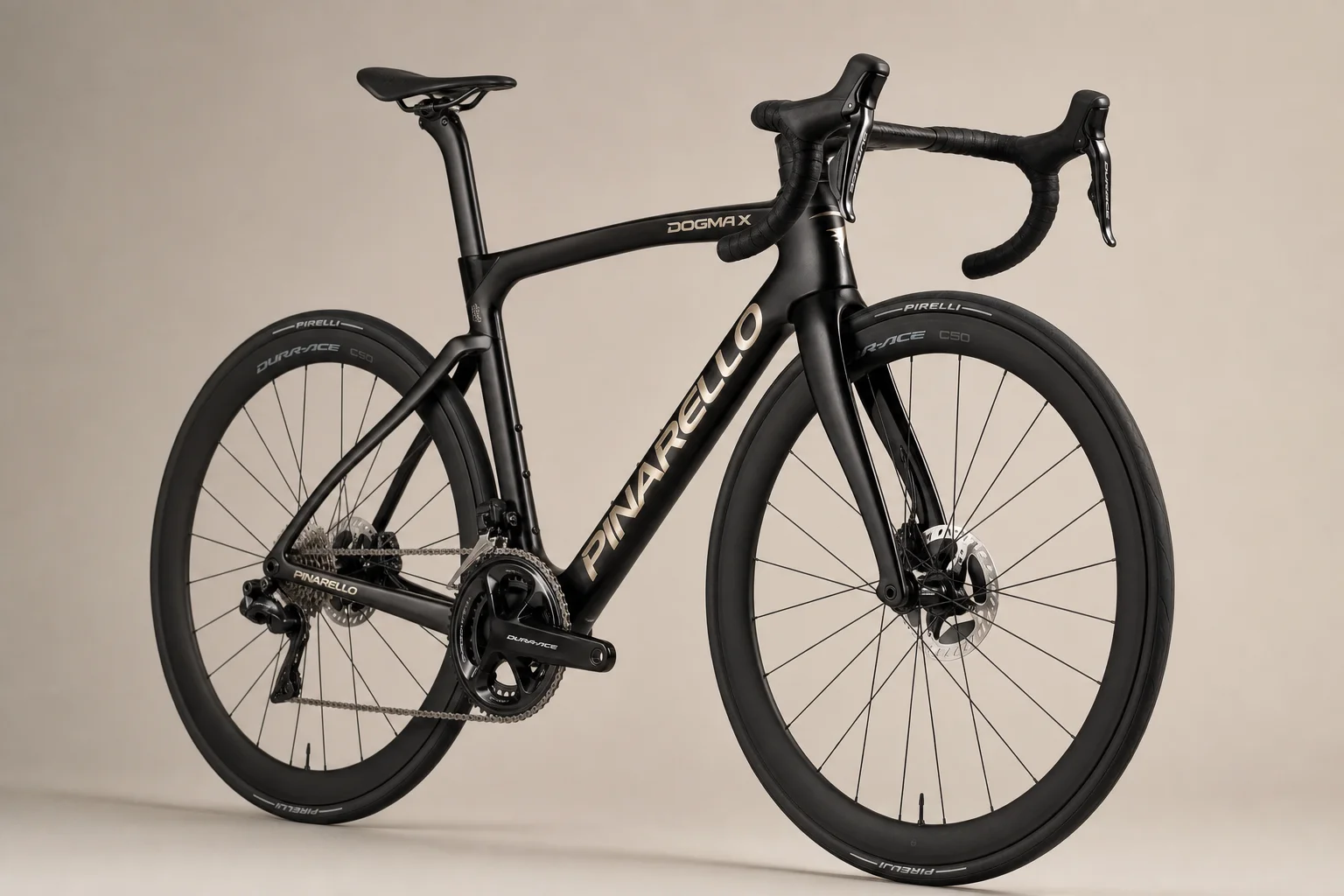
In practice, the vast majority of off-the-peg bikes sold to everyday riders are endurance bikes, which says a great deal about how well this geometry matches real-world riding.
Bikes That Blur the Lines
A growing number of models sit between the two categories. They are not as racy as a racing bike, but nowhere near as relaxed as an endurance bike, which makes them a sensible option for riders who want some sharpness without a full race position.
Basso is a small Italian brand that hand-makes its frames in Italy, and its Venture and Astra models sit in the lower to middle part of that blended space. The Basso Astra is the more performance-leaning of the two, with a position that leans towards racing while keeping enough composure for long days in the saddle.
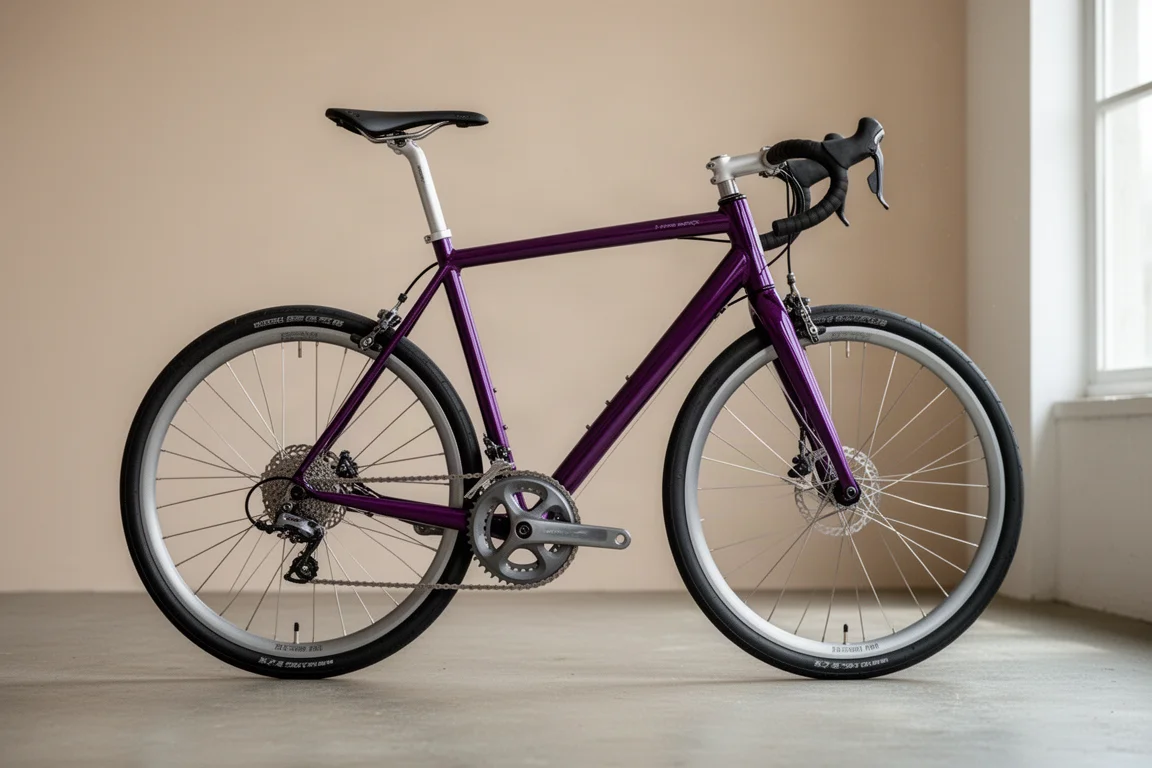
Several other brands build in the same blended space, including BMC and Open. The category keeps expanding because more riders want one bike that covers fast group rides and long distance riding without committing fully to either extreme.
Cyclocross Bikes: A Specialist Dying Breed
Cyclocross bikes are a narrow, specialised category, and increasingly a rare one. A cyclocross bike is really only good at cyclocross racing: a very short wheelbase, a high bottom bracket for obstacle clearance, and a steeper head angle suited to lower speed riding. The whole design assumes the rider will shoulder the bike.
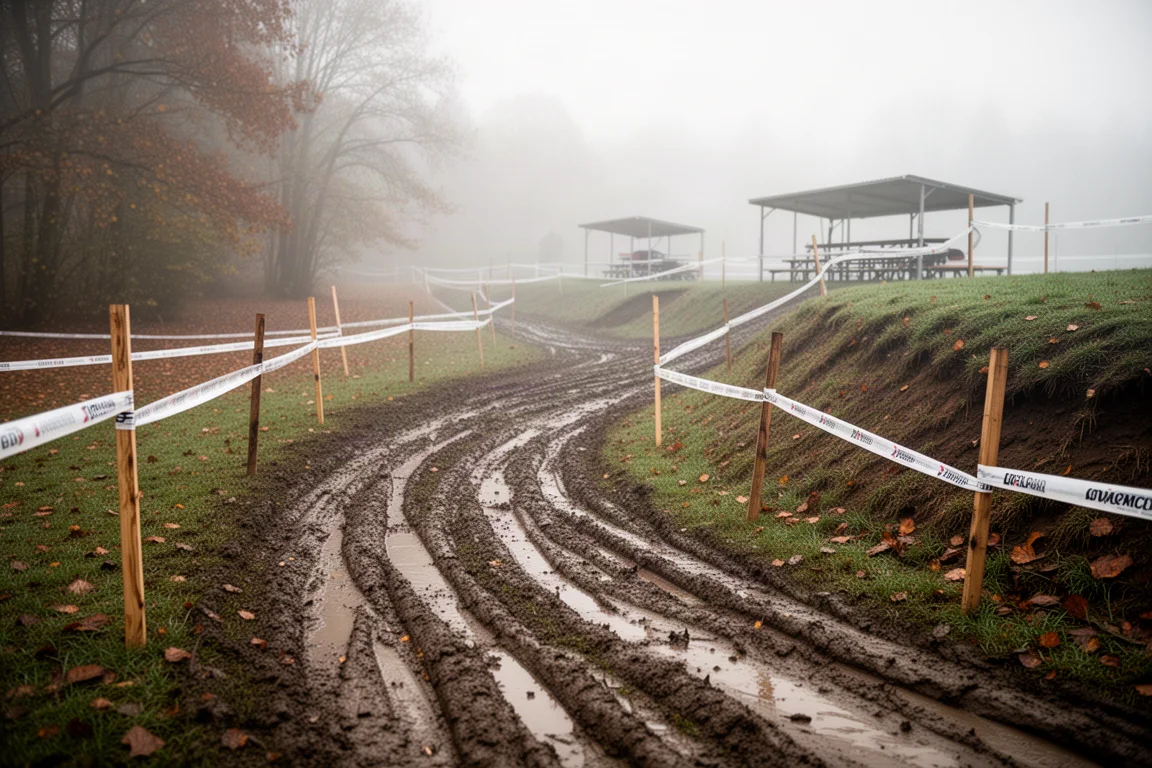
That specialisation makes them poor all-rounders. They are often suggested as winter bikes, but they make poor winter bikes and poor road bikes, because the same traits that help in a cyclocross race work against comfort and stability everywhere else.
The Canyon Inflite is a current example of the category, and it carries the geometry and design priorities that define cyclocross machines.
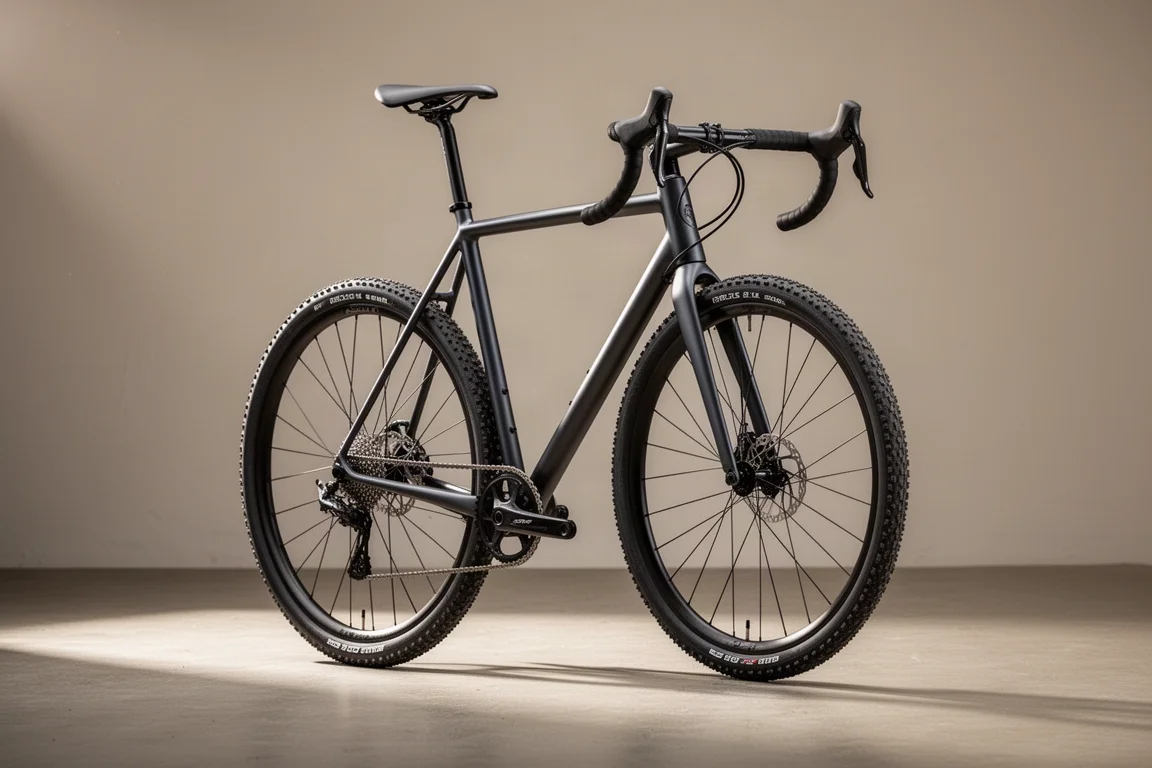
Cyclocross is a genuine specialist discipline and these bikes suit it well. For almost everything else, gravel has taken over.
Gravel Bikes: Versatile, Comfortable and Popular
Gravel bikes are the fastest growing category, and the reasons are practical. Their geometry is derived from endurance bikes, with a long wheelbase and slacker angles, so they fit a wide range of riders well and stay comfortable over long distances.
Versatility is the other draw. Gravel bikes usually run wider tyre clearances, with some models accepting tyres up to 50 mm, disc brakes throughout, and mounts for bags, racks and accessories. That combination also makes them very good winter bikes.
The Canyon Grail is one of the better known gravel models. It is a capable and widely used platform, though the distinctive two-tier handlebar is a divisive design, and high-speed shimmy has been reported with that setup.
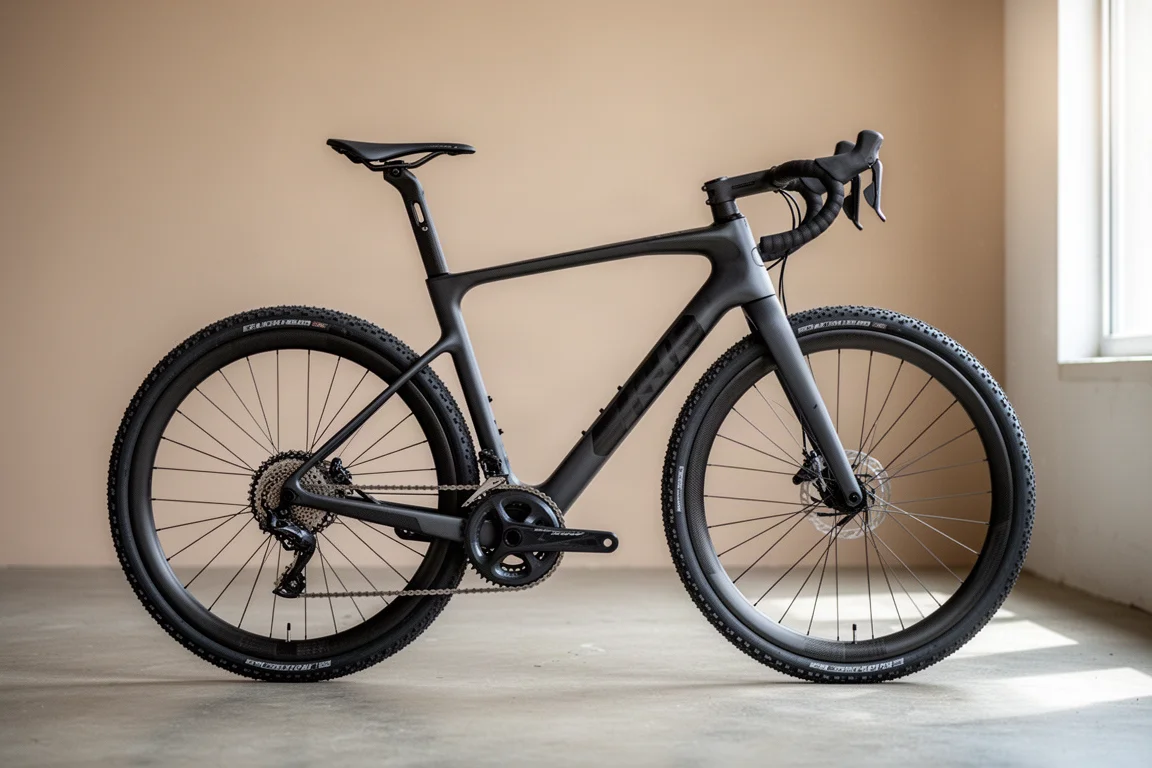
The category is also splitting. Gravel racing bikes are appearing with higher bottom brackets and more aggressive stack and reach figures than their brands’ traditional gravel models, which means the geometry question now applies within gravel as well as between categories.
Custom Bikes: Built Around the Rider
Many bikes sold today are either not fit for purpose or simply dull and benign. Custom frames exist to solve both problems at once: a bike that is light and fun to ride and also fits properly.
Custom builders come from two traditions. Carbon specialists such as Festka in the Czech Republic and Sarto in Vicenza, Italy build frames to order, in some cases with a layup tuned to the rider’s weight and riding style. Metal specialists such as Stelbel in Italy and Moots in Steamboat, Colorado focus on titanium.
The advantage is fewer compromises. With a stock frame, getting the fit right often means shortening the stem beyond its intended length, stacking spacers under it, or fitting an inline seatpost to a frame that was never designed for one. Stem length is an intrinsic part of frame design, directly linked to head tube angle and wheelbase, so going too long makes steering vague and going too short makes it unstable.
A custom bike generally handles better, looks better and fits better, and it can cost significantly less than a flagship mass-produced race model. A complete hand-built carbon bike from a small Italian or Czech workshop can come in at close to half the price of a top-tier production race frame.
Buying Advice: Matching the Bike to the Rider
Start with the riding you actually do rather than the bike you like the look of. Racing geometry suits racing and short, hard efforts. Endurance geometry suits long distance riding and most everyday riders. Cyclocross geometry suits cyclocross racing. Gravel geometry suits mixed surfaces, long days and year-round use.
Fit comes first. Buying a bike without checking whether the geometry matches your body is the most common route to an expensive mistake, and the sensible fix usually starts with a professional bike fit before the frame is chosen.
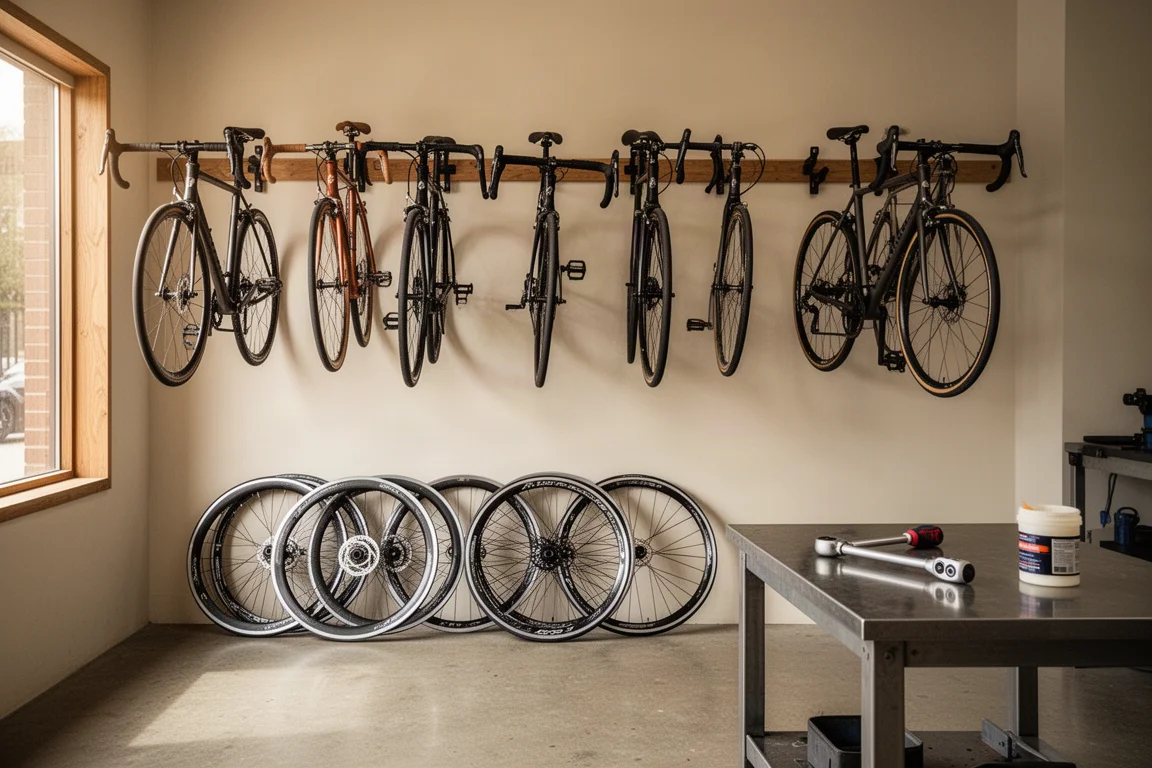
Riders with shorter torsos and longer legs are especially likely to feel overstretched on a race bike, and are usually better served by endurance or gravel geometry. Riders who race, or who are flexible and strong, can make racing geometry work well.
If nothing off the peg fits properly, custom is worth considering. It removes the compromises that come from adapting a stock frame, and it can work out more affordable than a flagship production model.
Conclusion
Racing, endurance, cyclocross and gravel all use drop bars, but they are designed for very different riders and very different days. Racing geometry rewards speed and flexibility. Endurance geometry fits most people better. Cyclocross is a specialist tool for a specialist discipline. Gravel combines endurance comfort with genuine versatility.
The blended and custom options matter too. Models that sit between racing and endurance suit riders who want sharpness without a race position, and a custom frame can deliver the fit, ride quality and finish that a stock bike struggles to match. Choose the geometry that matches your riding, and everything else gets easier.
Further reading
Related Reviews
Cycling Buying Guide
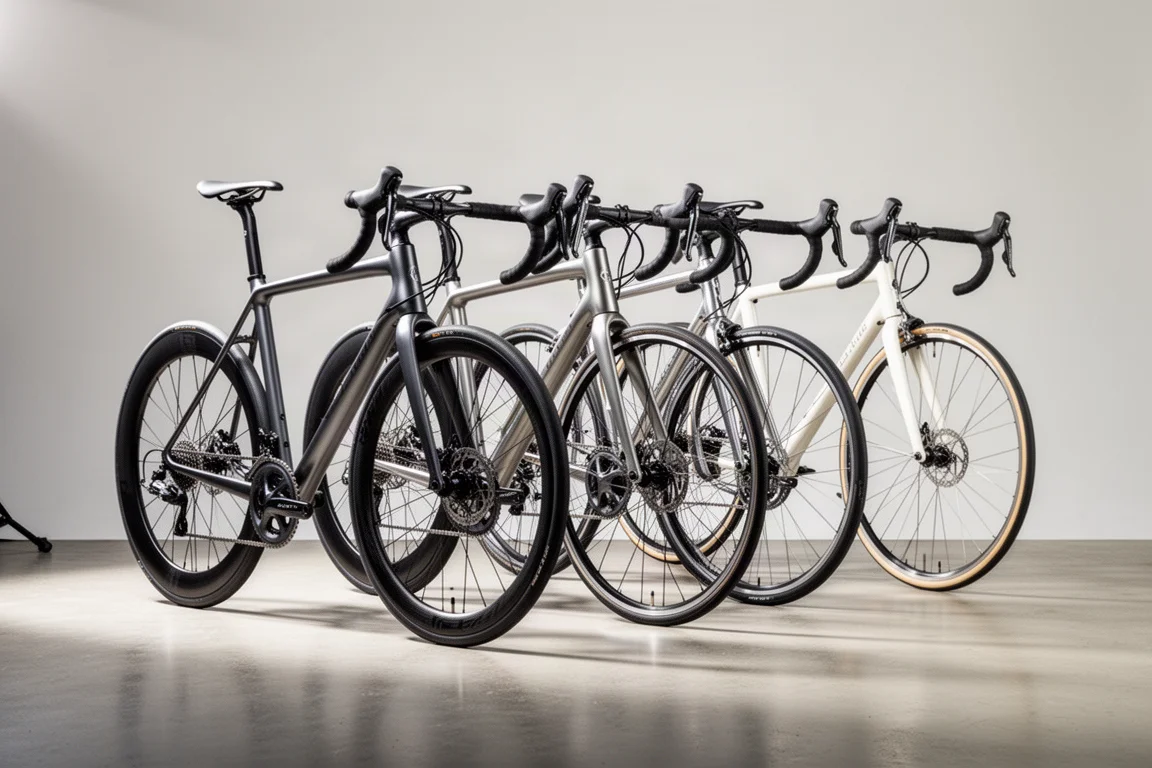
Big Bike Brands Explained: Where to Look Before You Buy
A practical guide to the biggest bike brands, what each one is known for, and how to decide where to spend your money.
Cycling Buying Guide
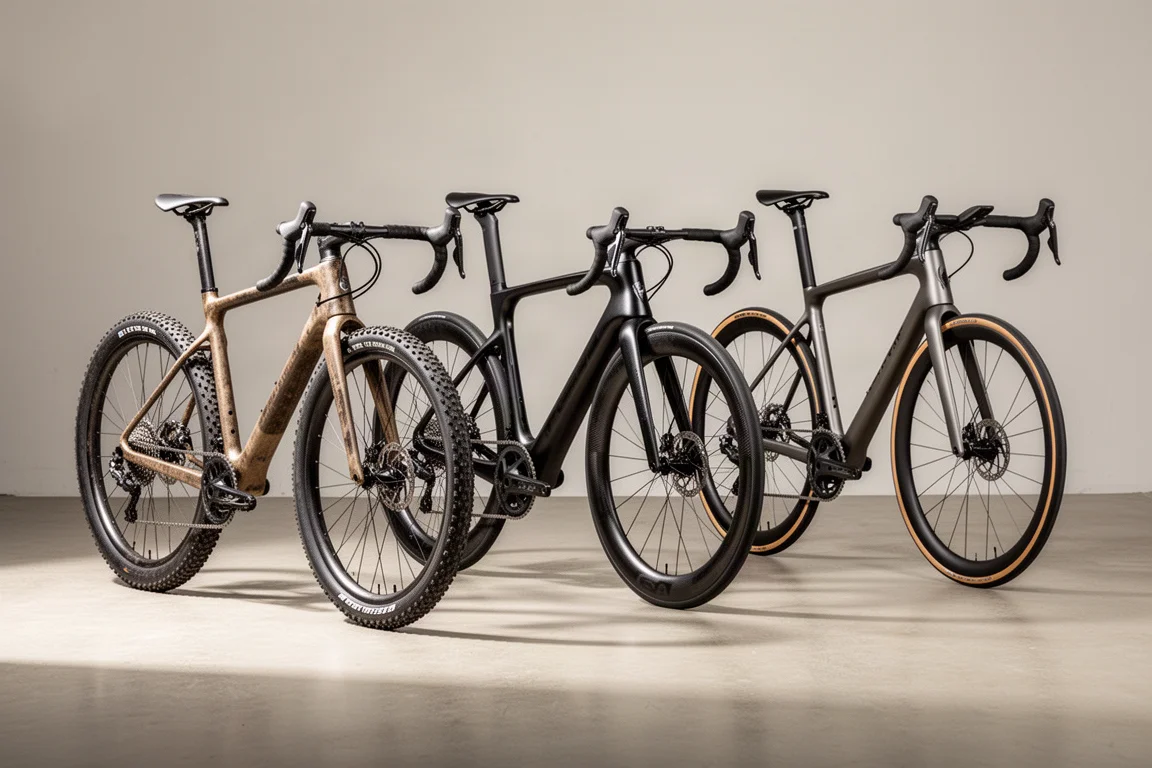
Bike of the Year 2025: The Best Gravel, Race, and Endurance Bikes
Three category winners from a year of testing, plus what to check before you buy a gravel, race, or endurance road bike.
Cycling Buying Guide
Bike Types Explained: Five Models That Show What Each Category Does Best
A practical walk through the main bike categories, using five well-known models to show what each type is built for and who it suits.