Coffee Equipment
Drew Barrymore Beautiful Bean-to-Cup Coffee Maker Review: A $99 All-in-One That Looks Good but Struggles to Brew Well
The Beautiful bean-to-cup machine offers convenient grinding and brewing in one compact unit under $100, but its false burr grinder and uneven water distribution limit coffee quality, especially with lighter roasts.
Introduction
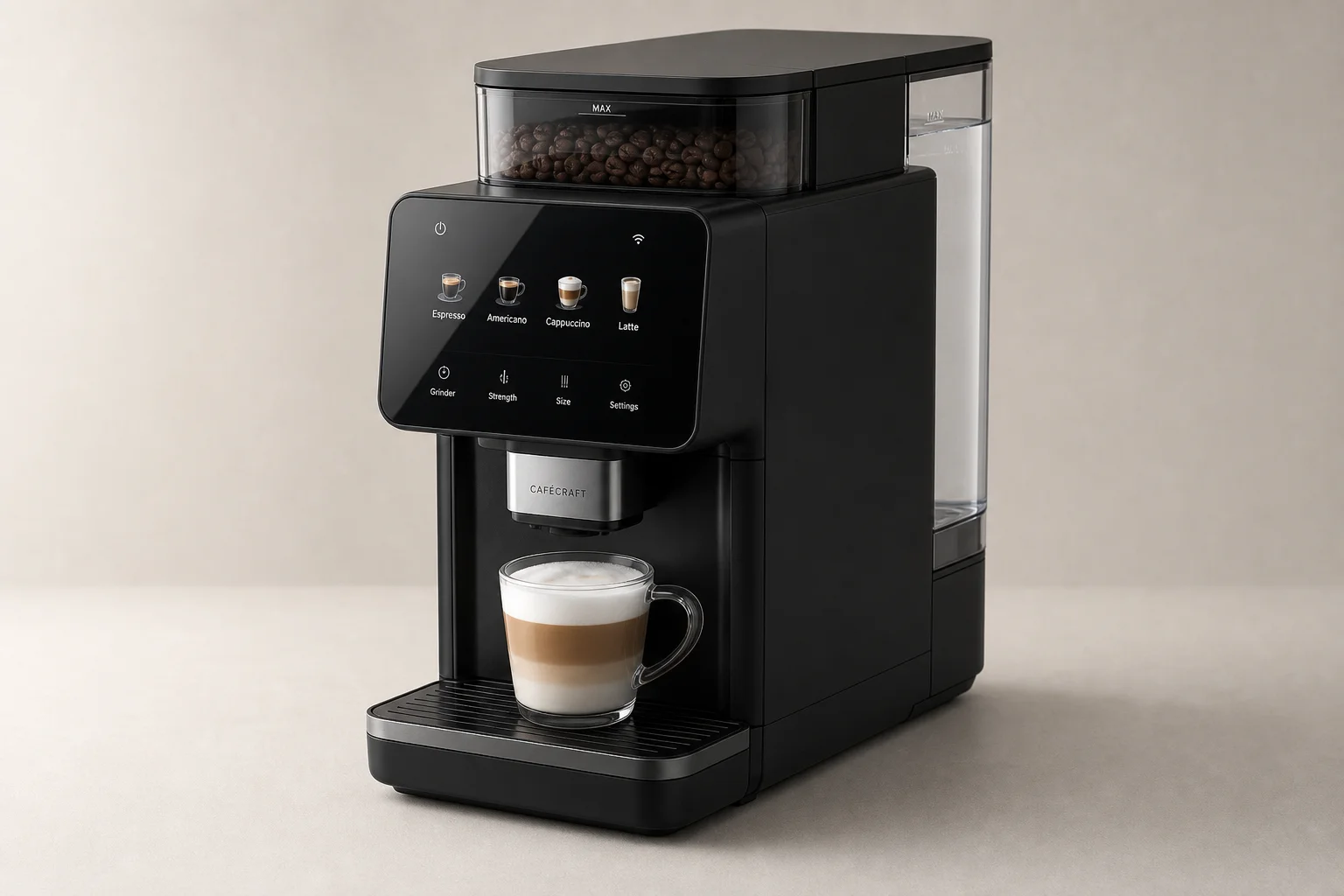
The Beautiful bean-to-cup coffee maker from Drew Barrymore’s line, sold exclusively at Walmart, promises a complete grinding and brewing solution for under $100. Manufactured by Made By Gather, the machine offers an appealing design and convenient all-in-one functionality. The question is whether this price point delivers genuine coffee quality or merely the appearance of it.
Design and Build Quality
The machine presents itself well out of the box. The fit and finish feel solid for the price, with clean detailing and a compact footprint that packs considerable functionality into a small space. The design is modern and uncluttered, and the build does not feel cheap or flimsy, though it is not particularly heavy either.
The water tank at the rear holds enough capacity for multiple brews, with a maximum brew size of 16 ounces. The grinder chamber sits in the middle and accepts up to 180 grams of beans. A touch panel on the front controls brew size, strength, and a convenient brew-later function that allows the machine to grind and brew fresh coffee at a scheduled time, a feature uncommon in machines at this price point.
One quirk worth noting: the machine measures liquids exclusively in ounces but refers to coffee quantities in grams, mixing imperial and metric measurements throughout the manual and interface.
The Grinder: Where Compromises Show
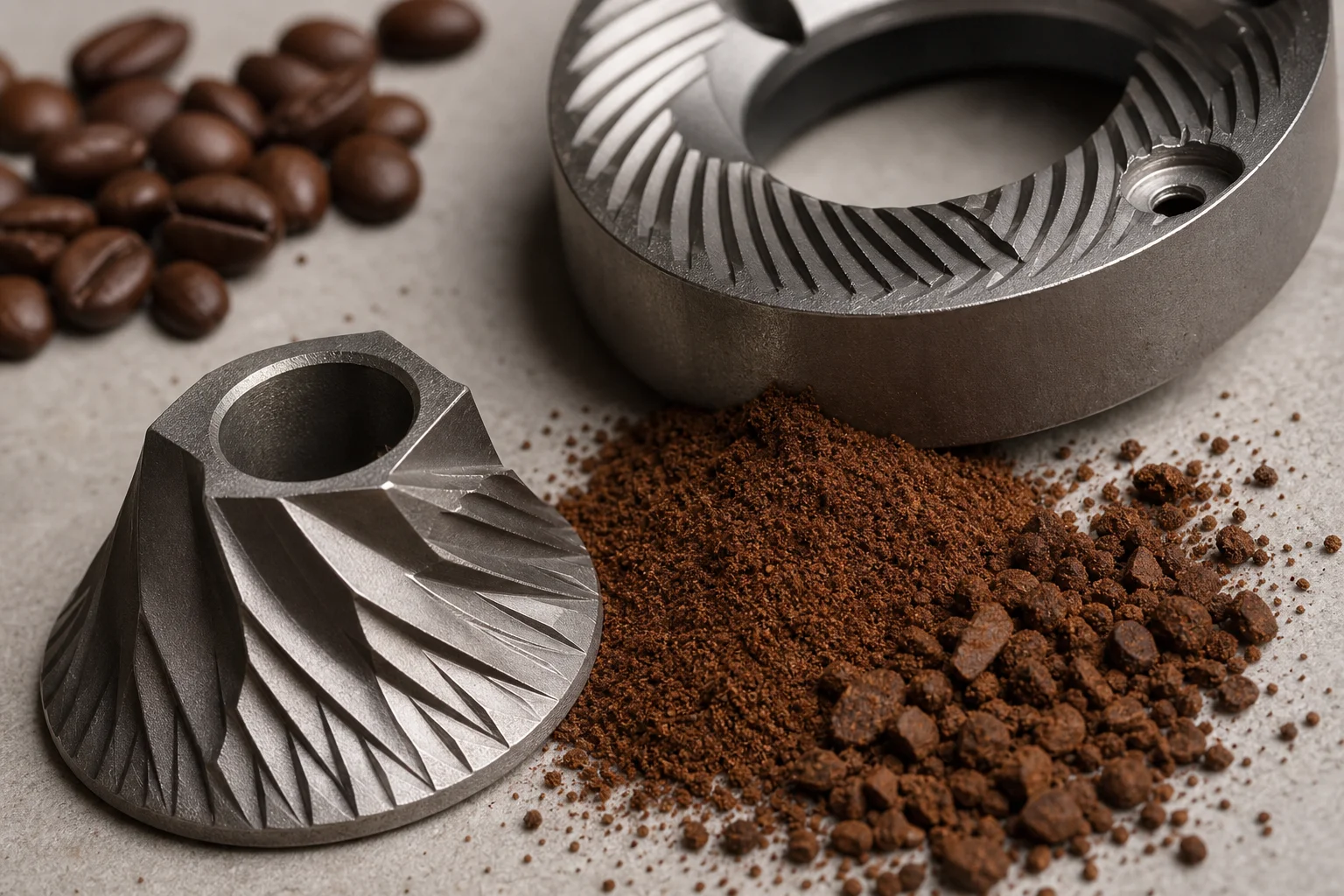
The core limitation of this machine lies in its grinder. Rather than using traditional burrs with sharpened metal teeth that precisely cut beans to a uniform size, this machine uses what are commonly called false burrs. These function more like aggressive rubbing surfaces that break beans apart rather than cutting them cleanly.
False burr grinders are inexpensive to manufacture, which is why they appear in budget equipment. The problem is that they produce a wide, inconsistent range of particle sizes simultaneously. You get fine powdery particles alongside large, unground chunks up to 1.5 millimeters across. This inconsistency makes even brewing impossible, as fines over-steep and create bitterness while larger pieces under-steep and taste sour.
The grinder size is also fixed and non-adjustable. This means the machine cannot accommodate different roast levels effectively. Lighter roasts require finer grinding, but this machine strongly prefers darker roasted beans, which are more soluble and easier to brew. If you purchase specialty-grade lighter roasts, this machine will not do them justice.
Brew Chamber Design and Water Distribution
The brew basket itself reveals another design compromise. Half of the basket bottom is blocked off, which seems counterintuitive for even water distribution. The reason becomes clear when you watch the machine operate: ground coffee is dumped into the basket and naturally mounds toward the back, leaving gaps in coverage toward the front. The blocked-off section prevents water from flowing through empty areas.
This design also prevents the use of paper filters. A paper filter would block the grinder’s output chute, so the machine relies on a mesh filter that allows fine particles to pass through into the final cup.
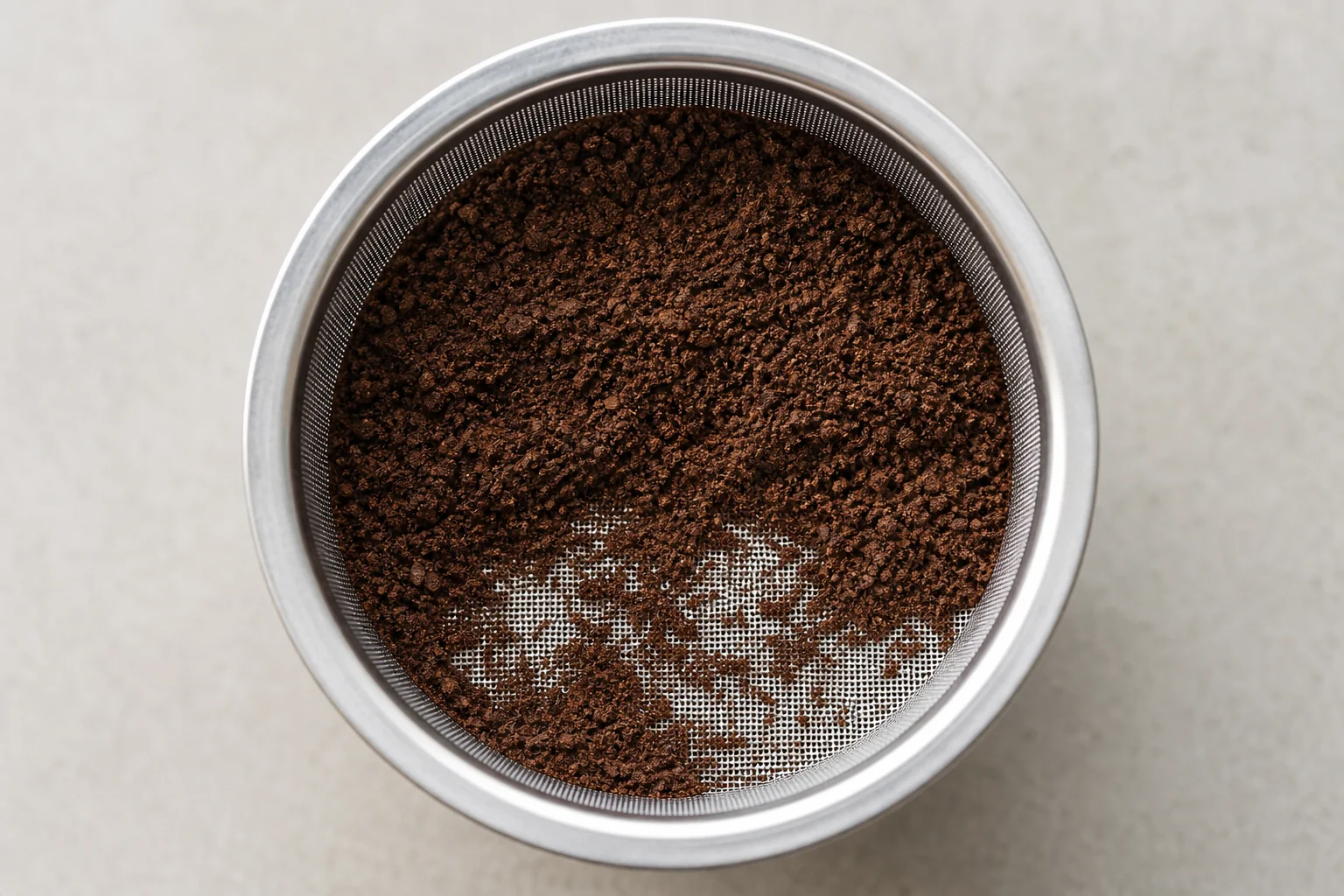
The shower screen that distributes water over the coffee bed cannot reach all areas evenly due to the uneven coffee distribution, further compromising the brew.
Brew Ratios and Strength Claims
The machine measures output in finished brewed coffee rather than input water, which creates confusion around brew strength. When set to “strong” and asked for eight ounces, the machine produces approximately 16.7 grams of coffee to 8 ounces of finished liquid. This translates to roughly 60 grams per liter, which is considered normal strength in the specialty coffee industry, not strong.
The box claims “Extract 2x more flavor” compared to a Keurig Classic model using Dunkin’ Donuts medium roast pods. This comparison is problematic. Keurig machines typically achieve around 20% flavor compound yield, so the claim suggests 40% yield, which is physically impossible since only about 30% of coffee is soluble under normal brewing conditions. The claim lacks clarity and scientific basis.
Brewing Results and Flavor Profile
In practice, the machine produces weak, thin coffee that lacks sweetness and complexity. Even when set to the stronger setting with medium-roast beans, the brew tastes sour and reedy, finishing with a dusty quality. The pale color of the brewed coffee confirms the weak strength.
The combination of inconsistent grind sizes and uneven water distribution creates a cup that is simultaneously bitter (from over-steeped fines) and sour (from under-steeped larger particles). While the coffee does not taste actively bad, it tastes thin and underdeveloped.
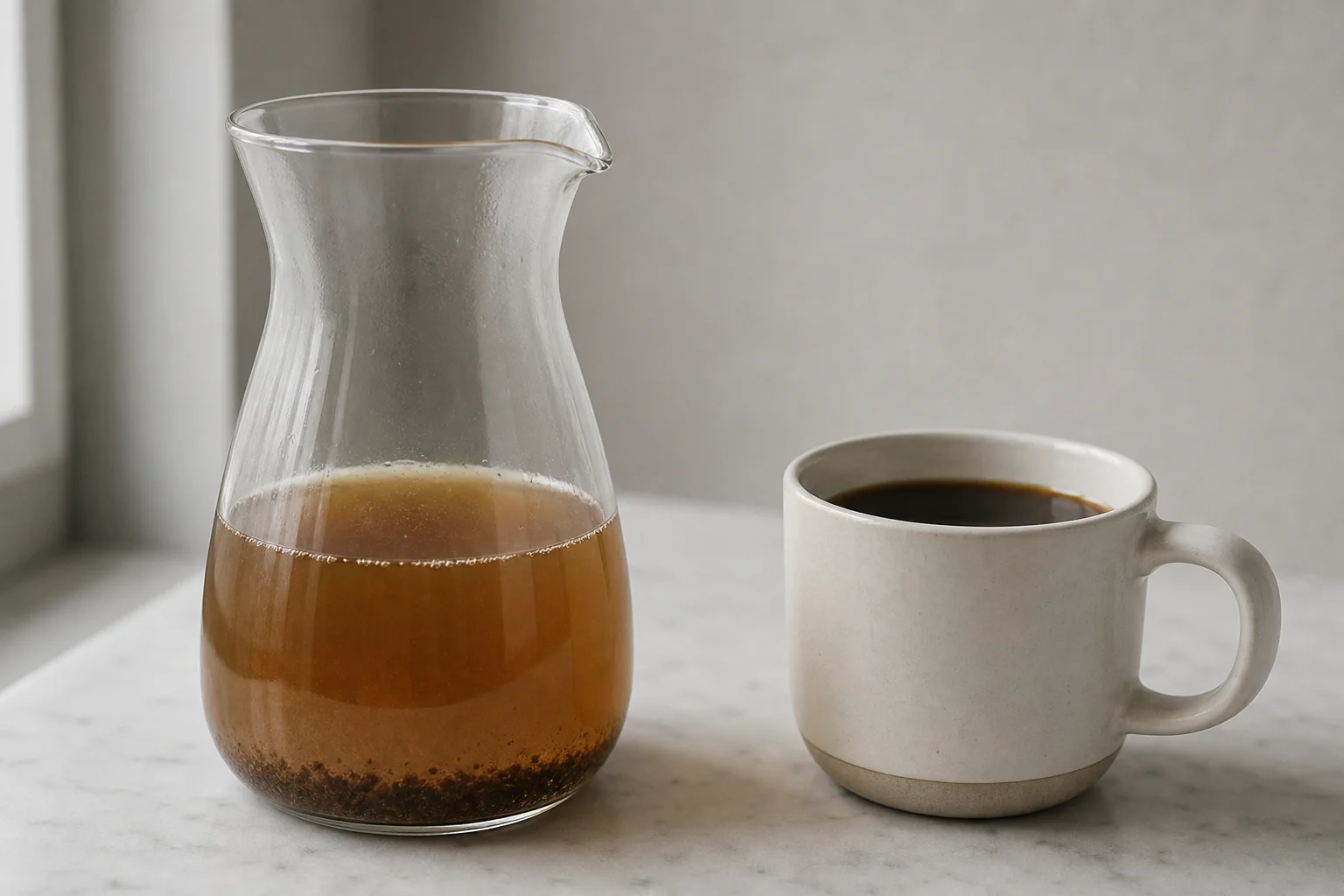
If you were using very dark roasted beans, the experience might improve slightly because darker roasts are more soluble and easier to brew. However, this would mask the machine’s fundamental limitations rather than solve them.
Maintenance and Long-Term Practicality
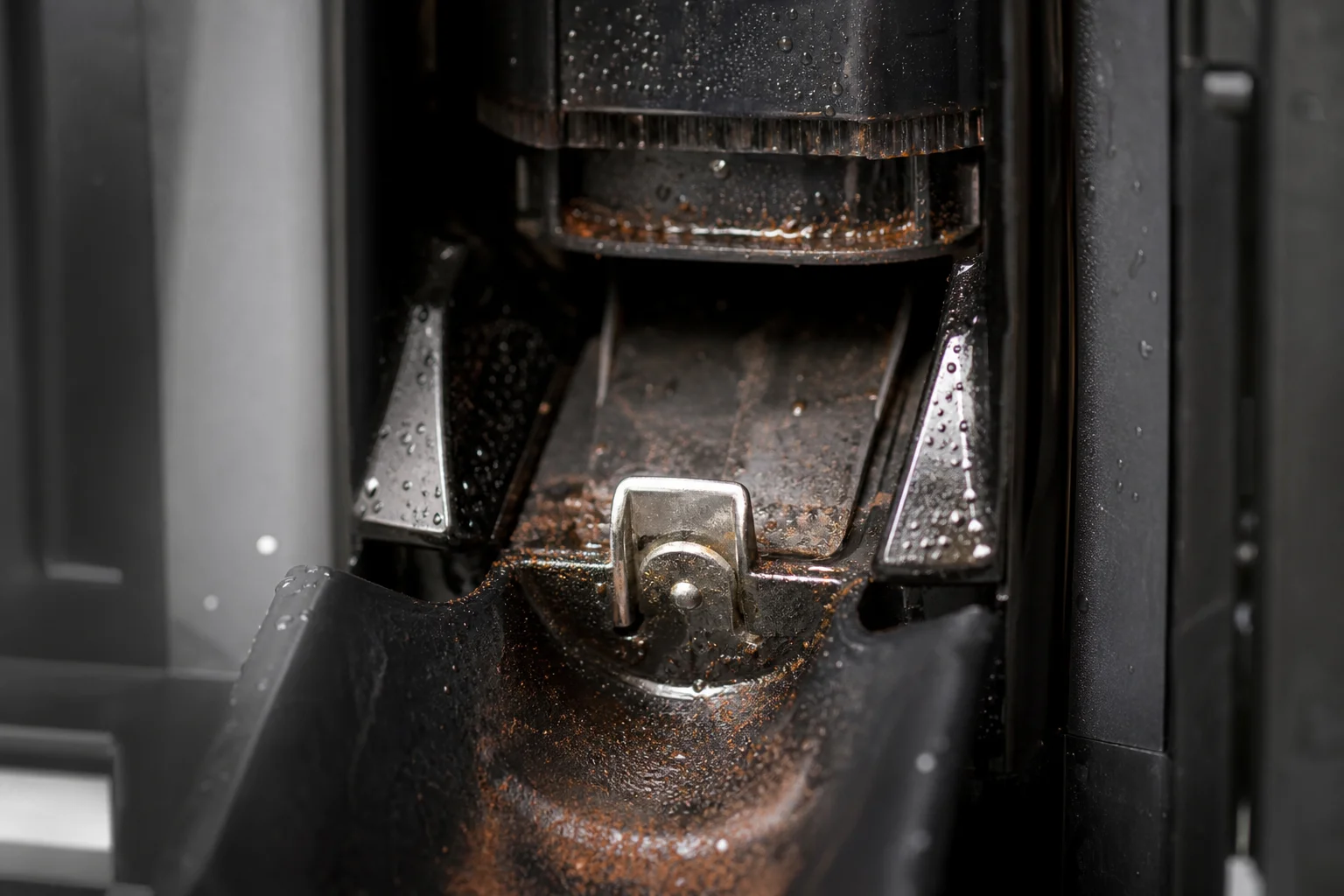
After a single brew cycle, the internal chute becomes sticky and damp, coated with fine particles. The false burr grinder produces so many fines that they adhere to surfaces throughout the machine, creating a mess that requires frequent cleaning. This stickiness accumulates quickly and makes the machine feel dirty to maintain.
The software also has a notable flaw: if you accidentally program a delayed brew, the machine locks you out of all other functions until the scheduled brew time arrives. This is poor interface design that could frustrate users.
The Real Cost of Budget Bean-to-Cup
The appeal of a $99 all-in-one machine is understandable. It promises access to fresh-ground coffee without the expense of separate grinder and brewer purchases. However, this machine does not truly unlock the quality available in specialty coffee beans. Instead, it allows you to access only a fraction of what those beans are capable of delivering.
A proper burr grinder is a genuine investment that lasts for years and genuinely improves coffee quality across all roast levels and bean origins. Saving up for a dedicated grinder and a simple brewing method (such as a V60 or Chemex) would cost roughly twice as much but would deliver substantially better results and a more rewarding coffee experience.
Conclusion
The Beautiful bean-to-cup machine looks clean and modern, and the all-in-one convenience is genuine. However, the false burr grinder, fixed grind size, uneven water distribution, and resulting weak, thin coffee make it difficult to recommend. The machine is not broken, and it will produce drinkable coffee, but it will not showcase the quality of good beans or provide the satisfaction of a well-brewed cup. For anyone serious about coffee, the compromises outweigh the convenience and price savings.
Product link
View more details for Beautiful Bean-to-Cup Coffee Maker
This product is mentioned in the review. Check the specifications, options, and compatibility before buying.
View more details for Beautiful Bean-to-Cup Coffee MakerFurther reading
Related Reviews
Coffee Equipment
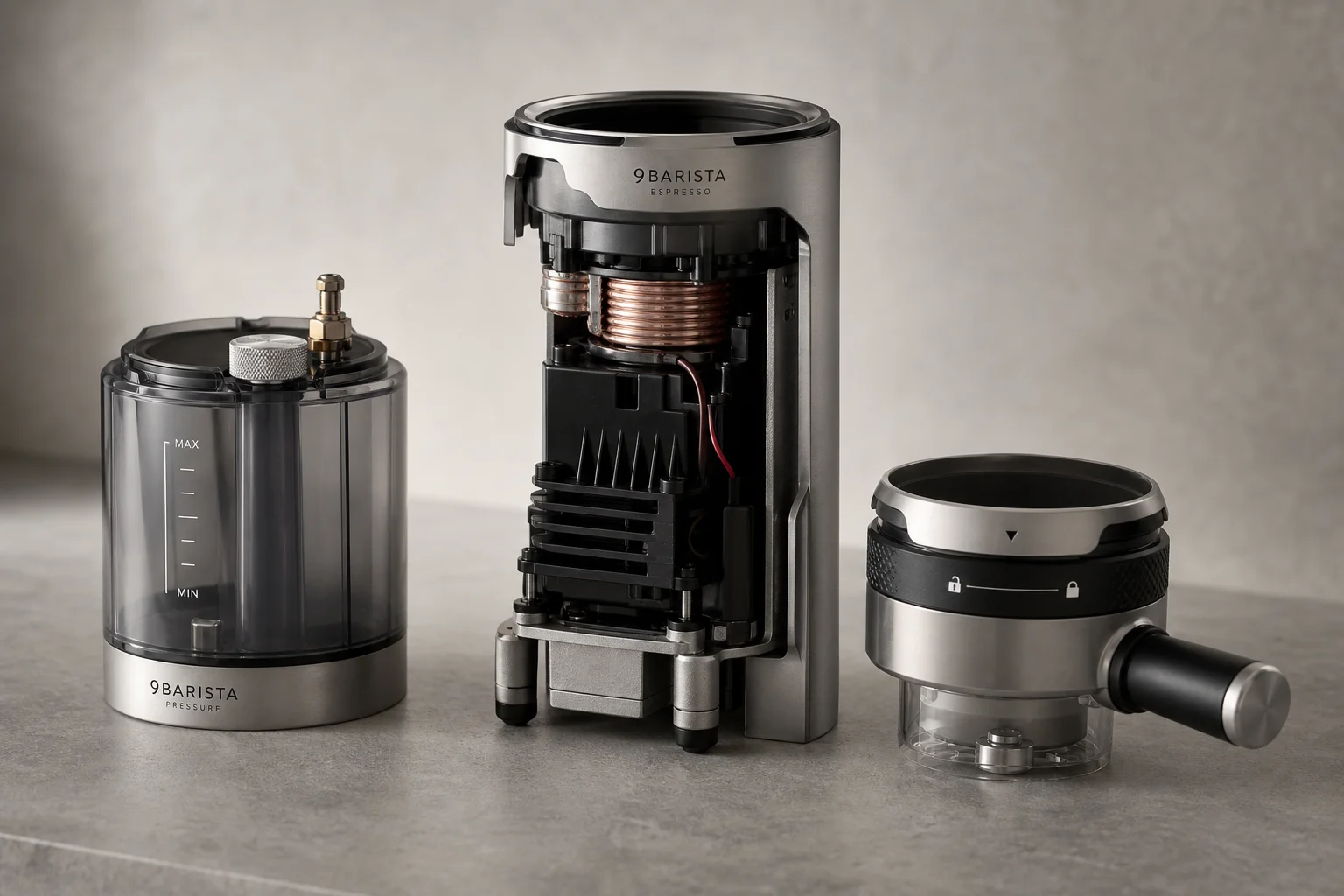
9Barista Espresso Machine Review: Stovetop Espresso for Single-Cup Enthusiasts
A cleverly engineered stovetop espresso maker that generates nine bars of pressure without electricity. Excellent coffee quality, but requires patience and suits solo drinkers only.
Coffee Equipment
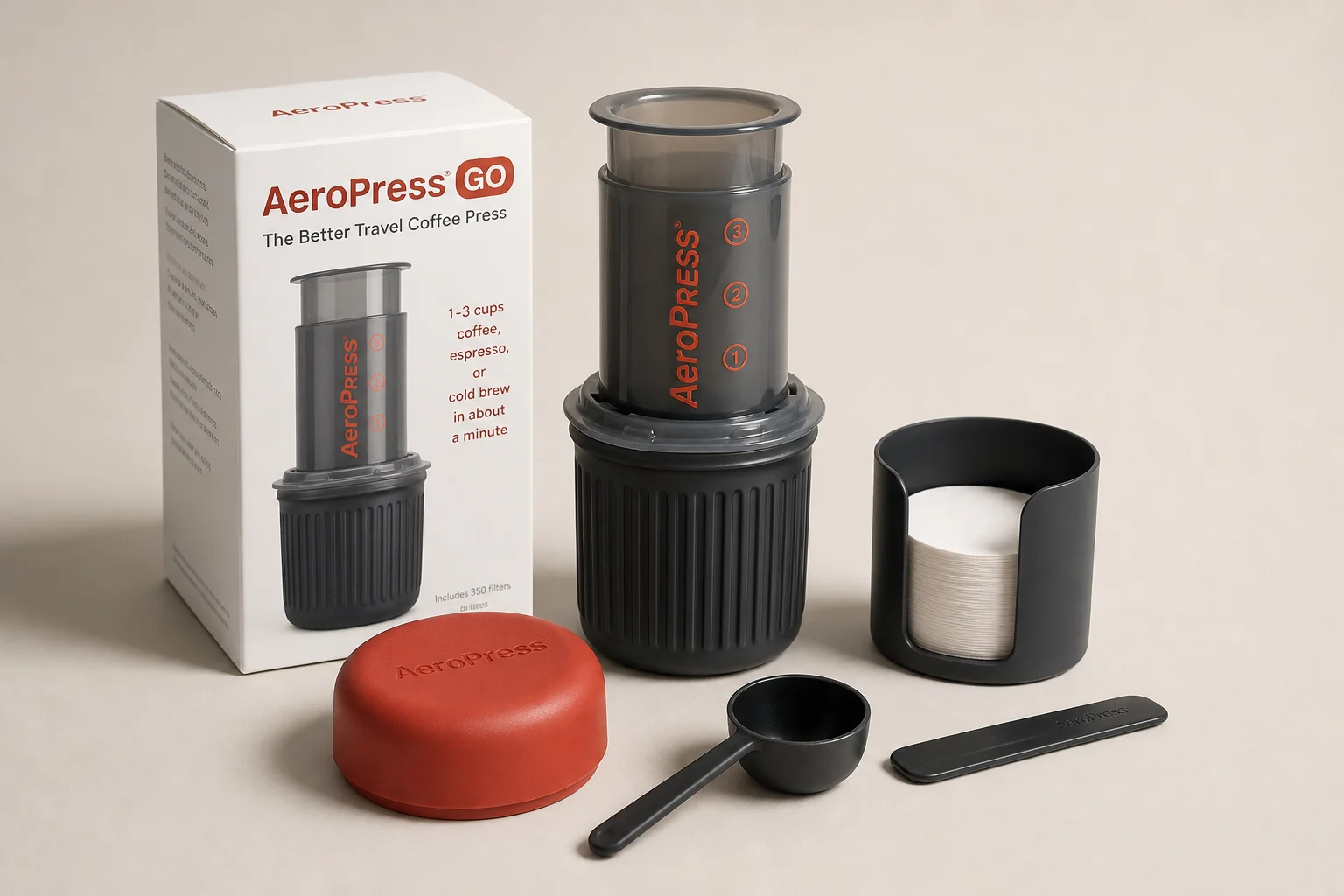
Aeropress Go Review: A Compact Travel Brewer That Solves One Specific Problem
The Aeropress Go shrinks the original design and adds an integrated cup, but it may not address the travel challenges most coffee enthusiasts actually face.
Coffee Equipment
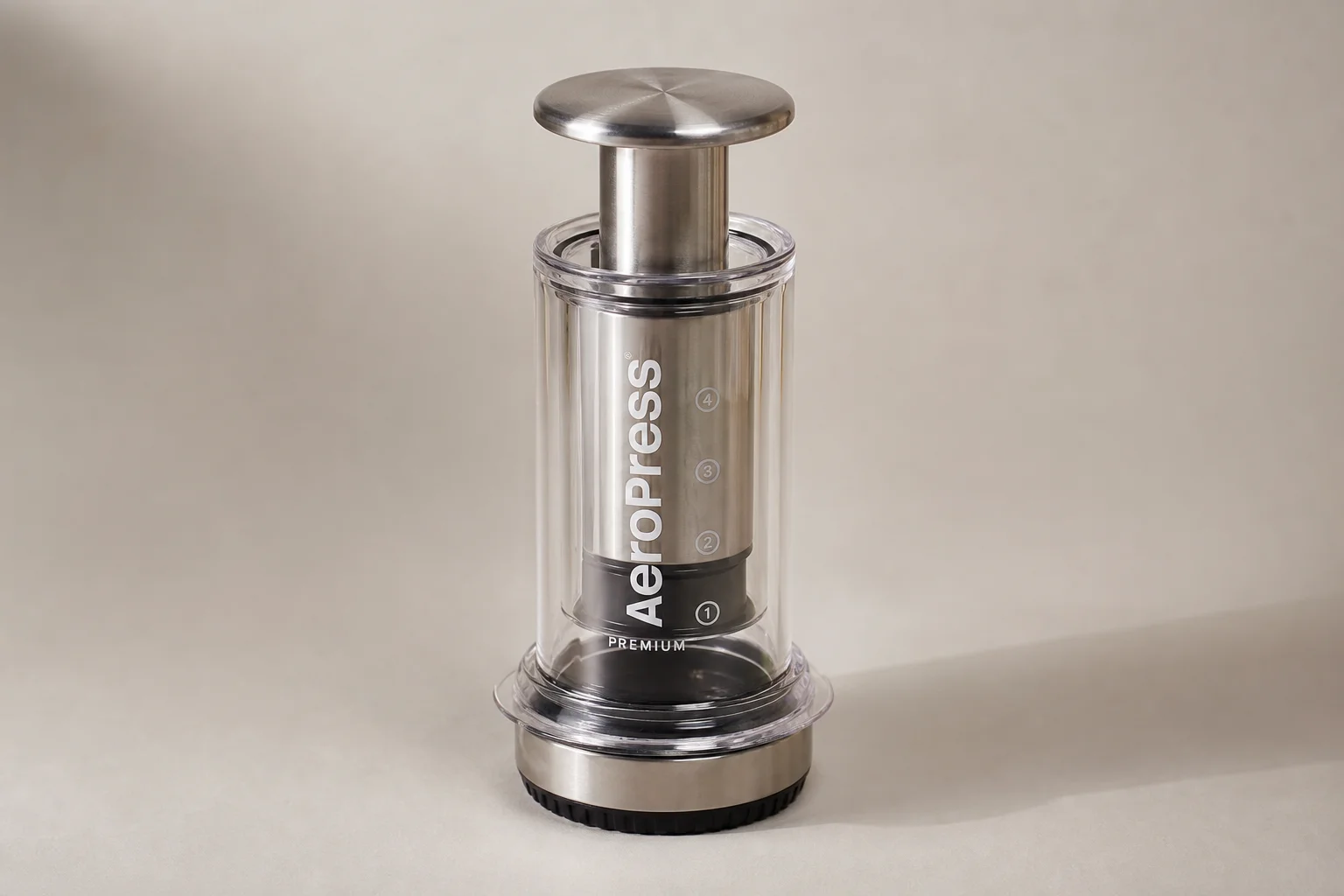
AeroPress Premium Review: Premium Materials, Practical Trade-offs
The AeroPress Premium brings glass and metal construction to a beloved brewer, but trades portability and durability for a more refined feel. Here's what changes in the cup and what matters before you buy.