Touring Skis
DPS Pagoda Tour 112 RP Review: A Lightweight Powder Touring Ski
A close look at the DPS Pagoda Tour 112 RP, a 112 mm touring ski that pairs a powder-first shape with a lightweight paulownia, ash and carbon build.
Introduction
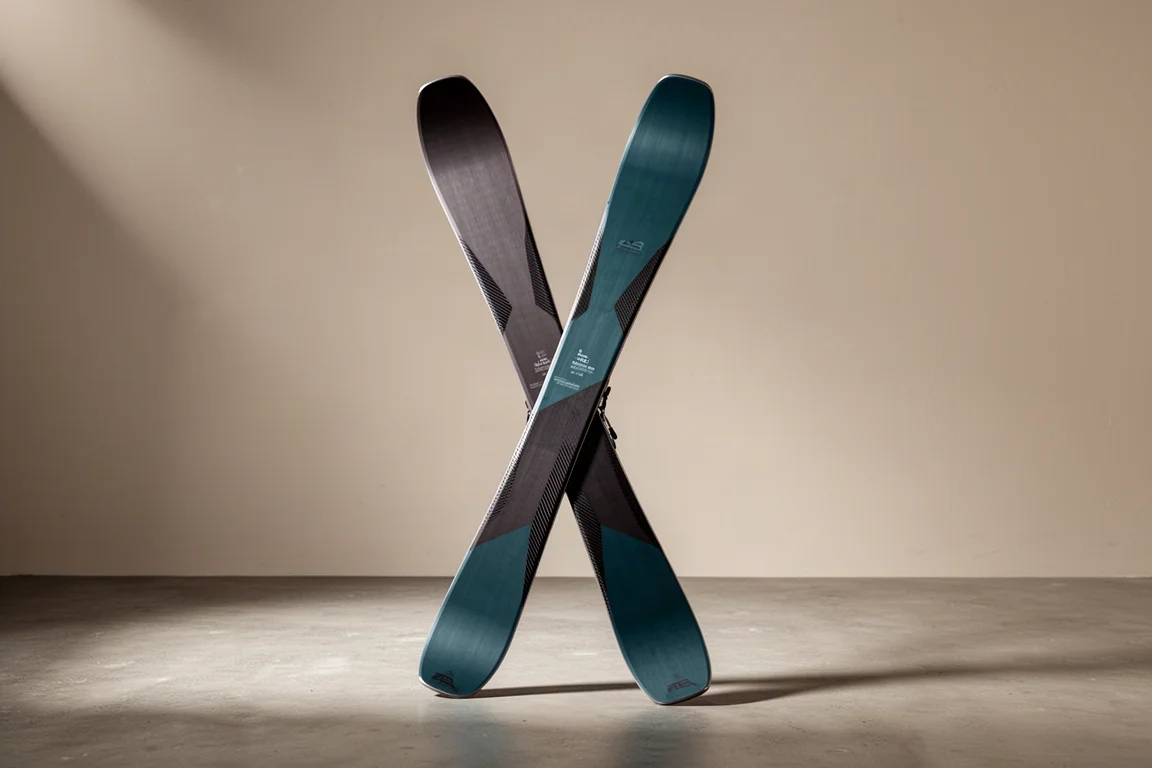
DPS has built its reputation on skis that stay light without feeling flimsy, and the Pagoda Tour 112 RP is one of the clearest expressions of that philosophy. It takes the footprint and shape of the alpine Pagoda 112 RP, a ski widely understood as a dedicated floater, and rebuilds it with a touring construction that removes weight while preserving the original powder-first geometry.
The result is a 112 mm underfoot ski, here in the 178 cm length, using the RP shaping that holds the design to a 15 meter turn radius. That pairing is unusual enough to deserve a closer look: a wide, heavily tapered powder shape combined with materials chosen for climbing efficiency as much as for the descent.
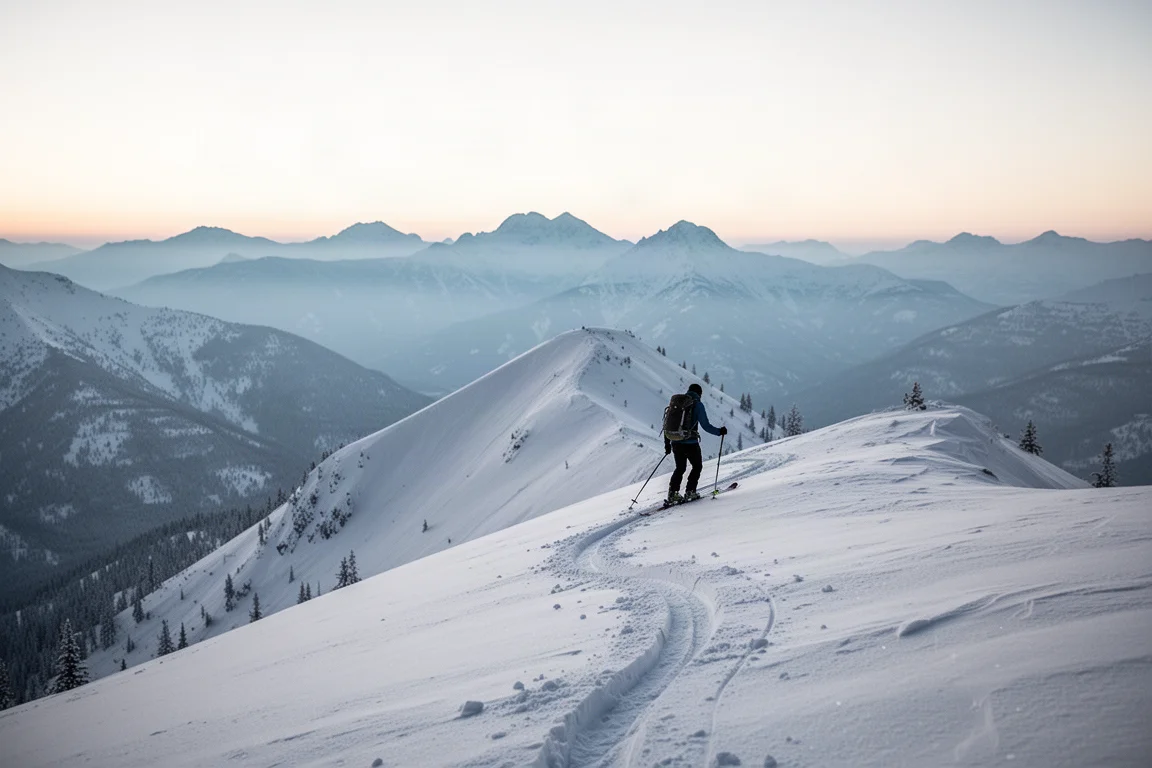
For skiers who tour with fresh snow as the goal rather than an occasional bonus, the Pagoda Tour 112 RP sits in a small group of skis built to make deep days feel effortless on the way down while staying manageable on the way up.
Who this product is for
This ski is aimed squarely at touring skiers who plan to spend most of their time in deep, fresh, soft snow. The lightweight build and the shape both push in that direction, and the design does not try to be a compromise across every condition.
If your season is mostly firm, wind-affected or heavily tracked snow, the priorities of this ski will feel narrow. It is a specialist tool for soft snow touring, not an all-purpose daily driver. Riders who already own a narrower or more versatile touring ski and want something dedicated to powder days will get the most out of it.
Main strengths
Lightweight Core Construction and Materials
The construction is where most of the engineering effort shows. The core uses paulownia wood, chosen for its low weight, reinforced with two stringers of ash. Ash is dense and stable, so those stringers add stiffness and damping without undoing the weight savings of the paulownia.
DPS then adds a third element through the center of the ski: a strip of algal sidewall material, similar in role to ABS but lighter. With two ash stringers and one algal stringer running the length of the ski, the structure gains stiffness and stays damp while keeping overall weight down.
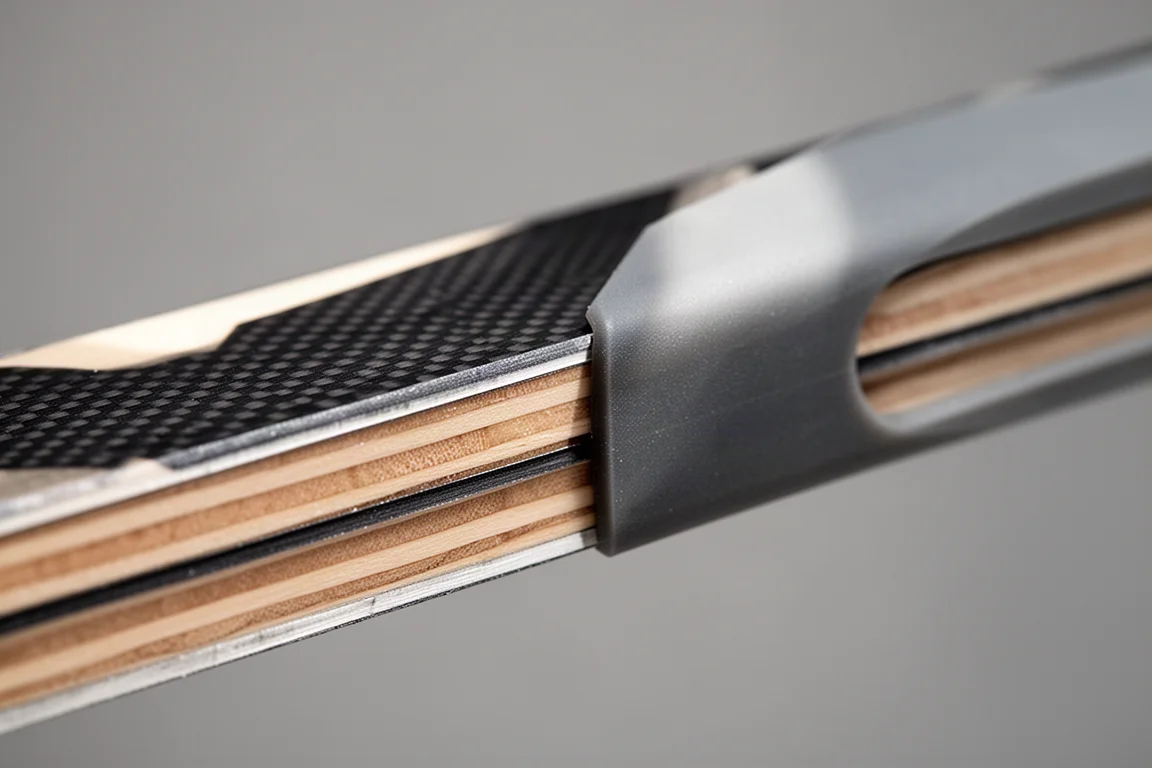
There is also a foam laminate with cutouts inside the build. Despite being extremely light, the foam is notably firm and stiff rather than soft and compressible, which keeps the ski strong underfoot. Two layers of carbon sit above and below the core, a familiar approach in the DPS range that holds stiffness high while keeping mass low.
Powder-Focused Shape and Rocker
The RP shaping is the most distinctive part of the ski. Holding a 112 mm waisted design to a 15 meter turn radius requires aggressive taper: the ski narrows sharply toward the tip, widens through the forebody, and pulls back in again toward the tail. The sidecut does its work in the center of the ski, which is where that 15 meter arc is actually generated.
Underfoot there is camber, but the tip runs into a very long, gradual rocker that builds into substantial splay. That combination keeps the front of the ski riding on top of the snow rather than diving into it. The tail carries its own pronounced splay as well, which makes the ski float and drift rather than lock into a carved finish.
The practical effect is a ski that wants to be put sideways. With the low weight and this shape, the ride is surfy and loose in soft snow, and the moderate-to-dramatic rocker profile reinforces that character throughout the length of the ski.
Things to consider before buying
The main consideration is simply honesty about the snow you actually ski. The lightweight build and the tapered, heavily rockered shape both point toward fresh soft snow, and there is not a lot of room in this design for firmer conditions. On hardpack or wind-scoured surfaces, a ski this wide and this focused will not feel like its best self.
The second consideration is the 112 mm waist itself. It is a genuine powder width, which means it is not the ski you reach for when the forecast is uncertain or the snowpack is firm. Buyers should think of the Pagoda Tour 112 RP as a specialized addition to a touring quiver rather than a single setup expected to cover everything.
Weight is the other trade-off to weigh up. The construction is deliberately light, and that lightness is exactly what makes the ski so appealing on long approaches and in deep snow. The same priorities mean it is built around soft-snow performance rather than firm-snow composure, so matching it to your terrain matters more than any single specification.
Buying advice
If your touring season revolves around chasing storms and you regularly find deep, soft snow, this ski makes a strong case for itself. The combination of a proven alpine shape, a lightweight core and a powder-oriented rocker profile is coherent, and every part of the build supports the same goal.
If your tours are more mixed, with a lot of firm or variable snow and only occasional fresh days, it is worth being realistic about how often you would actually use it. A ski this specialized rewards riders who already know where and when they will use it.
Matching the Ski to Your Terrain
The clearest way to decide is to think about the terrain and snow you ride most often, not the conditions you hope for. Deep, soft, open powder is the environment this ski was designed around, and that is where the lightweight build, the long tip rocker and the tapered tail all work together.
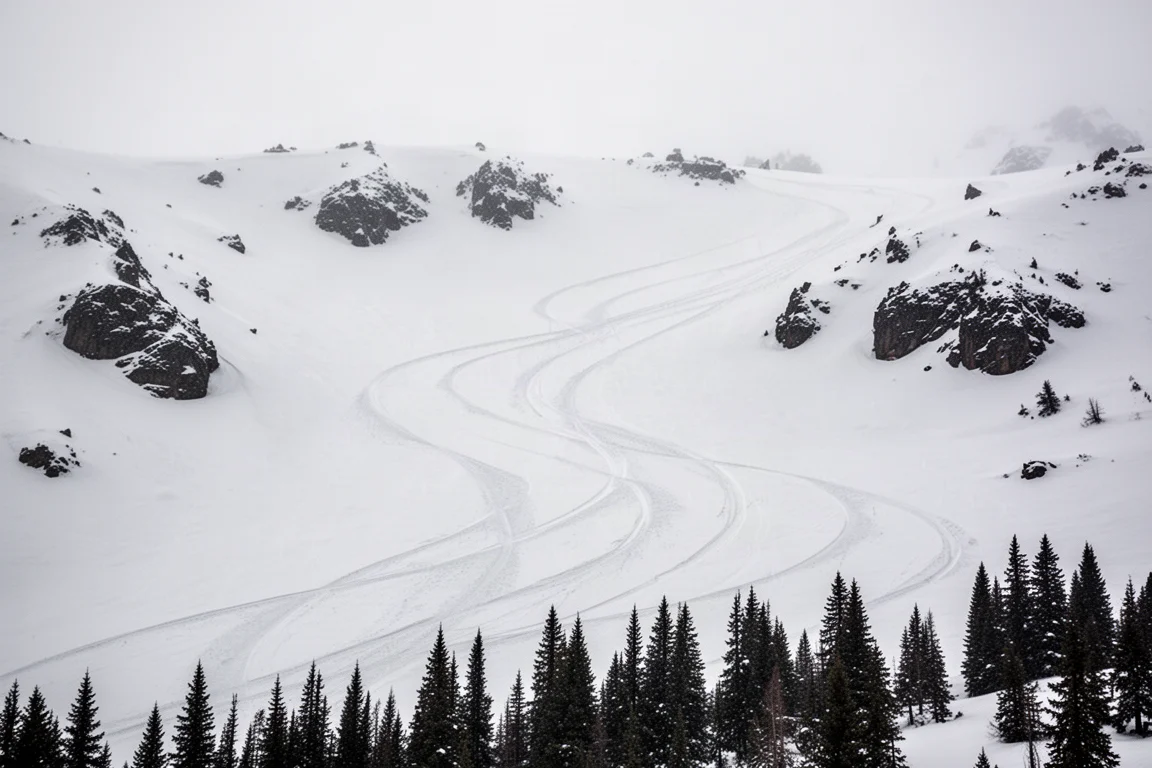
Riders whose tours regularly deliver that kind of snow will find the Pagoda Tour 112 RP easy to justify. Riders who spend most of their days on firm or heavily tracked terrain should look at the ski as a niche addition at best, and consider whether a more versatile touring shape would serve them better as a primary setup.
Conclusion
The DPS Pagoda Tour 112 RP is a focused, well-engineered touring ski with a clear point of view. A paulownia core, ash and algal stringers, cutout foam and carbon laminates keep the weight low without sacrificing stiffness, while the 112 mm RP shape with its 15 meter radius and long rocker is built to float and drift in soft snow.
It is not a ski for every day or every condition, and it does not pretend to be. For touring skiers who plan to spend most of their time in deep, fresh snow, that focus is exactly the appeal.
Product link
View more details for DPS Pagoda Tour 112 RP
This product is mentioned in the review. Check the specifications, options, and compatibility before buying.
View more details for DPS Pagoda Tour 112 RPFurther reading
Related Reviews
Touring Skis
Atomic Backland 100 Review: A Light Touring Ski That Still Holds an Edge
The Atomic Backland 100 is the lightest of Atomic's three 100mm-underfoot skis. Here is how its carbon build, tapered tail, and setup options shape the buying decision.
Touring Skis
Best Touring Skis 2025: Six Standout Picks from Lightest to Heaviest
A practical roundup of six touring skis, from featherweight uphill tools to confident freeride performers, with real weights, prices, and on-snow characteristics.
Touring Skis
Best Touring Skis 2026: Seven Lightweight Options Compared
Seven lightweight touring skis compared, from uphill-focused builds to descent-oriented shapes, with practical guidance on weight, flex, turn radius, and binding choice.