Touring Skis
DPS Pagoda Tour 106 C2 Review: A Light Touring Ski That Still Skis Hard
A practical look at the DPS Pagoda Tour 106 C2, a roughly 1,500 gram touring ski with a paulownia core, ash stringers, carbon laminates, and a directional 18 meter turn radius.
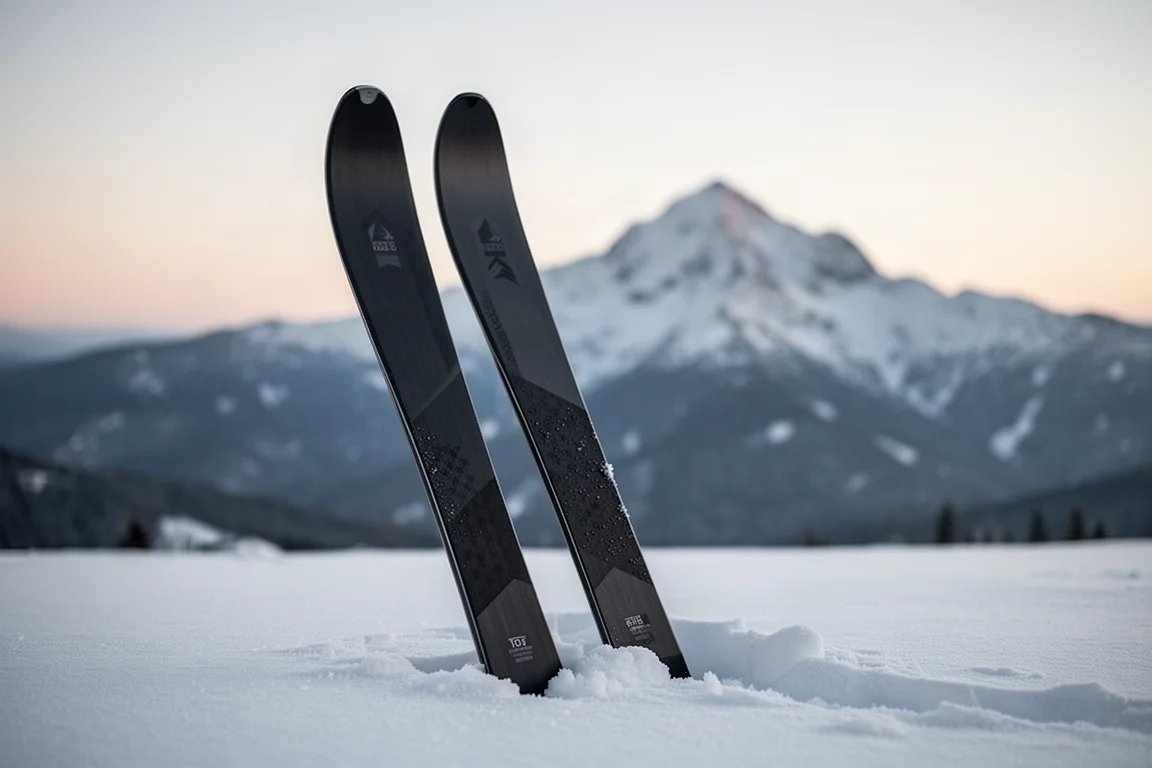
Introduction
The DPS Pagoda Tour 106 C2 is a lightweight touring ski built for skiers who want to move efficiently on the way up without giving up composure on the way down. It is a carryover model, following the construction refresh that DPS introduced the season before, and that refresh was a logical step. The 106 C2 shape had already established itself as a downhill-oriented design, so lightening the build and making it more tour friendly was a sensible move rather than a gamble.
Weight is the headline. The ski comes in at roughly 1,500 grams, which puts it squarely in the touring category rather than the hybrid or resort-touring bracket. DPS also moved the standard alpine version of this ski into the Kaizen line, which remains relatively light in its own right, while the Tour version drops a few hundred grams below it.
That gap is what you notice most on a long ascent or when you are lifting the ski repeatedly through a full day out. It is also the main reason to choose this model over a heavier alternative in the same shape family.
Who the DPS Pagoda Tour 106 C2 Is For
This ski suits skiers who are building a dedicated touring setup and are prepared to pair it with a lightweight binding and boot. Because the build is light and leans toward technical touring bindings rather than hybrid designs, it makes the most sense for people whose days are planned around climbing.
The 106 mm waist and directional C2 shape also point toward skiers who want a ski that handles soft snow well while still feeling planted when they push it hard.
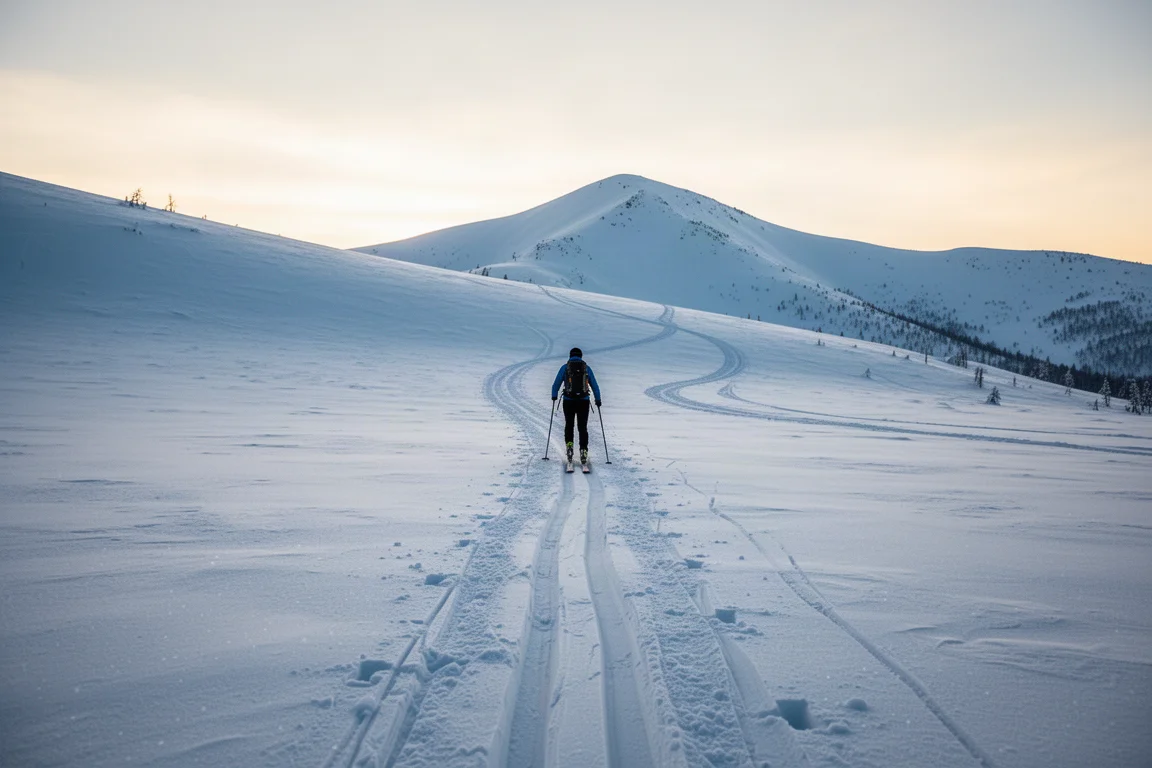
If your priority is lift-served skiing with the occasional sidecountry lap, the alpine-oriented version in the Kaizen line is likely the more natural fit. The Pagoda Tour 106 C2 makes the most sense when weight and uphill efficiency are genuinely part of the plan rather than an afterthought.
Main Strengths
The clearest strength is the combination of low overall weight and low swing weight. From a skiing perspective the ski is maneuverable and genuinely fun, and the lighter build makes the uphills noticeably easier without turning the descent into a compromise.
DPS uses carbon in the layup, which lets the ski stay very light without giving up downhill performance. It holds up well to strong, aggressive skiing even though it sits on the light side of the category. That is the balance this ski is chasing: quick and playful underfoot, but still stable enough to lean on when conditions and terrain invite it.
Blending uphill efficiency with downhill performance is the whole point of a ski like this, and the Pagoda Tour 106 C2 lands in that space convincingly.
Construction and Materials
The core is mostly paulownia wood, a lightweight option with a stiff flex. Ash wood stringers add strength and damping, while aerospace-grade foam stringers are used to bring the weight down further. The foam is remarkable in person: it does not feel like it should be as strong and stiff as it is for how little it weighs.
New in the previous season was DPS’s algae technology, which takes an algae byproduct and turns it into a polyurethane-style material for the central strip. That reduces weight and makes the ski a little more eco-friendly, which is a reasonable win on both counts. Because you do not need the very top end of performance from the core in a touring ski, the ash wood and the carbon laminates carry more of that load.
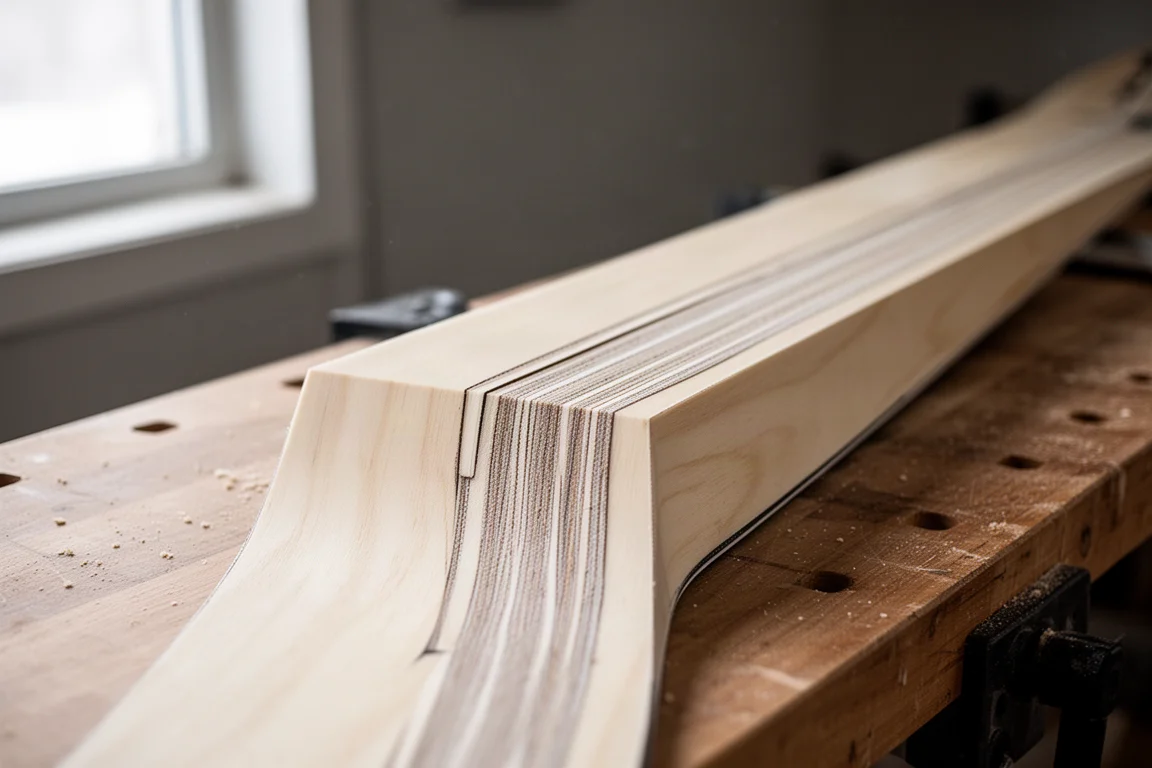
Carbon laminates are what let the design reduce weight without weakening the ski. The result is a light construction that still answers when you ask it to ski hard.
Uphill Efficiency and Skin Track Manners
Tail rocker on this ski is reasonable and the splay is modest, about what you would expect from a 106 mm touring model. That matters more than it sounds. A flatter tail profile helps climbing skins stay in contact with the snow, which translates into better grip and more efficient travel on the ascent.
The ski also keeps a low splay and a long but undramatic rocker profile, so the running surface stays engaged when you are moving uphill. Touring skis in this class are doing a good job of blending uphill efficiency with downhill performance, and the tail shape here is a clear example of that thinking.
Downhill Performance and Handling
The Pagoda Tour 106 C2 sticks with the C2 shaping: a longer 18 meter turn radius and a more directional style. Compared with the RP shape, DPS does not have to be as dramatic with taper and rocker, which gives the ski a more traditional feel. There is still a nice camber underfoot.
Taper is worth a closer look. The longest and widest part of the ski is brought down a little further, which adds flotation and helps the ski pop up out of the snow and stay on top. Combined with the camber and the restrained rocker, that gives a ski that feels predictable when you commit to a turn.
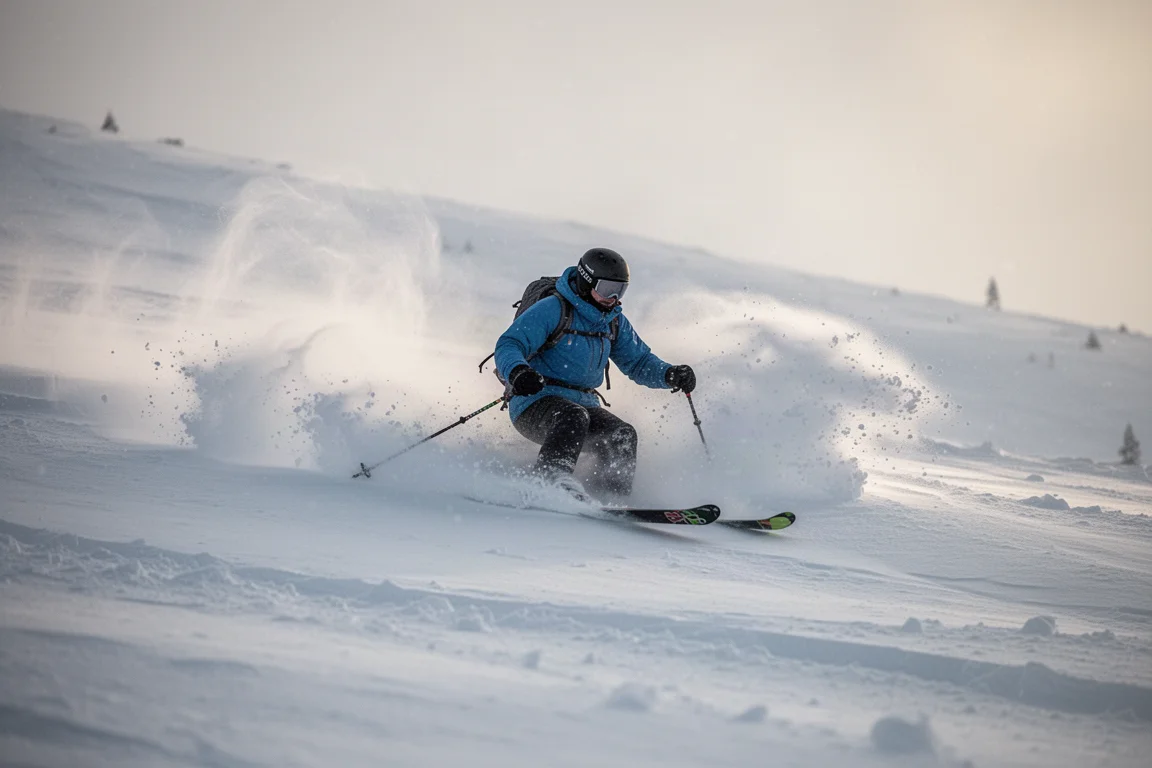
Because DPS leans on carbon, the ski stays very light while still holding up to strong, aggressive skiing. Maneuverability and low swing weight make it easy to throw around, and the lighter package keeps the uphills that much easier.
Things to Consider Before Buying
The most important pairing decision is the binding. A more tech-oriented binding works a little better with these touring skis than a hybrid style, and keeping weight down in the binding and the boot is what makes the whole setup make sense. A heavy hybrid binding works against the reason to buy a light ski in the first place.
It is also worth being honest about how you ski. This is a touring-first design, and if most of your days start from a lift, the alpine version in the Kaizen line is still fairly light and may suit you better. The Tour version is built for people who count grams on the way up.
Finally, consider the shape rather than just the weight. The 18 meter turn radius and directional C2 profile reward a skier who likes to drive a turn and stay on top of soft snow.
Buying Advice
The DPS Pagoda Tour 106 C2 makes the most sense as part of a complete lightweight setup. Match it with a tech binding and a light touring boot, and the roughly 1,500 gram build delivers exactly what it promises: a ski that climbs efficiently and still feels capable when you point it downhill.
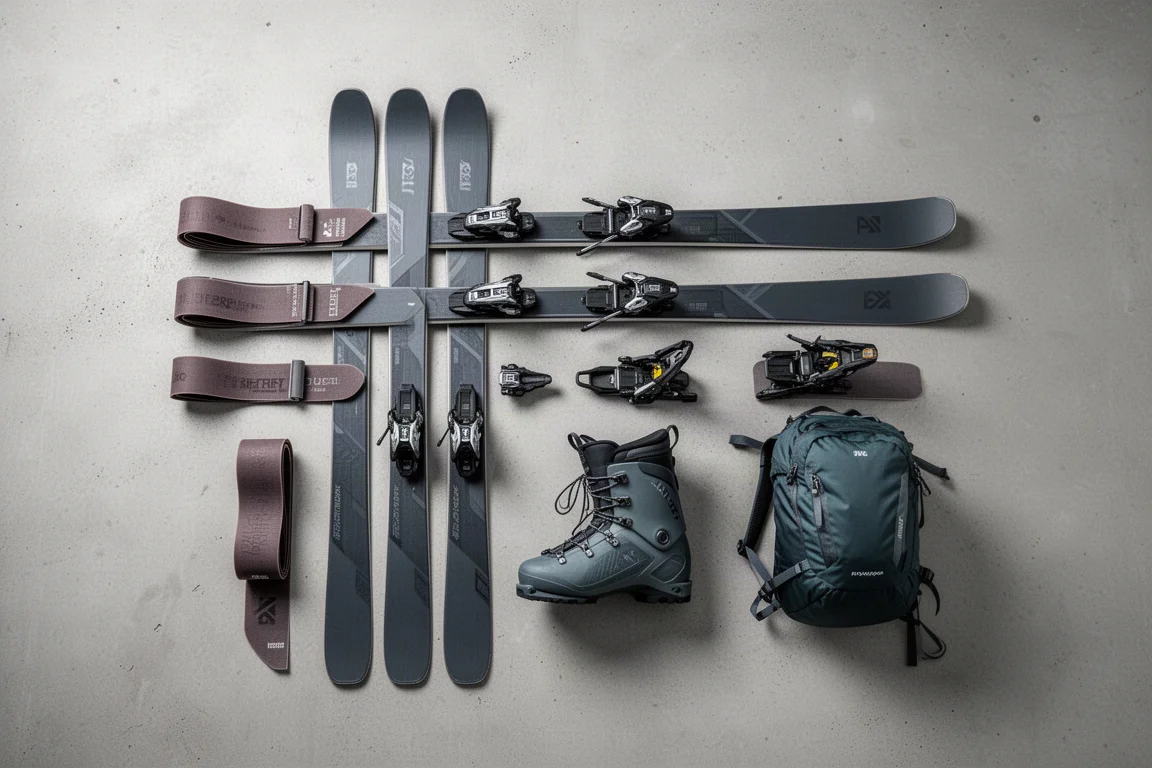
If you are weighing this against a heavier ski with similar dimensions, the deciding factor should be how much of your season happens on the skin track. Skiers who spend most of their time ascending will feel the weight saving on every lap. Skiers who mostly ride lifts will get more from a heavier, alpine-oriented build.
Either way, the intent behind this ski is clear, and it is a coherent package rather than a collection of light parts. Buy it for the uphill, and enjoy the fact that the descent holds up.
Conclusion
The DPS Pagoda Tour 106 C2 is a well-resolved lightweight touring ski. Its paulownia core, ash stringers, foam stringers, carbon laminates and algae-based central strip keep the weight at roughly 1,500 grams, while the directional C2 shape with its 18 meter turn radius and tapered profile keeps the downhill side honest.
For skiers who plan their days around the ascent and want a ski that stays fun and stable on the way back down, it is a confident choice, provided the rest of the setup is built light to match.
Product link
View more details for DPS Pagoda Tour 106 C2
This product is mentioned in the review. Check the specifications, options, and compatibility before buying.
View more details for DPS Pagoda Tour 106 C2Further reading
Related Reviews
Touring Skis
Atomic Backland 100 Review: A Light Touring Ski That Still Holds an Edge
The Atomic Backland 100 is the lightest of Atomic's three 100mm-underfoot skis. Here is how its carbon build, tapered tail, and setup options shape the buying decision.
Touring Skis
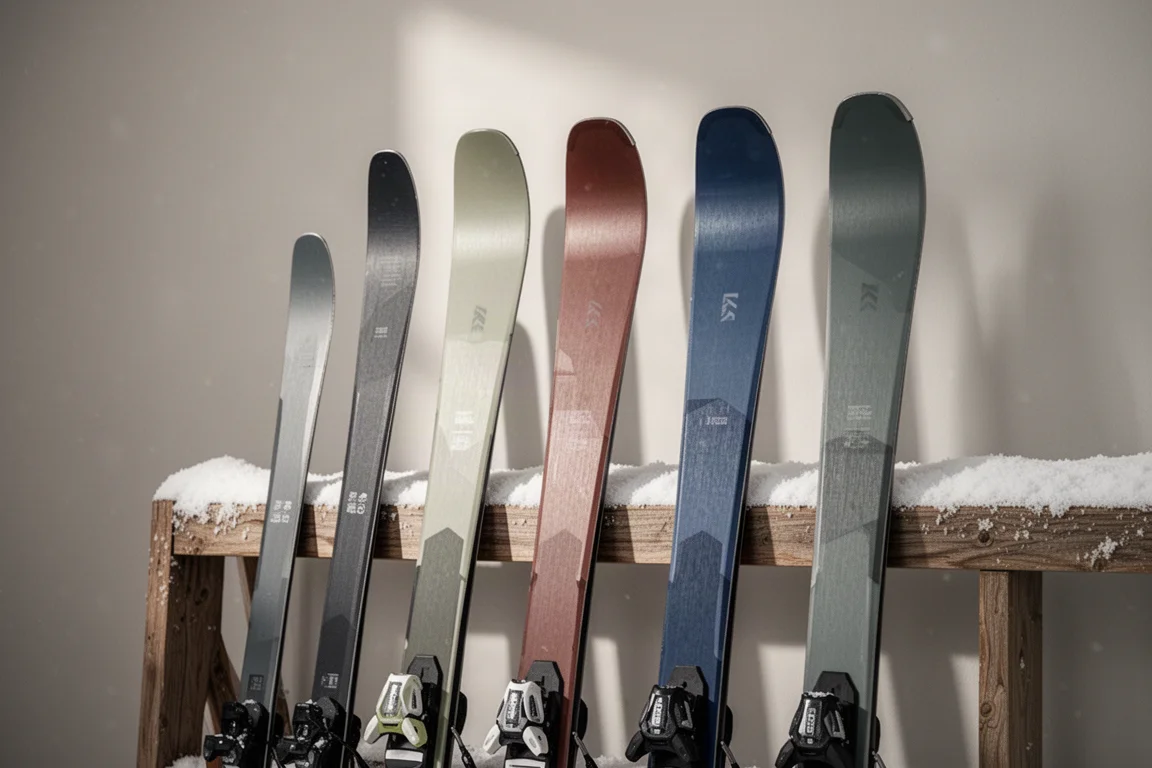
Best Touring Skis 2025: Six Standout Picks from Lightest to Heaviest
A practical roundup of six touring skis, from featherweight uphill tools to confident freeride performers, with real weights, prices, and on-snow characteristics.
Touring Skis
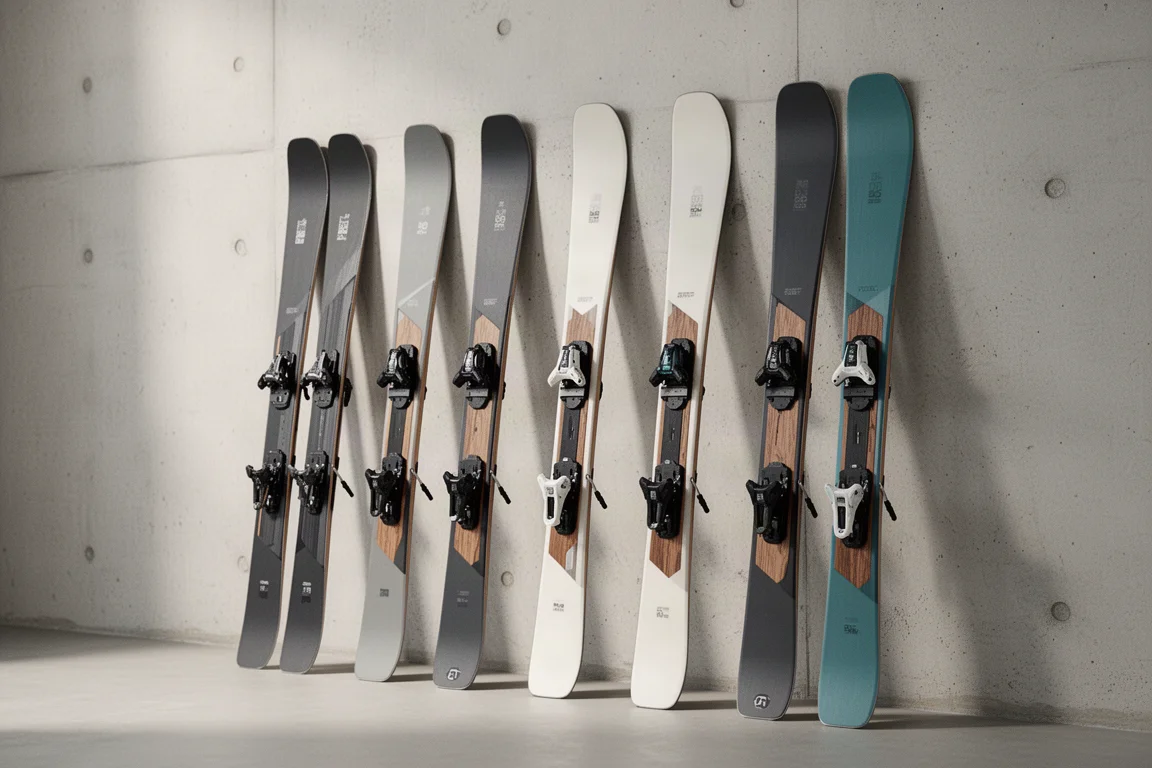
Best Touring Skis 2026: Seven Lightweight Options Compared
Seven lightweight touring skis compared, from uphill-focused builds to descent-oriented shapes, with practical guidance on weight, flex, turn radius, and binding choice.