Touring Skis
DPS Carbon Pagoda Tour 105 Review: A Light Touring Ski Built to Climb and Float
A dedicated touring ski that pairs a Paulownia core and carbon flax laminate with a directional shape and long tip rocker for efficient climbing and confident float.
Introduction
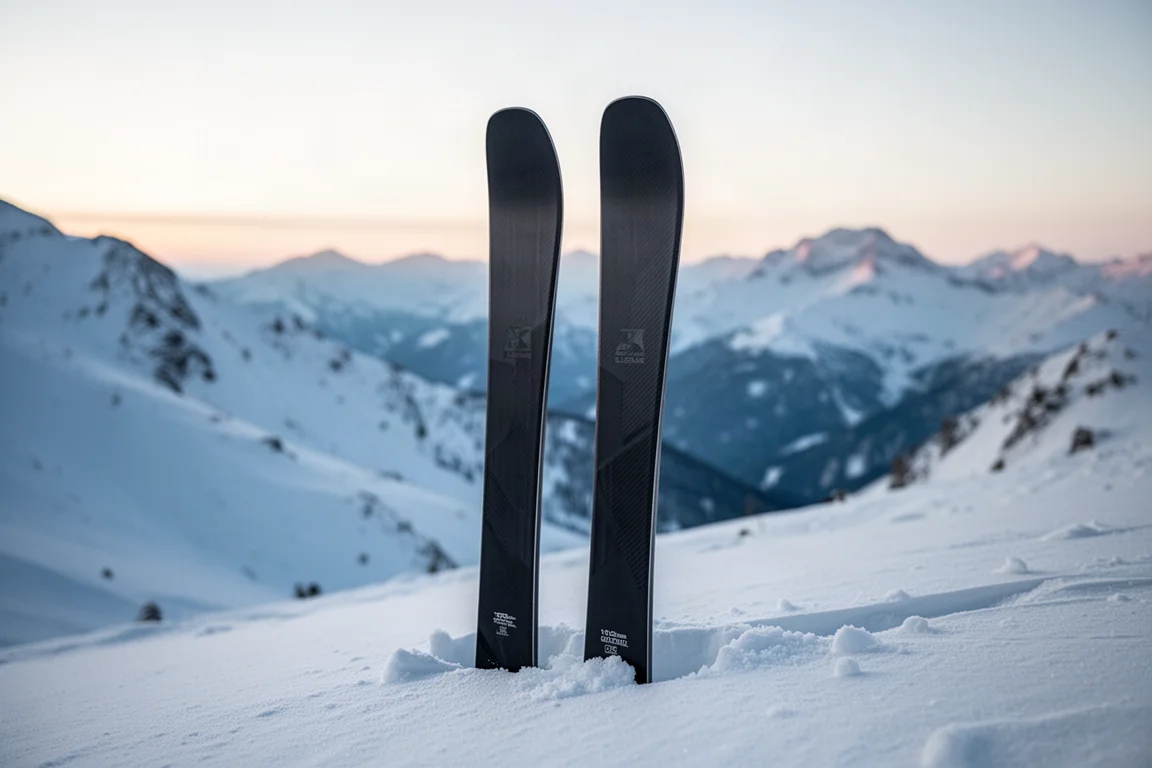
DPS has built its reputation on carbon skis that stay light without giving up downhill composure. The Carbon Pagoda Tour 105 takes shaping profiles the brand already had and pairs them with a new construction, with the goal of making a touring ski that climbs efficiently and still floats well on the way down.
That balance matters more in touring than in almost any other category. A ski that is light on the skin track but nervous on the descent is a hard sell, and the Pagoda Tour 105 is aimed squarely at riders who want both halves of the day to work.
Who the DPS Carbon Pagoda Tour 105 Is For
This is a dedicated touring ski rather than a hybrid. DPS’s standard models are light enough to carry a hybrid workload, but the Pagoda Tour 105 is happiest in a full-time or dedicated touring setup, paired with a lighter touring boot.
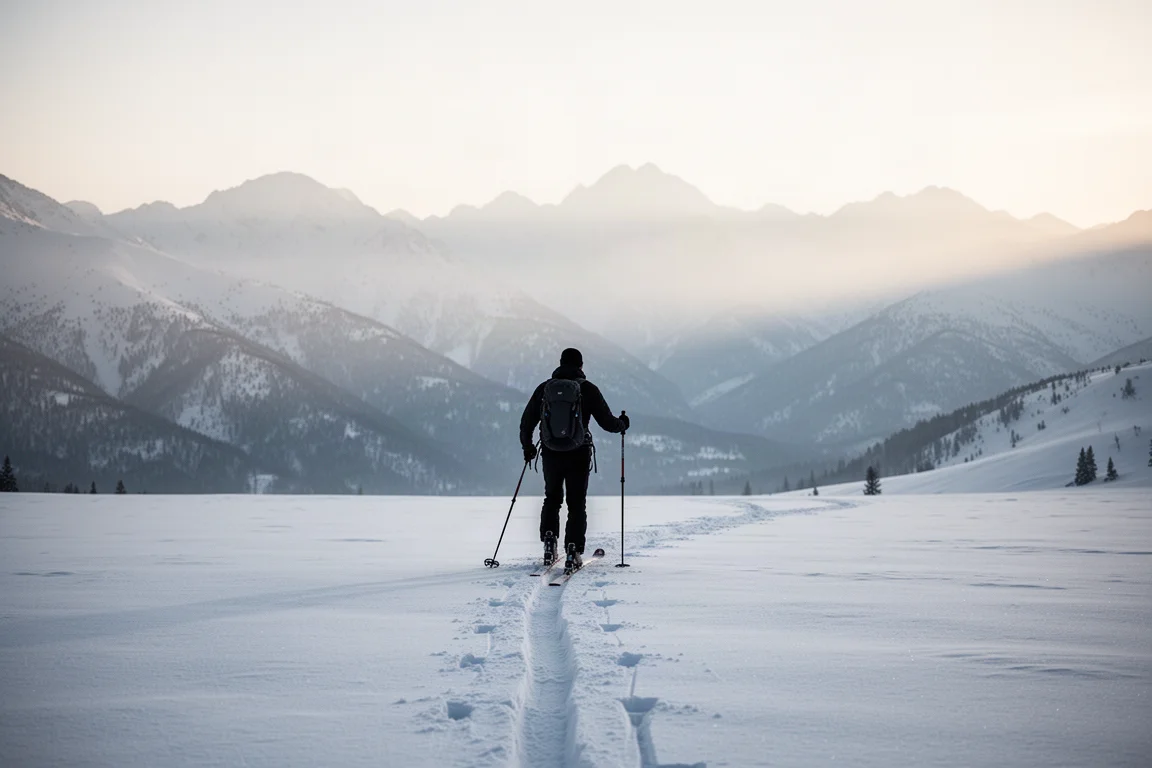
It also suits skiers who prefer a stiffer flex underfoot. The Paulownia core gives the ski real backbone rather than a soft, noodly feel, and in softer snow that stiffness keeps the ski riding on top instead of bending into the surface. Riders who tour exclusively tend to appreciate that trait because it keeps forward momentum efficient on the uphill.
More aggressive skiers are the other natural audience. The directional shaping platform rewards a skier who wants to influence the shape and duration of the turn rather than let the ski do all the work, which makes the 105 a good match for confident downhill skiers who still care about weight.
Construction and Materials
The core is Paulownia, a lightweight wood used widely in touring skis that also brings a useful amount of stiffness.
Above and below that core sits a carbon flax laminate. The carbon contributes stiffness and a more responsive character, while the flax helps take the edge off the carbon ping that purely carbon layups can produce. The result is a light ski that still feels lively and direct underfoot.
Main Strengths on Uphill and Downhill
Uphill efficiency is the headline. The combination of a light core, carbon construction, and a tail with limited splay makes for a ski that climbs well, and the modest tail splay also gives skins more traction on the way up.
Downhill, the shaping does the work. DPS is known for using pronounced shaping and rocker profiles to make skis float better than other skis at a similar width, and the Pagoda Tour 105 is a clear example of that approach applied in a lightweight package.
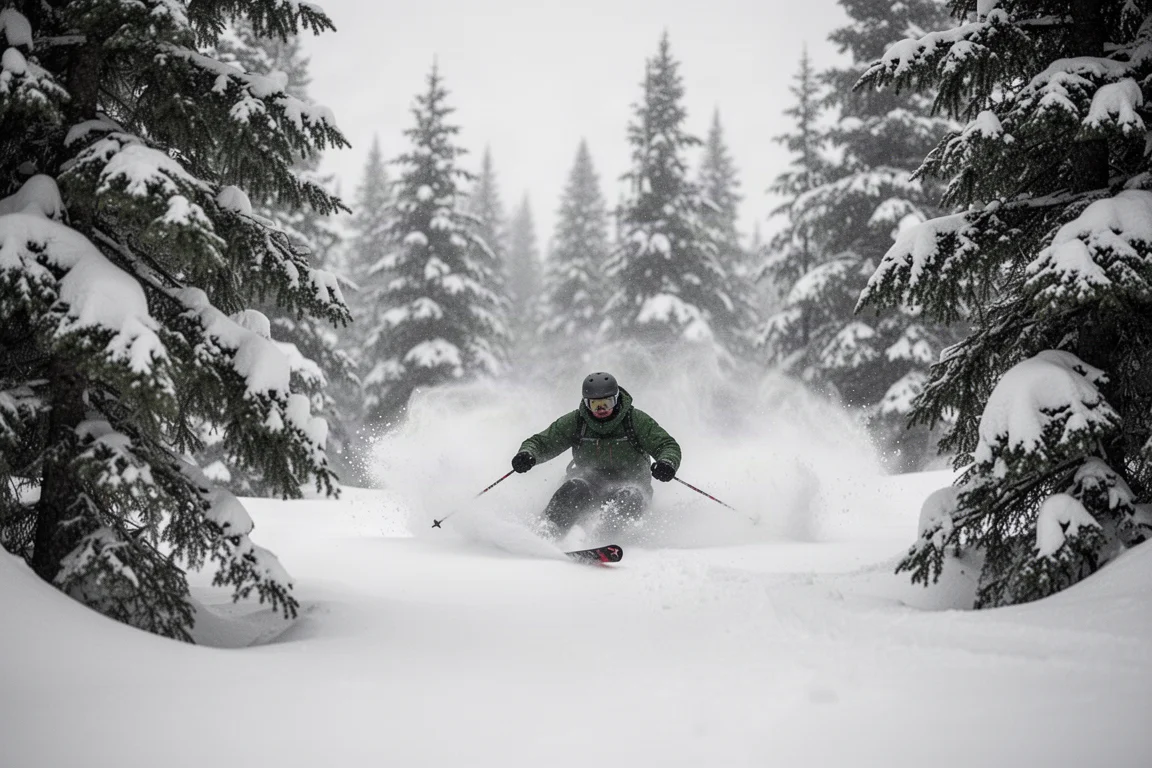
There is also a nice quality at the back of the ski. The tail narrows noticeably, which lets you steer and use the ski almost like a rudder in powder. That makes the ski feel natural and intuitive when the snow is deep, rather than something you have to fight.
Shaping and Turn Character
DPS has replaced its RP and C2 designations with rocker and directional, and the Pagoda Tour 105 sits on the directional side. That platform is closer to the outgoing C2, with an 18-metre turn radius in the 178 cm length and a longer effective edge.
That longer effective edge gives a skier more room to shape and control the turn, which suits a more aggressive style. The rocker alternative, at 15 metres, is better suited to shorter swing turns at more moderate speeds.
In profile, the ski uses a long, gradual tip rocker with less taper than the brand’s rocker series, which produces a smoother contact and a longer effective edge. The tail also carries rocker, but without a great deal of splay, keeping things traditional at the back and delivering smooth, responsive performance at the end of the turn.
Weight, Bindings, and Setup
On the scale, the tested 179 cm pair came in at 1,954 g with a demo touring binding mounted, so a lighter binding choice leaves plenty of room to build a genuinely light setup.
Because the ski leans toward dedicated touring, a lighter touring boot is the more sensible pairing. Matching it with a heavy hybrid boot works against the point of the design.
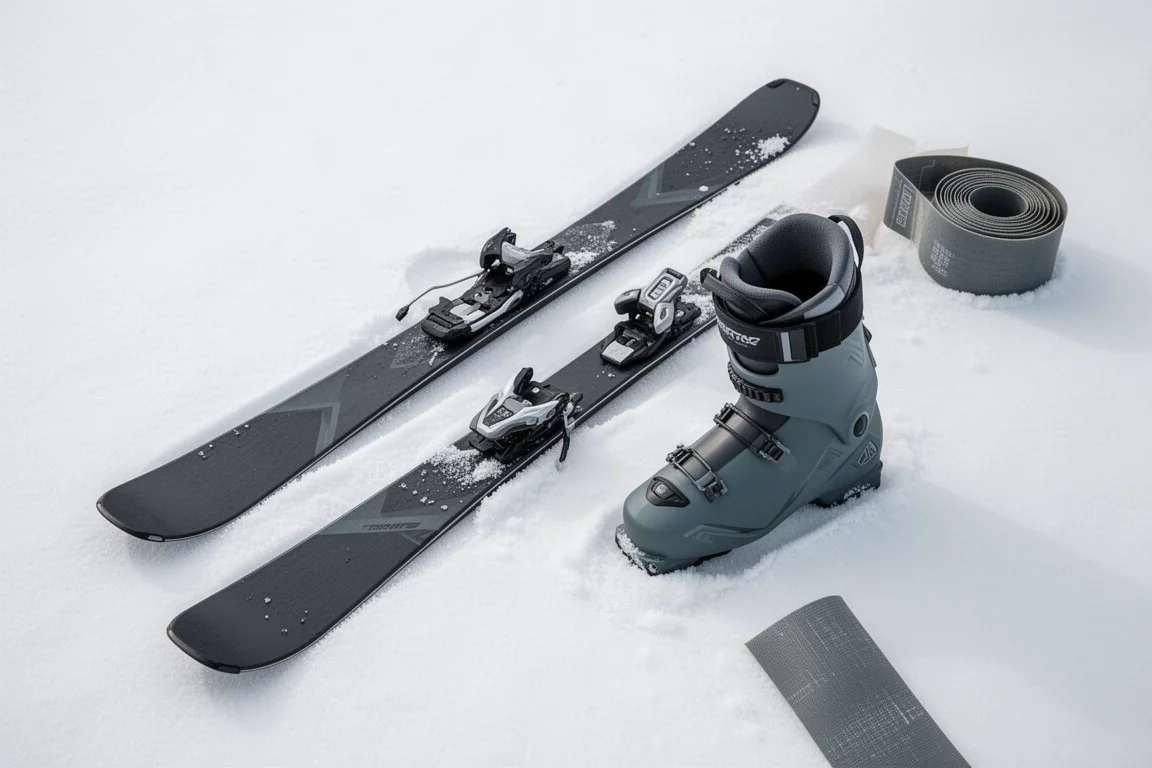
If the goal is a setup that stays easy on the uphill, this is where the decisions matter most. A lighter binding and a touring-specific boot will do more for climbing comfort than almost any other change.
Things to Consider Before Buying
The main thing to weigh is how you plan to use the ski. If you split your time between resort days and the backcountry, DPS’s standard models are light enough to handle that hybrid workload, and the Pagoda Tour 105 is not the natural pick there.
The tail design is the other trade-off to understand. Limited splay and a more traditional taper help with climbing traction and turn finish, but they mean less dramatic float than a heavily rockered tail would provide.
Buying Advice
The Pagoda Tour 105 makes the most sense for a skier building a dedicated touring setup who wants a light ski that still holds up on the descent.
Choose it if you tour regularly, prefer a stiff flex that stays on top of soft snow, and want shaping that floats well for its width. Pair it with a lightweight touring binding and boot, and treat it as the uphill-focused half of a two-ski quiver rather than a one-ski compromise.
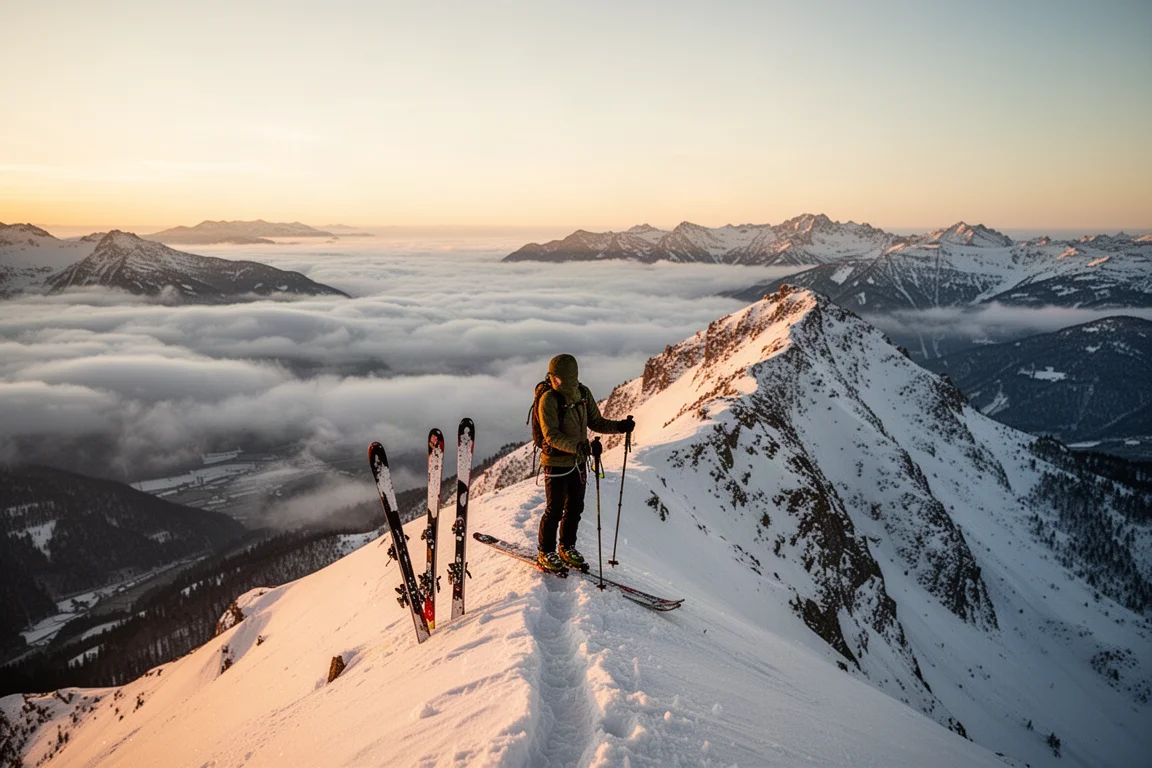
If your days are split between lift-served and human-powered laps, a lighter hybrid-oriented model is the better fit.
Conclusion
The DPS Carbon Pagoda Tour 105 combines a Paulownia core, a carbon flax laminate, and a directional shape with generous tip rocker into a ski that climbs efficiently and floats confidently. It is at its best as a dedicated touring ski for riders who want light weight without a soft, vague feel underfoot.
Product link
View more details for DPS Carbon Pagoda Tour 105
This product is mentioned in the review. Check the specifications, options, and compatibility before buying.
View more details for DPS Carbon Pagoda Tour 105Further reading
Related Reviews
Touring Skis
Atomic Backland 100 Review: A Light Touring Ski That Still Holds an Edge
The Atomic Backland 100 is the lightest of Atomic's three 100mm-underfoot skis. Here is how its carbon build, tapered tail, and setup options shape the buying decision.
Touring Skis
Best Touring Skis 2025: Six Standout Picks from Lightest to Heaviest
A practical roundup of six touring skis, from featherweight uphill tools to confident freeride performers, with real weights, prices, and on-snow characteristics.
Touring Skis
Best Touring Skis 2026: Seven Lightweight Options Compared
Seven lightweight touring skis compared, from uphill-focused builds to descent-oriented shapes, with practical guidance on weight, flex, turn radius, and binding choice.