Backpacking Insulation
Down vs Synthetic Backpacking Insulation: Four Options Worth Weighing
A practical comparison of four quilts and parkas, with the real weight, warmth, and price trade-offs between down and synthetic fill.
Introduction
Down insulation has long been the default choice for backpackers who count every gram. It lofts well, packs small, and keeps weight low. Synthetic fill has traditionally given up some of that efficiency, so moving away from down is rarely a decision anyone makes casually.
For some hikers, though, the reason has nothing to do with performance specs. Down can harbor dust mites over time, and feather sensitivity is one of the reasons backpackers start looking at synthetic quilts and jackets instead. Swelling or irritation that shows up after a night in down gear is worth investigating, and at altitude there is an additional variable: fluid retention in the face and limbs can occur on its own, without other symptoms, and it can compound an existing sensitivity.
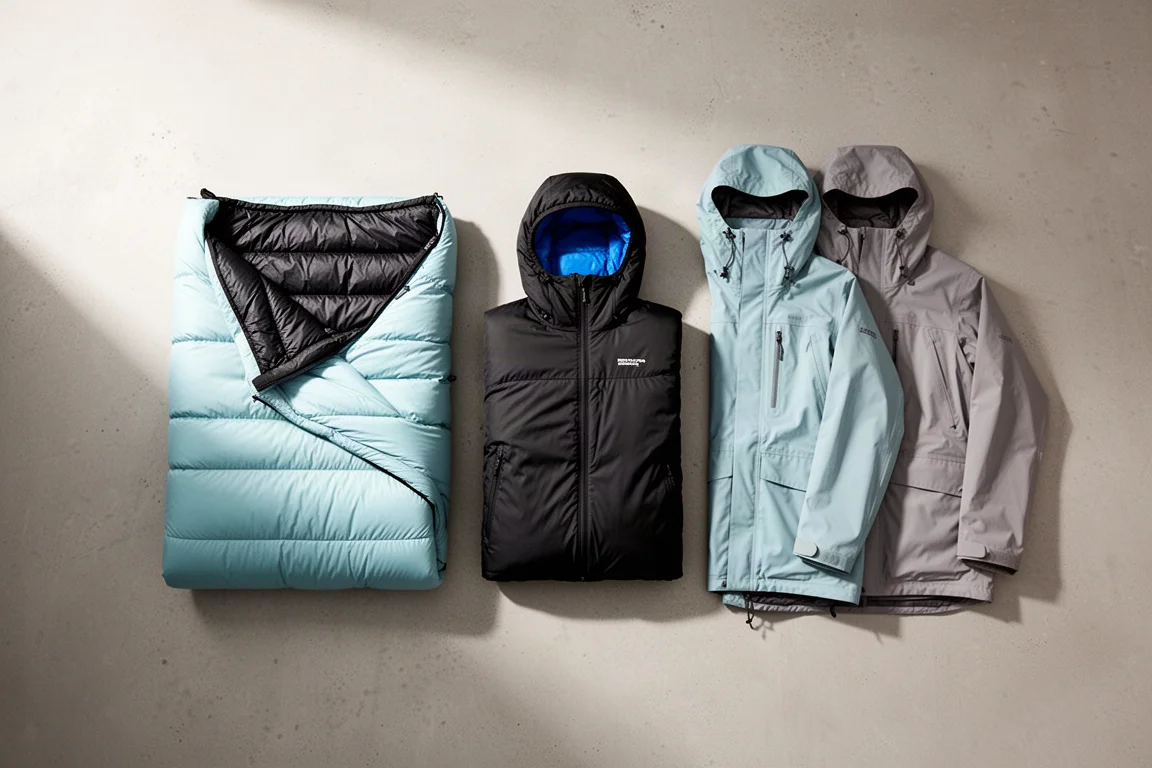
The four pieces below cover both sides of that decision: two synthetic items from Enlightened Equipment and two parkas from Montbell, one down and one synthetic.
What to Look For in Synthetic and Down Insulation
Three numbers drive most of the comparison between down and synthetic insulation: total weight, temperature rating, and price.
Weight is where down still leads clearly. In the configurations compared here, a 20°F synthetic quilt comes in at 26.79 oz, while the equivalent build with 950 fill power down would weigh 18.06 oz. That is close to 10 oz of difference in a single item, which is part of why the down version commands a higher price: $370 against $230.
The second factor is upkeep. Down requires careful washing, and keeping that routine going on a long-distance hike is genuinely difficult. Anyone concerned about dust mites collecting in insulation has an extra reason to stay on top of it.
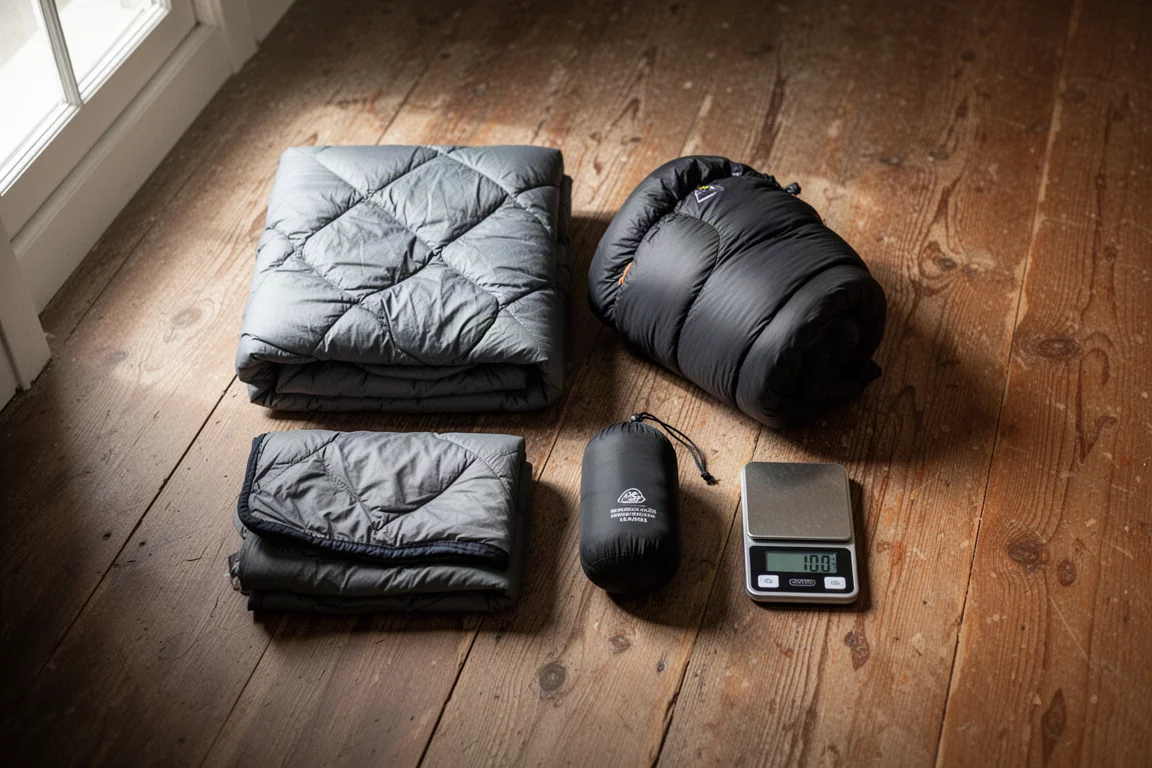
Care and weight tend to pull in opposite directions, so the right answer depends on which one matters more for the trips you actually take.
Why Synthetic Insulation Can Make Sense
Synthetic fill has a reputation for being the heavier choice, and in this comparison it is: 26.79 oz against 18.06 oz for the quilt, plus a jacket whose fill weight does not translate directly into a warmth figure against high fill power down.
What synthetic fill returns is price and simplicity. The synthetic quilt costs $140 less than the down equivalent, and the synthetic jacket costs $264 less than the down parka it stands in for. For hikers who want to remove feathers from their sleep and layering systems, those are meaningful numbers rather than small ones.
Enlightened Equipment Enigma Apex Custom
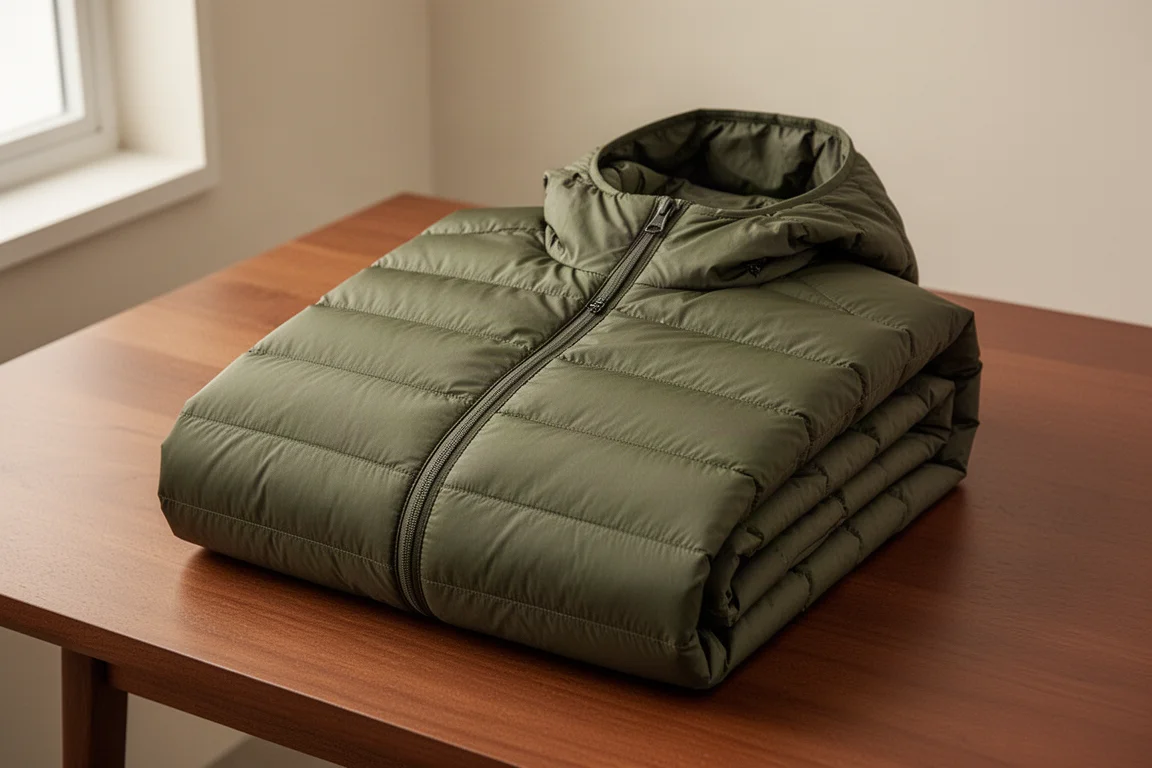
The Enigma Apex Custom is the synthetic quilt in this group. It is offered in a 20°F rating, the warmest synthetic option in the Enigma line, which makes it the version to consider if the quilt needs to handle colder nights.
Nearly everything else can be specified when ordering: length, width, colors, and the denier of the nylon shell. The fabric range runs from 7d, the lightest option, to 20d, the most durable. The build described here uses 10d nylon inside and out, in a regular length and slim width, with robin eggshell blue on the outside and black on the inside. That configuration weighs 26.79 oz and costs $230.
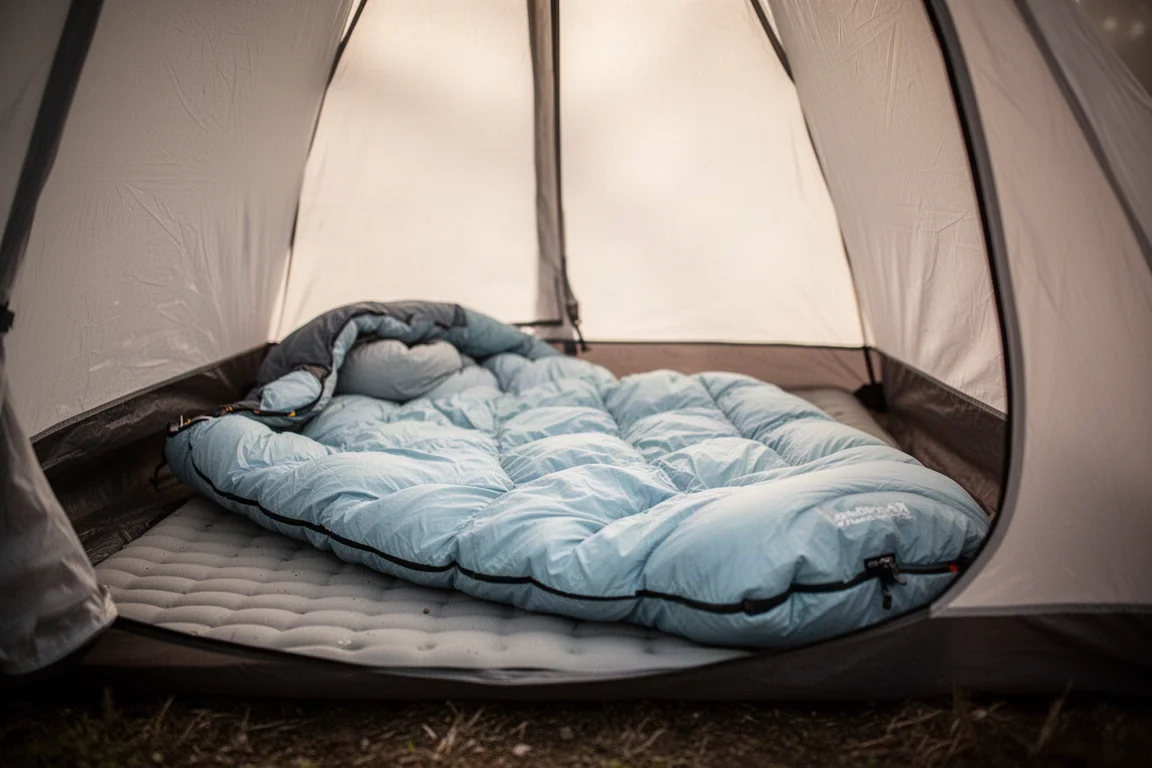
The closest down equivalent, a 950 fill power build, would weigh 18.06 oz and cost $370. In other words, the synthetic version saves $140 and adds almost 10 oz.
Enlightened Equipment also sells non-custom quilts and sleeping bags that ship faster, while made-to-order items take longer to produce.
Enlightened Equipment Women’s Torrid Custom
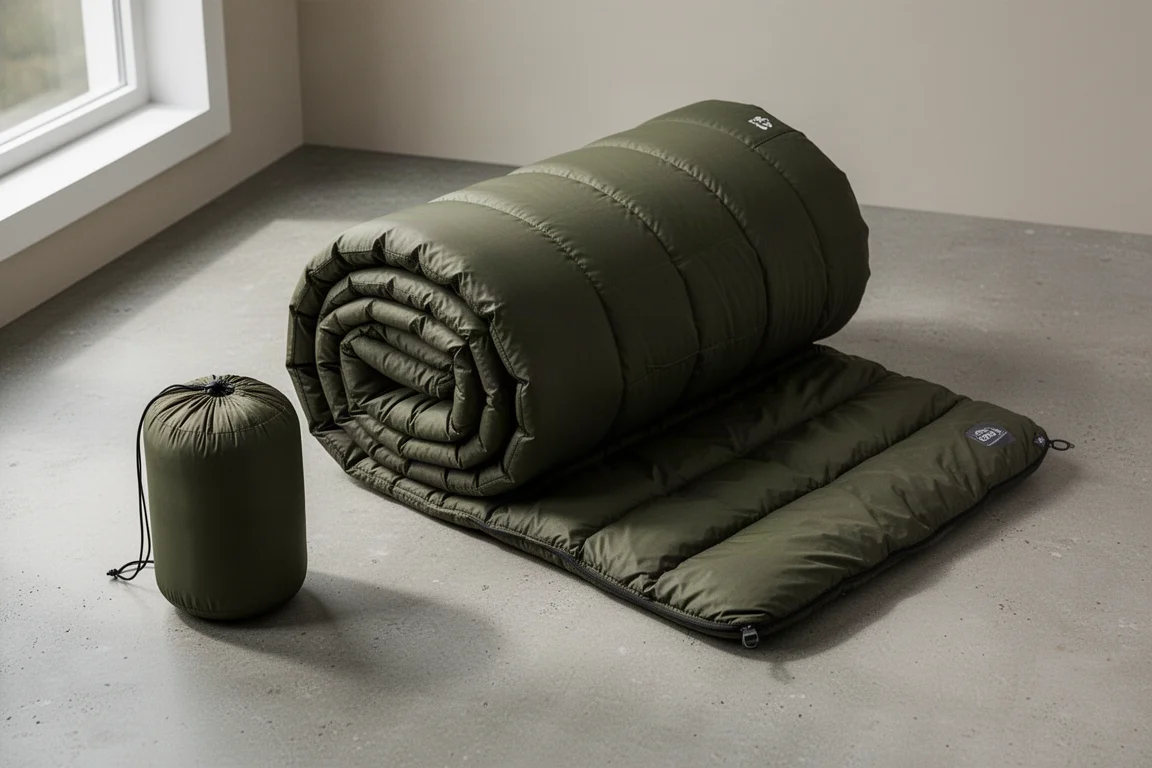
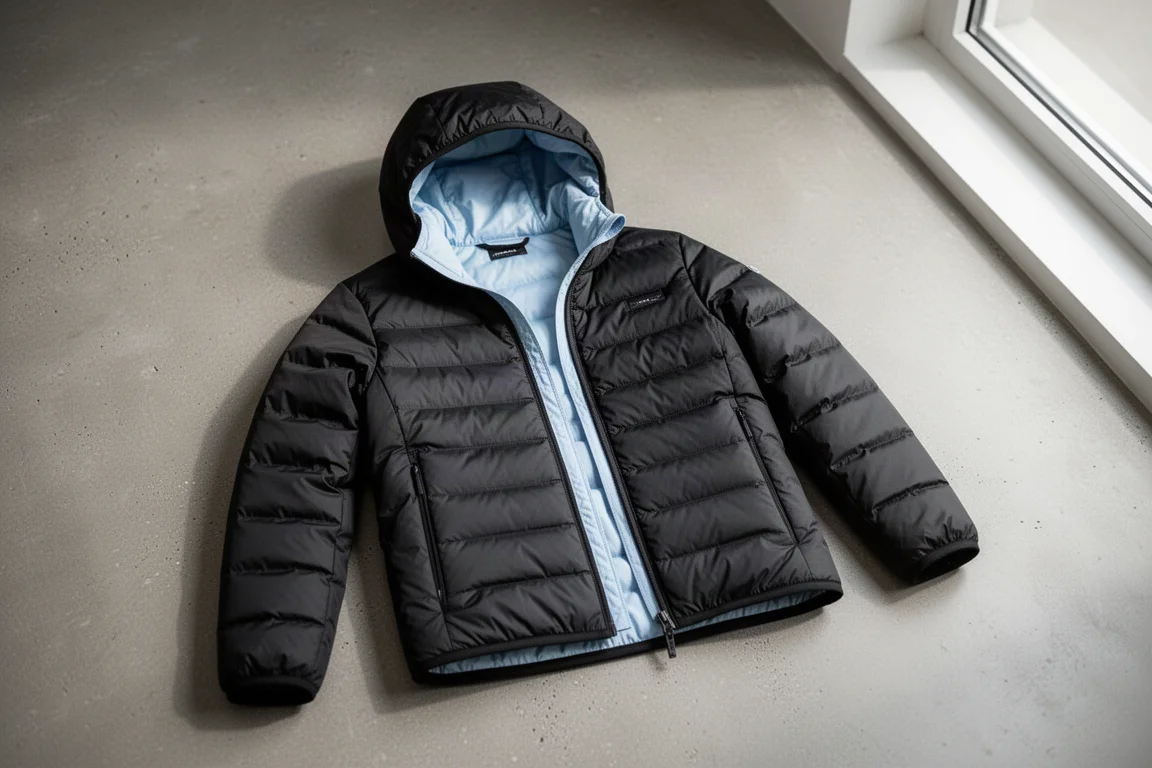
The Women’s Torrid Custom is the jacket counterpart, built with the same Apex fill at 2 oz per square yard. Like the quilt, it is customizable, so weight and price move with the options you choose.
The configuration described here is a medium with a hood, 10d nylon inside and outside, black on the outside and robin egg blue on the inside. Total weight is 7.75 oz, and the cost is $175.
That price sits $264 below the down parka it replaces, and the weight is close to it as well, at 7.75 oz against 7.9 oz for the women’s down version. One thing to keep in mind is that the fill weight per square yard does not translate directly into a warmth comparison against a 950 fill power down jacket.
Montbell Plasma 1000 Down Parka
The Plasma 1000 is the down parka being replaced in this comparison, and it remains a strong benchmark for low weight. The men’s version weighs 8.4 oz and the women’s version 7.9 oz, at $439.
It is also known for comfort, which matters when a jacket is worn for hours at camp. The trade-offs are price and care: $439 is a substantial premium over the $175 synthetic jacket, and down needs careful washing, which is hard to keep up with over a long hike.
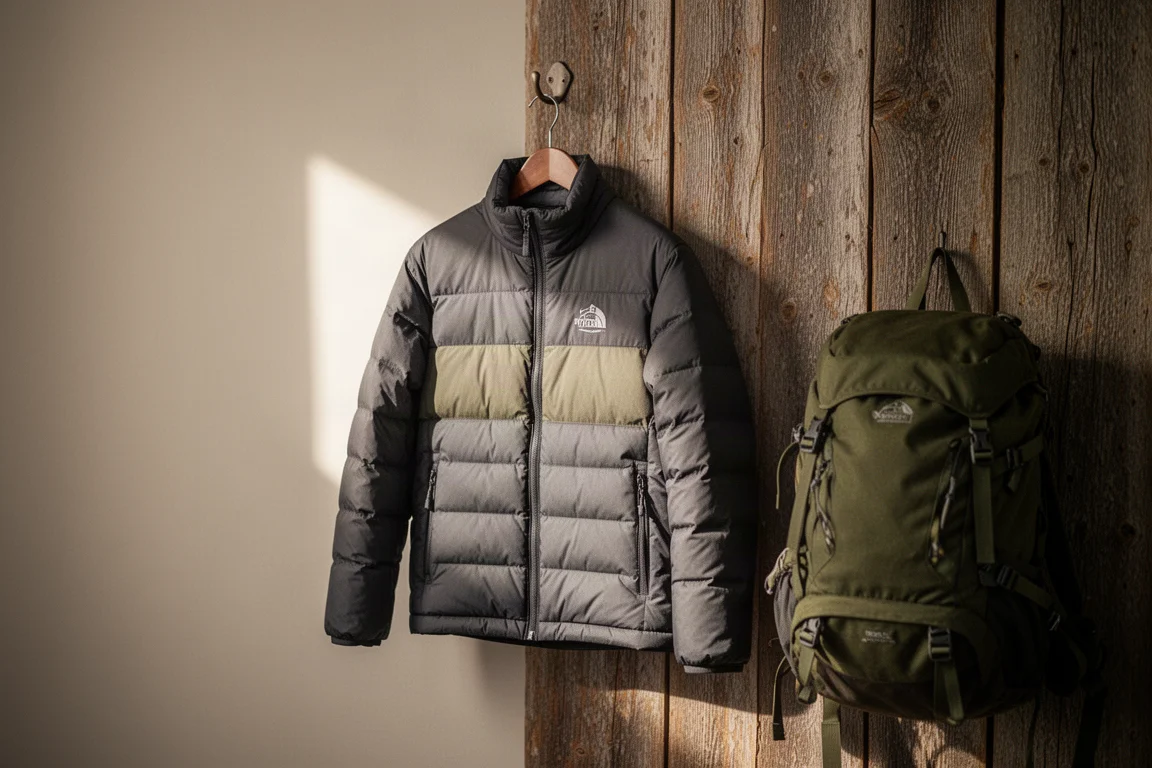
For hikers who are not sensitive to down and who can manage the care routine, the Plasma 1000 is still the lightest option in this group.
Montbell Ultralight Therma Wrap Parka
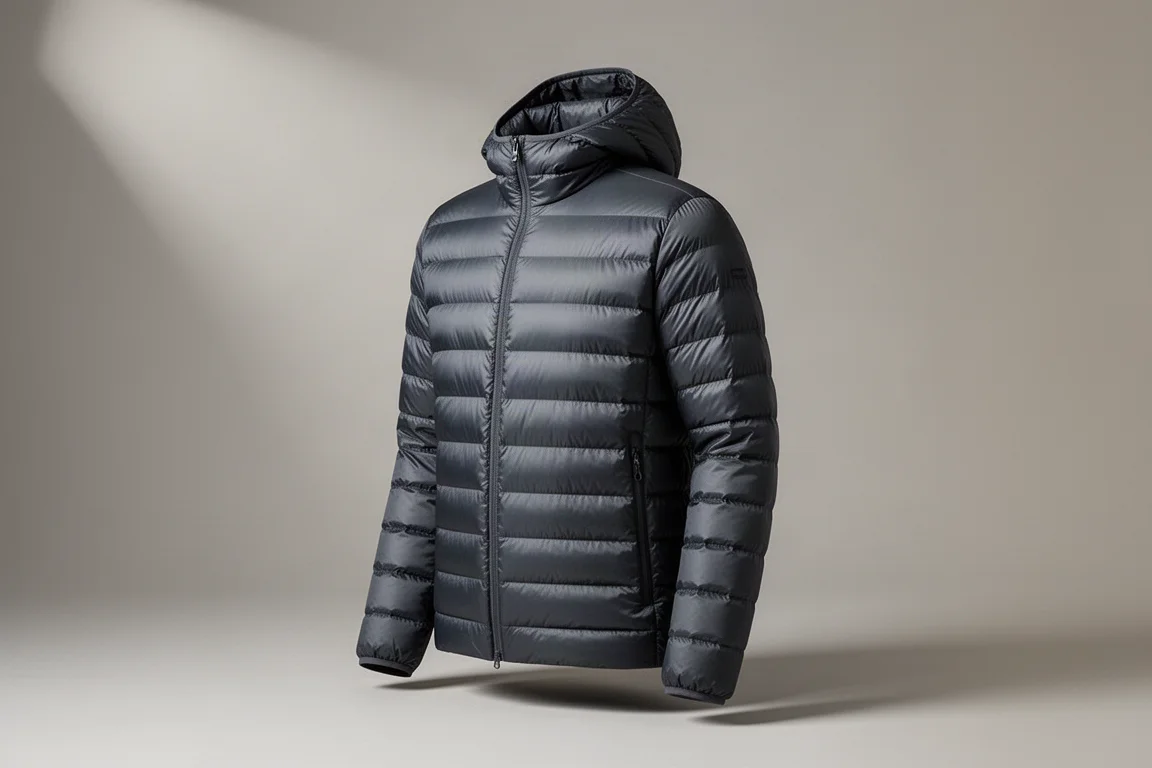
The Ultralight Therma Wrap Parka is the second synthetic option, and it makes the trade-offs visible in a useful way.
It weighs 8.4 oz, roughly three quarters of an ounce more than the Enlightened Equipment jacket, and it costs $209, about $34 more. Its shell uses a heavier denier nylon, and its fill works out to about 1.2 oz per square yard. On paper, that points to a slightly heavier jacket whose fill weight per square yard is lower than the 2 oz per square yard used in the Enlightened Equipment jacket.
Buying Advice: Matching Insulation to Your Trip
The decision comes down to what you are optimizing for.
If removing down is the priority, the Enigma Apex Custom quilt and the Women’s Torrid Custom jacket are the direct route. Both use Apex fill, both can be configured to your dimensions and colors, and together they cost $405 against $439 for the down parka alone.
If weight is the priority and down is not a concern, the Plasma 1000 is the lightest item here, at 7.9 oz in the women’s version and 8.4 oz in the men’s, and it is also the most expensive.
The Ultralight Therma Wrap Parka sits between them on price and weight, with a heavier denier shell fabric.
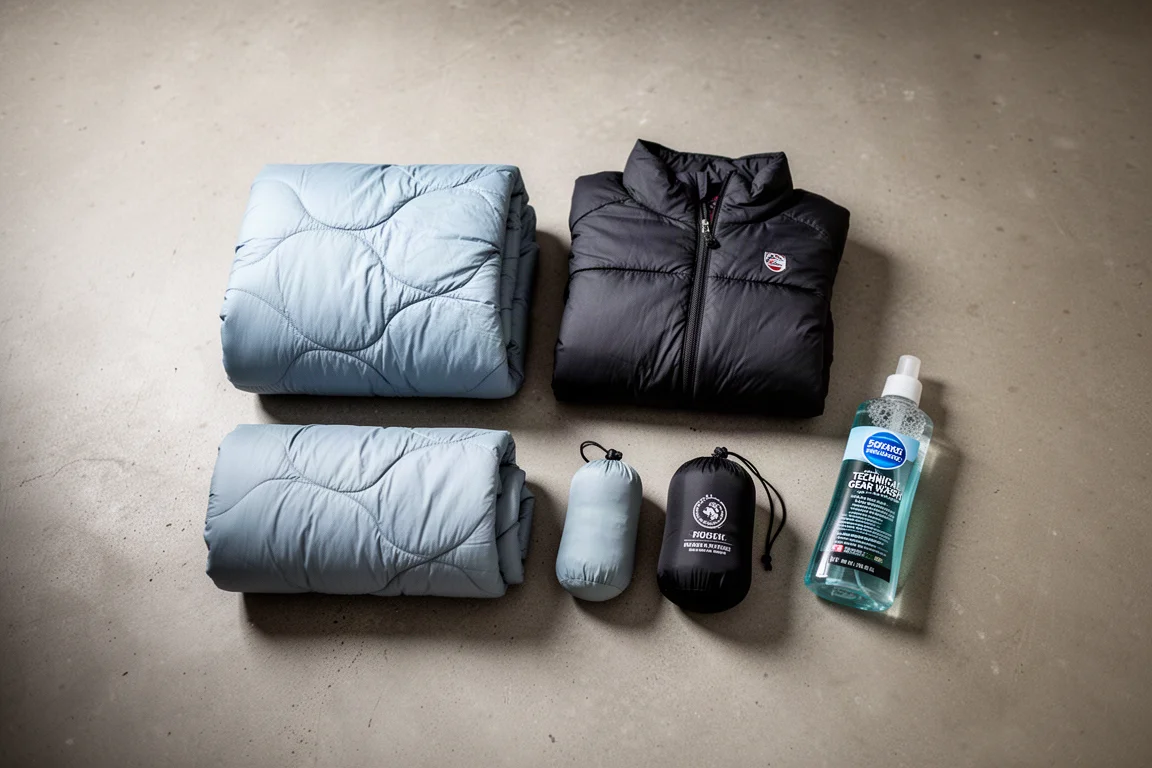
One practical step for anyone concerned about dust mites in down gear is to wash the insulation right before a trip. Down requires careful handling, and keeping that routine going on a long-distance hike is one of the real costs of staying with down.
Conclusion
Synthetic fill still costs weight. The 20°F Enigma Apex Custom quilt weighs 26.79 oz against 18.06 oz for a comparable 950 fill power down build. What it returns is a $140 saving and insulation that does not rely on feathers.
For a jacket, the Women’s Torrid Custom comes in at 7.75 oz and $175, well below the $439 Plasma 1000, while the Ultralight Therma Wrap Parka lands at 8.4 oz and $209 with a heavier denier shell.
If down works for you, there is no strong reason to change. If you would rather not sleep in it, the synthetic options above are the straightforward path.
Further reading
Related Reviews

Backpacking Gear
Building a 10 lb Base Weight: An Ultralight Backpacking Gear List
A practical walkthrough of the ultralight pieces behind a 10 lb base weight, from a 765 g pack and a roomy one-person tent to a full camp chair and a dependable water filter.

Backpacking Gear
A 15-Pound Lightweight Backpacking Gear List for Solo Trips
A beginner-friendly 15-pound backpacking setup built from easy-to-find gear, with notes on what each piece does, how it packs, and where to spend your attention.
Trail Running Gear
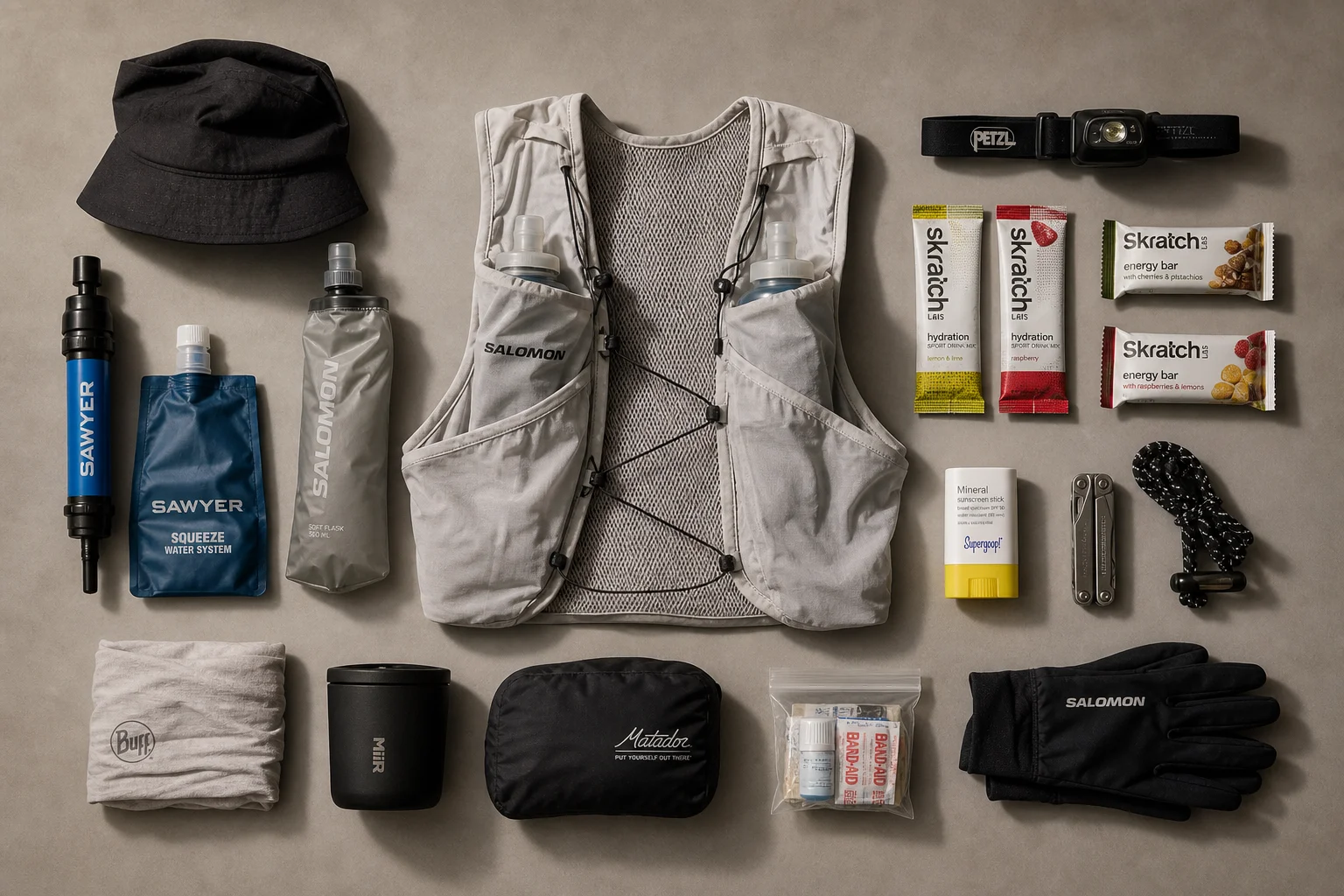
28-Mile Trail Run Pack Loadout: Ultralight Gear for High Alpine Self-Supported Running
A complete breakdown of gear, clothing, hydration, nutrition, and safety equipment for a 28-mile high alpine trail run with 7,800 feet of elevation gain.