Hi-Fi Amplifiers
Douk Audio X1 Review: A Tube-Fronted Speaker Amp With Phono and Bluetooth
The Douk Audio X1 packs Bluetooth, a moving magnet phono stage, switchable tubes and tone controls into an amplifier that sells for around $155. Here is what it does well and where it falls short.
Introduction
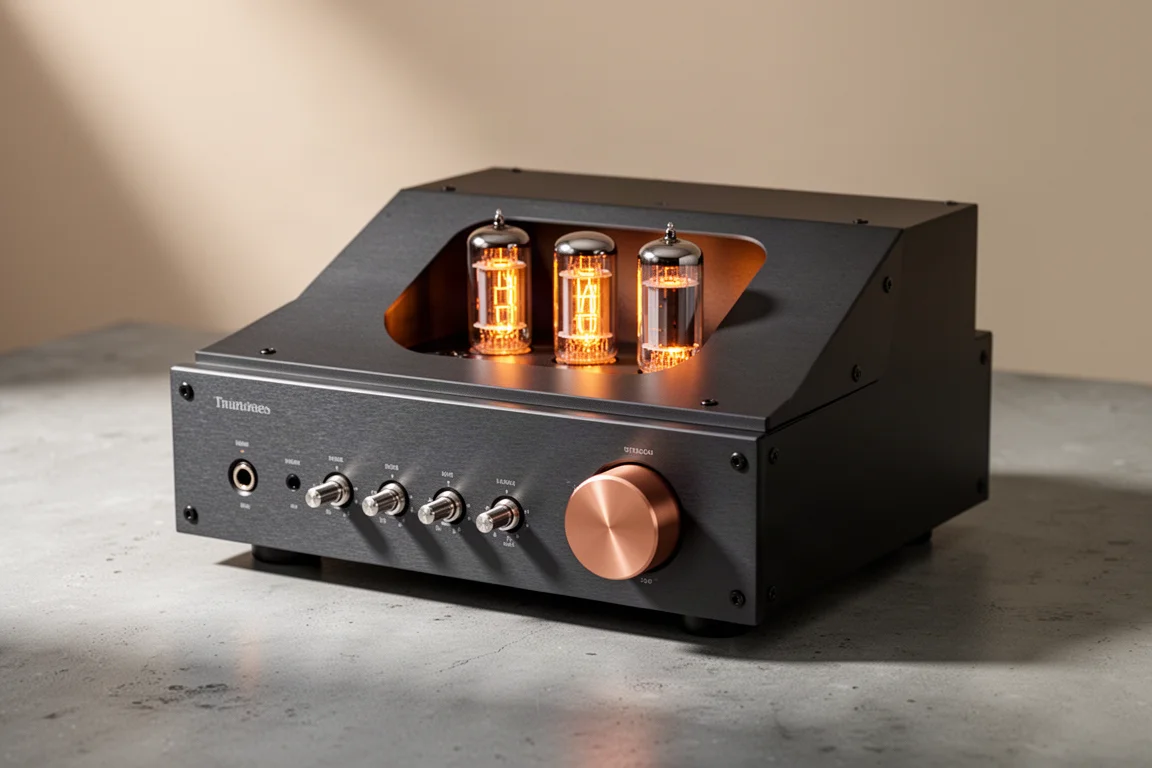
The Douk Audio X1 is an integrated speaker amplifier that typically sells for around $155. For that price it carries an unusual amount of hardware: a Class D power stage, a tube front end that can be switched in or out, a moving magnet phono stage, Bluetooth streaming, bass and treble controls, and a subwoofer output.
That combination makes it interesting for anyone assembling a simple two-channel system. It is not a flagship component and it does not pretend to be. It is a compact, metal-fronted box that covers the essentials of a turntable and speakers setup in a single purchase.
Who the Douk Audio X1 Is For
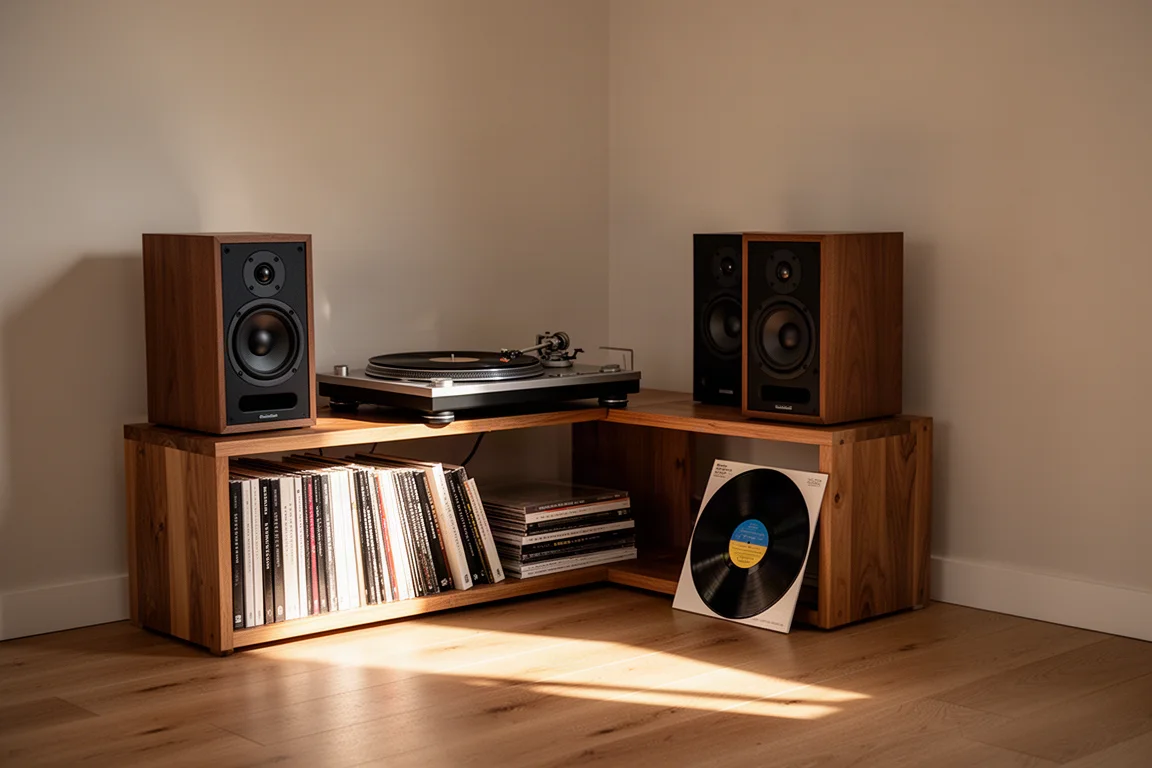
The X1 makes the most sense for listeners who are getting into hi-fi and already know they want a turntable, especially one that does not have a built-in phono stage. The moving magnet phono input lets the turntable connect directly, so no separate phono preamp is required.
It also suits a second room or a desk system where one small amplifier has to handle a few different sources. Bluetooth covers casual streaming, the line input accepts an external DAC or streamer, and the phono input handles vinyl.
The two tubes are a common type, which matters if you want to experiment later. Because they are widely available, swapping them is a realistic option rather than a novelty, and the front panel bypass switch lets you compare the tube stage against the solid state path in the same listening session.
Main Strengths
Build quality is the first surprise. The front panel carries a metal power button with an LED, a blue Bluetooth indicator that pulses while pairing and stays lit once connected, a toggle for input selection between Bluetooth, phono and RCA, a switch to bypass or engage the tubes, a switch to bypass or engage the tone controls, and a button that changes the ambient lighting around the tubes between blue and orange or turns it off.
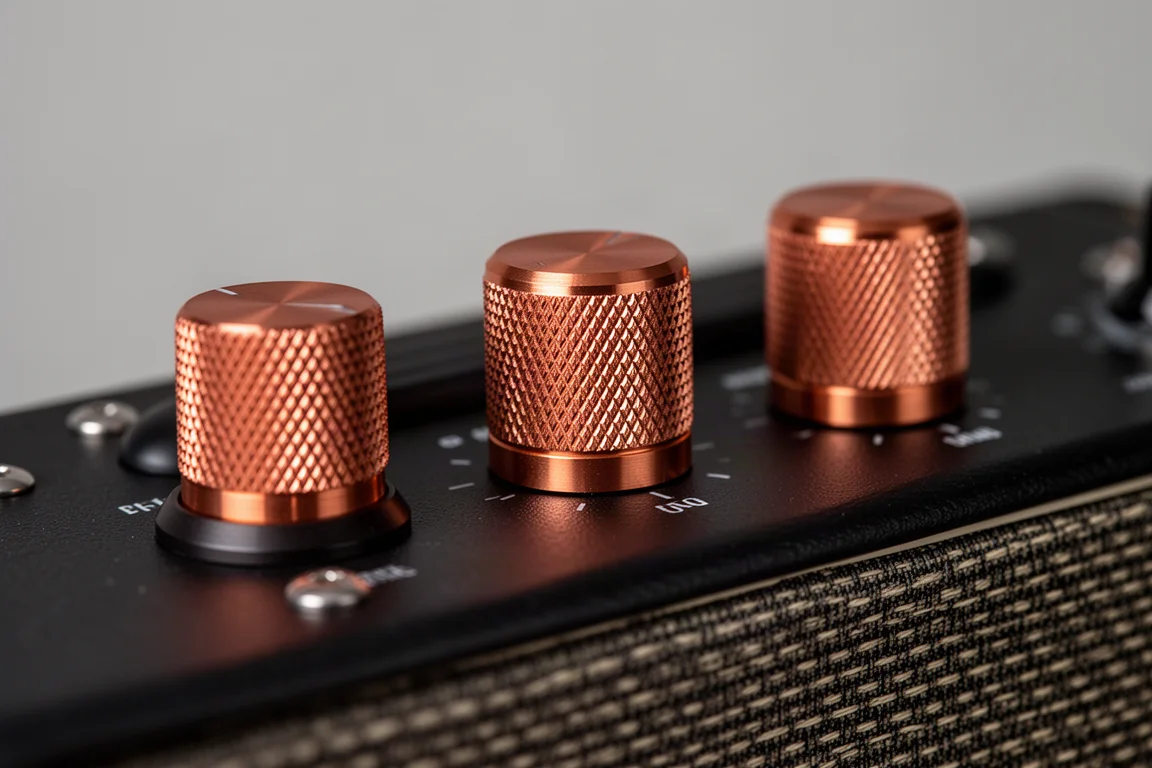
The bass, treble and volume knobs sit on top of the chassis. They are metal, finished in a copper-gold tone, and they have a firm, clicky feel. Nothing about them feels cheap, and the overall assembly is better than the price suggests.
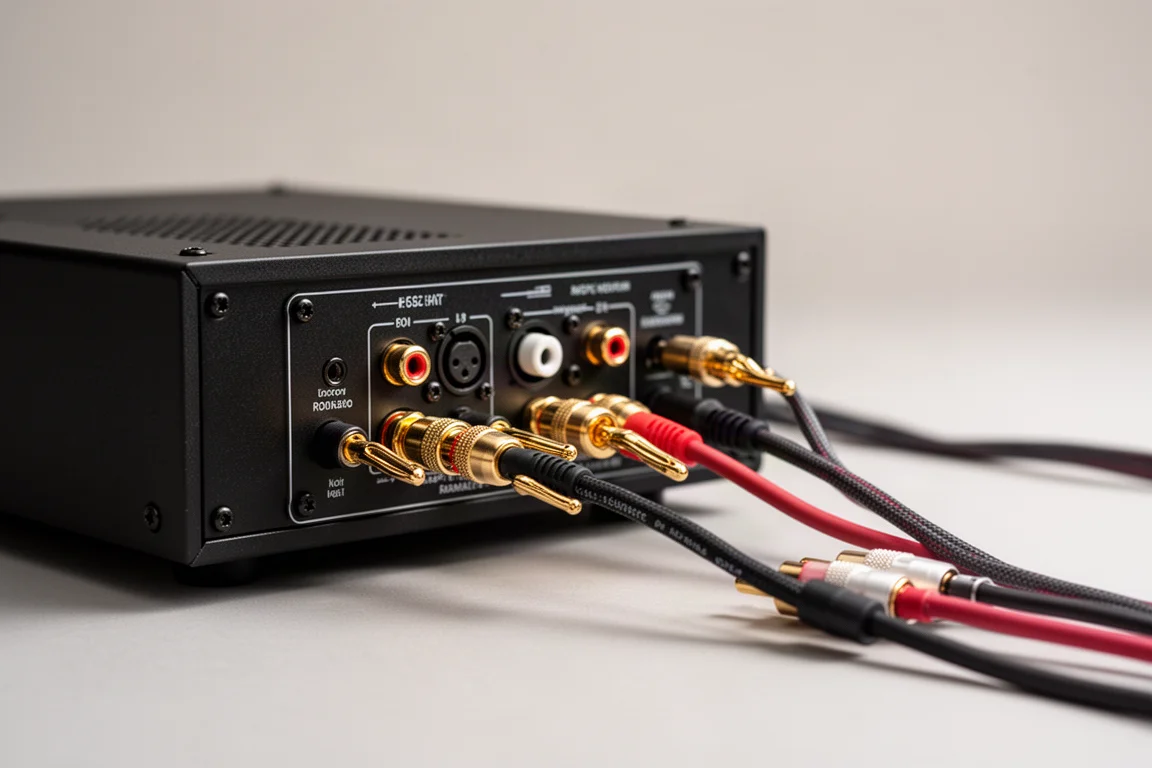
The rear panel is similarly complete for the money. There is a moving magnet phono stage with a ground terminal, phono and line RCA inputs, a Bluetooth antenna, a subwoofer output, and speaker binding posts that accept banana plugs. Power comes from an external supply, and the amplifier accepts anything from 19 volts to 35 volts. A 32 volt supply is included, and a 35 volt unit can be used instead if you want a little more headroom.
How the Douk Audio X1 Sounds
Across all three inputs the sound signature is fairly balanced. There is none of the harshness that can show up in budget Class D designs, and the tone controls are usable enough to dial in a preferred balance rather than simply adding or removing extremes.
The phono stage works well and sounds fine, though its output level is lower than what a line level source delivers. That is normal for a phono stage and simply means the volume knob sits a little further round for vinyl.
Engaging the tubes changes the character in an audible way. The top end rolls off slightly, the presentation becomes smoother, and the soundstage can open up a little. Bypassing the tubes gives a more direct sound. Which one you prefer will depend on the tubes fitted and on personal taste.
The main criticism is detail. Next to cleaner Class D amplifiers, the X1 sounds slightly veiled, and fine detail is a touch covered. It still sounds good, and the gap is not obvious until you compare directly, but it is there.
Things to Consider Before Buying
There is no DAC inside, and no digital input other than Bluetooth. If you want to listen to digital music from a computer or a streamer over a wired connection, you will need to add an external DAC, and that changes the total cost of the system.
Power is worth reading carefully. The headline rating is 160 watts per channel into 4 ohms, but that figure is quoted at 10 percent total harmonic distortion. At a cleaner 1 percent distortion the same chip is closer to 100 watts into 4 ohms, and an 8 ohm load will be lower again. That is still usable for most bookshelf speakers, but it is not a high power amplifier.
Two smaller points. The volume control is sensitive, so with a line level source the useful range sits in the first part of its travel. And the phono ground terminal is a push fit rather than a screw type, which works but is not ideal.
Buying Advice
At around $155 the X1 is easy to recommend on value if the feature set matches what you actually need. A turntable, a pair of speakers and a phone are enough to get a complete system running, and the tube bypass switch gives you something to experiment with later.
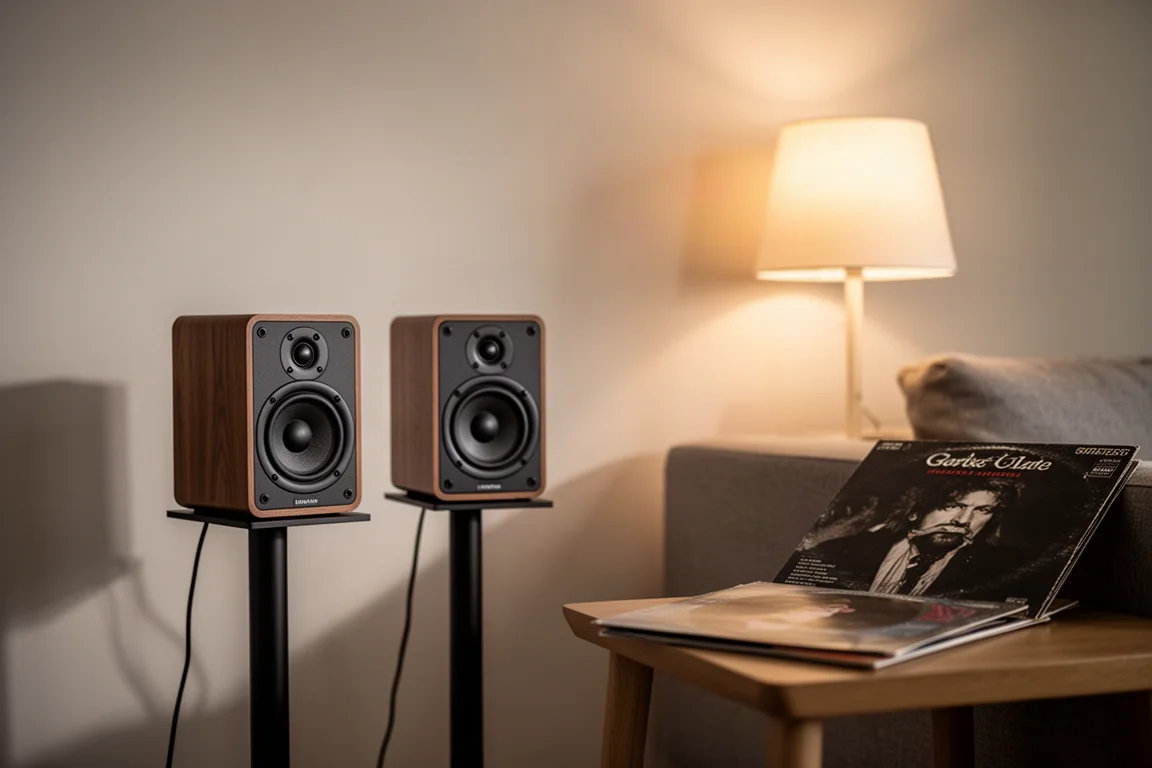
The catch is that the money goes toward features rather than outright sound quality. Buyers who already own a DAC and want the cleanest possible sound for the budget may find better options, and some competing integrated amplifiers include a built-in DAC and deliver more power. Availability on those alternatives can be limited, so it is worth checking before committing.
If you want vinyl playback with a phono stage, Bluetooth, tone controls and tubes in one small chassis, the X1 delivers that combination for very little money. If you need wired digital inputs or higher clean power, budget for an external DAC or look at a different amplifier.
Conclusion
The Douk Audio X1 is a better product than its price suggests. The build is solid, the controls are genuinely useful, the phono stage does its job, and the sound is balanced rather than harsh. It is a sensible entry point for a first turntable system or a second room setup.
Its limits are clear: no DAC, modest clean power, and a slightly veiled presentation compared with the cleanest budget Class D designs. If those limits do not affect your plans, the X1 is a straightforward, low risk way to build a simple vinyl and streaming system.
Product link
View more details for Douk Audio X1
This product is mentioned in the review. Check the specifications, options, and compatibility before buying.
View more details for Douk Audio X1Further reading
Related Reviews
Hi-Fi Amplifiers
Accuphase E-280 Review: Entry-Level Accuphase With Flagship Attention to Detail
A close look at the Accuphase E-280 integrated amplifier, covering its champagne build, AAVA volume control, sound quality, and the speakers and sources that suit it best.
Hi-Fi Amplifiers
Advance Paris A10 Classic vs Yamaha A-S301: Two Integrated Amplifiers Compared
A practical comparison of a $350 integrated amplifier and a $2,500 reference model, covering the differences that matter and the ones that do not.
Hi-Fi Amplifiers
Affordable Chinese Amplifiers Worth Buying: Five Budget Hi-Fi Amps Compared
A practical look at five affordable amplifiers, what each one does well, and the trade-offs to weigh before you buy.