Hi-Fi Preamplifiers
Doge 8 Tube Preamplifier Review: High-End Parts at a Sub-$2,000 Price
A dedicated tube preamplifier under $2,000 with Clarity Audio capacitors, a built-in MM and MC phono stage, and a warmer RCA tuning worth knowing about before you buy.
Introduction
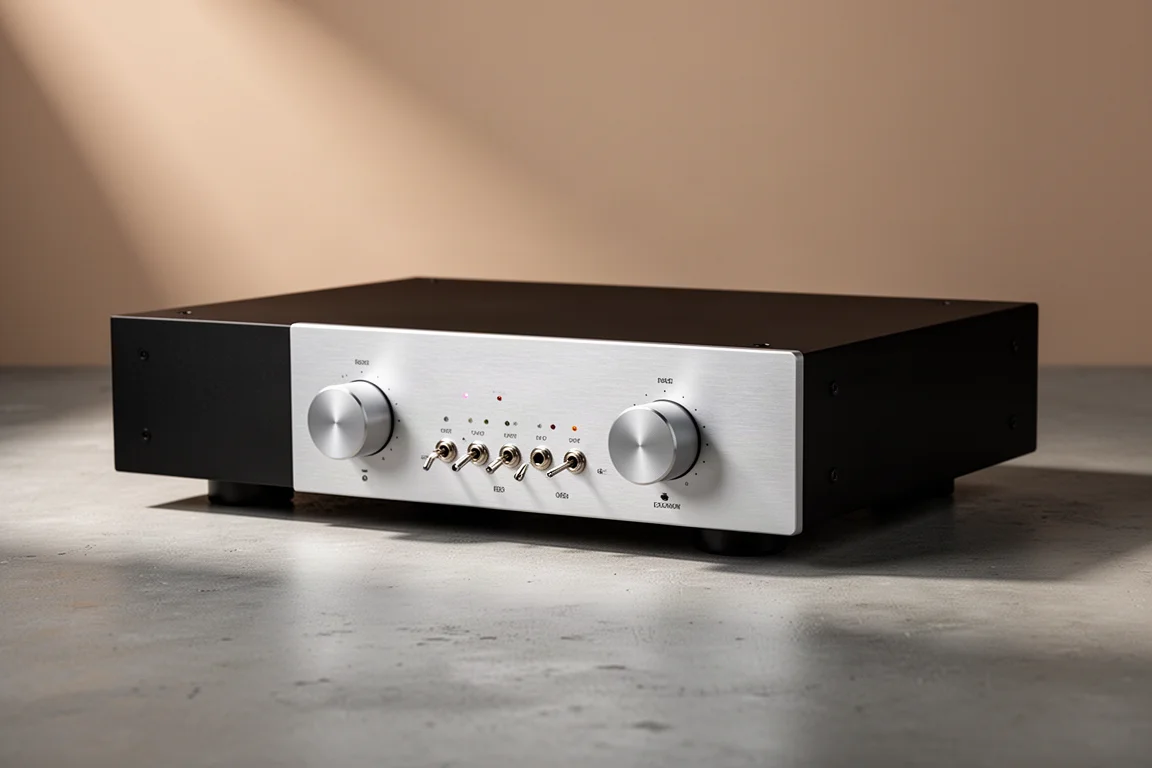
The Doge 8 is a dedicated tube preamplifier built in two versions, one with RCA connections and one with XLR connections. Both land under $2,000 before shipping, and the difference between them is only around $200 to $300. The more interesting story sits inside the chassis, where Wima and Clarity Audio capacitors and silver wiring are paired with a parts selection that has more in common with far more expensive equipment than the asking price suggests.
The same circuit family was previously offered under the Italian brand Lua at roughly $5,000 to $7,000. Doge now sells directly to buyers and has moved to higher-grade core components, which is a large part of why the Doge 8 reads as a genuine value proposition rather than a budget compromise.
Who This Product Is For
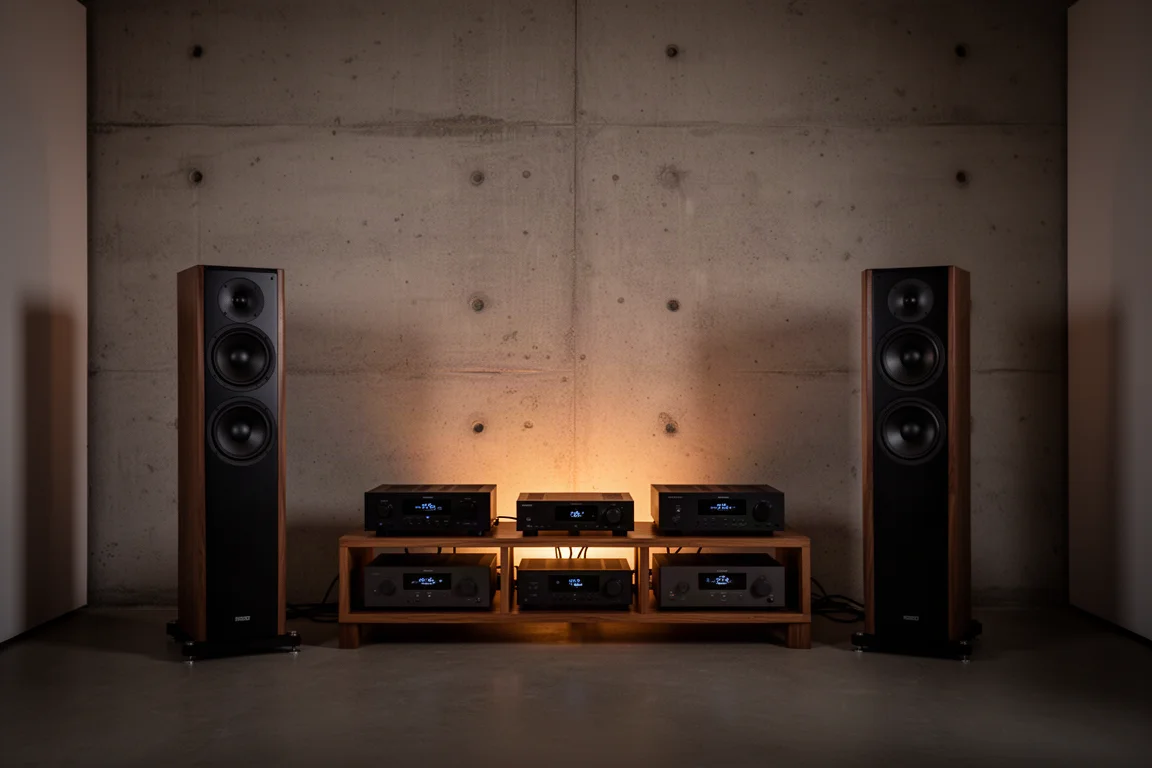
The Doge 8 is aimed at listeners who want tube character without giving up solid state control. Paired with a Class D, Class A, or Class AB power amplifier, it delivers the holographic staging and midrange sweetness that tubes are known for, while the power amplifier contributes bass grip, authority, and a quiet background. That combination is a strong match both in theory and in practice.
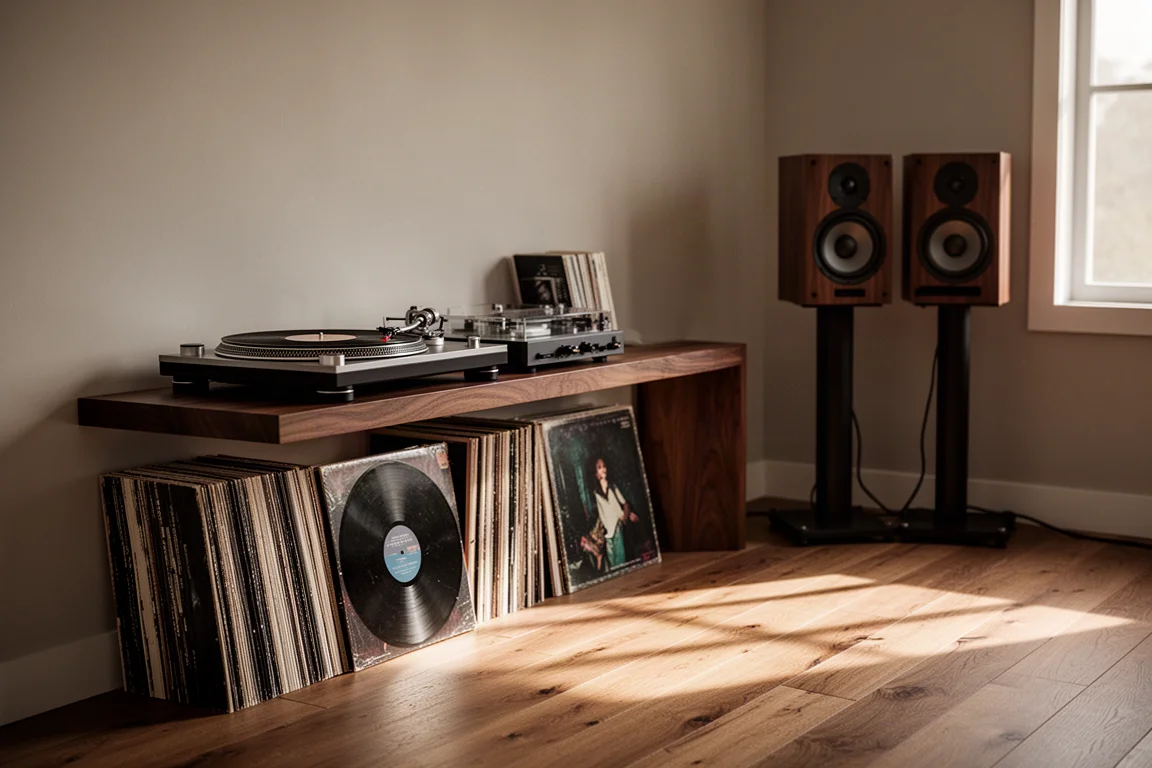
Turntable owners are a second natural audience. The Doge 8 includes a tube phono stage that handles both moving magnet and moving coil cartridges, and it stays quiet in use. A standalone tube moving coil phono stage is expensive on its own, so having one built in at this price is a meaningful part of the package.
Main Strengths
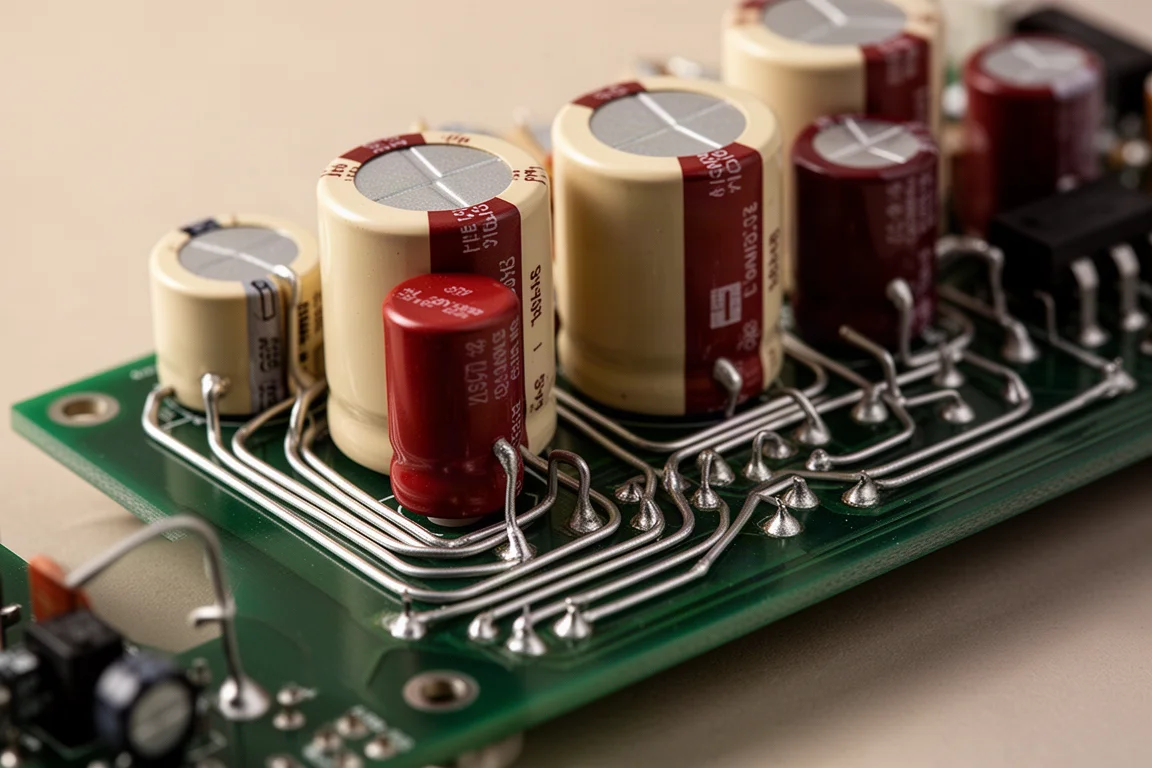
Parts quality comes first. The Clarity Audio capacitors inside the Doge 8 are the same grade used in a $10,000 loudspeaker, and the internal layout is tidy, with silver wiring throughout. That internal quality is often the first thing that draws attention to the unit.
Value follows closely behind. Buyers are effectively getting a component that once sold for several times the price under a different brand, now sold direct and built with better parts than that earlier version used.
The tube preamplifier plus solid state amplifier combination is another strength. A good tube preamplifier brings soundstage depth, a three-dimensional sense of space, and a touch of top-end sweetness, while a solid state amplifier adds the bass control and low noise floor that tubes alone often lack. The Doge 8 supports that approach well.
The built-in phono stage and the choice of tube configurations round out the strengths. Buyers can order the unit with no tubes at all or with a TAD tube fitted, which avoids paying for a stock tube that would be replaced immediately.
Things to Consider Before Buying
The exterior is plain. The chassis is a simple metal enclosure with no window onto the components, even though the internals are the most visually striking part of the design. An acrylic top panel would have made that visible.
Service access is limited. The unit uses four pillars and a large number of screws, and reaching the tubes for a swap means removing all of them. Compared with designs that open with two screws, that is impractical for anyone who likes to experiment with different tubes.
The XLR version is not a true balanced design. It converts to XLR rather than running a genuinely balanced circuit, which is why the price gap between versions is so small. Unless long balanced cable runs are needed for grounding reasons, the RCA version is the more sensible choice, and it also carries fewer tubes and fewer compromises on a compact board.
Packaging is another point to weigh. The unit ships in a wooden crate. The protection is excellent, but it is more than the category usually calls for and it likely adds to the cost.
How It Compares With Other Tube Preamplifiers
The ModWright LS 100 is warmer and more luscious than the Doge 8, but it gives up clarity, sweetness, and definition to get there. Its bass is loose and short on control, and it sells for around $5,000 Canadian.
The Schiit Freya+ costs around $1,000 and sounds more solid state than tube. It offers holographic staging but little of the rest of the tube character. Its bass is tighter than the ModWright, though less refined and less resolving than the Doge 8, and its treble has a sharper edge. The Doge 8 is clearly more detailed and more refined up top. The Freya+ does include passive preamplifier capability.
Sonic Frontiers Line 1, Line 2, and Line 3 models take an analytical approach. Listeners chasing a well-measuring reference sound are usually better served by a solid state preamplifier, since the point of a tube preamplifier is the tube character itself.
Audible Illusions Modulus 2B, 2D, and 3B units deliver a holographic presentation and are affordable on the used market, but they run their tubes hard, use an awkward volume control, and do not perform especially well in the bass.
Across these comparisons, the Doge 8 holds its ground. It is not automatically outclassed by more expensive tube preamplifiers, and in several cases its balance of clarity, sweetness, and bass control is the more appealing package.
Buying Advice
Choose the RCA version unless long balanced cable runs are a genuine requirement. The RCA version received upgraded components and a warmer overall tuning, and it made a clearly stronger impression than the XLR version, which leaned slightly bright.
Tube choice matters just as much. The TAD tube offered as an option is decent and keeps micro detail, air, and nuance, but it sits right on the edge of brightness. The Brimar new old stock tube removes that edge entirely, trading brightness for a warm, luscious, sweet presentation that still keeps the detail. For listeners who value that balance, the Brimar is the tube to pair with this preamplifier.
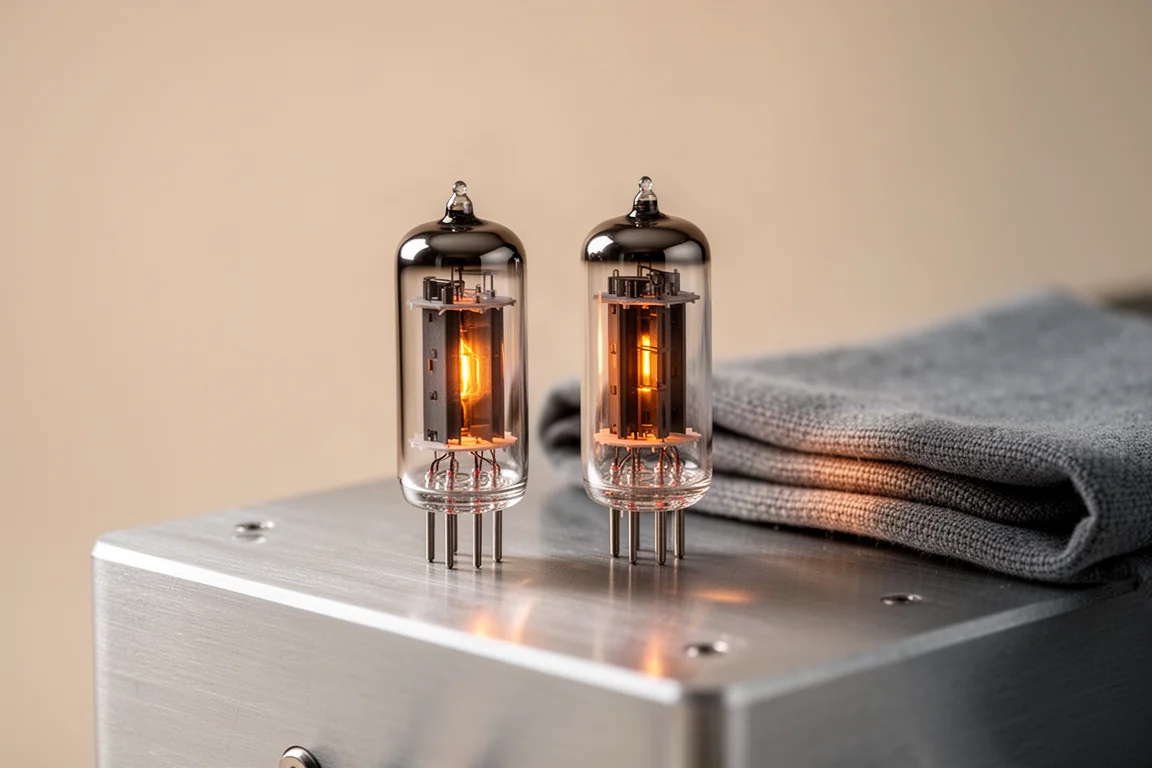
On sound, the tuned RCA version delivers a large, holographic soundstage, a sweet midrange, and refined highs that keep their sparkle rather than being dulled by the warmer voicing. Bass is good and does not feel lacking, though it will not add weight the way a solid state preamplifier can. At under $5,000, this is one of the strongest tube preamplifiers in its price bracket.
Conclusion
The Doge 8 earns its place on parts quality, value, and a sound that pairs tube character with solid state discipline. The trade-offs are real: a plain exterior, awkward tube access, and an XLR version that is not truly balanced. Buyers who want the best version of this preamplifier should go with the RCA model and the Brimar tube, and they should expect it to compete well above its price.
Product link
View more details for Doge 8 Tube Preamplifier
This product is mentioned in the review. Check the specifications, options, and compatibility before buying.
View more details for Doge 8 Tube PreamplifierFurther reading
Related Reviews
Hi-Fi Preamplifiers
Advance Paris XP700 Review: A Purist Two-Channel Preamplifier
A close look at the Advance Paris XP700, a $1,999 balanced preamplifier with a flexible phono stage, a Burr Brown DAC, and a deep set of sound-shaping options.
Hi-Fi Preamplifiers
Amps and Sound Badlands Review: A Tube Preamplifier Built for Drive
A compact, hand-built tube preamplifier that adds weight, punch, and dynamic contrast to a system, with three inputs and no remote to weigh against it.
Hi-Fi Preamplifiers
Aric Audio Motherlode XL Review: Handcrafted Tube Sound With Real Definition
A handcrafted two-box tube preamplifier with premium parts, textured low bass, and vivid imaging, plus the trade-offs to weigh before buying.