Hi-Fi Audio
Doge 10 Mark III Review: Warm-Leaning Tube Sound With Real Caveats
A $2,100 tube integrated amplifier with exceptional bass authority, rich tone, and several practical risks worth understanding before you buy.
Introduction
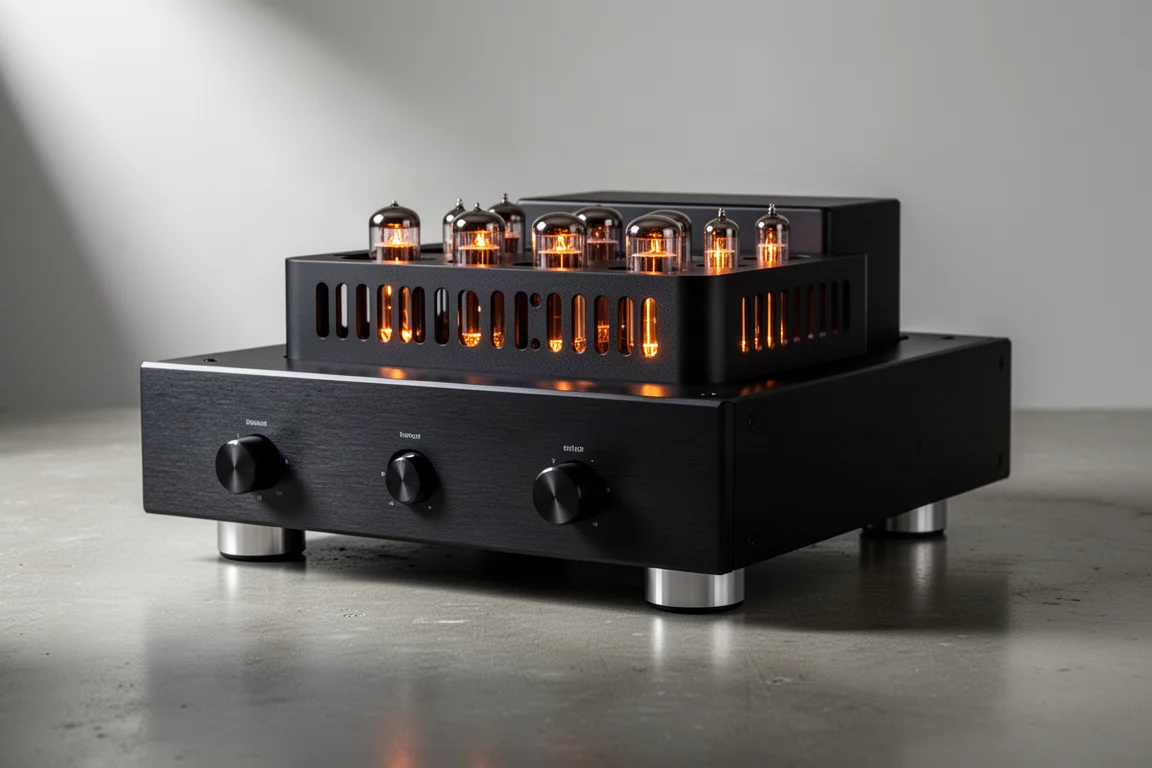
The Doge 10 Mark III is a tube integrated amplifier priced at around $2,100 USD. It runs KT88 output tubes inside an all-metal aluminium chassis, and it carries a feature list that is unusual at this price: auto-biasing, switchable class A and class A/B operation, a three-position negative feedback control, and a preamp input for use with an external preamplifier.
That combination is normally found further up the market. So is the bass.
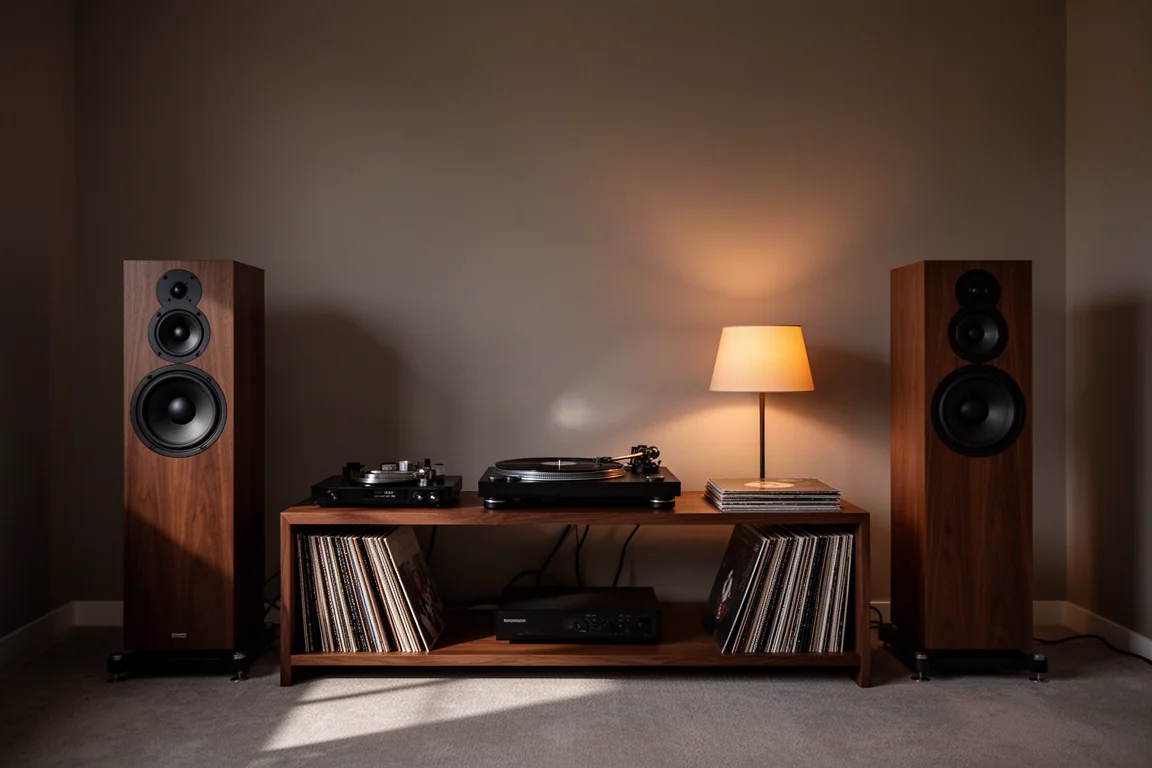
The complications sit around the sound rather than inside it. Tuning has not been consistent from unit to unit, the auto-bias circuit is fussier than its name suggests, and availability has been limited. Both sides matter here, so this review covers the strengths and the practical risks together.
Who this product is for
This amplifier makes sense for listeners who want tube character without giving up solid-state bass control. Tube designs often trade bass tightness for midrange warmth, and the Mark III does not make that trade. Its low end is tight, textured and full of nuance, with a grip that is rare for a tube amplifier and comparable to a good solid-state design.
It also suits listeners who prioritise tone over absolute resolution. Male and female vocals, guitars, strings and horns all arrive with a rich, slightly exaggerated ring that makes long listening sessions enjoyable and gives the presentation a holographic quality.
It is a less natural fit for anyone who needs a predictable, specific voicing. The tuning sits slightly on the bright side of neutral, with a mild lift at both ends of the spectrum and a midrange that is close to neutral for a tube design. Listeners who want a rolled-off vintage sound, or a completely smooth and liquid presentation, should look elsewhere.
It is also not the pick for anyone who places the largest possible soundstage above everything else. Staging is open and pleasant, and it improved noticeably after tuning work, but it does not reach the scale of high-end tube integrated amplifiers that cost considerably more.
Main strengths
Bass is the headline. Extension, authority and control all sit at a level tube amplifiers rarely reach, and the low end stays tight rather than loose or bloated. Even measured against a good solid-state amplifier, it holds its own.
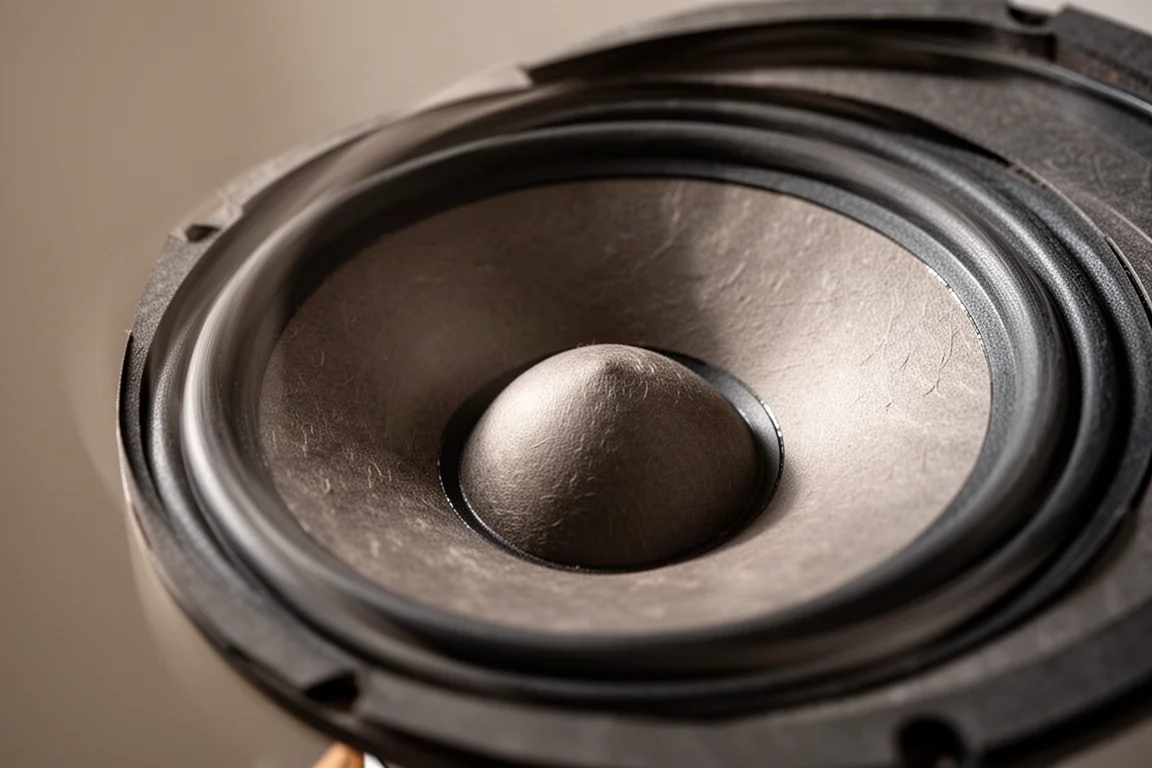
The midrange and treble are very good without being the best available at any price. The character is modern: smooth, but with just enough edge to keep you attentive. That edge also sharpens imaging, giving a solid centre image and more precise placement of instruments than many smoother sounding tube designs manage. The staging itself opened up noticeably once the tuning was adjusted, with instruments floating around the room the way a good tube amplifier should.
Tonally, the Mark III leans toward a mild V-curve, with a little extra weight at the bottom and a little extra energy at the top. In practice that reads as an accurate but slightly exaggerated presentation that is very pleasant to listen to.
Sound character in practice
A full-tube design with this much bass control puts many hybrid amplifiers in an awkward position. Hybrids exist to pair solid-state bass with tube midrange and treble, and the Mark III delivers both from a single tube circuit, along with the midrange warmth and holographic quality that hybrids often struggle to reproduce.
The negative feedback control offers low, medium and normal settings. The differences are modest. Low gives the purest high-frequency character, while medium or normal can reduce listening fatigue with brighter sounding speakers.
Design, tubes, and daily operation
The chassis is all metal, aluminium as far as we can tell, with vertical pillars that divide opinion visually but do nothing to hurt rigidity. Build quality is solid rather than luxurious.
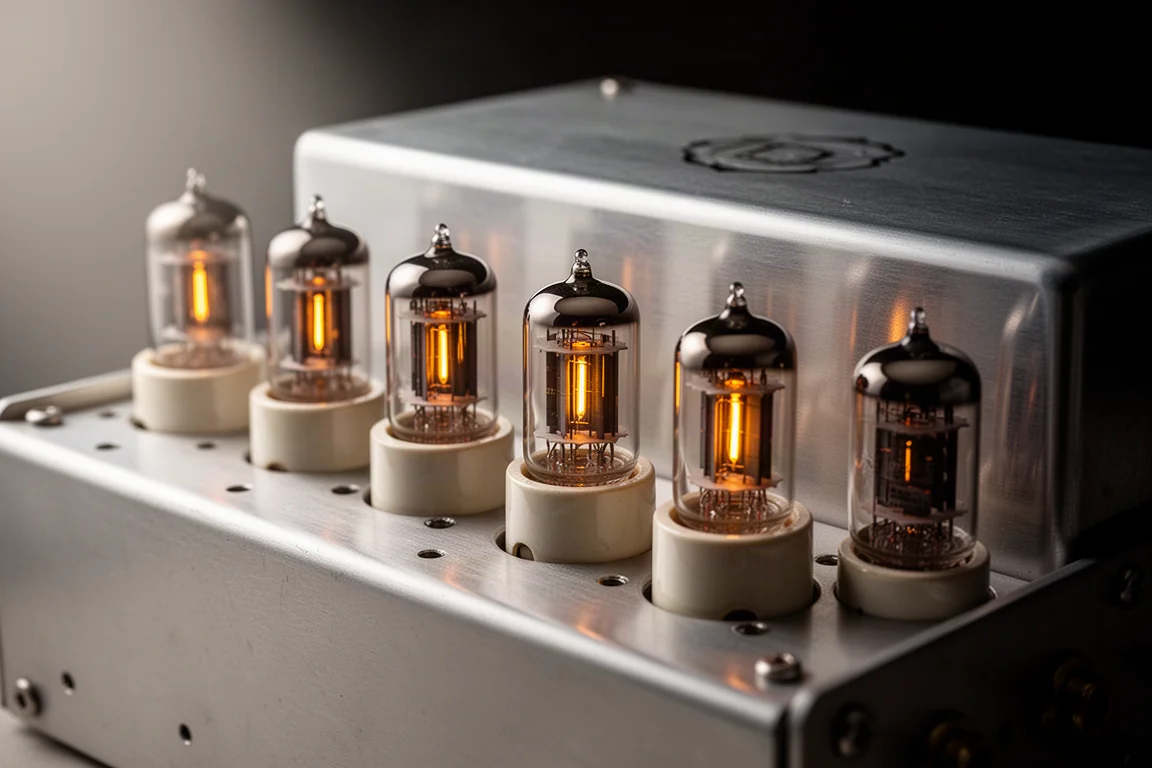
KT88 output tubes come as standard, and the amplifier accepts 6550 or KT120 alternatives. KT88 remains the safest choice, because the other two types caused biasing problems in testing, and mis-biasing can damage the unit.
Auto-biasing is present, which is a feature normally reserved for much more expensive designs. In practice it is fiddly. The amplifier blinks while the tubes warm up, then settles, and a bias check is carried out with the front-panel buttons, which turn blue once the circuit is correctly biased. In class A this can take a very long time, and switching to class A/B and running a bias reset speeds it up considerably. Even then, the circuit frequently readjusts and the process may need repeating.
Class A and class A/B are both available, and class A/B is the mode to use. Class A sounds brighter, loses bass weight and adds glare in the upper midrange. The preamp input allows the Mark III to run as a power amplifier with a separate preamplifier, but using it as an integrated amplifier is the better route.
Things to consider before buying
Tuning consistency is the biggest concern. The Mark III has been subject to silent changes during production, and there is no guarantee that the unit you receive matches the voicing described here. Earlier generations were brighter, and the differences between batches are large enough to change the character of the amplifier significantly. The unit used for this assessment arrived on the bright side and only became genuinely warm after internal parts were swapped.
Reliability is the second concern. The first unit supplied stopped working entirely and produced smoke, and it had to be repaired.
Customer support is the third. Response times and refund handling have been poor for a meaningful number of buyers, and the problems have persisted long enough to look structural rather than temporary.
Availability rounds out the list. The amplifier has been out of stock, and any timeline given for restocking has not been guaranteed.
Buying advice
At around $2,100 USD, the sound quality is a genuine achievement. If you can hear a unit before buying, or buy from a seller who accepts returns, that removes most of the risk in a single step. When the tuning suits your system, the bass authority, tone and imaging make this a compelling amplifier for the money.
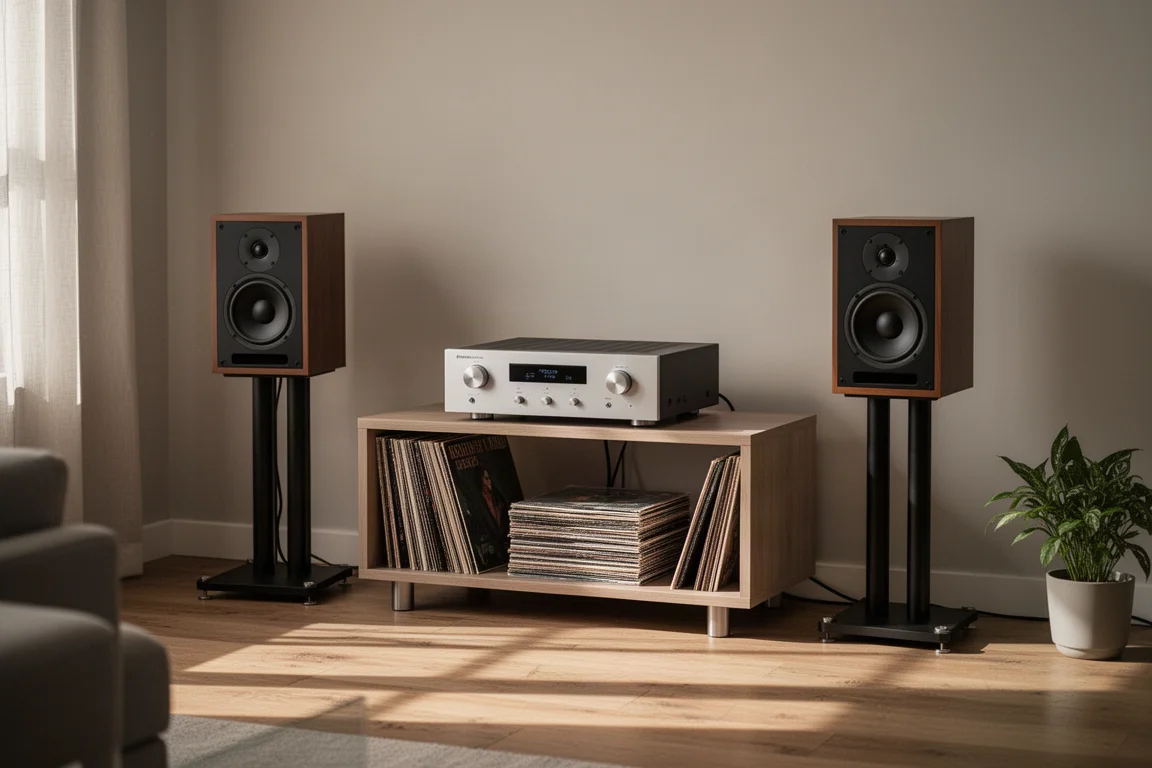
Two practical notes. First, plan on running it in class A/B with KT88 tubes. Second, if the voicing is not to your taste, a competent technician may be able to adjust it, and this is one of the few amplifiers at this price where that kind of work is worth considering. Buyers who need a predictable product with dependable after-sales support should weigh that carefully before committing.
Conclusion
The Doge 10 Mark III gets the fundamentals right: a warm-leaning modern voicing, exceptional bass grip, strong imaging and a solid metal chassis at a price where that combination is hard to find. It also carries real practical risks, from inconsistent tuning across production runs to finicky auto-biasing, limited availability and difficult customer support. Buy it for the sound, with your eyes open about everything around it.
Product link
View more details for Doge 10 Mark III
This product is mentioned in the review. Check the specifications, options, and compatibility before buying.
View more details for Doge 10 Mark IIIFurther reading
Related Reviews
Hi-Fi Audio
Accuphase C-57 vs Allnic H-7000V: Two High-End Phono Stages Compared
A fully balanced solid-state phono stage with a pitch-black noise floor meets a tube design built for well-loved records. Here is how to choose between them.
Hi-Fi Audio
Active vs Passive Hi-Fi: Five Components for a Modern System
Five components that define modern active and passive hi-fi systems, with the strengths, trade-offs and setup details worth weighing before you buy.
Hi-Fi Audio
Advance Paris A10 Apex Review: A Hybrid Integrated Amplifier That Covers a Lot of Ground
A French hybrid integrated amplifier with a class A tube preamp stage, analogue power meters, and an internal DAC and phono stage good enough to make extra boxes unnecessary.