Camping Tents
DoD Outdoors One Pole Tents Compared: Medium and Large After a Rain Test
A revised Medium and a much larger Large, both pitched through about an inch of overnight rain. What changed, what leaked, and which one suits your camp.
Introduction
The DoD Outdoors One Pole family has had an eventful few years. The Medium version was withdrawn from the market in the summer of 2023 after testing revealed a leak path at the door zipper, and it has now returned with a specific fix in place. The Large version stayed on sale throughout, with the brand stating that it never shared the same weakness.
Both tents are single-pole shelters that prioritize interior volume and a simple silhouette over a conventional multi-pole frame. This comparison covers what changed on the Medium, how the Large behaves at full scale, and what a night of steady rain revealed about each of them.
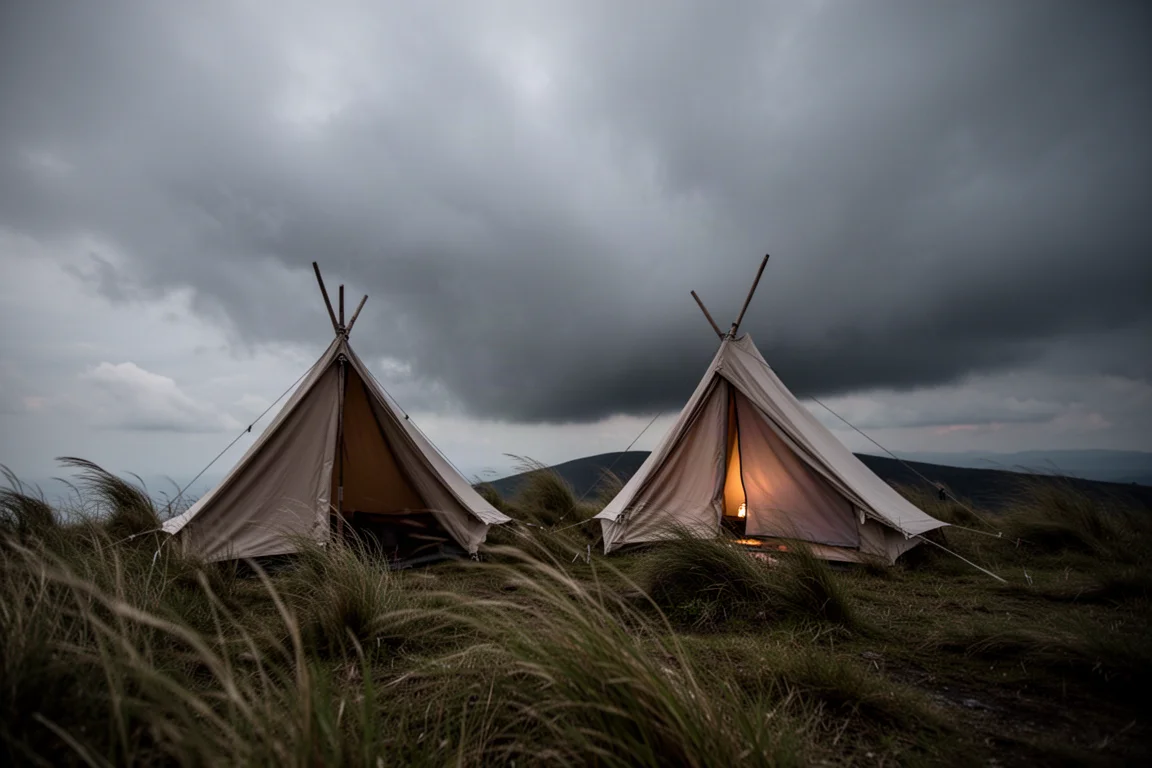
The short version: the revised Medium stayed dry, the Large showed a small amount of leaking along one seam, and the details that matter most before buying are the pitching requirements and the ventilation design rather than headline specs.
How These Tents Were Evaluated
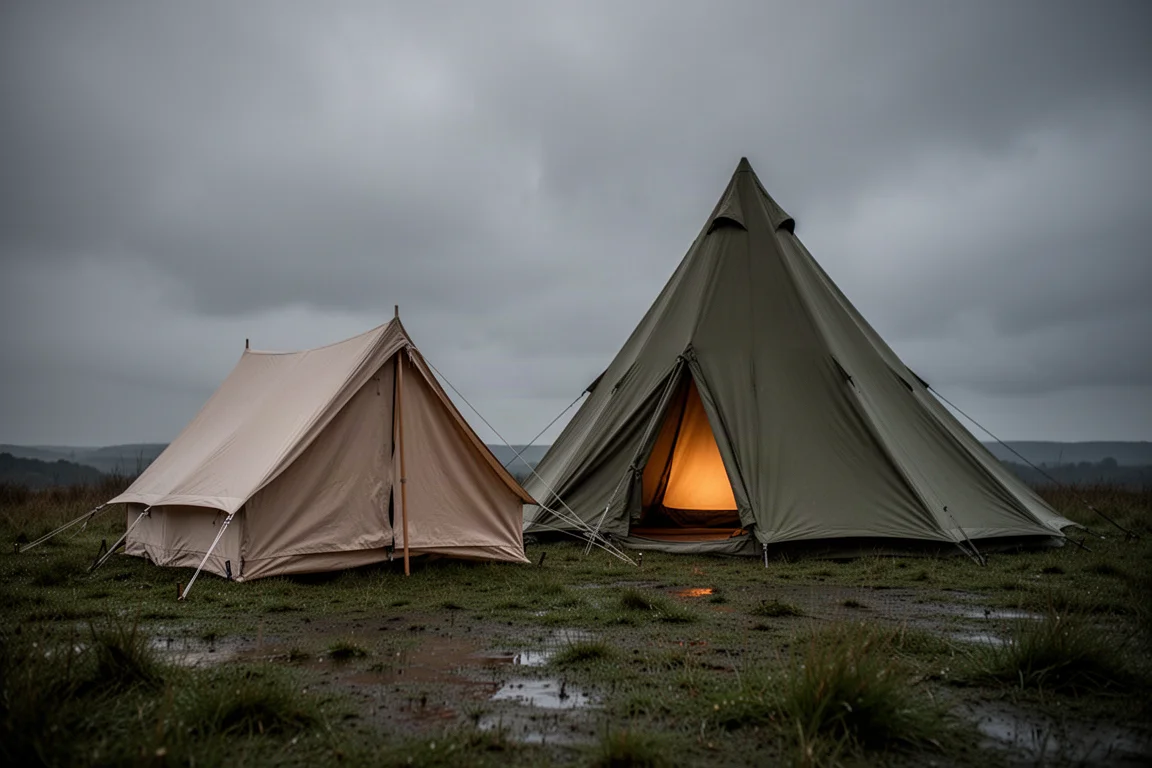
Both shelters were pitched outdoors and left standing through a rain event that delivered roughly an inch of precipitation, with thunderstorms reported in the surrounding area. The focus was on the failure points that matter in a real storm: the zipper stitching on the door, the fly seams above the sleeping area, and the floor inside the tent.
Provenance is worth stating plainly. The Medium unit arrived in used condition: the stakeout points on the fly had already been adjusted, the interior was dirty, the paper wrap around the center pole was missing, and no stakes were supplied with it. The Large arrived unopened and unused. That difference shapes how much weight the results can carry, particularly for the Medium.
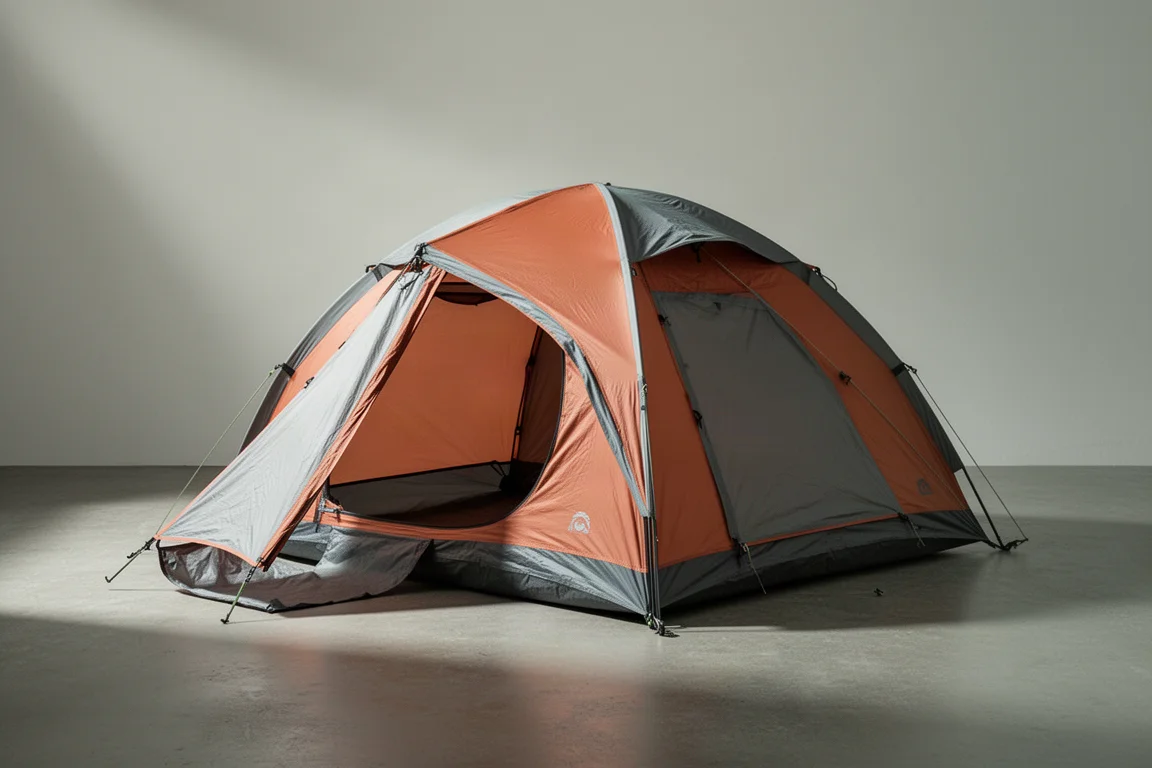
DoD Outdoors One Pole Medium Tent
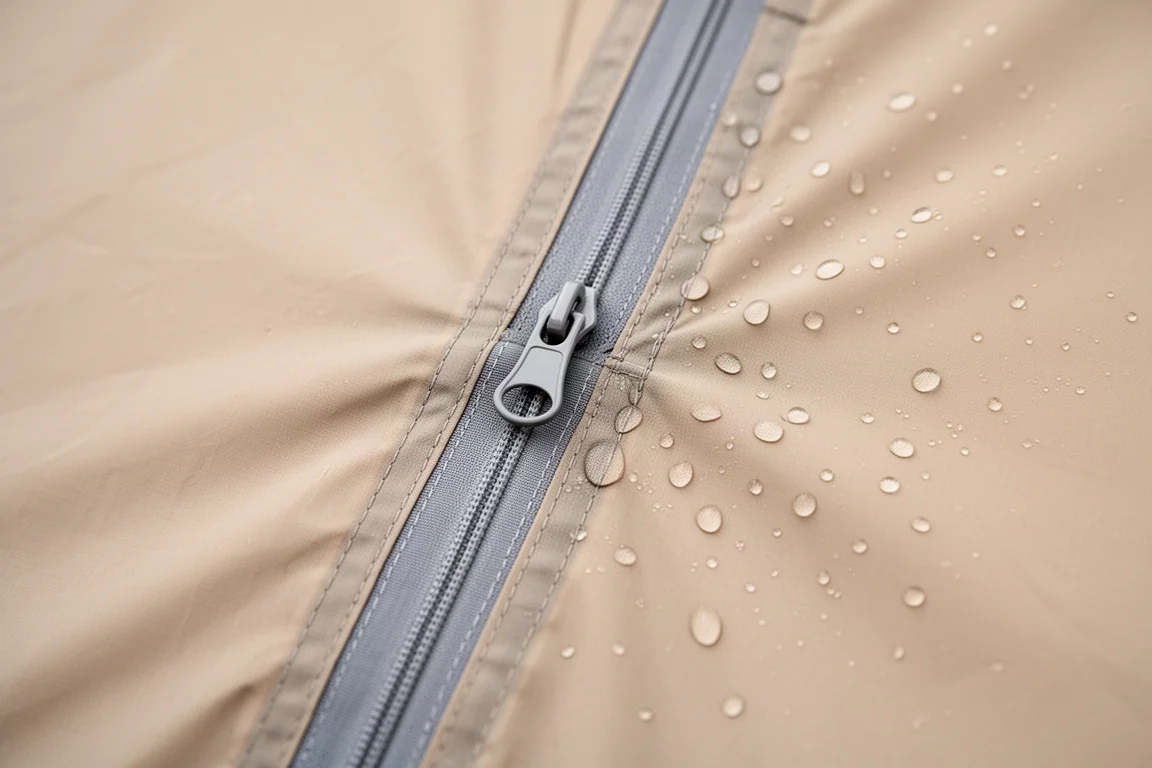
The Medium is the tent at the center of the story. Water was finding its way through unsealed stitching at the door zipper, soaking through the fly, and dripping into the interior. The leak only appeared after sustained rain, which is why it was not obvious in short showers. The brand initially disputed the finding, then ran further testing and confirmed it, and the tent was pulled from the market.
The revised version targets that exact path. The stitching for the zipper on the inside of the fly is now seam taped, which should stop water from reaching the interior through the door. In an overnight rain test with about an inch of rainfall, the Medium showed no signs of leaking.
There is an important caveat attached to that result. Because the unit tested had clearly been used before it arrived, the outcome is encouraging rather than conclusive. A factory-fresh Medium pitched in the same conditions is the test that would settle the question, and the design change itself is the more meaningful signal for anyone buying now.
DoD Outdoors One Pole Large Tent
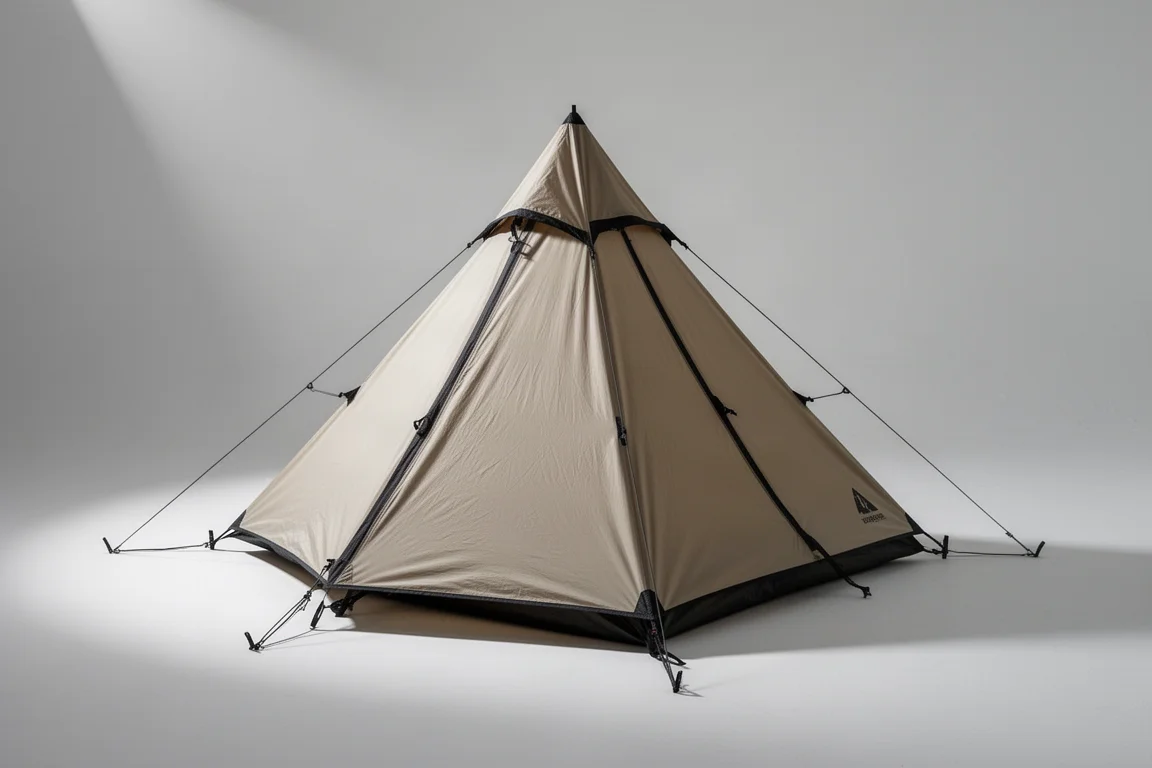
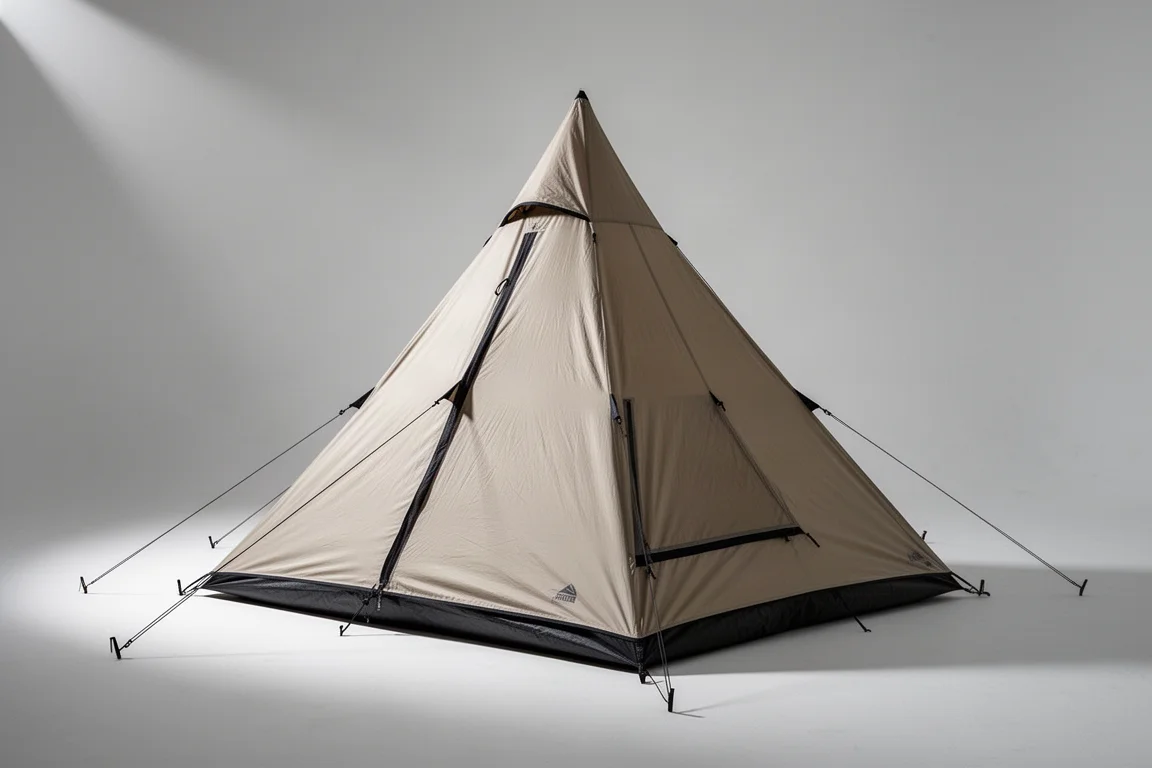
The Large takes the same single-pole idea and scales it up dramatically. It is a genuinely big shelter with a tall profile and a lot of usable interior space, and the scale is the first thing anyone notices once it is pitched.
DoD Outdoors states that the Large never had the zipper stitching problem that affected the Medium, and that it has carried seam tape along that stitching from the start. The trade-off for all that volume is exposure: the tent presents a large surface area to the weather, collects a lot of rain, and becomes loud in moderate rainfall, with a roaring sound that carries a fair distance.
Setup and Ventilation: What to Plan For
Pitching either One Pole tent takes more stakes than most campers expect, so it is worth arriving with a full set and a plan for where each one goes. Setup is not difficult, but it is not a two-minute job either, particularly on the larger model.
Ventilation is the more interesting design question. On the tall version, the vents sit high up near the top of the shelter, roughly ten feet off the ground, and they cannot be reached or adjusted while the fly is in place. Removing the fly to change them and then refitting it is not something most people would want to do mid-trip. In practice, that means deciding whether the vents should be open or closed before the tent goes up, and living with that decision.
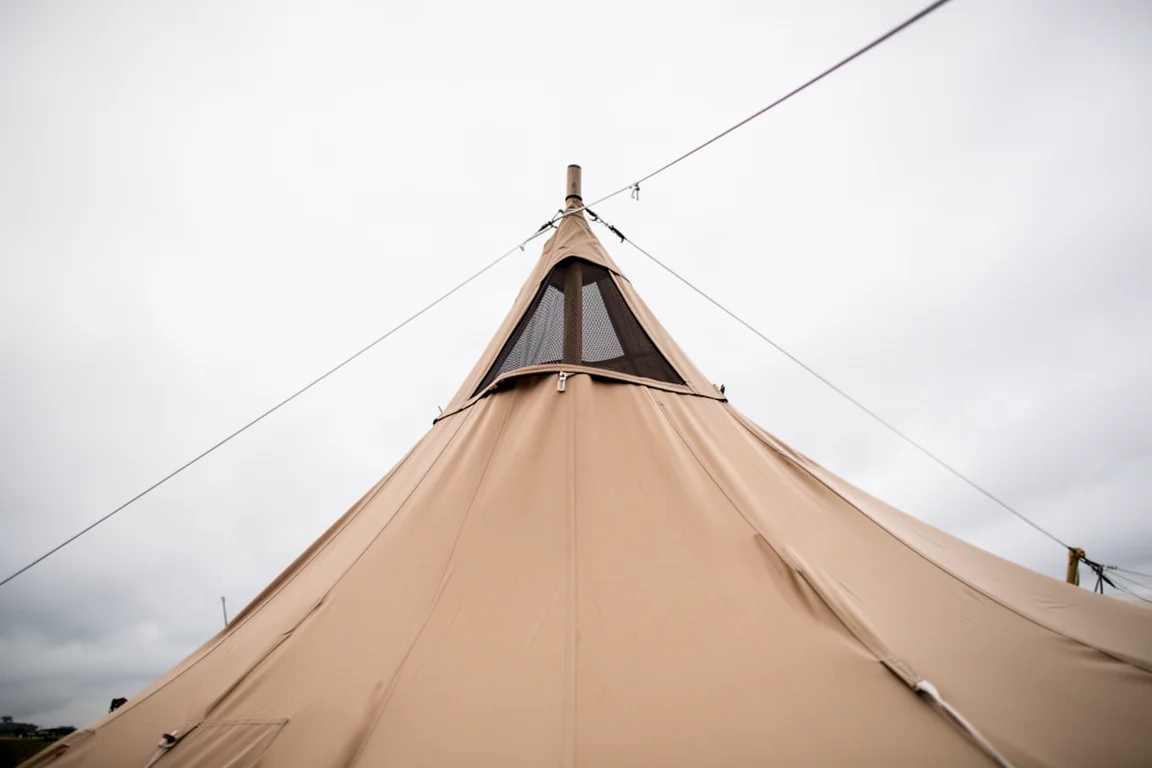
It is a small point that becomes a real one in changeable weather, when you might otherwise want to open a vent in the evening and close it before a storm arrives. Treat the vent setting as part of the pitch rather than something you adjust later.
What the Overnight Rain Test Showed
The rain arrived late and stayed for hours, with roughly an inch falling overnight and thunderstorms active nearby. The Medium came through with no visible leaking anywhere in the interior.
The Large did leak, though only slightly. Water ran down the fly along a seam and dripped onto the floor, leaving scattered drops rather than any pooling. The vent in that area was closed at the time, so this was not a case of an open vent letting water in. Drops on the floor without standing water point to a short-duration leak rather than a persistent one, and the pattern suggests a small imperfection in the seam tape at that point rather than a design flaw. That kind of manufacturing variance can turn up on any tent.
Buying Advice
Two tents, two different answers, and the right choice depends on what you need from a shelter.
If you want the design that has been corrected and verified through a specific fix, the Medium is the more reassuring pick. Its revised seam taping addresses the exact failure that took it off the market, and it performed well in the rain test, with the caveat that the tested unit had prior use.
If interior space and standing room matter more than anything else, the Large delivers on scale. Just go in knowing that it takes a serious stake count to pitch, that the high vents have to be set before the fly goes on, and that the volume which makes it comfortable also makes it loud in heavy rain. The minor seam leak observed in testing is worth watching, but the pattern pointed to a one-off rather than something built into the design.

For either tent, pack your own stakes, set the vents before you pitch, and give yourself time for setup. Those three habits cover most of the practical friction these shelters introduce.
Conclusion
The One Pole Medium returns with the fix it needed and stayed dry through a meaningful rain event. The One Pole Large remains the roomier option, with the caveats that come with its size. Match the tent to how you camp, prepare for the pitching demands, and either one can serve as a dependable single-pole shelter.
Further reading
Related Reviews
Camping Tents
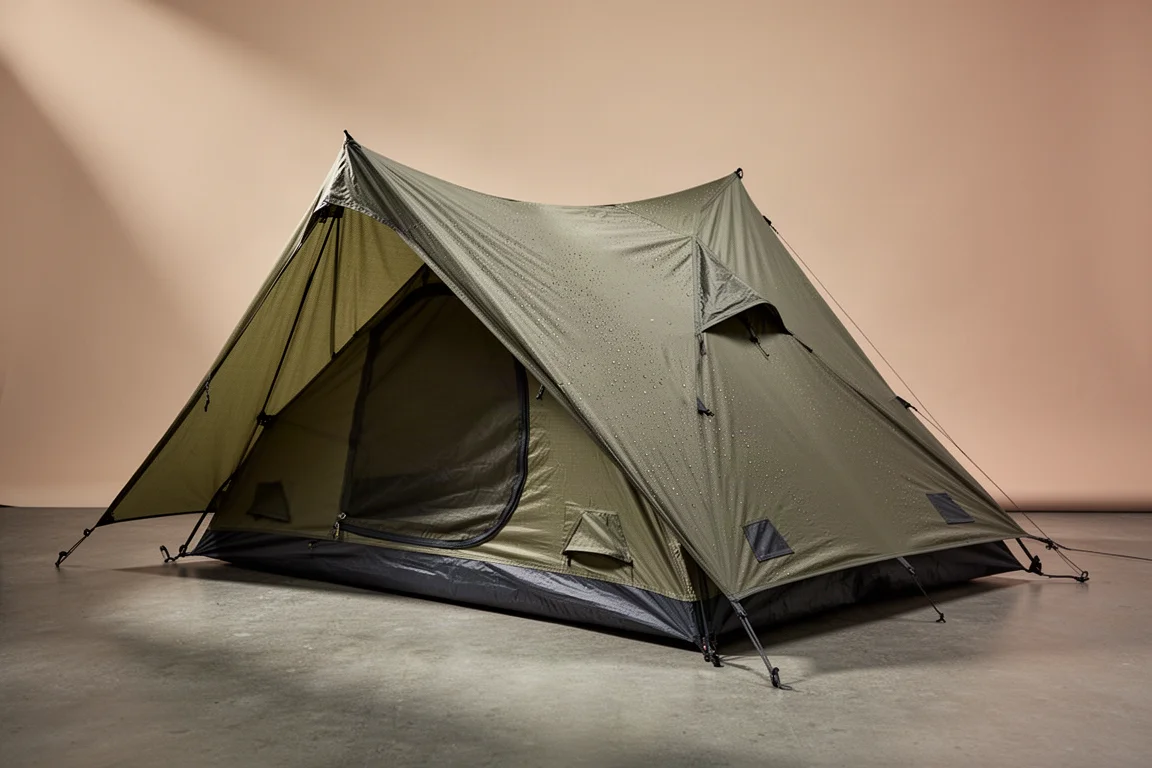
3F UL Gear Taiji Two-Person Tent Review: Field Waterproofing Results and Buying Advice
The Taiji pairs an attached fly with a removable inner, but sustained rain exposed untaped vent seams that need sealing before this shelter can be trusted.
Camping Tents
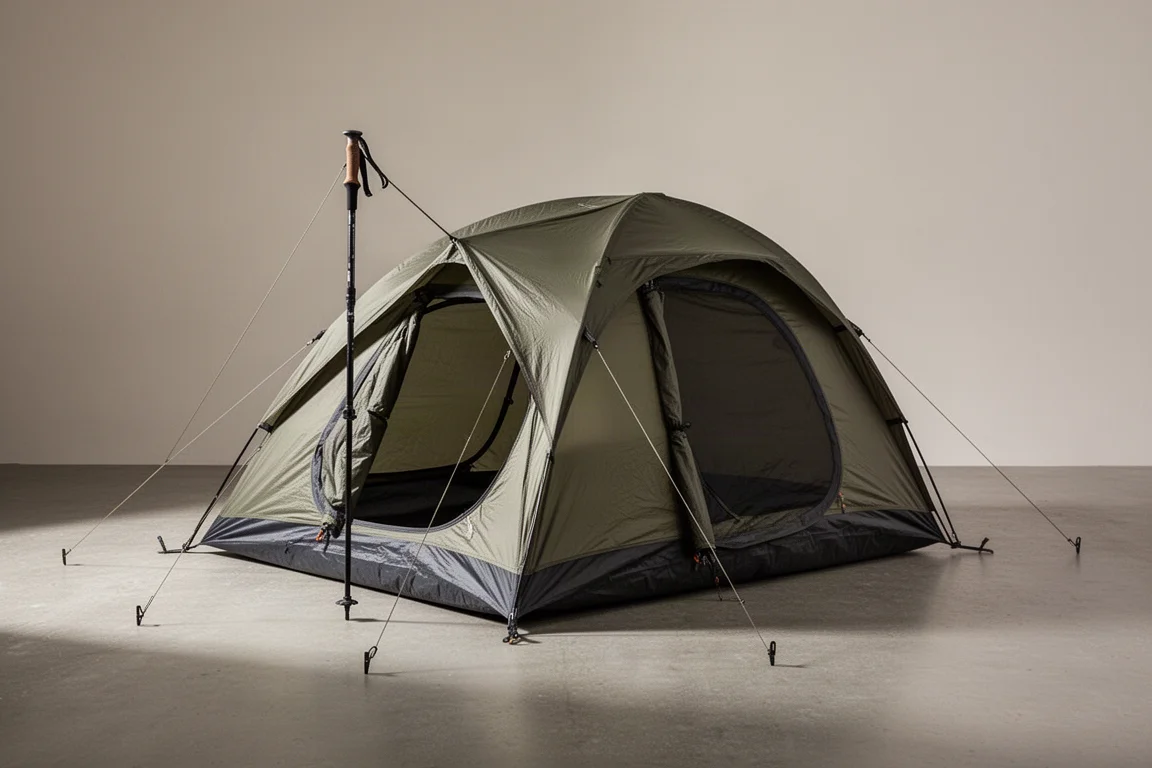
3FUL Gear Lanshan 2 Pro 4-Season Review: A Sub-$200 Single-Wall Trekking Pole Tent
An early look at the 3FUL Gear Lanshan 2 Pro 4-Season, covering its straightforward pitch, generous interior space, and the condensation and seam-sealing questions that come with any single-wall shelter.
Camping Tents
Alps Mountaineering Lynx 1-Person Tent Review: Big Value in a Small Budget Tent
A close look at the Alps Mountaineering Lynx 1-Person Tent, covering real interior dimensions, materials, setup time, ventilation limits, and who should buy it.