Camping Tents
DOD Outdoors One Pole Tent Review: A Roomy Teepee Shelter With a Waterproofing Caveat
A large single-pole teepee tent with a dark, spacious interior that let water in during an overnight rain test. Here is what that means before you buy.
Introduction
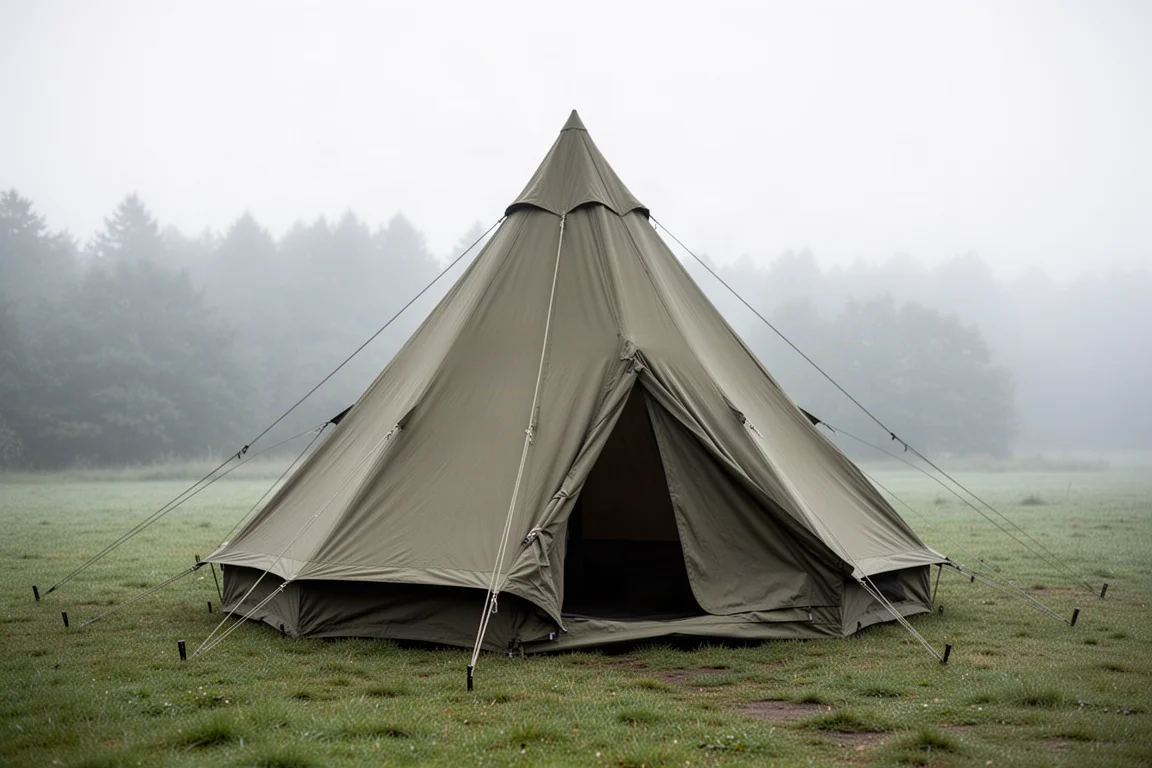
DOD Outdoors is a Japanese outdoor brand, and the One Pole Tent is its take on the classic teepee shelter: a single-pole design with a generous footprint and a black interior that gives the inside a darker, calmer feel. On paper the appeal is straightforward. There is a lot of room inside, the shape is simple, and the wider lineup from this brand has a strong track record.
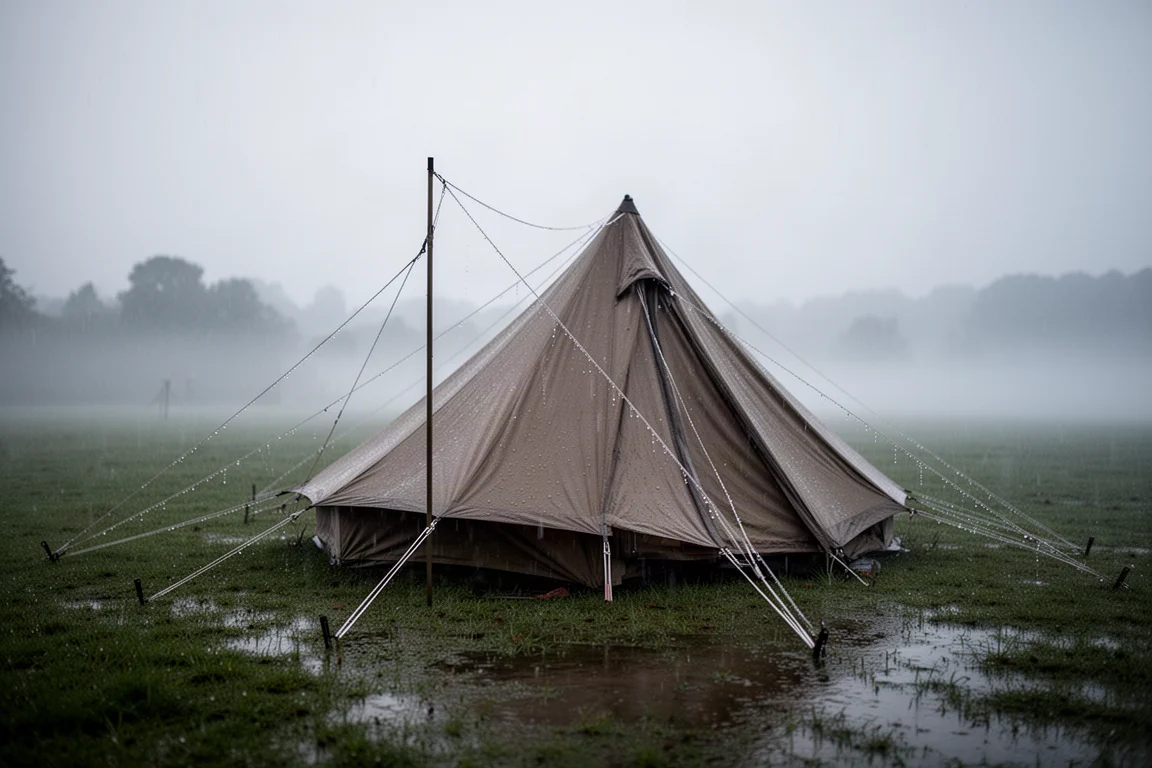
The open question is waterproofing. To find out, the tent was staked out and fully guyed before an overnight storm, with more than an inch of rain in the forecast and winds expected to build to roughly 20 to 30 miles per hour by morning.
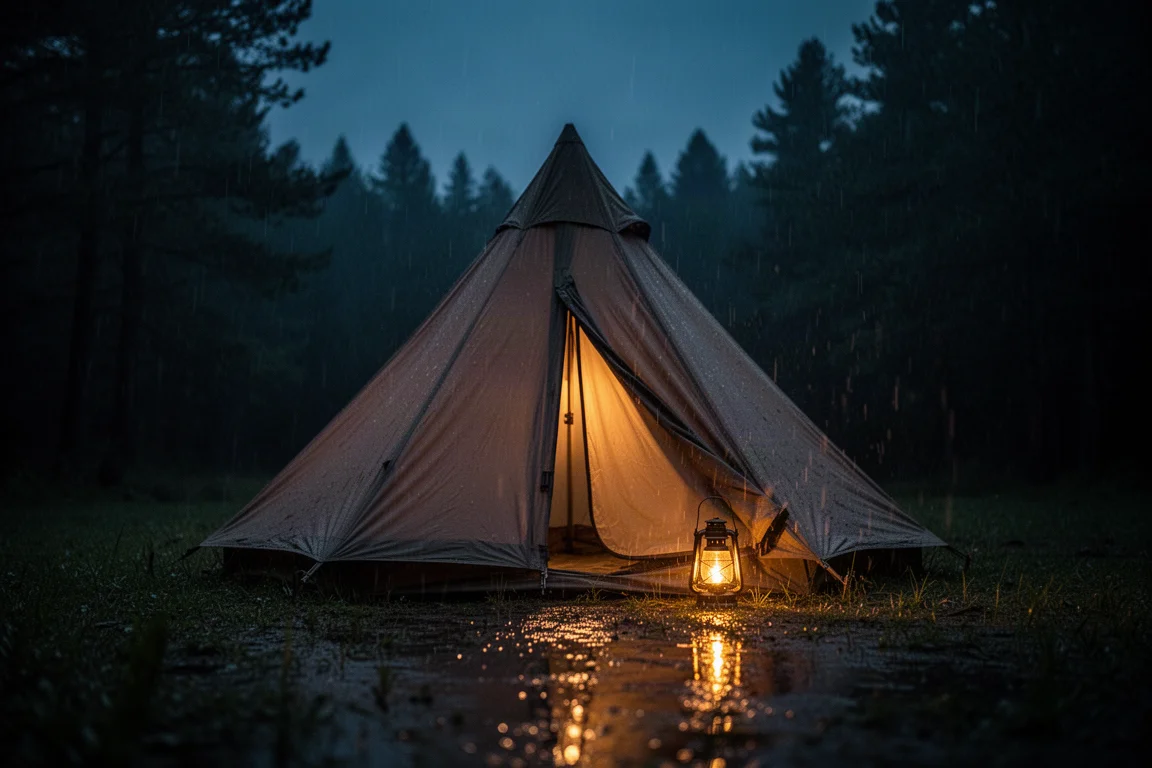
Rain started around 10 p.m. and continued for hours, sometimes steady, never quite torrential, which is exactly the kind of long soaking weather that exposes weak points in a shelter.
Who This Tent Is For
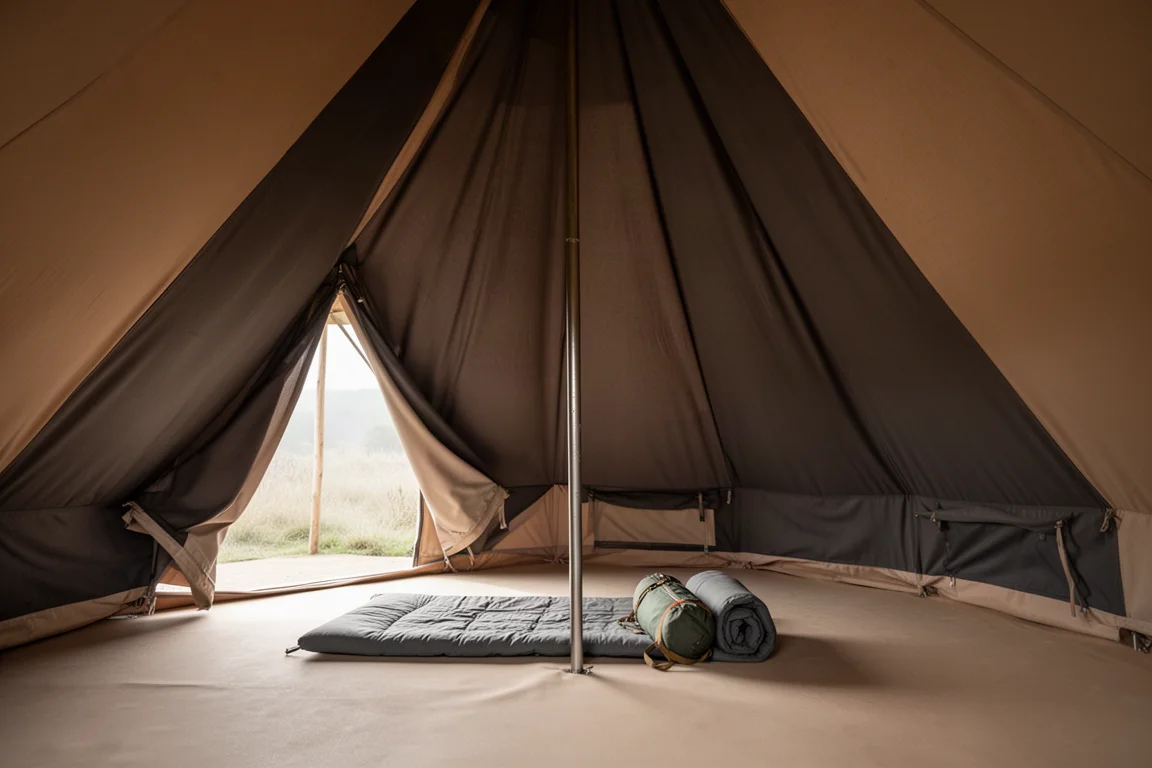
This tent makes the most sense for campers who put interior volume first. The teepee shape and the dark interior color create a spacious, cave-like living area, and the single-pole layout keeps the floor free of clutter. If you want a roomy shelter for fair-weather trips, short overnighters, or a basecamp where the tent is mostly a place to sleep, the size and the interior feel are genuinely appealing.
It is a harder sell for anyone who camps in prolonged rain, because waterproofing is the one area where this tent does not hold up.
Main Strengths
The headline strength is space. The One Pole Tent is large, and the teepee geometry turns that footprint into usable headroom and floor area rather than awkward corners. The black interior is a deliberate choice many campers will appreciate: it cuts glare, keeps the inside feeling sheltered, and makes the tent feel more enclosed than its size alone would suggest.
DOD Outdoors also has a reputation to lean on. The brand is Japanese, and other products from the lineup have performed well in the field, which is part of why expectations were high going into a wet-weather test.
That combination of size, interior comfort, and brand consistency is what makes the leak disappointing rather than disqualifying.
Waterproofing Performance in Testing
The tent was pitched, staked, and guyed out ahead of the weather, then left through the night. Rain began around 10 p.m. and poured steadily until roughly an hour before the morning inspection.
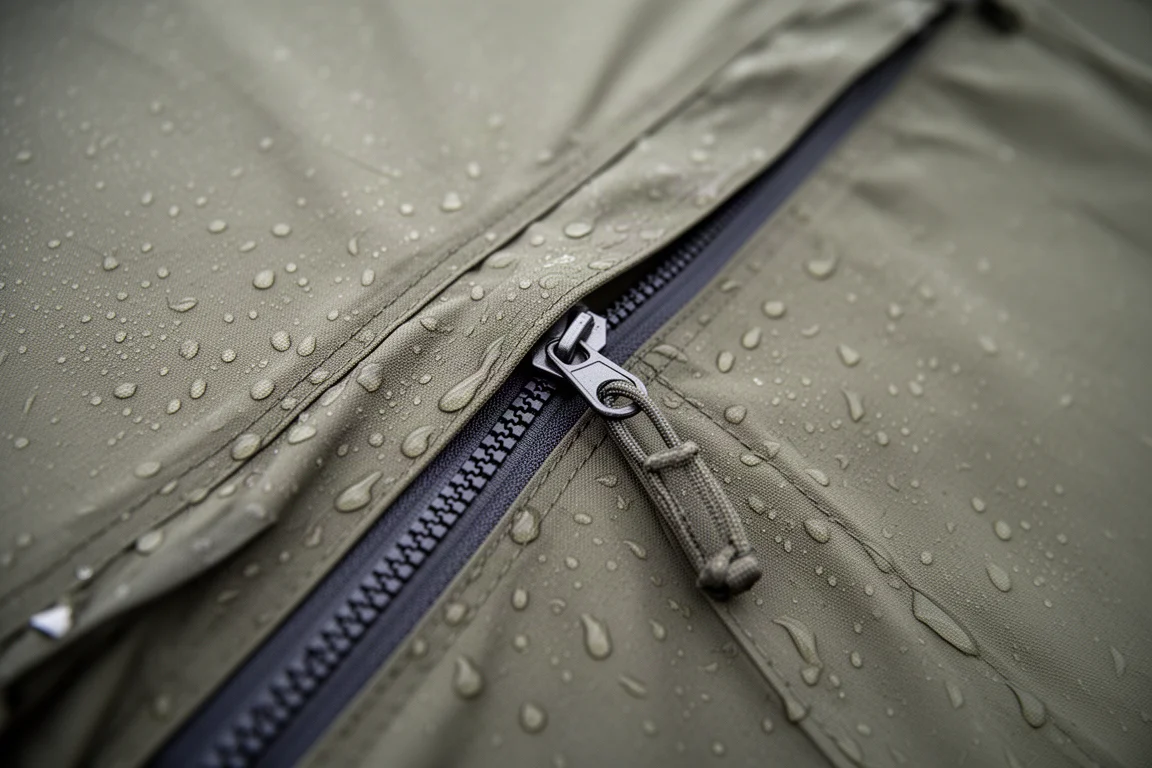
The result: the tent leaked. Water appeared at the door on the right-hand side, right where the zipper runs, and there was also water on the other side of the door in an area with no zipper at all. On the zippered side, water clearly made its way through the door closure despite the storm flap covering it. On the opposite side, no water droplets were visible on the inside face of the fabric, so the entry point could be a seam or a vent, but it could not be pinned down with certainty.
The leak was not dramatic, and the interior was not flooded. Even so, the tent failed the waterproof test, which is the single most important result for anyone who camps in the rain.
Things to Consider Before Buying
Two specific issues came out of the overnight test. First, the storm flap that covers the door zipper is not large enough to provide full protection, so water can work its way in through the zippered door. Second, there is a separate problem on the other side of the tent, where water entered through a point that could not be identified, possibly a seam, possibly a vent.
For buyers, the practical takeaway is simple. Treat this as a spacious fair-weather shelter and it will do its job well. Plan on multi-day rain and you should assume you may need to manage moisture inside.
Setup, Care, and Ownership Notes
Pitching is a one-pole affair, and the tent relies on its stakes and guy lines to stay put, which matters when wind is in the forecast. Tying out every guy line before the weather arrives is worth the extra few minutes, and it is the difference between a shelter that stays planted and one that flaps all night.
Because the leak points were not fully identified, anyone buying this tent for wet climates should pay close attention to the door closure and the vent area, and check both after the first rainy night out. Interior space, by contrast, needs no caveats: the black interior and the large footprint remain the tent’s clearest strengths.
Buying Advice
Buy the DOD Outdoors One Pole Tent if interior space, a dark and roomy living area, and a simple single-pole shape are what you are after, and if your trips are mostly dry or you only expect short showers. It is a comfortable shelter to spend time in.
If reliable performance through sustained rain is a hard requirement, this is not the tent to build a wet-weather kit around. The overnight test showed water entering at the zippered door and at a second, unidentified point, and the storm flap is not large enough to fully protect the door.
There is still a lot to like here. The tent is large, the interior is pleasant, and the brand’s wider lineup has been consistently impressive. The honest framing is that this is a roomy shelter with a real waterproofing limitation, and the right buyer is someone who can plan around that.
Conclusion
The DOD Outdoors One Pole Tent gets the comfort side of camping right. It is big, the black interior gives it a sheltered feel, and the single-pole design keeps things simple. It just does not keep out sustained rain. Water came through the zippered door despite the storm flap and appeared on the opposite side of the tent as well, so the waterproof test is a fail. Buy it for space and fair-weather comfort; look elsewhere if rain protection is the priority.
Product link
View more details for DOD Outdoors One Pole Tent
This product is mentioned in the review. Check the specifications, options, and compatibility before buying.
View more details for DOD Outdoors One Pole TentFurther reading
Related Reviews
Camping Tents
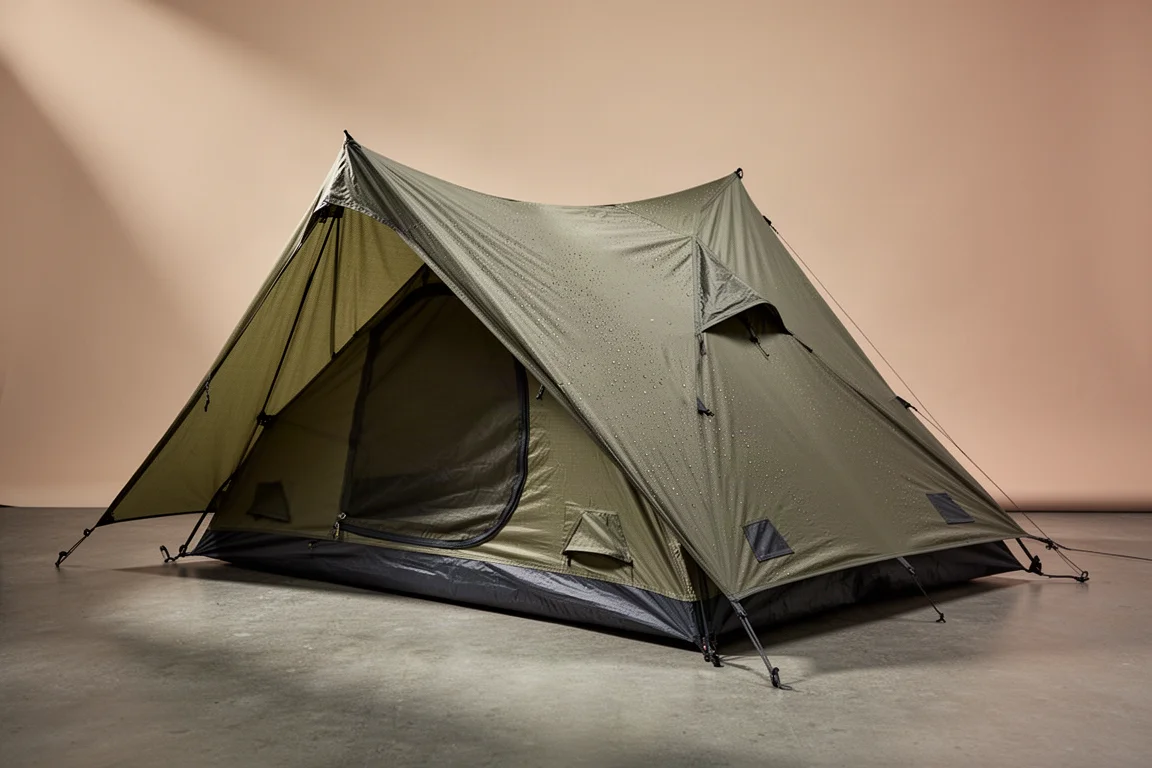
3F UL Gear Taiji Two-Person Tent Review: Field Waterproofing Results and Buying Advice
The Taiji pairs an attached fly with a removable inner, but sustained rain exposed untaped vent seams that need sealing before this shelter can be trusted.
Camping Tents
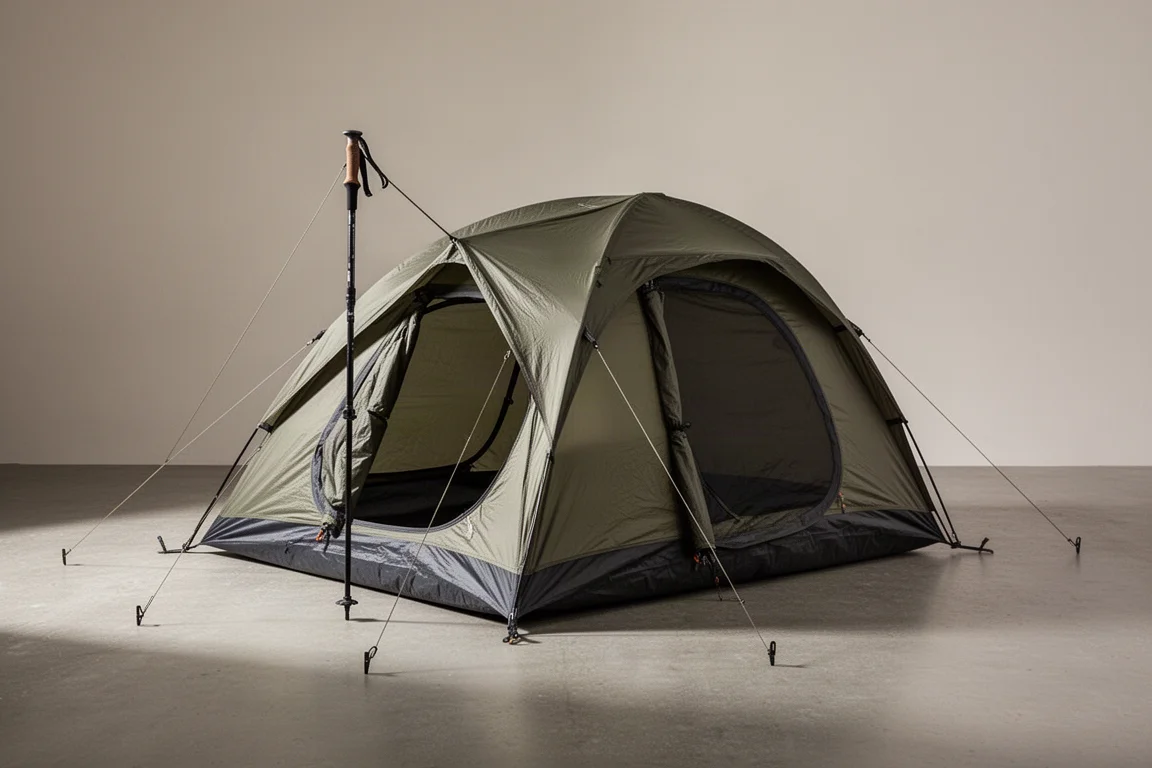
3FUL Gear Lanshan 2 Pro 4-Season Review: A Sub-$200 Single-Wall Trekking Pole Tent
An early look at the 3FUL Gear Lanshan 2 Pro 4-Season, covering its straightforward pitch, generous interior space, and the condensation and seam-sealing questions that come with any single-wall shelter.
Camping Tents
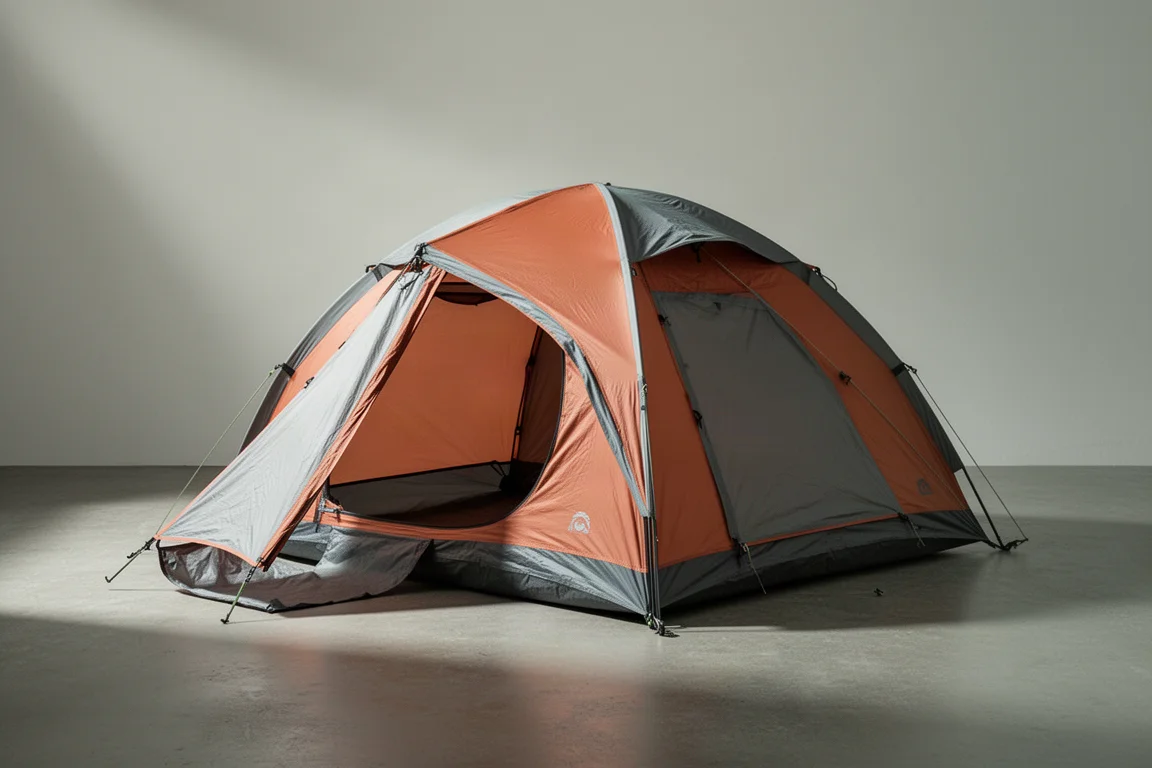
Alps Mountaineering Lynx 1-Person Tent Review: Big Value in a Small Budget Tent
A close look at the Alps Mountaineering Lynx 1-Person Tent, covering real interior dimensions, materials, setup time, ventilation limits, and who should buy it.