Camping Tents
DoD Outdoors One Pole Medium vs Large: Two Single-Pole Tents Compared
A practical look at the revised DoD Outdoors One Pole Medium and the One Pole Large, including how both handled an overnight rain test and which campers each size suits.
Introduction
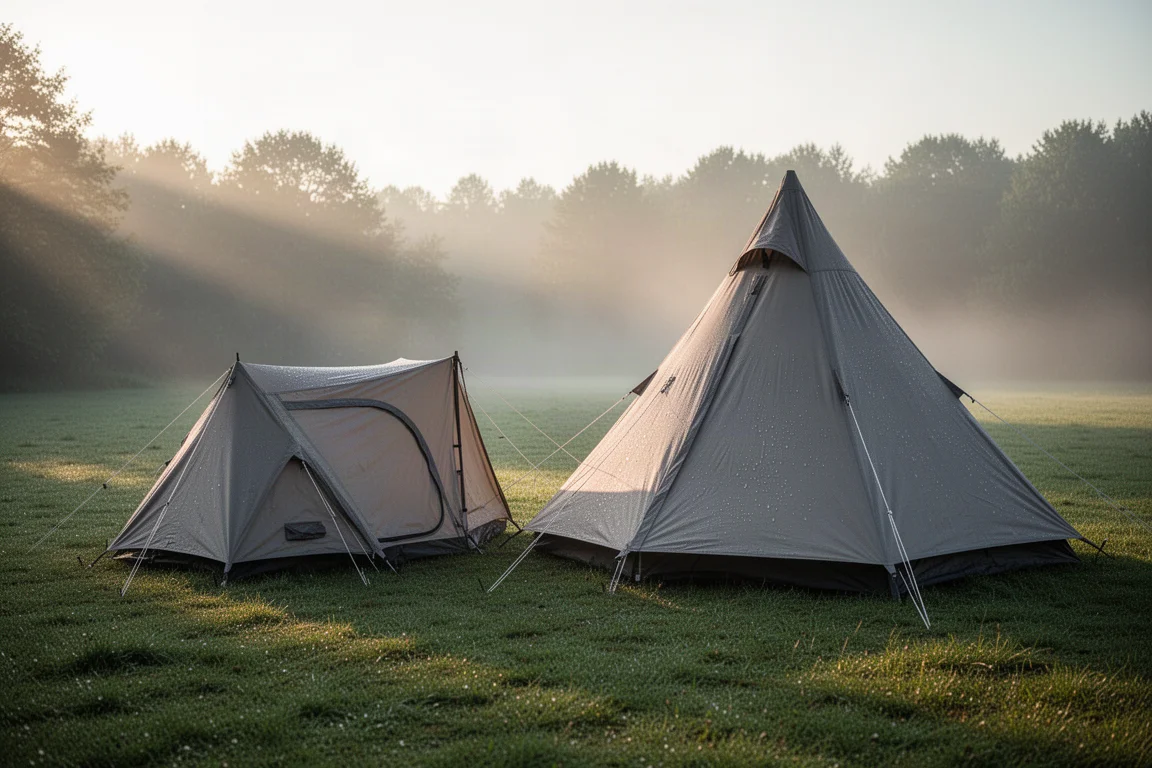
Single-pole tents trade interior complexity for a fast, simple pitch, and the DoD Outdoors One Pole range is built around that idea. The lineup comes in two sizes: a medium model for smaller camps and a large model aimed at group space and basecamp duty.
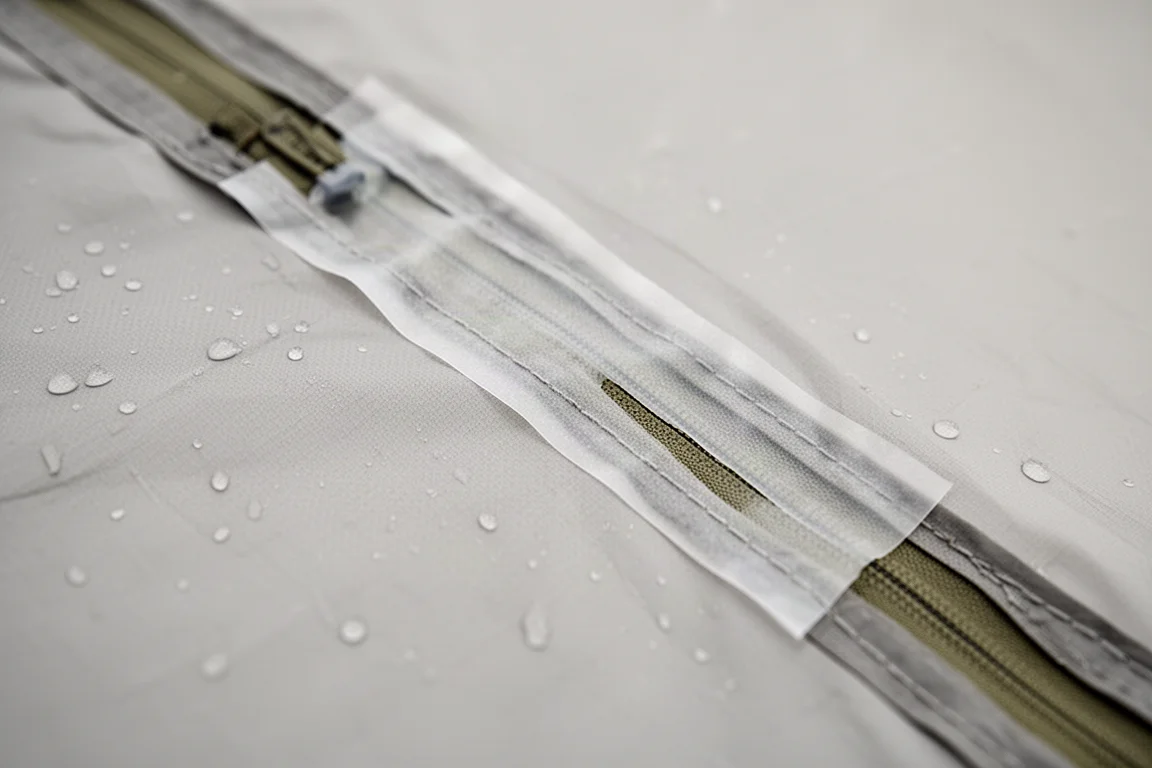
The medium size has a history worth knowing before you buy. An earlier version developed a leaking problem at the door zipper, and the tent was withdrawn from the market while the cause was investigated. DoD Outdoors has since returned the medium to the range with an updated fly that adds seam tape over the zipper stitching. The large size, according to DoD Outdoors, carried seam tape along that stitching from the start.
Both tents were put through an overnight rain event of roughly an inch to see how the revised sealing held up. What follows is what stood out, how each size behaved, and which camper each one suits.
What Changed on the One Pole Medium
The flaw on the original medium tent was narrow and specific. The stitching that holds the door zipper on the inside of the fly was not seam sealed. In sustained rain, water soaked through that stitching, worked through the fly, and dripped into the sleeping area. It was not a fault that appeared in a passing shower. It needed enough rain, over enough time, for water to travel through the stitch holes.
The updated medium tent addresses exactly that point. The stitching for the zipper on the inside of the fly is now seam taped, which should stop water from tracking through the stitch line in the first place.
For anyone shopping the medium size, the practical takeaway is straightforward: confirm you are ordering the current, seam-taped build rather than remaining stock from the withdrawn run. The difference is not cosmetic, and it is the single most important thing to check.
DoD Outdoors One Pole Medium Tent: A Compact Shelter for Smaller Camps
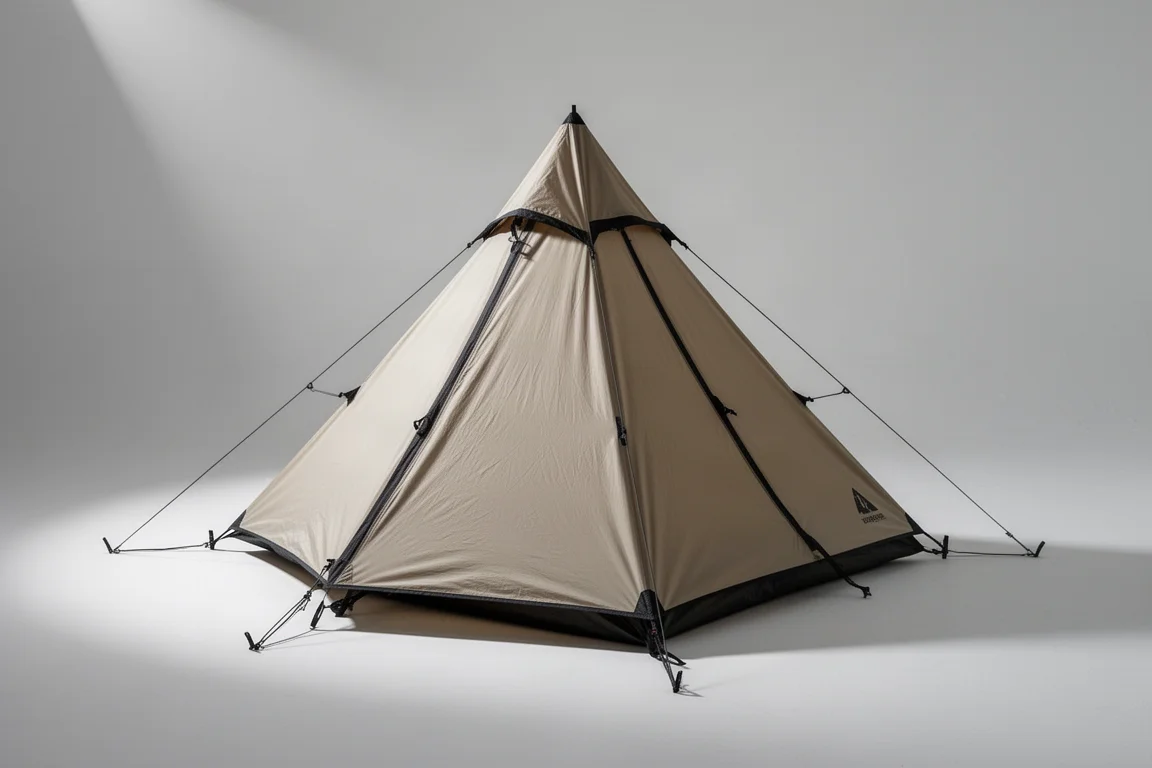
The medium One Pole is the simpler of the two tents. It uses a single center pole with a fly that needs to be staked out at multiple points around the perimeter, so a full set of stakes is part of the setup rather than an optional extra.
In the overnight rain test, the medium tent showed no signs of leaking after roughly an inch of rain, including a heavier band in the early hours. The interior stayed dry and there was no water tracking down the fly into the sleeping area, which is the outcome the revised seam taping was meant to produce.
It is worth noting that the medium test sample arrived with signs of previous use, including soiled fabric, pre-adjusted stake-out points, and no stakes in the bag. That does not change what the tent is, but it does mean the dry result is best read as encouraging rather than definitive. The important structural change, the taped zipper seam on the inside of the fly, is visible on the current version and is the reason the medium is back on the market.
DoD Outdoors One Pole Large Tent: Volume for Groups and Basecamps
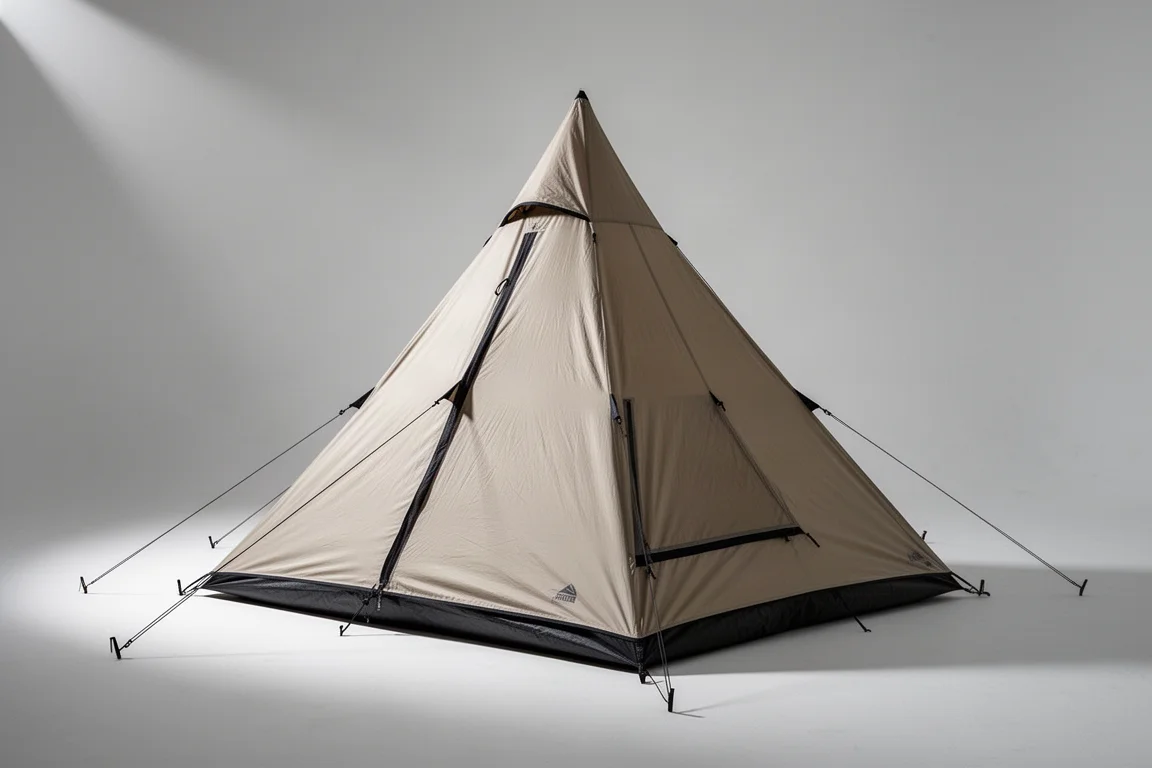
The large One Pole is a genuinely big tent, and its height is the first thing you notice. That height comes with a trade-off that is worth understanding before you commit. The vents sit close to the top of the tent, roughly ten feet off the ground. They cannot be reached or closed from inside or from the ground, and the only way to adjust them is to take the fly off. Removing the fly is not a quick job, and getting it back on is no easier.
The practical consequence is that vent position becomes a decision you make before you pitch, not something you fine-tune during the trip. If you want the vents open, open them first. If the forecast turns, you will not be able to close them without a significant amount of work.
The large tent also requires a substantial number of stakes to pitch properly, and the sample supplied for testing arrived without any, so plan on bringing a full set. Because the fly has so much surface area, it collects a lot of water, and in moderate rain the tent is loud, with a roaring sound that carries a good distance across a campsite.
How Both Tents Handled an Overnight Rain Test
The weather did what real weather does. Light rain started around midnight, moderate rain settled in for about an hour from roughly 2 a.m., and heavier rain with thunderstorms in the area moved through in the early hours. Total rainfall came to about an inch. That is a fair test for a tent, and it is the kind of night most campers eventually run into.
The medium tent came through dry. After the rain wrapped up, the interior showed no signs of leaking, no damp patches, and no water tracking down the fly.
The large tent did leak, though only slightly. Water ran down the fly and dripped onto the floor along one seam, leaving visible drops on the floor rather than any pooling. Drops without pooling point to a short-duration leak during the heaviest rain rather than a persistent one. The vent on that side was closed at the time, so the vent was not the source.
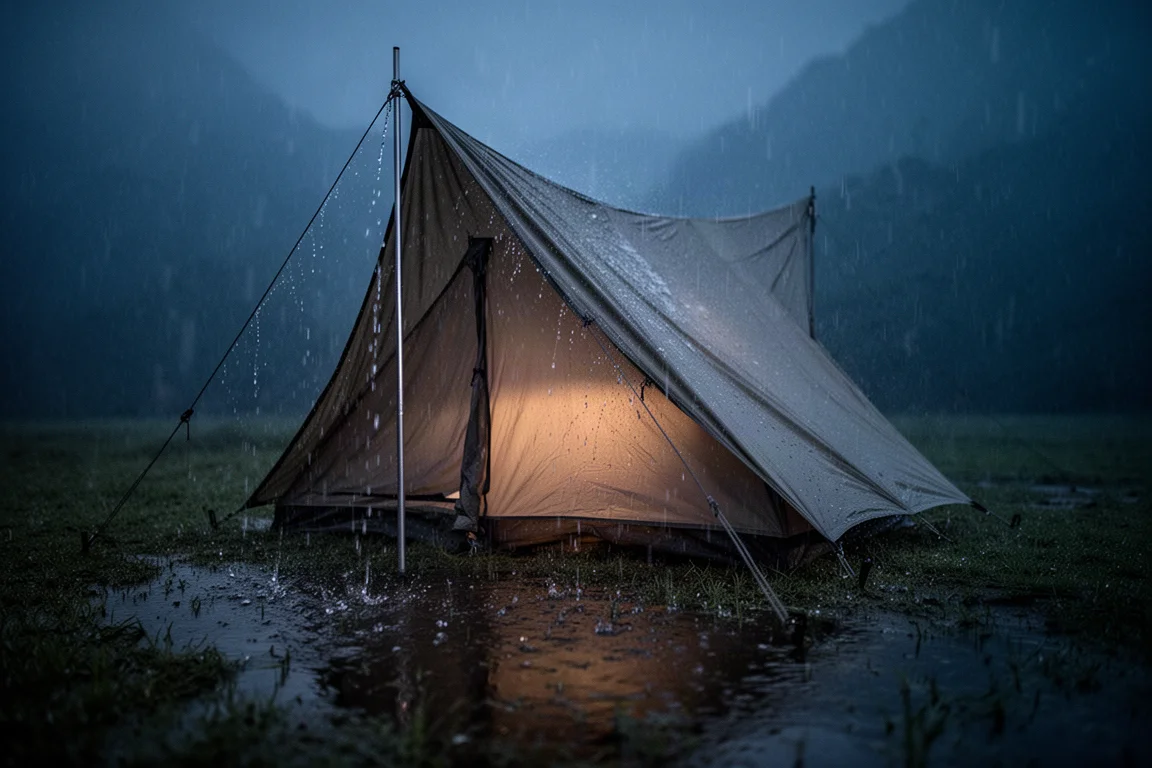
A small, localized leak of that kind is usually a matter of an imperfection where the seam tape meets the fabric on one particular seam, which is the sort of thing that can happen in tent manufacturing. It is a single-unit observation, not a pattern, and it does not suggest the large tent is broadly prone to leaking.
Ventilation, Height, and Pitching Practicalities
The two sizes ask for different levels of planning. The medium is the easier pitch: a single pole, a fly to stake out, and a straightforward footprint. The large is a bigger commitment in every sense, from the number of stakes required to the amount of ground it occupies.
Ventilation on the large tent is the one area that genuinely needs forethought. With the vents positioned so high, you cannot reach them once the fly is on. Decide before you pitch whether you want them open or closed, because changing your mind later means stripping the fly and rebuilding the tent.
Height is the reason many buyers will want the large model in the first place. It delivers a tall, airy interior that smaller tents cannot match, and for group camping or a basecamp that stays put for several days, that space is worth the extra effort. If you are moving every day, the medium size will be the friendlier companion.
Build, Seam Sealing, and Weather Readiness
Seam taping is the thread that connects these two tents. The medium received it on the zipper stitching inside the fly as the fix for the withdrawn version. The large, according to DoD Outdoors, had it along that stitching from the beginning. On both, that tape is the barrier between the stitch line and the inside of the tent.
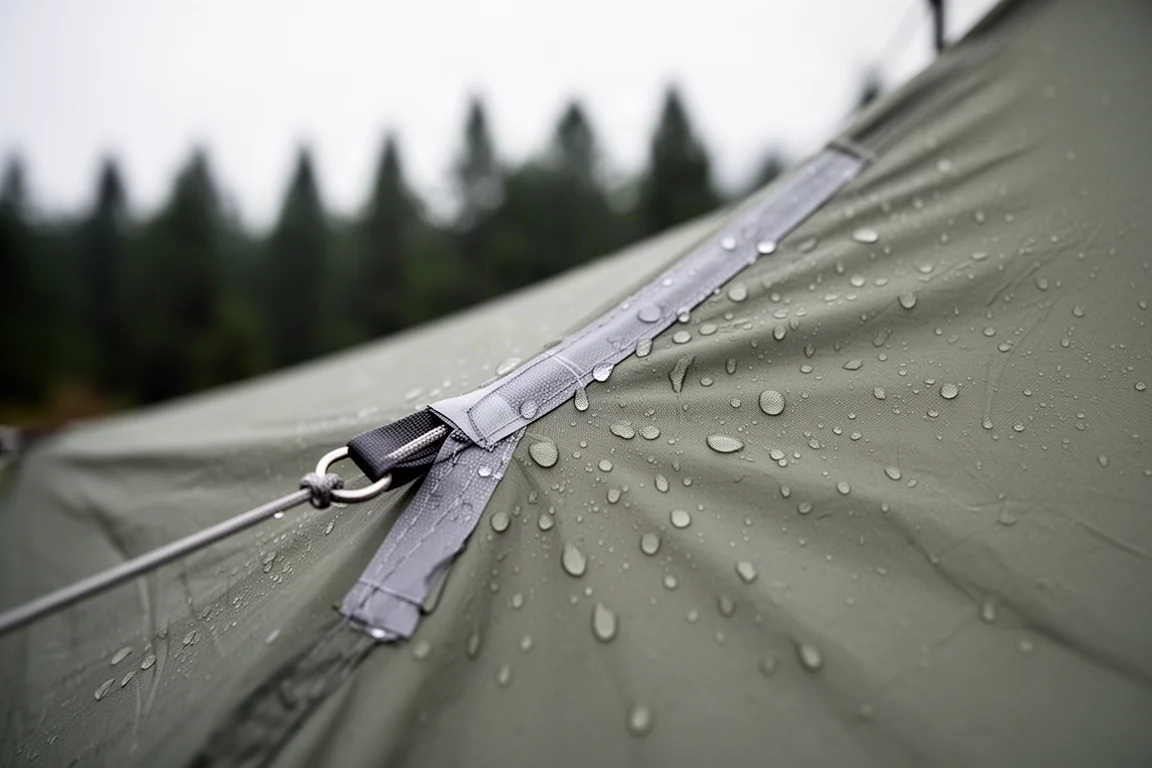
Beyond the seams, the large tent’s sheer size shapes how it behaves in weather. A bigger fly catches more rain, sheds more water, and produces more noise in the process. That is not a defect, it is geometry, and it is something to expect rather than something to worry about.
If you camp in wet climates, treat the fly and seams as wear items and check them periodically. The taped zipper seam on the medium is the specific area that failed on the earlier version, so it is the first place to look for lifting or gaps over time.
Comparing the Two Sizes
The medium One Pole suits solo campers and couples who want a simple single-pole shelter that goes up quickly and packs into a modest footprint. Its strengths are the updated seam taping, the dry result in an inch of overnight rain, and the simplicity of the design.
The large One Pole suits campers who value space above all else, particularly groups and basecamp setups where the tent stays pitched for a while. Its strengths are the tall interior volume and the factory seam taping along the zipper stitching. Its compromises are the unreachable high vents, the volume of stakes required, and the noise of a large fly under heavy rain.
Neither tent is complicated to live with once it is up. The differences show up in how much planning the pitch requires and how much interior room you get in return.
Buying Advice
Choose the medium if you want a compact, single-pole tent for one or two people, and if fast, simple pitching matters more than interior height. When you order, verify that you are getting the updated version with seam tape over the door zipper stitching inside the fly. That single detail is what separates the current tent from the version that was pulled from the market.
Choose the large if interior volume is the priority and you are willing to accept the setup work that comes with it. Bring a full set of stakes, since the tent needs a lot of them, and set the vents the way you want them before the fly goes on.
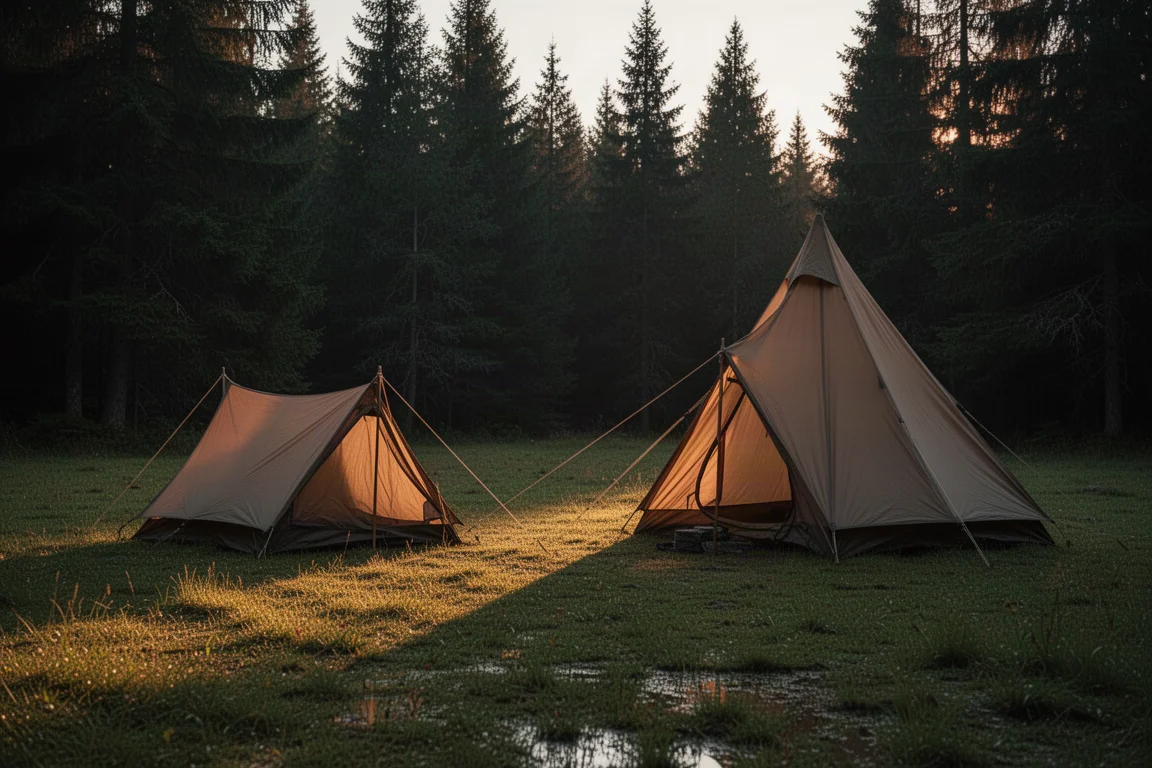
For either size, a little preparation pays off. Check the forecast, pitch with the fly positioned for the weather you expect, and inspect the taped seams before a trip where rain is likely. Both tents reward a camper who reads the conditions ahead of time.
Conclusion
The DoD Outdoors One Pole Medium and One Pole Large sit at opposite ends of the same idea. The medium is the compact, easygoing option, and its revised seam taping appears to have solved the leak that took the original off the market. The large is a tall, high-volume shelter with a seam-taped zipper stitch line from the factory and a set of practical quirks around its high vents, its stake count, and the noise of a big fly in heavy rain.
Match the size to how you camp, confirm the build you are buying on the medium, and either tent will do the job it was designed for.
Further reading
Related Reviews
Camping Tents
3F UL Gear Taiji Two-Person Tent Review: Field Waterproofing Results and Buying Advice
The Taiji pairs an attached fly with a removable inner, but sustained rain exposed untaped vent seams that need sealing before this shelter can be trusted.
Camping Tents
3FUL Gear Lanshan 2 Pro 4-Season Review: A Sub-$200 Single-Wall Trekking Pole Tent
An early look at the 3FUL Gear Lanshan 2 Pro 4-Season, covering its straightforward pitch, generous interior space, and the condensation and seam-sealing questions that come with any single-wall shelter.
Camping Tents
Alps Mountaineering Lynx 1-Person Tent Review: Big Value in a Small Budget Tent
A close look at the Alps Mountaineering Lynx 1-Person Tent, covering real interior dimensions, materials, setup time, ventilation limits, and who should buy it.