Camping Tents
DoD Outdoors Isi OnePole Tent Review: The Zipper Seam Leak and the Fix Buyers Should Know
A practical look at the DoD Outdoors Isi OnePole tent after a documented zipper seam leak in sustained rain, covering the seam sealer fix, refund options, and what to check before you buy.
Introduction
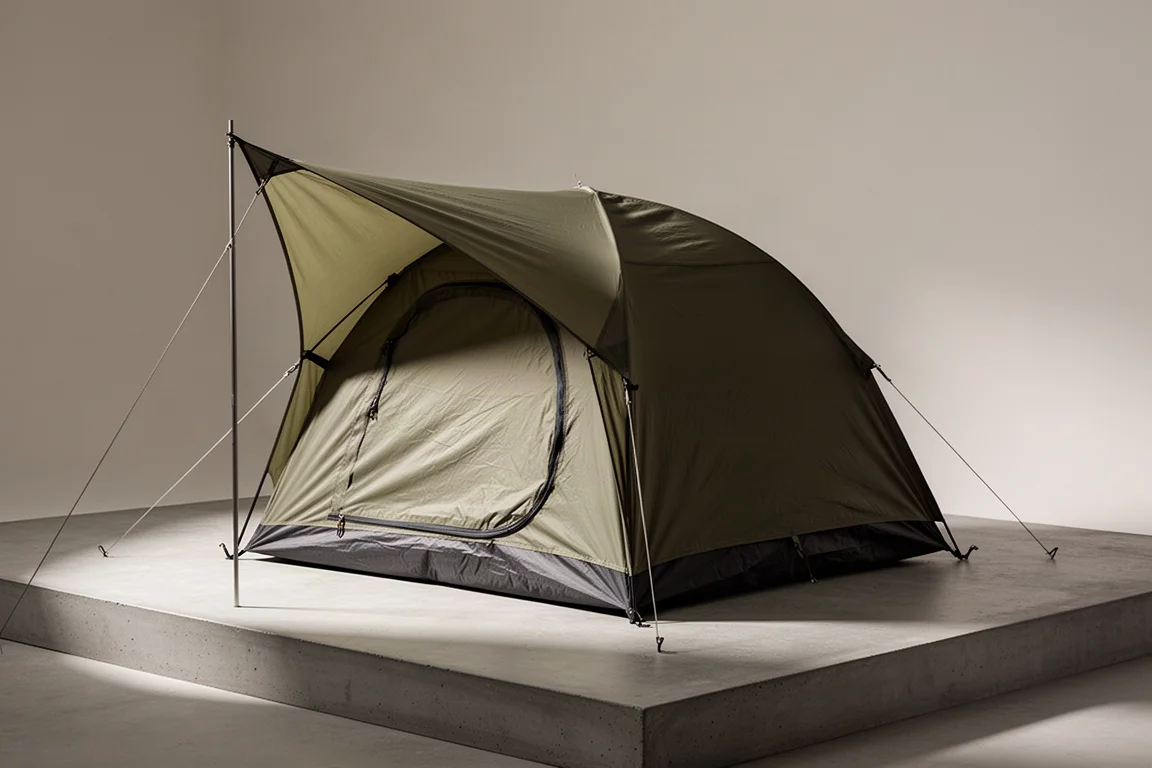
The DoD Outdoors Isi OnePole tent is a one-pole camping tent sold in North America through the brand’s own store and through Amazon. It also became the subject of an unusually well documented product problem, and that problem is the single most important thing a buyer can know before ordering one.
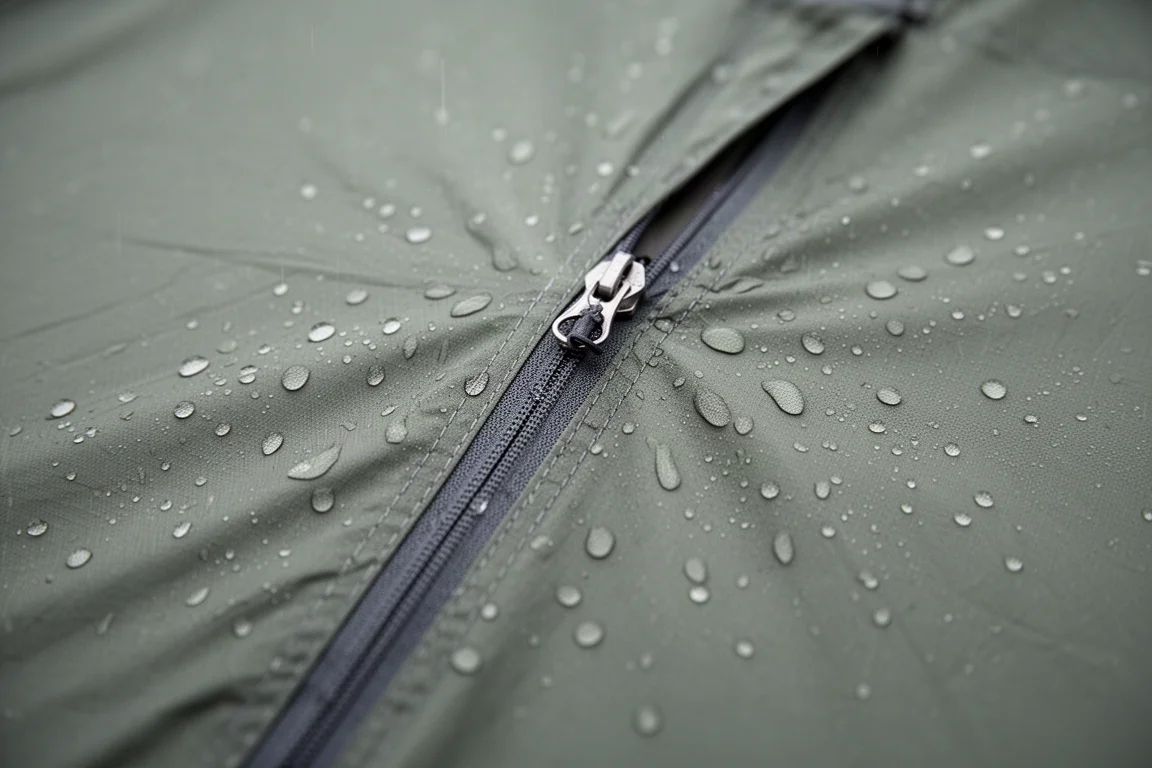
Over several months, two units of the tent were put through wet-weather testing. Both leaked in the same place. With the door open, the floor of the tent was soaking wet, and the water tracked from the ground up and over the inside of the fly rather than pooling in one spot. That pattern pointed to the door zipper rather than the floor or the main body of the tent.
What followed is worth understanding. The company tested, reproduced the leak with a longer rain test, pulled the product from the market, and later published a statement explaining the cause and the remedy. The tent is now on sale again, with a required preparation step for buyers.
Who this product is for
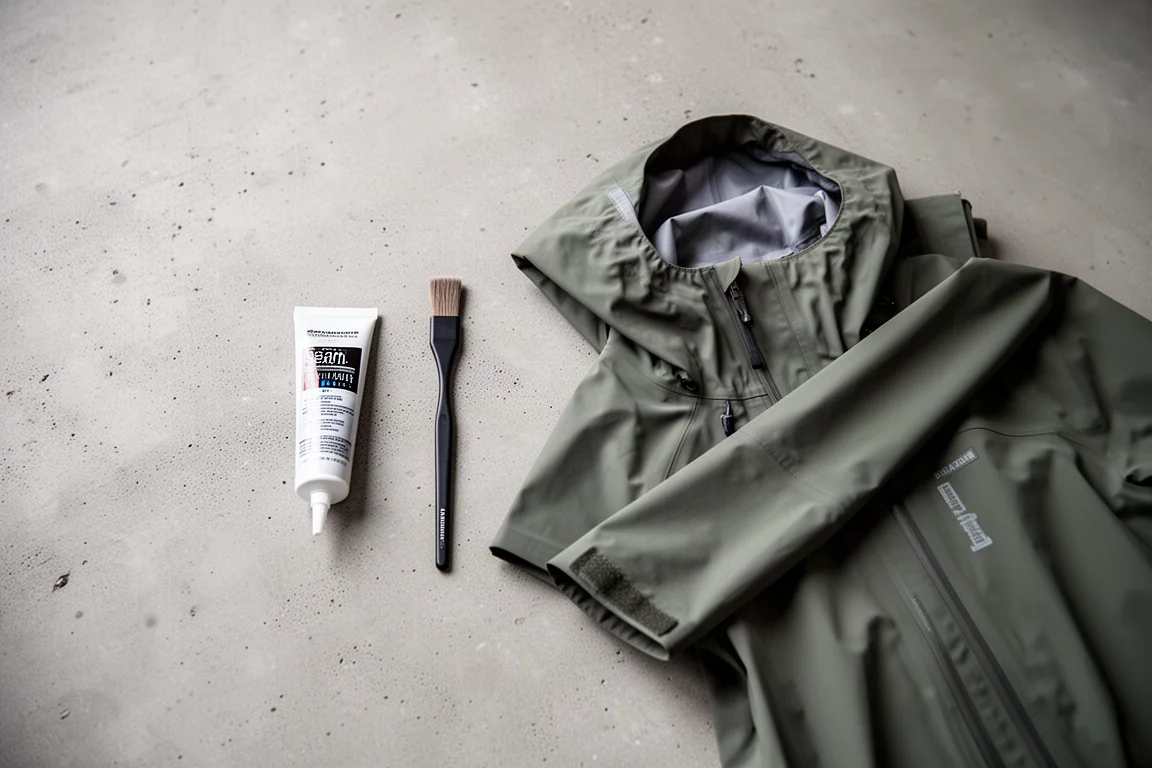
This is a tent for campers who are comfortable doing a small amount of preparation before a trip. The fix for the known leak is a seam sealer applied to the door zipper seam, and DoD Outdoors ships a tube of it with current inventory, along with instructions.
It also suits buyers who value clear information over polished marketing. The leak has been identified, the cause has been explained, and the remedy is documented rather than left to guesswork. If you would rather not apply any sealant yourself, this tent is probably not the right pick in its current form.

Existing owners are a second audience here. Anyone who bought the tent before the change can return it for a full refund or request a tube of seam sealer at no charge, and the company can reach those customers directly because it sells through its own store and Amazon in North America.
Main strengths
The most useful strength is that the problem is now known. The zipper seam on the tent leaks in sustained rainy conditions, and testing showed that applying a seam sealer stops the leak. That is a specific, testable finding rather than a vague apology, and it means a buyer can plan around it.
The remedy itself is modest. Sealing the door seam is a small job rather than a full re-waterproofing project, and it is confined to one area of the tent. Tents shipping now include the sealer and instructions, so the work can be done before the first wet trip instead of being discovered in the field.
The response from DoD Outdoors also deserves credit. The company ran its own testing, reproduced the fault, withdrew the product from sale, published a statement, and offered buyers a full refund or free seam sealer. The company has also said its designers are working on a redesign so that seam sealer will not be needed before use in future production.
Things to consider before buying
Applying seam sealer to the zipper seam is a required step before using the tent in foul weather, not an optional extra. That instruction is expected to be prominently displayed where the tent is sold, but it still means the tent arrives as a small project rather than a ready-to-pitch product.
The leak also only appeared in sustained rain. Short showers or dry trips may not reveal it at all, which is exactly why the fault took time to confirm and why a longer-duration test was needed to reproduce it. If your trips involve prolonged rain, treat the sealing step as essential.
Two further details are worth noting. The recall modification applies to the medium and large sizes, and while the large tent had not been tested for leaking at the time of the statement, it shares the same construction, so the same issue is possible. And because a redesigned version is in development, the current model may be superseded. Buyers who want the version that does not need sealant may prefer to wait.
How DoD Outdoors responded
The timeline is part of the story. When the first reports of leaking appeared, the company believed the unit in question might be a counterfeit rather than a genuine tent. It sent a replacement, and that replacement leaked in exactly the same place. Both tents came from the same manufacturing lot, which ruled out the counterfeit explanation.
DoD Outdoors then ran its own waterproofing tests. The first round showed no leaking, and a longer-duration rain test was suggested. That longer test reproduced the fault, which is when the product was pulled from the market.
The official statement that followed explained that the zipper seam leaks in sustained rainy conditions, that seam sealer stops the leak, and that customers who had already bought the tent could return it for a full refund or receive a tube of seam sealer free of charge. Because sales run direct through the brand’s own store and Amazon, the company has contact details for buyers in North America and said it would reach out to them directly.
What the fix means for buyers
Tents in current inventory are on sale again and ship with a tube of seam sealer plus instructions to apply it to the zipper seam before use in foul weather. The application step is described as required for waterproofing, and the company says it will be prominently displayed wherever the tent is sold.
For buyers, this is a workable arrangement. The tent is not being sold as though nothing happened, and the correction is included rather than sold separately. For anyone who already owns one, the choice is straightforward: take the refund, or take the sealer and spend a short session on the door seam.
The honest summary is that this is a tent with a known, documented weak point and a known, documented remedy. That is a better position for a buyer than an unexplained leak, but it is still a compromise compared with a tent that needs no preparation at all.
Sealing the zipper seam: what to expect
Sealing a door seam is a small, contained task. The area that needs attention is the stitching shared by the storm flap and the zipper on the inside of the fly, which is where water was entering during sustained rain. Follow the instructions included with the tube, work in dry conditions, and give the sealant time to cure before the tent sees weather.
Done properly, this is not a difficult job and it does not require special tools beyond what ships with the tent. The main thing is to do it before the first wet trip rather than after.
Buying advice
If you want this tent now, buy it with the sealing step in mind. Plan a short session with the included sealer before your first rainy trip, and treat that as part of setting the tent up for the season rather than an inconvenience to skip. Buyers who do that are getting a tent whose one known weakness has already been identified and addressed.
If you already own one, decide between the full refund and the free tube of seam sealer. The refund is the more generous option, but for most owners the sealer will be the faster route, since the fix is limited to the door seam.
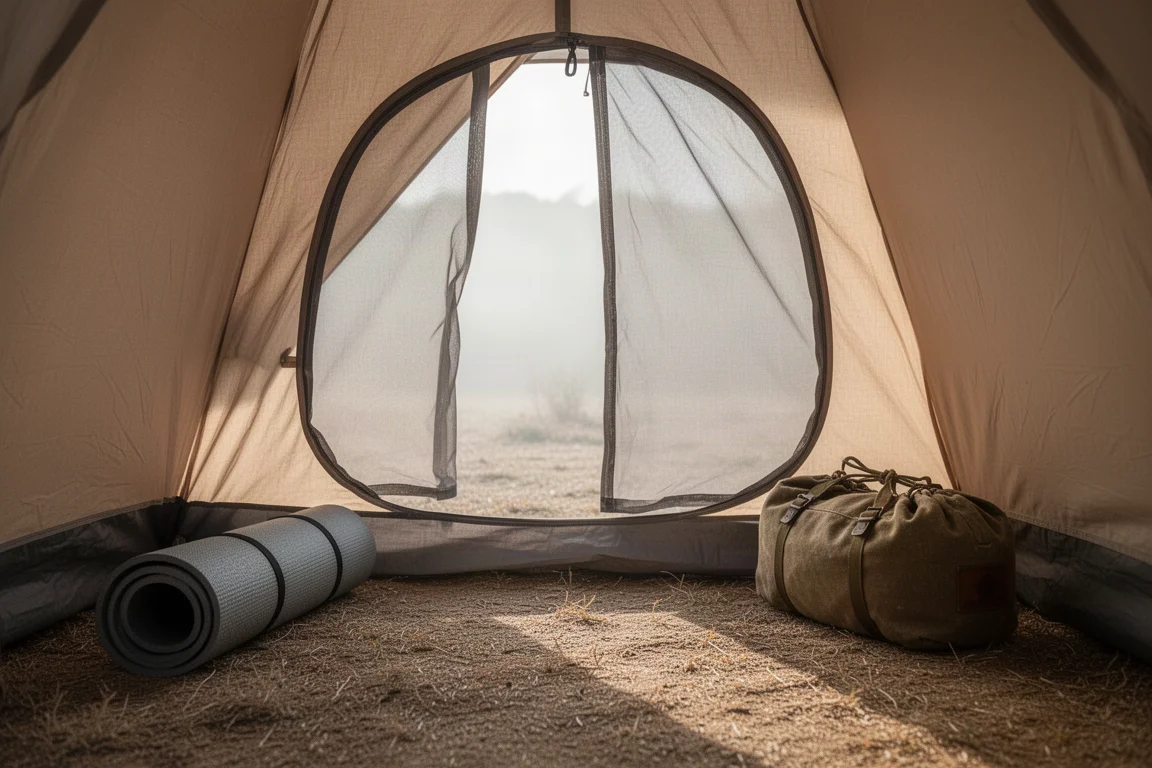
If you would rather not deal with any of this, waiting for the redesigned version is a reasonable choice. DoD Outdoors has said its designers are working on a tent that does not require seam sealer before use, and that future version is the one to watch if a ready-out-of-the-box tent matters more to you than buying now.
Conclusion
The DoD Outdoors Isi OnePole tent is sold with a known zipper seam issue and a simple, tested remedy. The tent leaked in sustained rain at the door seam, the company reproduced the problem, withdrew the product, and brought it back with seam sealer and instructions included, along with a full refund option for earlier buyers.
For campers who do not mind a short sealing session before wet-weather use, the tent is a viable option with no surprises left in it. For anyone who wants a tent that needs nothing applied before the first storm, the smarter move is to wait for the redesign.
Product link
View more details for DoD Outdoors Isi OnePole Tent
This product is mentioned in the review. Check the specifications, options, and compatibility before buying.
View more details for DoD Outdoors Isi OnePole TentFurther reading
Related Reviews
Camping Tents
3F UL Gear Taiji Two-Person Tent Review: Field Waterproofing Results and Buying Advice
The Taiji pairs an attached fly with a removable inner, but sustained rain exposed untaped vent seams that need sealing before this shelter can be trusted.
Camping Tents
3FUL Gear Lanshan 2 Pro 4-Season Review: A Sub-$200 Single-Wall Trekking Pole Tent
An early look at the 3FUL Gear Lanshan 2 Pro 4-Season, covering its straightforward pitch, generous interior space, and the condensation and seam-sealing questions that come with any single-wall shelter.
Camping Tents
Alps Mountaineering Lynx 1-Person Tent Review: Big Value in a Small Budget Tent
A close look at the Alps Mountaineering Lynx 1-Person Tent, covering real interior dimensions, materials, setup time, ventilation limits, and who should buy it.