Camping Tents
DOD Outdoors Ishi One Pole Tent Review: Waterproofing Falls Short
The Ishi One Pole Tent pitches quickly and feels roomy for the price, but a four-hour rain test exposed the same two leaks on two separate examples.
Introduction
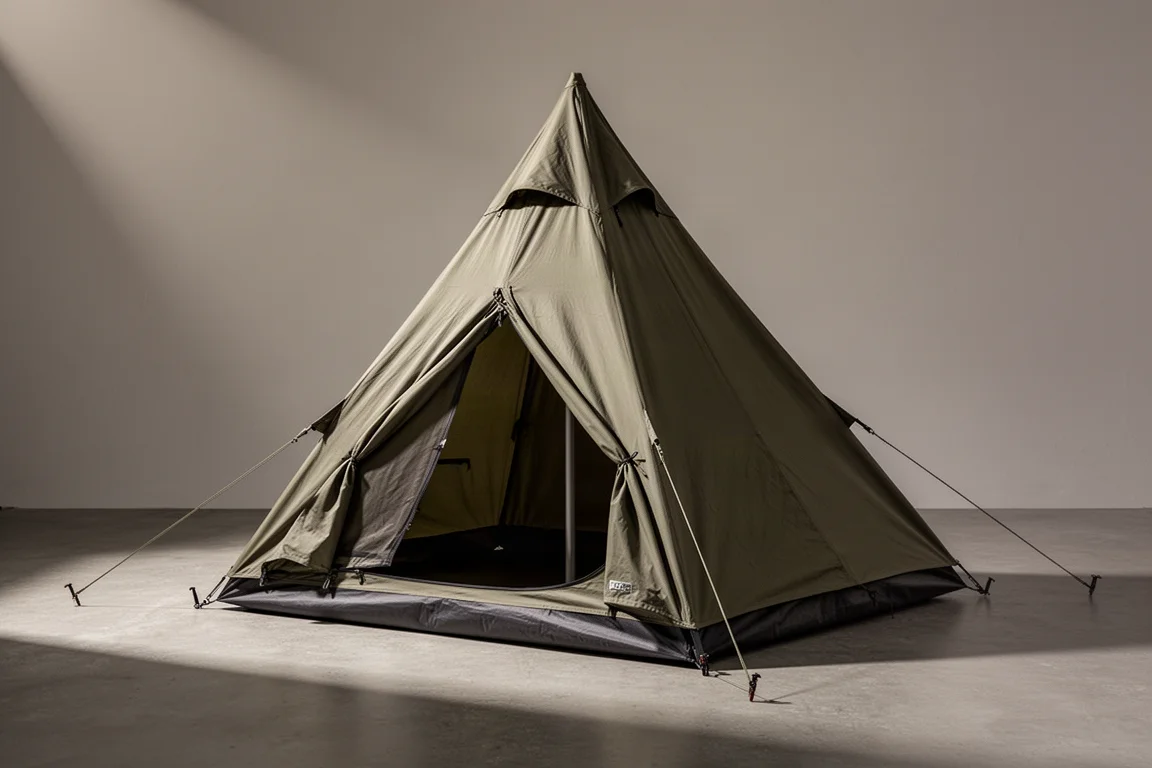
The DOD Outdoors Ishi One Pole Tent is a lightweight shelter built around a single vertical pole. It pitches in a few minutes, leaves a generous amount of floor space for its footprint, and sits at the inexpensive end of the camping tent market.
The door closes with a zipper protected by a storm flap of roughly one inch, and the body includes a vent that can be closed completely. Those two details matter, because the storm flap and the fabric seams are where a tent has to stop water if it is going to hold up overnight.
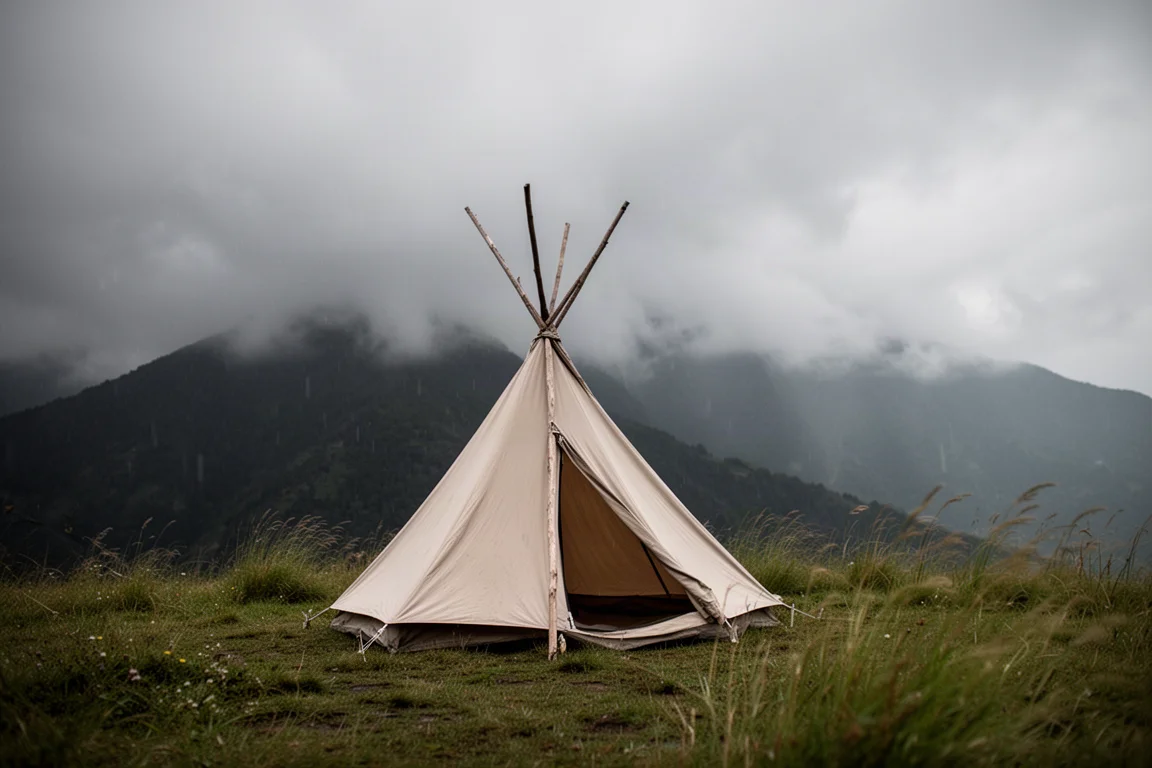
This article focuses on the question that matters most for any shelter: does it keep rain out? Two examples of this tent, both carrying the same production lot numbers, went through the same four-hour rain test. Both leaked, and both leaked in the same two places.
What the Ishi One Pole Tent Offers
The Ishi One Pole Tent keeps things simple. A single pole carries the structure, so there is no frame to assemble and no sleeve puzzle to solve. The interior is sized well for one person with gear, or two people traveling light.
The fly covers the body, the vent closes fully, and the door is protected by a narrow storm flap that runs the length of the zipper. The tent is also positioned as a fairly inexpensive option, which is a large part of its appeal.
Setup, Size, and Interior Space
Setup is very easy. One pole goes up, the body follows, and the tent is ready to be guyed out within a few minutes. There is enough room inside to sit up, spread out a sleeping setup, and keep a bag within reach without feeling cramped.

The vent closes completely, which is the configuration recommended for wet weather, and the door zipper sits beneath a storm flap about one inch wide. That flap is the tent’s main line of defense at the door, so its width and the way it is stitched matter more than they might appear to at first glance.
How It Handled a Four-Hour Rain Test
The tent was pitched and fully guyed out, then left through four hours of rain that was heavy at times, with thunder, lightning and gusty wind. The structure handled the wind without drama, and the fabric and seams took the force of the gusts without deforming.
The interior did not stay dry. After the rain eased, the floor was wet in two separate locations, one at the door and one on the opposite side of the tent.
Where the Water Gets In
At the door, water made its way behind the roughly one-inch storm flap, through the zipper, and down the wall to the floor. The flap is too narrow to shield the zipper in sustained rain, and it failed to stop water on both test examples.
The second leak, on the far side of the tent, was harder to trace. Rain was not being driven sideways by strong wind during that stretch, and the vent was closed the whole time, so the most likely path is a seam. Flipping the storm flap over reveals stitching with no seam tape behind it, which leaves the needle holes as an open route for water.
Two tents from the same production lot failed in exactly the same two places, which points toward a design or production issue rather than a single bad unit.
Who This Tent Is For
This tent fits campers who value a fast, uncomplicated pitch and a roomy interior at a low price, and who expect to camp mostly in dry, settled weather.
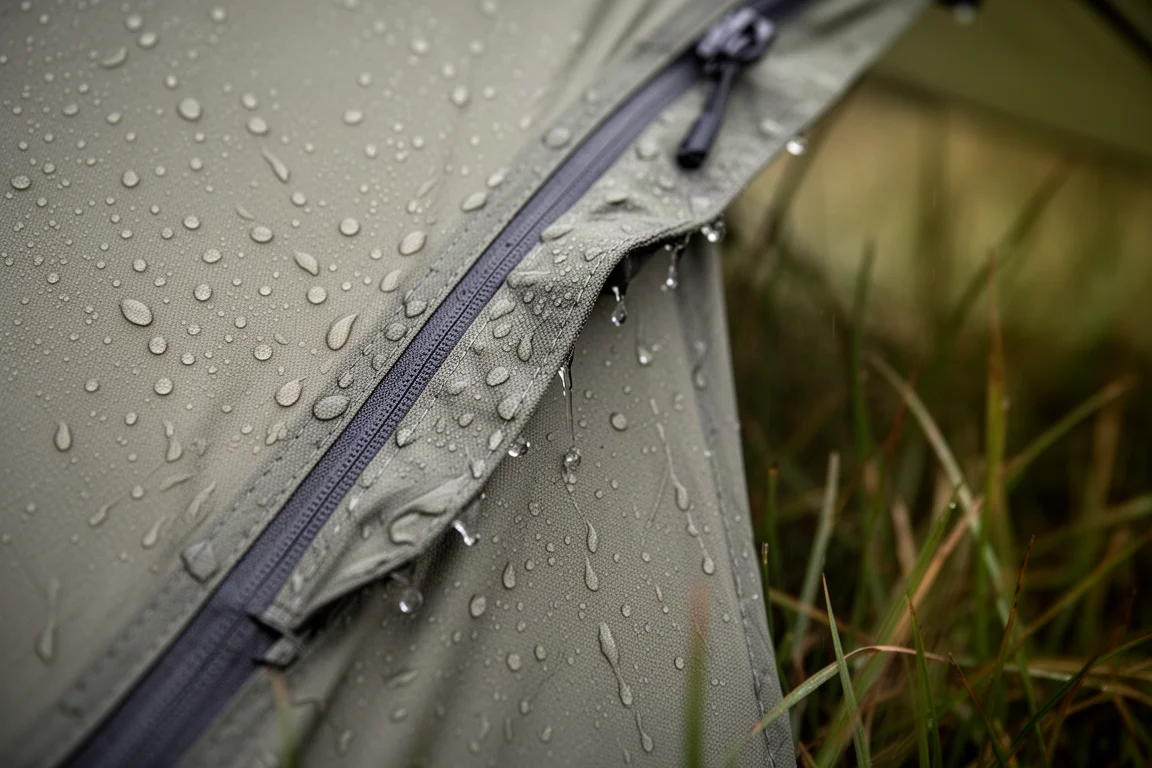
Anyone who needs a shelter to stay dry through long, heavy rain should look elsewhere. A tent that lets water in during ordinary rain cannot do the one job that matters most, and the leaks appeared in the same spots on both examples tested.
Main Strengths
- Setup is quick and straightforward with a single pole.
- Interior space is generous for the size and the price.
- The vent closes fully for wet weather.
- The price is genuinely low for the amount of interior room.
Things to Consider Before Buying
- Waterproofing is the central concern: both tested tents leaked at the door and on the opposite side.
- The storm flap over the door zipper is narrow, and the stitching behind it is not seam taped.
- There is no way to get in or out during rain without the interior getting wet.
- Wind performance held up during testing, but that is not the weak point of this design.
Buying Advice
The decision comes down to what you need the tent to do. If your trips are mostly dry and you want the simplest possible pitch for very little money, the setup and the interior space are real strengths.
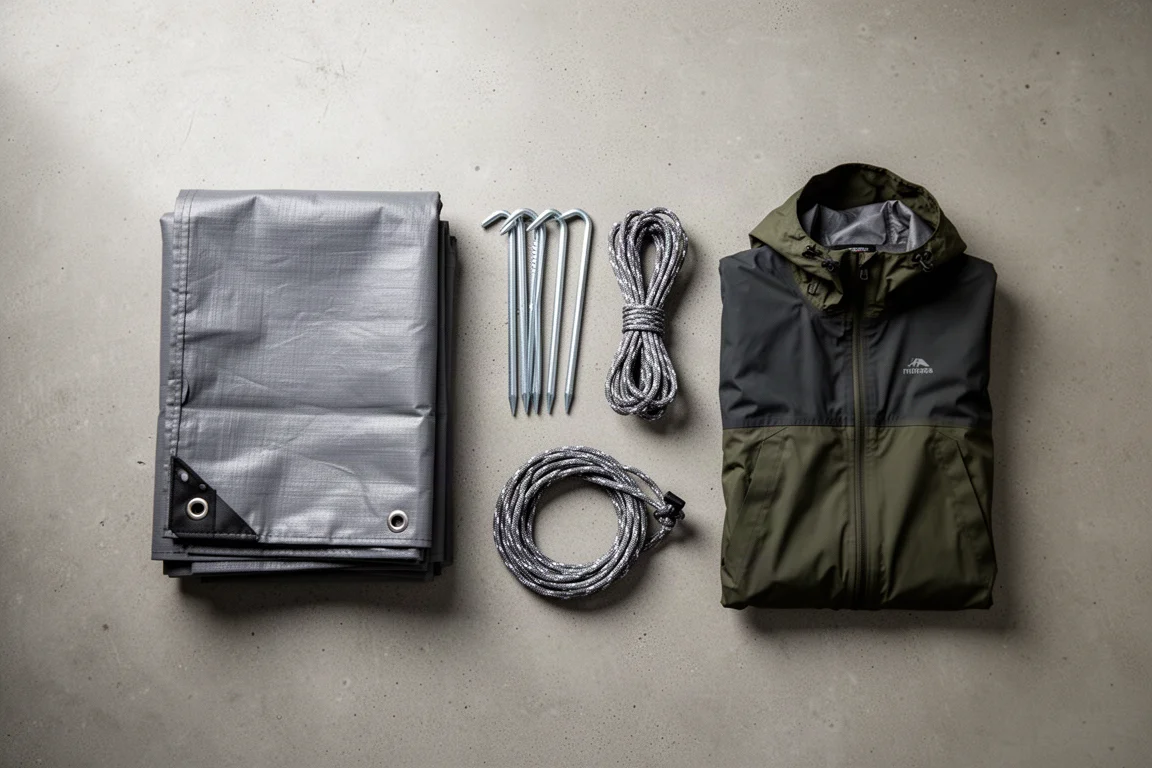
If reliable rain protection is on your list, this tent does not deliver it. The waterproofing failures were consistent across two examples from the same production lot, and the likely fixes involve the door flap and the seam construction rather than a different pitching technique.
Whatever you decide, treat rain as a real risk with this shelter and plan a backup accordingly.
Conclusion
The DOD Outdoors Ishi One Pole Tent gets the basics of pitching and interior space right, and the price is genuinely low. The problem is the one that matters most: it leaked at the door and on the opposite side during a four-hour rain test, and it did so on two separate tents from the same production lot.
For a shelter, staying dry is not a nice-to-have. Until the waterproofing issues at the door flap and the seams are addressed, this tent is difficult to recommend to anyone who expects to sleep through a storm.
Product link
View more details for DOD Outdoors Ishi One Pole Tent
This product is mentioned in the review. Check the specifications, options, and compatibility before buying.
View more details for DOD Outdoors Ishi One Pole TentFurther reading
Related Reviews
Camping Tents
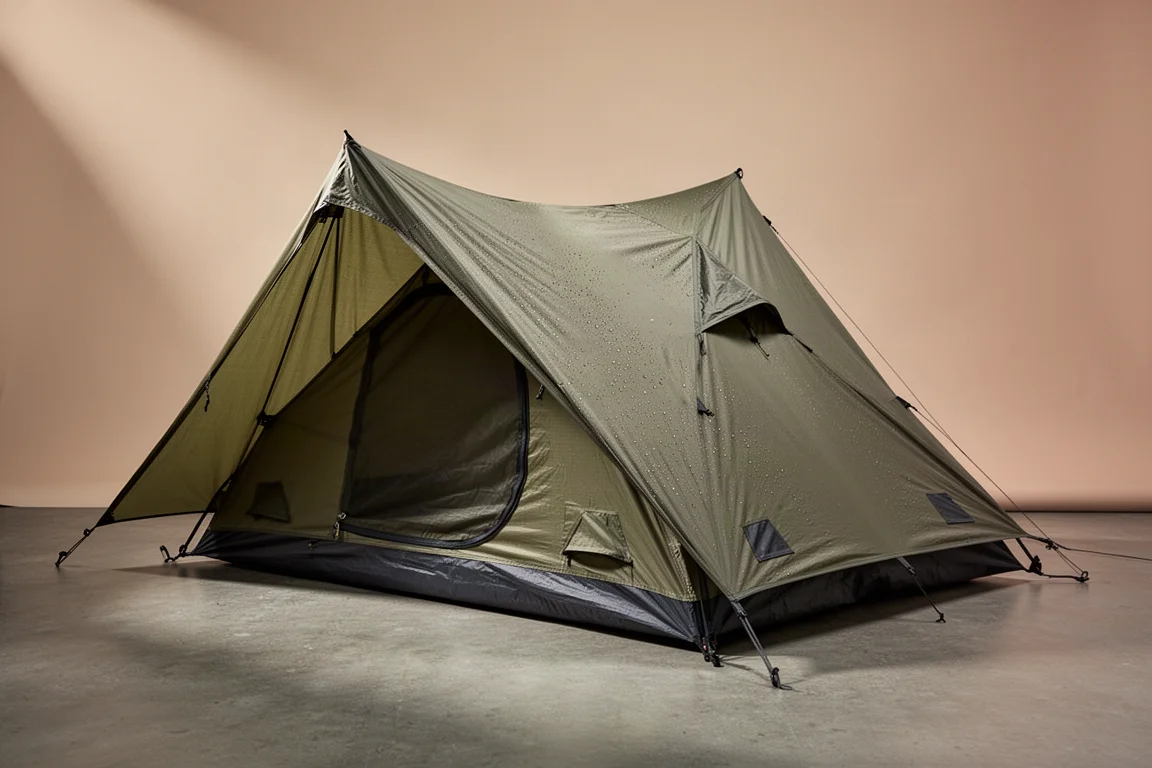
3F UL Gear Taiji Two-Person Tent Review: Field Waterproofing Results and Buying Advice
The Taiji pairs an attached fly with a removable inner, but sustained rain exposed untaped vent seams that need sealing before this shelter can be trusted.
Camping Tents
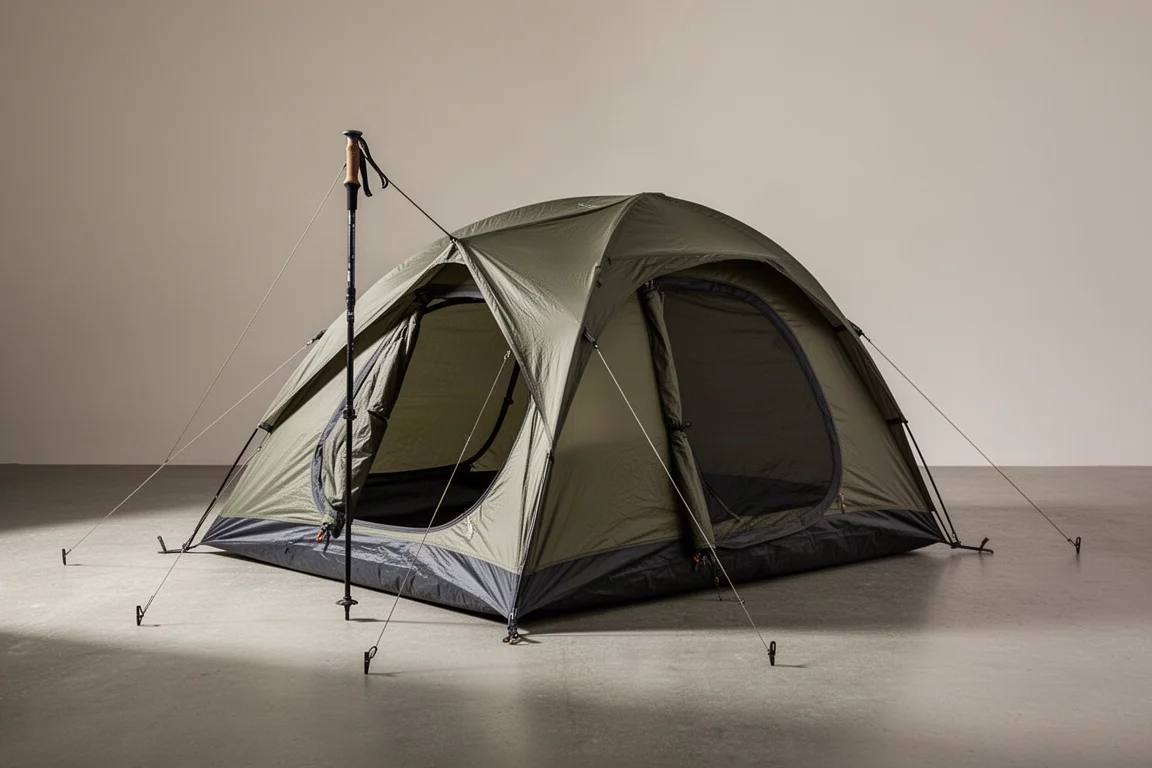
3FUL Gear Lanshan 2 Pro 4-Season Review: A Sub-$200 Single-Wall Trekking Pole Tent
An early look at the 3FUL Gear Lanshan 2 Pro 4-Season, covering its straightforward pitch, generous interior space, and the condensation and seam-sealing questions that come with any single-wall shelter.
Camping Tents
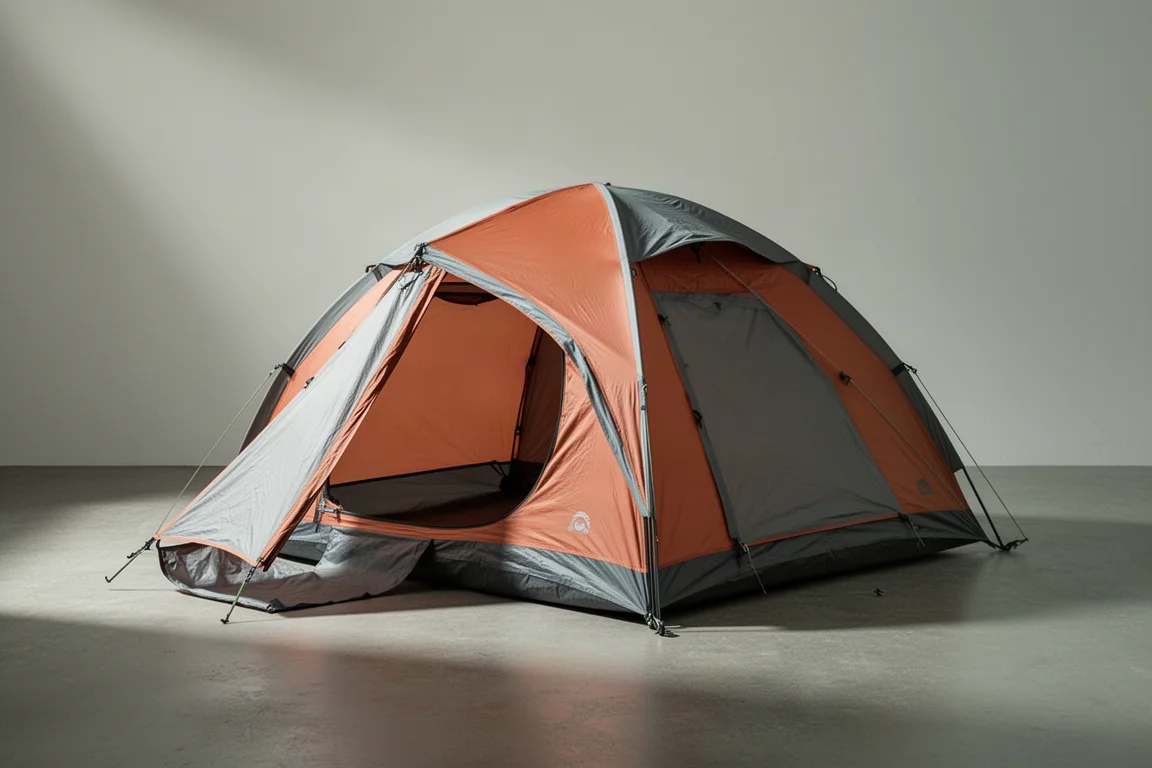
Alps Mountaineering Lynx 1-Person Tent Review: Big Value in a Small Budget Tent
A close look at the Alps Mountaineering Lynx 1-Person Tent, covering real interior dimensions, materials, setup time, ventilation limits, and who should buy it.