Portable Power
DJI Power 1000 and Power 500: Portable Power Stations That Punch Above Their Weight
DJI's first portable power stations combine premium build quality, fast charging, and near-silent operation. Here is how the Power 1000 and Power 500 compare.
Introduction
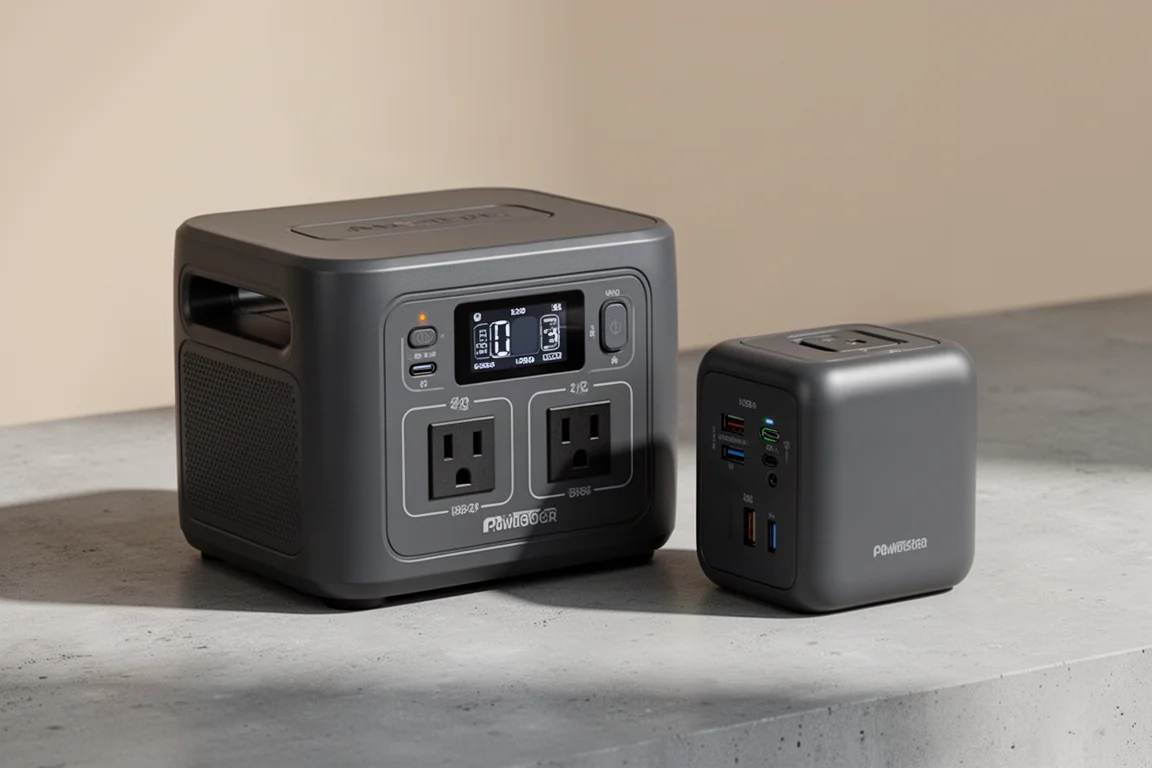
When a company best known for drones and cameras decides to build a portable power station, expectations are naturally high. DJI entered this category with two units, the Power 1000 and the Power 500, and based on build quality, charging speed, and overall design, both look like products from a brand that has been making power stations for years rather than a first attempt.
After extensive hands-on time, including a full teardown of the larger unit, the impression is consistent: these are exceptionally well-built devices with a professional feel, aimed at pros and serious users rather than casual buyers. Here is how they stack up.
The Power 1000: DJI’s Flagship Power Station
The DJI Power 1000 is the larger of the two and carries a premium, almost professional-grade feel. It offers two AC outlets, USB-A and USB-C ports, a clean LCD screen, and a solar input that lets you control how much power goes in, with a maximum solar input of 1,200W or 800W depending on your setup. The ports are covered by rubber doors, though these are detachable rather than hinged, which is worth keeping an eye on over time.
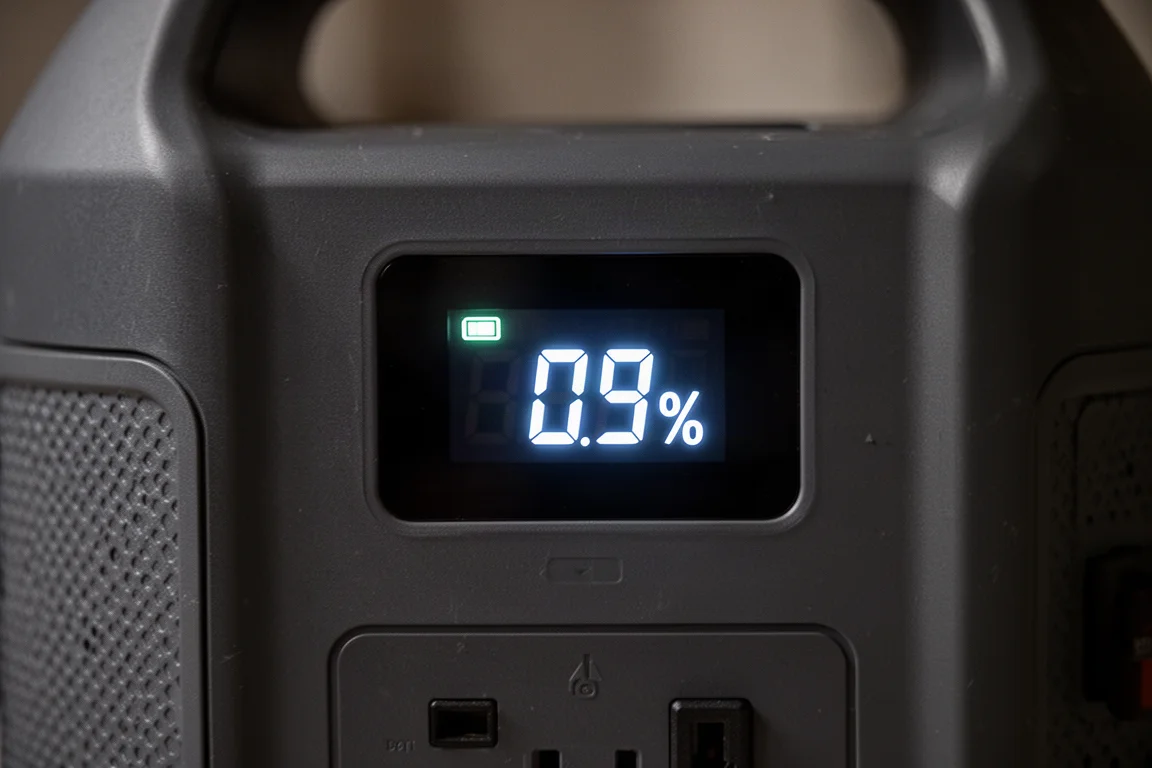
Inside, the construction is genuinely impressive. The unit passed 26 product testing standards, uses what appears to be LiFePO4 battery chemistry with a 4,000-cycle lifespan, and is rated for roughly 10 years of battery life. The custom circuit boards, heavy protective material, and rubber-cushioned fan assembly all point to serious engineering rather than a rebadged generic unit. It also supports 220W high-capacity output, well above what most comparable devices offer.
Real-World Performance
Charging speed is one of the standout features. Both units arrived at around 30% charge and reached a full charge in under an hour, which is genuinely fast for this category. DJI rates the Power 1000 at a full charge in 70 minutes, and real-world use backed that up.
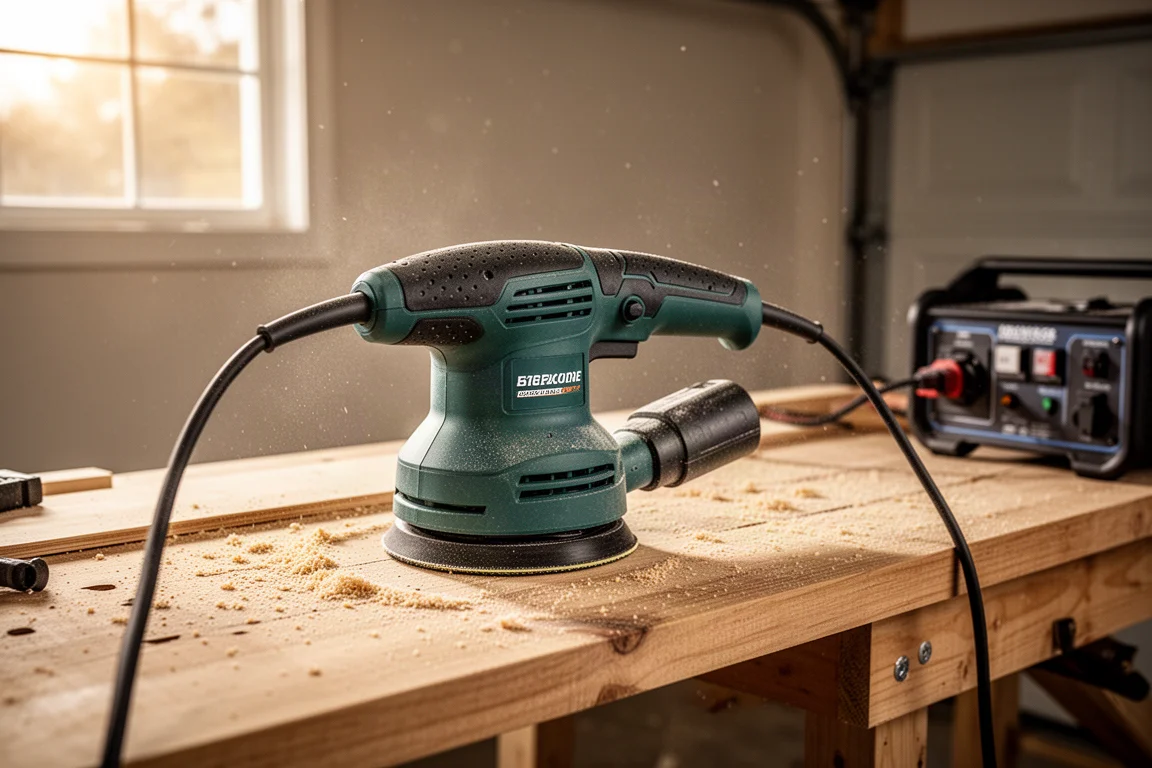
On the output side, the Power 1000 shrugged off a demanding load with ease. An older corded Makita sander, the kind of dirty, high-draw tool that pushes an inverter hard, ran without any noticeable strain.
Noise is another highlight. These units are exceptionally quiet in operation, so much so that a sound meter registered no measurable change when the devices were running. For indoor use, studio work, or camping near other people, that silence matters.
As a runtime reference for the Power 1000, DJI lists approximately 57 recharges for a mobile phone, around 9.2 hours for a projector, 19 hours for a car refrigerator, 9 hours for an electric fan, and it can also run a coffee maker. It can also function as an uninterruptible power supply, which makes it useful for studio or home office setups.
The Power 500: Compact and Capable
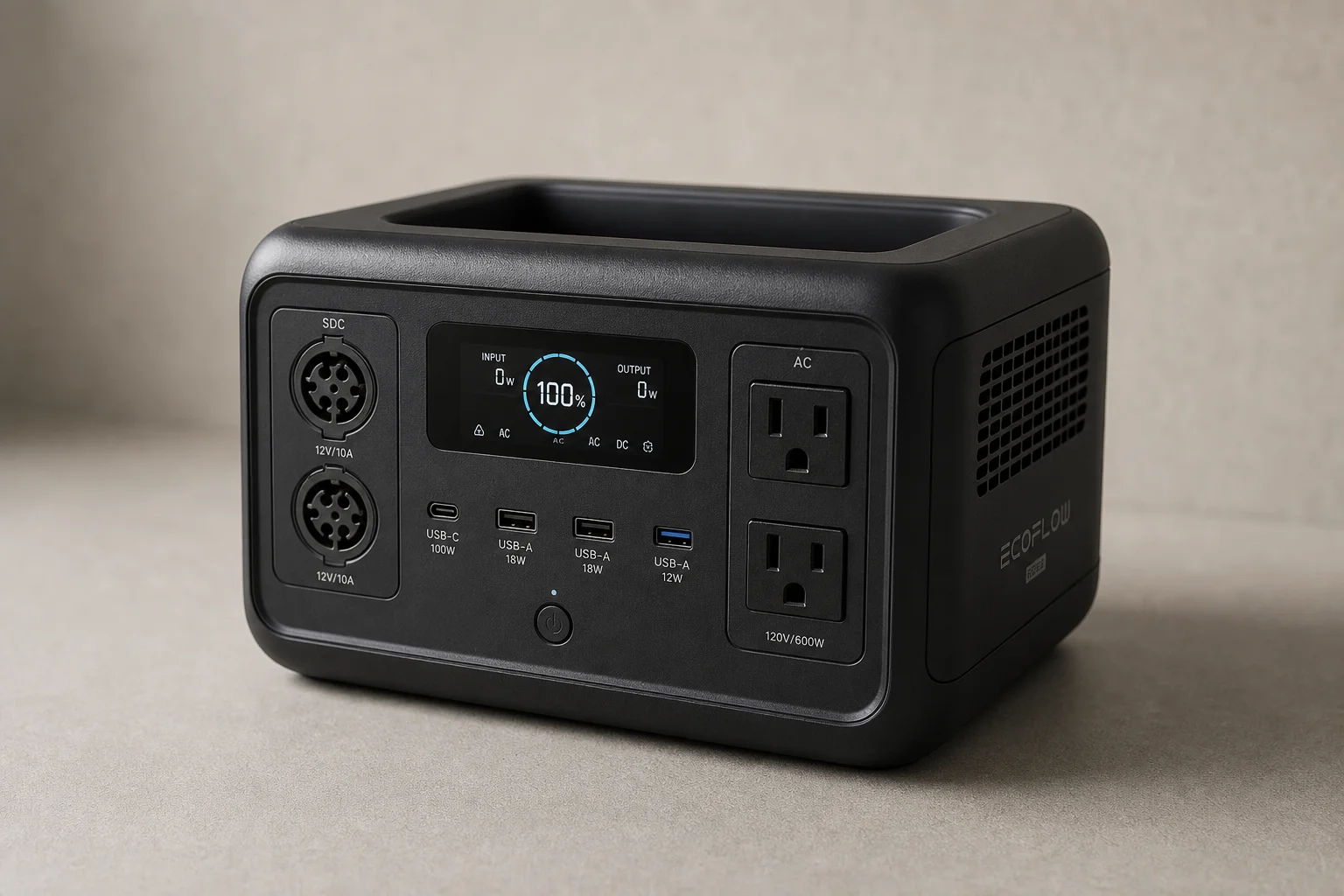
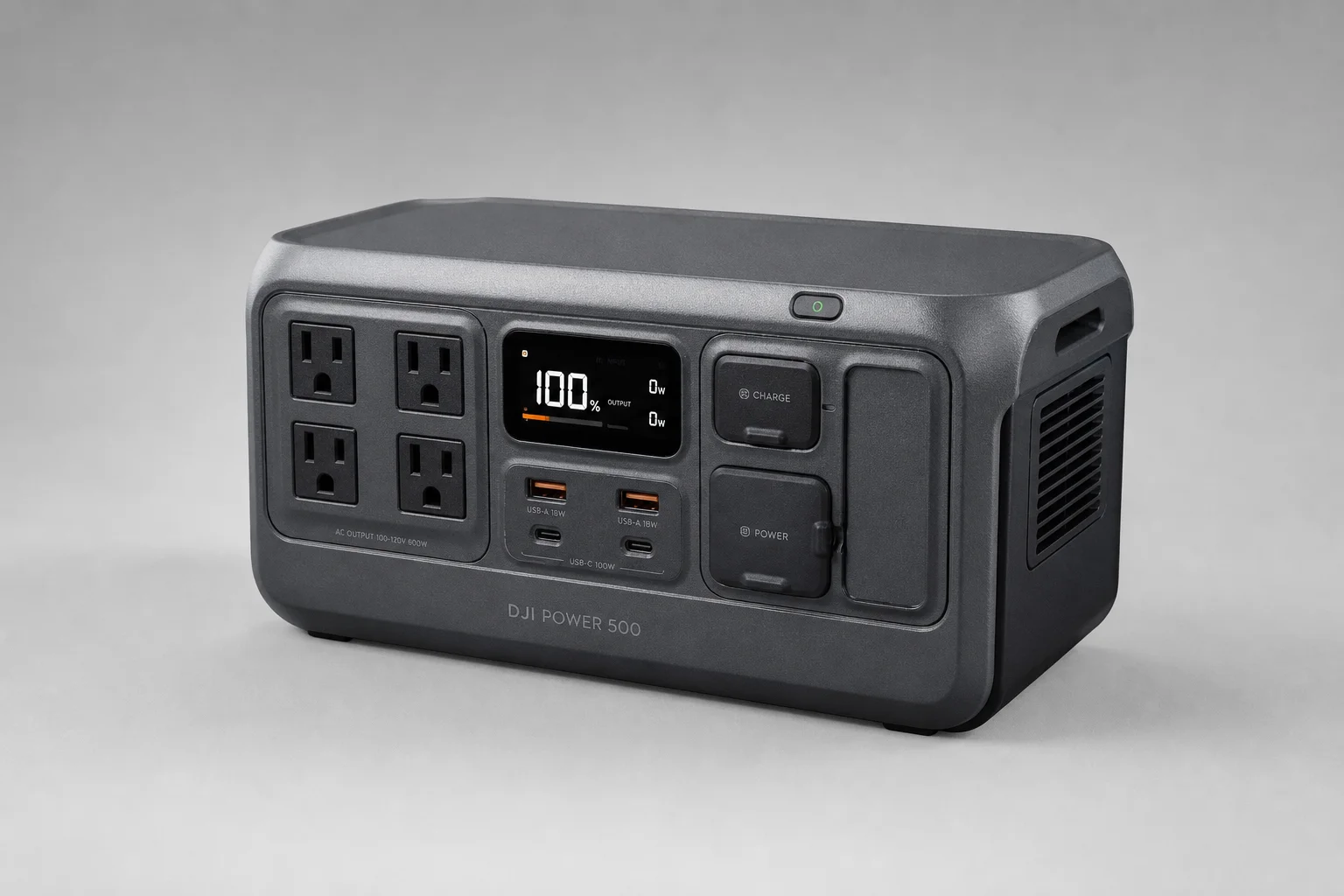
The DJI Power 500 is essentially a compact little sibling to the Power 1000, and it shares the same design language and build quality. It puts out up to 1,000W of power despite its smaller capacity, which is a solid figure for a unit this size, and it supports solar charging along with the same fast drone-charging features.
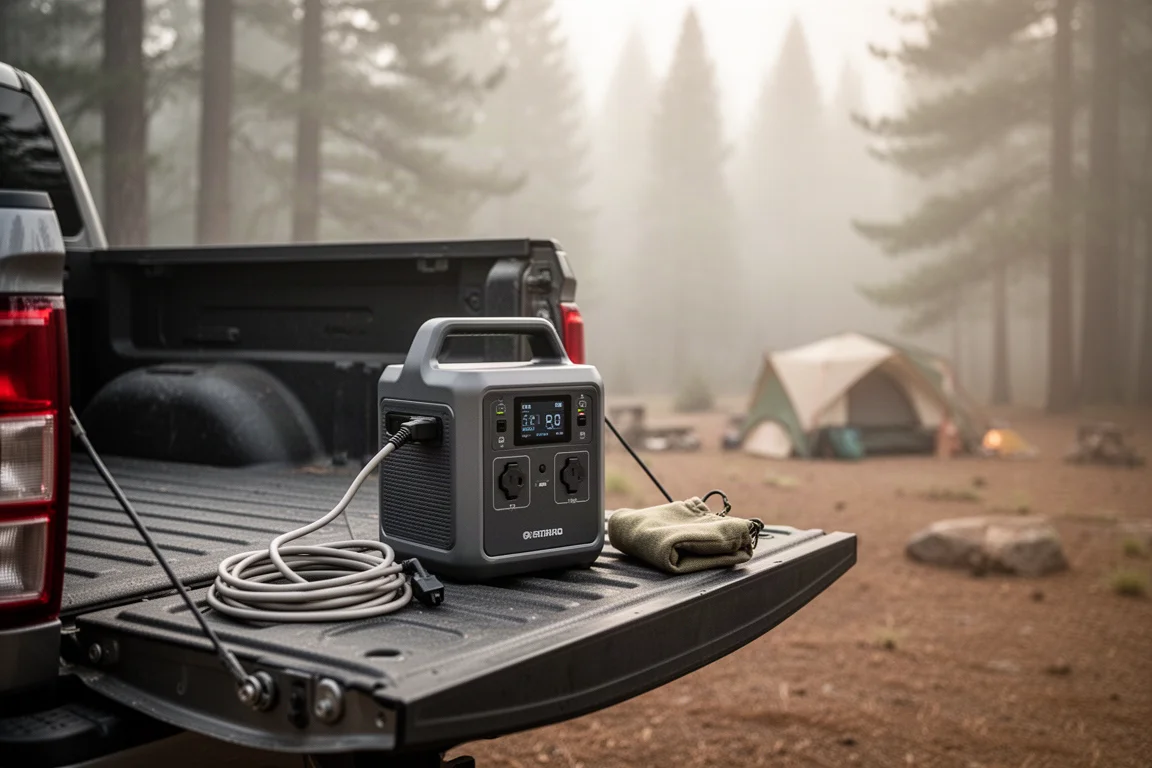
One design detail worth appreciating: there is no decorative light on the unit. No wasted materials, no unnecessary glow, just a clean, functional box. For anyone who values a no-nonsense design, that is a small but welcome touch.
Who These Are For
Neither of these is a whole-house backup or emergency-grade generator, and DJI does not position them that way. The target audience is pros and high-level prosumers: people heading into the field with a pile of electronics, creators who need reliable power in a compact package, and weekend campers who want something that will not let them down. The build quality and design place both units firmly in the premium tier of the category.
Accessories: Carry Bag and Solar Panel
DJI also offers a purpose-built carry bag that is unusually well thought out. The sides unzip to allow ventilation while the unit runs, a front panel flips down for full access to the ports, and there are pouches and pockets for cables. It genuinely looks like something from a designer shop, and at $100 it is not cheap. For users who throw gear in a truck bed, it may be unnecessary, but for anyone who wants to keep the unit pristine while traveling, it is a genuinely useful option.
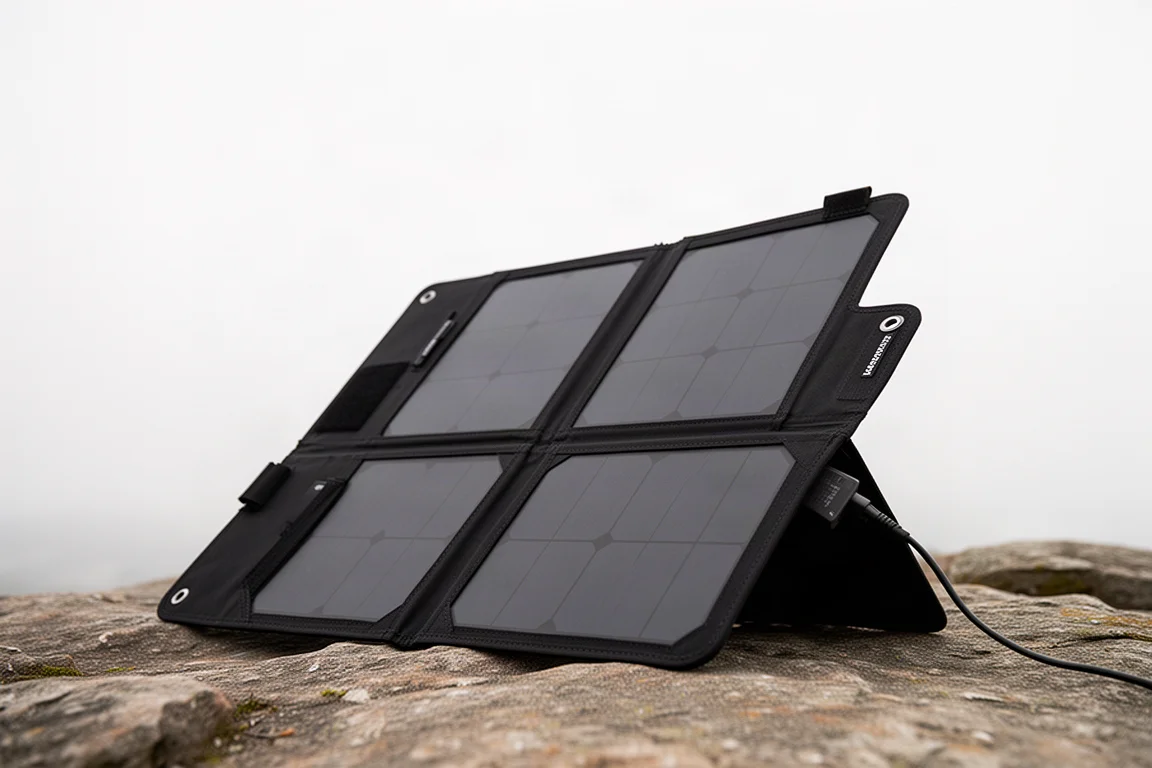
The 100W solar panel is a quad-fold design, which makes it notably more compact than the more common bi-fold panels, and at $300 it is a premium accessory. For frequent travelers or professionals with limited vehicle space, such as a storm chaser working out of a compact crossover, the smaller folded footprint is a real advantage. Casual users with room to spare in a large vehicle may want to wait for a sale or stick with a bulkier, cheaper alternative.
Pricing and Buying Advice
The DJI Power 1000 normally lists at $1,000, which puts it at the high end of the category, but it has been available on sale for $699, a much more reasonable price for this level of build quality. The Power 500 normally lists at $500 and has been on sale for $379. DJI also runs combo kits and has offered promotions such as 30% off spring savings, plus 30-day returns and exchanges and a two-year warranty.
DJI is an established company with strong warranty support and a long track record in drones and cameras, which adds confidence to the purchase. The main caveat is simple: these are premium devices, and they are not for everyone. If you need a lot of power in a small, quiet, well-built package, they are excellent. If your needs are basic and budget-driven, there are cheaper options on the market.
Conclusion
The DJI Power 1000 and Power 500 are a remarkably strong first entry into the portable power market. Fast charging, near-silent operation, premium build quality, and thoughtful accessories set them apart, even if the pricing positions them for pros and demanding users rather than everyone. If you fit that profile, both units are easy to recommend.
Further reading
Related Reviews
Portable Power
Best Portable Power for Camping and Remote Work: Six Power Banks and Solar Panels Compared
A practical comparison of six portable power options, from a 500W solar generator for car camping to a one pound solar power bank built for backpacking.
Portable Power
Best Portable Power Stations 2026: Nine Models Compared for Real-World Use
We compared nine portable power stations across output, capacity, charging speed, noise, and UPS performance to find the best value and the best overall pick.
Portable Power
Best Portable Power Stations and Power Banks for Blackouts and Travel
Five portable power solutions compared: two EcoFlow power stations, a flight-friendly Zendure power bank, a see-through Shargeek, and the feature-packed Omni 20c+.