Portable Power
DJI Power Station Lineup: Power 2000, 1000, 500 and External Battery Compared
A practical look at DJI's portable power range, from the day-trip sized Power 500 to the flagship Power 2000 with its 30 amp RV port.
Introduction
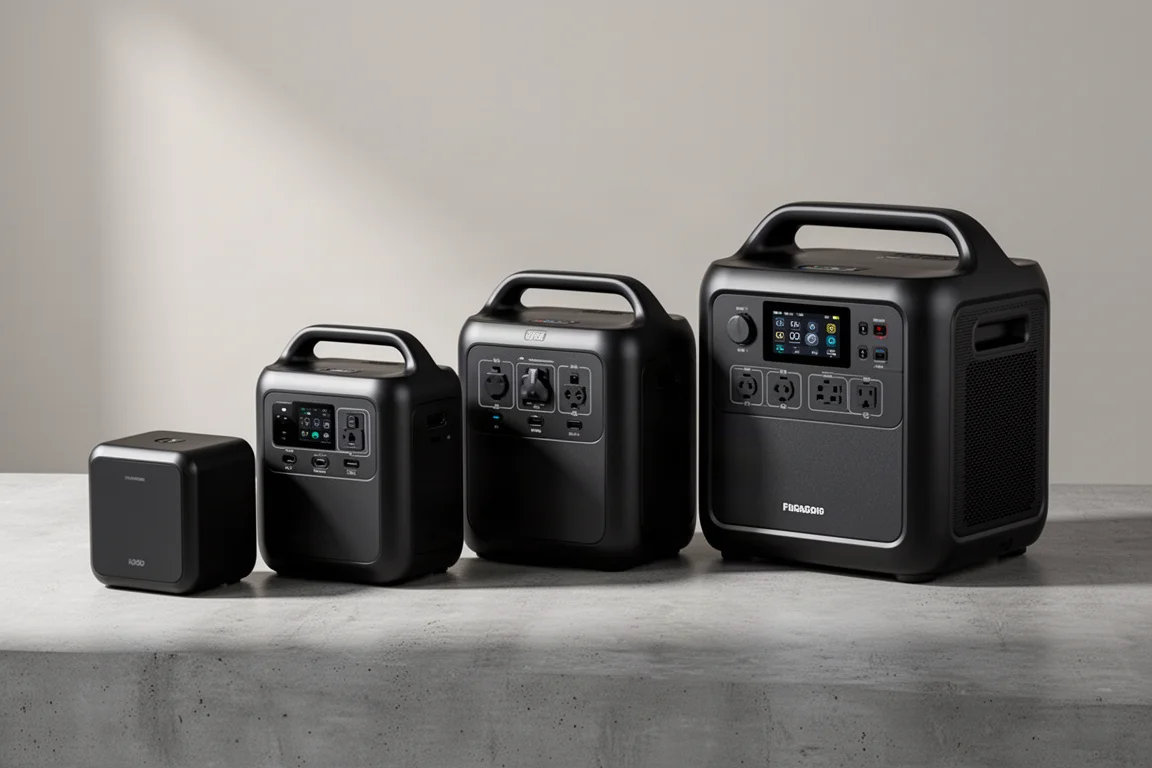
DJI’s power station lineup has grown fast. What started with the compact Power 500 and the capable Power 1000 now extends to the flagship Power 2000, plus an external battery that expands the capacity of the larger units. Each product targets a different kind of user, and the differences matter more than the model numbers suggest. Here is how they stack up and who each one is actually for.
Power 2000: The New Flagship
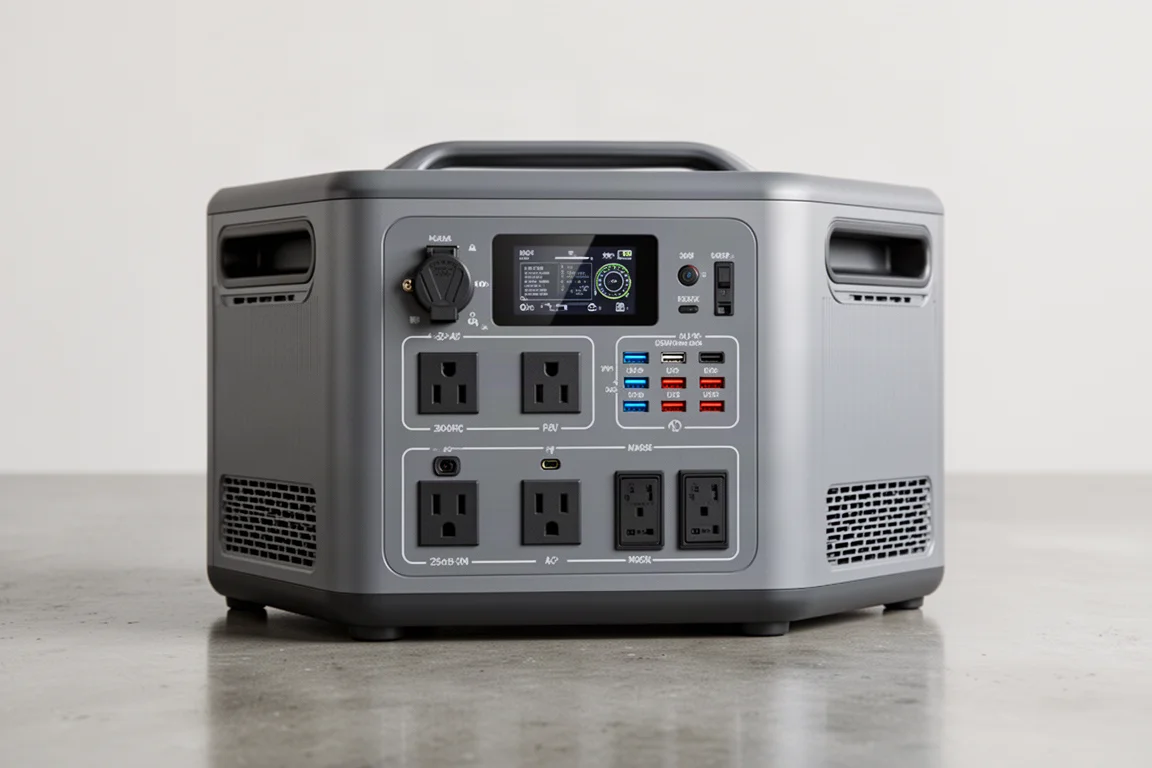
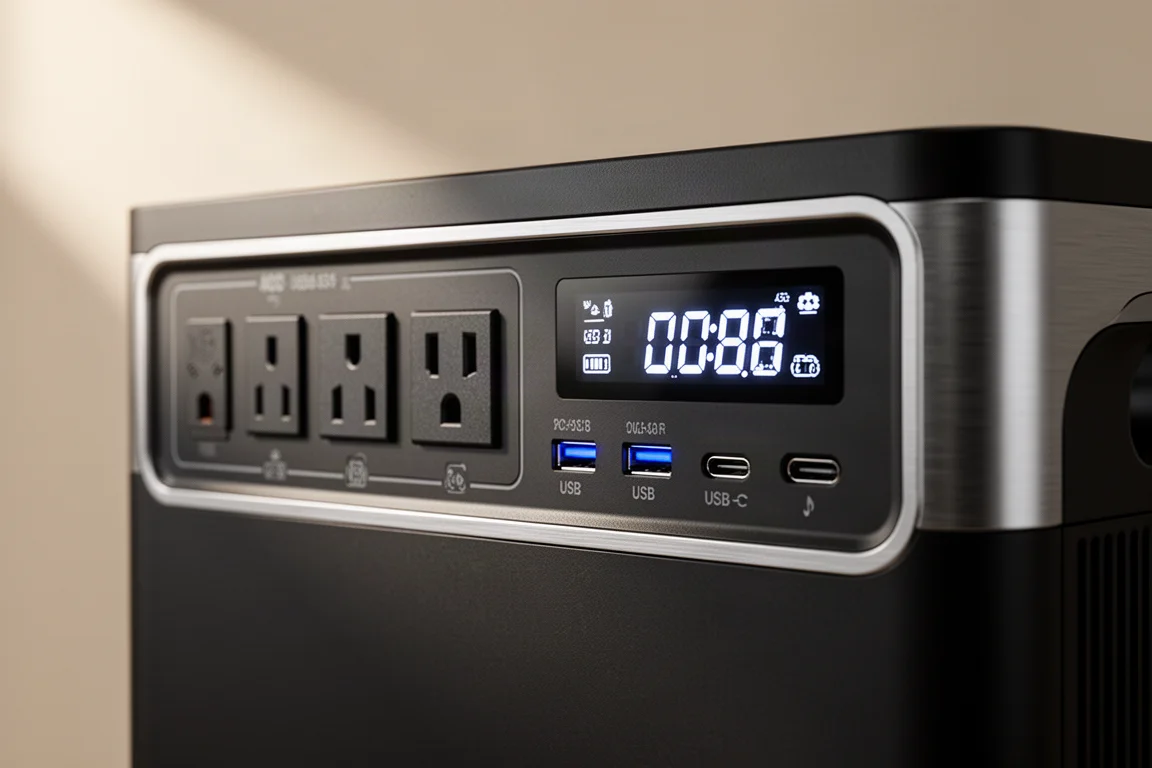
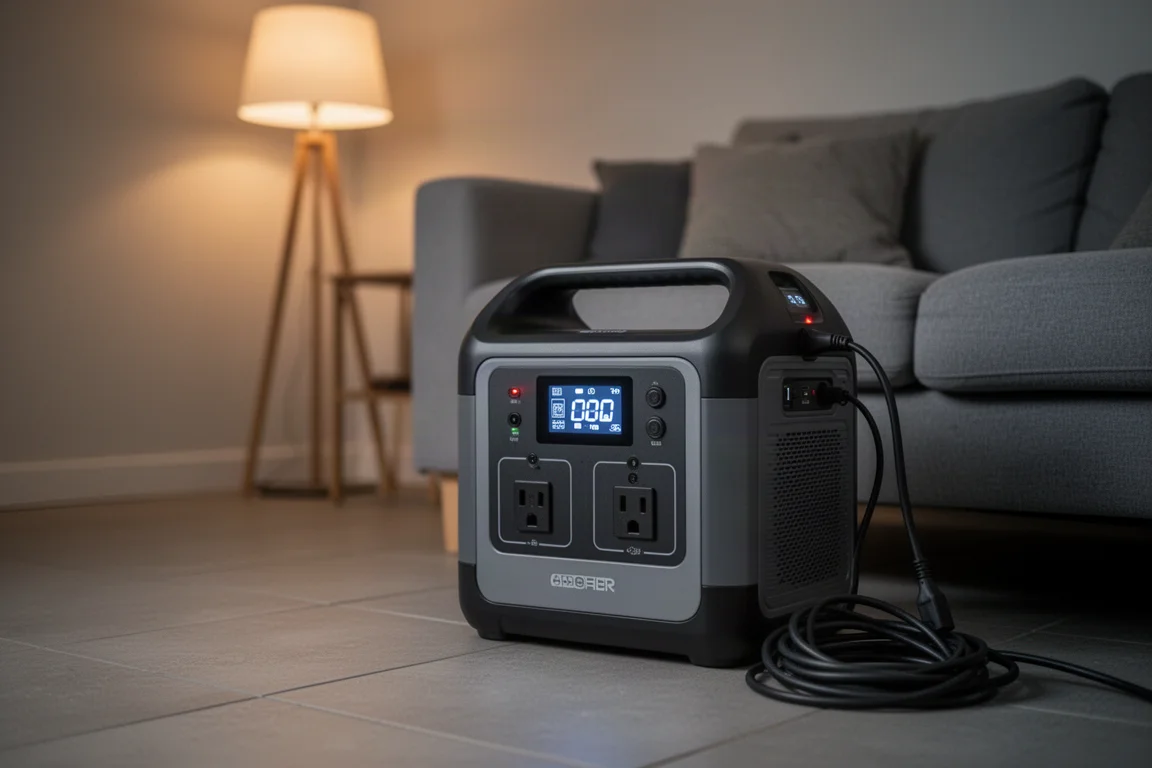
The Power 2000 is the big brother to the 500 and 1000, and the changes are substantial. It adds a 30 amp RV port, vent ports on both sides, and keeps everything user-facing on the front panel: three AC outlets, four USB-C ports, four USB-A ports, plus the specialized SDC output and a direct DC output. The SDC connection bypasses everything else and pulls power straight from the battery for direct, fast delivery to compatible gear.
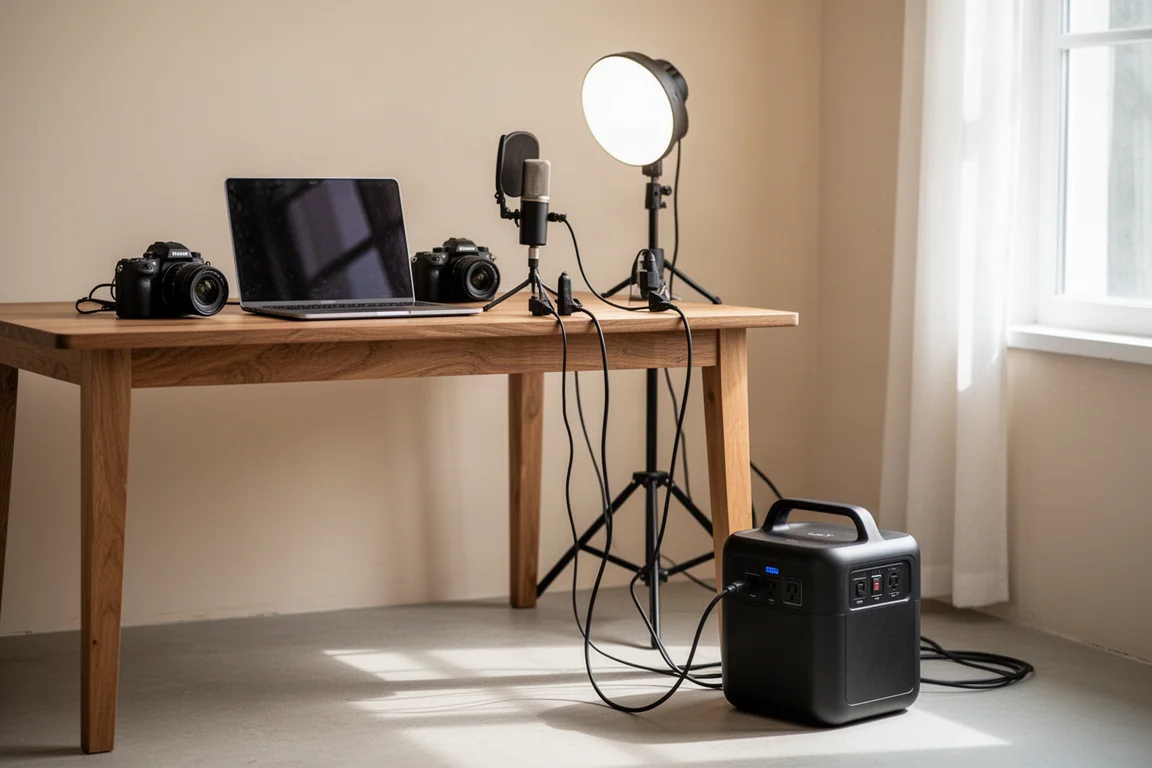
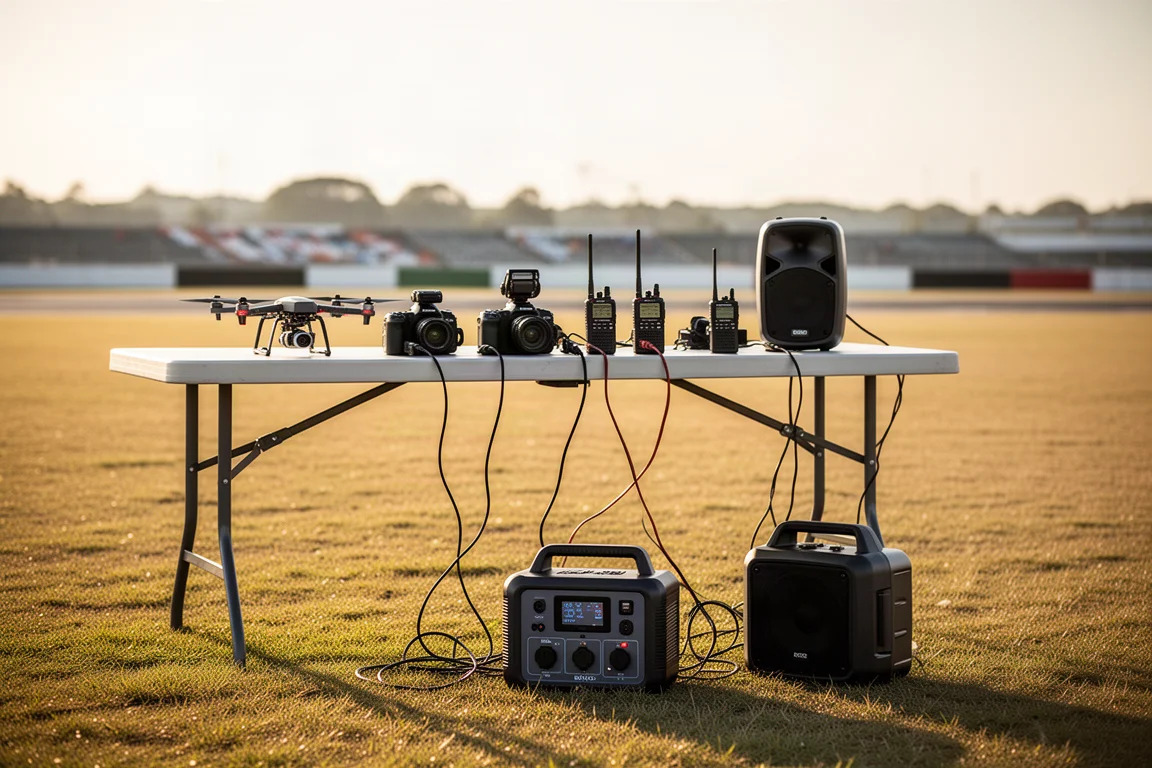
In real use, it has proven genuinely versatile. On a working trip, a full creator setup ran off one unit: a camera, microphone, laptop, an Osmo Pocket 3 with its creator kit, an iPad, camera batteries charging, an Insta 360 charging, phones, and a studio light, all at the same time. At another outing at an off-road vehicle park, a single Power 2000 kept radios, cameras, drones and a PA system with music running for the entire day.
The 30 amp RV port also opens up a second role at home: with the appropriate transfer switch hardware, it can work as a home battery backup system. DJI’s external batteries connect to it as well, with several units able to be linked together for a dramatic capacity increase. That makes the 2000 as much a semi-permanent power hub as a portable station.
Why Clean Power Matters
One detail worth highlighting: DJI’s power stations deliver pure sine wave protected power. That matters if you are plugging in expensive electronics. When staying in older accommodation with questionable wiring, running sensitive gear through a power station rather than an unfamiliar wall outlet is a smarter way to protect the investment.
This is really the core identity of the Power 2000. It is not a weekend camping toy. It is aimed at professionals: drone pilots, people doing GPS or mapping work, anyone heading to a site without power and needing clean, reliable output that will not damage sensitive electronics.
Power 1000: The Versatile Middle Ground
The Power 1000 sits in the middle of the lineup and is arguably the most broadly useful. It is a natural fit for photographers and event creators who work on location without access to outlets and need to run cameras, drones, laptops and other gear on the cleanest, most reliable power available. It is currently on sale at $699, and for that kind of multi-use role it is a strong pick.
Power 500: For Day Trips and Overnights
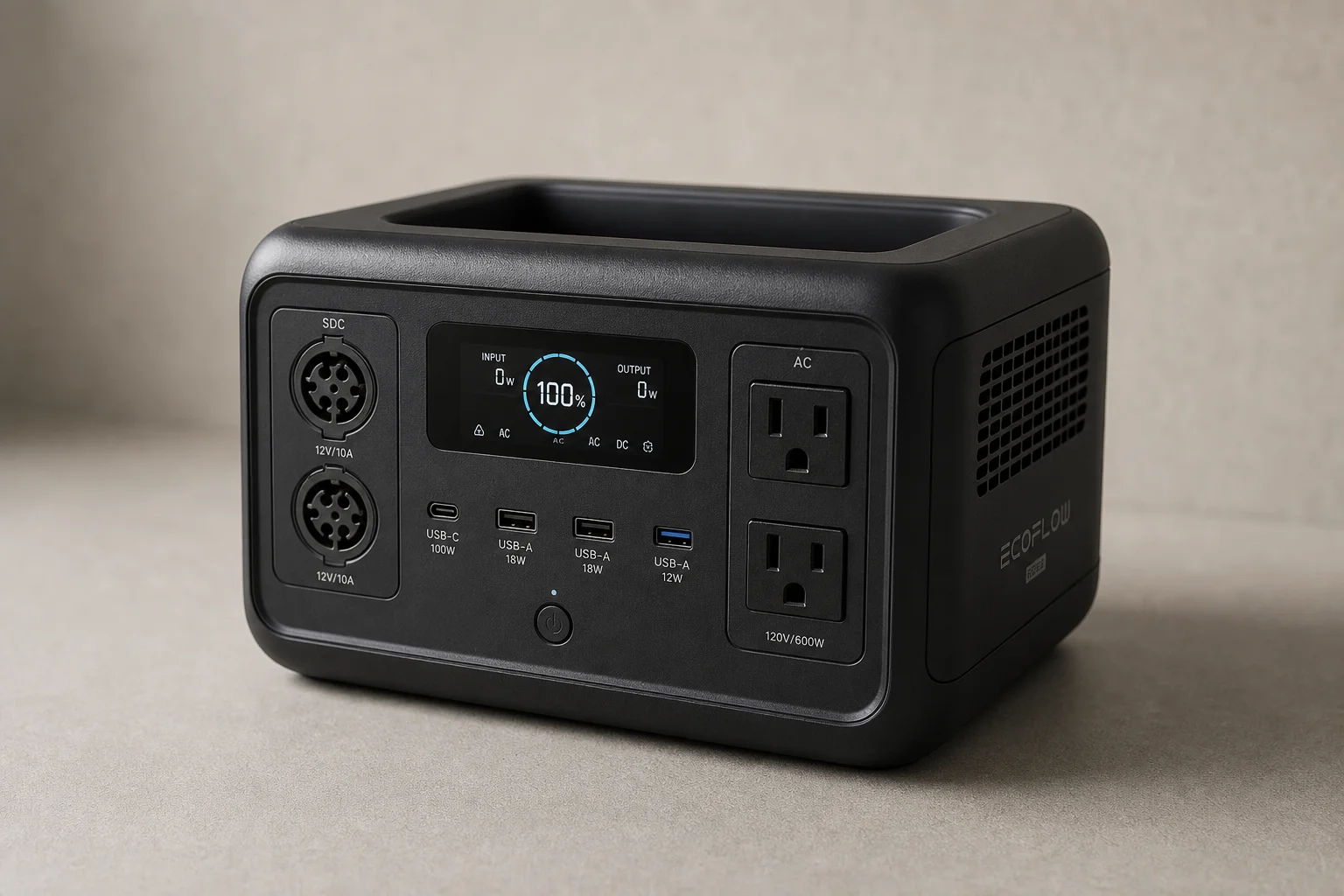
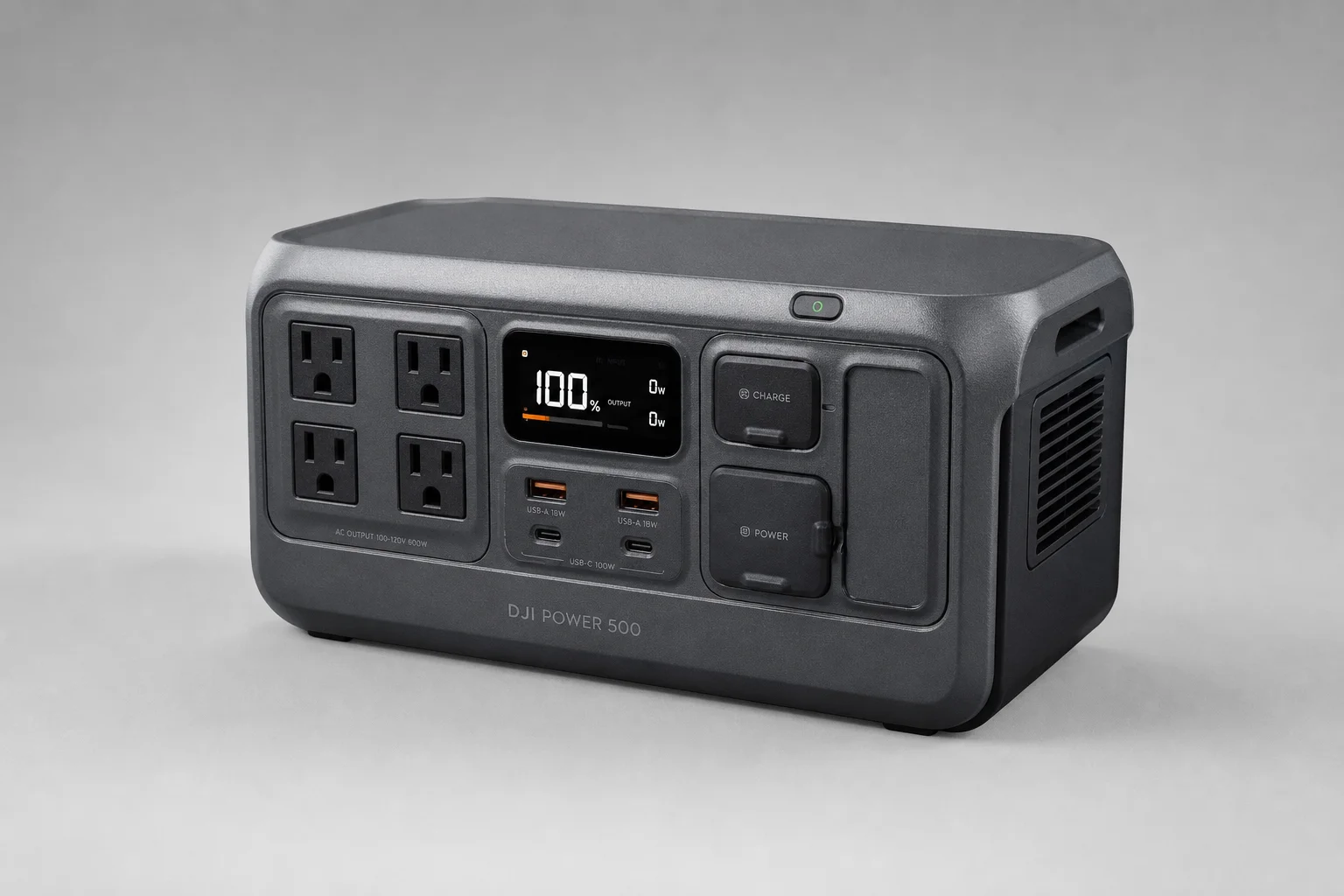
The Power 500 is the day-use option in the range. It suits a day out, an overnight, or lighter loads such as running a CPAP machine. It is the smallest and most affordable of the three, currently selling at $359 on sale, and it handles the kind of short-trip needs most casual buyers actually have.
External Battery: Doubling Your Runtime
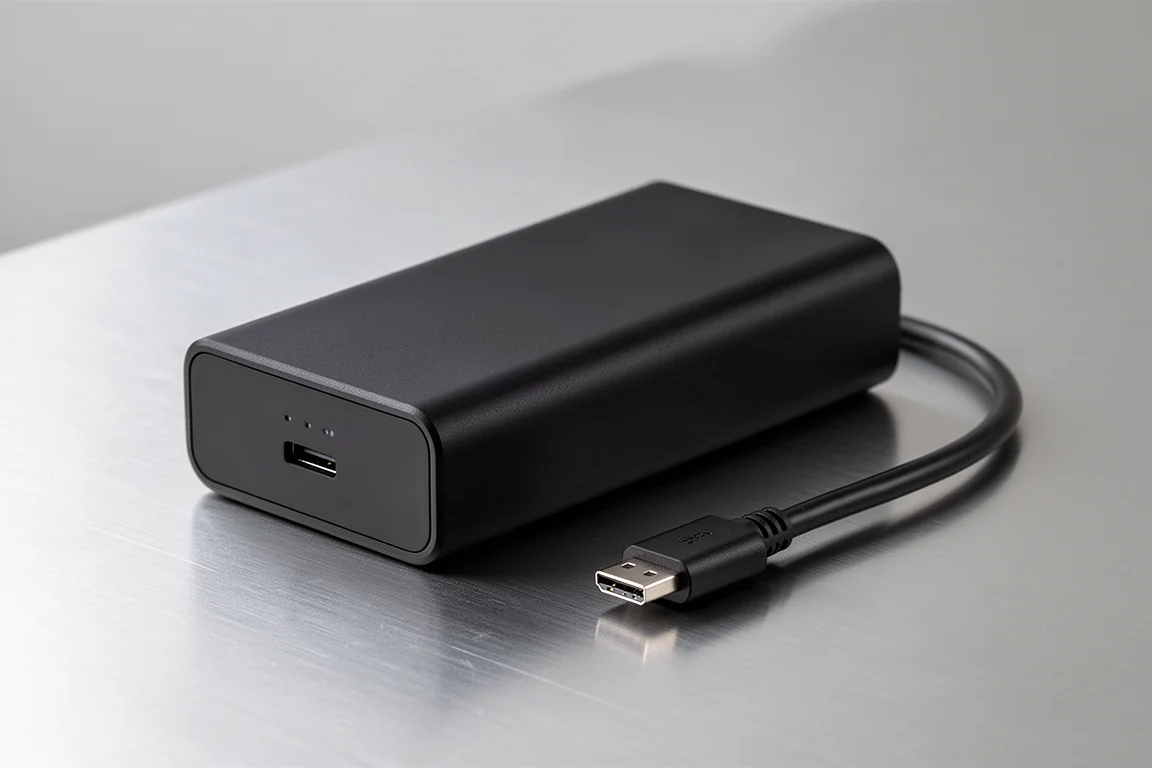
Alongside the main stations, DJI offers an external battery option that works with the Power 1000, and reportedly with the Power 2000 as well. It provides 2,400 watts of continuous output, but it cannot stand alone: it has to be used with one of the main power stations. Paired with a Power 1000, it roughly doubles your available power. It is currently on sale for $899.
Quieter Than Most: Everyday Practicality
One genuinely pleasant surprise with the Power 2000 is how quiet it is. During normal charging it is whisper quiet, to the point that you barely notice it running. Only in fast charge mode on a hot day do the fans kick in audibly. Few power stations can claim that, and it makes a real difference indoors or in quiet environments.
Which One Should You Buy?
Match the unit to the job. The Power 500 covers day trips, overnights and light loads at the friendliest price. The Power 1000 is the sweet spot for event photographers and creators working off-grid. The Power 2000 is for professionals with sensitive, high-draw gear, and it doubles as a home backup thanks to the 30 amp RV port and external battery support. The external battery is an add-on, not a starter unit: buy it only once you already own a compatible power station.
Conclusion
DJI now covers the portable power spectrum well, from a $359 day-trip companion to a flagship capable of running an entire production setup or backing up a home. Pick by use case rather than by spec sheet, and the right unit in this lineup is fairly easy to identify.
Further reading
Related Reviews
Portable Power
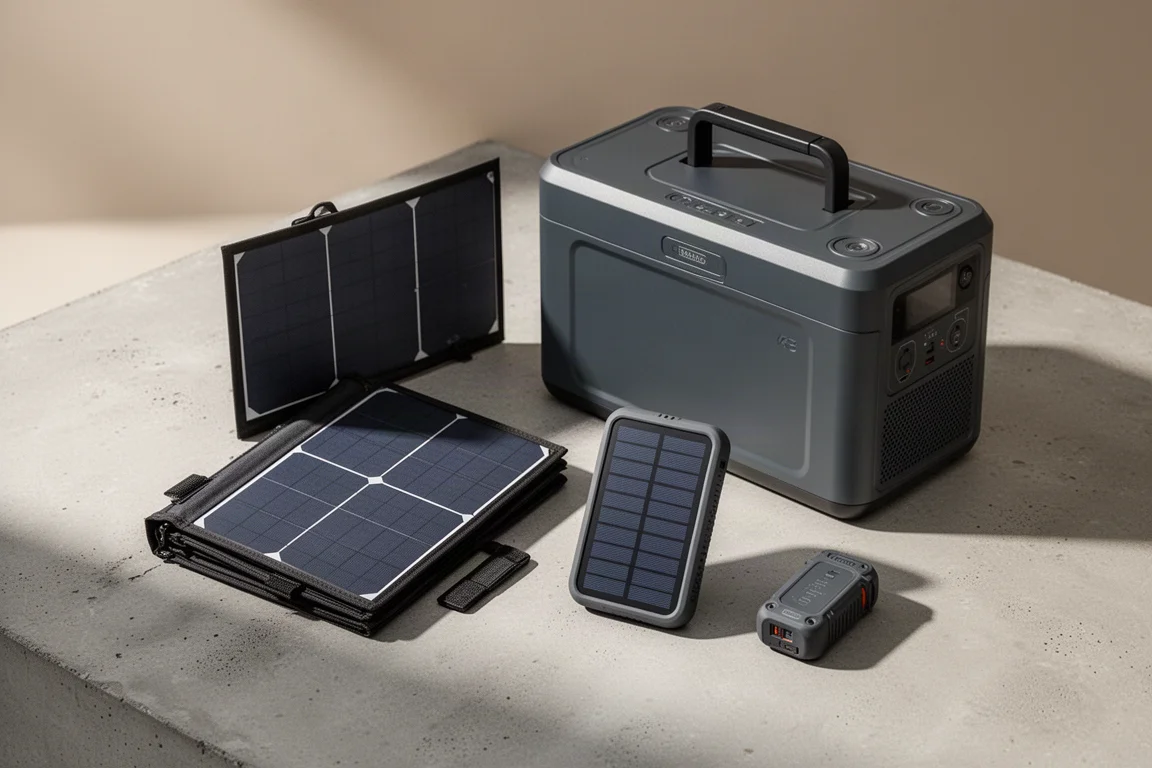
Best Portable Power for Camping and Remote Work: Six Power Banks and Solar Panels Compared
A practical comparison of six portable power options, from a 500W solar generator for car camping to a one pound solar power bank built for backpacking.
Portable Power
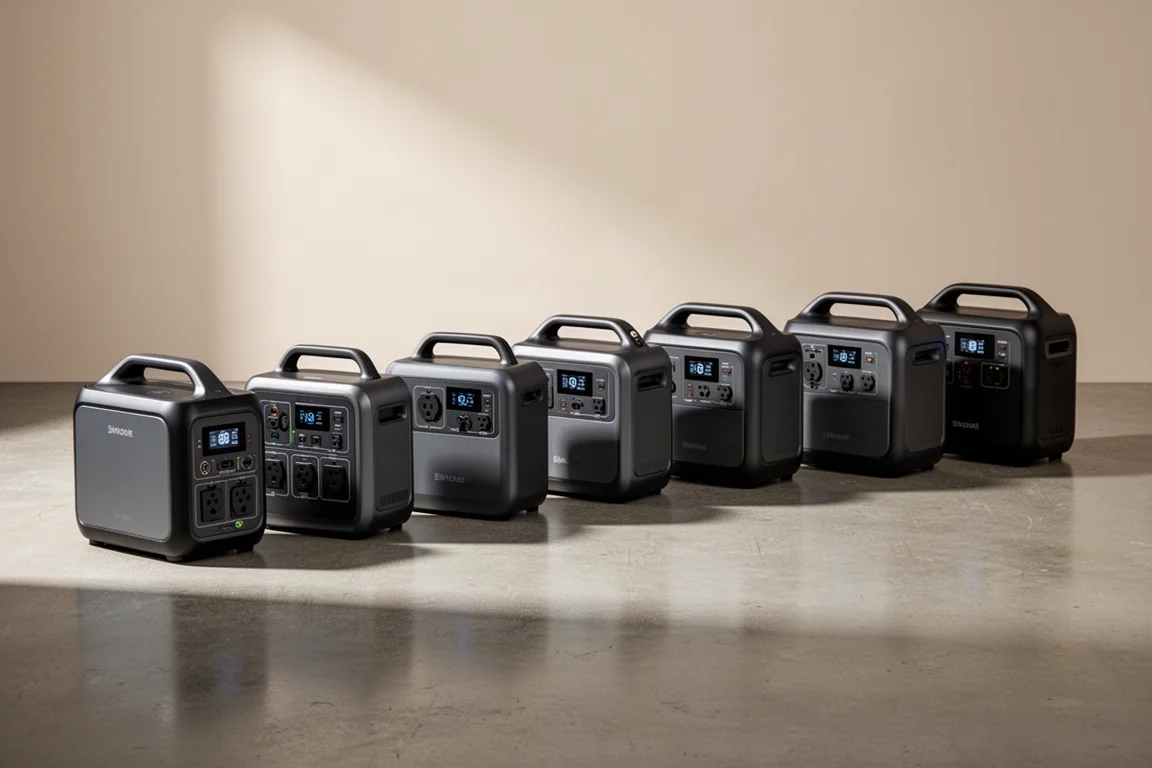
Best Portable Power Stations 2026: Nine Models Compared for Real-World Use
We compared nine portable power stations across output, capacity, charging speed, noise, and UPS performance to find the best value and the best overall pick.
Portable Power
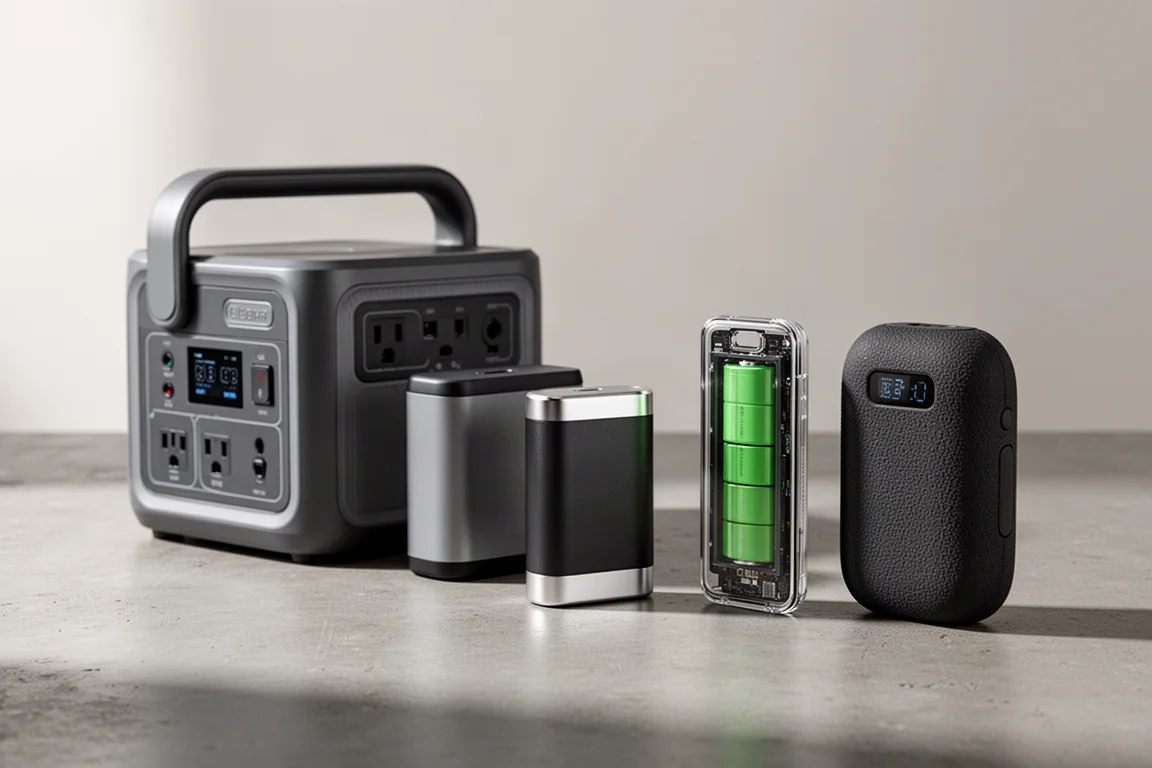
Best Portable Power Stations and Power Banks for Blackouts and Travel
Five portable power solutions compared: two EcoFlow power stations, a flight-friendly Zendure power bank, a see-through Shargeek, and the feature-packed Omni 20c+.