E-Mountain Bikes
DJI Avinox Motor System and Amflow e-Mountain Bike: A New Force in E-MTB
DJI enters the e-bike world with the powerful Avinox motor system, while its incubator brand Amflow launches a premium e-mountain bike built around it.
Introduction
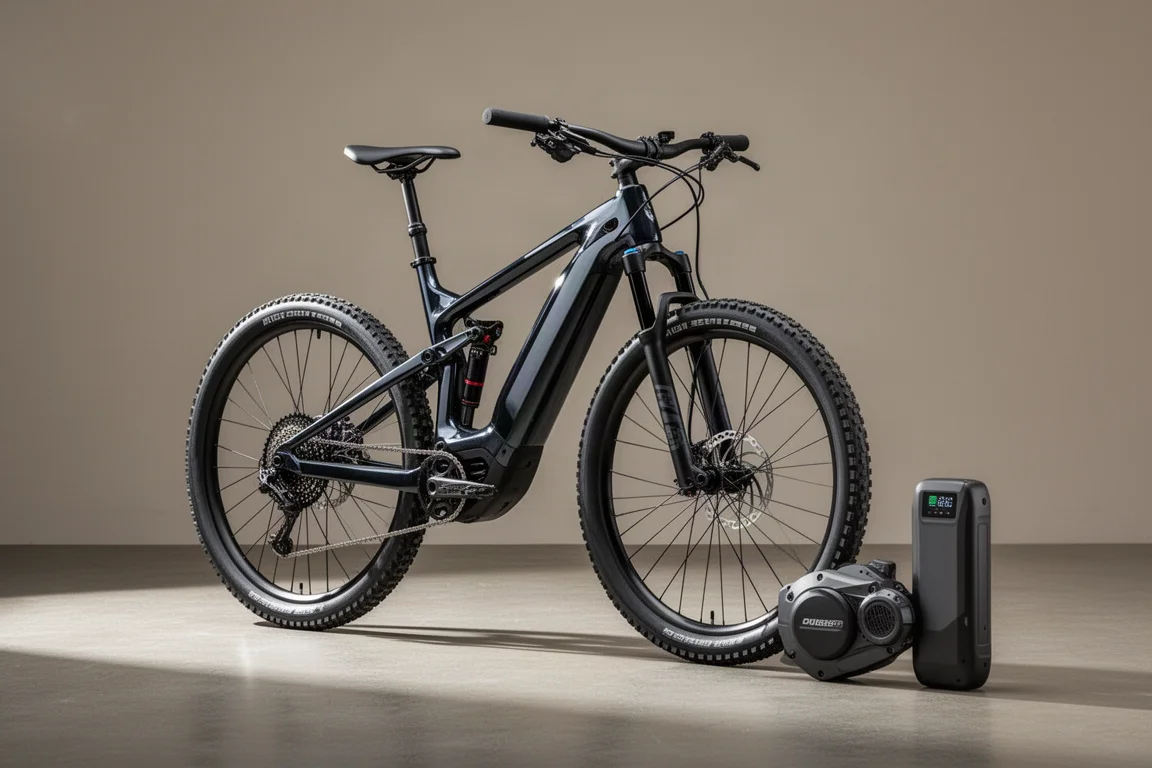
DJI is best known for drones and action cameras, but the company has stepped into an entirely new category: electric mountain bikes. The entry comes in two parts. First is the DJI Avinox motor system, a complete e-bike drive package that DJI intends to sell to other bike manufacturers the way Bosch does. Second is the Amflow e-mountain bike, a premium machine from a DJI-incubated brand that launches with that motor system built in.
The pairing is notable because the Avinox motor claims torque and power figures at or beyond the top of what is currently on the market, while the display unit borrows hardware from DJI’s action camera line. This article breaks down what each product is, what it does well, and who should realistically consider buying.
What the Avinox Motor System Actually Is
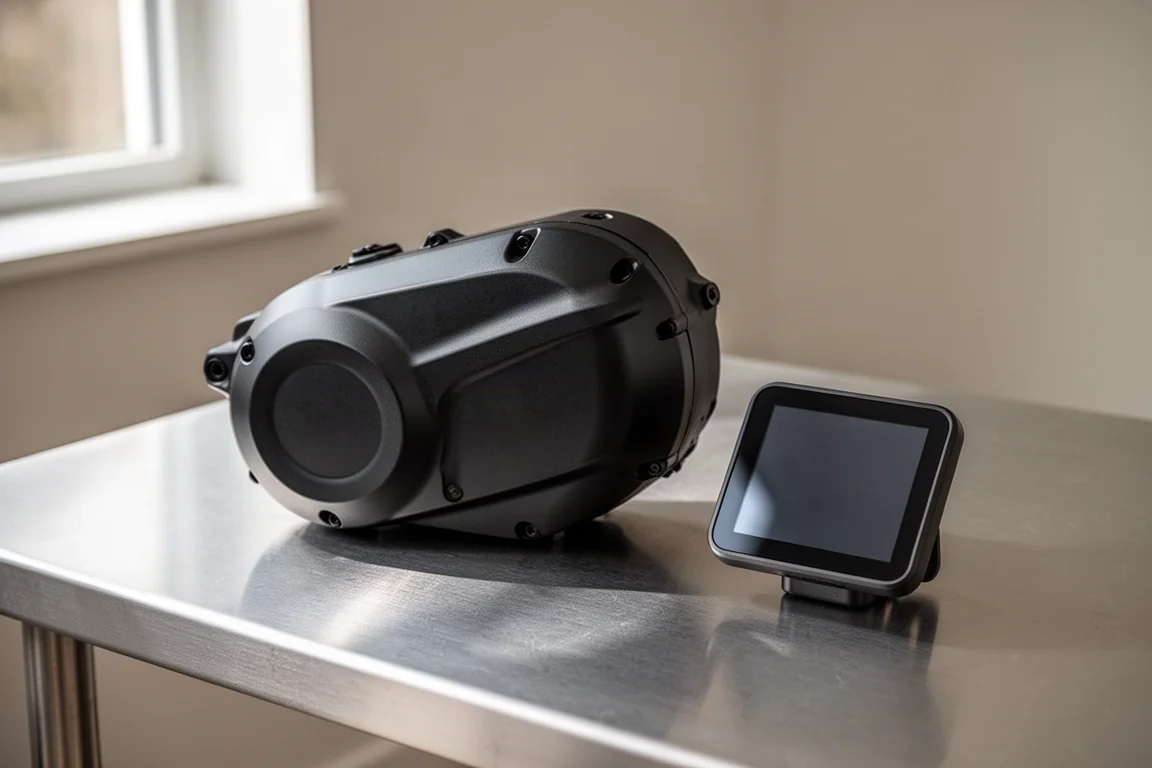
The Avinox is a single motor system, despite rumors of multiple variants. The batteries differ between bikes, but the drive unit itself is one design. It delivers up to 120 Nm of torque in boost mode, a meaningful jump over the roughly 85 to 95 Nm typical of most e-bike motors today. In practice, that extra headroom matters most on steep gradients and for heavier riders pushing a big climb.
It is worth remembering that e-bikes still require pedaling. The motor amplifies your effort, and the Avinox can multiply rider input by up to 400 percent. A rider putting out a steady 200 watts could see up to 800 watts of assist on tap. That is where the top-end torque claim becomes genuinely relevant rather than just a spec-sheet number.
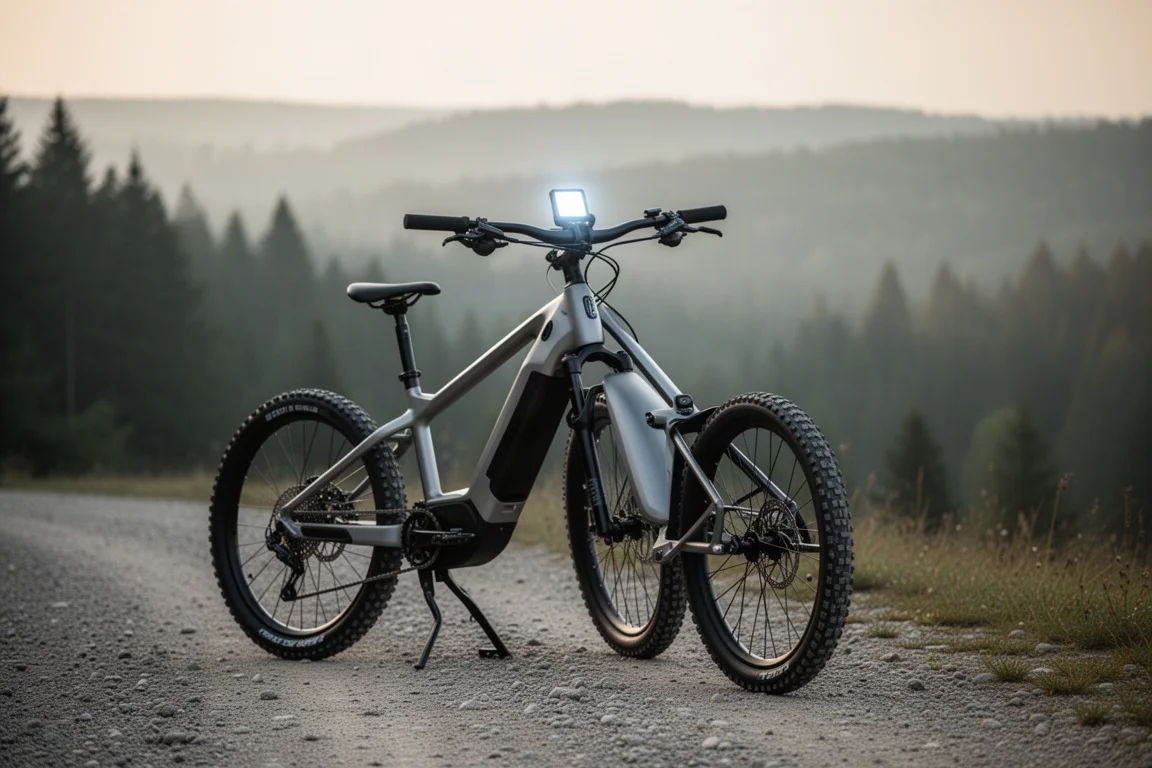
Battery options come in two sizes, both integrated inside the frame. From a consumer perspective they are not removable or swappable, though third-party bike makers integrating the system have more flexibility. Charging times are broadly in line with the market, slightly faster in some scenarios but not dramatically different. Beyond the motor, the system carries sensors DJI says were adapted from its drone lineup to better control assist on steep climbs.
The Display Is the Biggest Differentiator
The standout feature is the display, which is built on the hardware of a DJI action camera. It is a touchscreen that responds to swipes and taps, powered by the bike’s battery and controlled through buttons on the handlebar: the right button cycles through data pages, while the left changes assistance modes.
The data recording is arguably the most interesting part. Every time you start pedaling, the system can record your ride, complete with GPS, LTE connectivity, power data, and even heart rate when you pair a sensor. Heart rate broadcasting from a watch worked directly in testing, with the display accepting the pairing like any heart rate strap. Rides sync to a dedicated DJI app, connect to Strava, and export as FIT files, the industry-standard format used by virtually every sports watch.
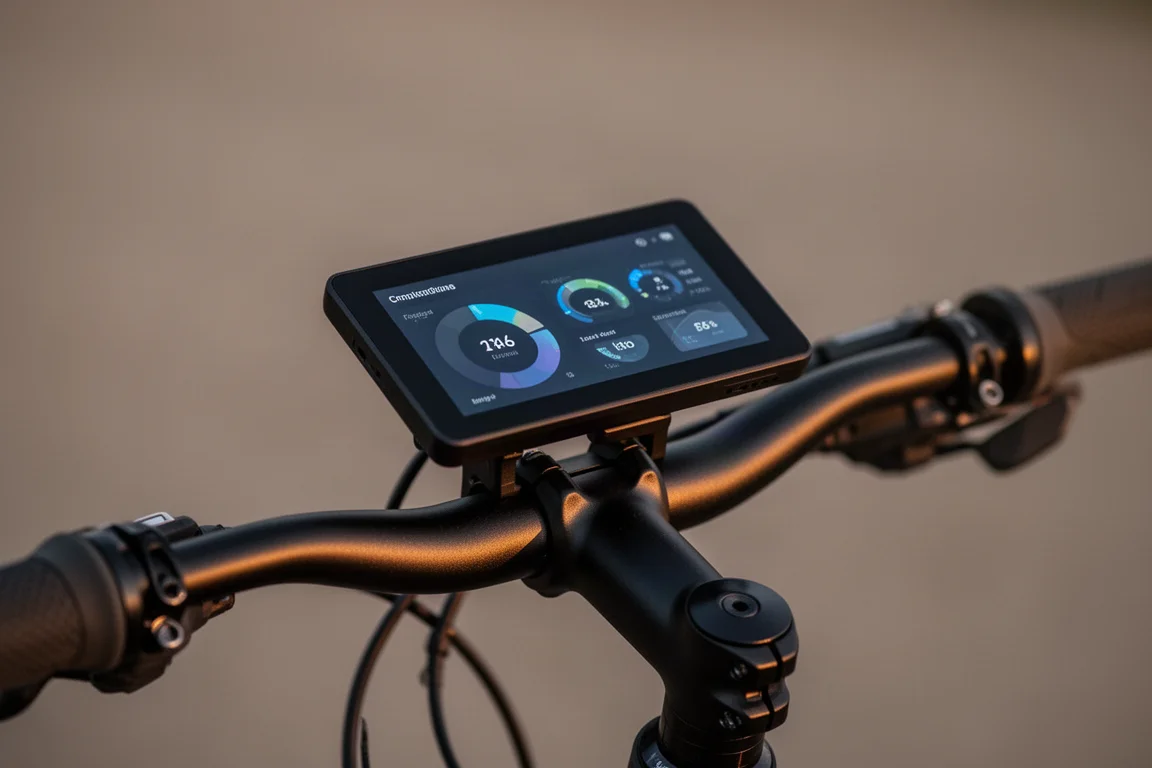
Assistance modes include off entirely, or auto mode, which intelligently shifts between Eco, Trail, and Turbo. Turbo provides up to 120 Nm for 30-second bursts, then beeps and returns you to auto mode at the regular 110 Nm. DJI suggests future integrations with its other products, such as action cameras or drones, are on the roadmap, but bikes shipping in the fall will function essentially as seen here.
Specs, Components, and How the Two Bikes Differ
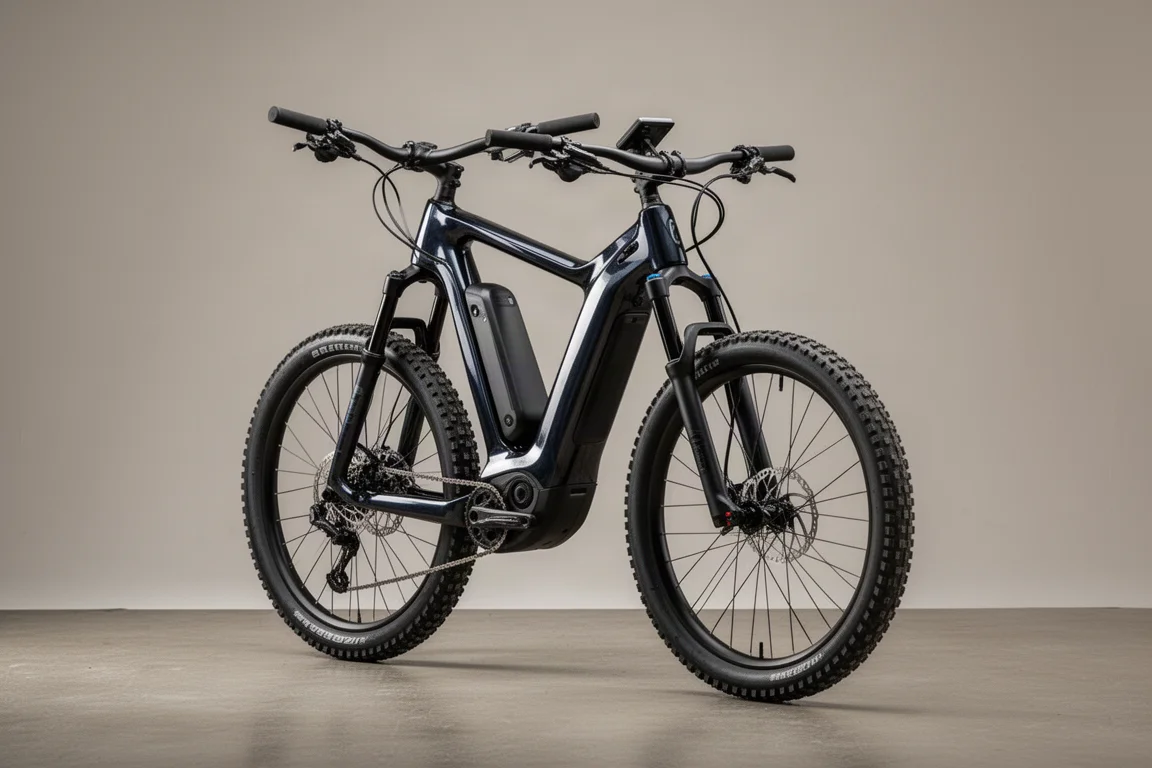
The Amflow e-mountain bike comes in two models. The Pro model wears a darker, glossier paint job, while the base model is silver. Both use components that are already standard in this price bracket: SRAM Transmission drivetrains in two levels depending on the model, Magura brakes, and Fox suspension. Those parts are available to any e-bike manufacturer today, so the real differentiator remains the motor and display.

On the trail, impressions are limited to loops around a convention center, so real climb performance is still unverified. That said, DJI staff at the booth who are serious mountain bikers described climbing performance well beyond what they had experienced on other e-MTBs, which aligns with the motor’s headline torque numbers.
Buying Advice: Who These Are Actually For
Pricing sits at the premium end of the spectrum: roughly €7,000 for the base Amflow and around €10,000 for the Pro. Entry-level e-mountain bikes generally start around the €4,000 mark, so both Amflow models are unambiguously high-end purchases. What you get for that premium is torque and power at or beyond the top of the current market, plus a genuinely modern display and data ecosystem.
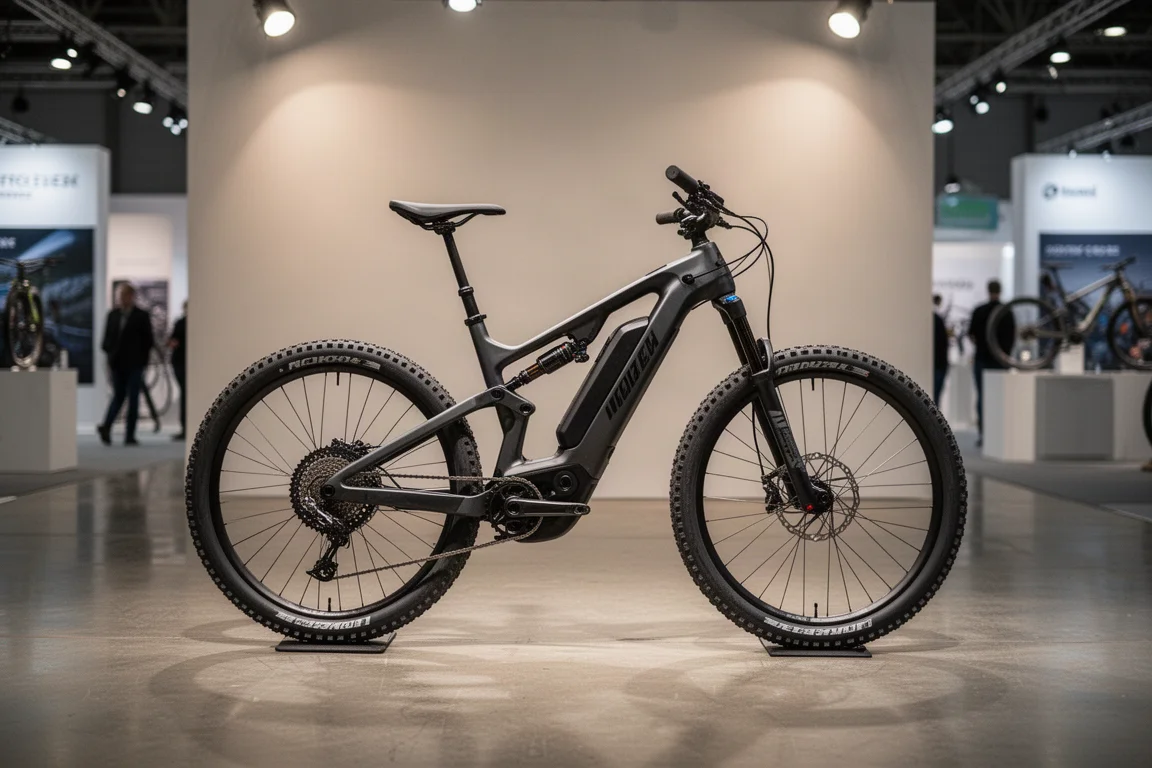
For riders who mostly pedal mellow terrain, the extra torque may be unnecessary. For heavier riders, steep-gradient riders, or data-driven cyclists who want GPS, power, and heart rate recording built into the bike with Strava and FIT export, the Avinox system offers something few competitors currently match. The Avinox motor itself is also worth watching for buyers considering other brands, since DJI intends to license it widely.
Conclusion
DJI’s move into e-mountain bikes is more than a curiosity. The Avinox motor system brings class-leading torque, a sensor suite adapted from drones, and a touchscreen display with real ride-recording capability, while the Amflow e-MTB packages it all into a premium bike with proven componentry. It is a pricey entry into the market, and long-term trail testing is still needed, but as a first swing at the category, it sets a high bar.
Further reading
Related Reviews
Electric Mountain Bikes
Best E-Mountain Bikes: Five Electric Trail and Enduro Bikes Compared
A practical look at five electric mountain bikes, from a lightweight carbon trail build to long-travel enduro machines, with the trade-offs that matter before you buy.
E-Bike Motors
Best E-Bike Motor Comparison 2026: Shimano EP8, Bosch Performance Line CX, Brose and Giant Tested
Four of the most common e-bike motor systems compared on power delivery, control, battery range and everyday ownership.
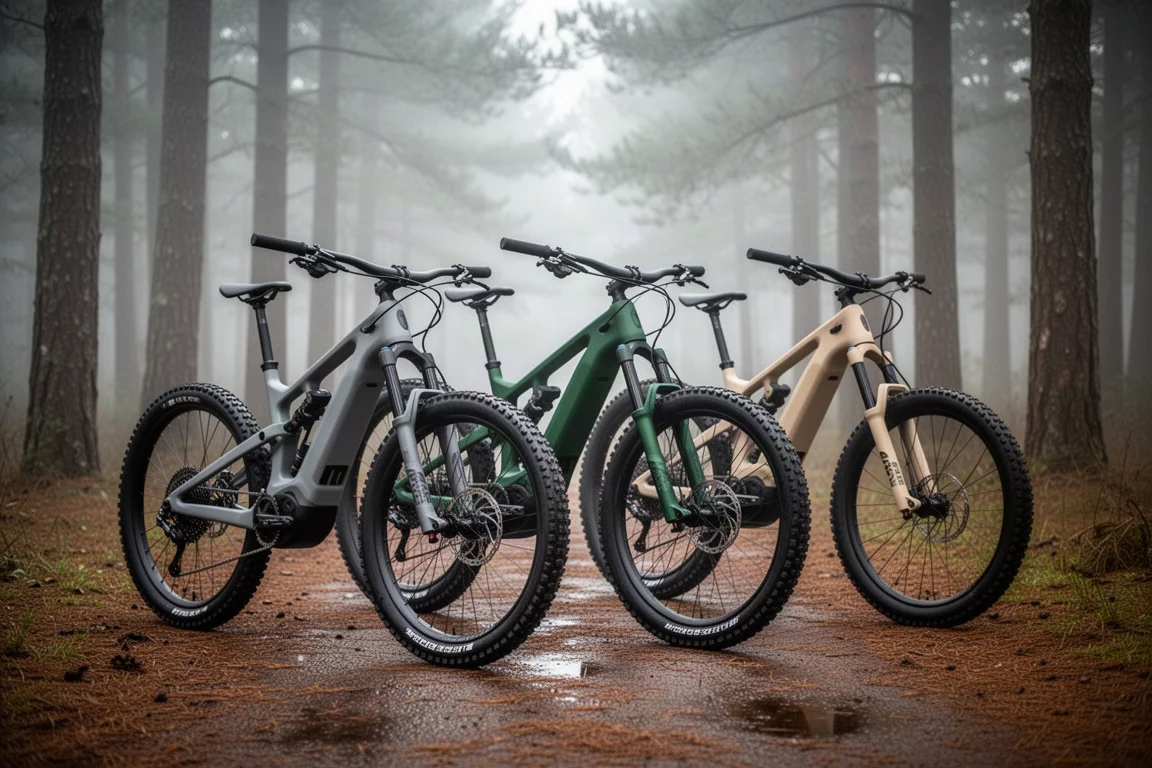
Electric Mountain Bikes
Best Electric Mountain Bikes: Five E-MTBs Worth Shortlisting
Five full-suspension electric mountain bikes compared, from lightweight trail machines to full-power enduro rigs, with the strengths and trade-offs to weigh before buying.