E-Bike Motors
Best E-Bike Motor Comparison 2026: Shimano EP8, Bosch Performance Line CX, Brose and Giant Tested
Four of the most common e-bike motor systems compared on power delivery, control, battery range and everyday ownership.
Introduction
E-bike motors are one of the few components where the spec sheet rarely tells the whole story. Torque figures and peak wattage are useful starting points, but how a motor feeds power to the rear wheel, how far it travels on a single charge and how pleasant it is to live with matter just as much.
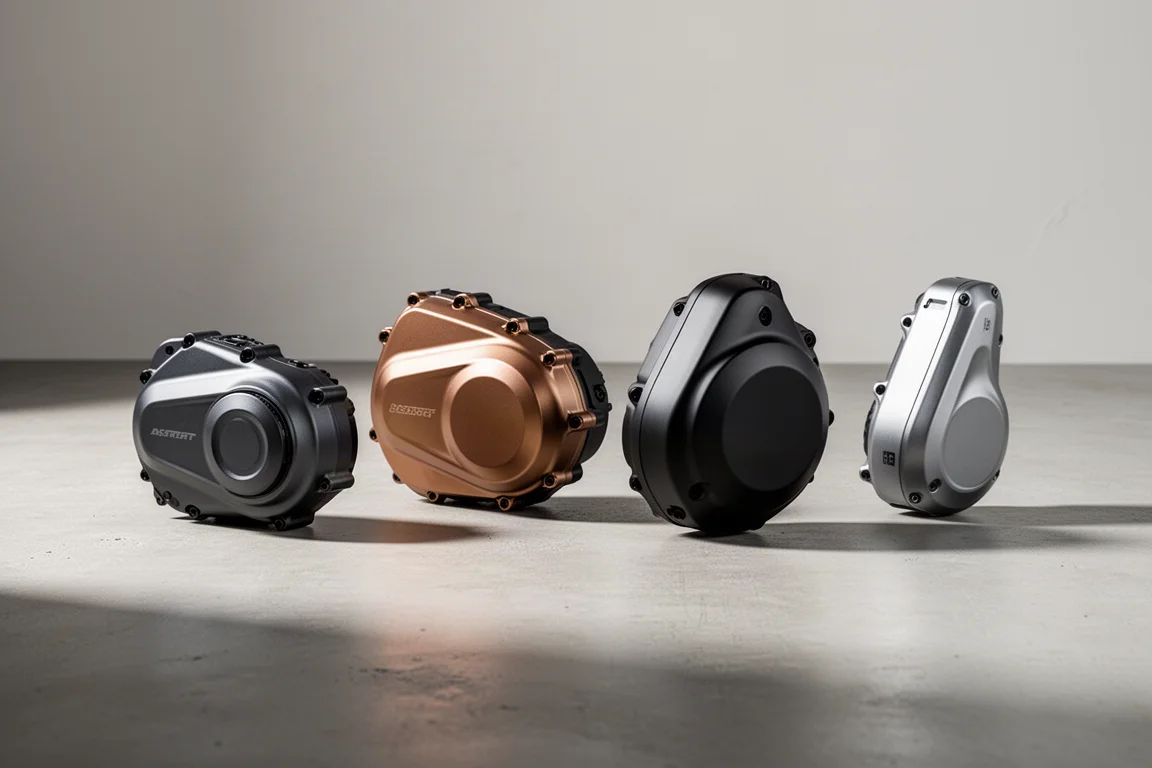
Four of the most common systems are compared here: the Shimano EP8, the Bosch Performance Line CX, the Brose Drive S Mag, which is also sold as the Specialized Turbo Full Power System 2.2, and the Giant SyncDrive Pro, co-developed with Yamaha and also known as the PW-X3. Each was ridden back to back on the same trails and graded on power delivery, control, efficiency and everyday ownership.
How We Evaluated These E-Bike Motors
Each motor was graded on four factors. First, power delivery: which system feels strongest when the trail points upward. Second, control: how quickly and how smoothly power arrives, and how easy it is to avoid wheelspin or a loop-out on steep, technical ground. Third, efficiency: how much climbing a single charge allows. Fourth, living with the system day to day, from display readability to app support and battery removal.
The control category deserves more detail than it usually gets. A motor that delivers everything at once can be exhausting on a technical climb, because the rider has to fight the bike rather than guide it. A motor that feeds power in progressively lets you place the rear wheel deliberately, keep traction on loose rock and make harder, more positive pedal strokes without spinning up.
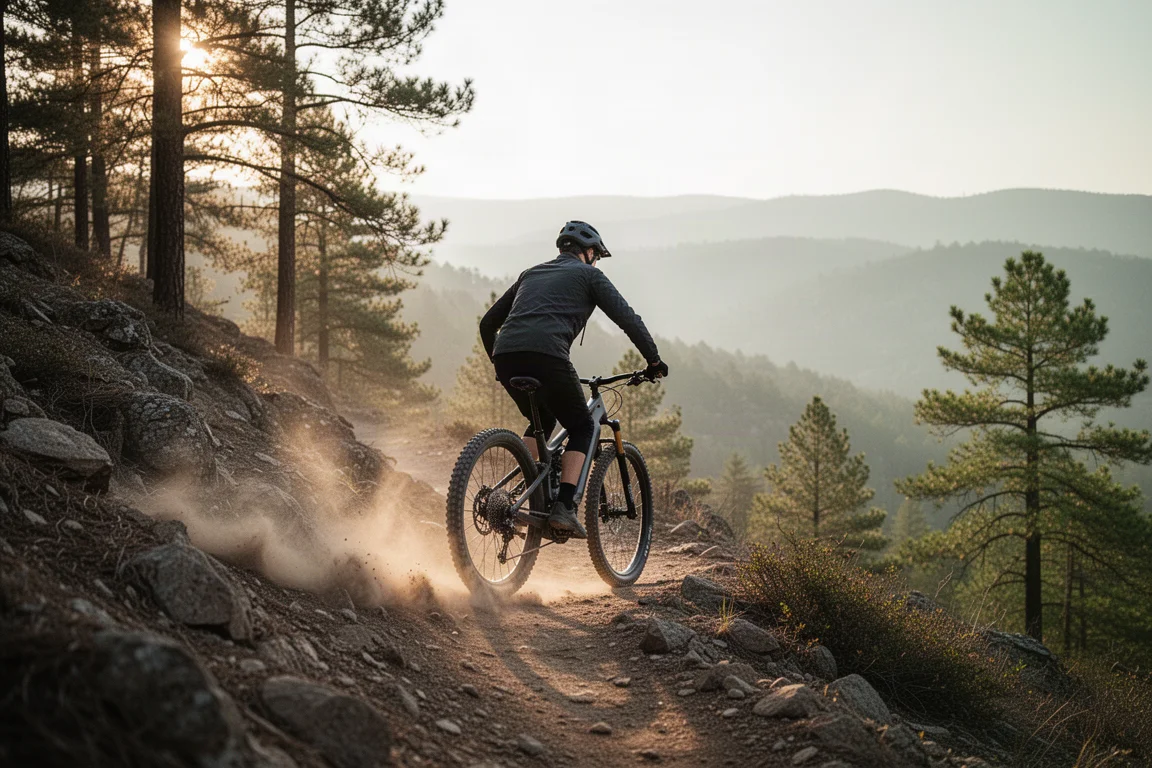
It is worth being upfront about the limits of any comparison like this. The motors were fitted to different bikes from different brands, with different components, frame designs, suspension layouts and weights. Bike and rider weight, tyre compound and carcass thickness, trail conditions and weather all influence how much battery a motor uses, so the range figures below indicate what is possible rather than a controlled laboratory result. Even so, clear trends emerged across the four systems, particularly in how they deliver assistance at low and high cadence and in how much climbing they manage on a charge.
Shimano EP8 (DU-EP800)
Shimano’s EP8 is the lightest system in this comparison at a claimed 2,600 g. Shimano quotes 85 Nm of torque, up to 500 W of peak power and rider input amplification of up to 400 percent, with three assistance modes: Eco, Trail and Boost. A walk mode helps propel the bike when pushing it up steep ground, and the modes can be fine-tuned through Shimano’s E-Tube Project app, which can also turn a smartphone into a live ride display.
A bar-mounted display is offered in full colour or monochrome versions, and two buttons handle mode changes. Shimano sells 504 Wh and 630 Wh batteries, and unlike the other systems here the EP8 can be paired with a third-party battery. The motor appears on bikes from Santa Cruz, Yeti, Marin, YT Industries and Nuke Proof, among others.
On the trail the EP8 has less outright punch than the Bosch in its maximum Boost setting and can feel as though it throttles back when you push harder on steep or fast ascents. At lower cadences it produces more power, and that assistance reduces on what feels like a sliding scale as cadence rises. Setting off in Turbo on steep ground can also spin the rear wheel if you are not measured with your pedal input. Once underway, though, it feels natural and predictable, with a smooth analogue quality to the assistance.
Efficiency is where the EP8 stands out. It was the most efficient motor in this comparison and the least affected by bike weight, tyre choice, trail conditions and weather. With a 630 Wh battery it can deliver over 2,000 m of climbing in Eco on a single charge.
Bosch Performance Line CX
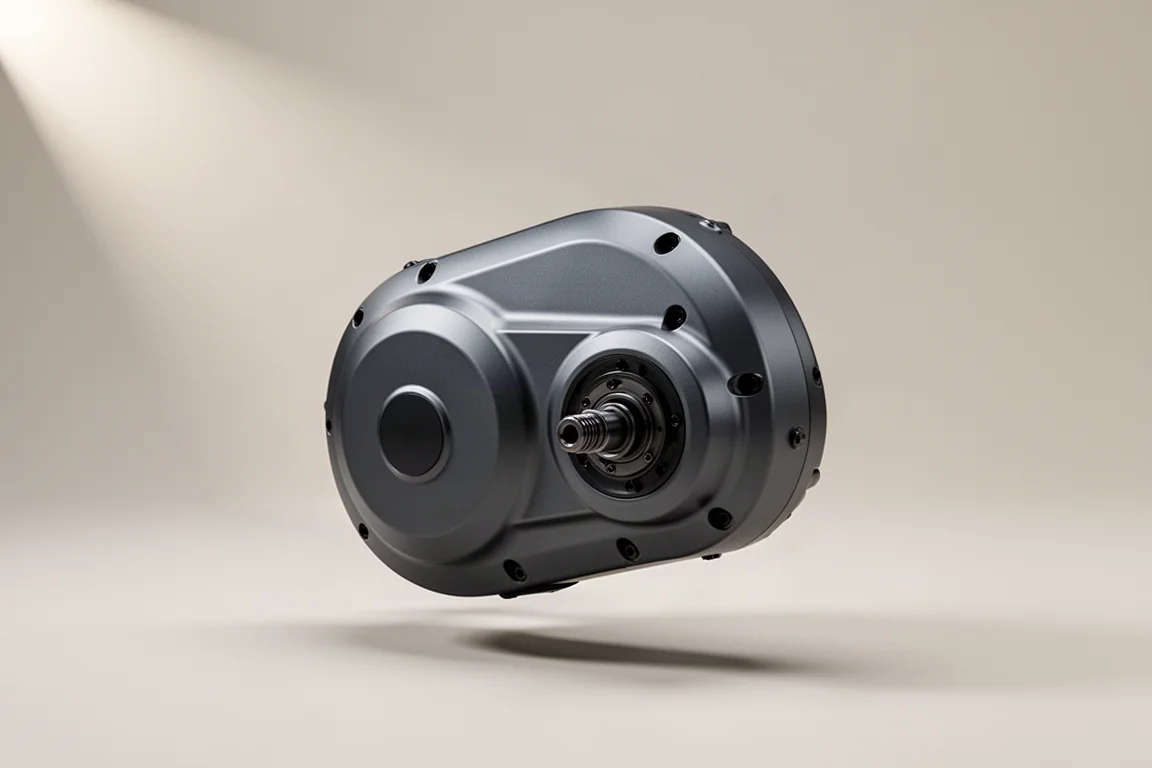
Bosch’s Performance Line CX matches the Shimano on torque with 85 Nm but converts that into 340 percent rider support, and Bosch does not quote a peak power figure. Which modes you get depends on the control unit. The basic Purion display lacks smartphone connectivity and offers Eco, Trail, eMTB and Turbo, while a Kiox 300 bike runs Eco, Trail+, eMTB and Turbo. Trail+ and eMTB react to rider input, altering torque and assistance on the fly. Bosch also sells the touchscreen Nyon display, and the Bosch Flow app handles motor tuning, ride planning and ride tracking.
The Performance Line CX is compatible only with Bosch batteries, but the range is wide, running from 300 Wh up to 1,250 Wh. At a claimed 2,900 g it is one of the two heaviest motors here, alongside the Brose. It features on bikes from Trek, Whyte, Scott and Mondraker.
Out on the trail it feels like the most powerful of the four, particularly in eMTB and Turbo. It delivers constant, almost addictive support that matches rider input with total cohesion, and the assistance does not tail off as cadence or power rises. Steep climbs can be cruised at low speed with far less effort, or attacked hard for a much quicker ascent. Low-cadence torque is excellent: light pushes on the pedals turn the rear wheel slowly but with plenty of torque, behaving a little like a low-range gearbox in an off-road vehicle and improving traction on technical ground.
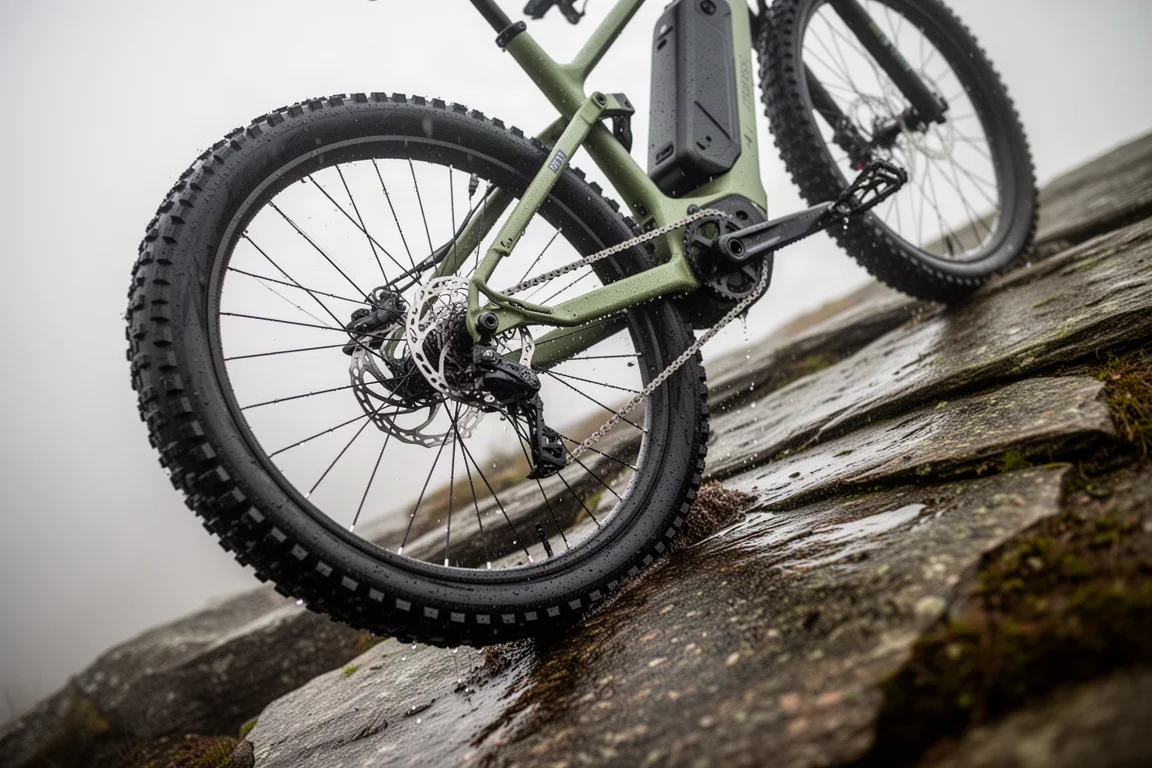
Just as importantly, that power stays easy to control. Assistance builds progressively and is matched to how hard a rider pedals regardless of mode, which makes hard starts on steep or technical sections relatively straightforward. Battery performance, meanwhile, depends heavily on the bike it is fitted to. On a Purion-equipped bike in Eco and running aggressive, thick-cased tyres, well over 2,000 m of climbing was regularly achievable even in poor weather. On a Kiox 300 smart system bike with a larger 750 Wh battery and heavy-duty casings, roughly 1,700 m in Eco was about the limit. The Kiox 300 display does show an accurate battery percentage, which makes planning the final climb of a ride much simpler.
Brose Drive S Mag (Specialized Turbo Full Power System 2.2)
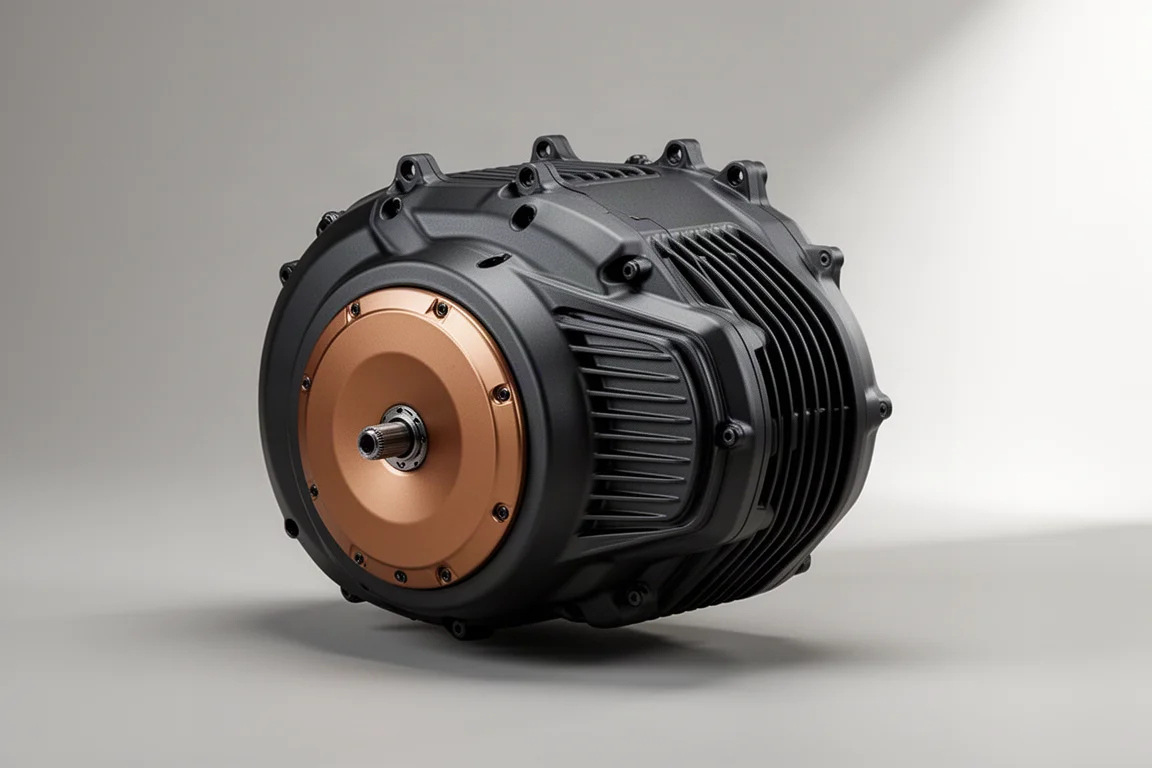
The Brose Drive S Mag is sold on Specialized bikes as the Turbo Full Power System 2.2 and also appears on models from German brand Rotwild and Spanish brand BH. It leads this group on paper with 90 Nm of torque, a claimed 410 percent assistance ratio and 565 W of peak power, at the cost of a claimed 2,900 g weight that matches the Bosch.
Battery capacity depends on the version. The Specialized system tops out at 700 Wh, while the standard Brose version maxes out at 630 Wh. The display sits on the top tube: the top-spec Specialized Mastermind TCU has an inbuilt colour LCD with customisable data fields, while the lower-spec TCU uses LEDs to show charge and mode. Both use the same four-button bar-mounted controller. Specialized’s Mission Control app tunes assistance levels, records rides and adds a smart control mode that automatically adjusts assistance to protect battery range. Stock modes are Eco, Trail and Turbo, but on a Mastermind TCU bike assistance can be adjusted in 10 increments rather than three fixed steps.
Power delivery is the Brose’s strength. Each pedal stroke, especially at lower cadences, is harmonised with and boosted by the motor, and assistance builds progressively from a standstill. That means harder, more positive pedal strokes are possible without the balancing act of avoiding wheelspin, and the result feels natural and analogue rather than binary. The trade-off is a distinct optimal support window: power drops away at very low and very high cadences, and at the bottom end it feels less peppy than the Bosch or the Shimano.
With the 700 Wh Specialized battery it remains impressive on range. At low assistance levels, over 2,000 m of climbing on a single charge is feasible, slightly behind the Shimano EP8 but still strong.
Giant SyncDrive Pro (Yamaha PW-X3)
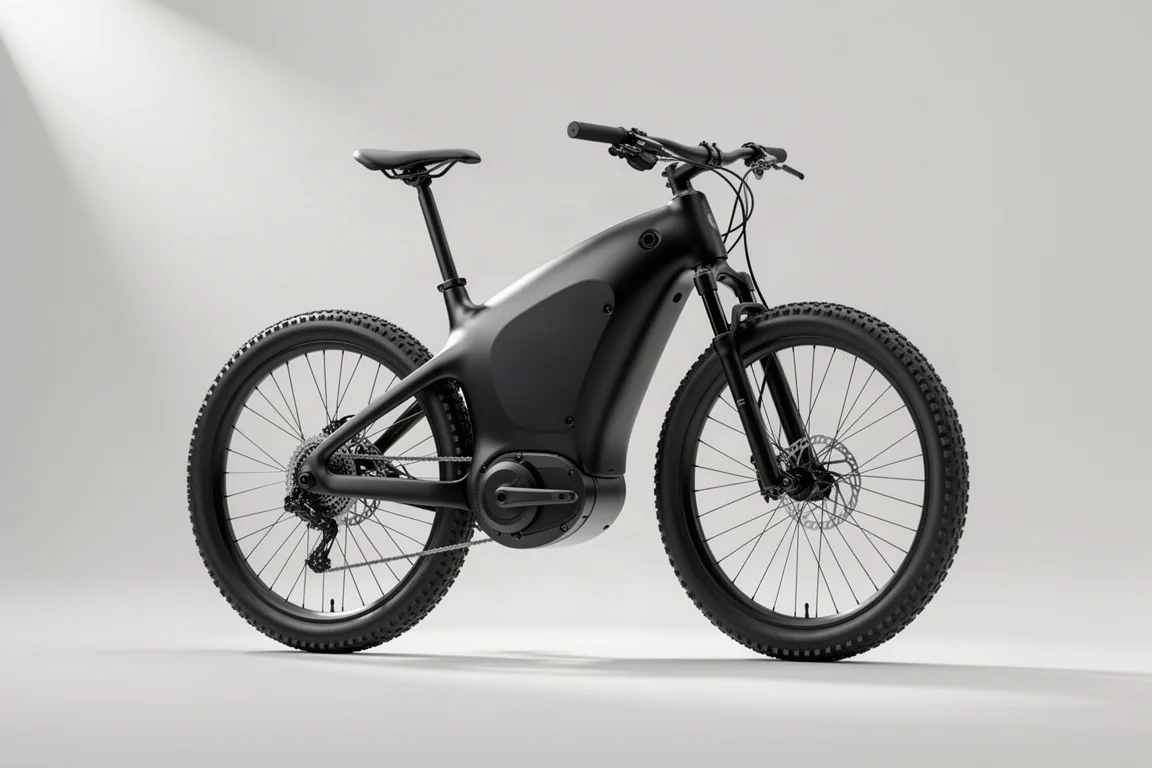
The SyncDrive Pro is co-developed by Giant and Yamaha and is also known as the Yamaha PW-X3. It produces 85 Nm of torque with a 400 percent support ratio, and Giant claims 250 W of continuous output rather than quoting a peak figure. Giant-branded motors run on 500 Wh or 700 Wh batteries, while the Yamaha version tops out at 600 Wh. Weight is a claimed 2,750 g, lighter than the Bosch and Brose but heavier than the Shimano.
Five assistance modes are available: Eco, Tour, Active, Sport and Power. Active behaves much like Bosch’s Trail+ and eMTB modes, increasing assistance as rider input rises. The RideControl Go top tube display uses sequential LEDs to show remaining charge and the selected mode, and the three-button RideControl Ergo 3 controller can be mounted on either side of the bar with configurable button functions. The RideControl app handles ride planning, ride recording and motor tuning. The system appears mainly on Giant e-bikes, along with some Haibike and Raymond models.
On the trail the SyncDrive Pro feels feisty and eager, with plenty of support at low cadence that stays constant as you pedal harder. Compared with the Shimano EP8 it does not run out of steam as quickly, though it cannot match the sustained assistance of the Bosch.
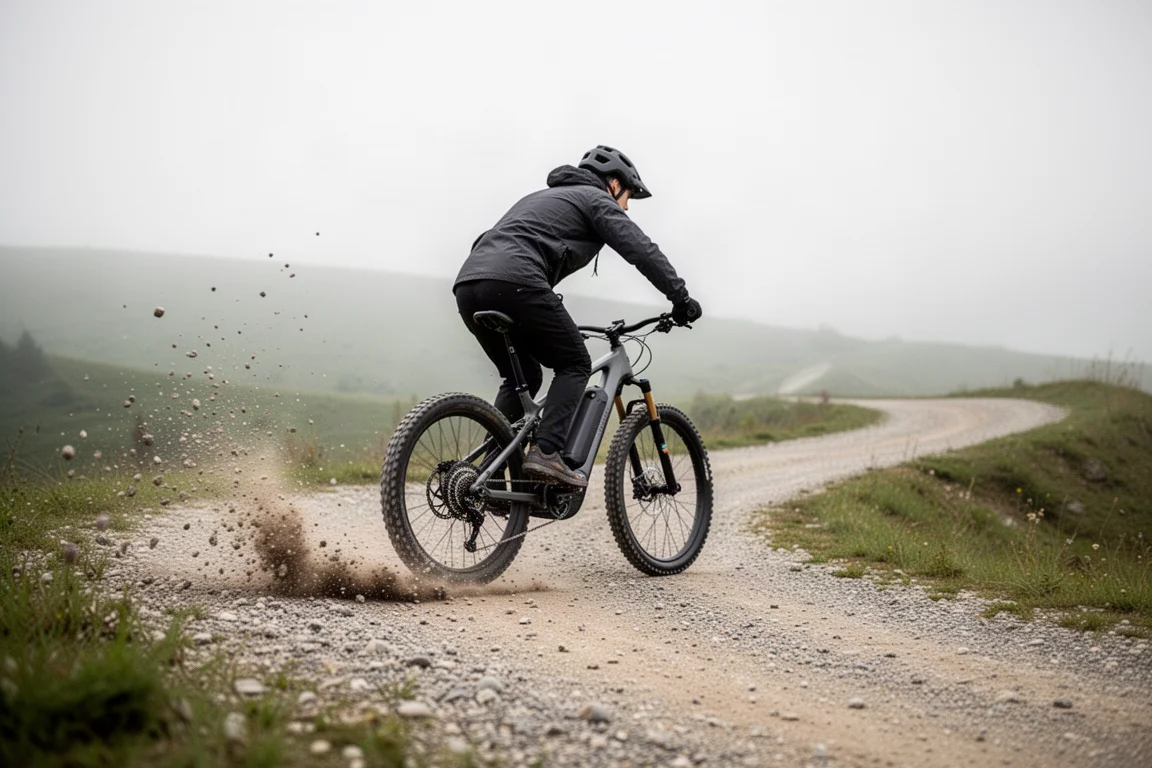
That eagerness is also its weakness. From a standstill the motor can feel binary, taking off quickly and applying full power, which makes it very easy to spin the rear wheel. Controlling it smoothly on steeper or more technical climbs is tricky, and feeding power in gradually is not something this system does especially well. Efficiency also trails the group: on a battery almost identical in size to the Shimano and Bosch bikes used here, roughly 1,500 m of climbing on a single charge in the lower assistance modes was about the limit. Its willingness to assist so strongly at low cadence is likely to be the main reason.
Battery Range and Efficiency Compared
Across the four systems, the Shimano EP8 was the most efficient and the least sensitive to changes in bike weight, tyres, trail conditions and weather, managing over 2,000 m of climbing in Eco on a 630 Wh battery. The Brose and Specialized system was close behind, exceeding 2,000 m on a 700 Wh battery at low assistance. The Bosch varied more: well over 2,000 m was regularly possible in Eco on a Purion bike, while a heavier-tyred Kiox 300 bike with a 750 Wh battery managed roughly 1,700 m. The Giant SyncDrive Pro was the least efficient of the four, with around 1,500 m achievable in the lower assistance modes.
Display quality matters here too. Three of the displays used in this comparison show battery charge only in 20 percent increments, which makes it harder to judge exactly how much range is left. The Bosch Kiox 300 and the Specialized Mastermind TCU are the exceptions, both showing accurate battery percentages. It is a genuinely useful feature, and one that would be welcome on the Shimano system through a future software update.
Maintenance guidance is broadly the same across all four motors: avoid submerging the system in water and avoid cleaning with a pressure washer. Whether the battery is easy to remove after washing depends on the frame design rather than the motor itself.
Which E-Bike Motor Should You Choose?
This is a close call between the Shimano EP8 and the Bosch Performance Line CX. Both offer plenty of power, both manage good battery life, and both are available on the largest number of bikes from the widest range of manufacturers. If outright climbing support and controllable torque on technical terrain matter most, the Bosch is the pick. If range, low weight and battery flexibility matter most, the Shimano is the pick, and it would be the motor to look for personally.
It is worth remembering that a motor and battery only partly determine how an e-bike rides. Suspension design, frame geometry and the components fitted to the bike matter just as much, and the best motor in the world will not rescue a compromised frame. Choosing a Brose or Yamaha motor also narrows your options, because those systems appear on a smaller number of bikes than their Shimano and Bosch counterparts.
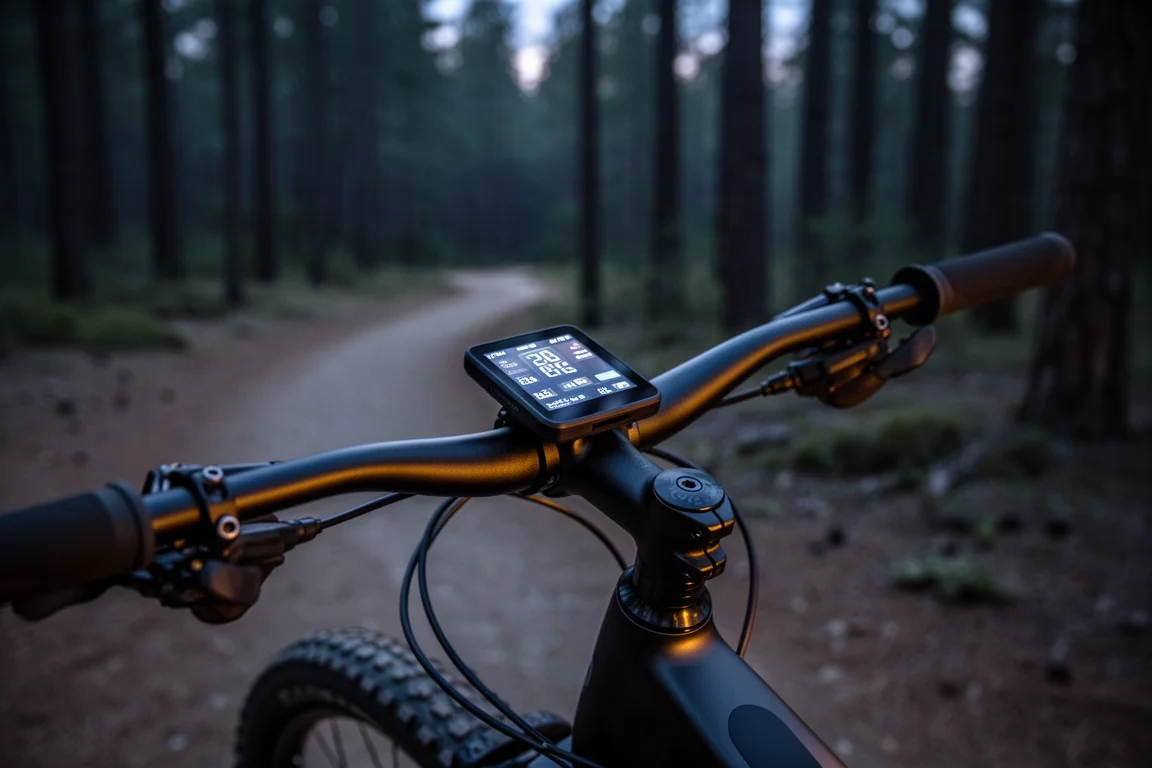
The most useful approach is to start with the bikes that suit your riding and your budget, then look at which motor they carry. The Shimano EP8 suits riders who want the longest possible range from a lighter system. The Bosch Performance Line CX suits riders who want the strongest and most controllable assistance on steep climbs. The Brose Drive S Mag suits riders who value a smooth, natural feel and can accept a narrower choice of bikes. The Giant SyncDrive Pro suits riders who want lively low-cadence assistance on a Giant, Haibike or Raymond model.
Conclusion
No single motor wins on every measure. The Bosch Performance Line CX feels the most powerful and the most controllable on technical climbs, the Brose Drive S Mag delivers the smoothest and most natural assistance, the Shimano EP8 travels furthest on a charge with the lightest system, and the Giant SyncDrive Pro is the most eager at low cadence but the least efficient and the hardest to meter out smoothly.
On balance, the Shimano EP8 and the Bosch Performance Line CX are the two systems to shortlist, both for their performance on the trail and for how widely available they are across different brands.
Further reading
Related Reviews

Backpacking Gear
Building a 10 lb Base Weight: An Ultralight Backpacking Gear List
A practical walkthrough of the ultralight pieces behind a 10 lb base weight, from a 765 g pack and a roomy one-person tent to a full camp chair and a dependable water filter.
Road Bikes
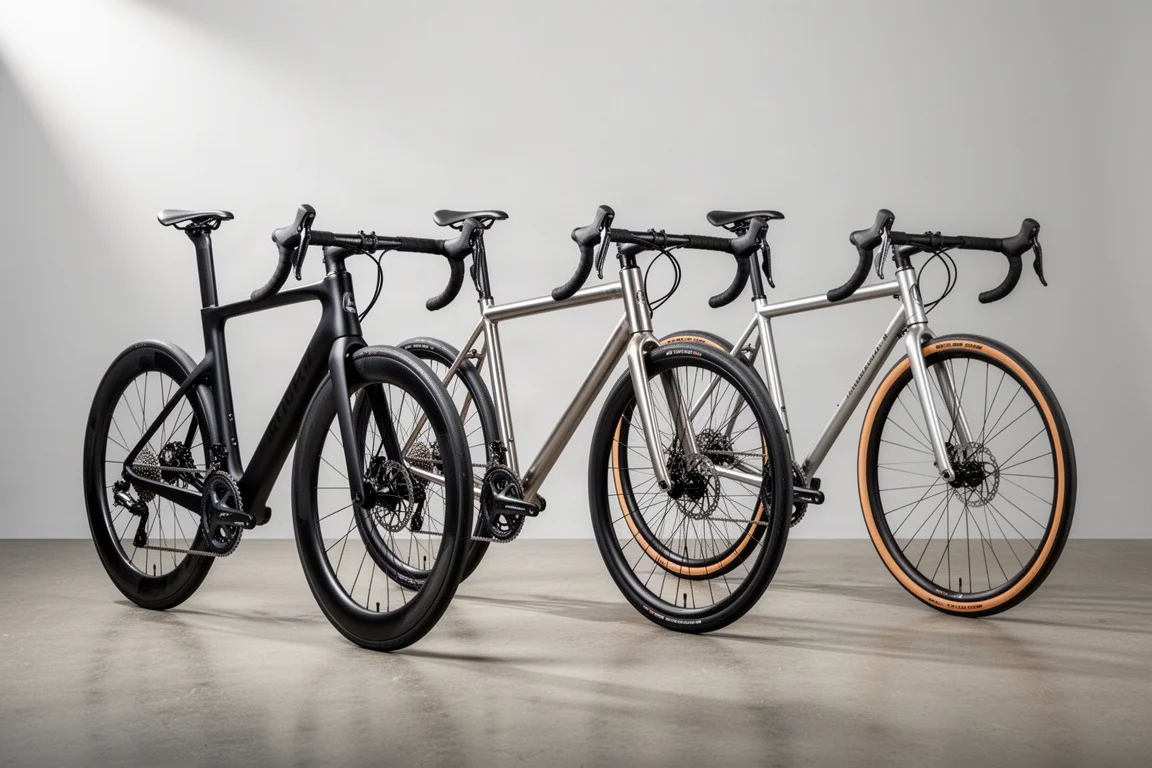
10 New Road Bikes Worth Watching: Aero, Titanium, Steel and Endurance Standouts
A practical roundup of 10 new road bikes, from aero flagships chasing single-watt gains to titanium, steel and endurance platforms built for real roads.
Bikepacking Gear
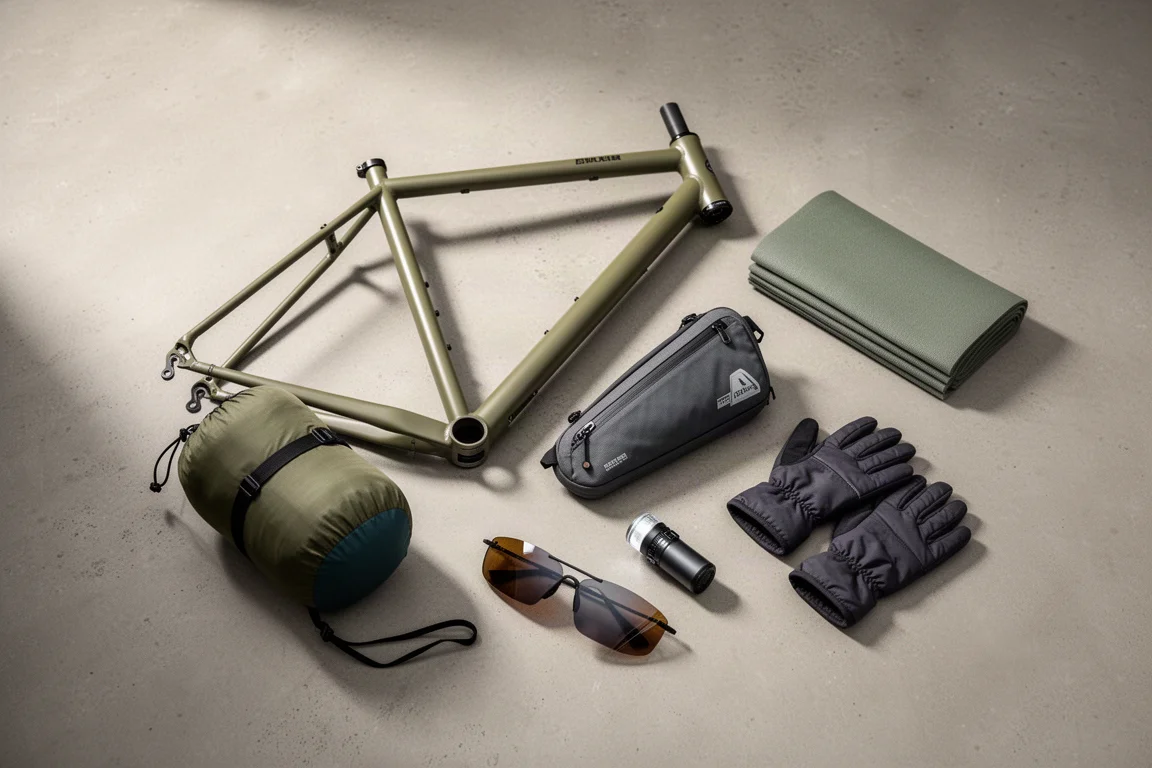
11 Bikepacking Essentials for Long-Distance Cycling
Eleven bikepacking essentials for long-distance cycling, from a steel gravel frame and a two-person tent to helmet lights, packable gloves, and a frame bag that puts weight in the right place.